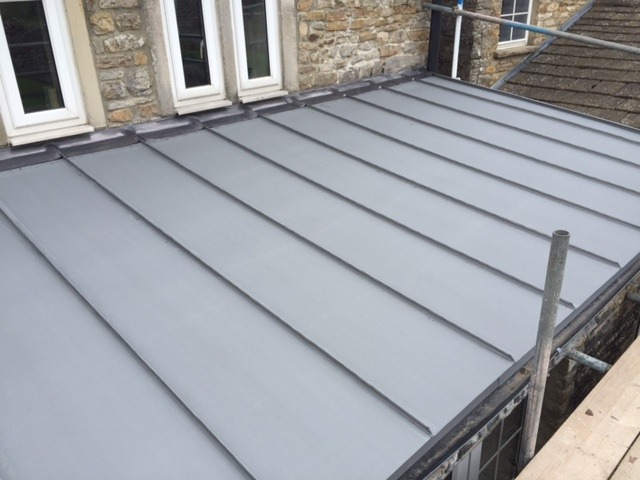
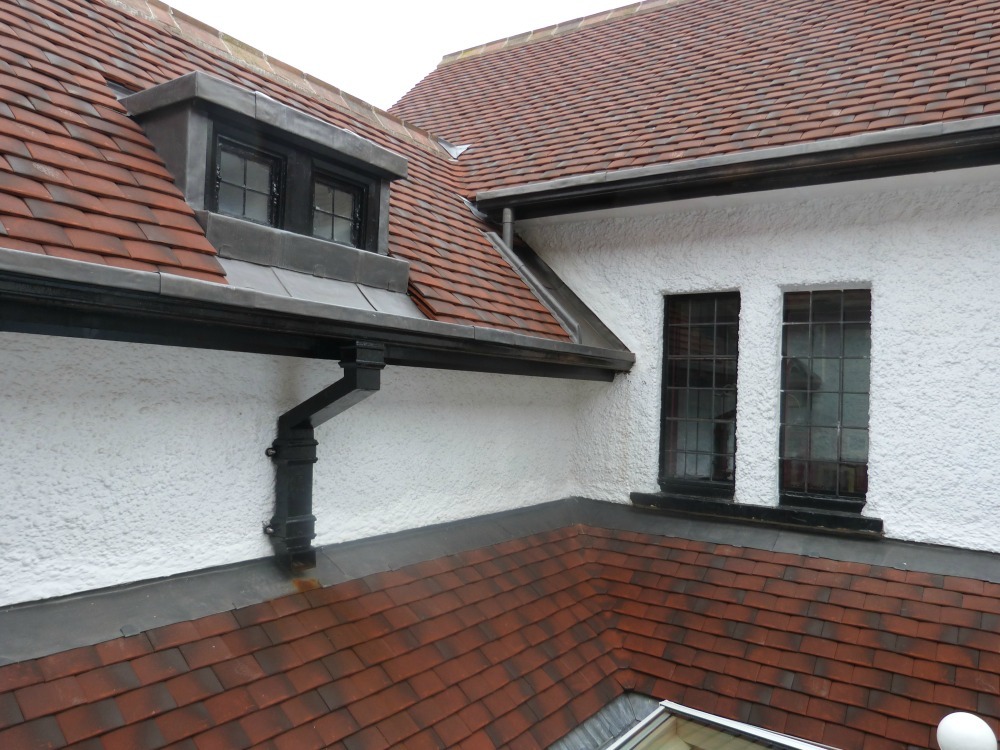
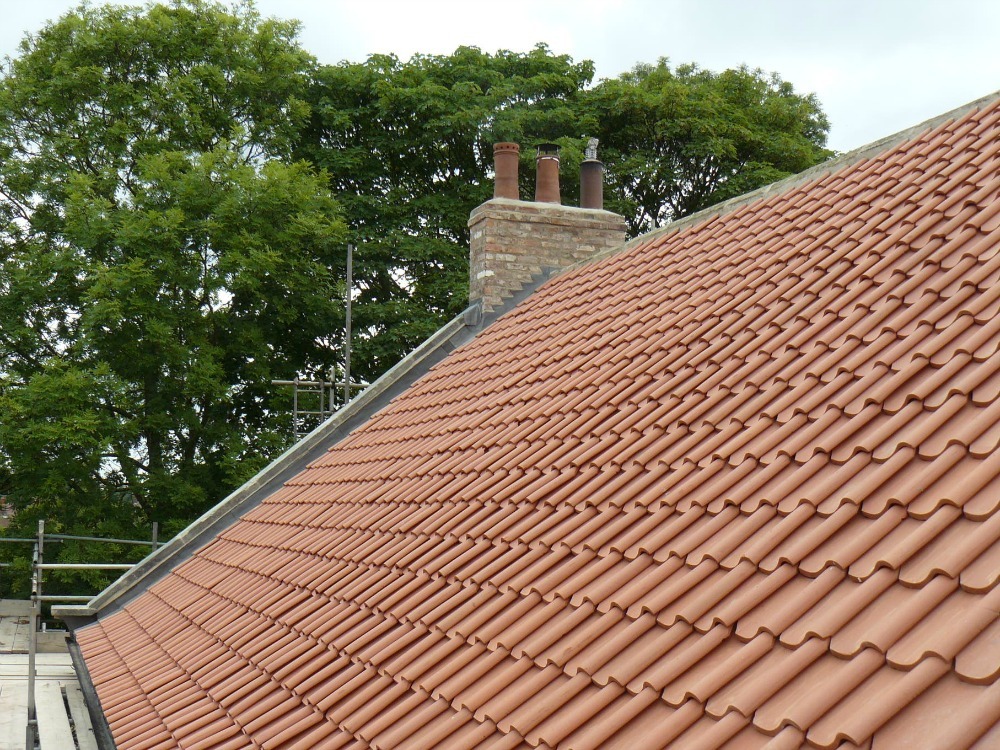
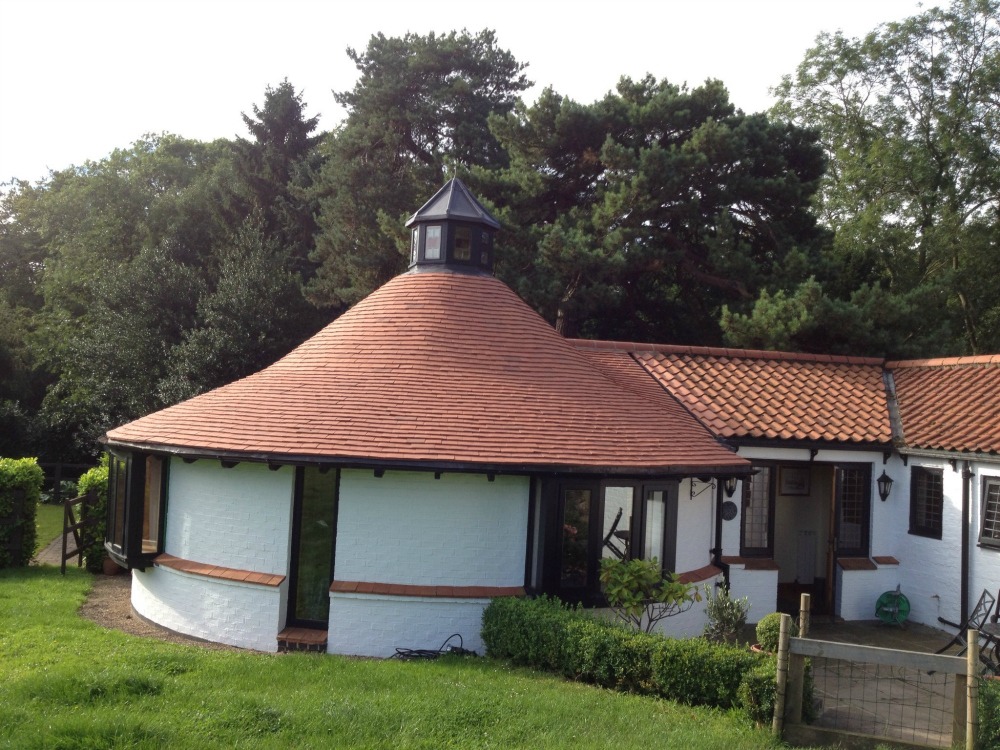
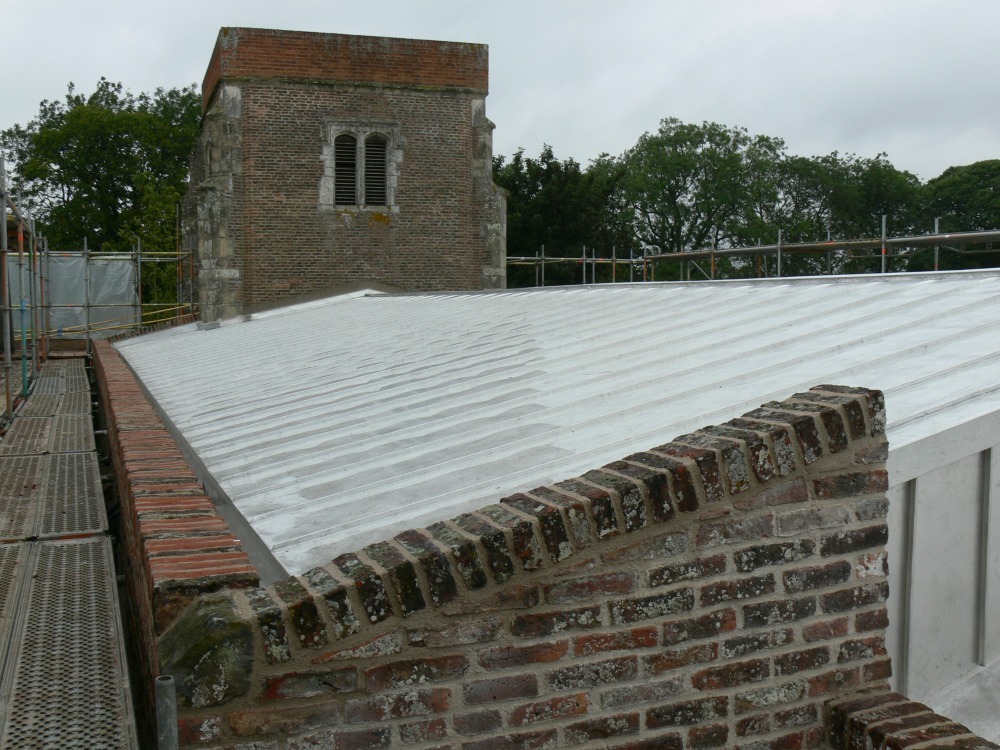
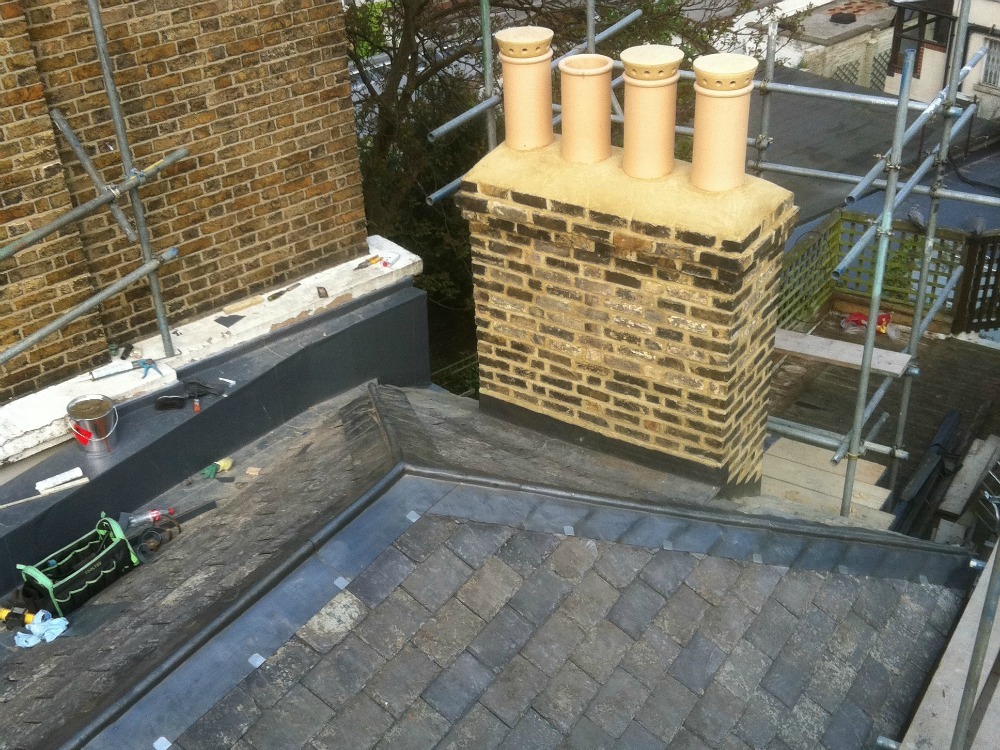
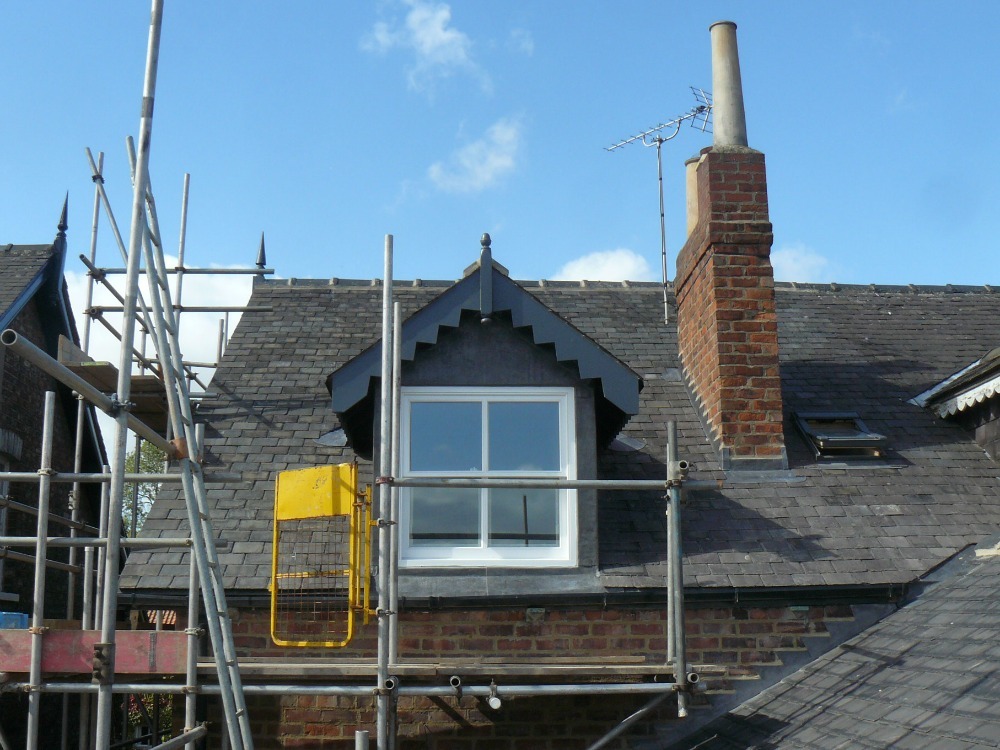
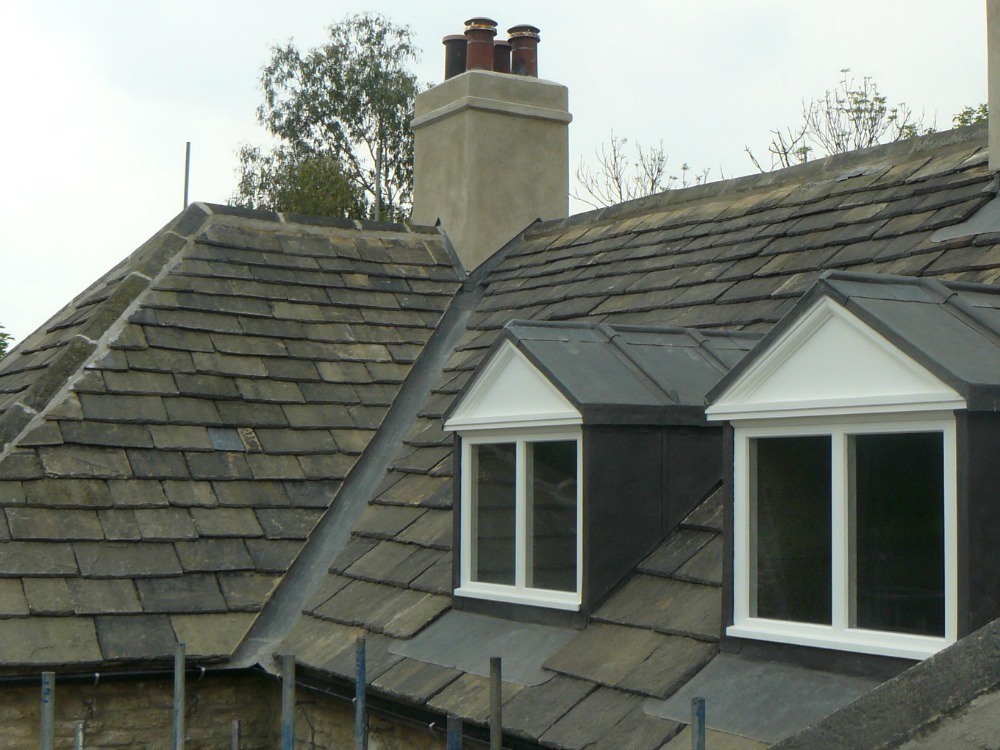
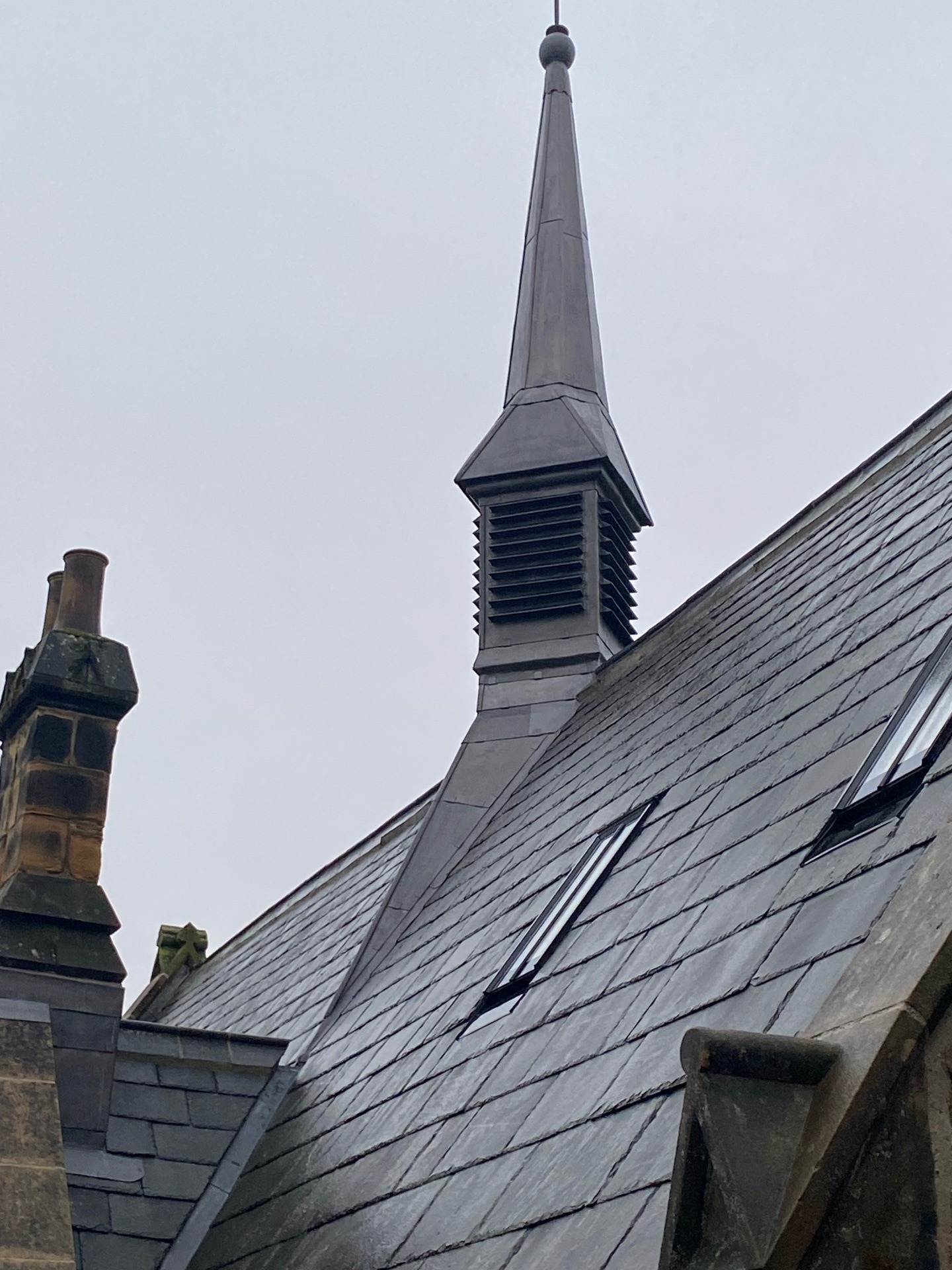
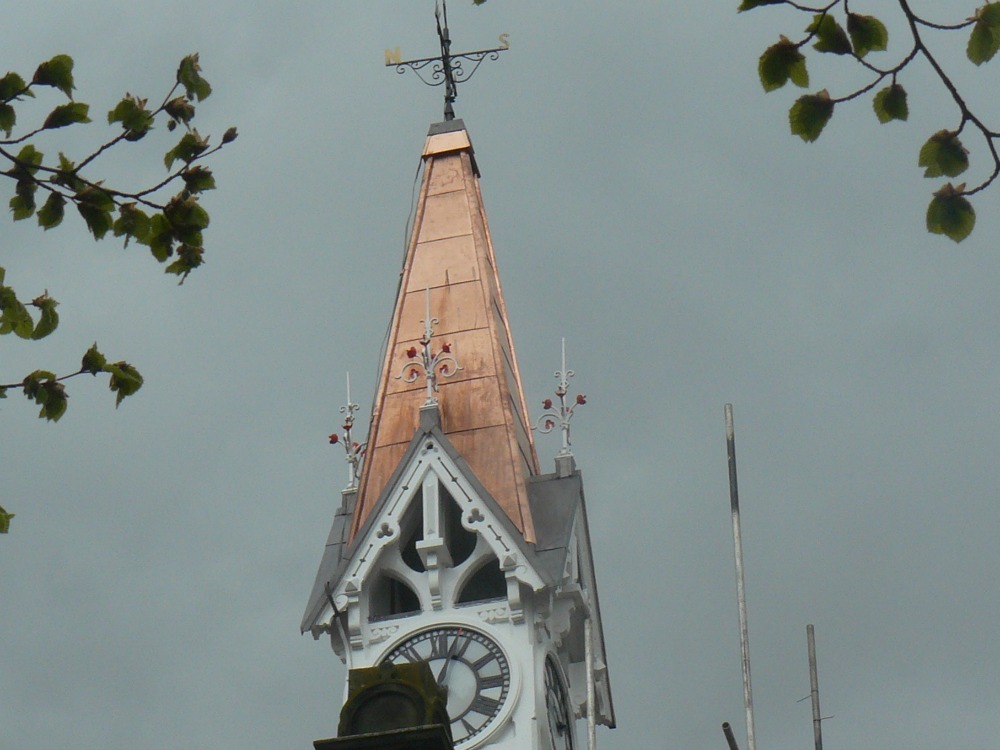
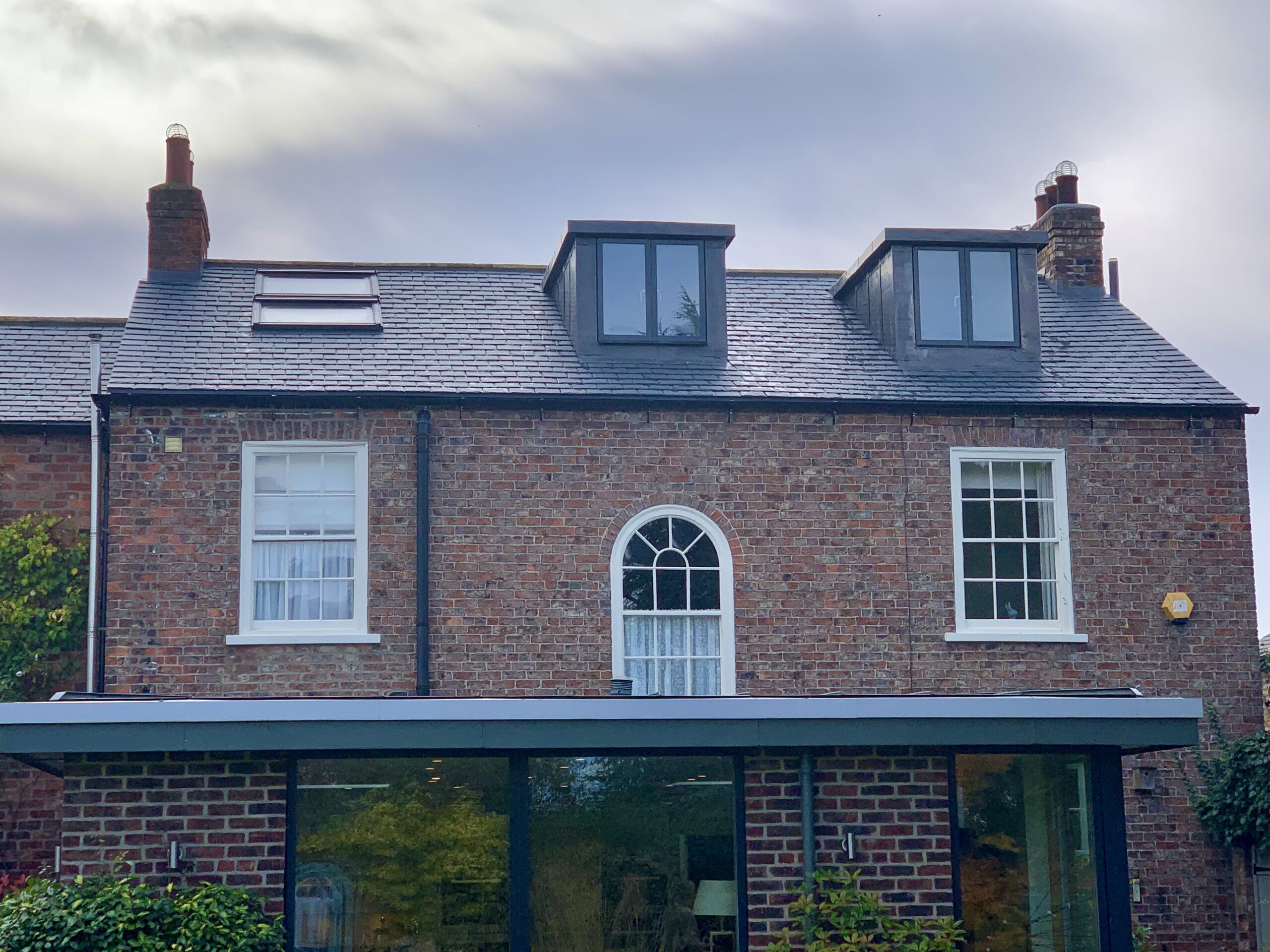
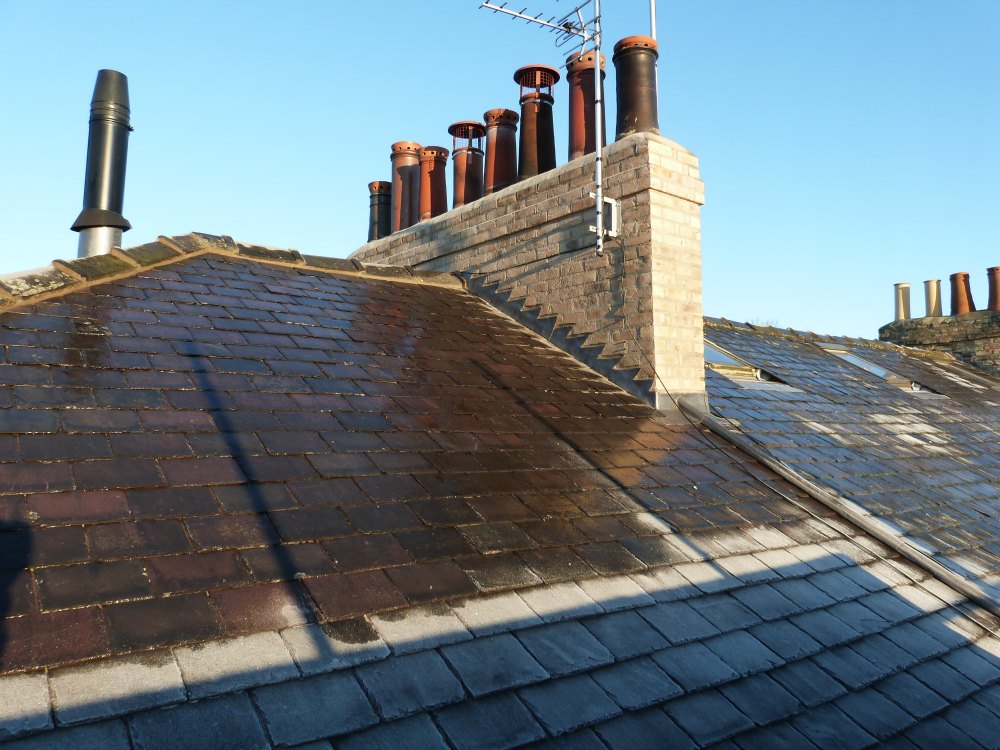
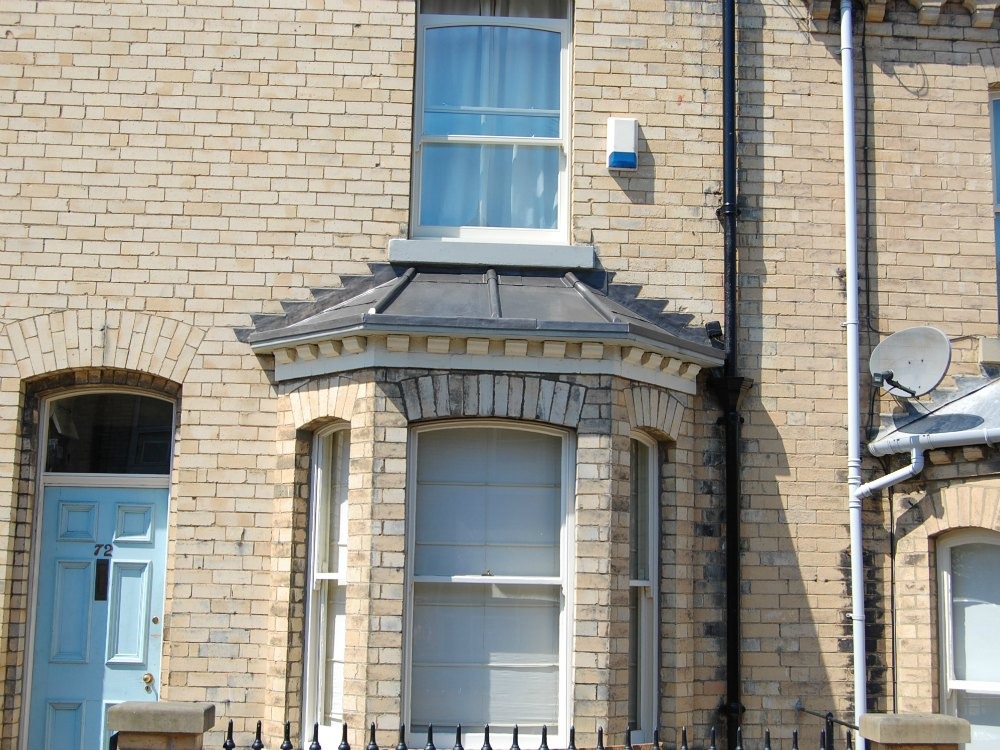
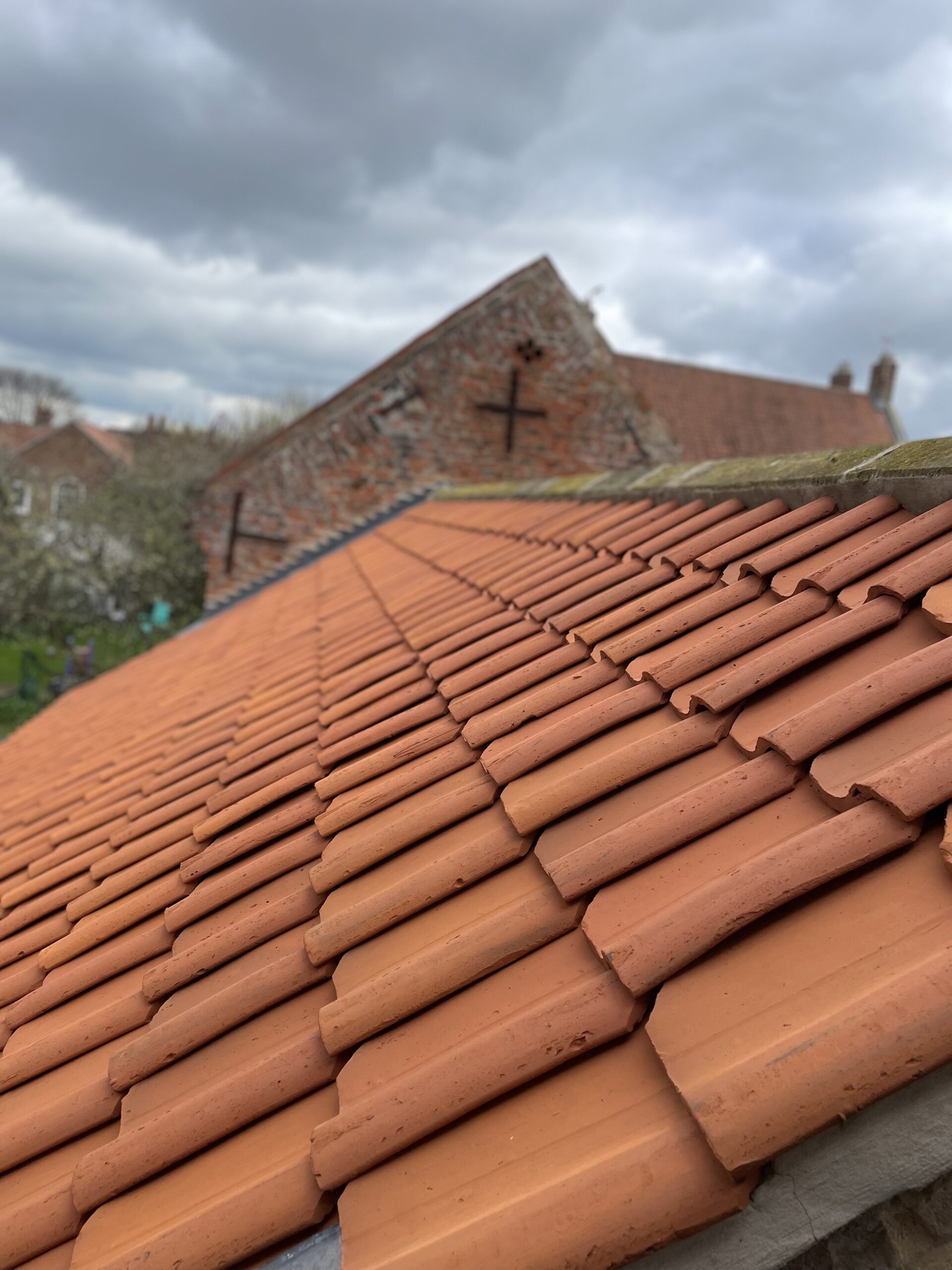
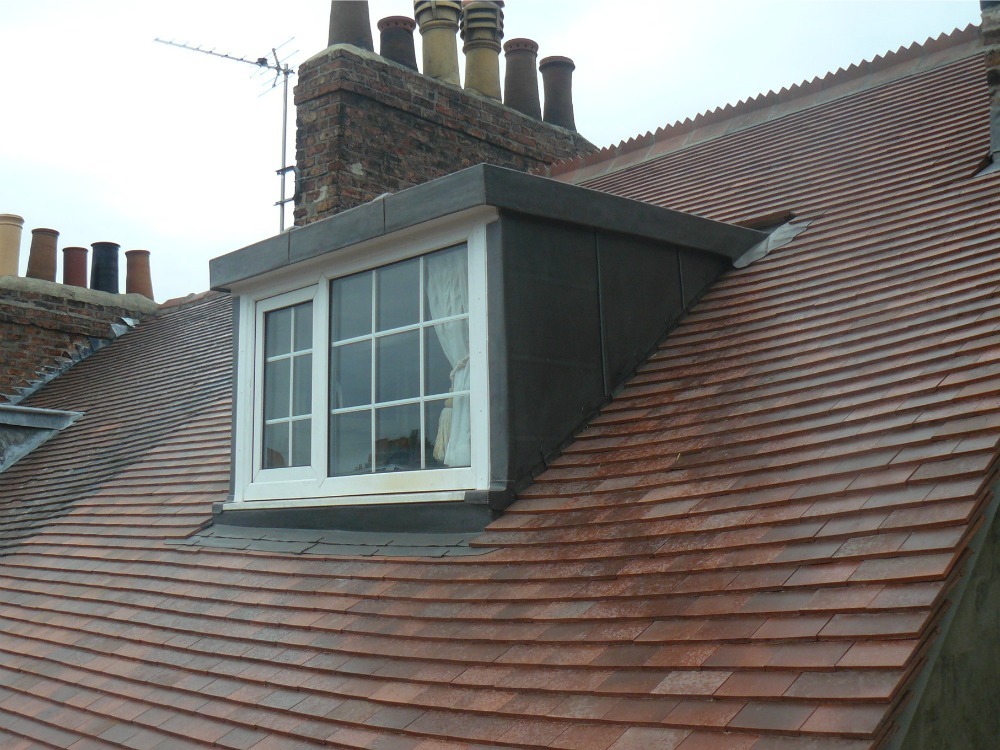
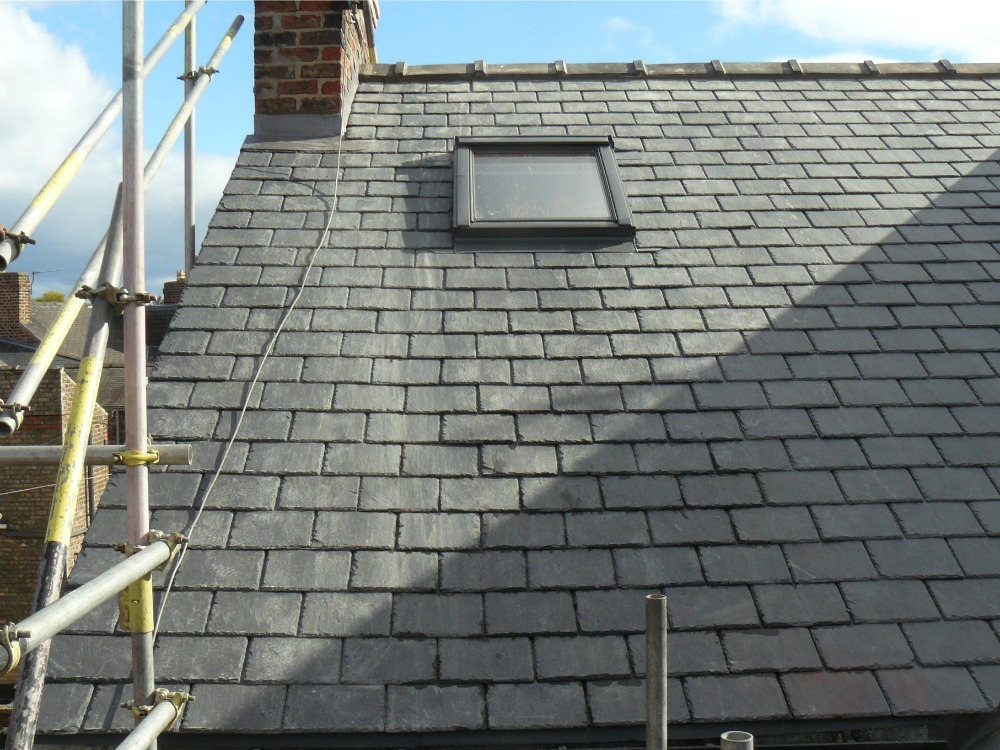
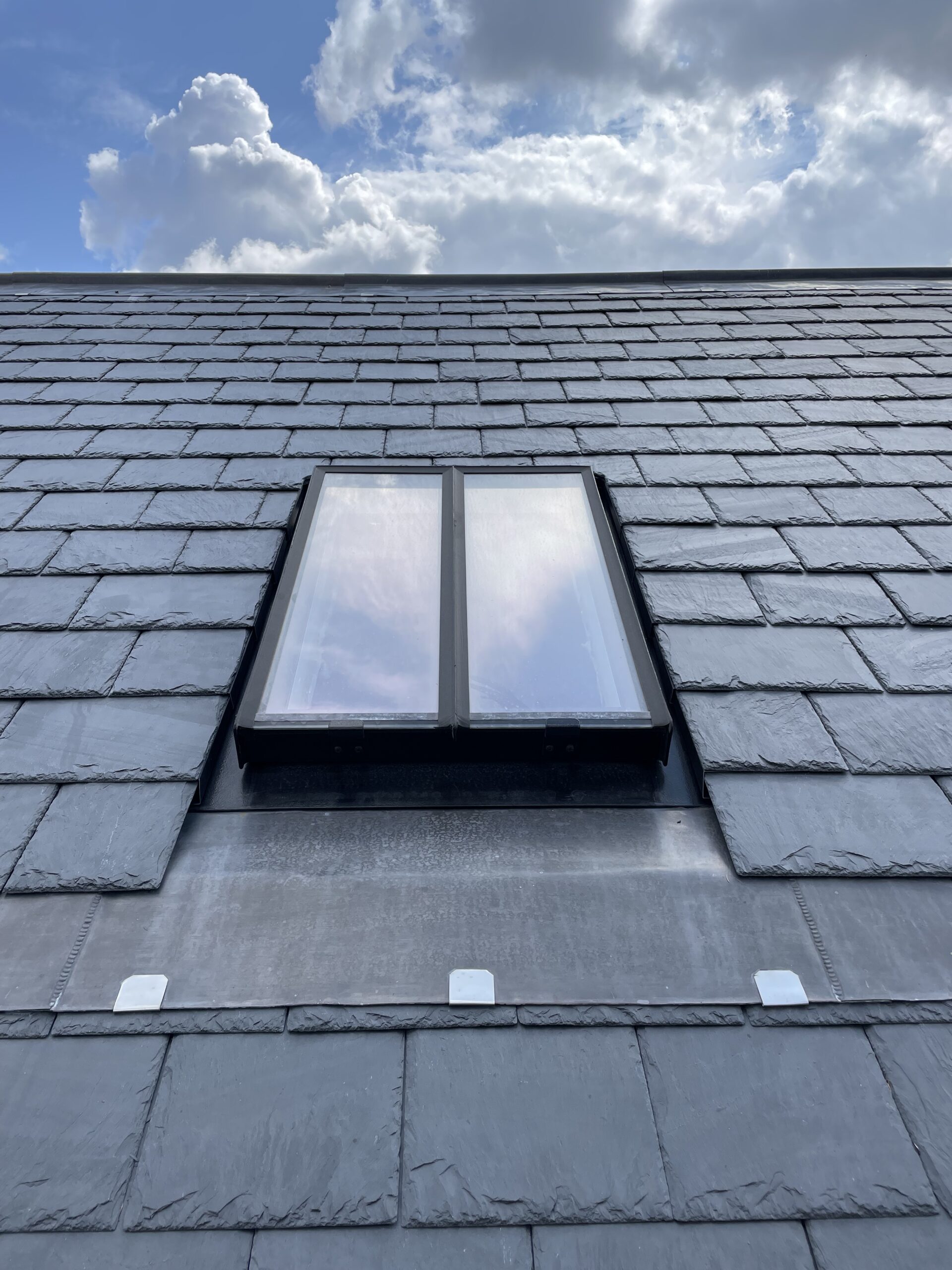
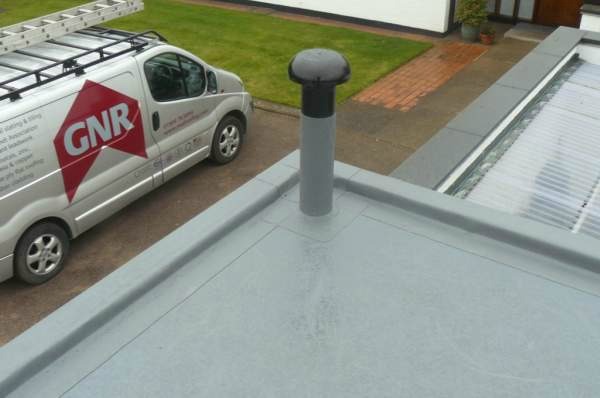
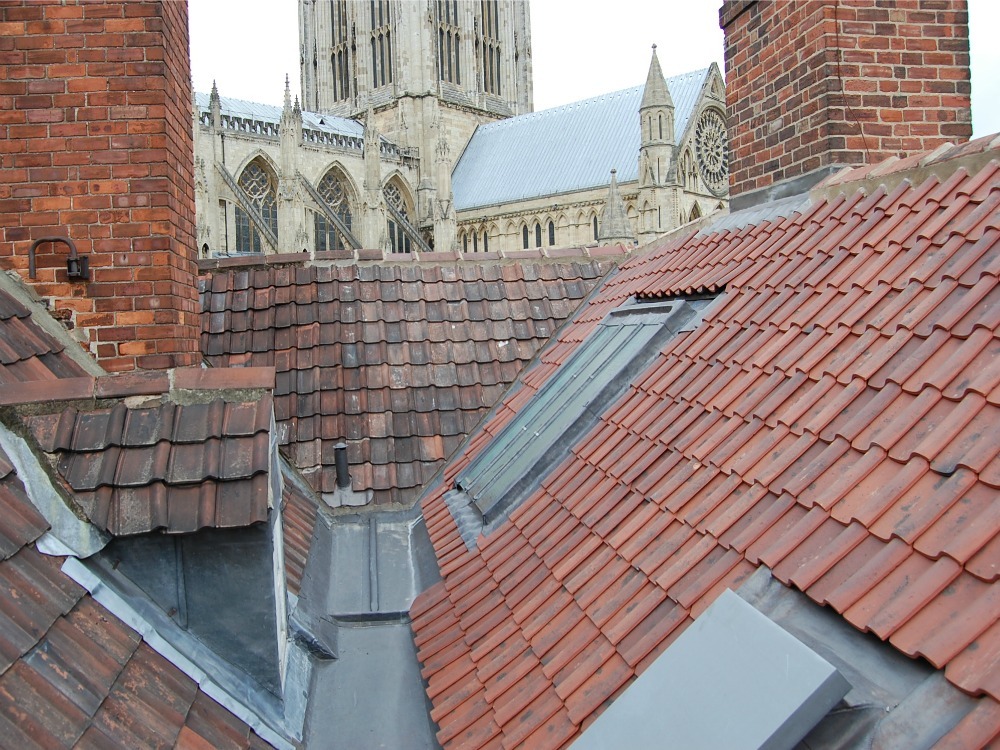
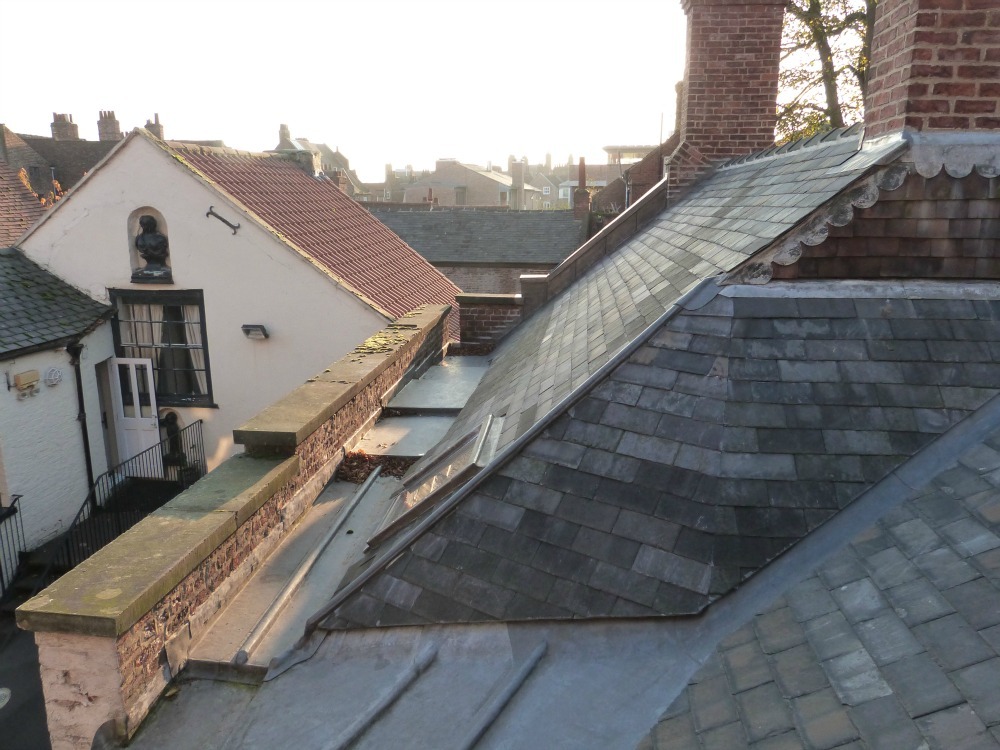
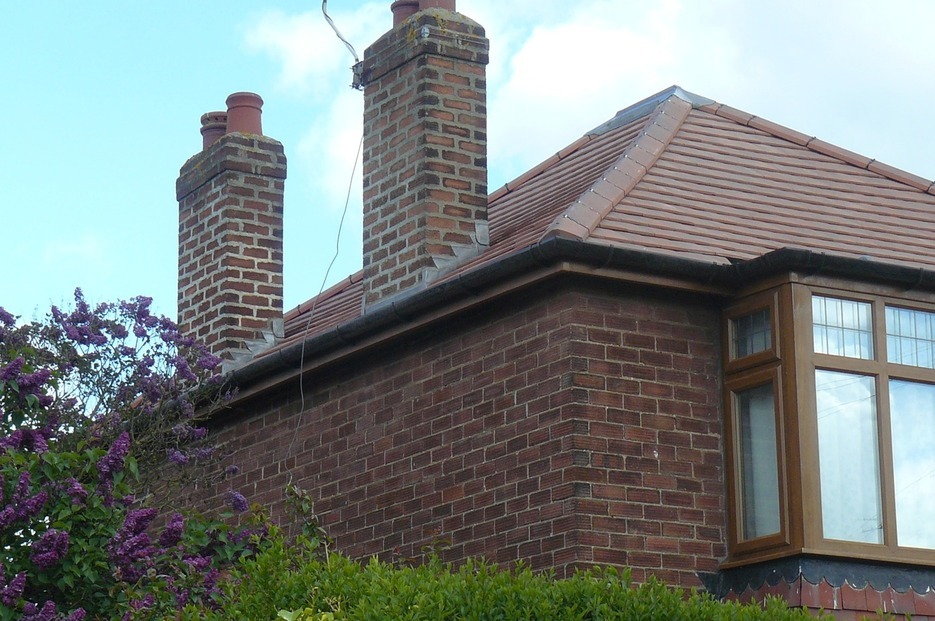
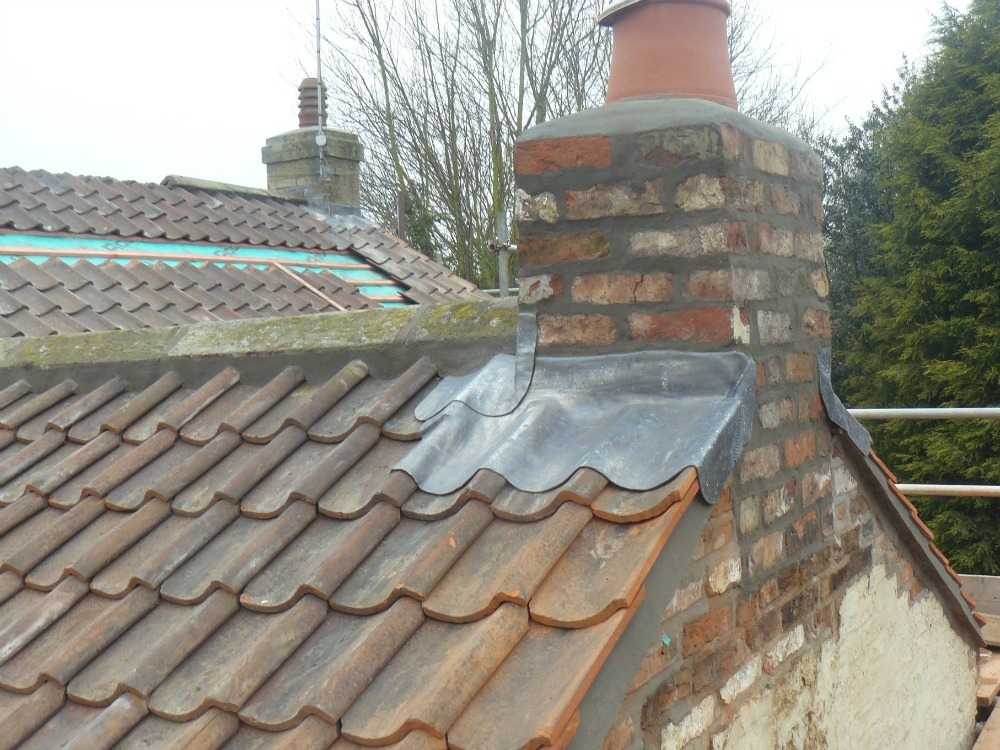
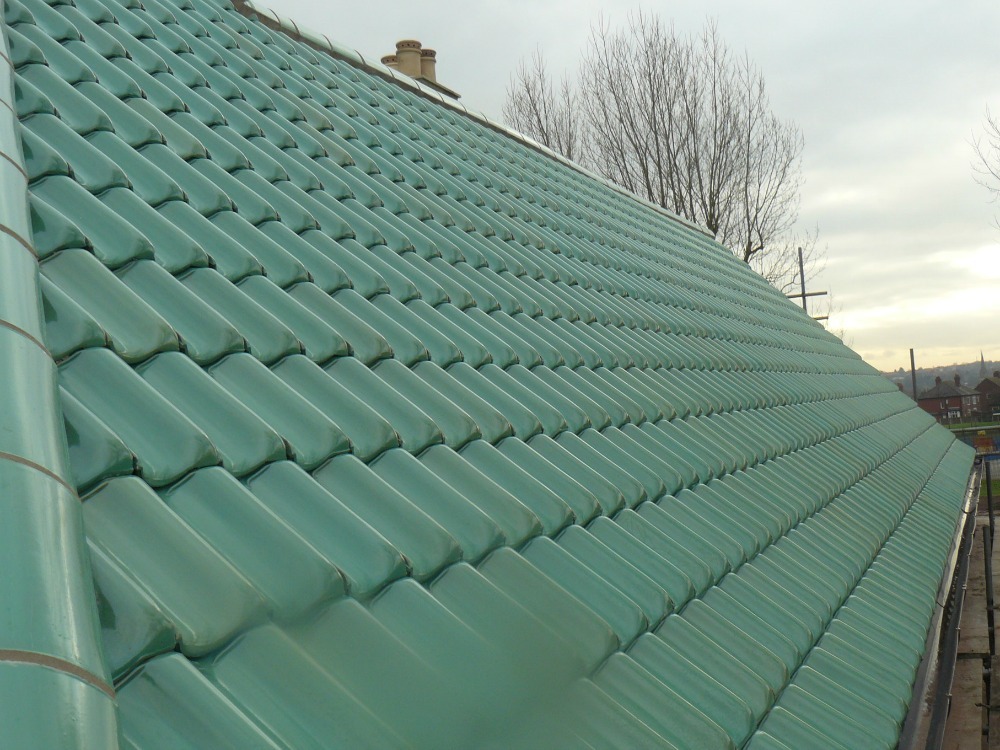
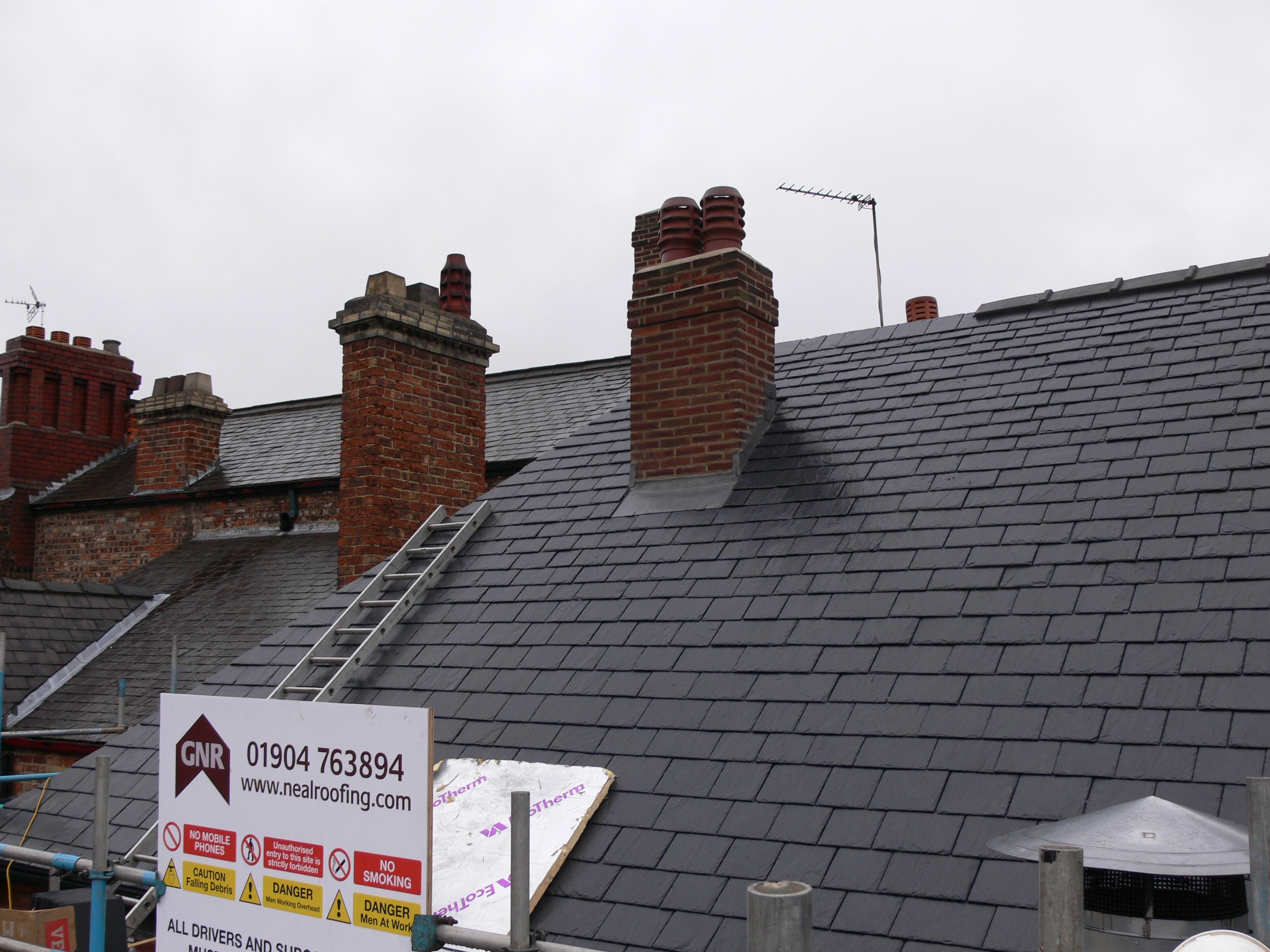
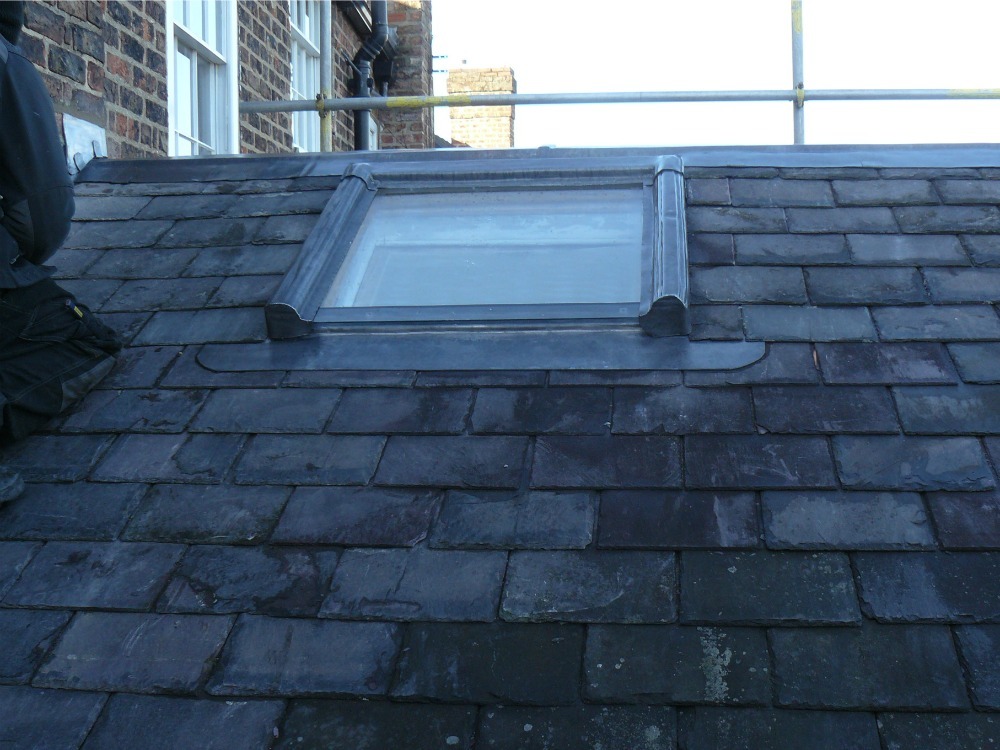
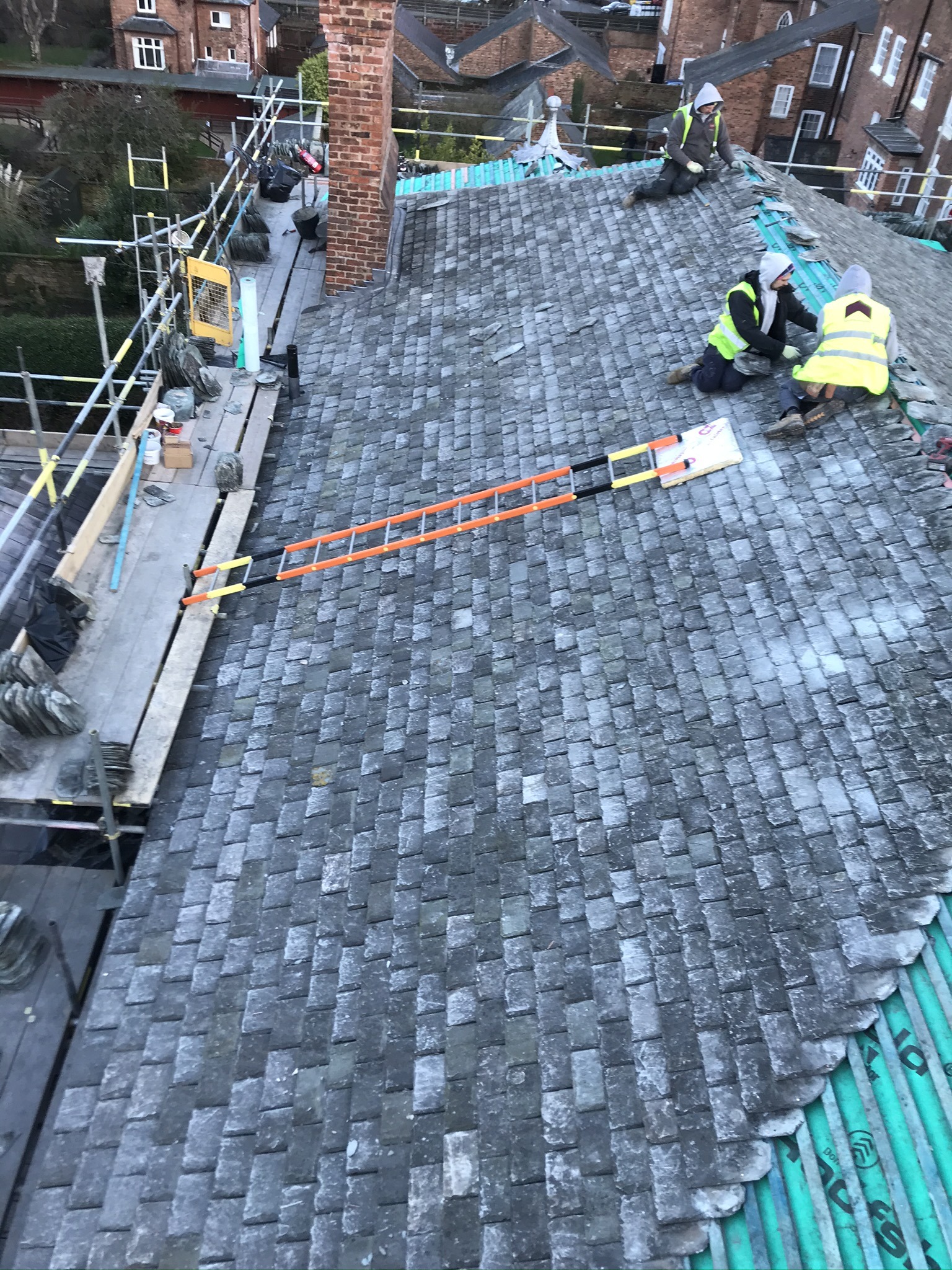
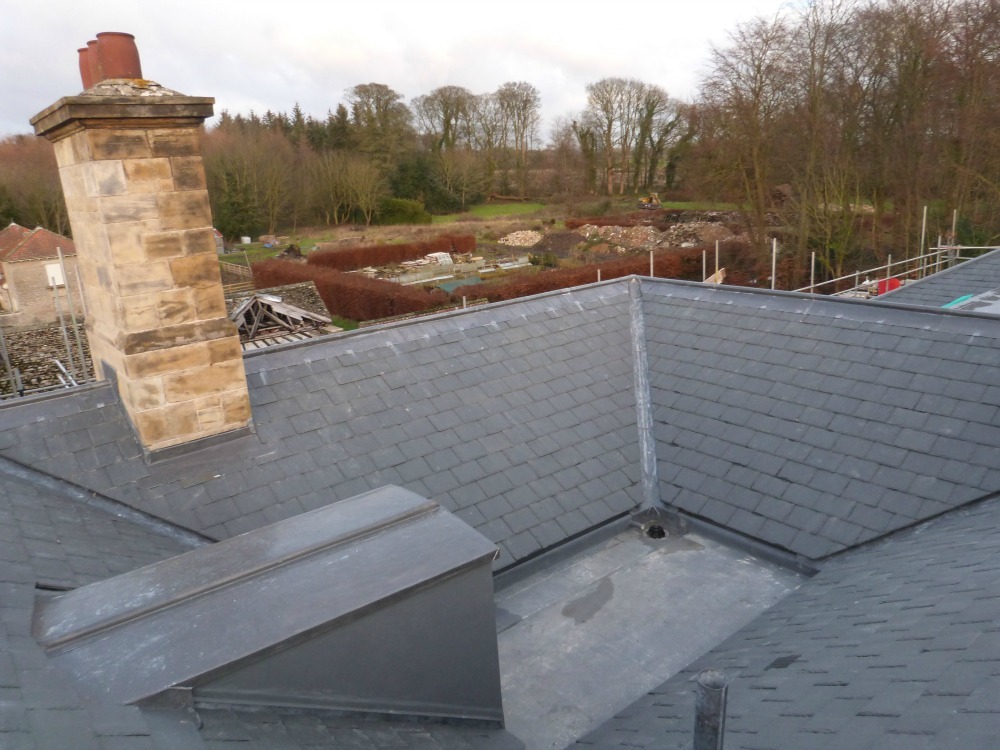
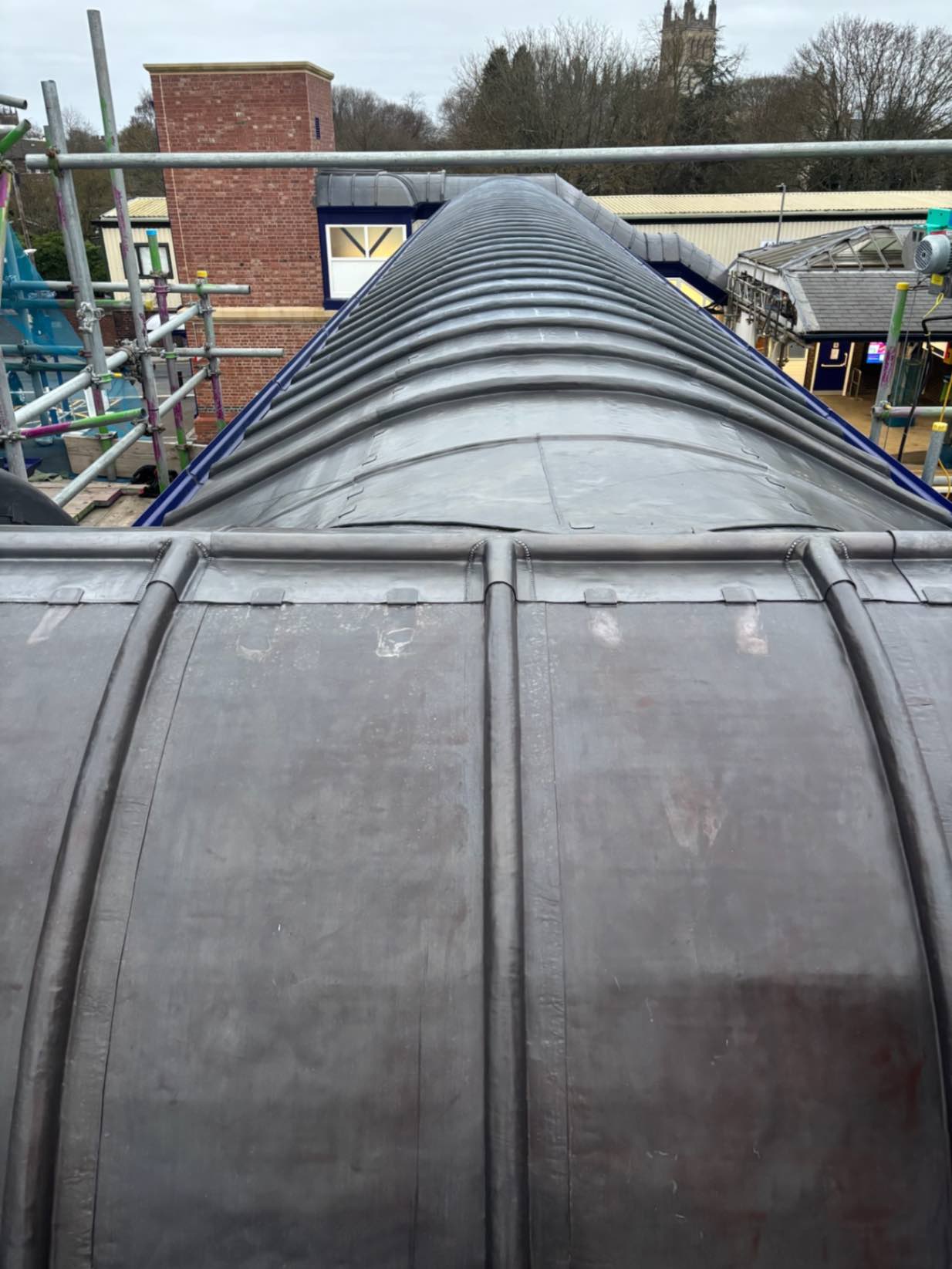
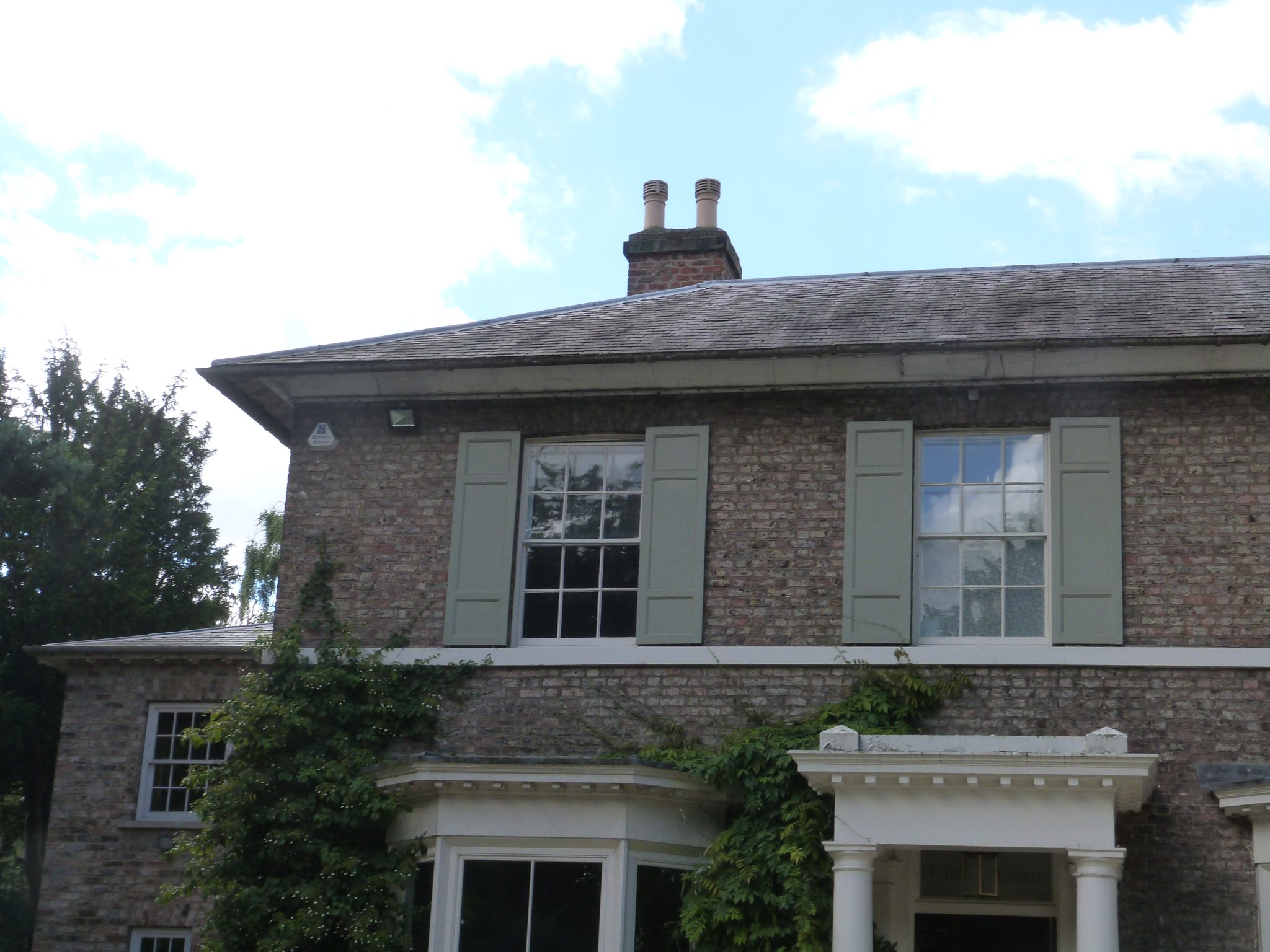
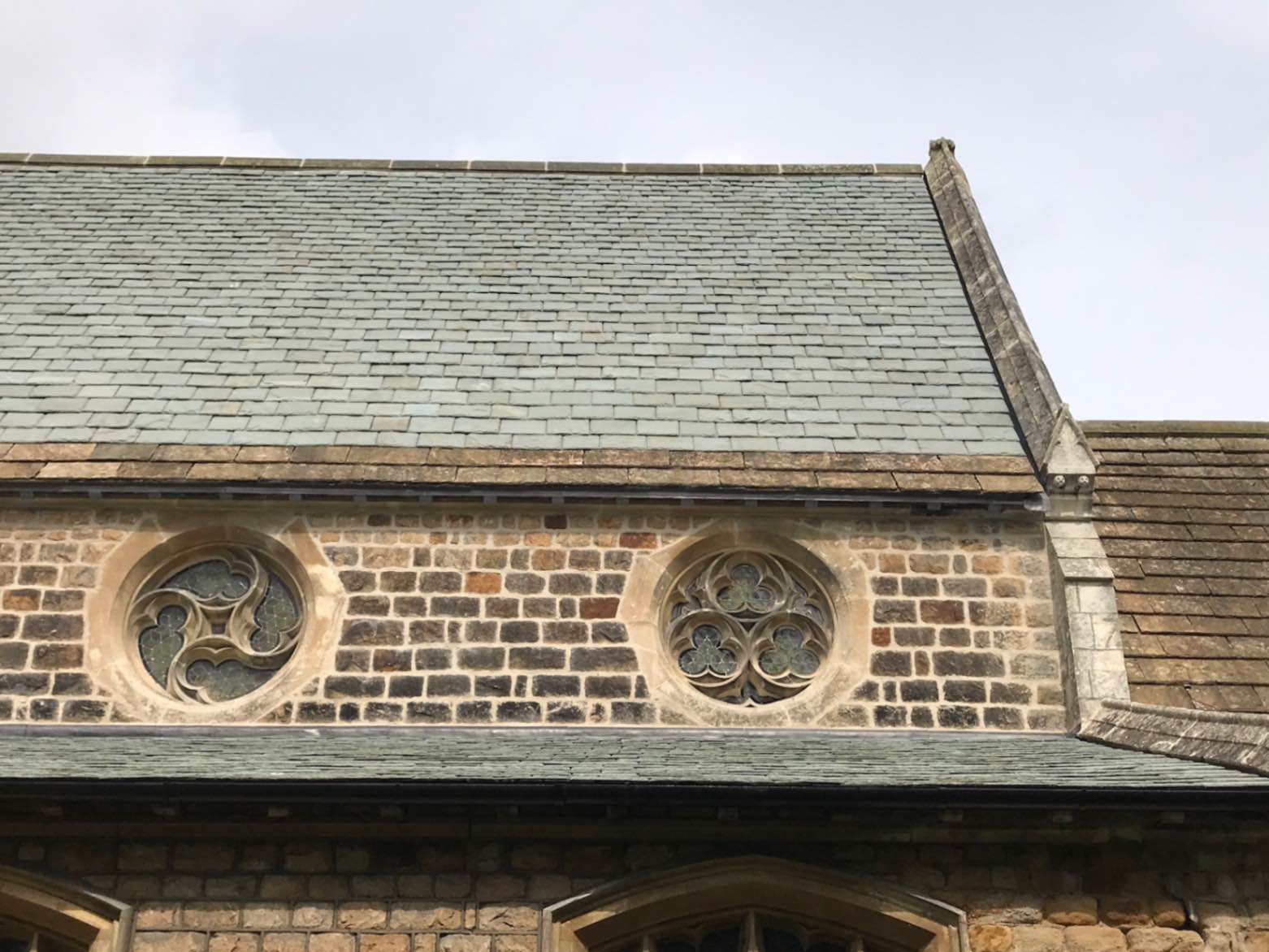
Traditional and specialist lead roofing for homes, including chimney flashings, valleys, bay roofs, gutters, abutments and bespoke architectural details.
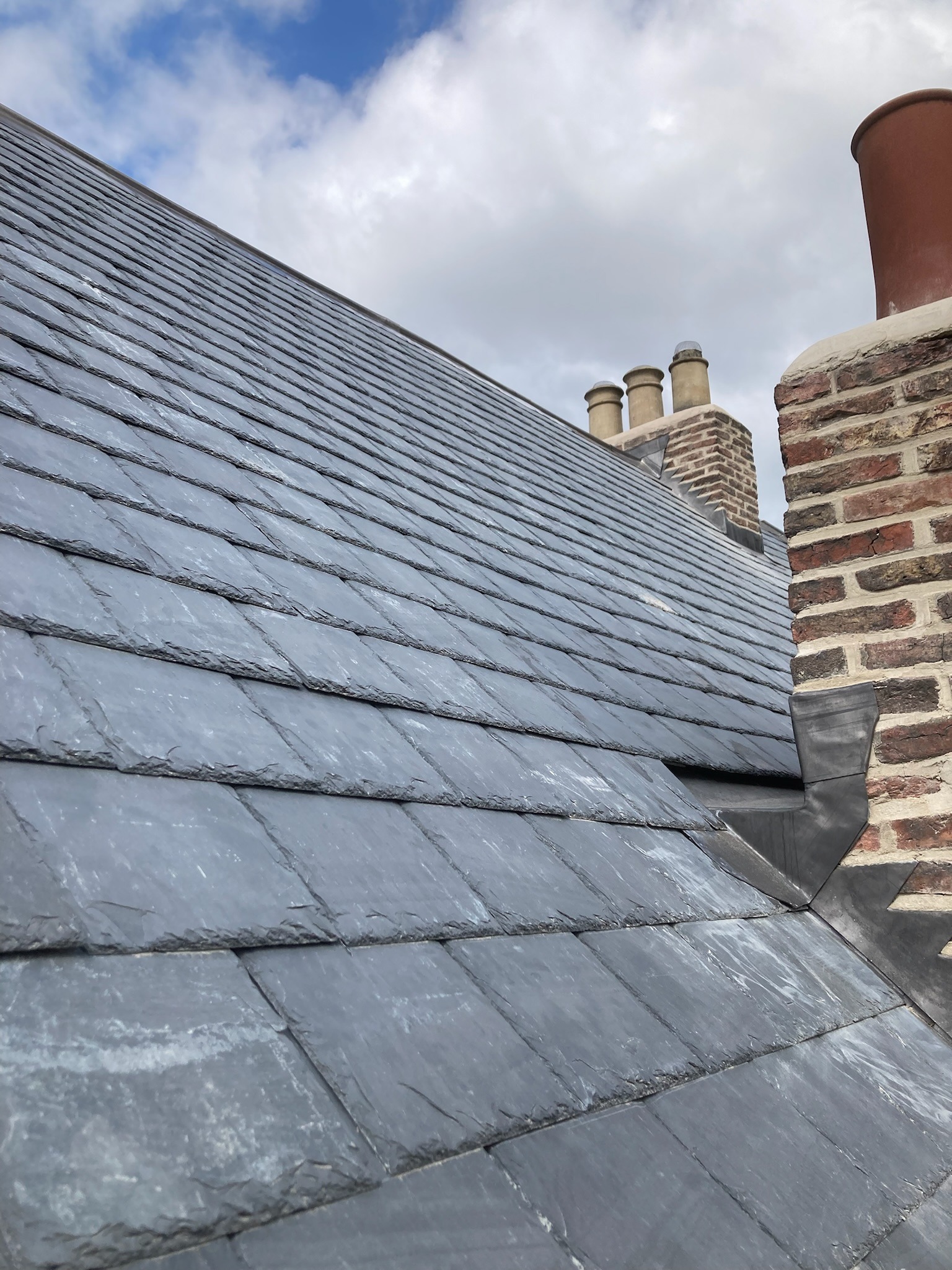
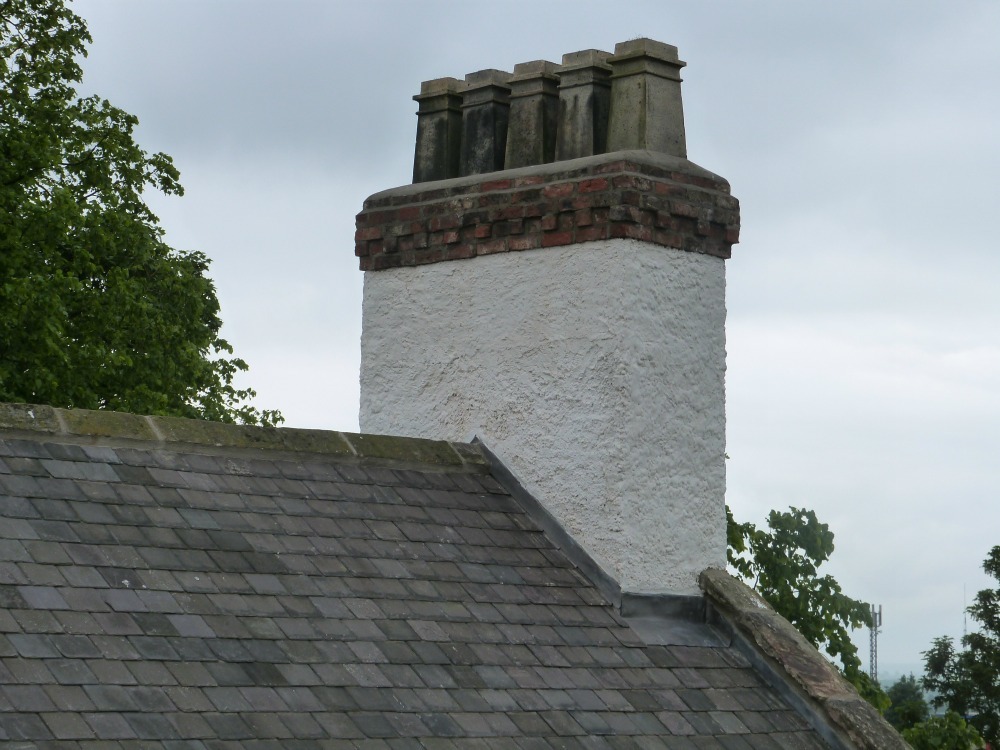
Lead remains one of the most durable and adaptable materials available for roofing, particularly where roof coverings meet chimneys, walls, valleys, dormers and other complex junctions.
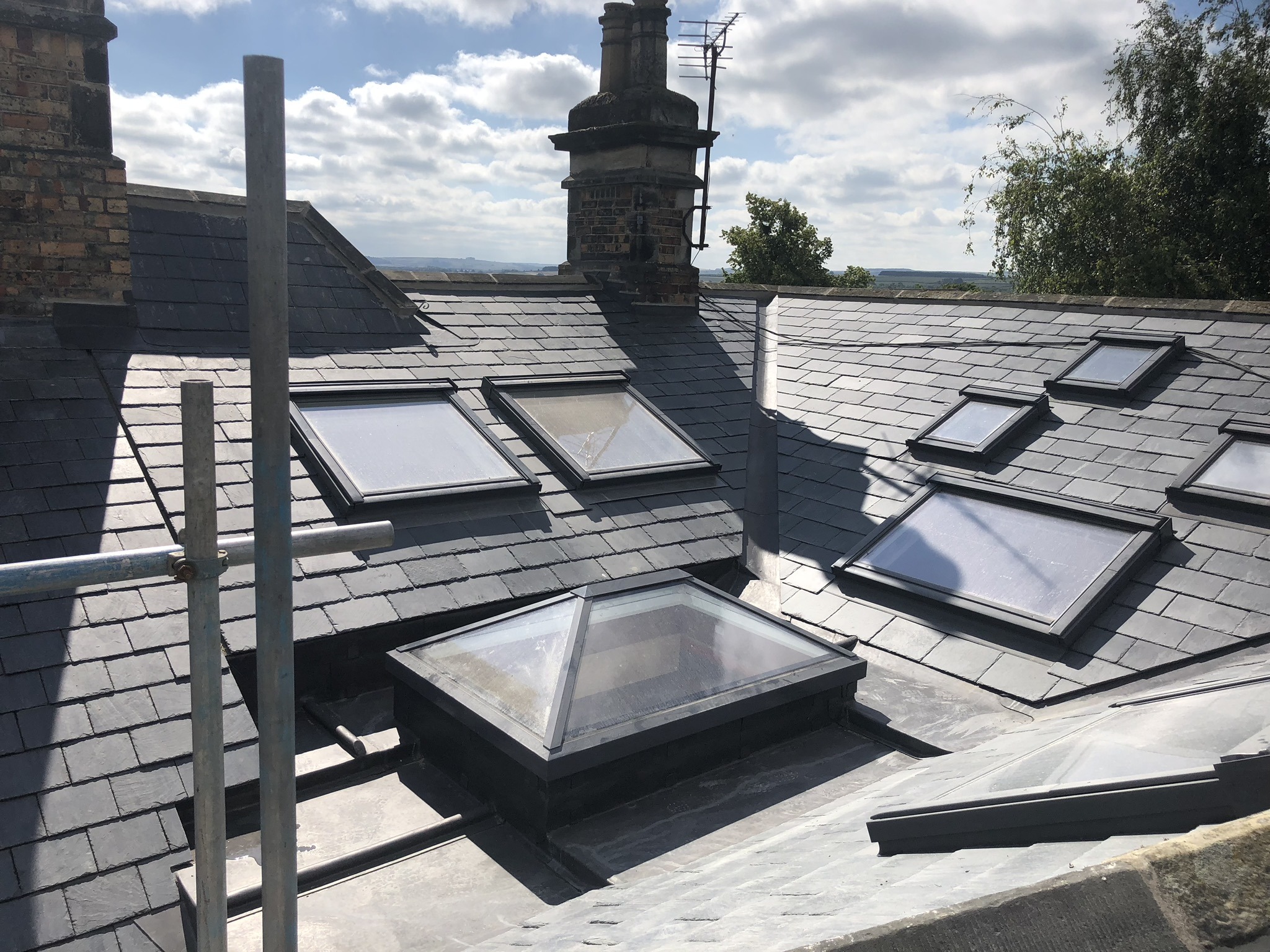
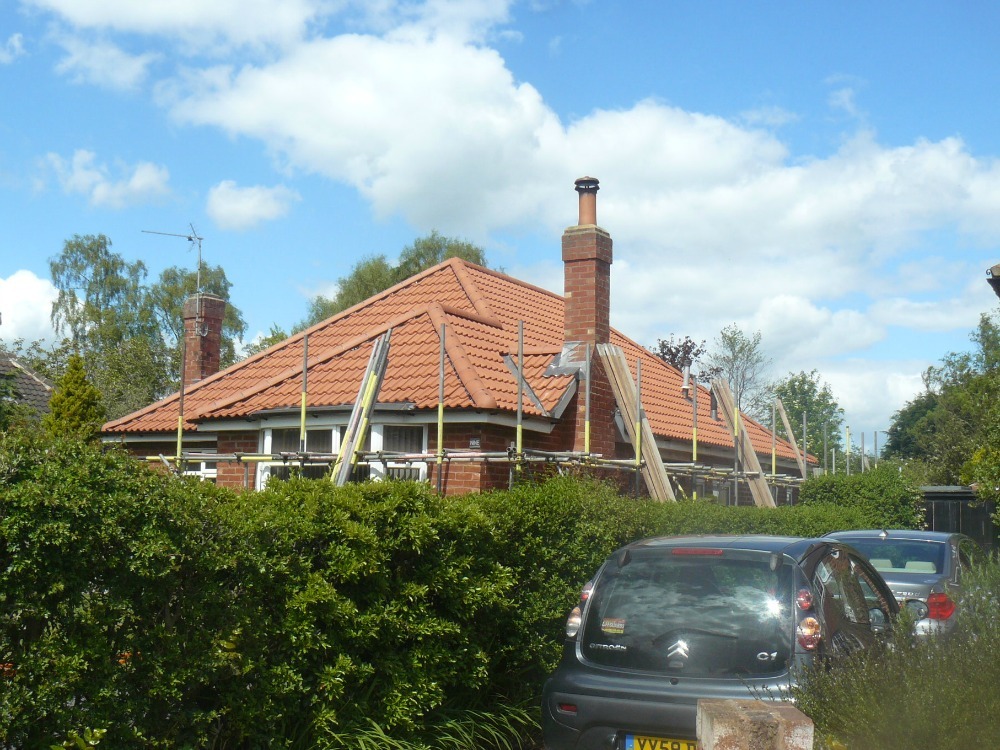
Neal Roofing undertakes residential leadwork as part of roof repairs, replacement roofing and specialist leadwork projects across Yorkshire.
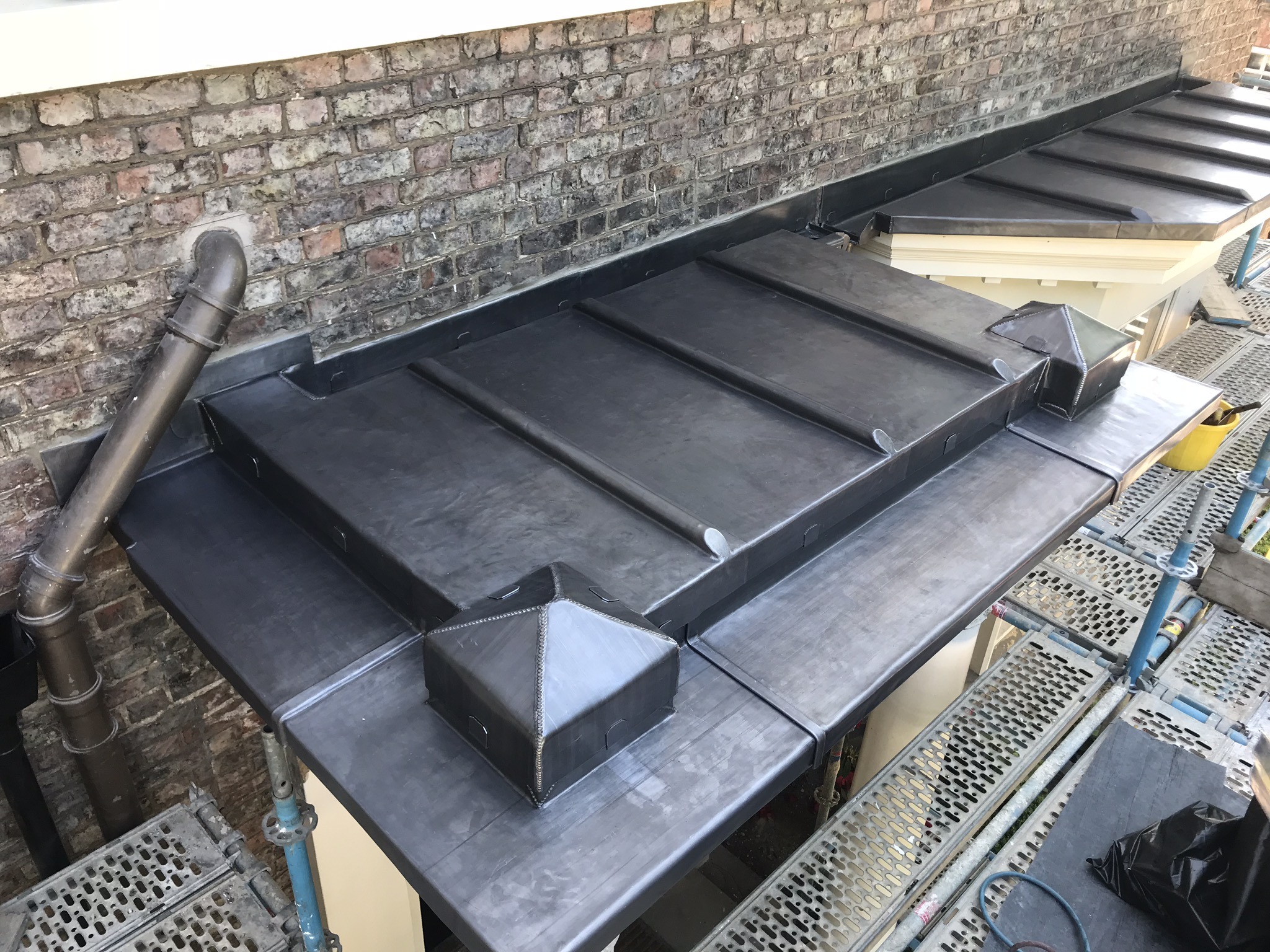
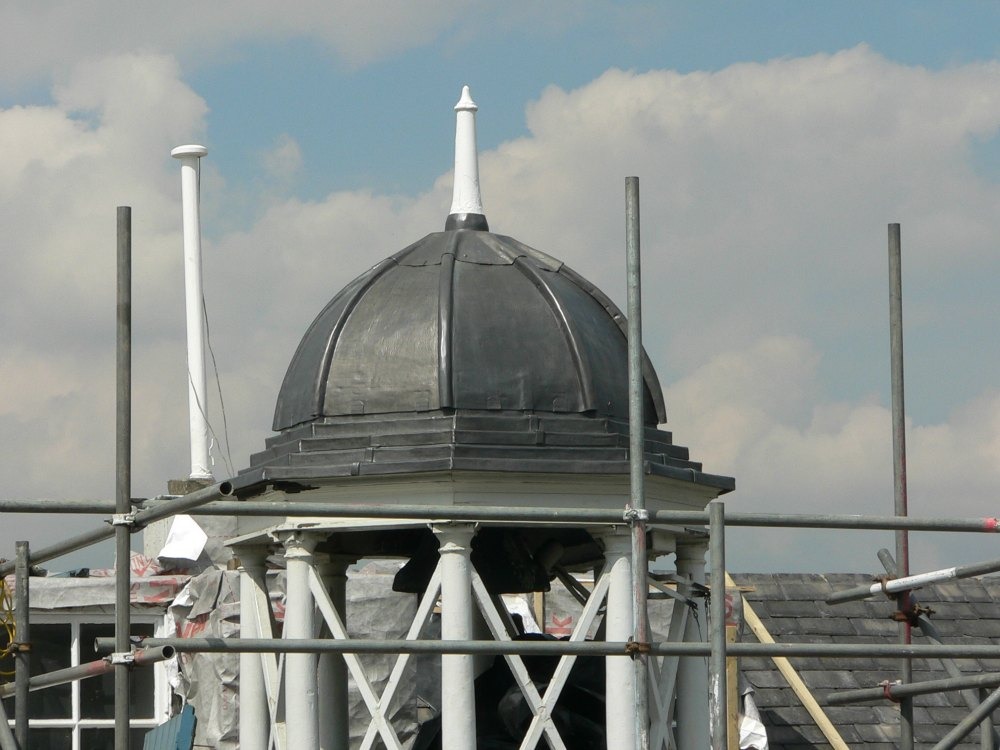
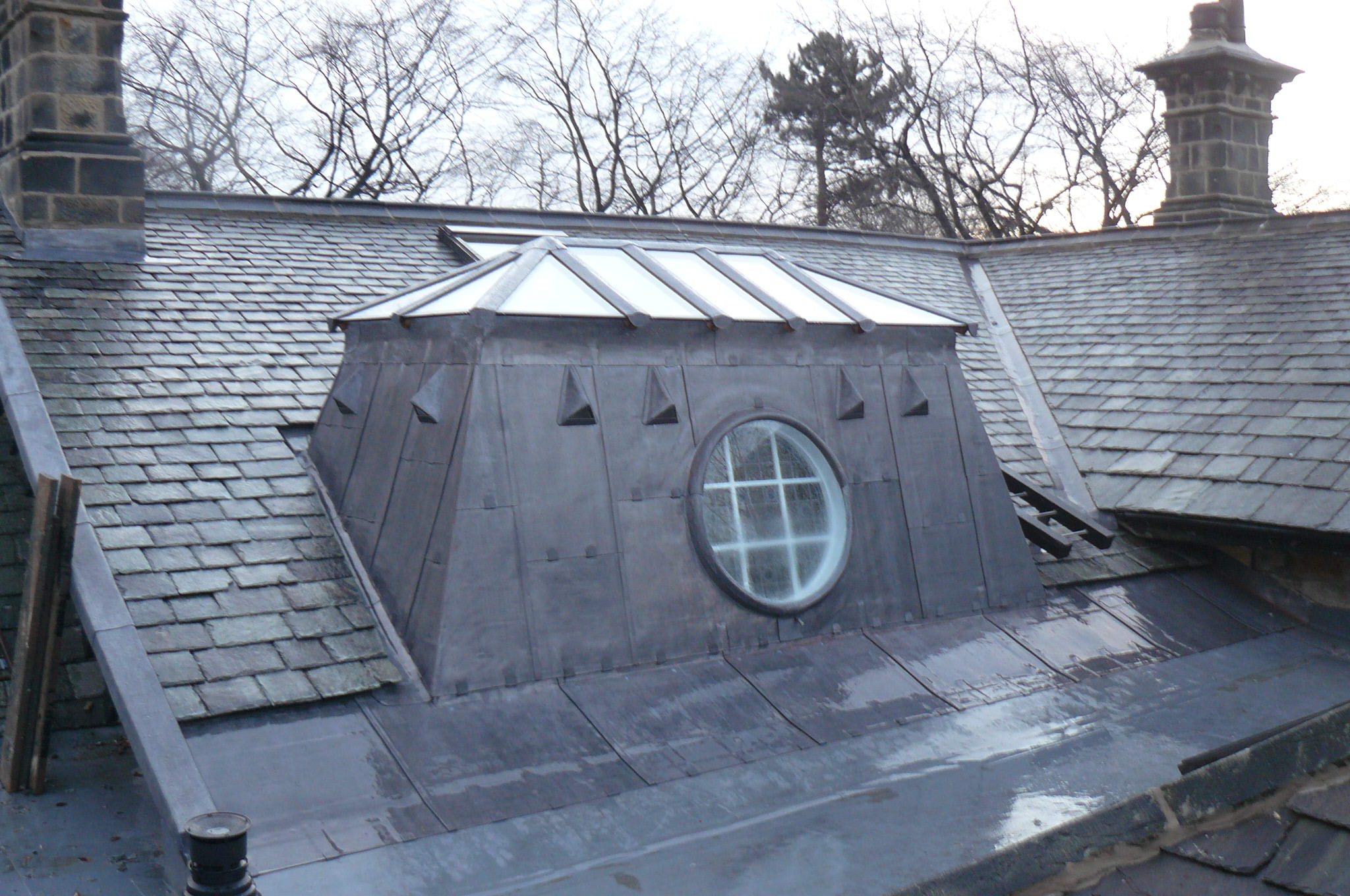
Our work includes traditional bossed and welded lead details, with each installation considered in relation to the building, roof covering, required weathering detail and movement of the lead sheet.
Rather than treating leadwork as a finishing detail, we consider it as part of the complete roof construction.
Main Leadwork Service Client Information
Lead sheet is particularly suited to roofing details where conventional slates or tiles cannot independently provide a weatherproof junction.
Common residential applications include:
The durability of leadwork depends heavily upon its design and installation.
Lead expands and contracts as temperatures change. Sheet sizes, laps, fixings, bays and joints must therefore be designed to accommodate movement while maintaining an effective weathering detail.
Depending upon the application, consideration may include:
Our leadwork is specified and installed with reference to relevant industry standards and recognised lead sheet guidance.
These include BS 6915 for the design and construction of fully supported lead sheet roof and wall coverings, together with established Lead Sheet Training Academy guidance.
Correct detailing is particularly important on larger lead areas, gutters and complex junctions where inappropriate sheet sizes or insufficient provision for movement can result in fatigue cracking and premature failure.
Leadwork is a specialist roofing discipline. Many details still rely upon traditional skills including dressing, bossing and lead welding, but they must also integrate correctly with contemporary roofing membranes, insulation, ventilation and modern fixing requirements.
We consider the leadwork as part of the complete roof rather than as an isolated finishing detail.
Rolled lead sheet used for building purposes should comply with BS EN 12588. Different lead codes are selected according to the application, required sheet size, exposure and movement characteristics.
More detail is available within our rolled lead sheet guide.
BS 6915 Leadwork Guide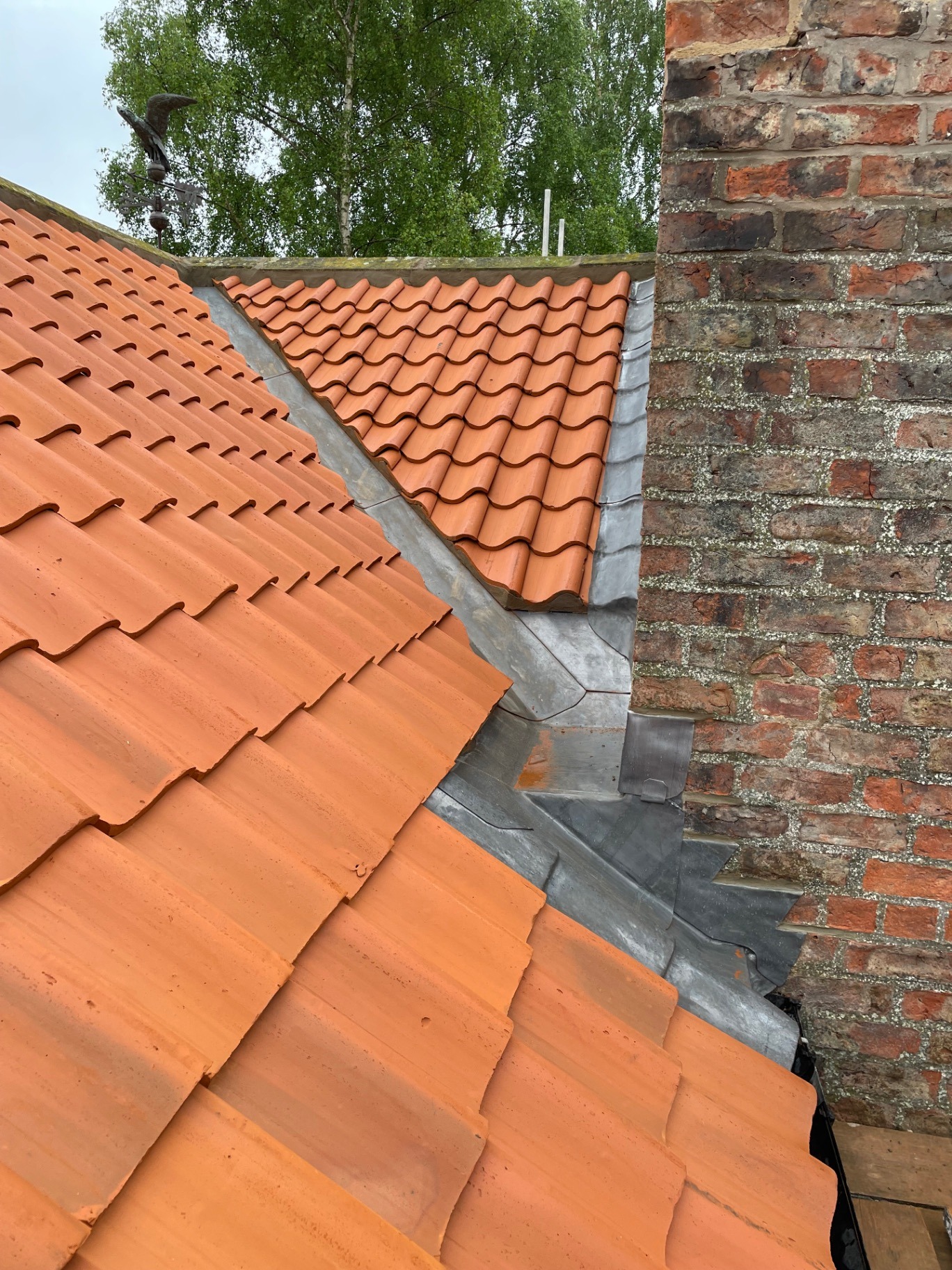
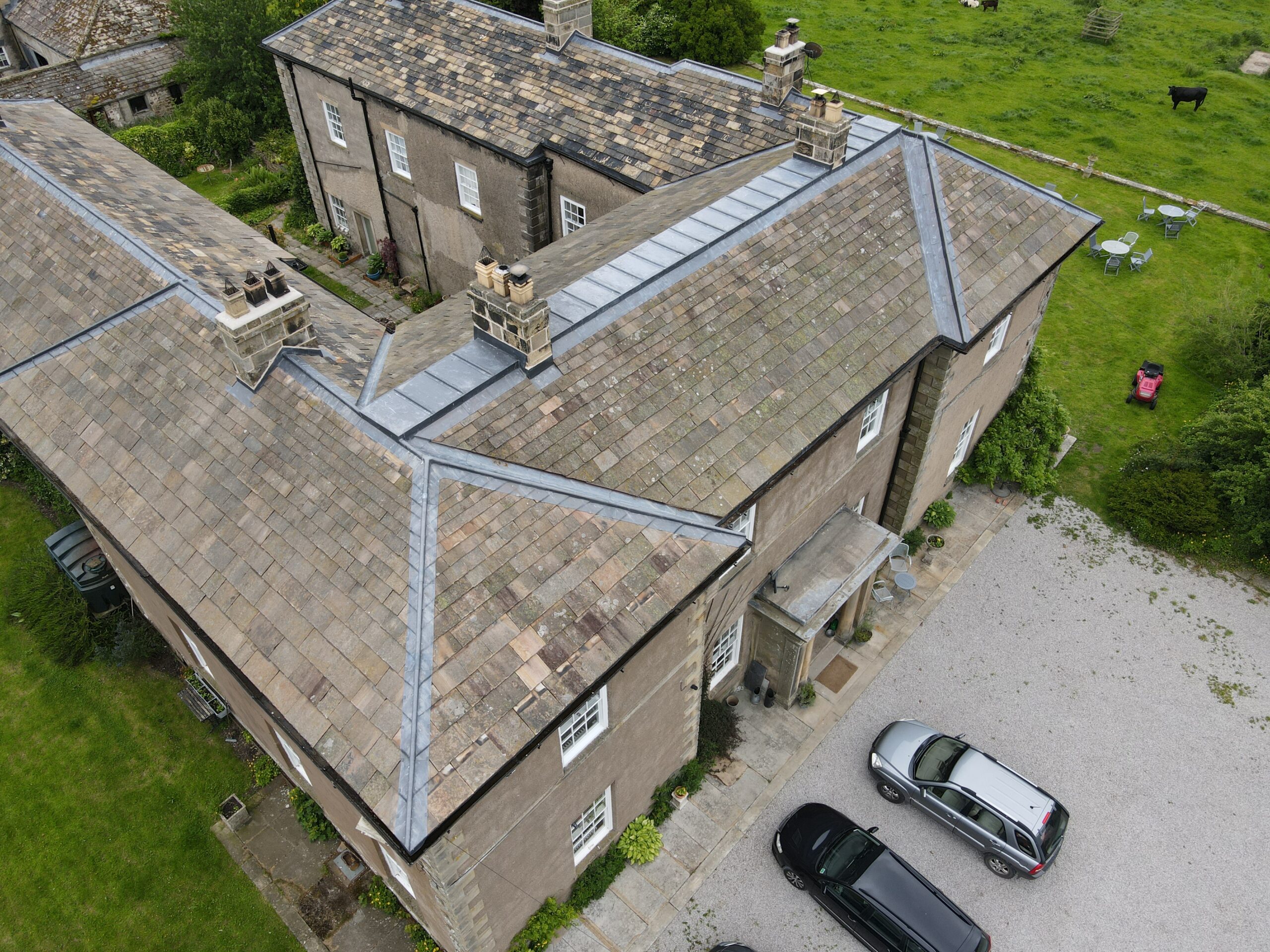
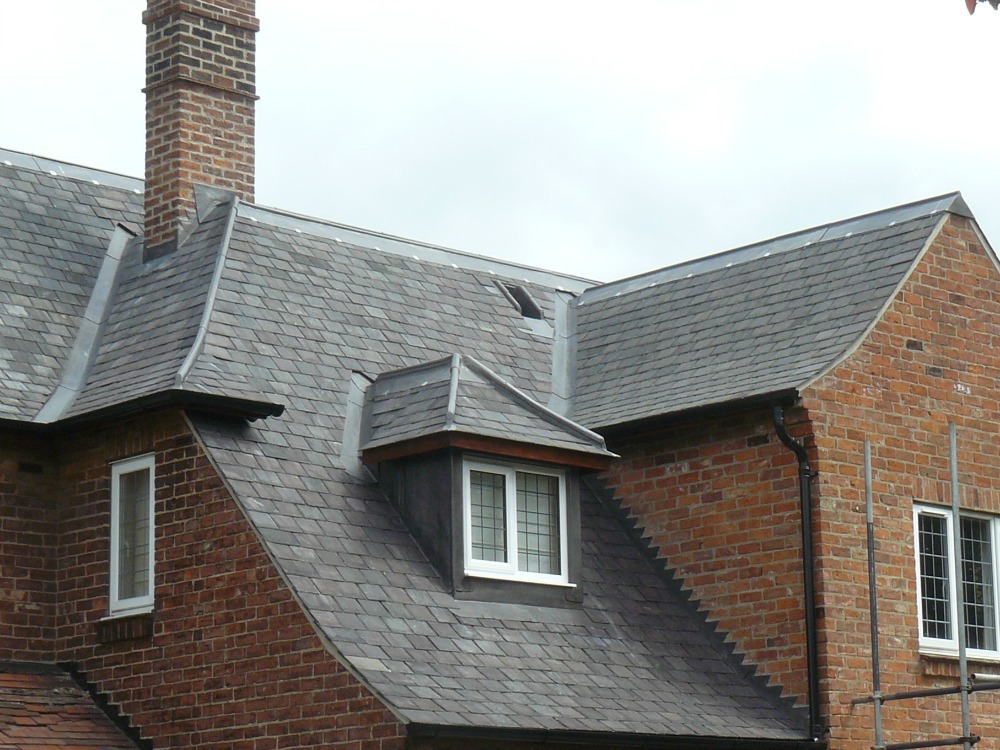
Weatherproof junctions between adjoining roof slopes, detailed for drainage and thermal movement.

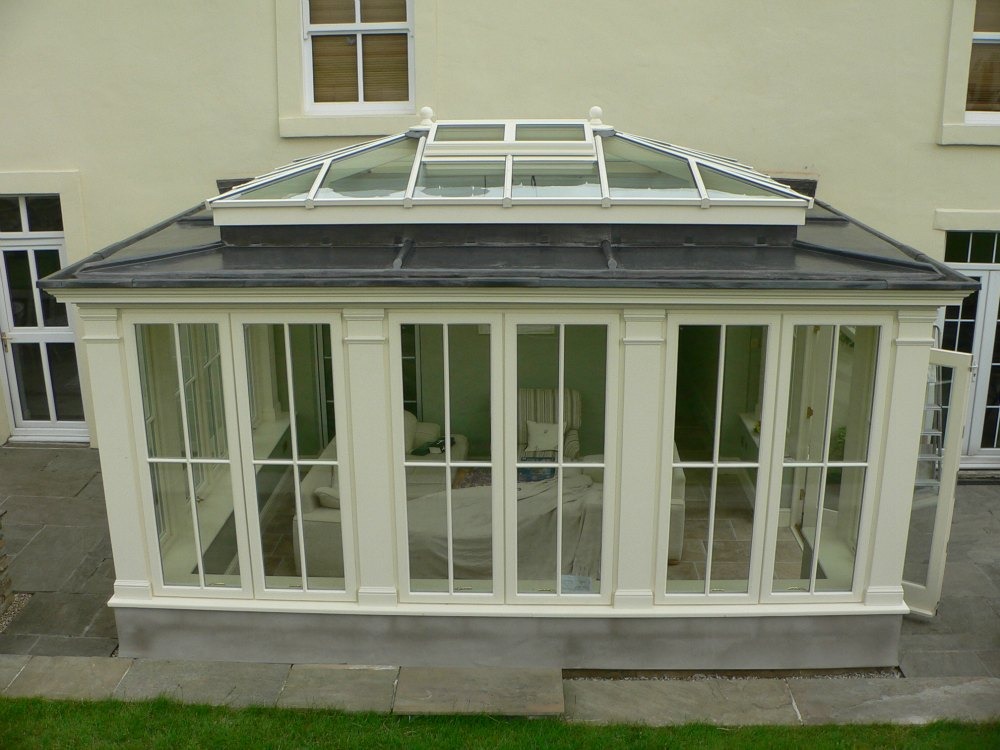
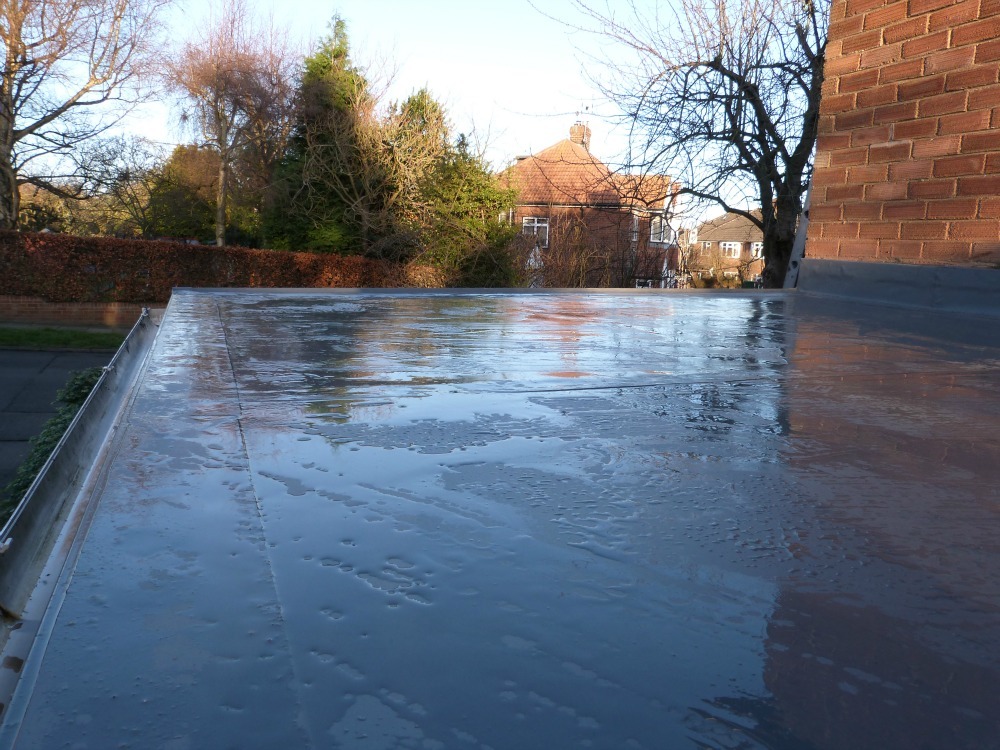
Fully supported lead coverings for bay windows, porches and other small roof areas.

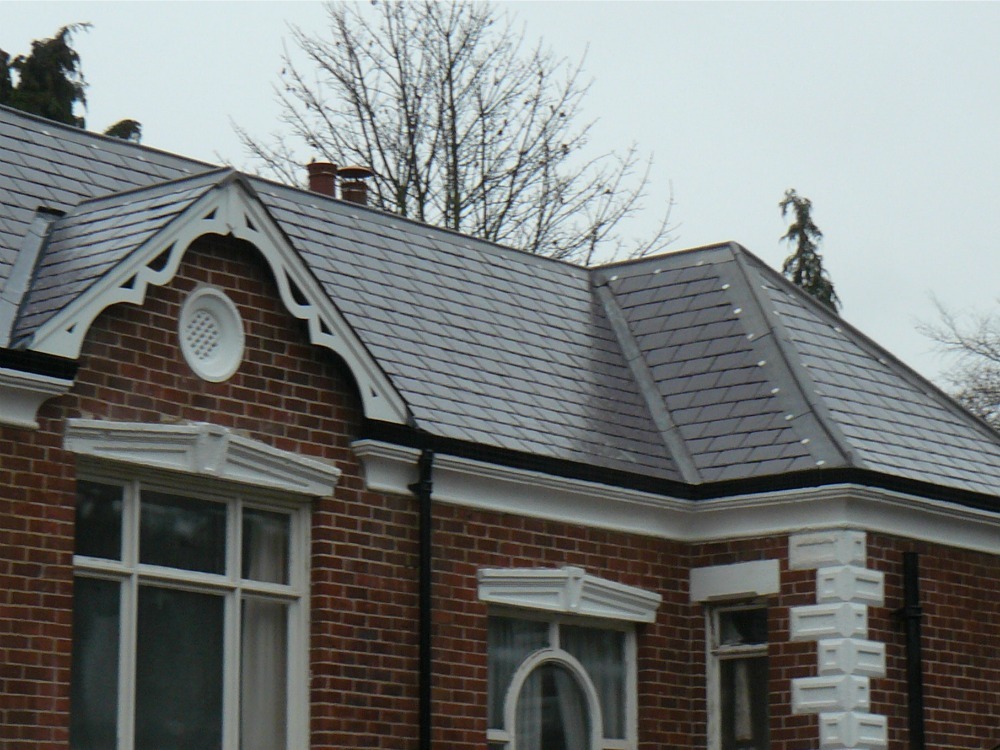
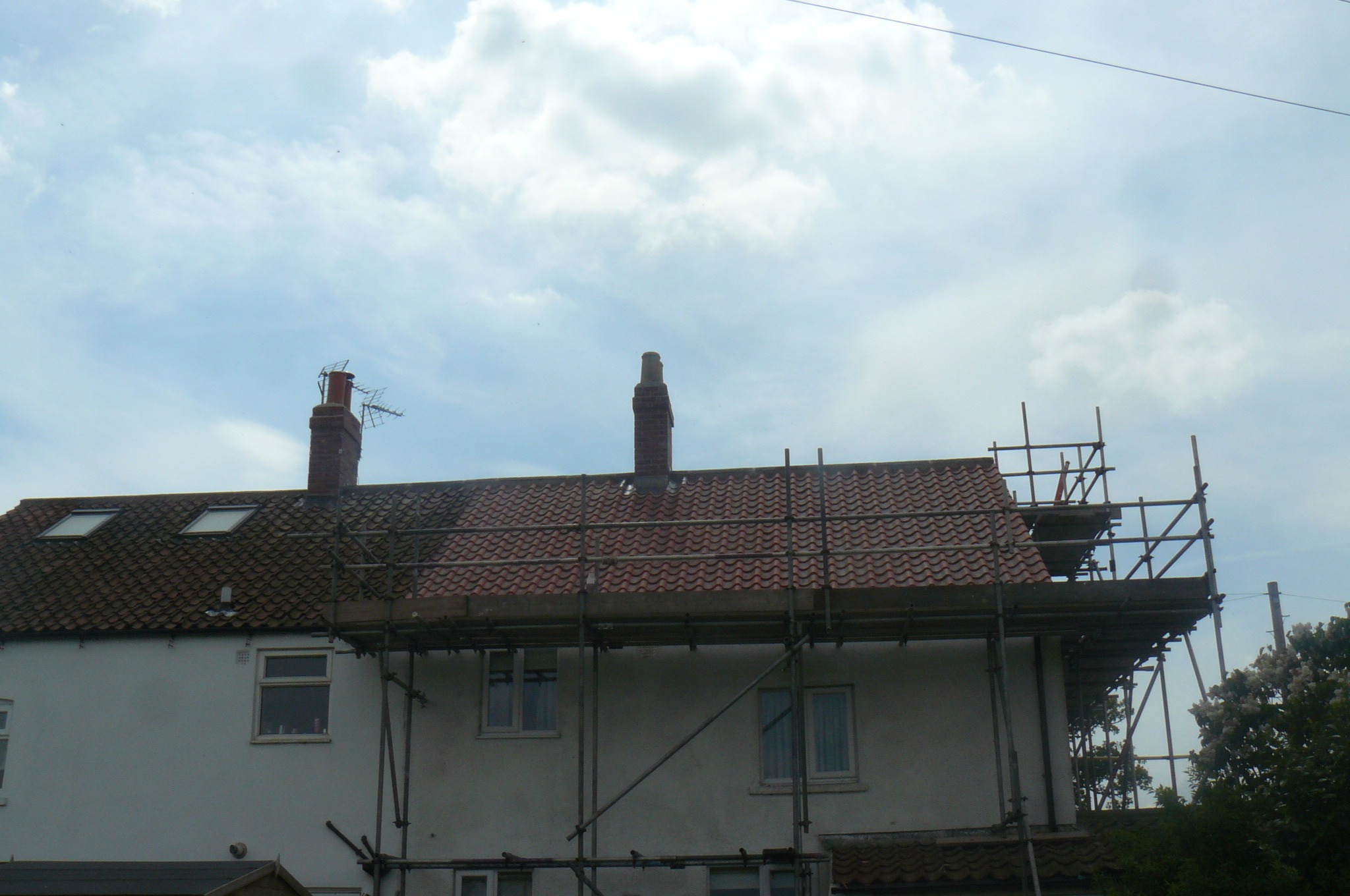
Lead flashings, soakers and weatherings where roof coverings meet masonry and vertical surfaces.
Lead is highly durable, but poor design or incorrect installation can significantly shorten its service life.
Many leadwork defects arise not because the material itself is unsuitable, but because the installed detail does not adequately account for movement, drainage or support.
A visible leak does not necessarily identify the original defect.
Water may travel behind flashings, beneath roof coverings or along structural interfaces before appearing internally some distance from the point of entry.
For this reason, leadwork defects should be considered in context with adjacent slates, tiles, membranes, masonry, gutters and other roof details.
Our starting point is therefore diagnosis before repair.
Arrange a Roof InspectionAge alone is not sufficient reason to replace lead sheet.
Well-designed historic leadwork can remain serviceable for a considerable period. Where defects are localised and the surrounding installation remains sound, repair may be appropriate.
Examples may include:
Replacement may be appropriate where the installation is fundamentally incorrectly detailed or has reached the end of its practical service life.
Typical examples include:
Our aim is to recommend the level of intervention appropriate to the defect rather than replacing serviceable material unnecessarily.
Leadwork rarely performs independently of the surrounding roof.
A chimney flashing relies upon correct slate or tile detailing. A valley depends upon falls, support and appropriate roof geometry. A lead bay roof must integrate with wall abutments, drainage and the structure beneath it.
This is why residential leadwork should be considered as part of the wider roofing system.
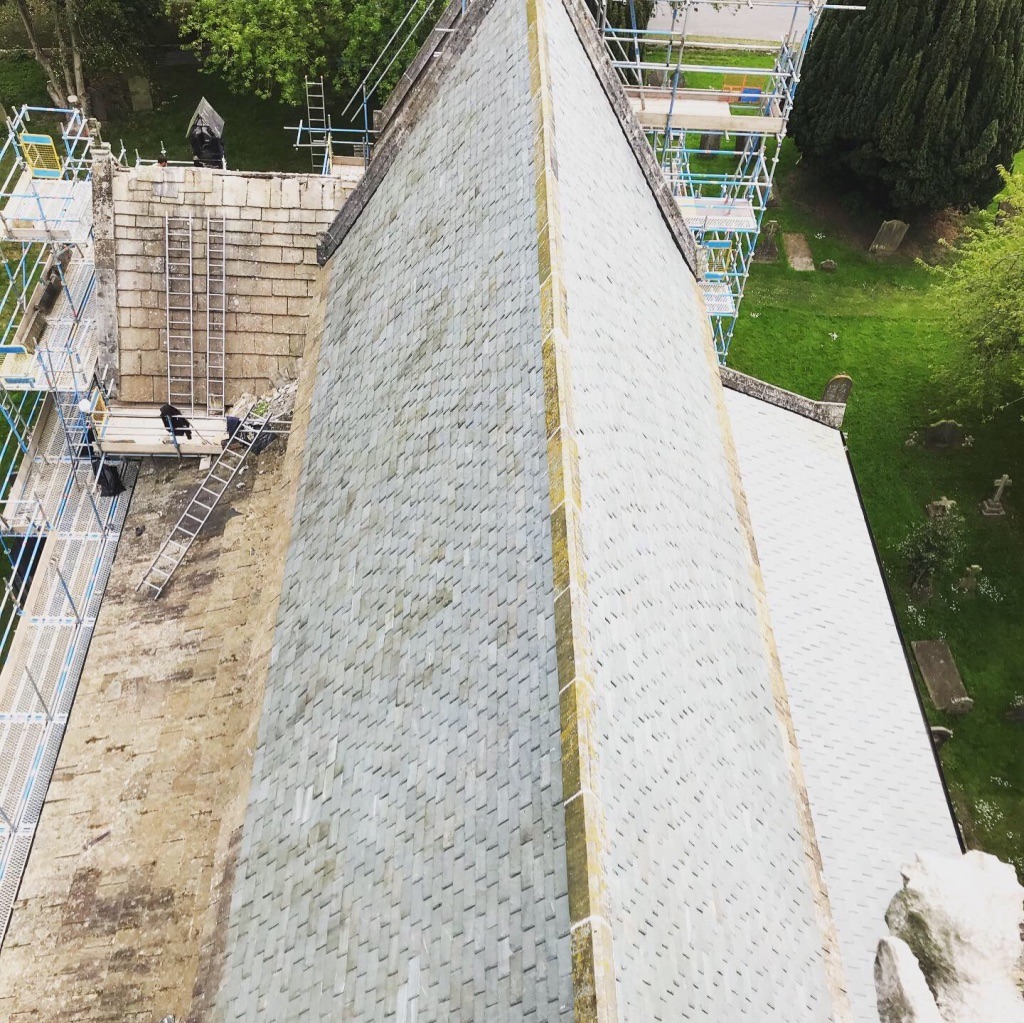
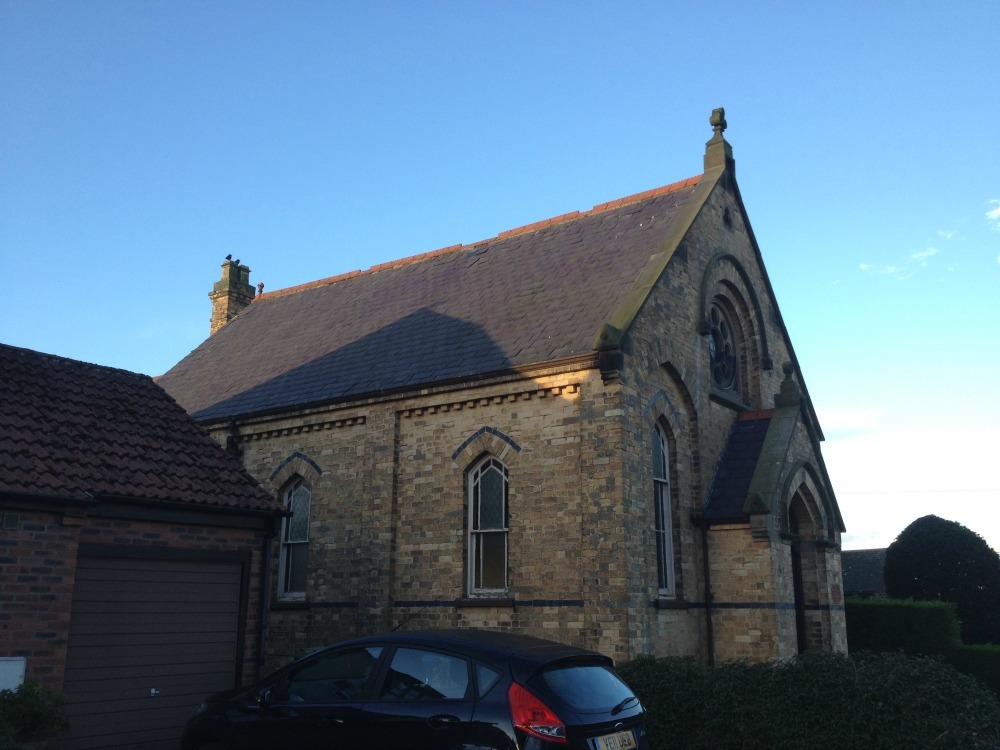
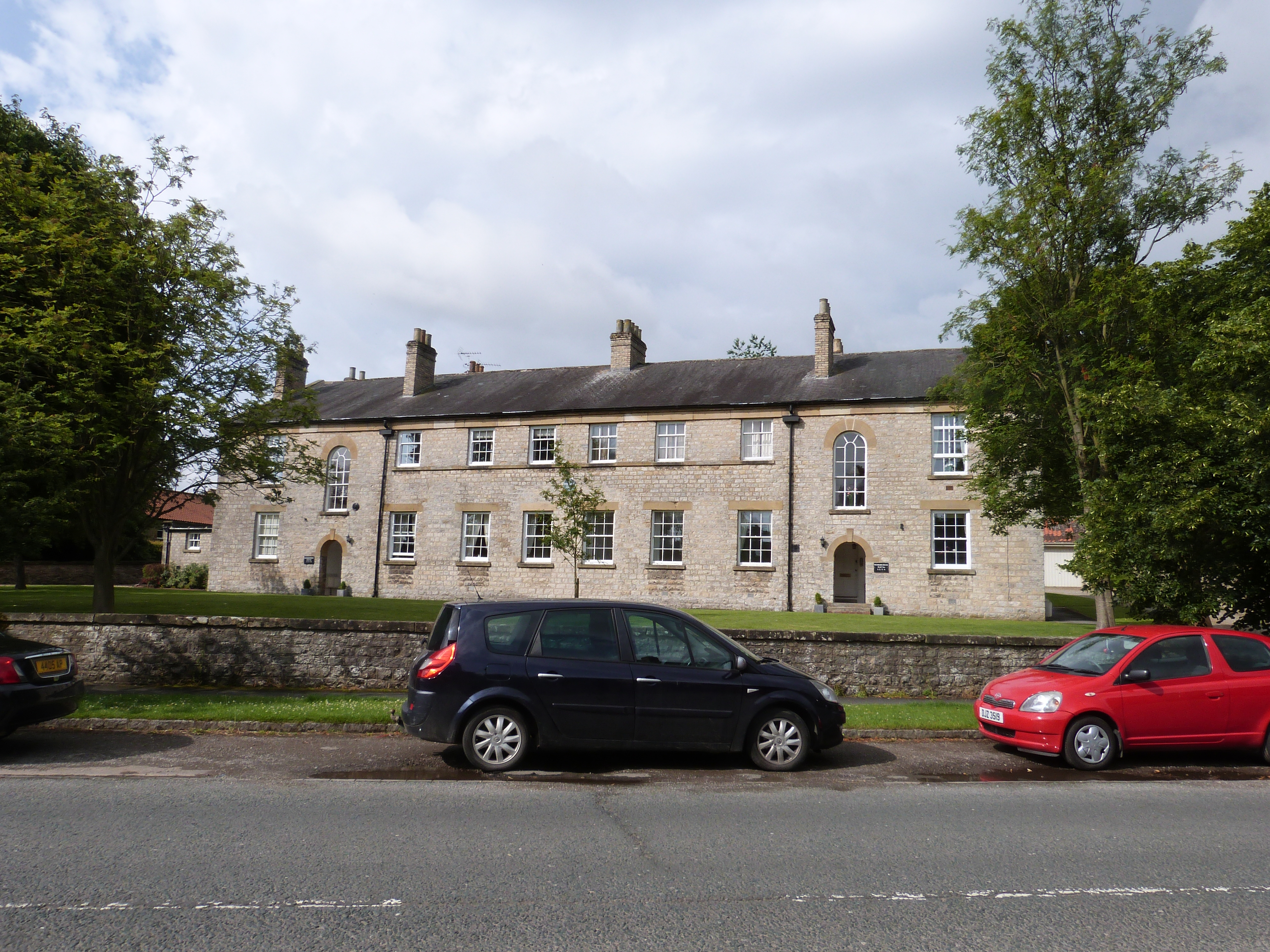
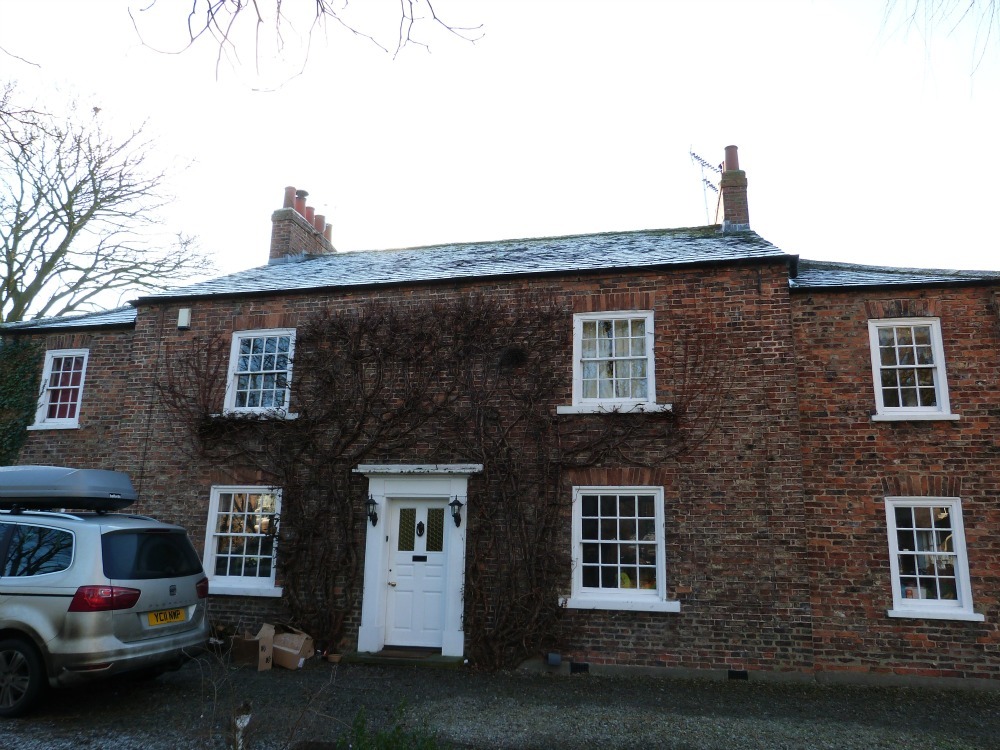
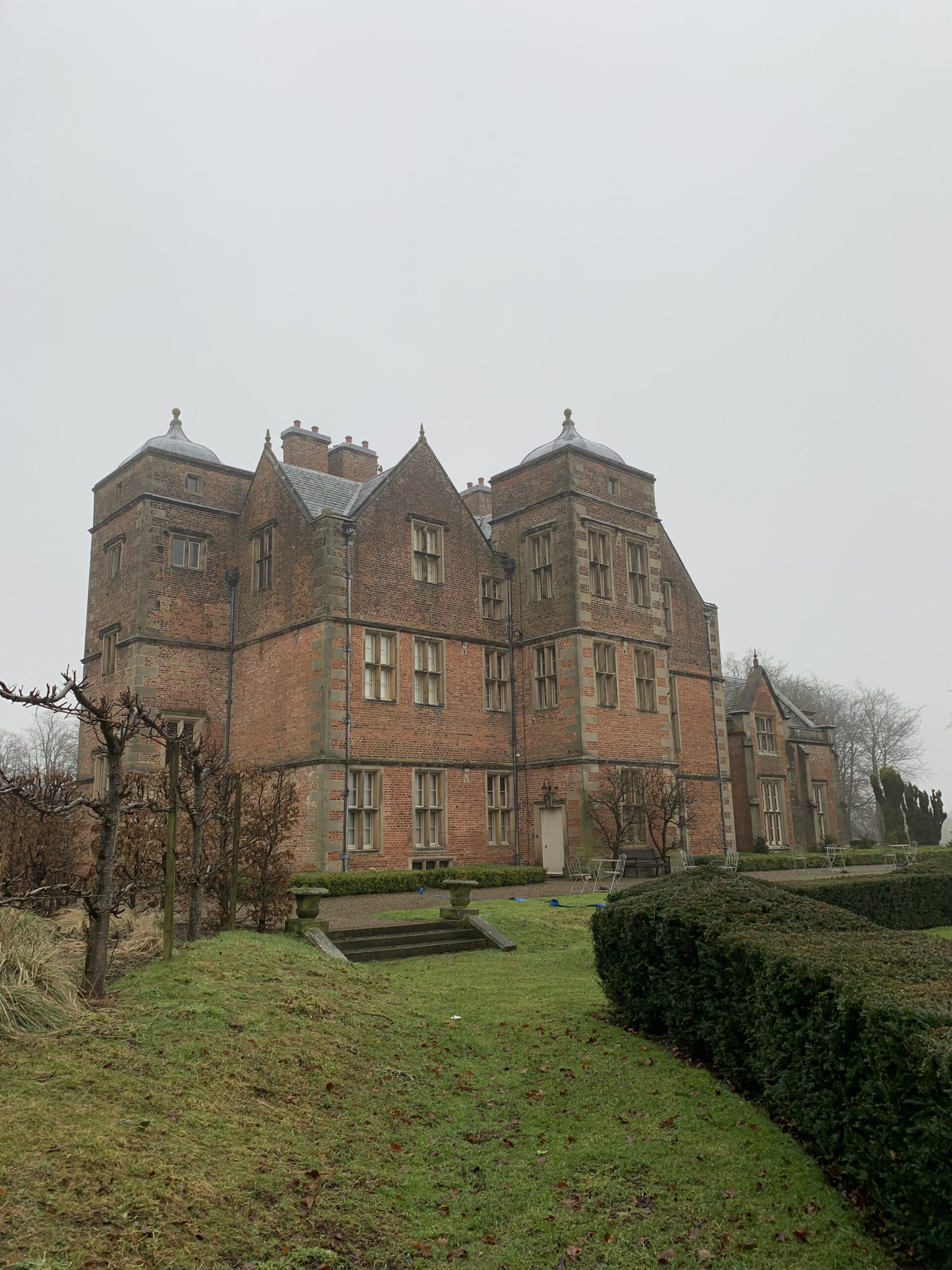
Traditional lead detailing is especially important on listed and historic properties where both performance and architectural character need to be considered.
Existing leadwork may also provide useful evidence of the building’s original construction and should be assessed before alterations are made.
Where appropriate, replacement details can follow established traditional methods while incorporating current standards and improved supporting construction.
Heritage Roofing Main Leadwork ServiceLeadwork demands an understanding of the material, its movement and the way individual details interact with the surrounding roof.
Traditional methods such as bossing and welding remain important, particularly on complex details, but the quality of the finished work begins with the specification.
We consider:
Leadwork can provide very long service where it is appropriately designed and installed.
The objective is not to make the lead immovable, but to control and accommodate the movement that naturally occurs while maintaining a weatherproof roof.
That distinction is fundamental to good leadwork.
Rolled Lead Sheet GuideExplore examples of leadwork undertaken as part of roofing, heritage and repair projects.
View All Roofing ProjectsIf you have defective leadwork, a leaking roof junction or are planning a replacement roofing project, we can inspect the property and advise on an appropriate scope.
Arrange an Inspection Contact Neal RoofingGood leadwork depends upon appropriate design, correct material selection and skilled installation.
Whether the requirement is a chimney flashing, valley, bay roof, gutter or bespoke architectural detail, our approach is to understand the building first and specify the leadwork in context.
Where repair is appropriate, we will say so. Where replacement is necessary, the new work should address the reason for failure rather than simply reproduce it.
Book a Site Inspection
Service life depends upon the lead code, sheet dimensions, exposure, substrate, detailing and maintenance. Correctly designed and installed leadwork can provide a very long service life.
Yes. Localised defects may sometimes be repaired where the surrounding installation remains serviceable. Where extensive fatigue or fundamental detailing problems exist, replacement may provide a better long-term solution.
Fully supported lead sheet roof and wall coverings should be designed and installed with reference to BS 6915 and recognised industry guidance including Lead Sheet Training Academy recommendations.
The appropriate code depends upon the application, sheet dimensions, exposure and movement requirements. The lead code should therefore be selected as part of the detail rather than in isolation.