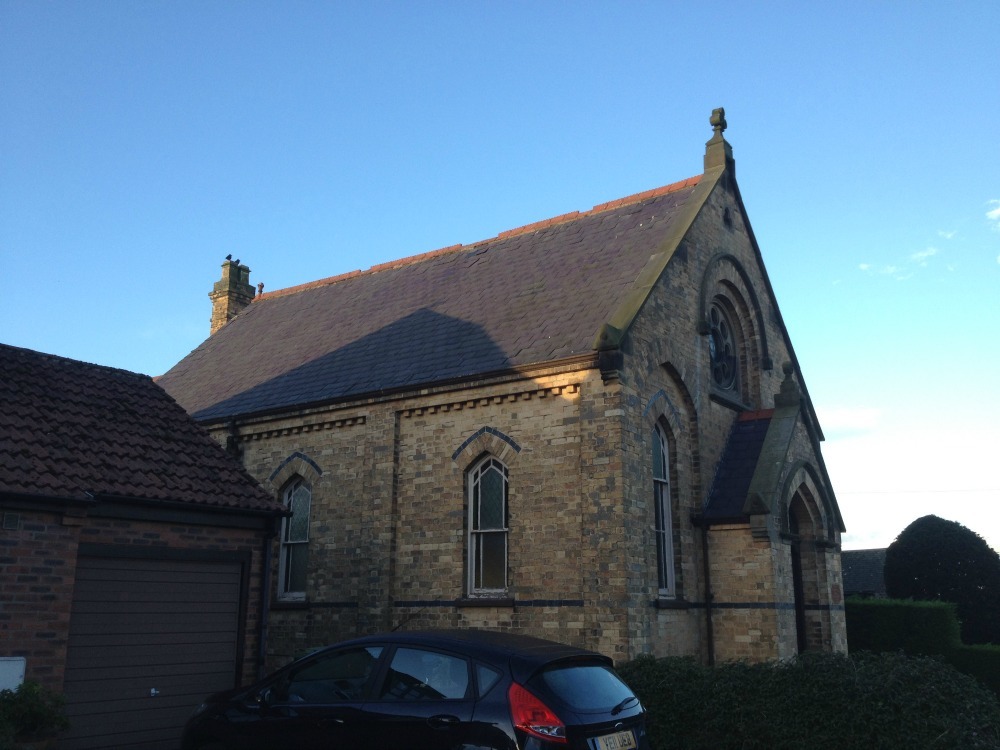
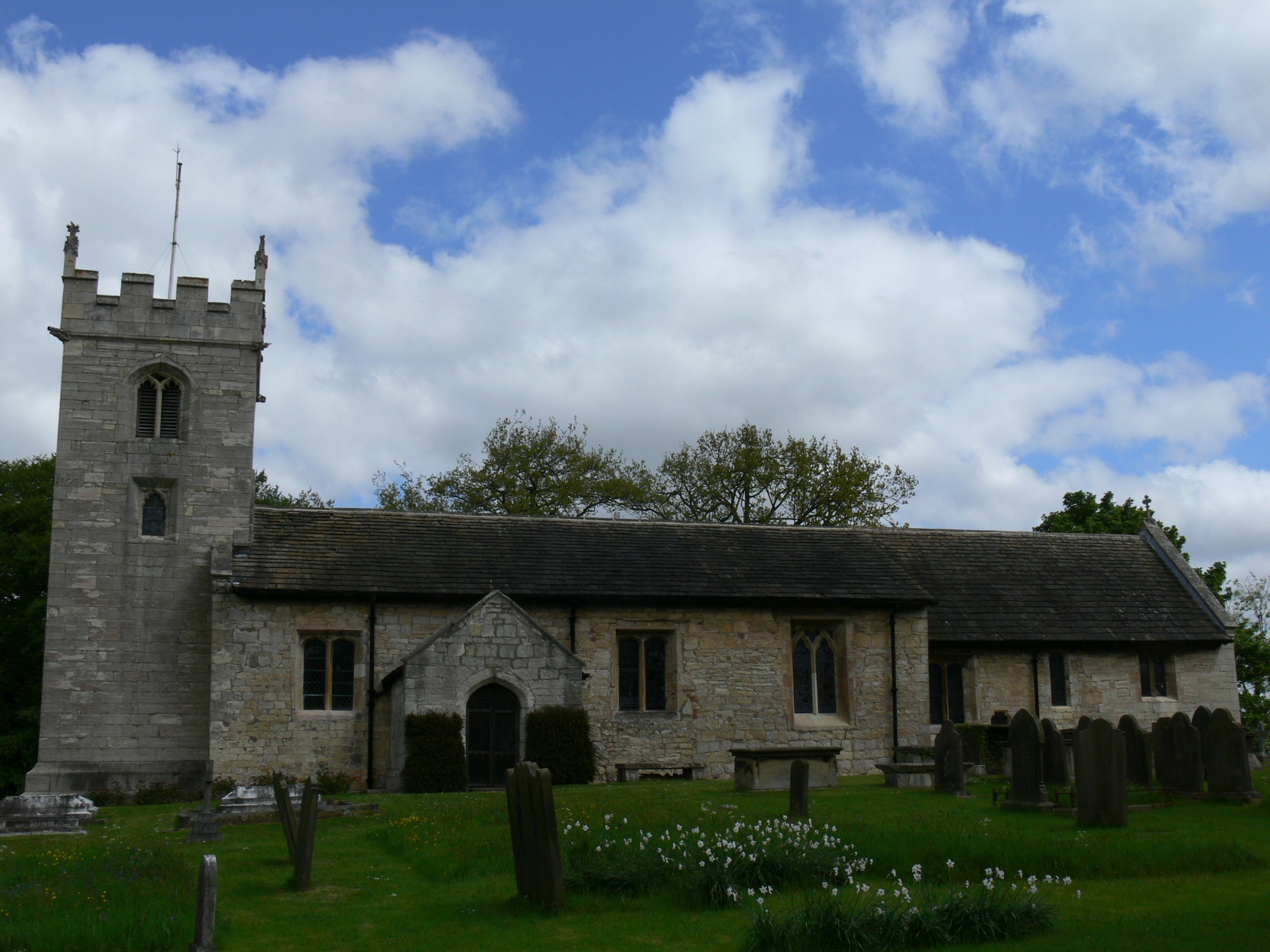
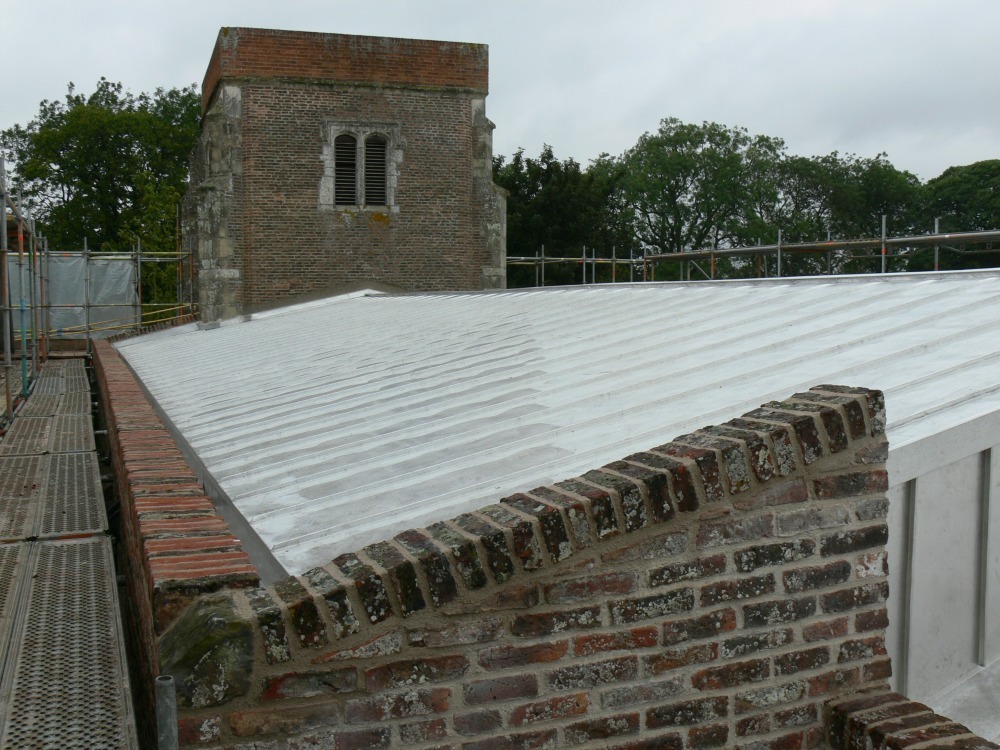
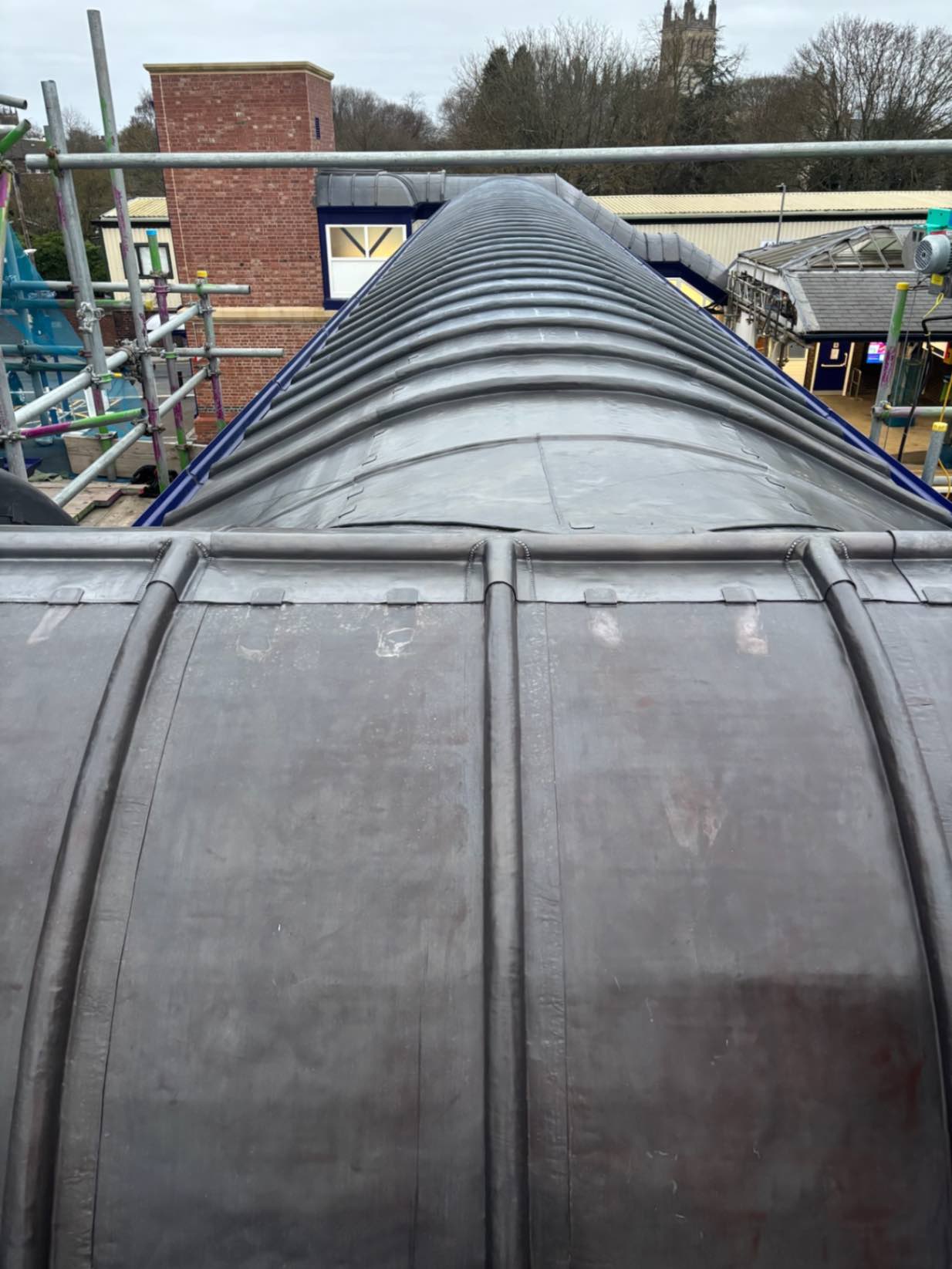
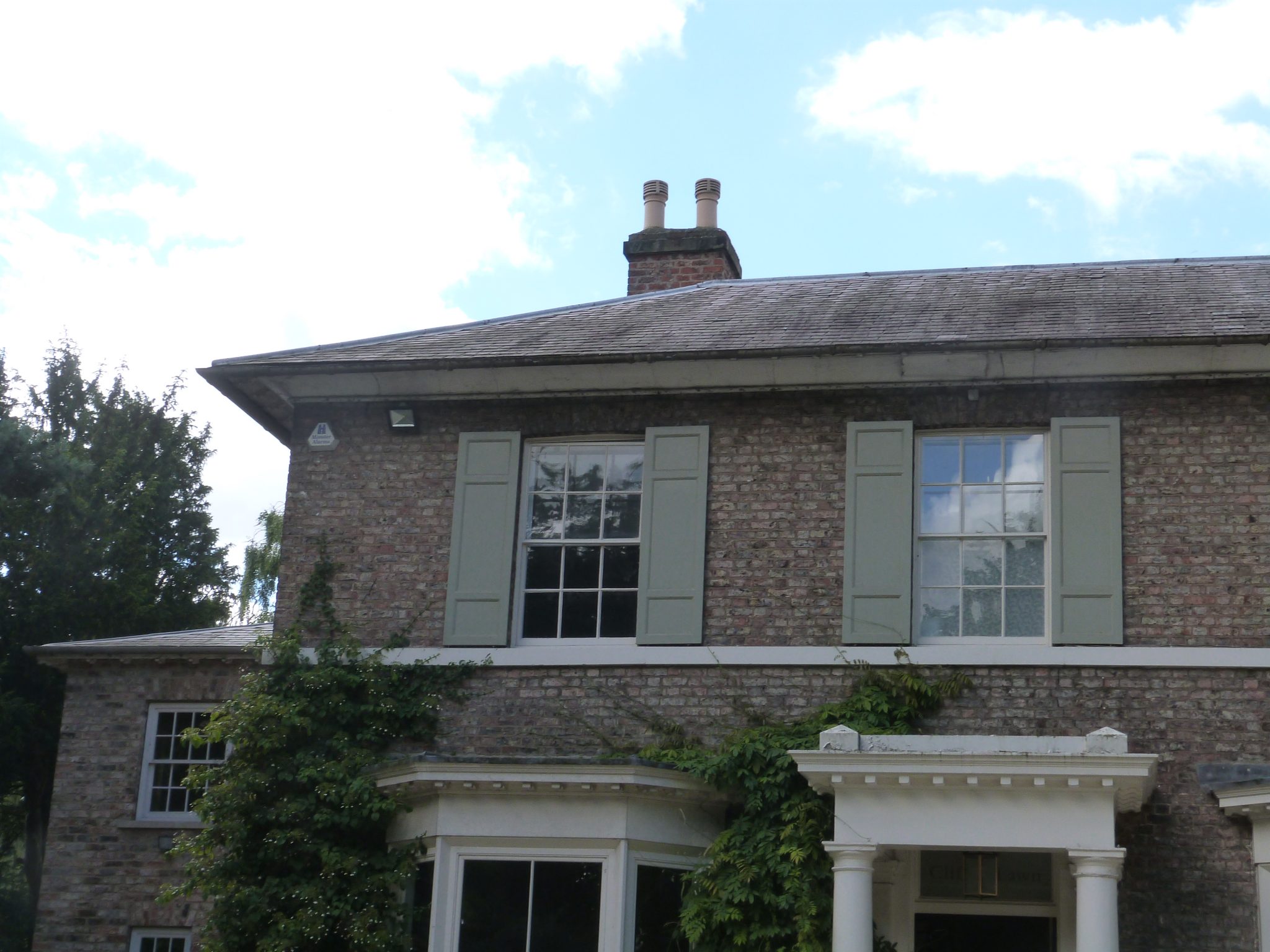
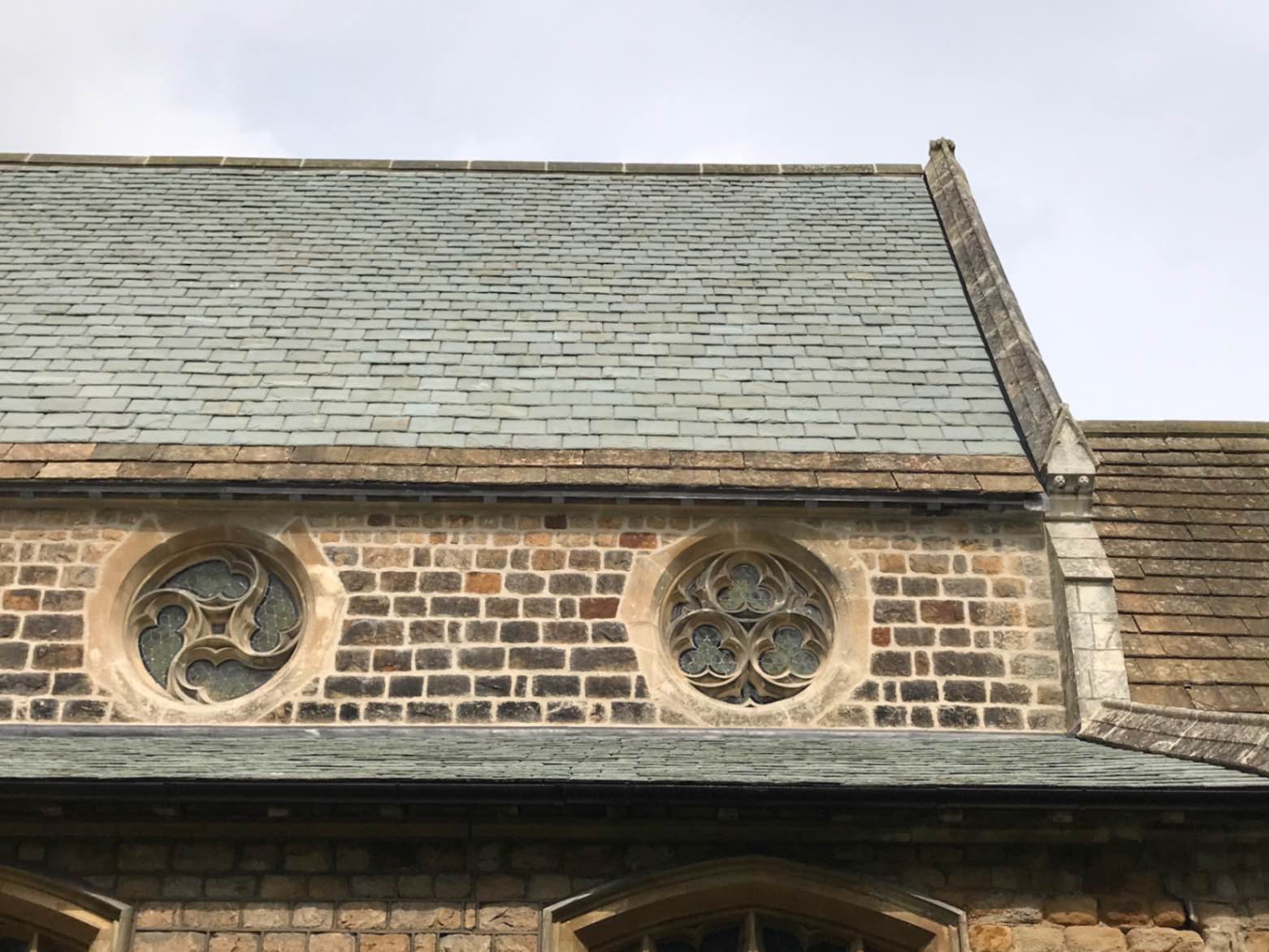
Specialist church roofing for churches, chapels, listed places of worship and historic ecclesiastical buildings across York, Yorkshire and the North of England. From slate and lead repairs to major roof restoration, Neal Roofing combines traditional roofing skills with structured inspection, careful detailing and conservation-aware delivery.
Church roofs are rarely straightforward roofing projects. They often combine historic fabric, high-level access, natural slate, lead gutters, towers, parapets, masonry, timber structures, rainwater goods and long-term maintenance issues within one building.
Neal Roofing undertakes specialist roofing work to churches, chapels and other ecclesiastical buildings, from localised roof repairs through to complete re-roofing and restoration.
Our work is particularly suited to buildings where several roofing disciplines meet — for example natural slate alongside lead valleys, parapet gutters, masonry, roof joinery and complex rainwater systems.
Where an independent professional inspection, defect report, specification or tender exercise is required before a contractor is appointed, clients can separately instruct Strut Building Surveyors. This provides a clear distinction between professional surveying advice and contracting works.

Church buildings require more than general roofing experience. Their scale, materials, historic significance and access constraints demand careful inspection, appropriate materials and disciplined project planning.
Our roofing teams can undertake:
The objective is to treat the church roof as one building-envelope system rather than a collection of unrelated repairs.
Some church projects require professional surveying input before any roofing contractor is appointed.
In these circumstances, Strut Building Surveyors can be appointed separately to provide:
This route is particularly useful where work is being procured competitively, grant-funded or reviewed by a PCC, diocese, architect or other professional adviser.
Visit Strut Building SurveyorsThe correct scope depends on the condition of the existing roof. Many ecclesiastical roofs can be maintained for years through targeted repairs, while others eventually require systematic renewal.
Localised defects may include slipped or cracked slates, failed tile fixings, damaged leadwork, leaking gutters, defective flashings, masonry failures or blocked outlets.
Where the surrounding roof remains serviceable, targeted repair may provide better value and preserve more historic fabric than premature replacement.
Where roof coverings, fixings or supporting elements have reached the end of their useful life, complete roof renewal may be required.
Works may include careful stripping, salvage and grading of reusable slate, structural timber repairs, new underlay and battens, new or reclaimed coverings, leadwork renewal and reinstatement of rainwater systems.
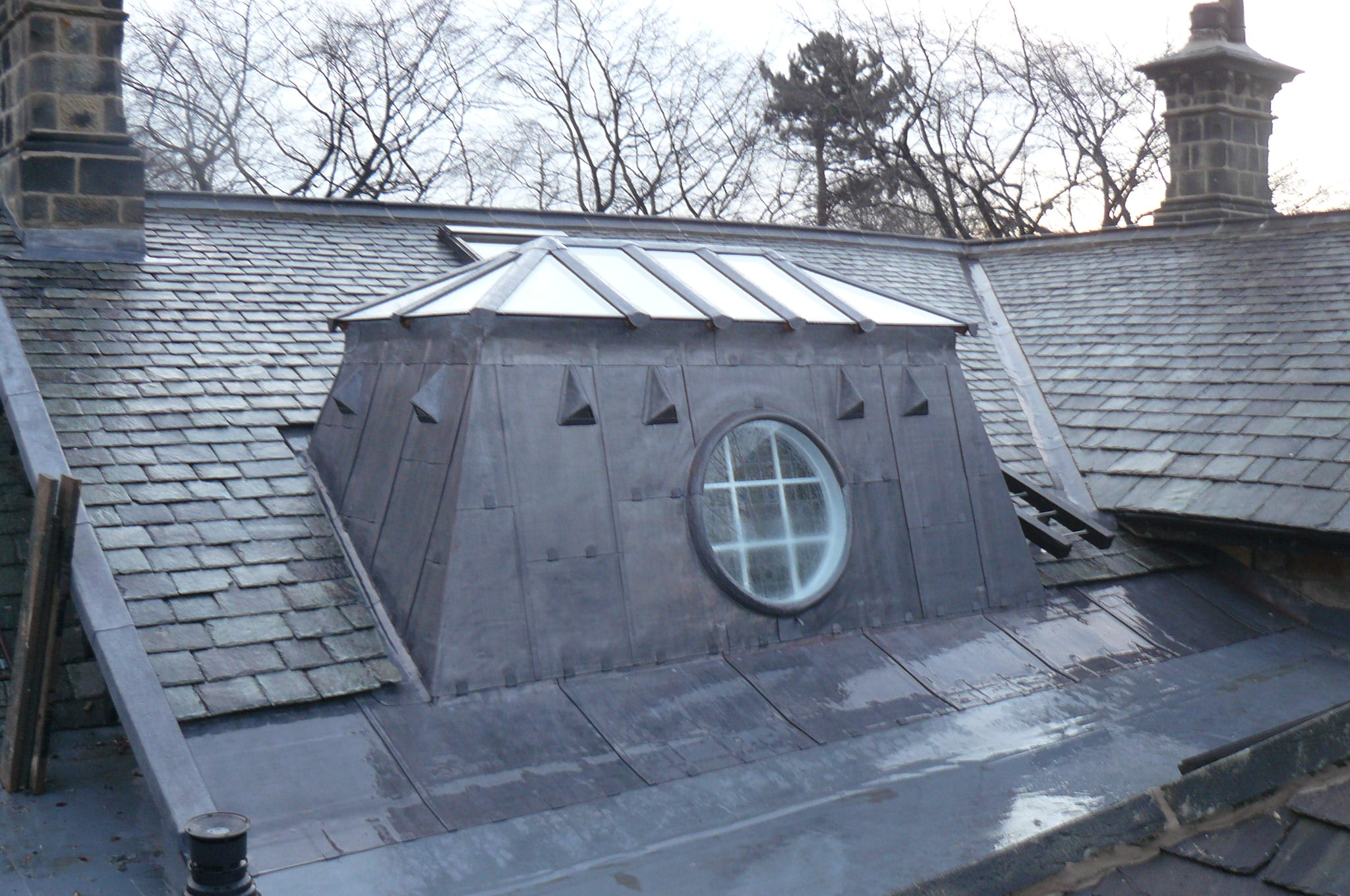
Lead is frequently found at valleys, gutters, towers, parapets, flashings, roofs and complex junctions.
Correct code selection, substrate formation, bay sizing, jointing and allowance for thermal movement are essential to long-term performance.
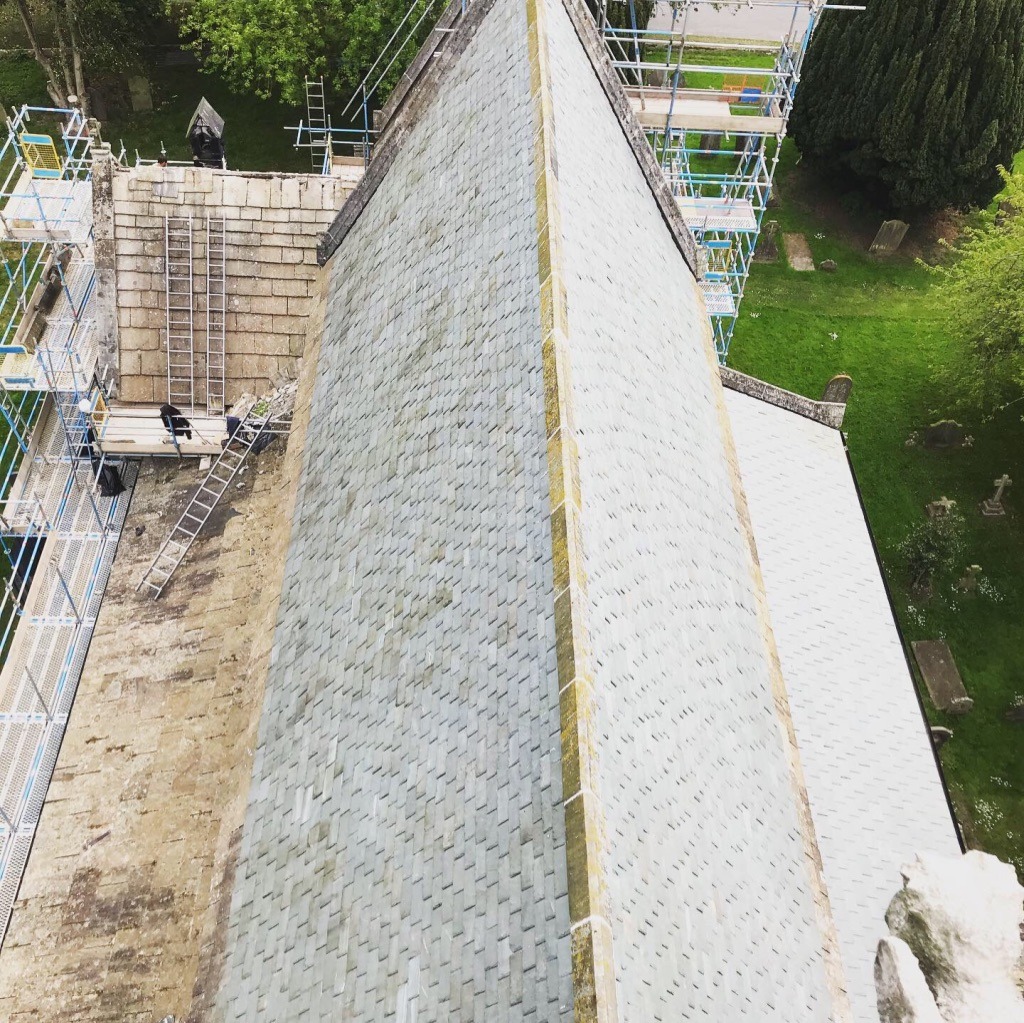
Natural slate is commonly used on historic churches because of its longevity and visual quality.
Existing slate may be reused where sound. New slate should be selected carefully to suit size, colour, geological character, roof pitch and historic appearance.
Church roofs often contain high-capacity gutters, outlets, hoppers, parapet gutters and hidden drainage routes.
Defects in these systems can cause serious damage to masonry, plaster, timber and internal finishes long before the problem becomes obvious externally.
Church roof work can expose decayed boarding, timber gutters, fascias, structural timbers and decorative joinery.
Suitable timber repairs can be coordinated alongside the roofing works to maintain continuity at critical interfaces.
Where roofing failure, storm damage or metal theft leaves the building exposed, temporary protection may be required before permanent repairs can be designed or approved.
Visible water ingress may be some distance from the actual roof defect. Church buildings frequently contain concealed gutters, thick masonry and complex roof geometry, making proper diagnosis especially important.
Arrange a Church Roof Inspection
Understand the roof, the defect and the condition of the existing building fabric.

Establish repair priorities, materials, access and the correct scope of roofing work.

Deliver carefully controlled ecclesiastical roofing works using appropriate materials and detailing.
Many church roofing projects begin with recommendations contained within a Quinquennial Inspection report.
The report may identify areas requiring immediate repair, further investigation or longer-term maintenance.
Neal Roofing can review identified roofing items and advise on practical access, repair methodology and contractor pricing.
Where a formal specification or independent assessment is required, Strut Building Surveyors can separately develop the findings into:
This creates a clearer procurement route and allows the church body to understand what work is actually required before committing funds.
Discuss Quinquennial Roof RepairsMaterial choice should respond to the existing building, historic significance, roof geometry, exposure and relevant approvals rather than being driven purely by initial cost.
Natural slate is one of the most durable traditional roof coverings and remains common on churches throughout Yorkshire and the North of England.
Roofing may involve:
Clay plain tiles, peg tiles and other traditional tile forms may be retained, repaired or replaced using visually and technically compatible products.
Lead remains particularly important to church roofing because it can form complex gutters, valleys, weatherings and interfaces that would be difficult to reproduce using other materials.
Neal Roofing undertakes specialist leadwork with reference to BS 6915, BS EN 12588 and appropriate practical guidance.
Where lead theft risk makes alternative materials desirable, zinc, stainless steel or other hard metals may sometimes be considered subject to heritage, technical and approval requirements.
Explore Specialist LeadworkMetal theft can expose a church roof in a matter of hours and can cause damage far beyond the value of the stolen material.
Water ingress following theft may damage:
Rapid temporary weather protection is therefore often the immediate priority.
Replacement may involve reinstating traditional lead or considering alternative materials where approved and technically suitable.
Historic church roofing requires judgement. Modern standards provide useful technical guidance, but they must be considered alongside the significance and existing construction of the building.
Relevant references may include:
Neal Roofing regularly works within multi-party construction and conservation projects.
We can liaise with:
Where another professional has already prepared a specification, Neal Roofing can tender against the defined works and provide contractor input on access, buildability, sequencing and materials.
View Roofing RegulationsChurch roof defects rarely stop at the slate or tile covering.
Scaffolding and opening-up may reveal problems involving:
Where appropriate, these elements can be coordinated within one roofing package, reducing gaps between trades and helping maintain accountability at critical interfaces.
Discuss Your Church RoofCommon questions about inspections, quinquennial repairs, leadwork, listed churches and ecclesiastical roofing projects.
Yes. Neal Roofing undertakes localised church roof repairs, planned maintenance and complete re-roofing projects involving slate, tile, leadwork, rainwater goods, timber and associated roof details.
Yes. We can review roofing items identified within a Quinquennial Inspection and provide contractor advice, inspections and quotations.
Where a separate professional specification or tender exercise is required, an independent building surveyor or architect should be appointed. Strut Building Surveyors can provide this service where instructed separately.
Yes. Neal Roofing undertakes lead valleys, gutters, parapet details, tower weatherings, flashings, roofs and other complex ecclesiastical leadwork.
Yes, where they remain sound and can be removed without excessive damage. Existing slate should be assessed for cracking, delamination, nail-hole damage and remaining service life before reuse.
Yes. We can assist with temporary weather protection, inspection, permanent replacement works and alternative hard-metal strategies where appropriate and approved.
Yes. We undertake roofing works to listed and conservation-sensitive church buildings. The project must take account of faculty, listed-building, architectural and conservation requirements where applicable.
Yes. Neal Roofing can tender and work from architectural or surveying specifications and coordinate with the wider professional project team.
Neal Roofing is based in York and undertakes ecclesiastical and heritage roofing throughout Yorkshire and considers suitable specialist projects across the wider North of England.
Send us photographs, Quinquennial Inspection findings, drawings, reports or details of the roofing problem. We can review the information and advise on the most appropriate route forward.
Where the project already has an architect or surveyor, we can tender against the prepared specification. Where professional investigation is required first, that appointment can be made independently before roofing works are priced.