


Copper nails for natural slate roofing, traditional roof detailing and leadwork. Guidance on nail diameter, length, fixing selection and the relationship between copper fixings and BS 5534 roofing practice.
Copper has a long-established role as a roofing fixing because of its resistance to corrosion, compatibility with traditional roofing materials and suitability for long-life roof coverings.
Copper roofing nails are widely used when installing natural roof slates. Different forms of copper fixing are also used within traditional leadwork.
The correct nail should be selected according to the slate or roofing material being fixed, its thickness, the supporting batten or substrate, exposure and the requirements of the particular roof specification.
A nail should therefore not be selected simply by choosing a standard length. Diameter, head form, shank type, length and required penetration all form part of the fixing specification.
Explore Roof Slates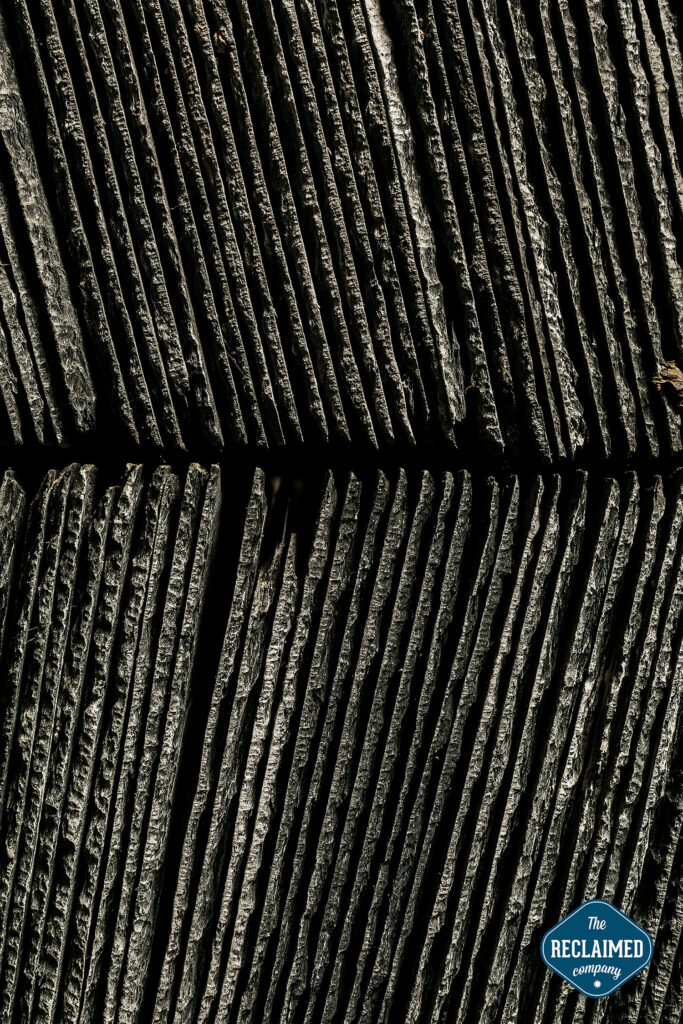
The durability of a roof covering can be undermined by inappropriate fixings. On roofs designed to remain in service for many decades, the fixing material should be compatible with that expected service life.
Corrosion resistance.
Copper develops a stable surface patina and has strong resistance to atmospheric corrosion, making it well suited to exposed roofing applications.
Natural slate.
Copper fixings are widely associated with natural slate roofing, particularly where a durable fixing is required to complement a long-life roof covering.
Workability.
Copper remains relatively workable while providing the mechanical fixing required for traditional roofing applications.
Material compatibility.
Copper is commonly used alongside slate and lead within traditional roof construction, subject to appropriate detailing and specification.
Repairability.
Traditional slate roofs are inherently repairable. Appropriate fixings support a construction in which individual damaged slates can be replaced without dismantling an entire roof slope.
Long-term specification.
Fixings should be selected for the expected exposure and design life of the covering rather than solely on initial material cost.
Copper slate nails are commonly manufactured with a broad head and smooth shank and are available in a range of lengths to suit different slate thicknesses and roof constructions.
A commonly encountered diameter for traditional natural slate fixings is 3.35 mm, but the complete fixing specification should be determined by the slate, roof construction, exposure and relevant standards.
Nail length is particularly important. The fixing must pass through the slate while providing sufficient engagement with the supporting batten or substrate without creating an inappropriate projection or interfering with the roof construction beneath.
These descriptions are indicative only. Nail size should be checked against the actual slate and roof construction before installation.
3.35 mm copper roofing nails for suitable thinner natural slate applications.

A commonly used 3.35 mm copper slate fixing for general natural slate roofing applications.
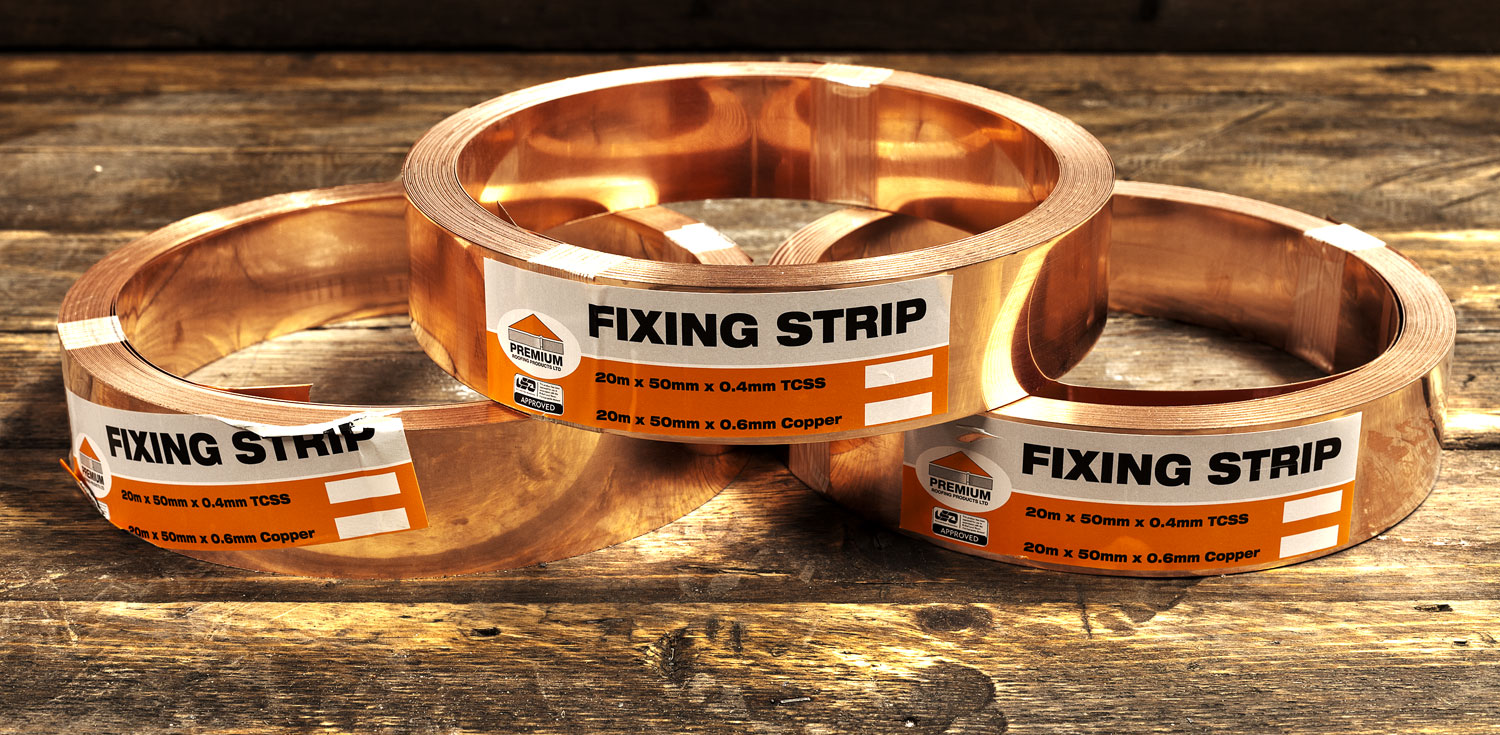
Longer 3.35 mm copper fixings for thicker slate and suitable specialist slating applications.
BS 5534 should be considered as part of the design and installation of the complete slate or tile roof rather than as a simple product badge applied to an individual nail.
For natural slate roofing, fixing design must consider matters including the roof covering, pitch, site exposure, fixing arrangement and supporting battens.
Copper nails are commonly specified for natural slate, with suitable dimensions selected to provide the required fixing performance and engagement with the batten.
Accordingly, describing a particular nail as universally “BS 5534 compliant” can be misleading without reference to the roof on which it is being used.
A correct fixing specification should consider:
Copper roofing nails should not be considered independently from the material they retain.
On a natural slate roof, the dimensions and position of each fixing interact with the slate gauge, headlap, battens, roof pitch and exposure of the building.
This becomes particularly important when working with premium materials such as Welsh slate and Westmorland slate, where the anticipated life of the covering may substantially exceed that of lower-quality fixing materials.
The purpose of specifying copper is therefore not simply tradition. It forms part of designing the roof so that the fixing system is compatible with the expected performance of the covering.
Read Our Roof Slate Guide
Copper fixings are also widely used in traditional lead sheet roofing, although the fixing form is different from a conventional smooth-shank slate nail.
Annular ring shank copper nails provide increased withdrawal resistance and are commonly used for appropriate lead sheet details, clips and related applications.
A frequently encountered specification is a 25 mm copper annular ring shank nail, although the fixing should always suit the particular detail, substrate and leadwork specification.
Lead sheet detailing should be undertaken with reference to current good practice, relevant standards and material guidance rather than adopting one fixing arrangement for every situation.
Leadwork ServicesFirst establish whether the fixing is intended for natural slate, leadwork or another roofing detail. The same copper nail is not appropriate for every application.
Slate thickness directly influences the nail length required. Thicker or uneven traditional slates may require a different fixing from thin, calibrated material.
The nail must provide appropriate engagement with the roofing batten or other fixing substrate.
The roof pitch, location and degree of exposure influence the wider fixing specification and should be considered as part of the roof design.
Where a slate manufacturer, architect, roofing designer or conservation specification provides fixing requirements, those requirements should be coordinated with applicable standards.
Diameter, head dimensions, shank form, material and fixing position matter as well as overall nail length.
Neal Roofing uses specialist roofing materials in live contracting work but does not need to operate this page as an online shop.
Copper slate nails and associated roofing fixings are available through The Reclaimed Company, while specialist leadwork fixings are available through The Lead Lads.
Common natural slate roofing nails are available in 30 mm, 40 mm and 50 mm lengths, often with a 3.35 mm diameter. The correct size depends upon slate thickness, the supporting batten, roof design and fixing specification.
Copper provides excellent corrosion resistance and is compatible with the long expected service life of high-quality natural slate. It has therefore become a traditional and widely specified fixing material for slate roofing.
BS 5534 applies to the design and installation of slated and tiled roofs rather than providing a universal compliance designation for an individual nail. Copper nails can form part of a BS 5534 roof specification where their material, dimensions and installation meet the requirements of the particular roof design.
Leadwork commonly uses copper fixings, but annular ring shank copper nails are typically used for appropriate lead sheet applications rather than simply substituting a standard smooth slate nail. The fixing should match the lead detail and substrate.
No. Nail length should suit the particular roof construction. An unnecessarily long nail does not automatically improve performance, while an under-length fixing may fail to provide adequate engagement with the supporting batten or substrate.
Copper slate nails in commonly used roofing sizes are available online through The Reclaimed Company, while specialist copper fixings for traditional leadwork are available through The Lead Lads.
A premium slate roof should not rely upon inadequately specified fixings. Material, diameter, length and fixing arrangement should be considered as part of the complete roofing system.

