Natural roof slates selected for their provenance, durability, appearance and suitability for the building. Welsh, Westmorland, British, reclaimed and carefully selected Spanish roofing slates installed across Yorkshire.
Natural slate has protected buildings for centuries and remains one of the most durable and architecturally important roofing materials available.
Not all roof slates are interchangeable. Geological origin, strength, thickness, size, colour, texture and method of manufacture influence both the appearance of a completed roof and the way in which it should be detailed and installed.
Neal Roofing works with Welsh slate, Westmorland green slate, other British roofing slates, reclaimed slate and selected Spanish slate across new-build, refurbishment, conservation and re-roofing projects.
Material selection should respond to the building, roof pitch, exposure, planning or conservation requirements, existing fabric and available budget rather than simply selecting a slate on price.
Our Slating Service
Natural slate combines weather resistance with an appearance that is difficult to reproduce using manufactured alternatives. Correctly selected slate can be particularly appropriate where longevity, architectural quality and compatibility with historic fabric are important.
Durability.
Good-quality natural slate is inherently resistant to frost, water and weathering and can provide an exceptionally durable roof covering when correctly specified and installed.
Provenance.
The quarry from which a slate originates influences its colour, texture and physical characteristics. On conservation work, provenance may form an important part of the specification.
Appearance.
Natural variation in colour, thickness and texture creates the visual depth associated with traditional slate roofs.
Repairability.
Individual slates can generally be repaired or replaced without removing an entire roof covering, provided suitable matching material remains available.
Traditional construction.
Slate works particularly well alongside other traditional roofing materials including lead sheet, timber, stone and lime-based masonry.
Reuse.
Where condition permits, existing natural slates may sometimes be carefully salvaged, graded and reused as part of a conservation-led re-roofing project.
Slate should be selected according to the particular building and specification. These are among the principal materials encountered across our roofing work.

Distinctive green natural slate traditionally laid in random widths and diminishing courses on significant historic and vernacular buildings.

One of Britain’s most important traditional roofing materials, including slate associated with Penrhyn and Cwt-y-Bugail and historic production around Ffestiniog.

Carefully selected Spanish natural slate can provide a practical alternative where the appearance, specification and budget do not require British material.
Welsh slate has an exceptional reputation as a roofing material and forms an important part of Britain’s architectural heritage.
Slate quarried in North Wales has been used on buildings throughout Britain and internationally. Different quarry sources produce material with recognisable variations in colour, texture and character.
Penrhyn is particularly associated with distinctive heather or purple-toned roofing slate. Its appearance makes it immediately recognisable on many traditional and high-quality buildings.
Cwt-y-Bugail slate is generally associated with blue-grey colouring and a fine appearance, making it suitable for conservation, heritage and high-quality new roofing work where the specification permits.
The Ffestiniog area has a long history of slate production and forms an important part of the wider North Wales slate landscape. Historic material from the area remains present on many existing roofs.
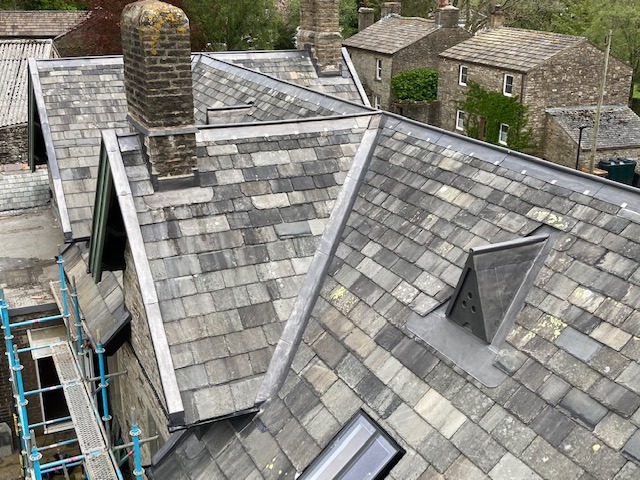
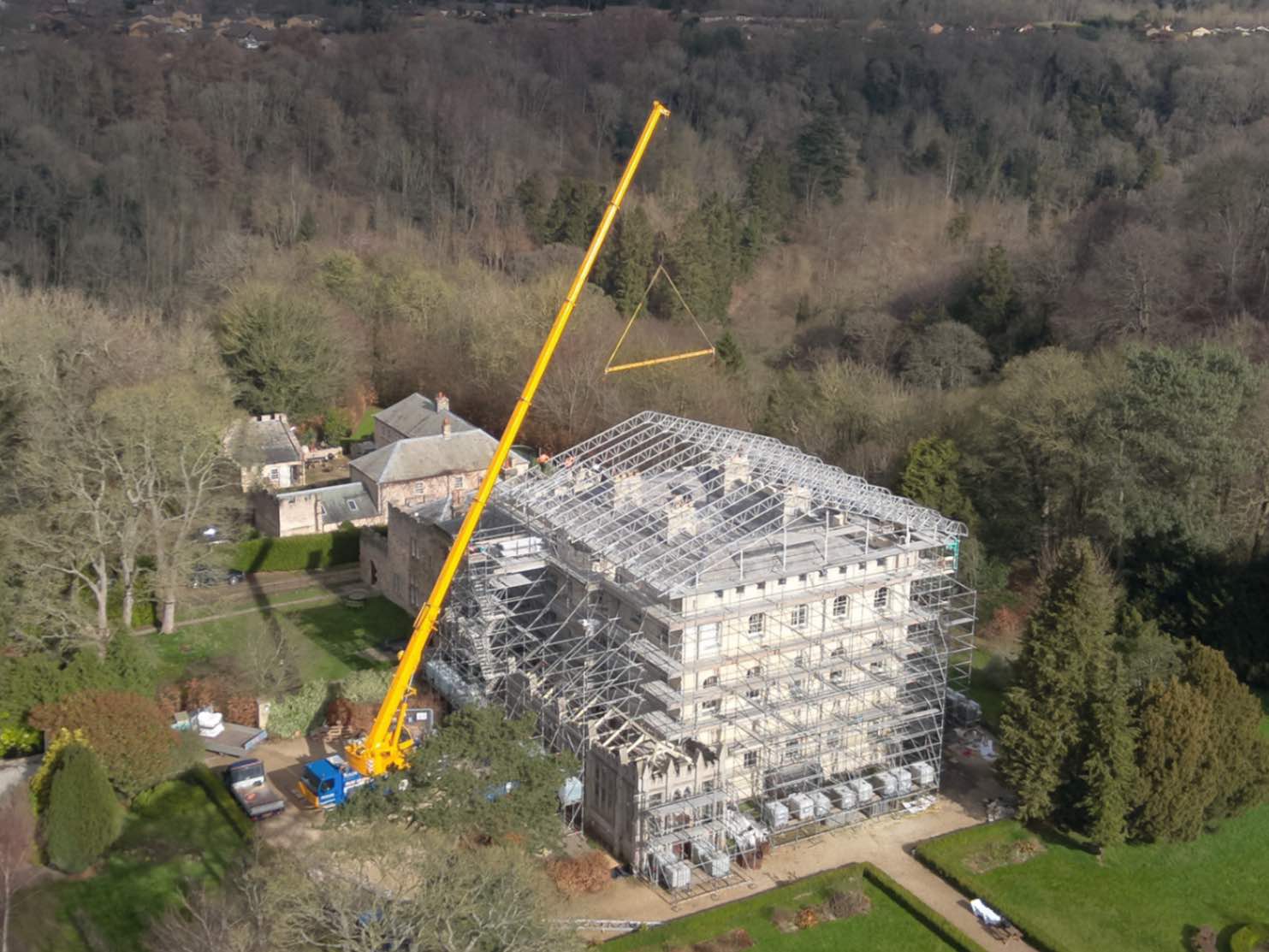
A listed-building roofing project provides a useful example of how material selection and traditional roofing practice come together.
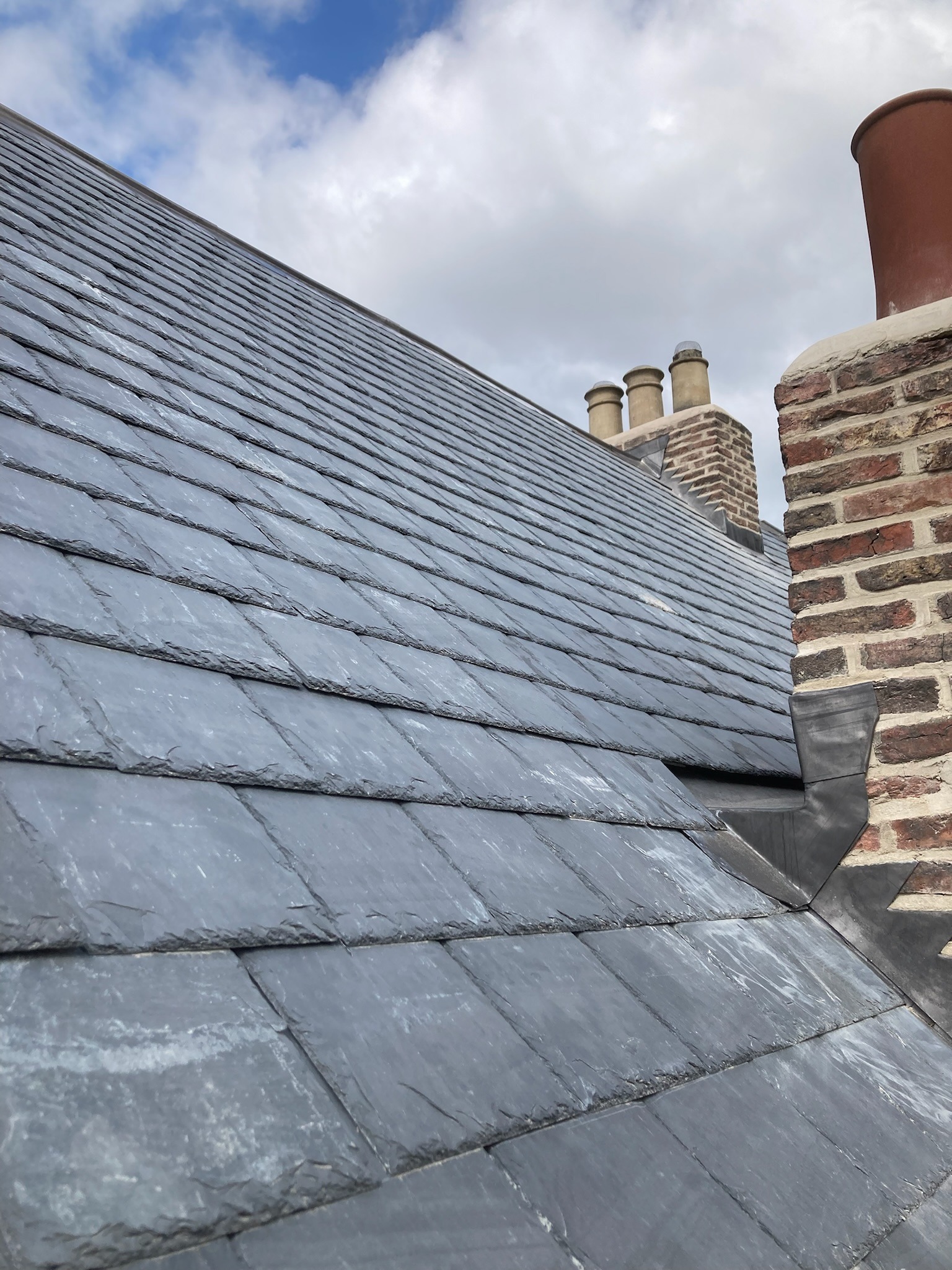
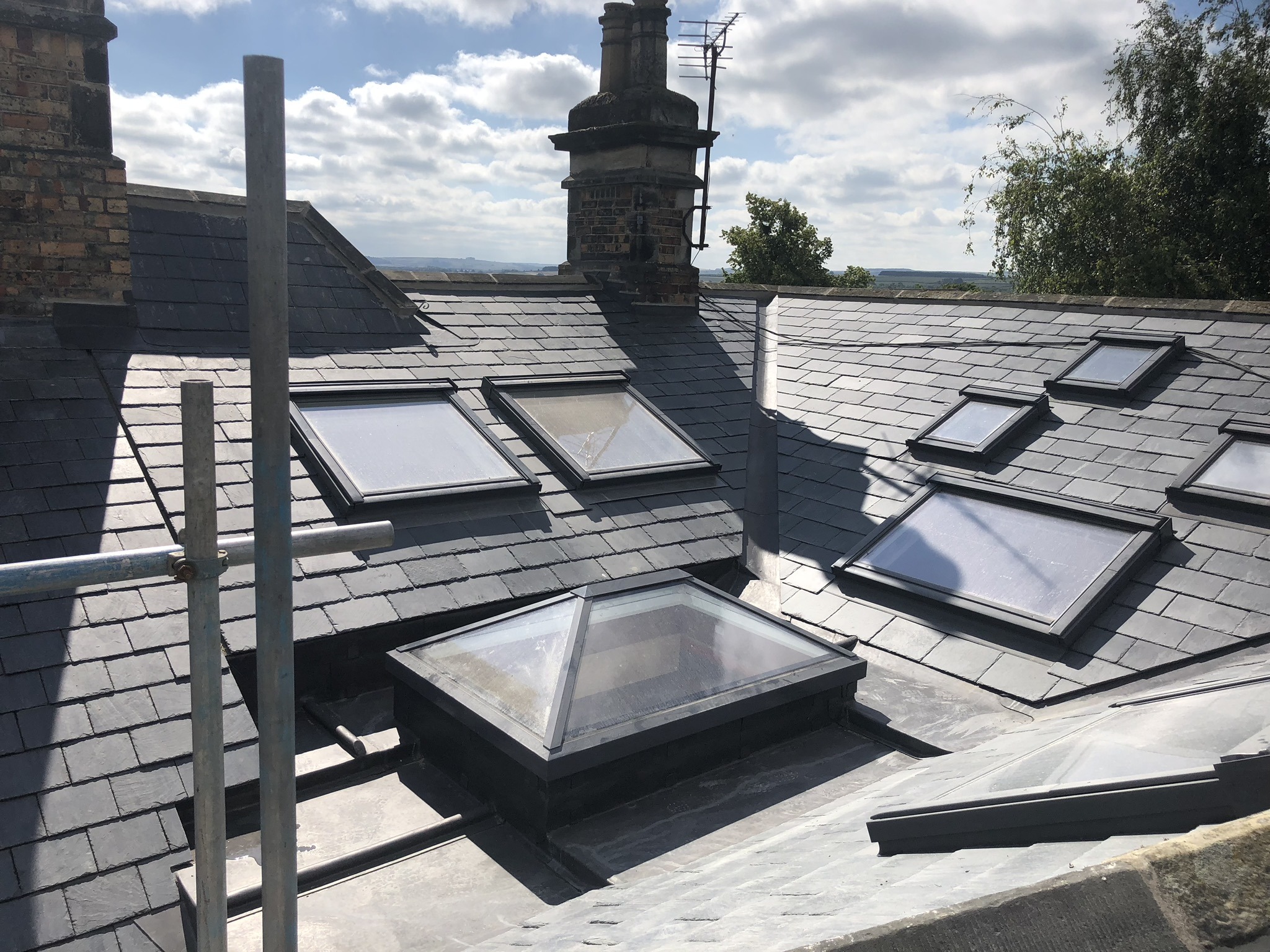
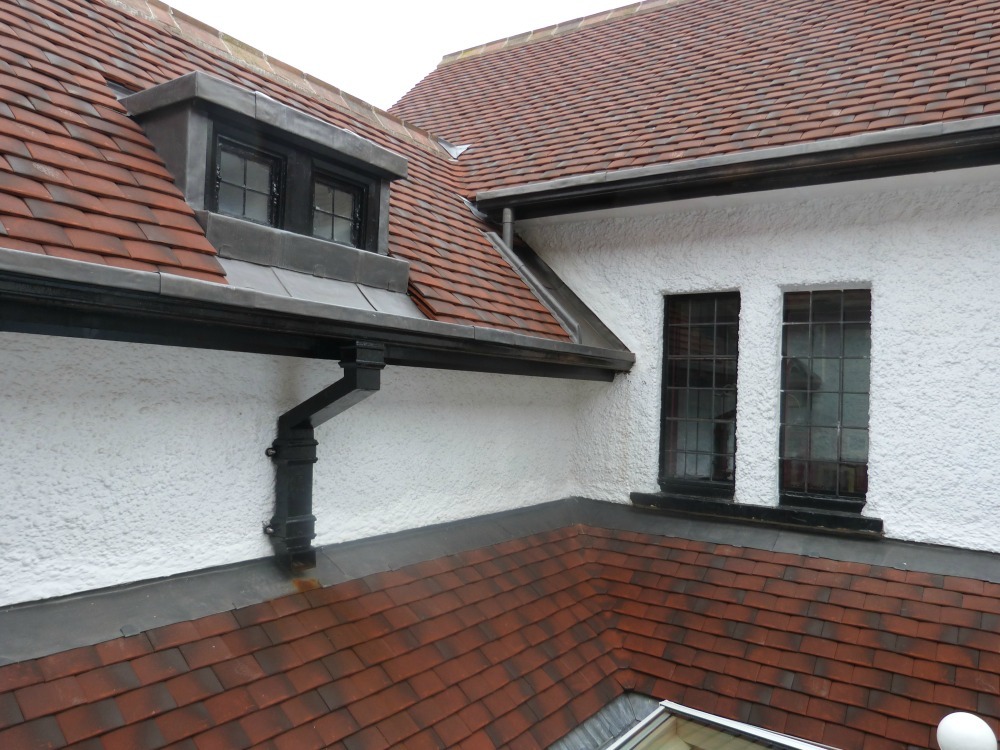
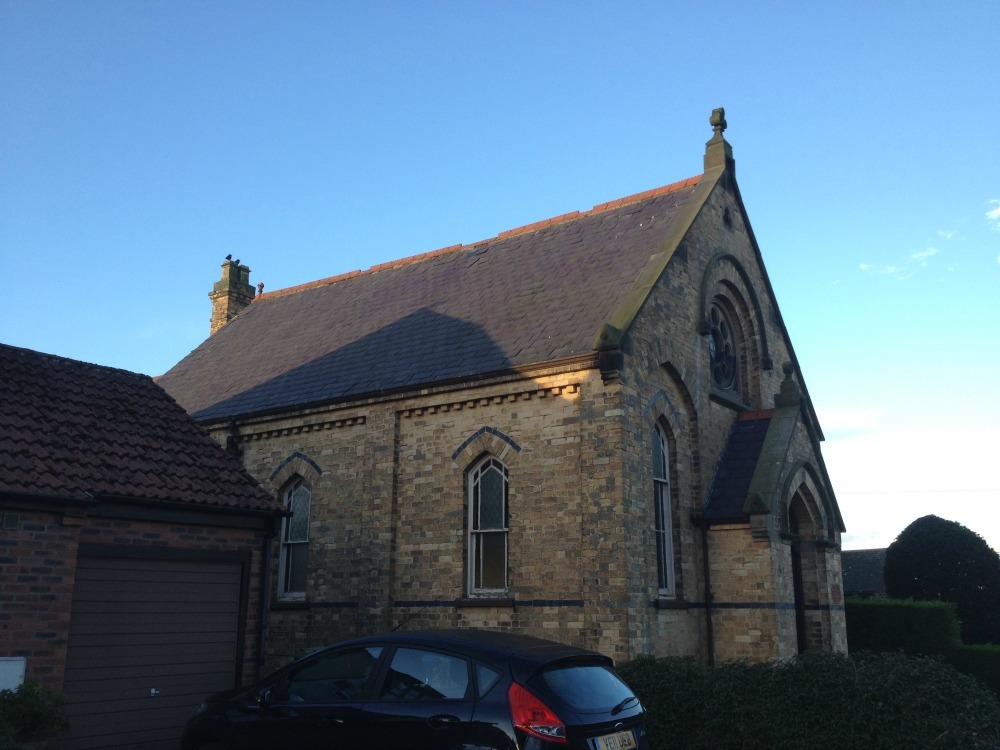
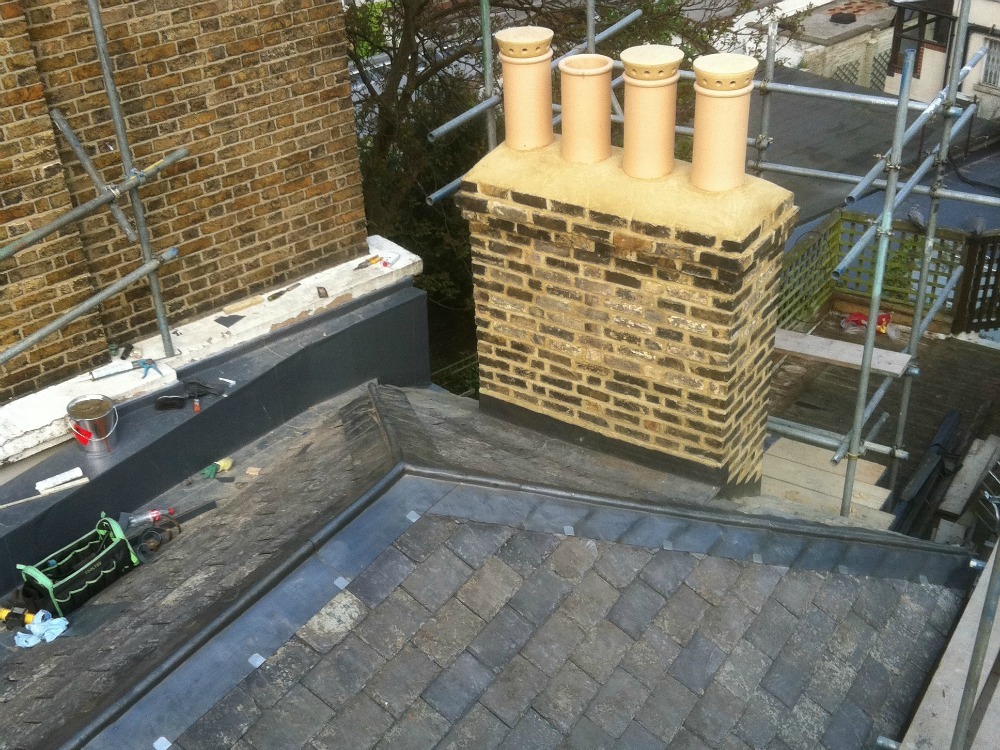
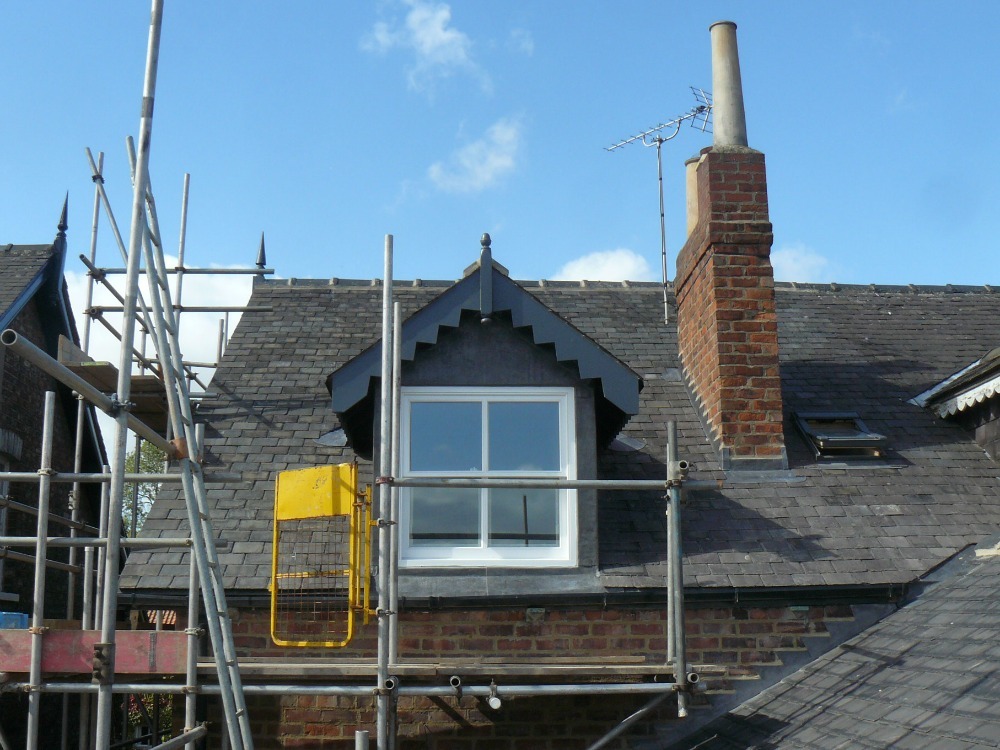
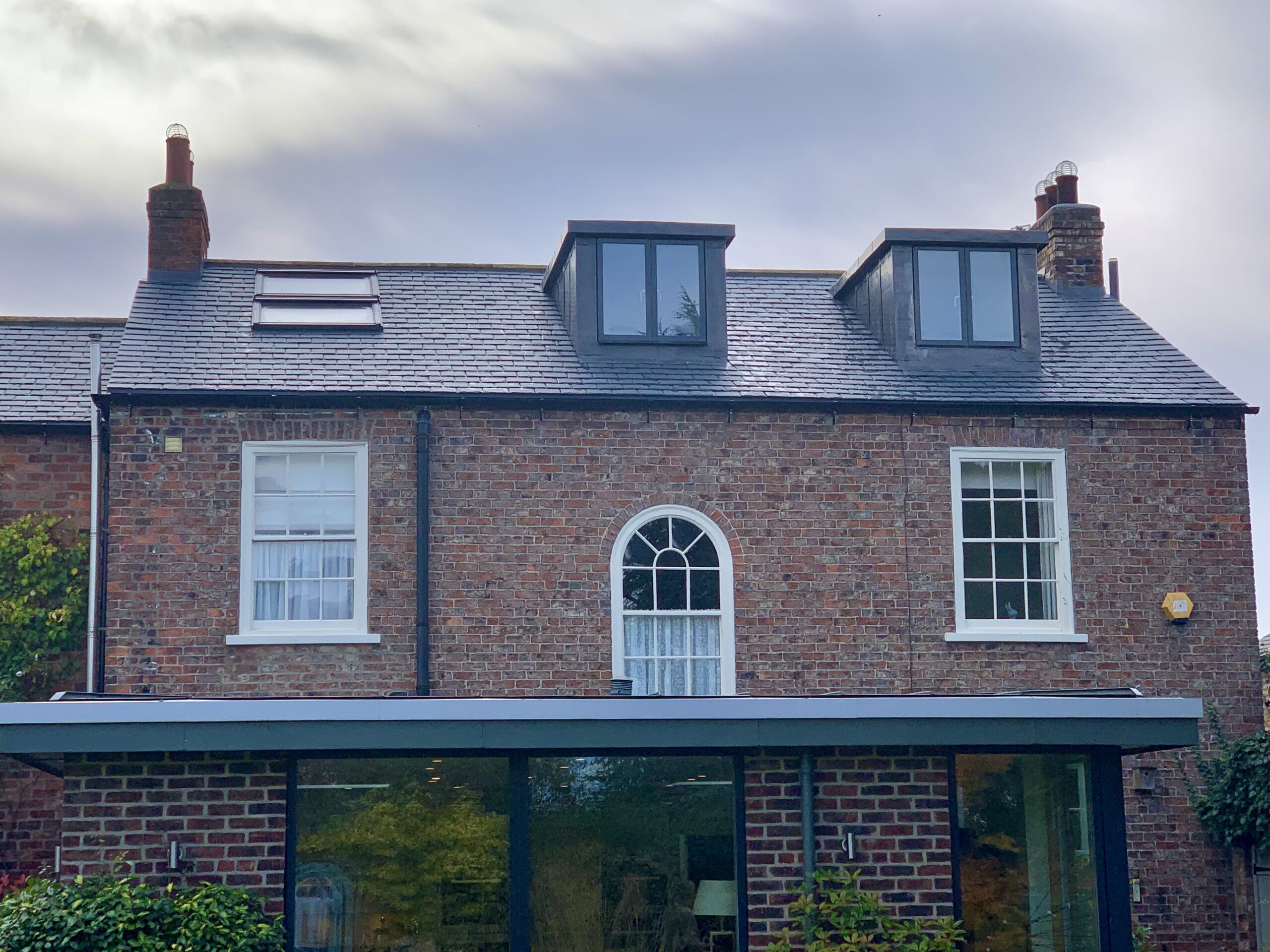
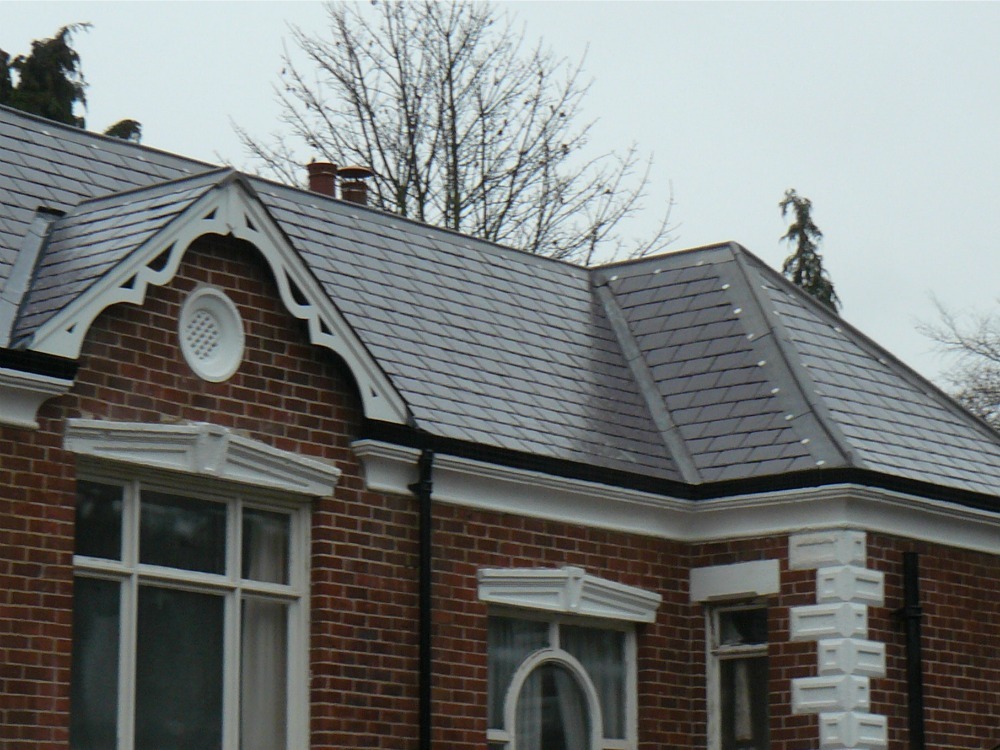
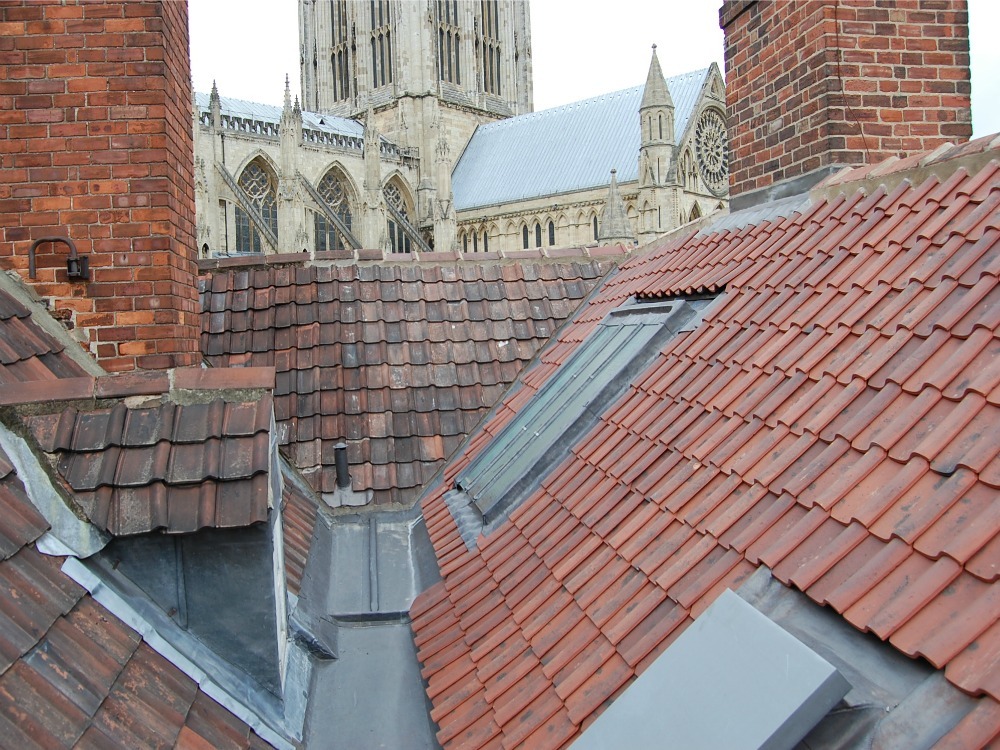
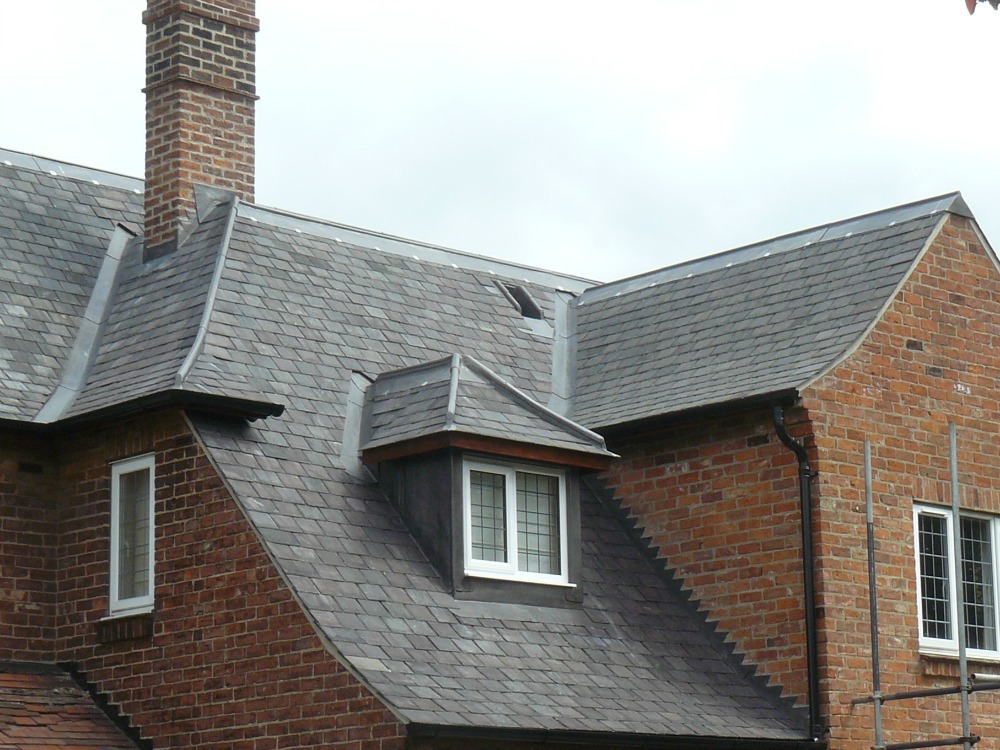
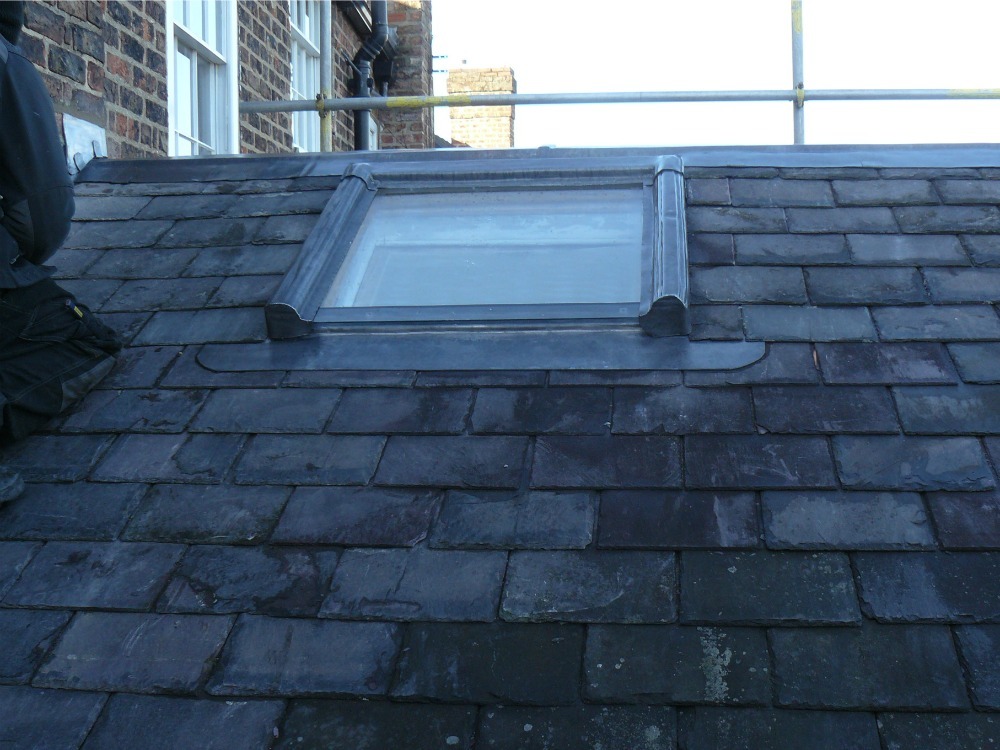
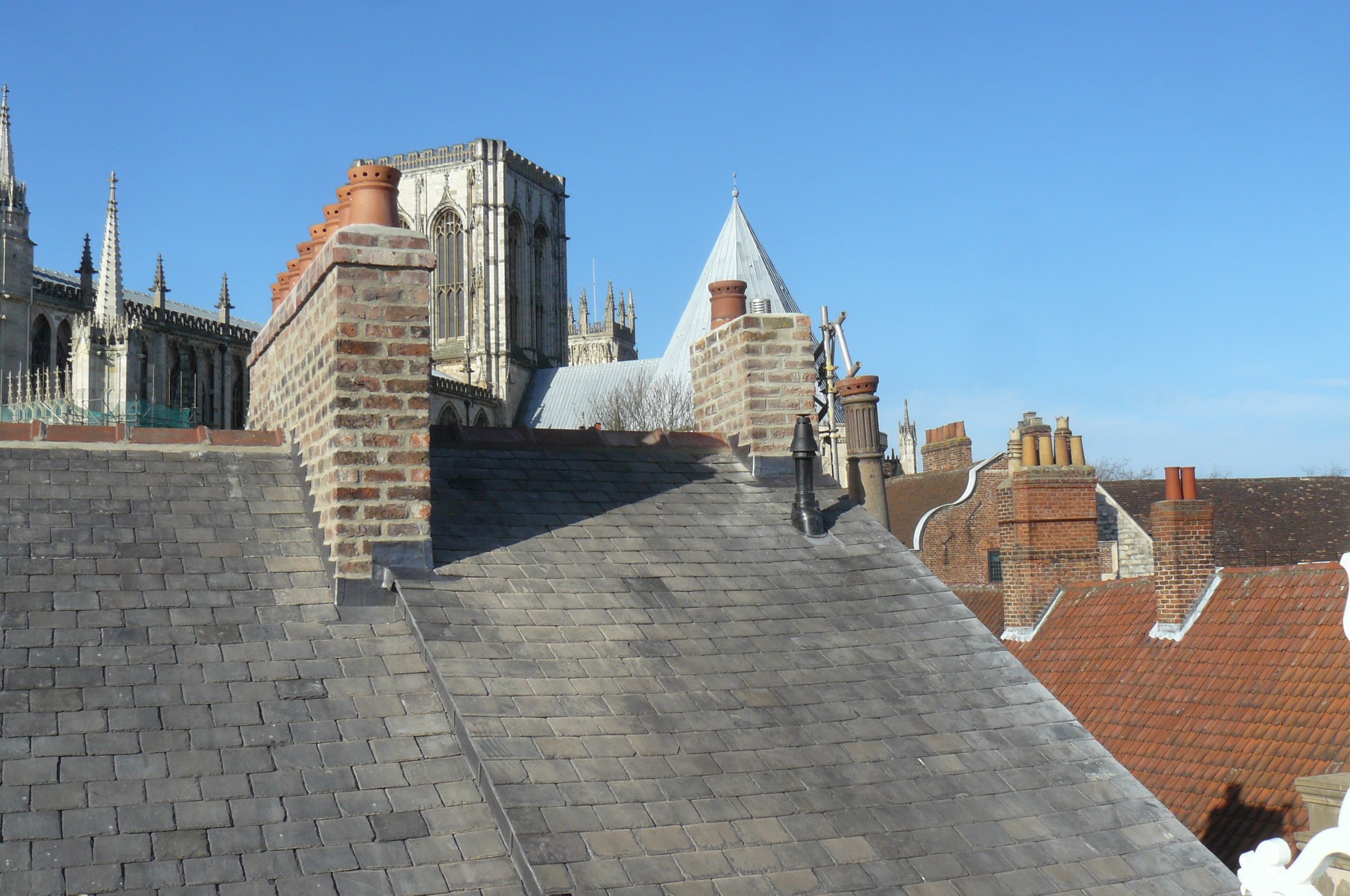
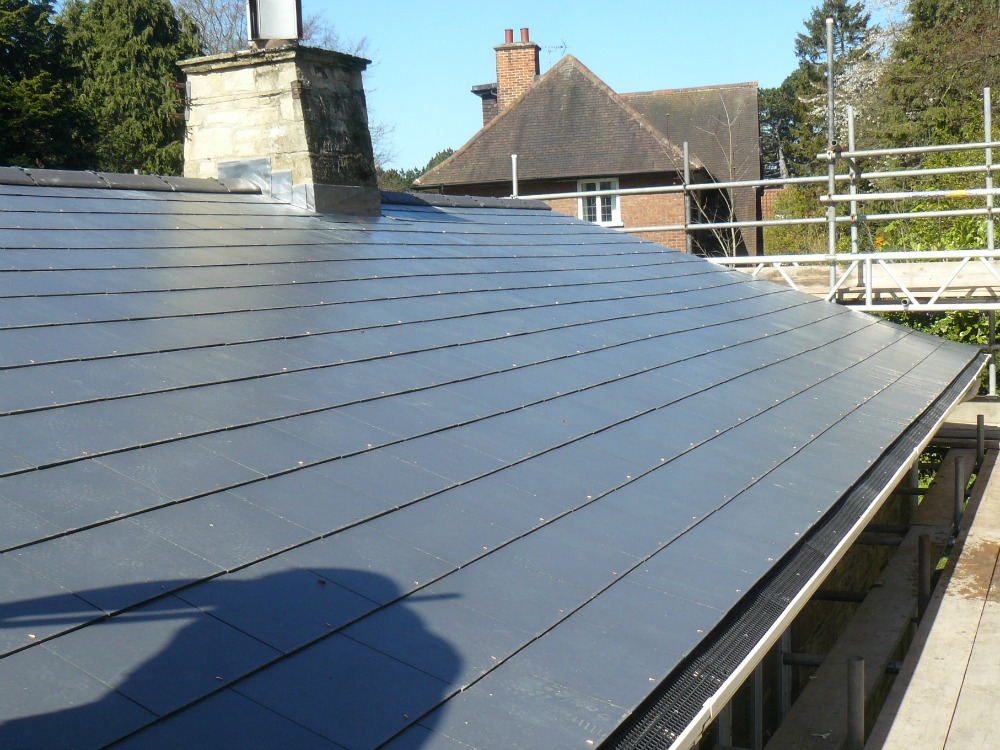
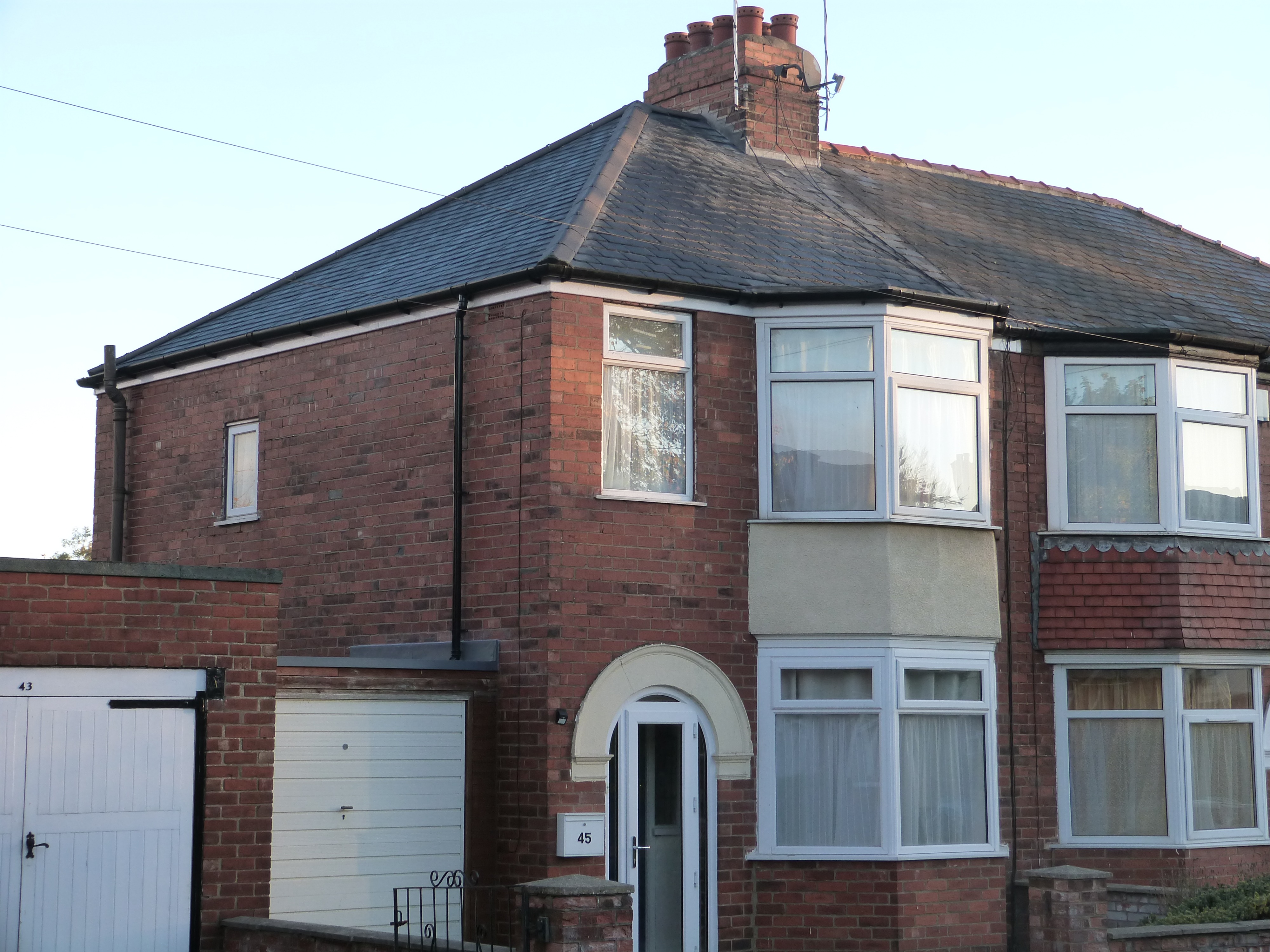
Neal Roofing used new Cwt-y-Bugail Welsh roofing slate on this Grade II listed property in North Yorkshire.
Projects of this nature require more than simply choosing a premium slate. Slate size, setting out, roof geometry, associated leadwork and the relationship with the historic building fabric all influence the finished roof.
View Welsh Slate ProjectWestmorland green slate is one of the most distinctive traditional roofing materials found on significant buildings across Britain.
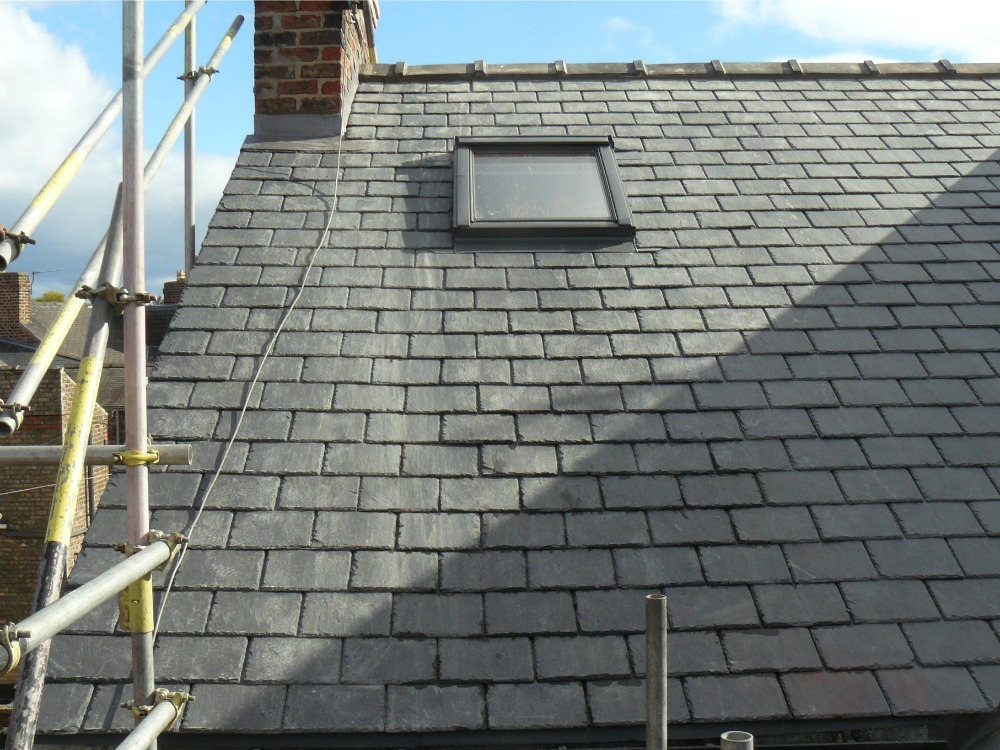
Unlike standard-format modern slate roofs, Westmorland slate is traditionally associated with random-width slating and diminishing courses. Larger slates are positioned towards the eaves with progressively smaller courses towards the ridge.
This creates the characteristic graduated appearance of the roof while requiring considerably more setting out and craftsmanship than regular-sized slating.
Existing Westmorland slate can also have considerable salvage value. On suitable conservation projects, material may be carefully removed, graded and reused with replacement slate introduced where required.
Westmorland Slate Guide

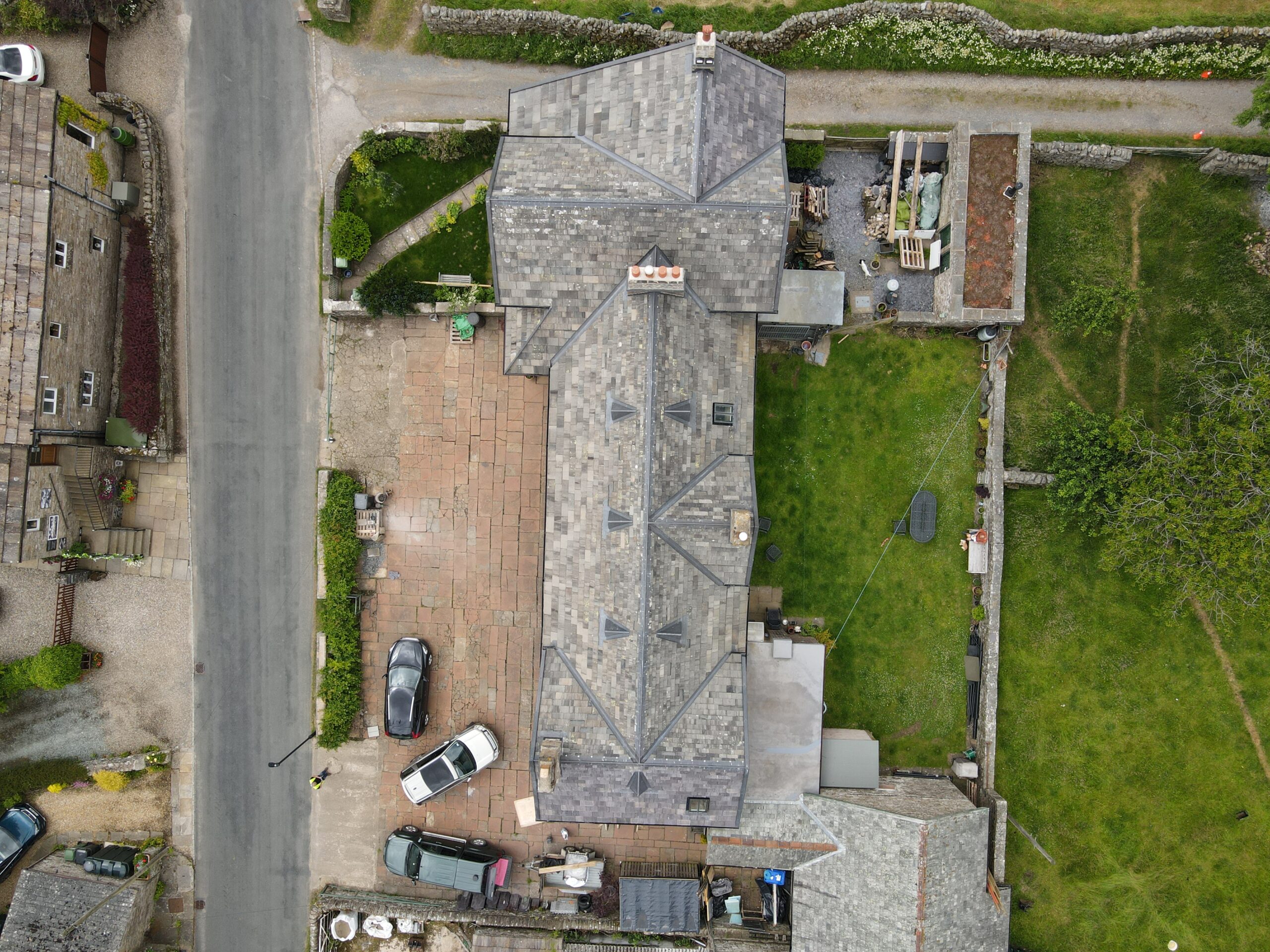
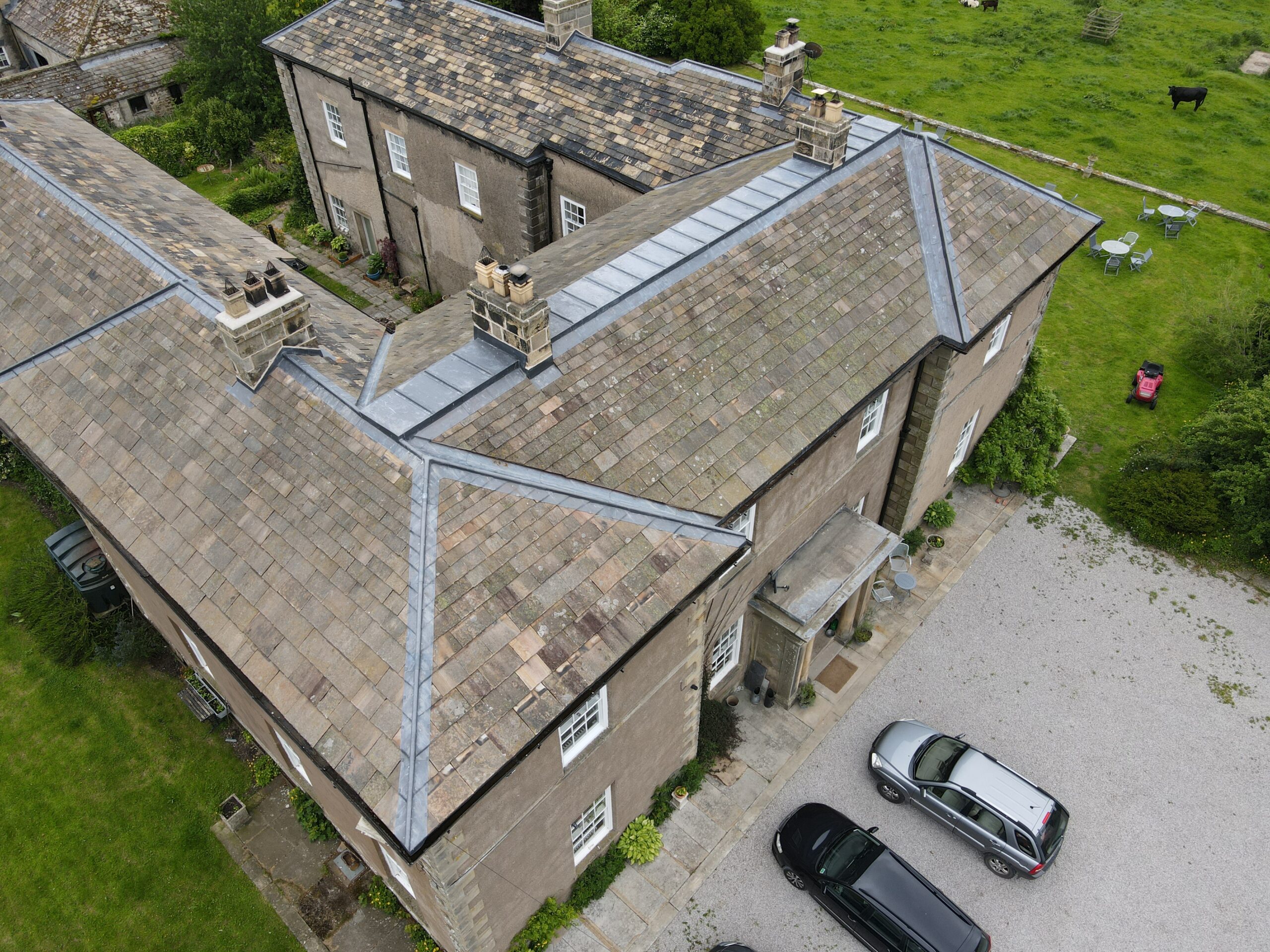
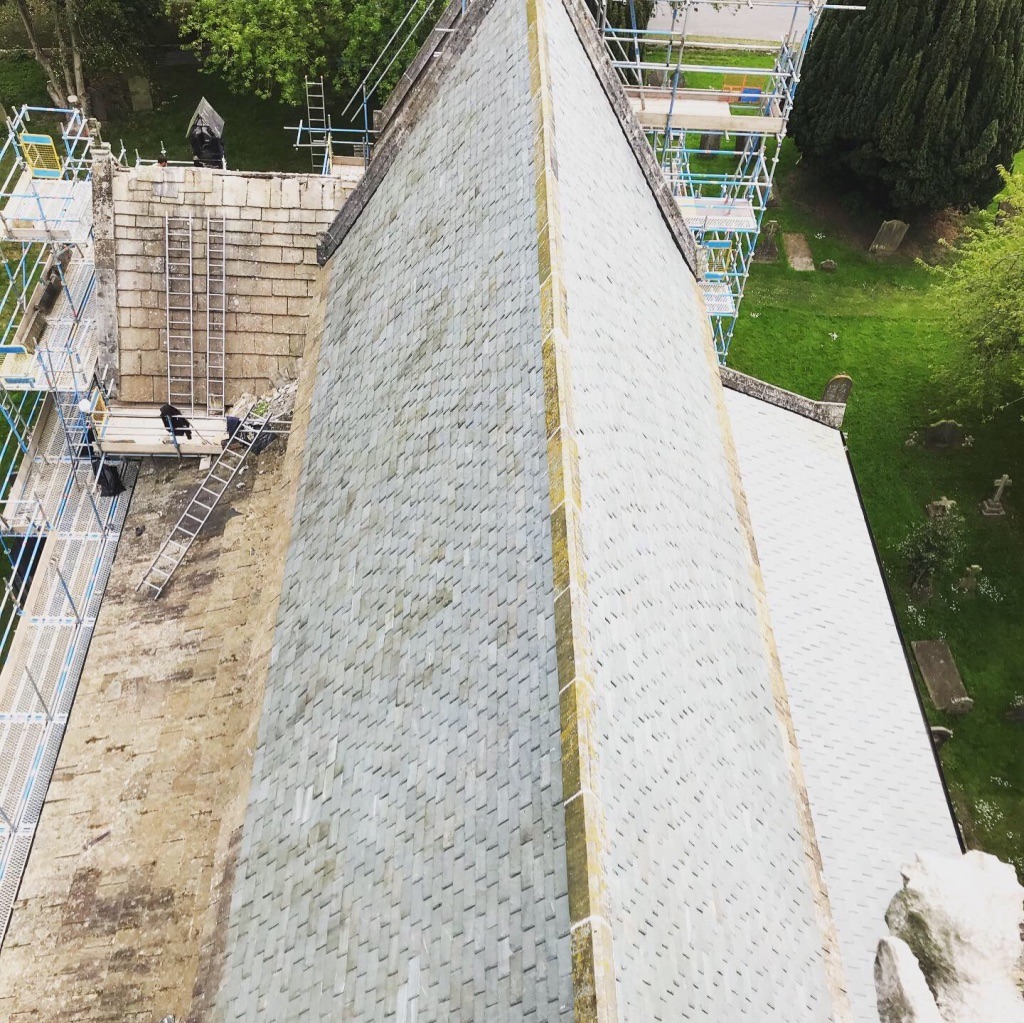
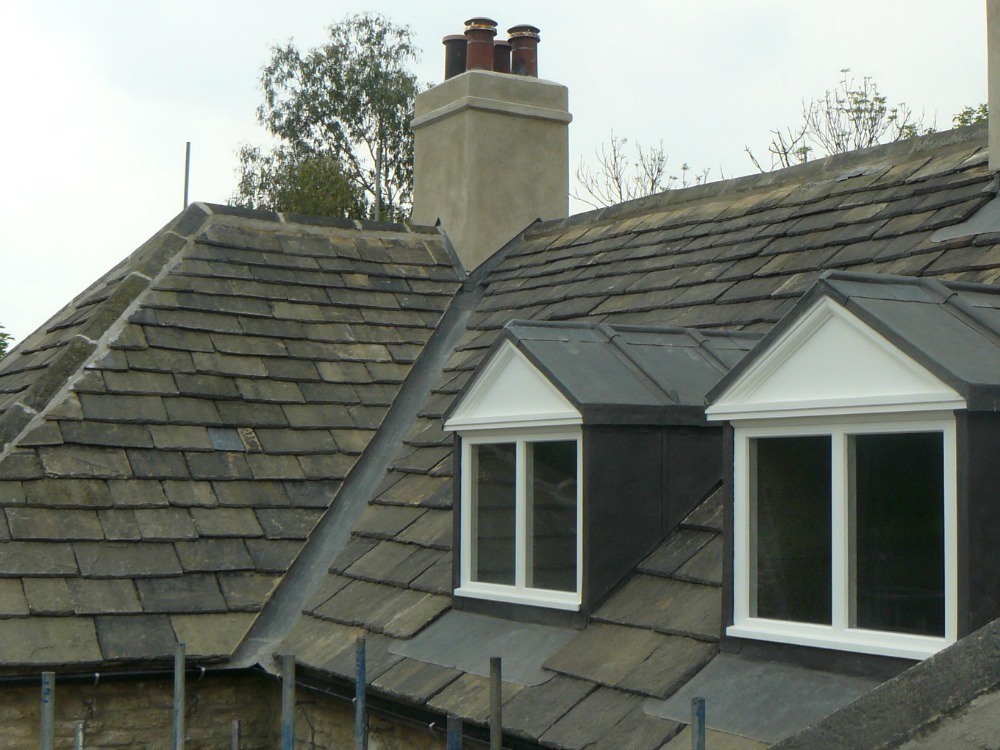
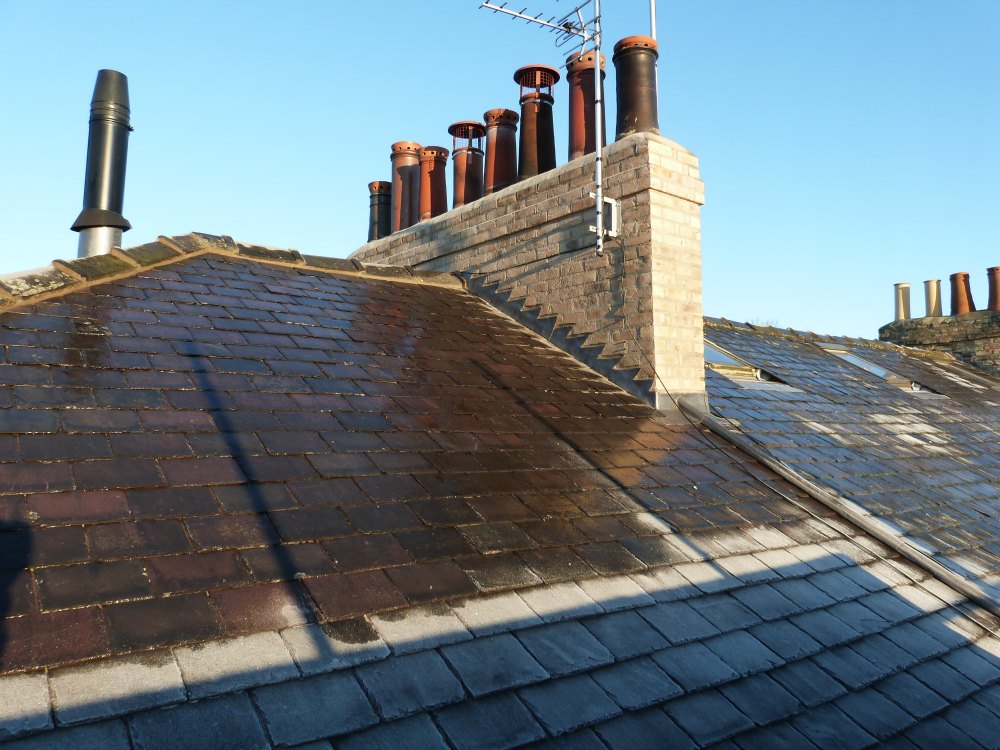
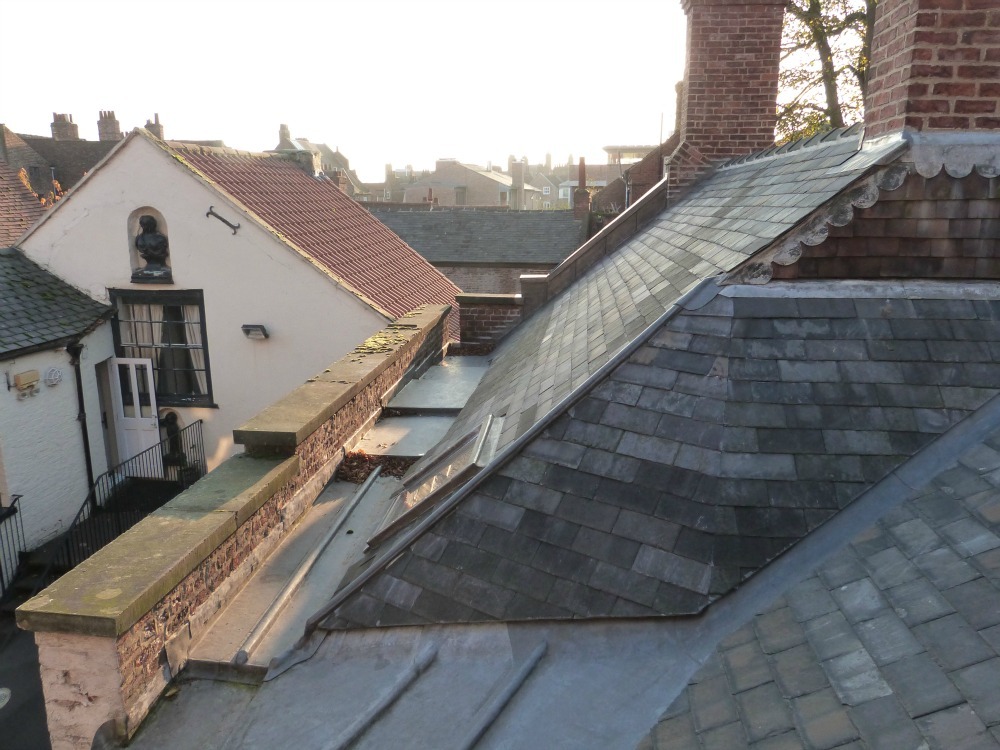
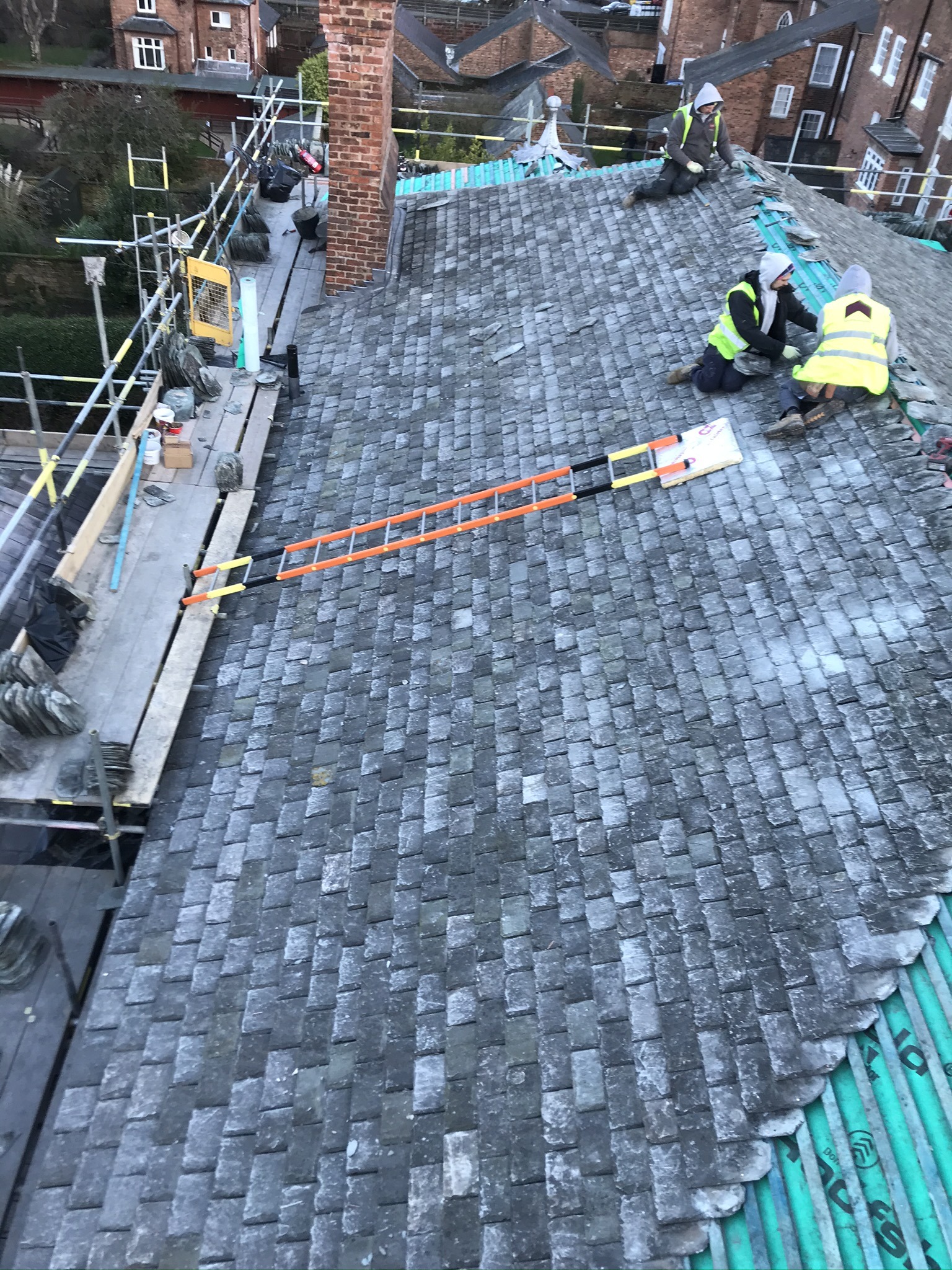
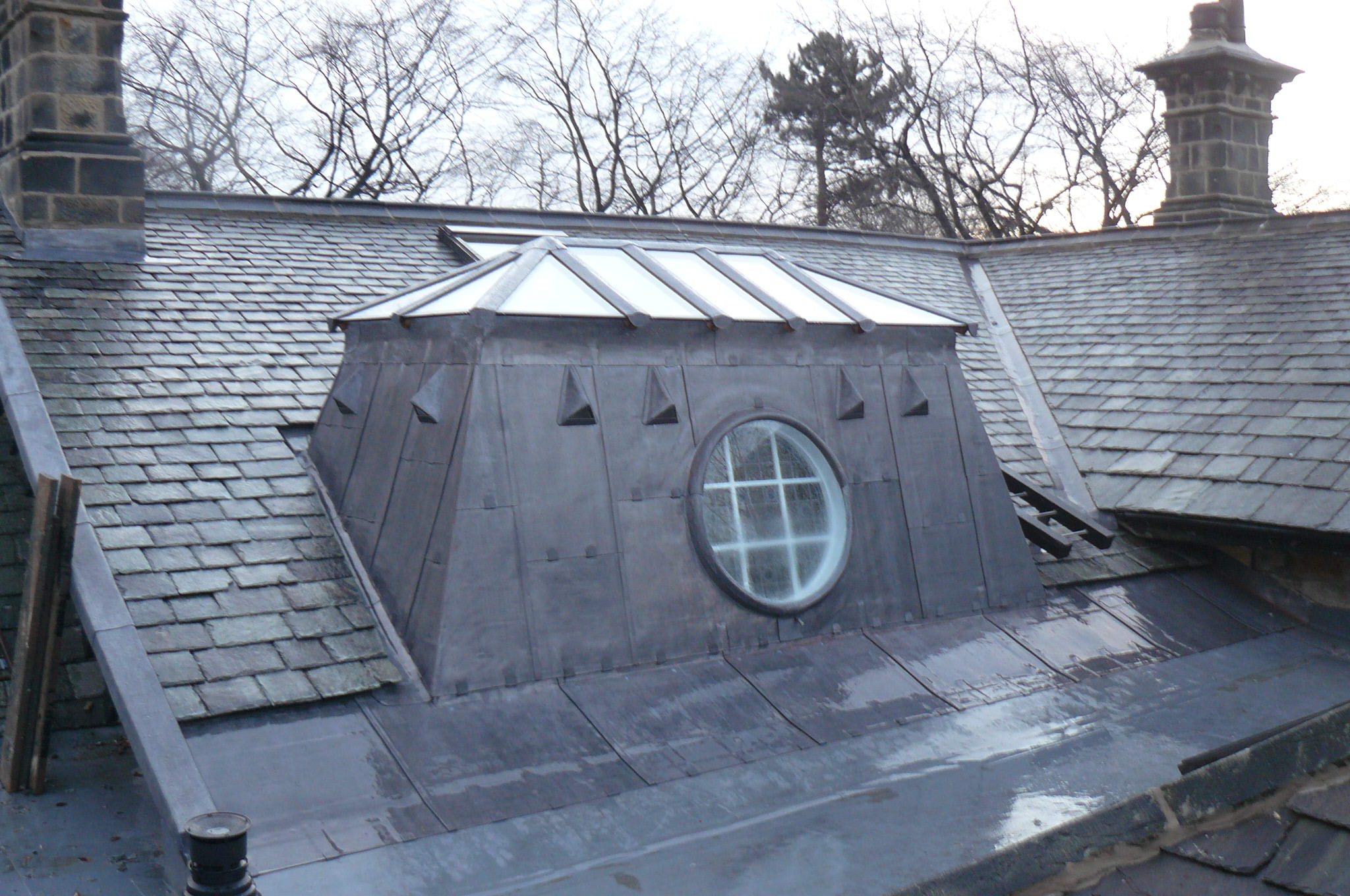
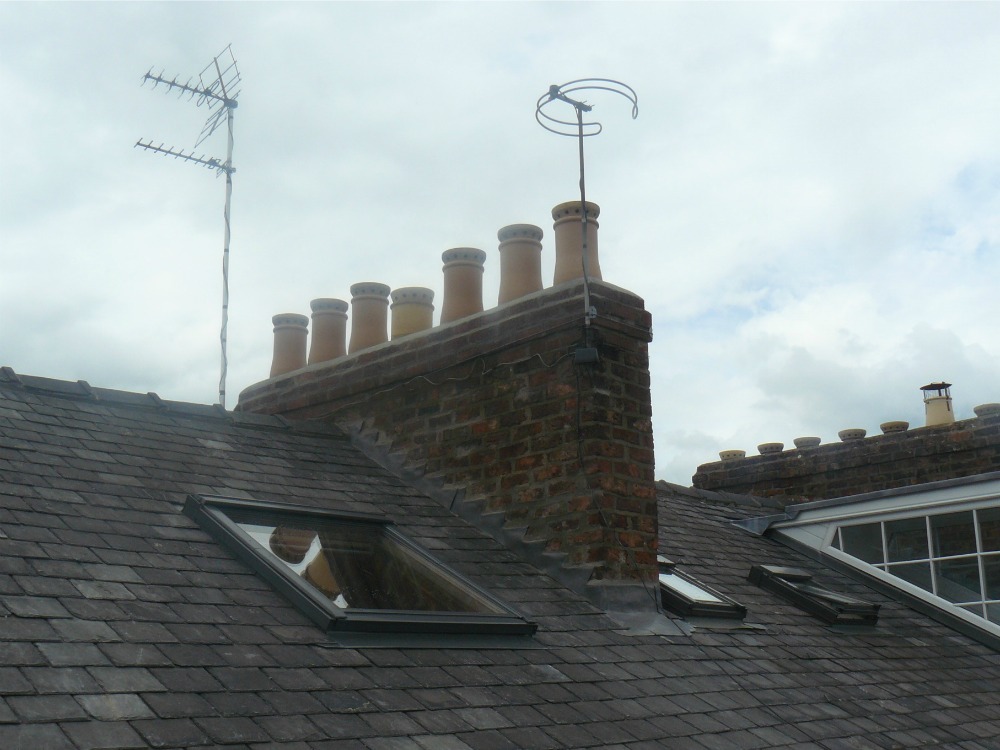
This heritage roofing project in the Yorkshire Dales demonstrates the use of salvaged Westmorland roofing slate within a conservation-led refurbishment.
The project illustrates why reclaimed natural slate should be considered as a material in its own right. Existing slate must be carefully removed, sorted and assessed before suitable material is incorporated into the replacement covering.
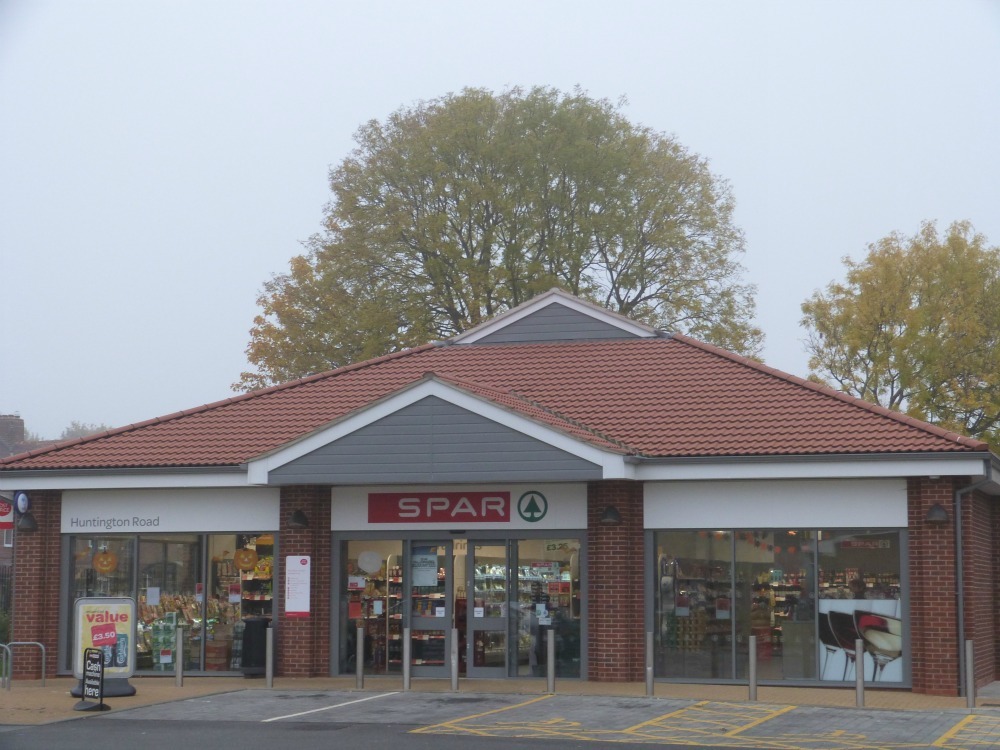
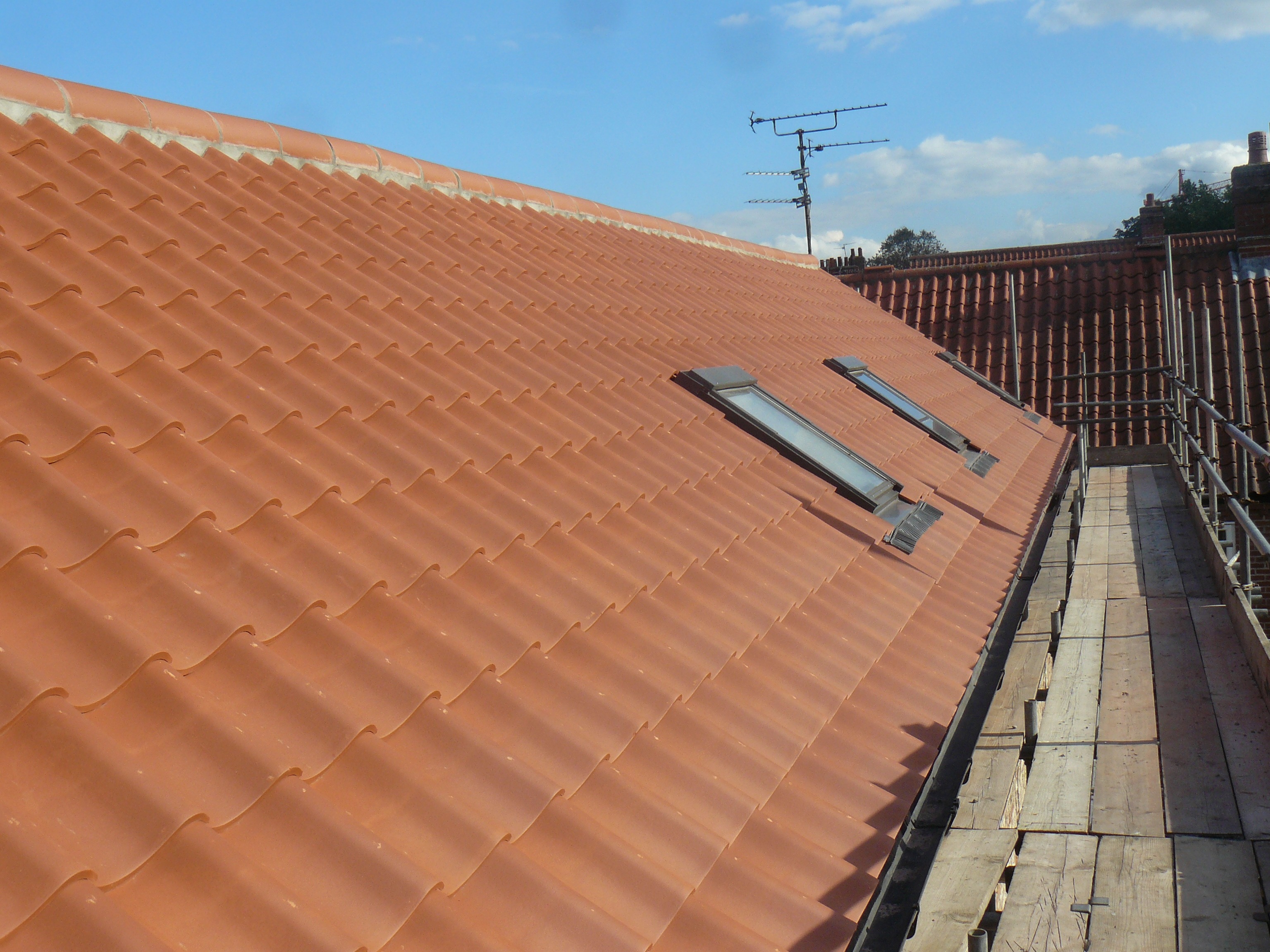
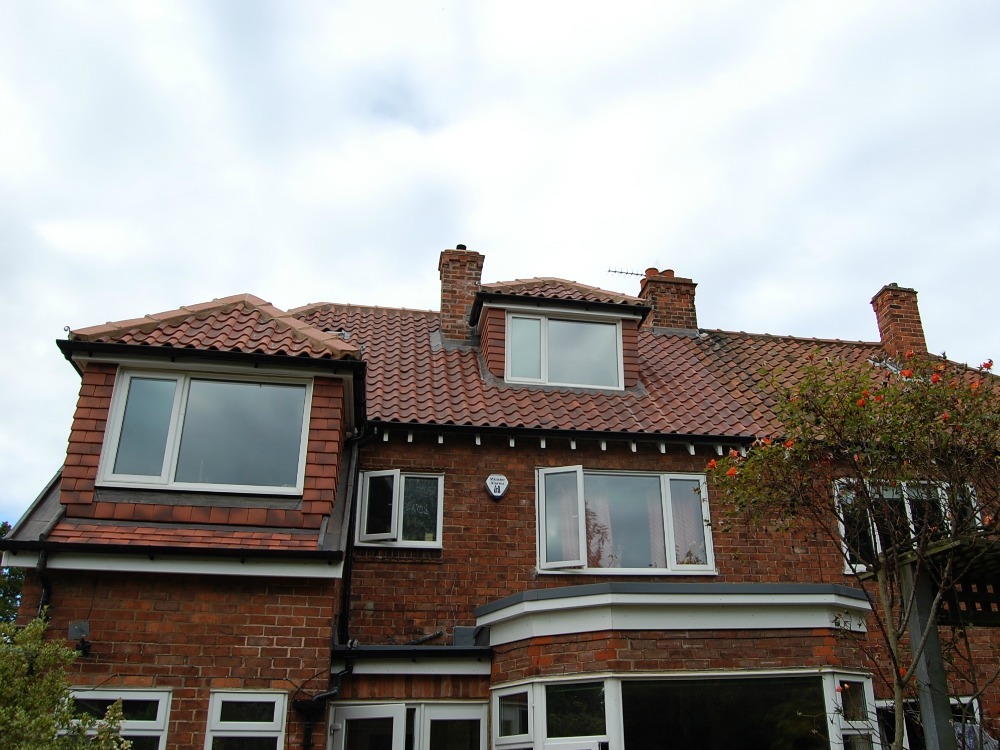
View Hardraw ProjectSpanish natural slate can provide an alternative to British slate where appropriate to the architecture, specification and project budget.
Selection is important. Natural slate varies between quarry sources and products, so appearance, consistency, mineral inclusions, certification and suitability for the proposed exposure should be considered rather than treating all Spanish slate as equivalent.
For suitable residential and commercial projects, Neal Roofing can assist with selection of an appropriate natural slate based upon the roof design and required appearance.
Explore Spanish SlateFactors we consider include:
The quality of the slate is only one part of the roof. Its performance depends upon appropriate specification, setting out, fixing and detailing.
Roof pitch and headlap.
Slate size and headlap should be appropriate for the roof pitch, slate type and degree of exposure.
Battens.
Roofing battens should be appropriately graded and sized for their application and installed to the required gauge.
Fixings.
Slate fixings should be selected according to the slate, exposure and applicable specification. Copper or appropriate corrosion-resistant fixings are commonly used for natural slate.
Setting out.
Careful setting out controls bond, margins, perpendiculars and the appearance of the completed roof.
Underlay.
The selected roofing underlay should be compatible with the complete roof construction and ventilation or moisture-management strategy.
Abutments and penetrations.
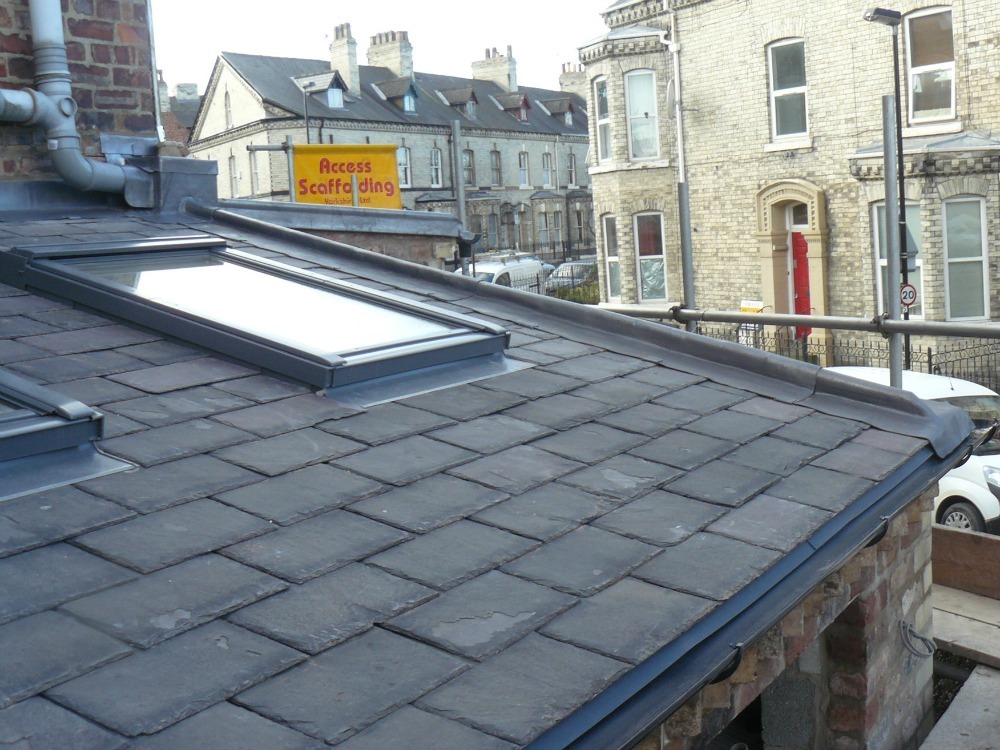
Chimneys, rooflights, valleys and masonry interfaces should be coordinated with the slate covering and associated weathering details.
Leadwork.
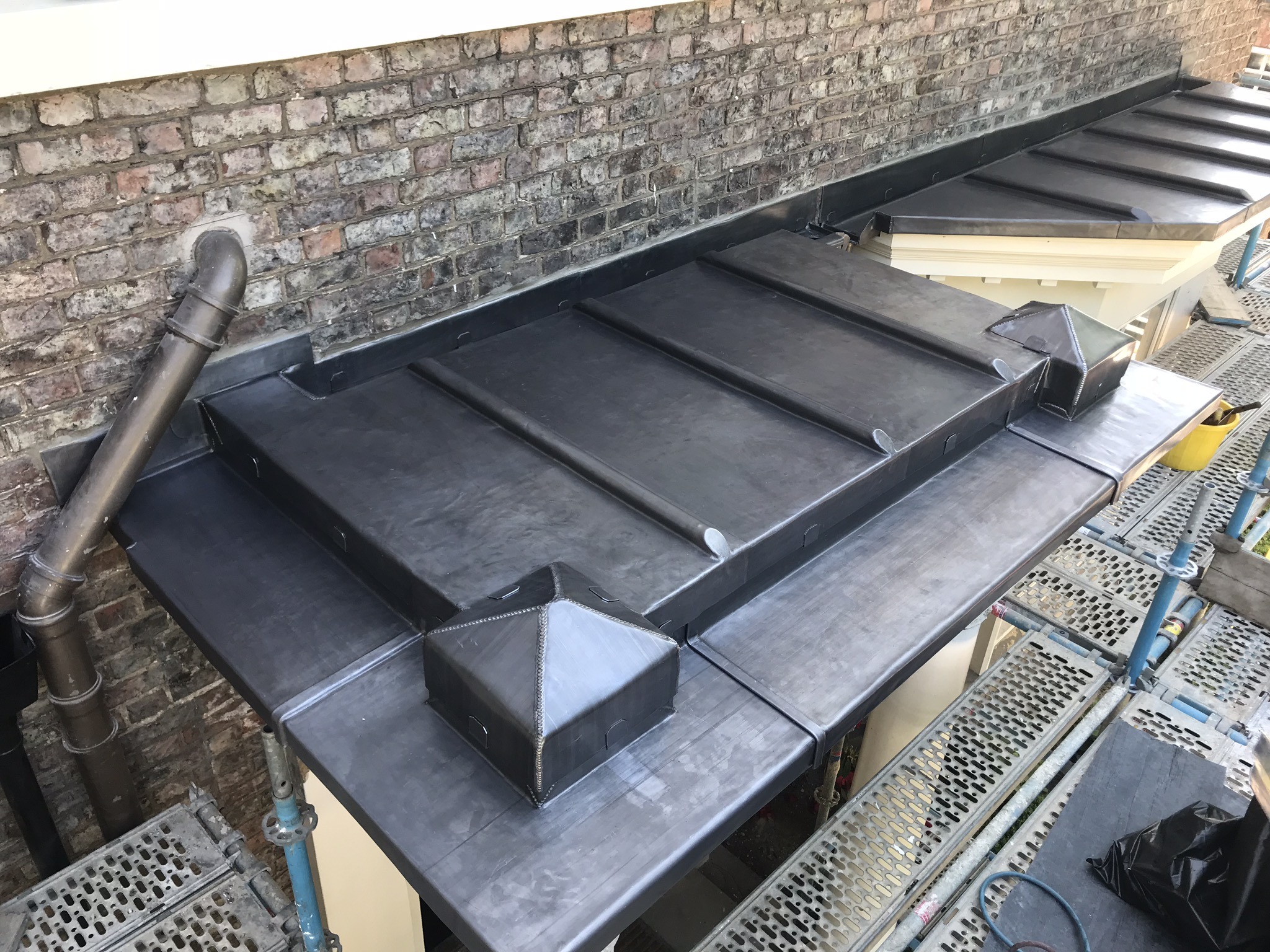
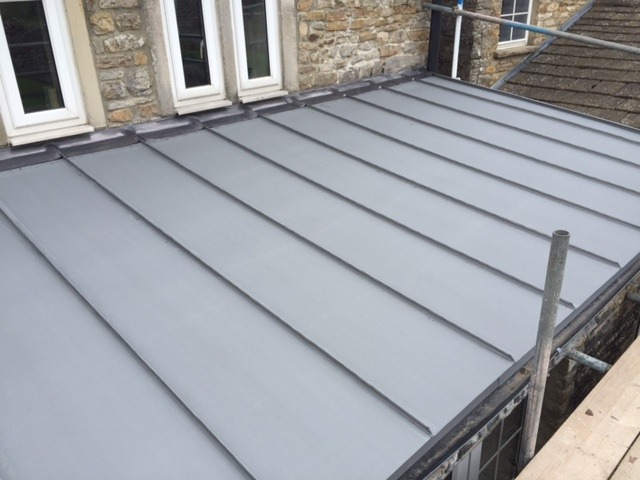
Lead flashings, valleys and other details frequently form an integral part of traditional slate roofs and should be considered alongside the slate specification.
Standards.
Natural slate roofing should be specified and installed with regard to current BS 5534 requirements and the relevant product and workmanship standards.
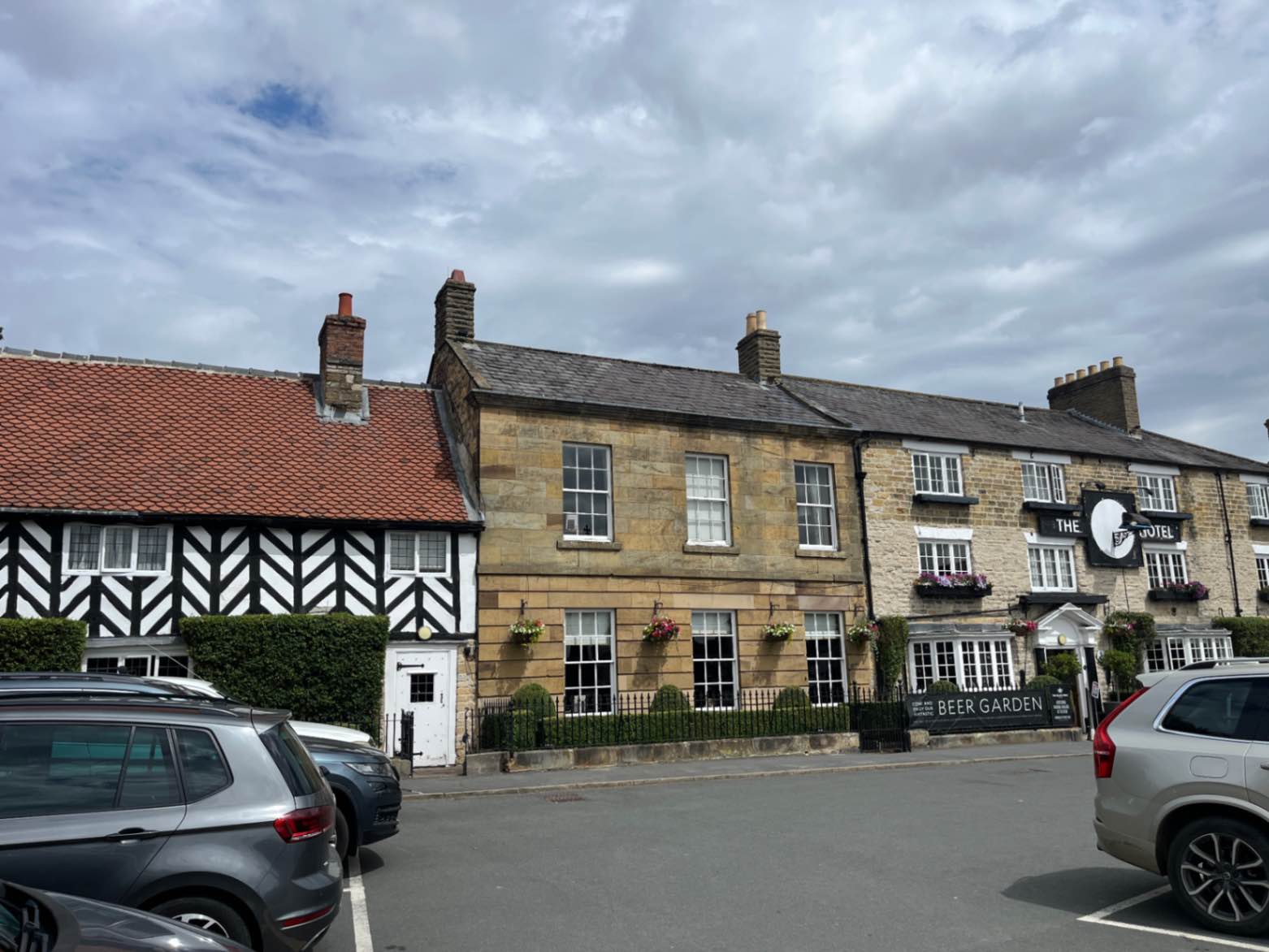
Stone slate occupies a different position from geological slate but forms an important part of Yorkshire’s traditional roofing landscape.
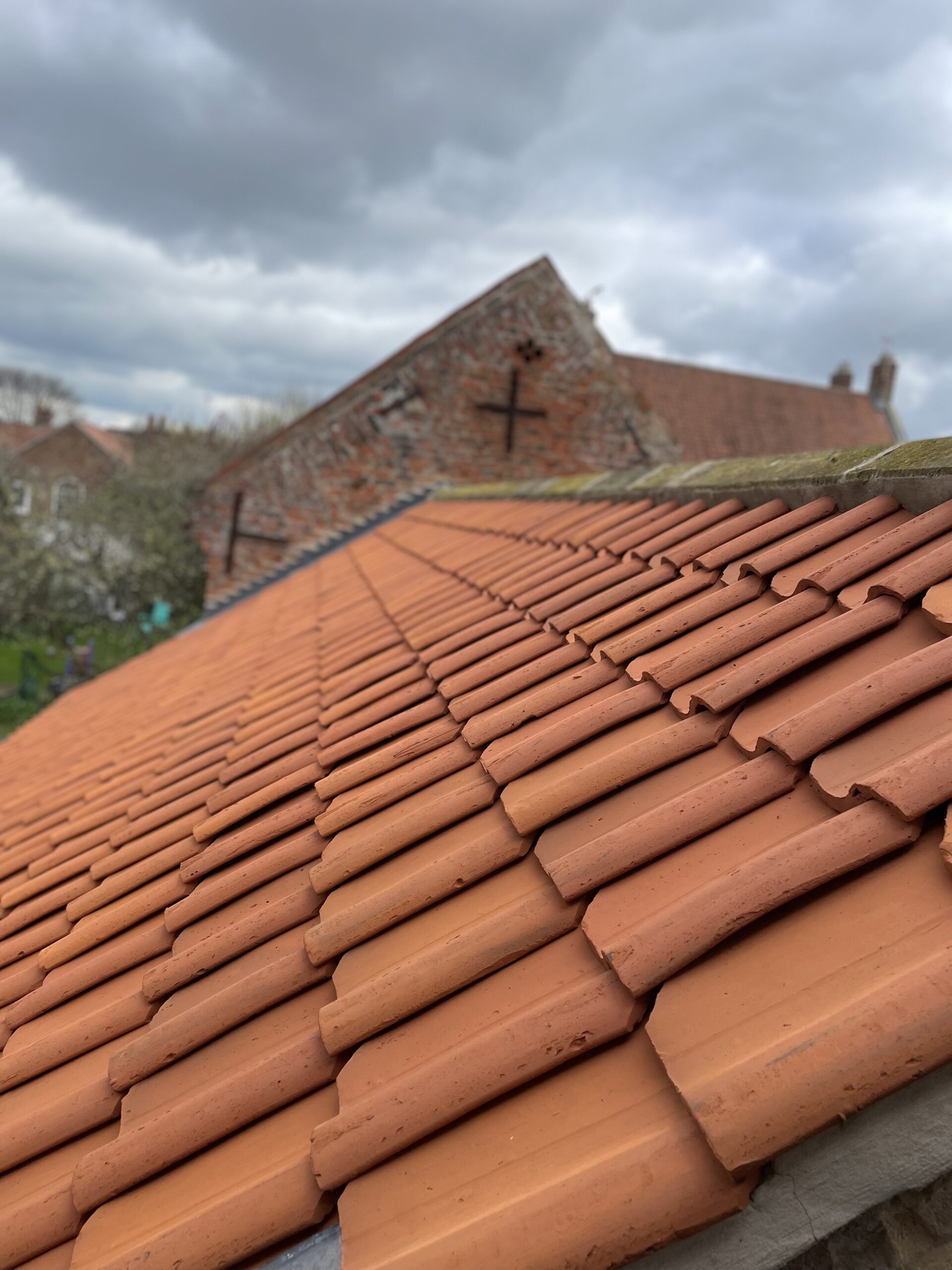
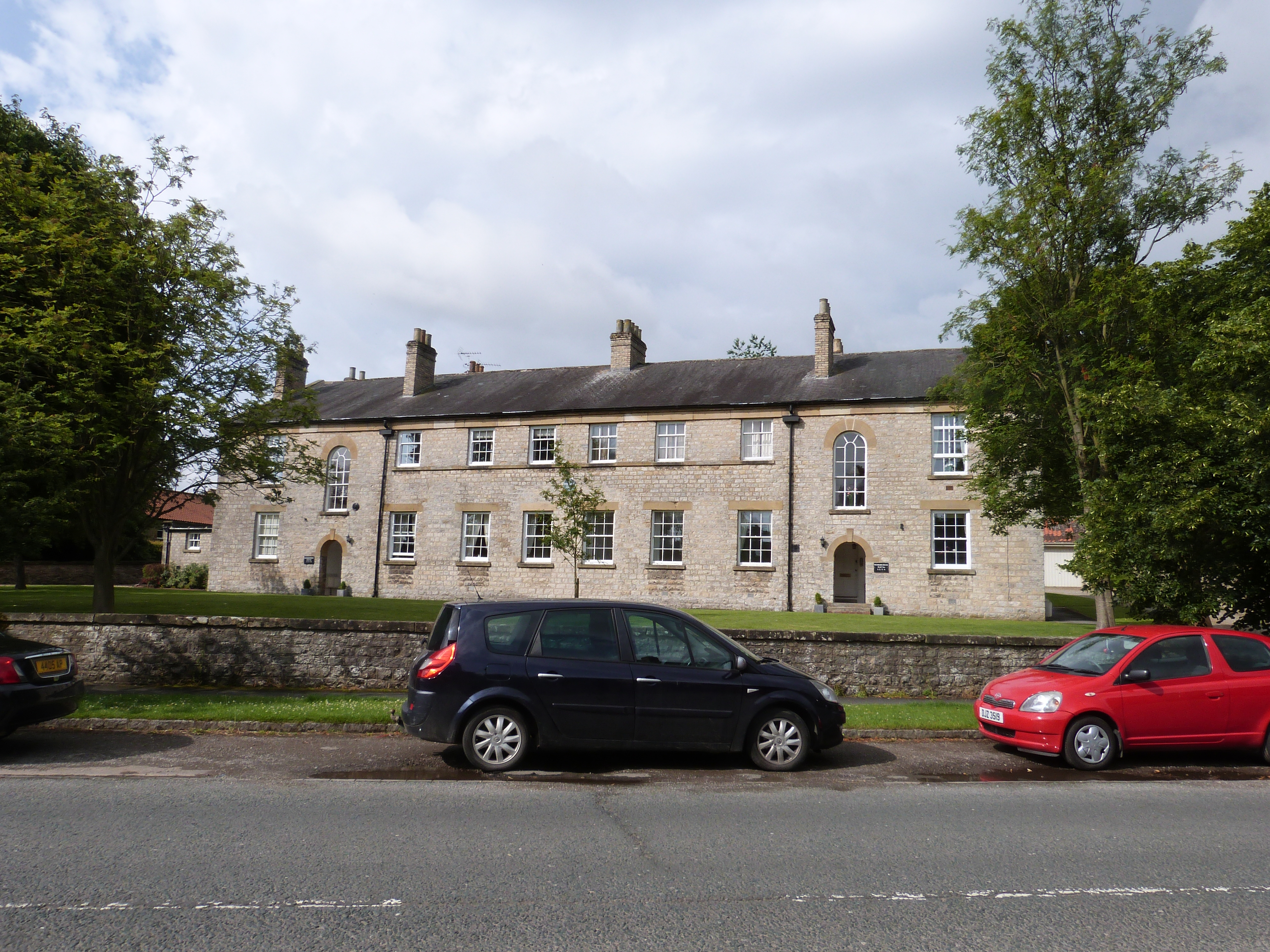
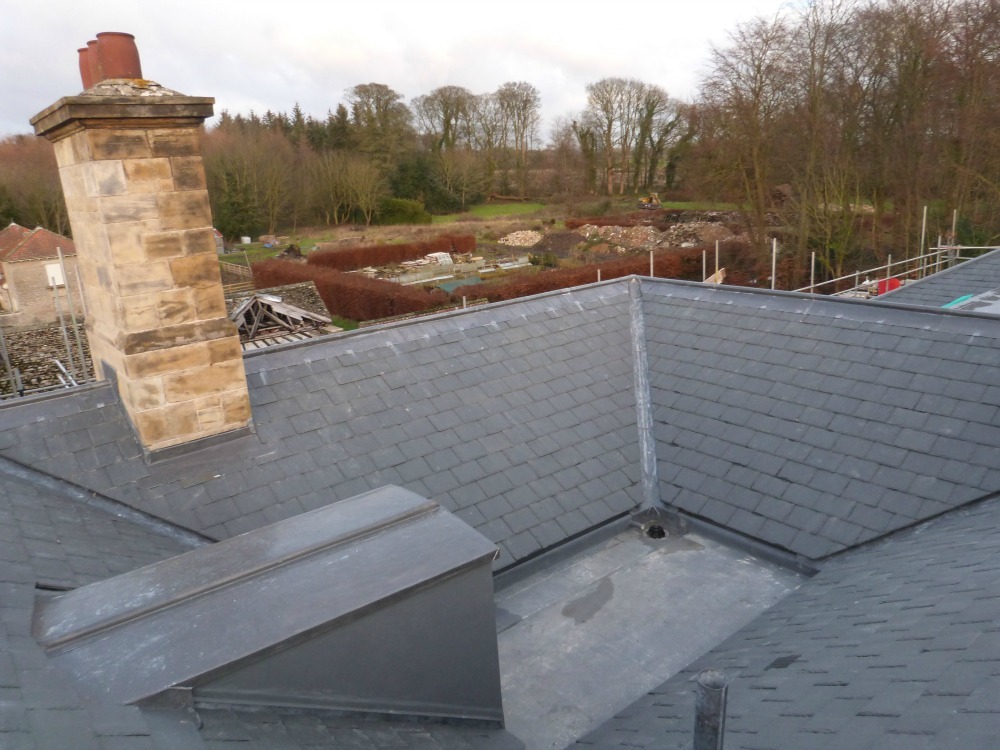
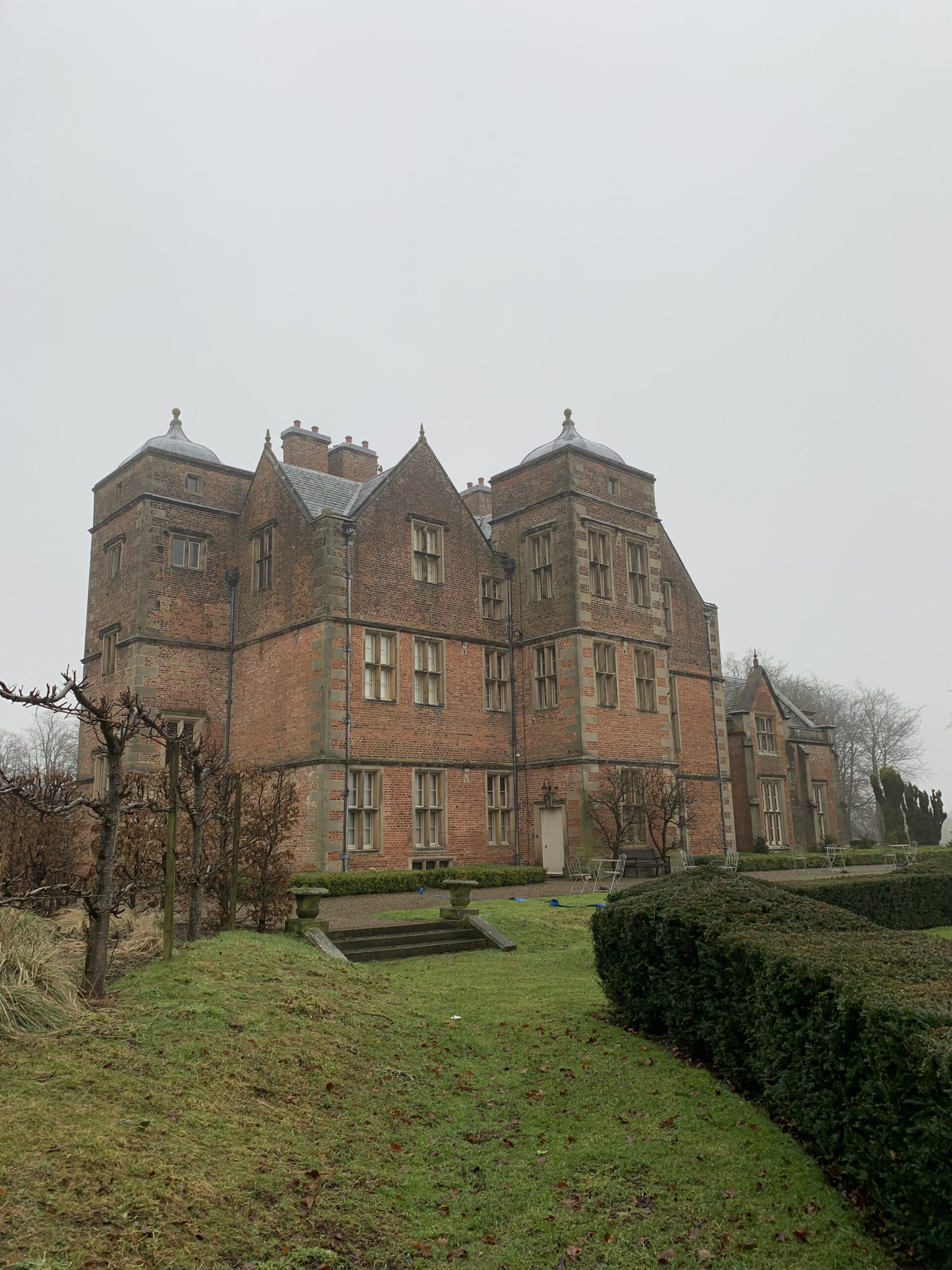
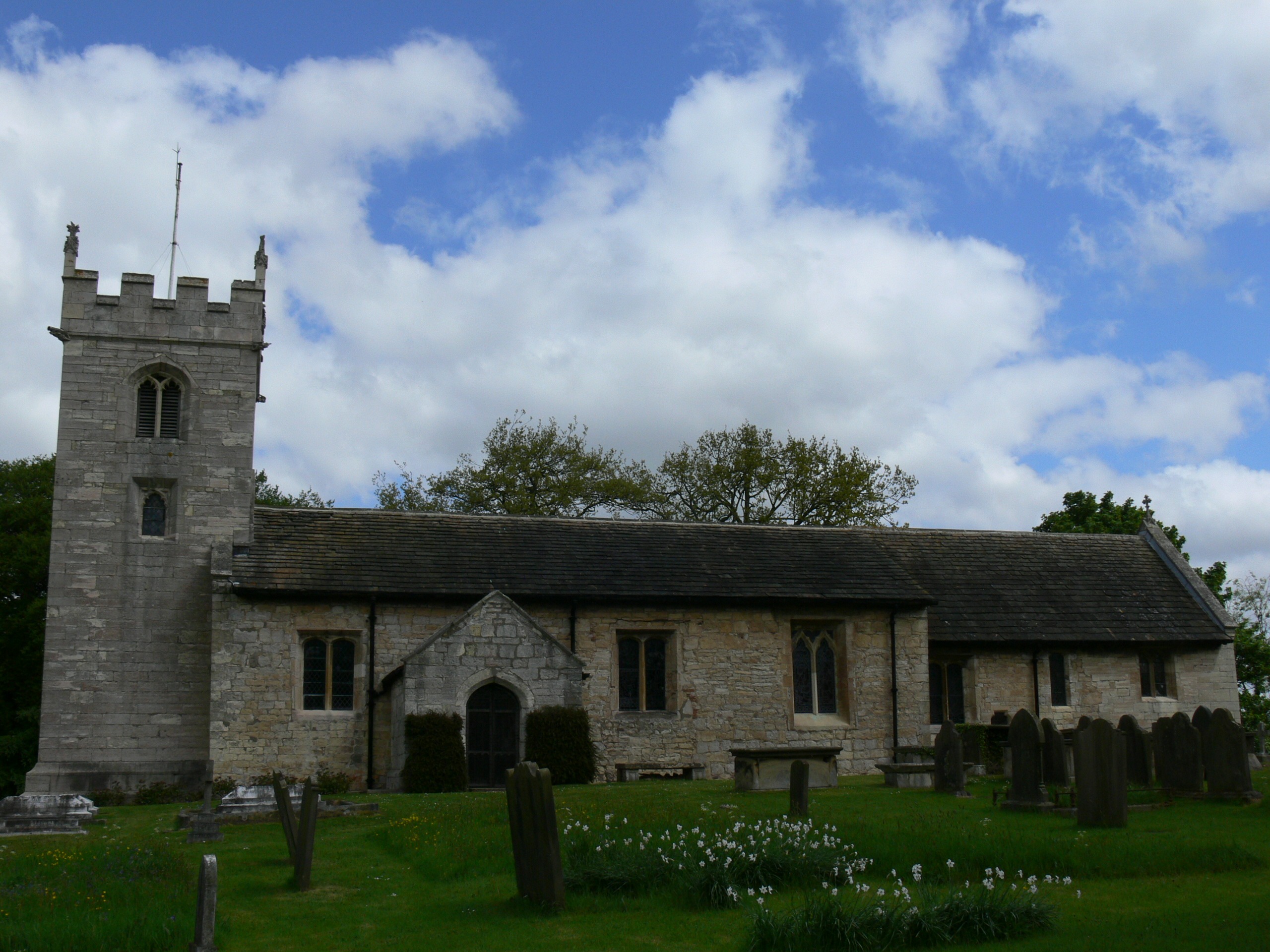
This listed-building re-roofing project at Ellerton demonstrates the conservation-led reuse of traditional stone roof coverings and the importance of retaining materials appropriate to the building and its setting.
View Ellerton Project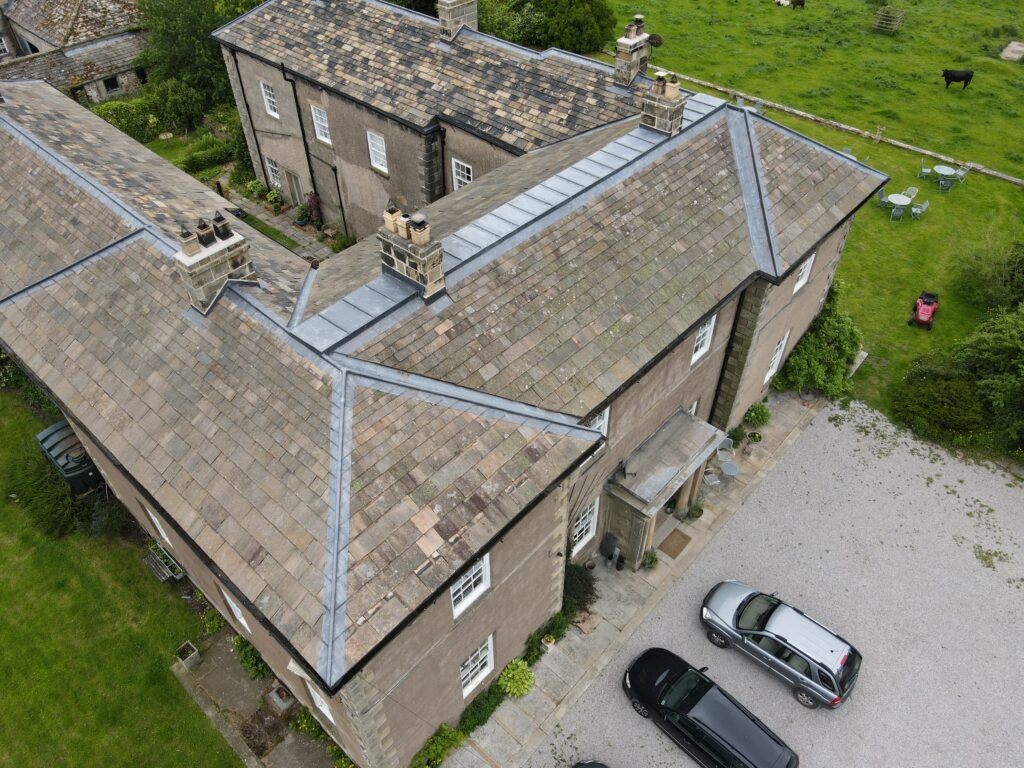
There is no universal answer. Both new and reclaimed natural slate can be appropriate depending upon the building and project objectives.
New material provides known supply, grading and product characteristics and can be particularly appropriate for complete re-roofing where sufficient quantities of matching reclaimed material are unavailable.
Reclaimed material can be particularly valuable where matching an existing historic roof or retaining the character and embodied material of a building is important.
When an existing natural slate roof is stripped, the covering should not automatically be regarded as waste. Depending upon its age, origin, condition and thickness, a proportion may remain suitable for reuse.
Careful stripping and grading can establish the quantity available and help determine whether existing material should be reused on principal elevations, secondary slopes or incorporated with compatible replacement slate.
This assessment is particularly important on historic and listed buildings.
Our project archive provides examples of natural slate used across heritage, residential and re-roofing work throughout Yorkshire.
For a new slate roof, conservation project or assessment of an existing covering, Neal Roofing can inspect the building and advise upon suitable materials and scope of work.
Book a Roof Inspection Contact Neal RoofingThere is no single best slate for every building. Welsh and other high-quality British natural slates are particularly valued for their provenance, appearance and durability, while carefully selected imported natural slate can provide a suitable alternative for some projects. Selection should consider the building, exposure, specification and budget.
Both are natural geological slate, but their quarry source, geological characteristics, colour, texture and individual product performance differ. Welsh slate has a particularly important architectural and historic association with British roofing. Spanish slate covers a wide range of products and should be assessed according to the individual quarry and product specification.
Often, yes. Existing natural slate can be carefully removed and graded to identify material suitable for reuse. The recoverable percentage depends upon slate condition, previous fixing methods, weathering and breakage during stripping.
Diminishing-course roofs use progressively smaller slate lengths towards the ridge. The technique is particularly associated with traditional random-width slate coverings such as Westmorland green slate and requires careful sorting and setting out.
Natural slate is widely encountered on listed and historic buildings, but replacement material should be selected according to the significance and existing character of the property. Listed Building Consent or conservation input may be required depending upon the proposed work.
The fixing method depends upon the slate, roof design and specification. Natural slates are commonly nailed using suitable corrosion-resistant fixings, with fixing, headlap and batten requirements determined according to the roof pitch, exposure and applicable standards.
From Welsh slate on a listed property to reclaimed Westmorland slate or a carefully selected natural slate for a contemporary re-roof, specification starts with understanding the building, its roof and its context.