




4 Milson Grove, York
Residential


NEAL ROOFING / PROJECT ARCHIVE
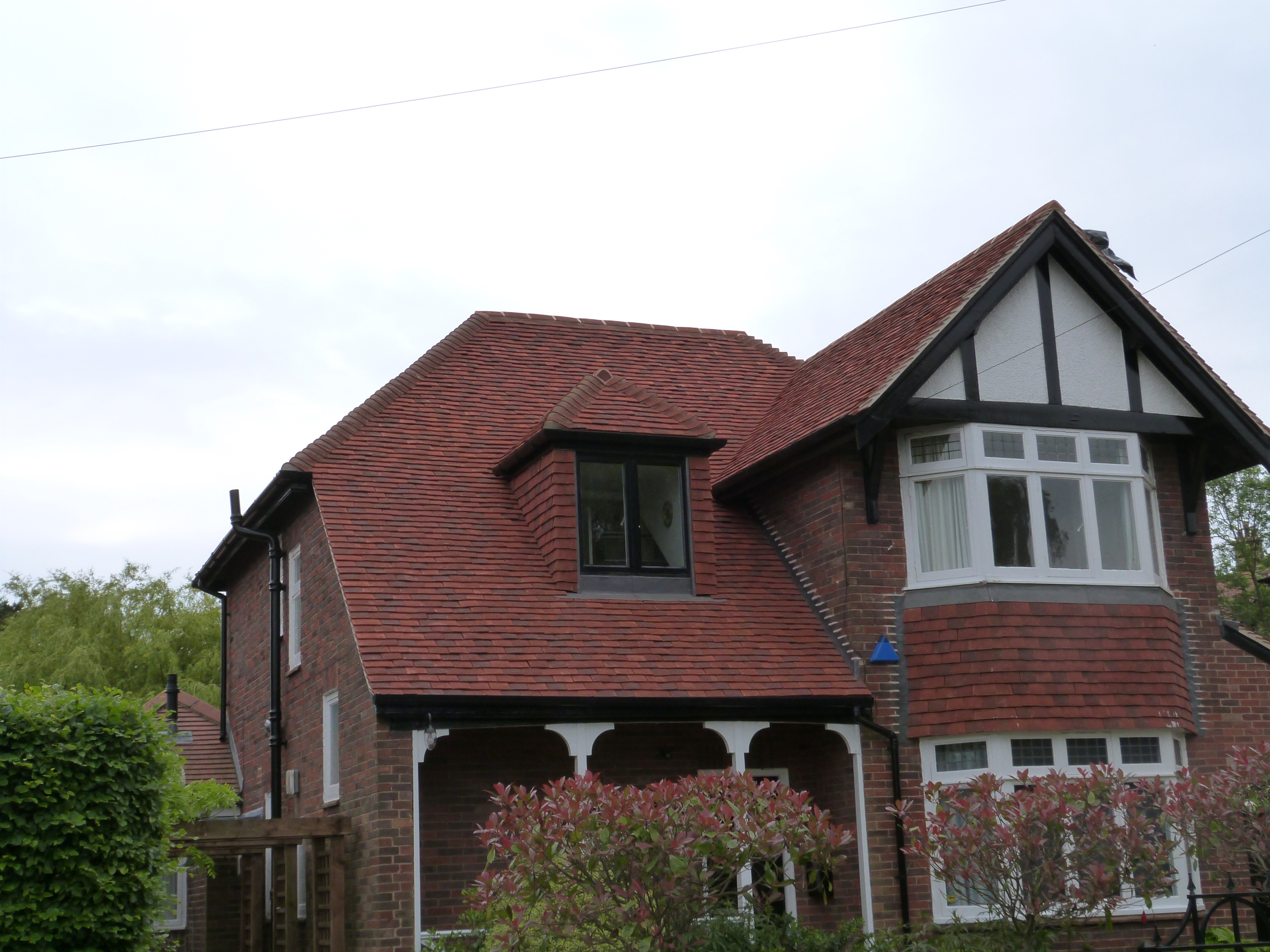
A complete re-roofing of a traditional 1930s detached property in Harrogate using a carefully blended selection of handmade Goxhill clay plain tiles, traditional roof detailing, specialist leadwork and cast iron rainwater goods.
HARROGATE · HANDMADE CLAY TILES · TRADITIONAL TILING · LEADWORK · PERIOD DETAILING
Explore the Project01 — THE PROJECT
Neal Roofing was engaged to undertake the complete re-roofing of this substantial detached 1930s property in Harrogate, North Yorkshire.
The client’s priority extended beyond simply renewing the weatherproof covering. The replacement roof needed to remain sympathetic to the age, proportions and established architectural character of the house.
A blend of handmade Goxhill clay plain tiles was therefore selected in three complementary colours. Traditional tiling details, renewed leadwork, lime mortar and cast iron rainwater goods completed a roofing scheme intended to appear established rather than conspicuously new.

PROJECT
PROGRAMME
LOCATION
ROOF COVERING
02 — THE BRIEF
The existing roof coverings had reached the stage where comprehensive renewal was required. However, the appearance of the replacement roof was particularly important to the client.
A conventional uniform new tile could have produced a roof that appeared visually stark against the established elevations of the house.
The specification therefore needed to combine modern roof construction requirements with materials and detailing appropriate to the architectural character of the property.
This influenced not only the selection of the principal roof tile but also the hips, ridges, valleys, leadwork, mortar and rainwater goods.
03 — MATERIAL SELECTION
Handmade Goxhill clay plain tiles were selected as the principal roof covering.
Rather than use a single uniform colour, tiles in three complementary tones were blended before installation. This introduced the subtle variation associated with a traditionally tiled roof and helped the new covering sit more naturally against the existing building.
The clay covering was complemented by traditional ridge and hip components, rolled lead sheet and lime mortar detailing.
The result was a new roof that retained the visual qualities expected of a traditional property while providing a completely renewed weathering system.

Three complementary Goxhill tile colours were blended to create a naturally varied roof covering.
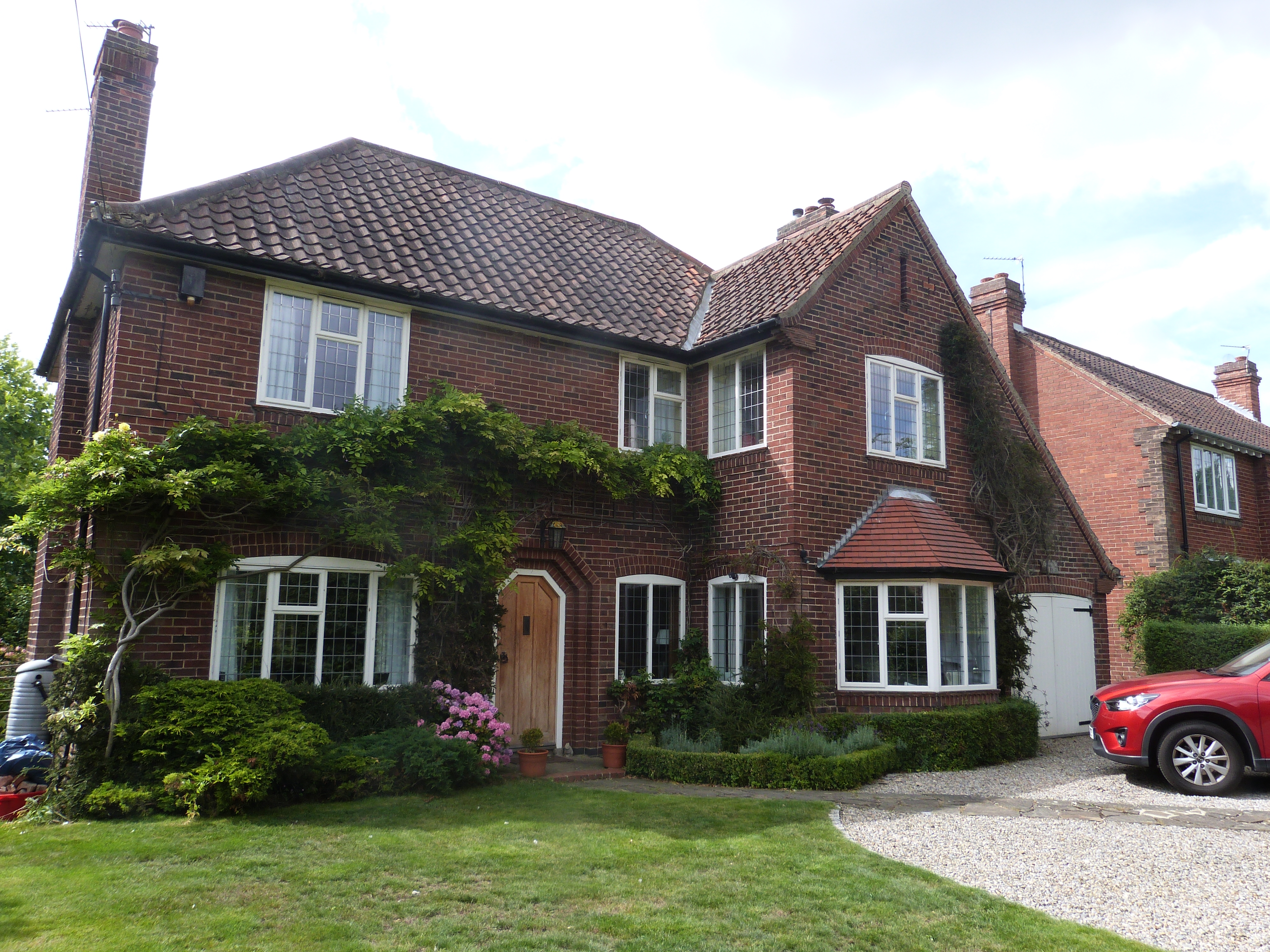
Hip, ridge and valley details were formed to complement the period character of the property.

The tiled covering, leadwork and associated roof details were renewed as one coordinated roofing scheme.
04 — ROOF BUILD-UP
The project involved stripping the existing roof and reconstructing the weathering layers rather than simply replacing the visible tiles.
A new Proctor Roofshield vapour-permeable underlay was installed together with treated softwood roofing battens before the handmade clay tiles were laid.
The roof was carefully set out to maintain consistent courses while allowing the natural variation within the handmade tiles to contribute to the finished appearance.
05 — LEADWORK
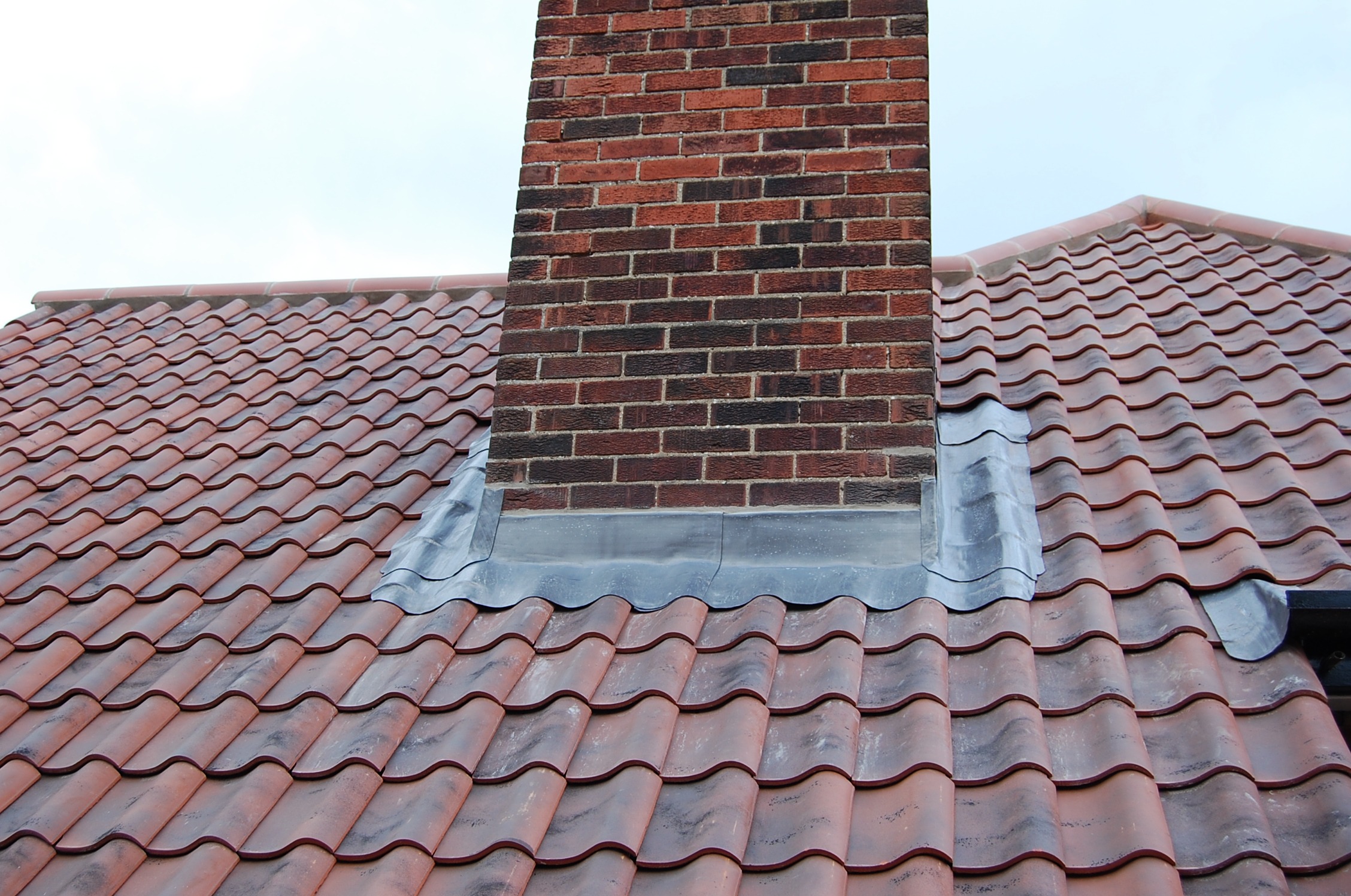
The existing leadwork was removed and renewed as part of the wider re-roofing project.
Lead sheet was used at the appropriate roof junctions and weathering details to provide durable interfaces between the tiled covering and adjoining building elements.
Integrating the leadwork into the re-roofing programme allowed these vulnerable junctions to be addressed while the roof was open rather than retained as legacy details within an otherwise new roof.
06 — TRADITIONAL DETAILING
The architectural character of a traditional tiled roof is established as much by its junctions and perimeter details as by the field tiles themselves.
Close-mitred valley details were formed where required, avoiding an unnecessarily dominant exposed valley lining and maintaining the visual continuity of the tiled elevations.
Traditional hip details and compatible clay ridge components were incorporated into the scheme, with mortar work undertaken to complement the character of the property.
These details required careful setting-out and tile cutting to create clean junctions while maintaining the required weathering performance.
07 — RAINWATER GOODS
Cast iron gutters and downpipes formed part of the wider specification.
The choice complemented the traditional appearance of the property and allowed the roof drainage components to sit coherently alongside the handmade clay covering and associated detailing.
Considering rainwater disposal as part of the overall roof replacement also ensured that the new covering terminated into an appropriate and coordinated drainage system.
08 — CRAFT
Handmade tiles are deliberately less uniform than modern machine-produced alternatives. Their variation is part of their architectural quality but requires experienced selection, setting-out and installation.
The tiles were blended across the roof rather than installed in isolated colour groups, allowing variation in tone and texture to occur naturally across the completed elevations.
Combined with the traditional hip, ridge, valley, lead and mortar details, this produced a roof appropriate to the age and character of the house.
09 — MATERIALS
10 — SKILLS
11 — STANDARDS + GUIDANCE
The roof covering, leadwork, moisture management and workmanship requirements form part of one complete roofing system.
12 — PROJECT RECORD
The photographic record for this Harrogate re-roofing project is being rebuilt within the Neal Roofing archive.
The galleries will document the original roof, the installation process and technical details, and the completed handmade clay tile roof.
NEAL ROOFING / PROJECT ARCHIVE
This Harrogate project demonstrates the role that material selection, colour variation and traditional detailing play in the successful re-roofing of an established period property. The objective was not simply to create a new roof, but to produce one that looked appropriate to the building beneath it.
EXPLORE THE ARCHIVE
ALL PROJECTS →
CLAY TILE ROOFING →
LEADWORK →
RE-ROOFING →
DISCUSS A PROJECT →
Residential
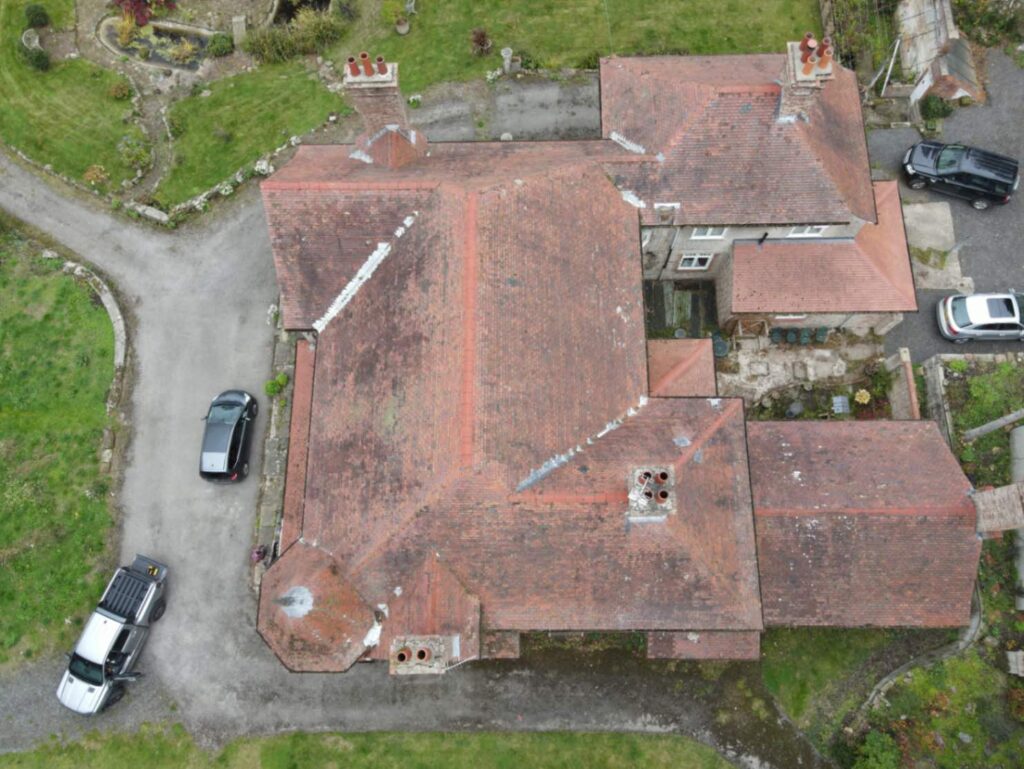
Heritage
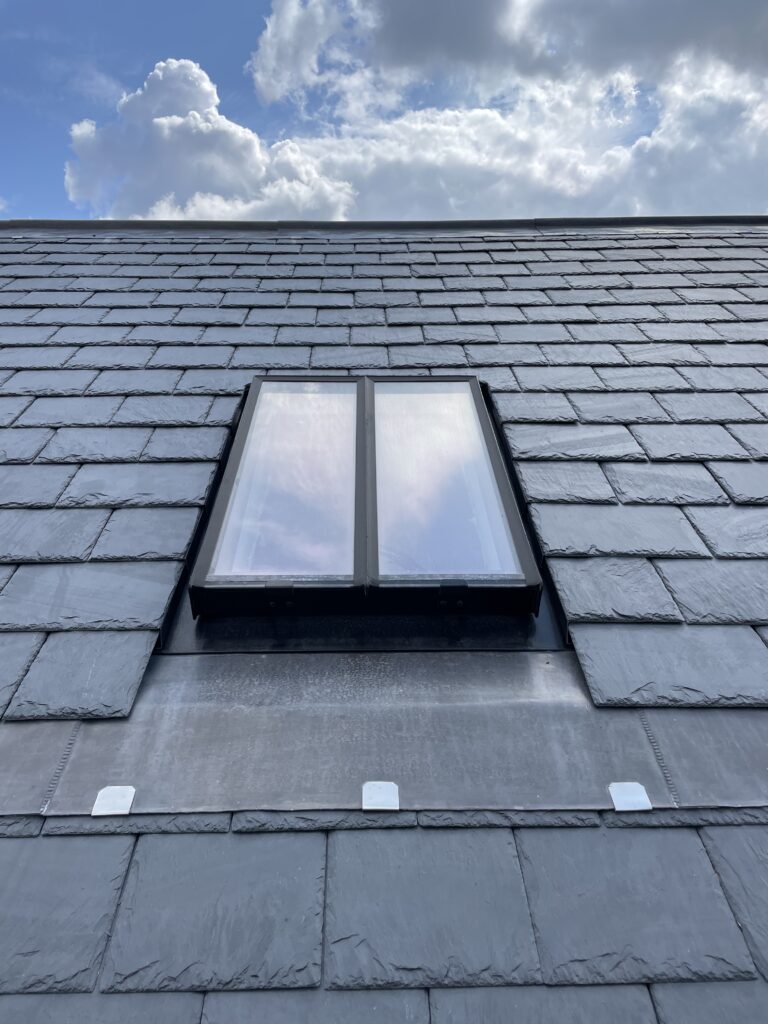
Comprehensive restoration of the roof and upper building envelope to a Grade II listed residence
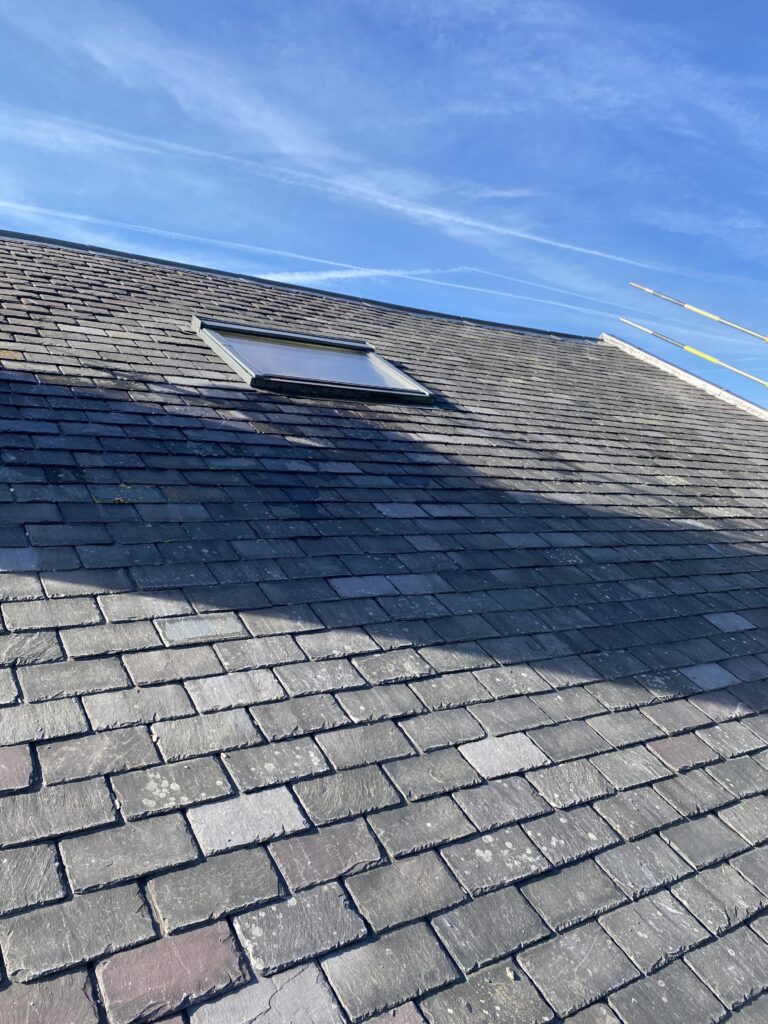
Fir Tree House Roof Restoration
No projects match this search.