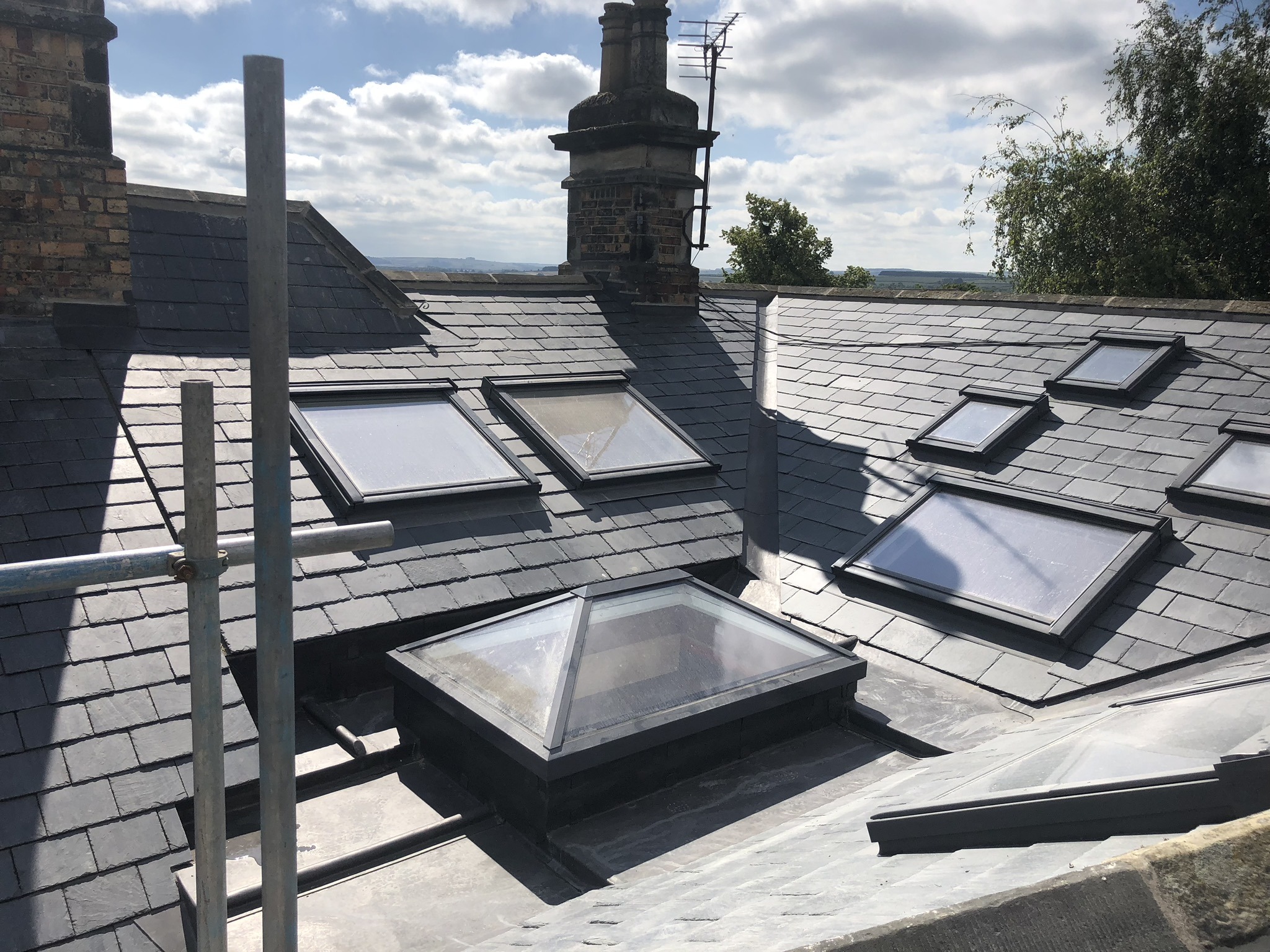
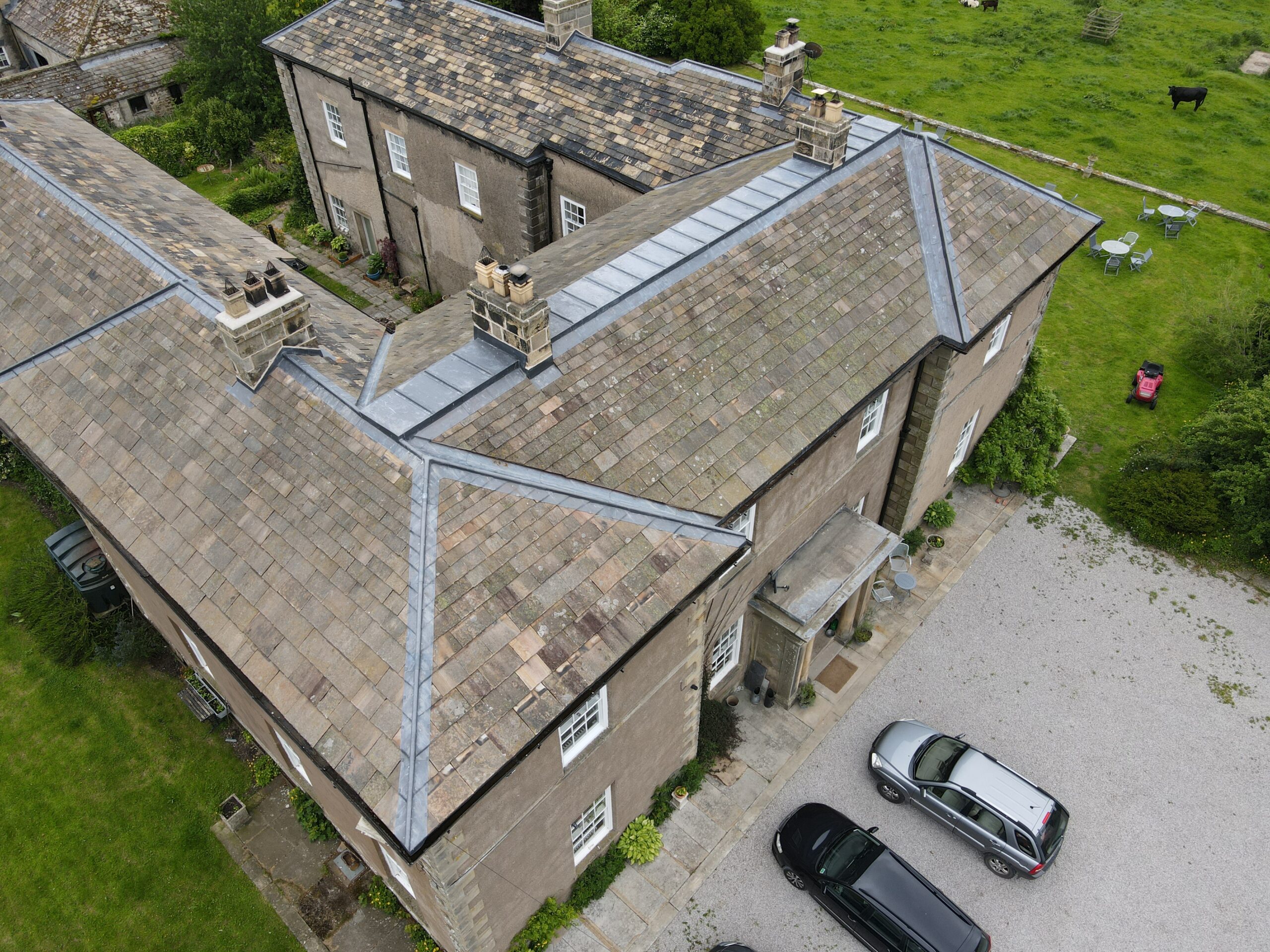
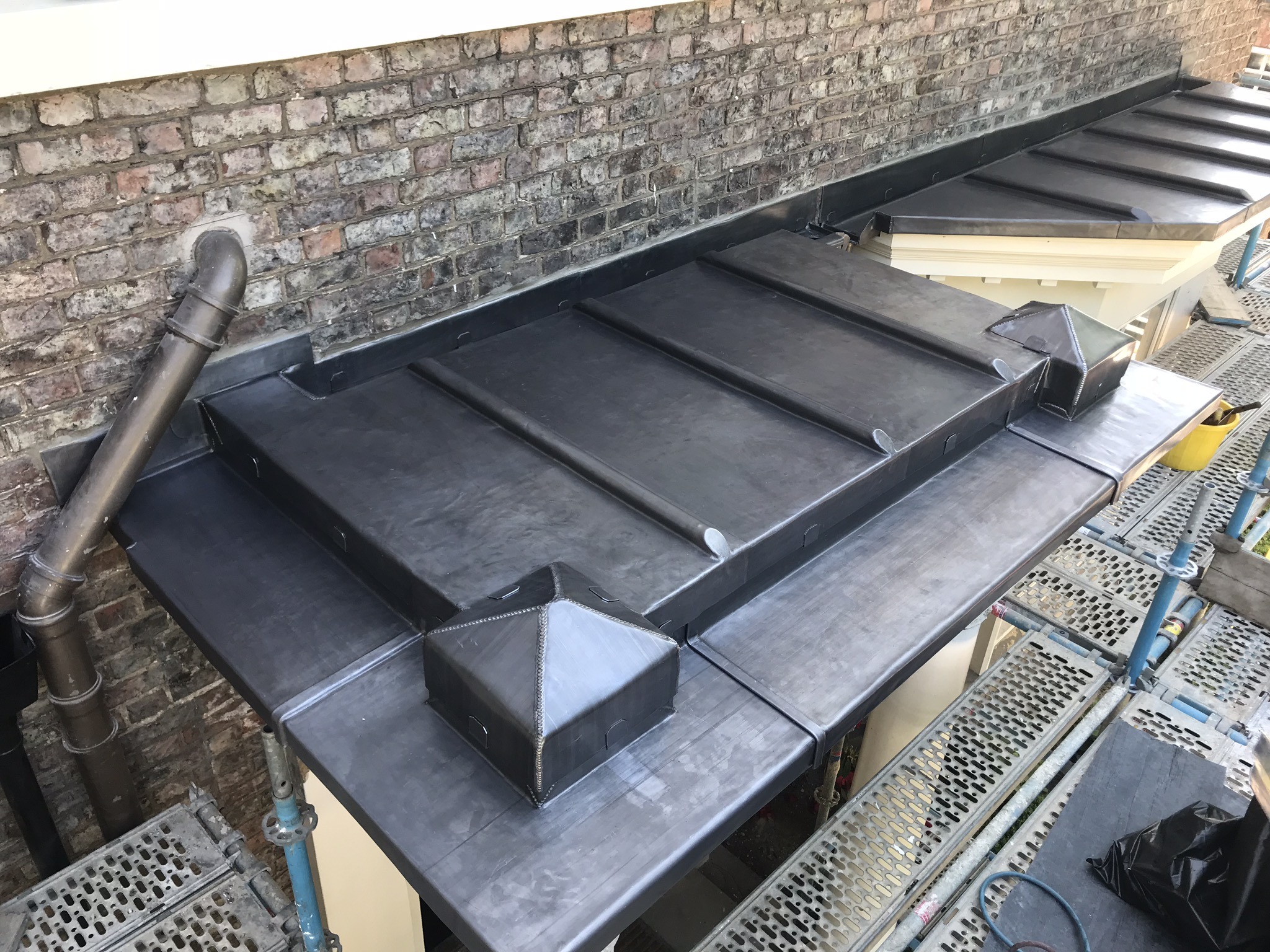
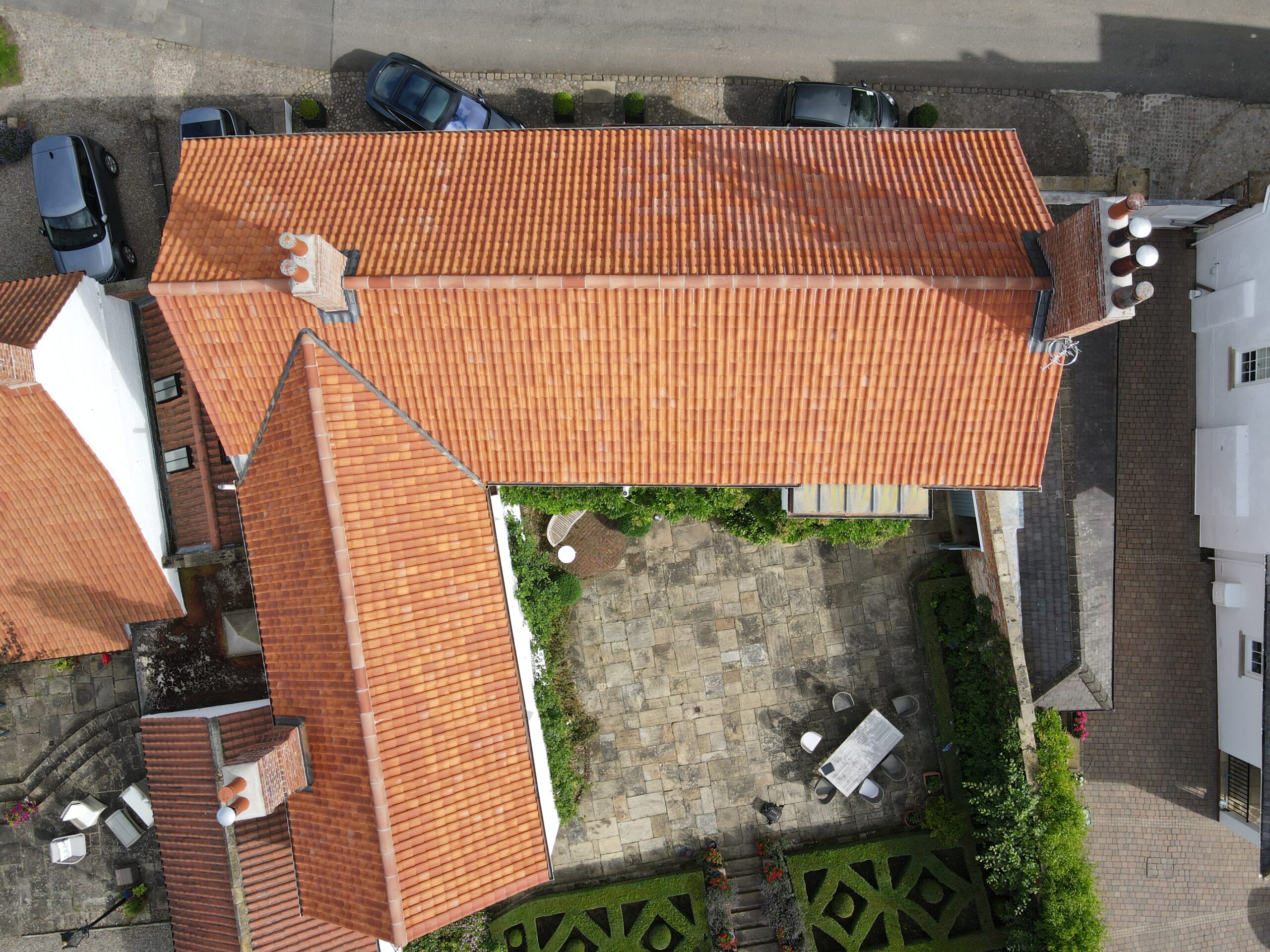
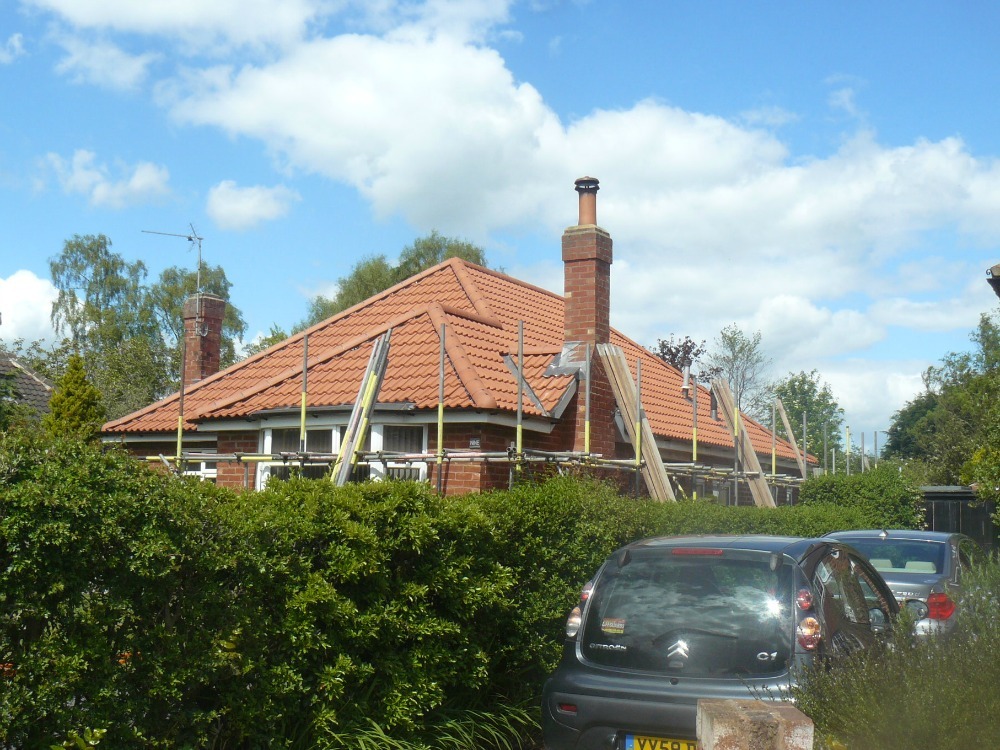
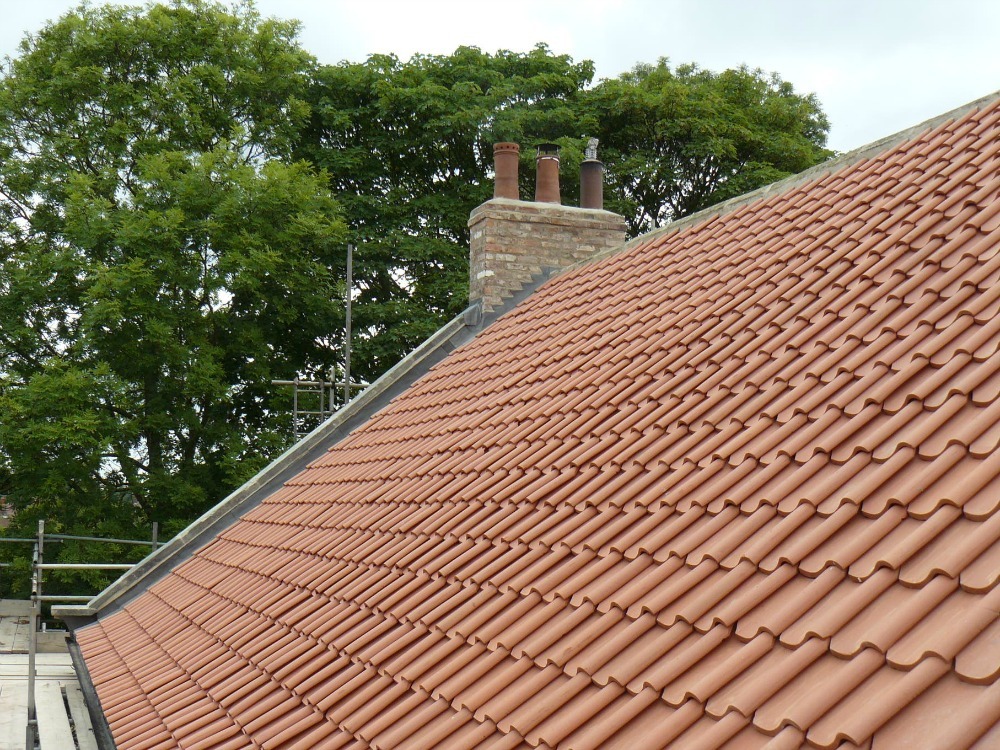
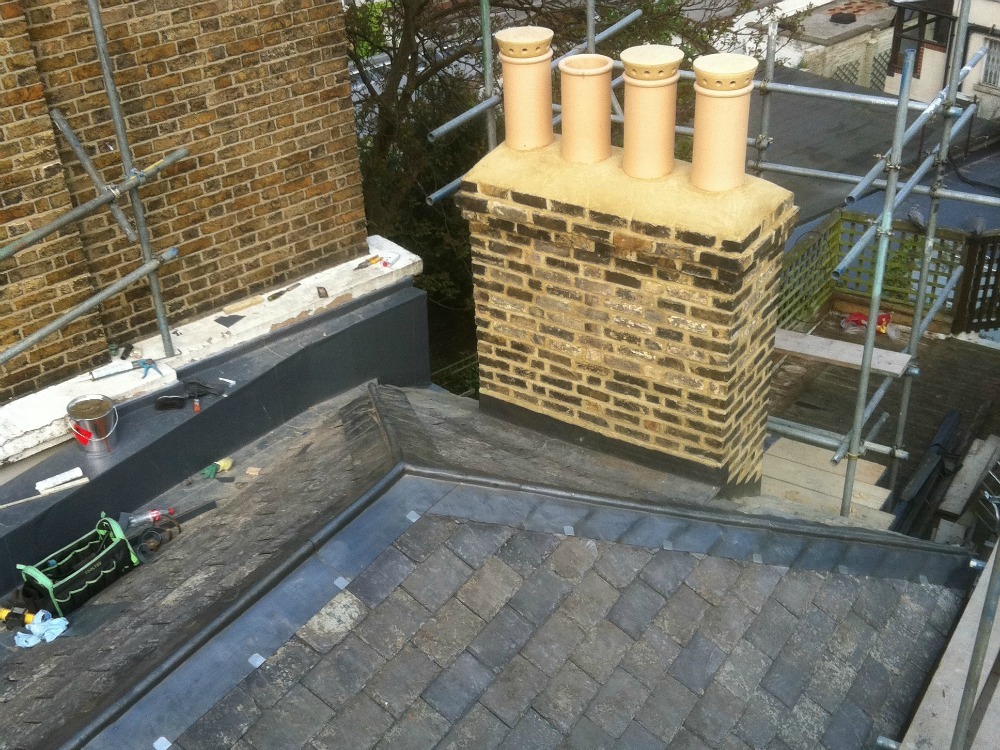
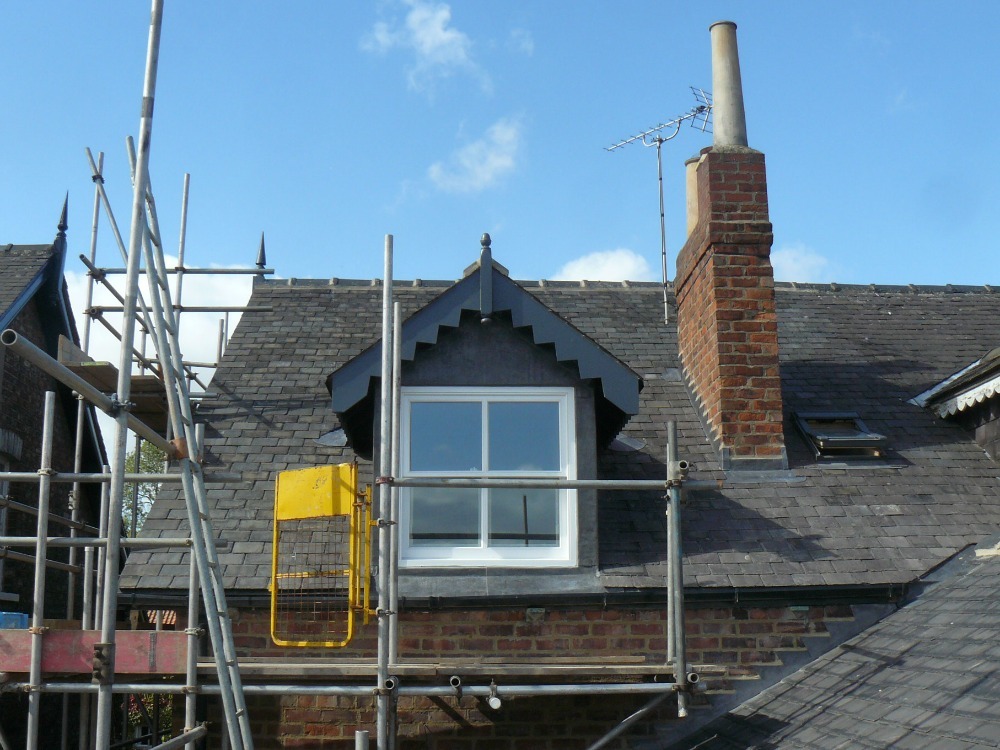
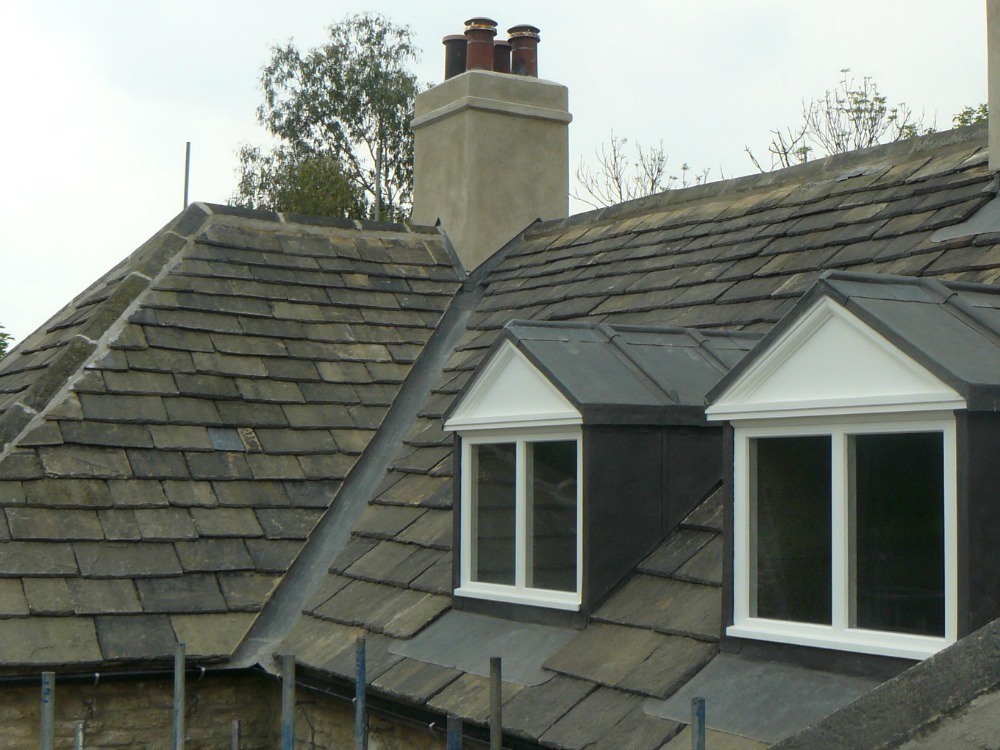
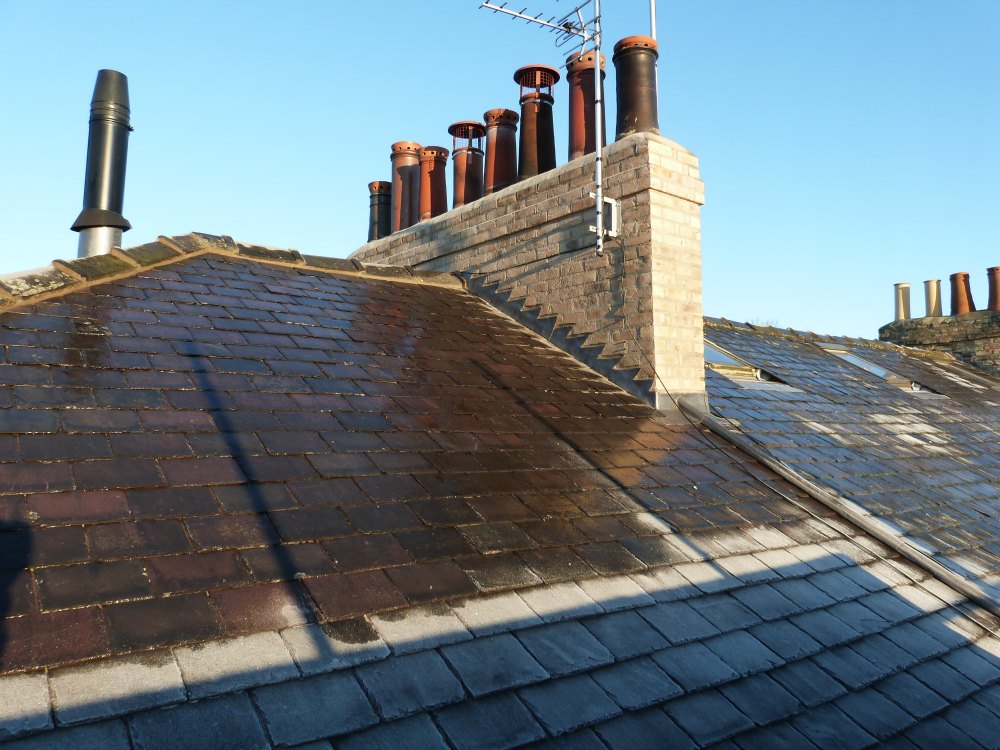
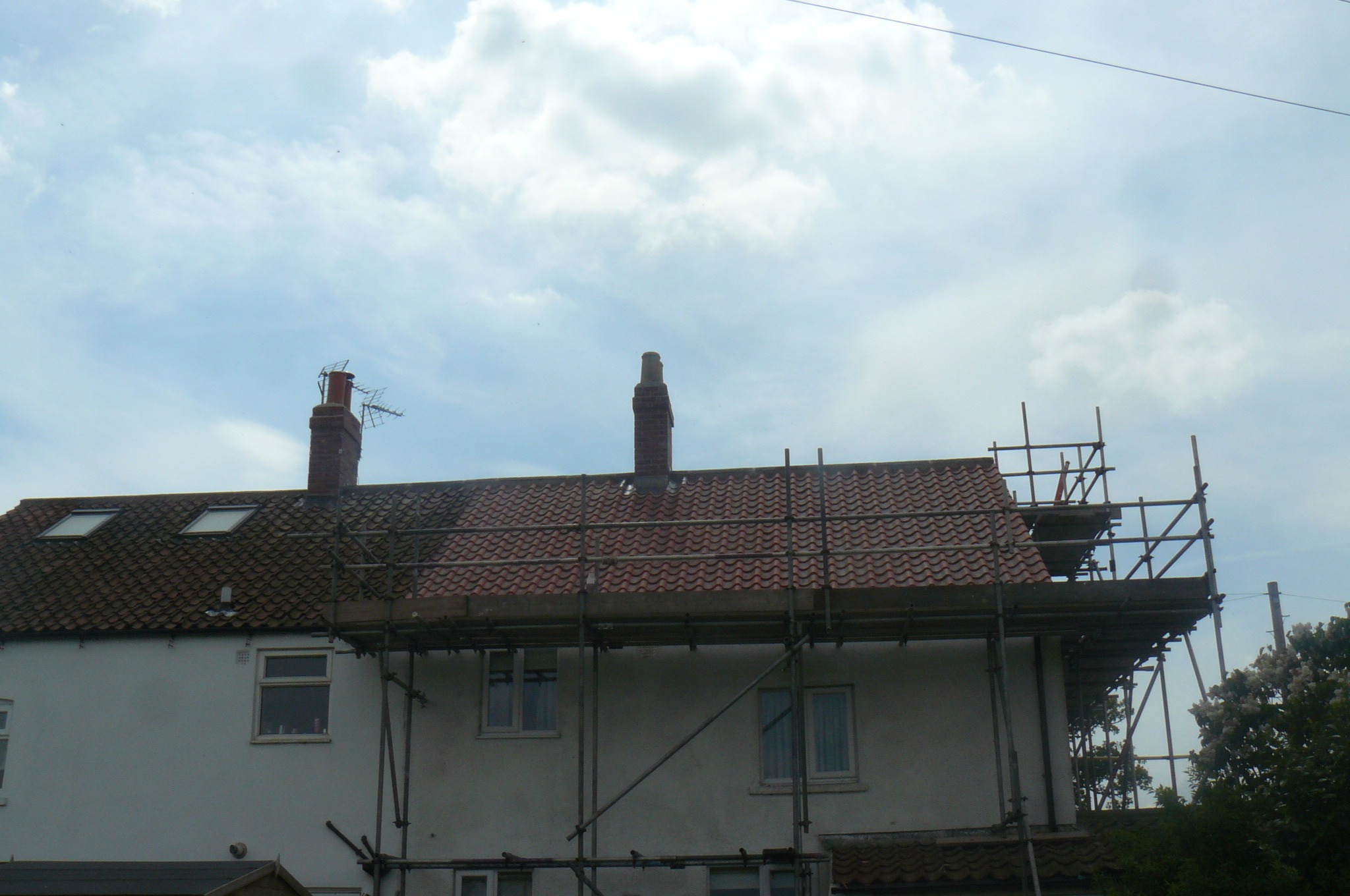
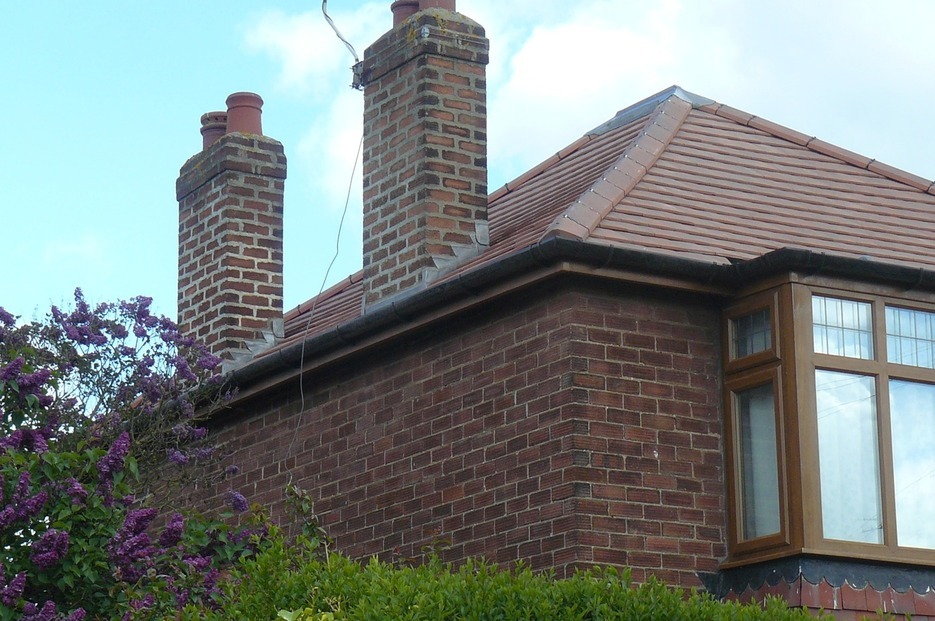
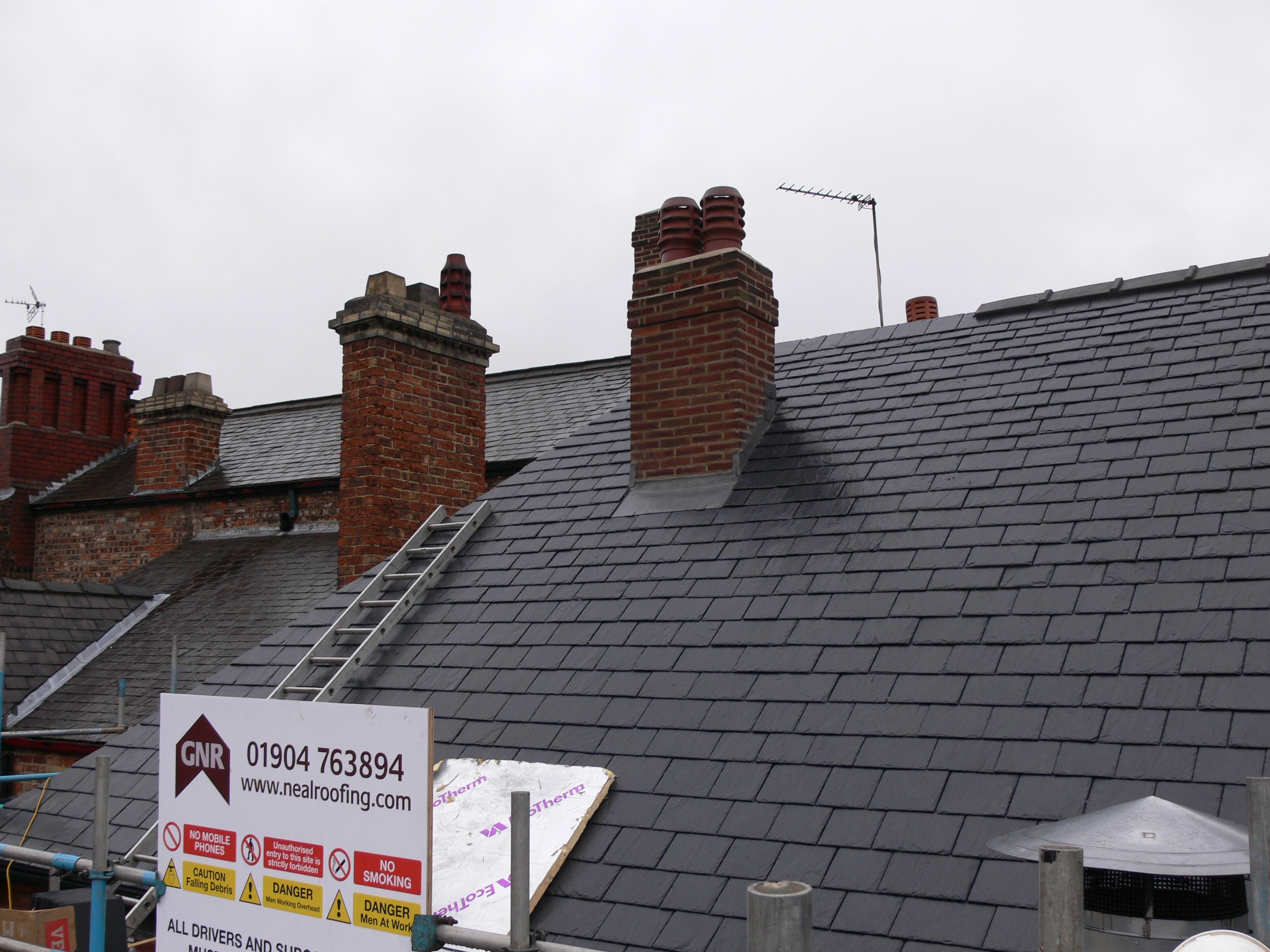
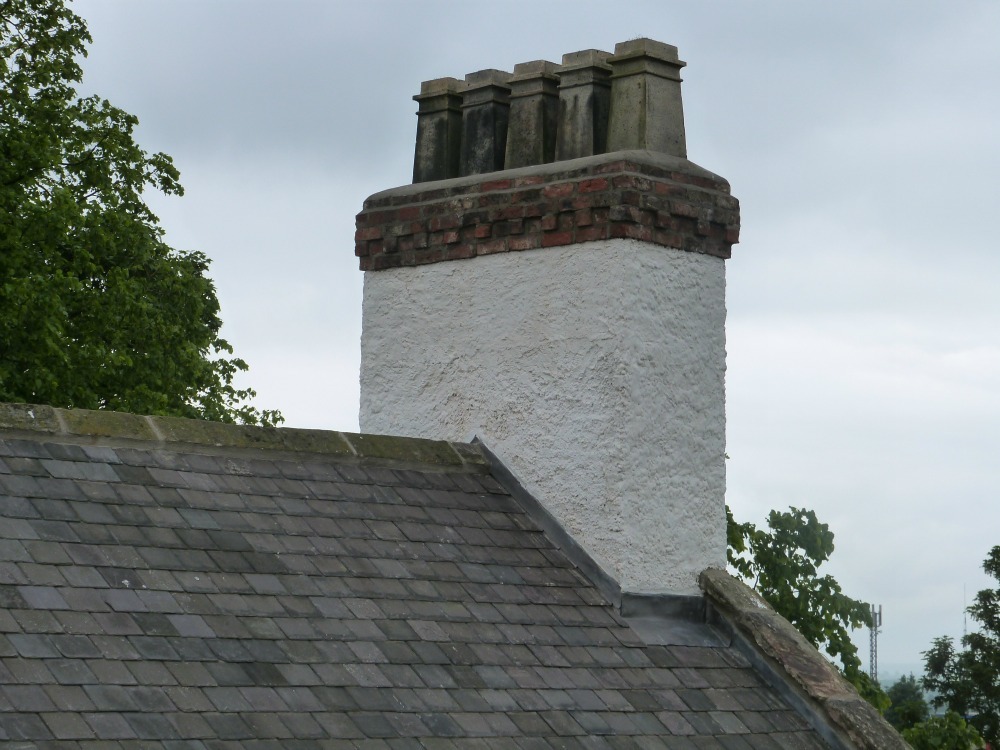
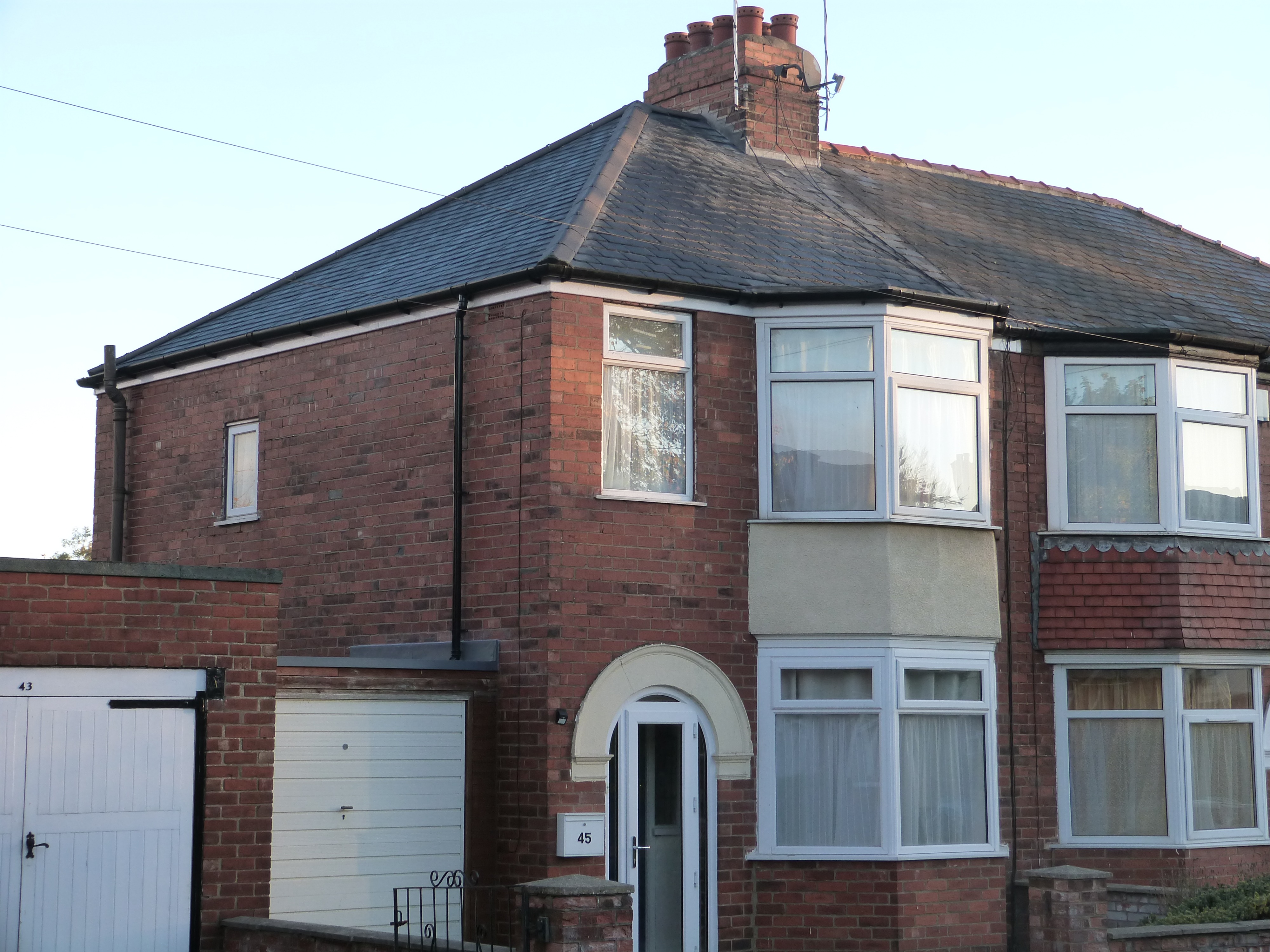
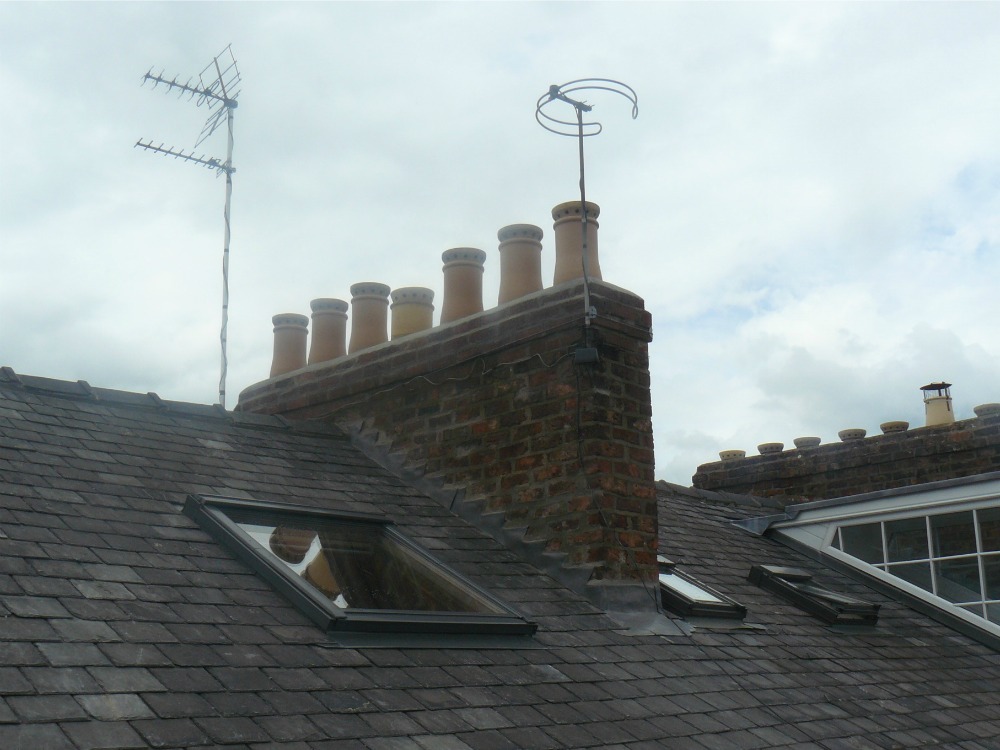
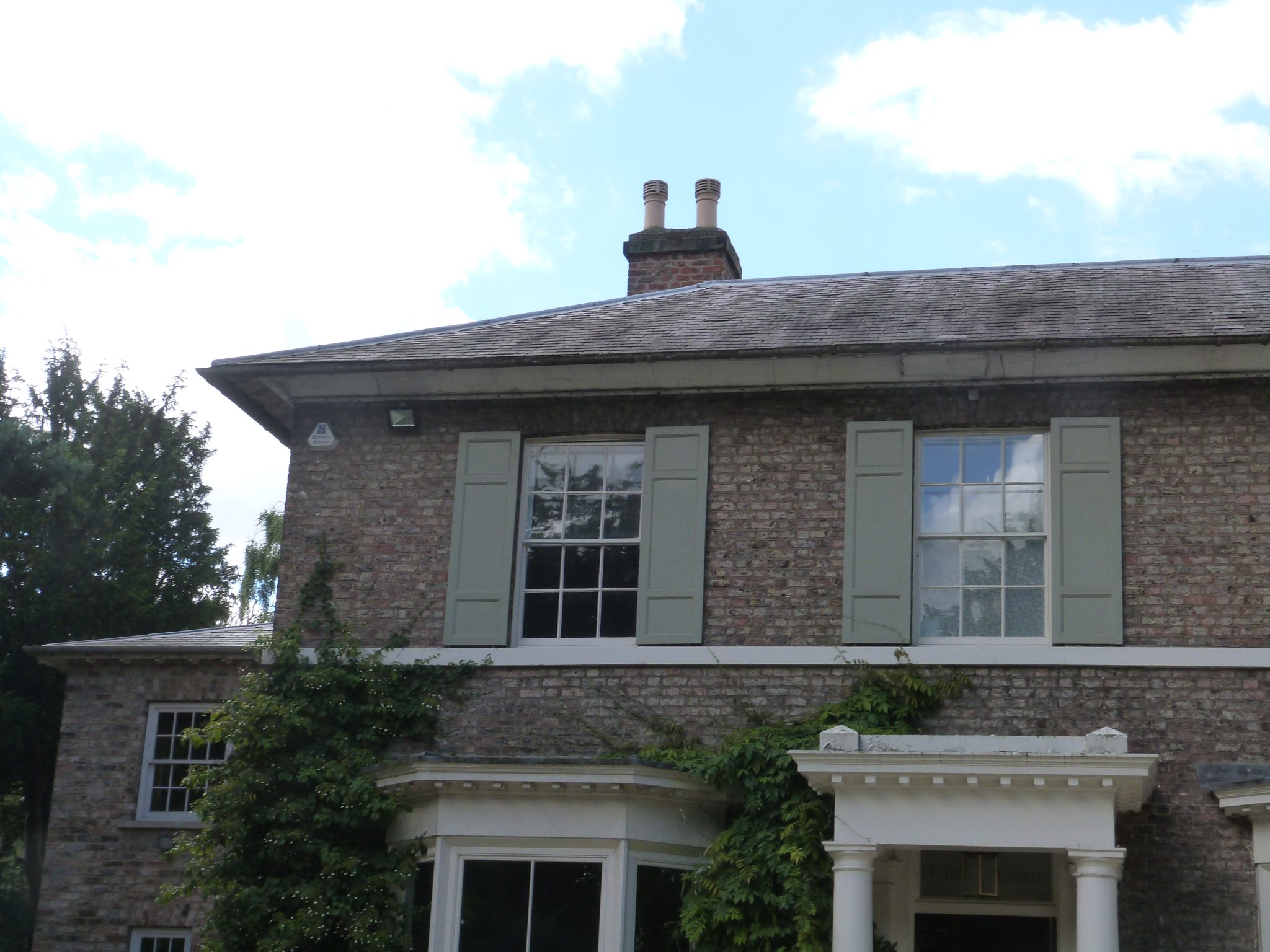
Chimney repointing, flaunching, lead flashings, chimney pots, cowls, stack rebuilding and associated roof repairs across Yorkshire.
Chimney stacks are a frequent source of roof leaks because they combine masonry, leadwork, flues and roof coverings within a highly exposed part of the building.
Wind, rain, frost, thermal movement and ageing can affect mortar joints, flaunching, lead flashings, chimney pots and the stack itself.
Our approach is to consider the chimney in context rather than treating one visible defect in isolation.
Depending upon the condition and use of the stack, work may include repointing, re-flaunching, replacement leadwork, pot or cowl works, partial rebuilding, full rebuilding or removal and making good.
Where a chimney serves a live appliance, we also consider whether specialist HETAS or Gas Safe input may be required.
Request an Inspection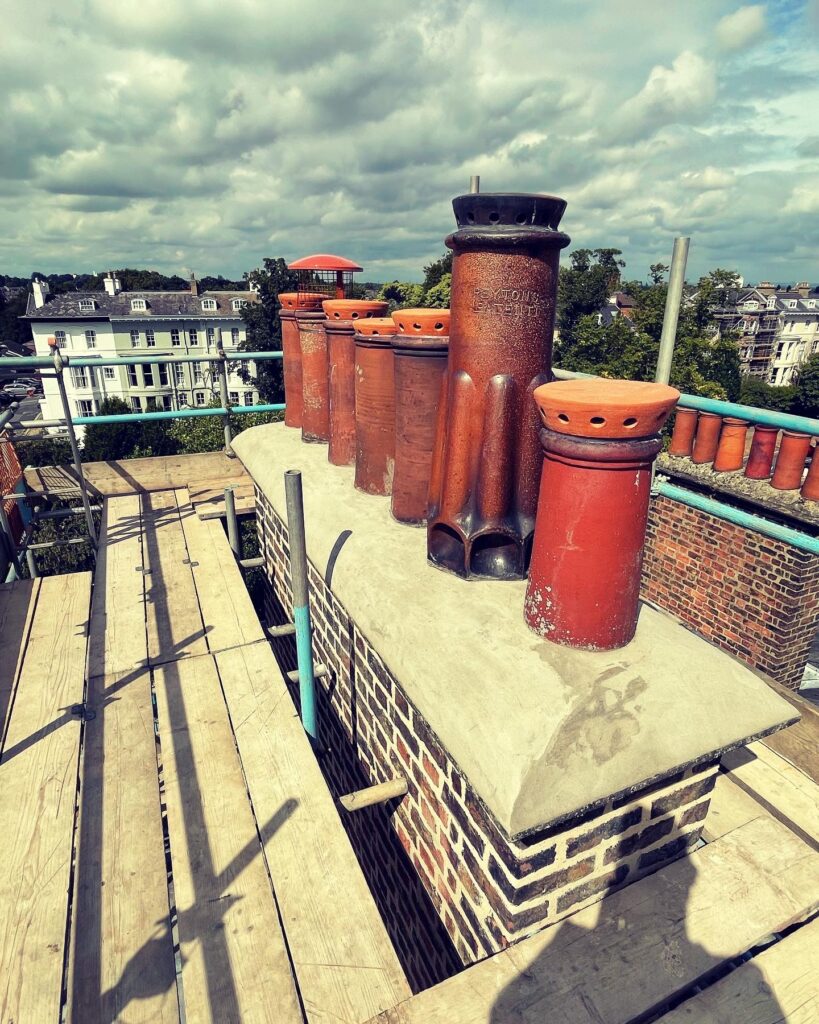
Chimney failures often involve more than one component. Water ingress may originate from masonry, leadwork, flaunching, roof coverings or the junction between them.
Open joints, frost-damaged bricks, eroded mortar and inappropriate previous repairs can allow water into the stack and accelerate deterioration.
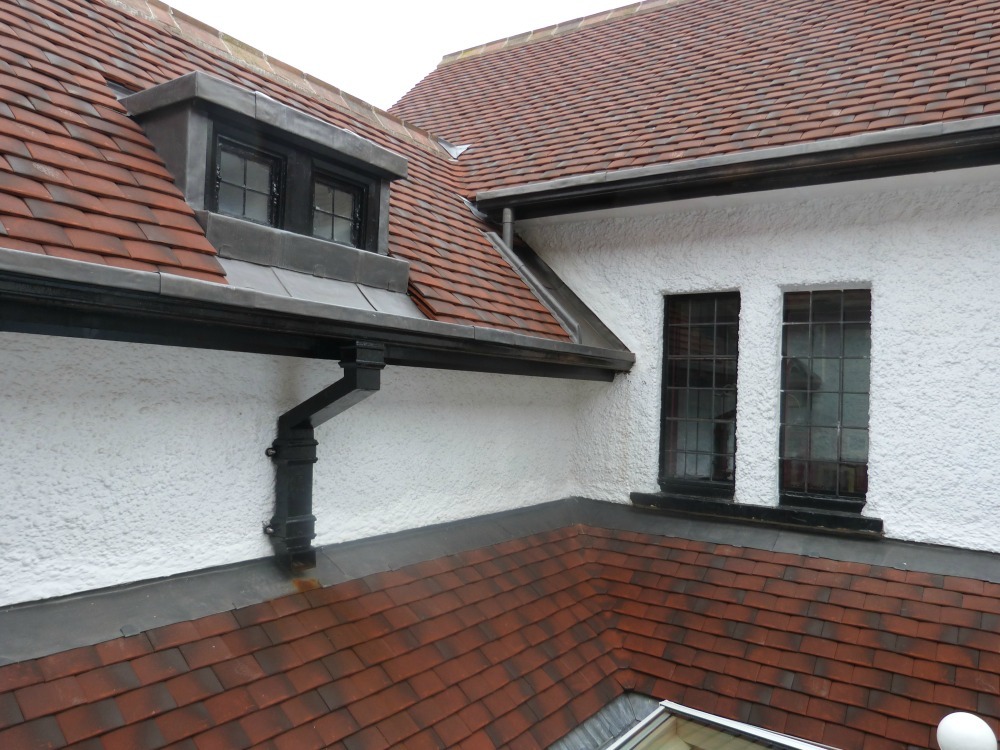
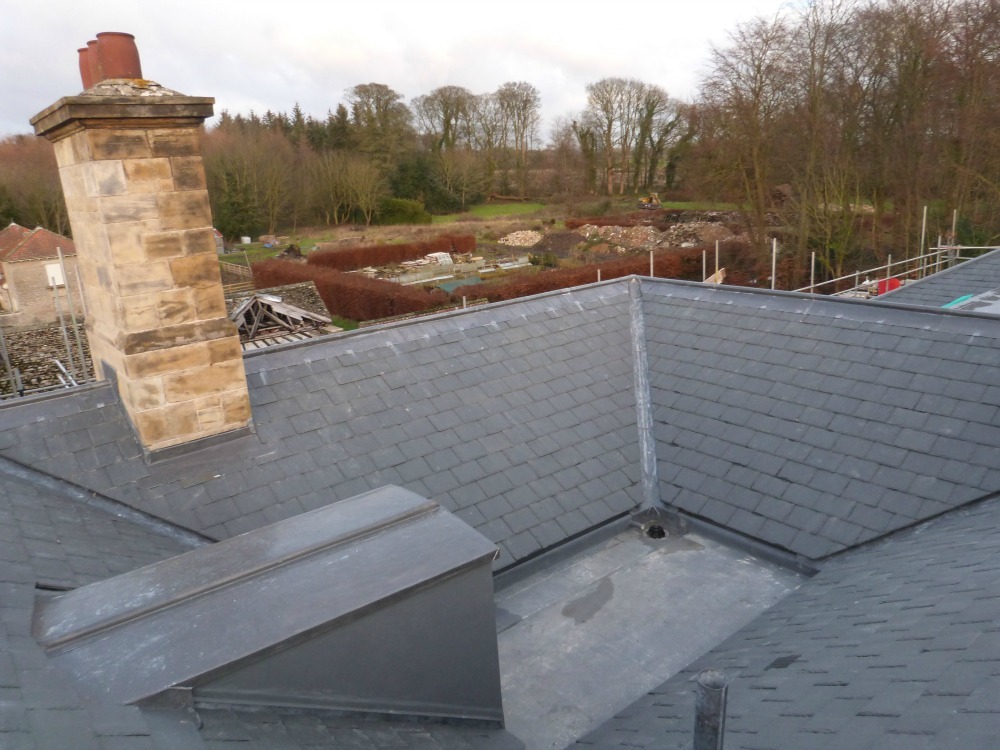
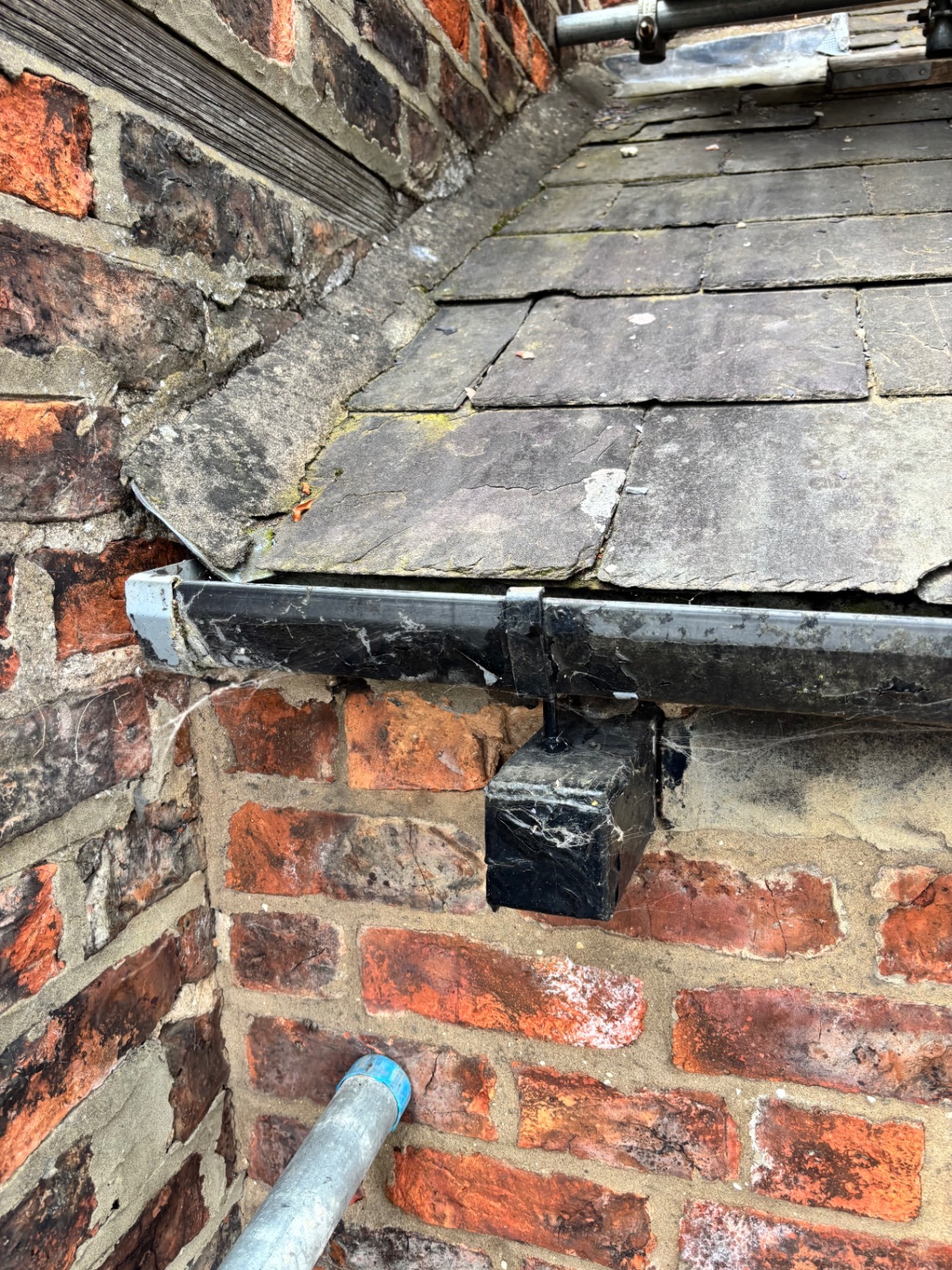
Failed aprons, step flashings, soakers and back gutters are common causes of leaks around chimney stacks.
Cracked flaunching, loose pots and poorly detailed terminals can allow water entry and create instability at the top of the stack.
Our chimney work ranges from localised maintenance to technically involved rebuilding and roof-interface rectification.
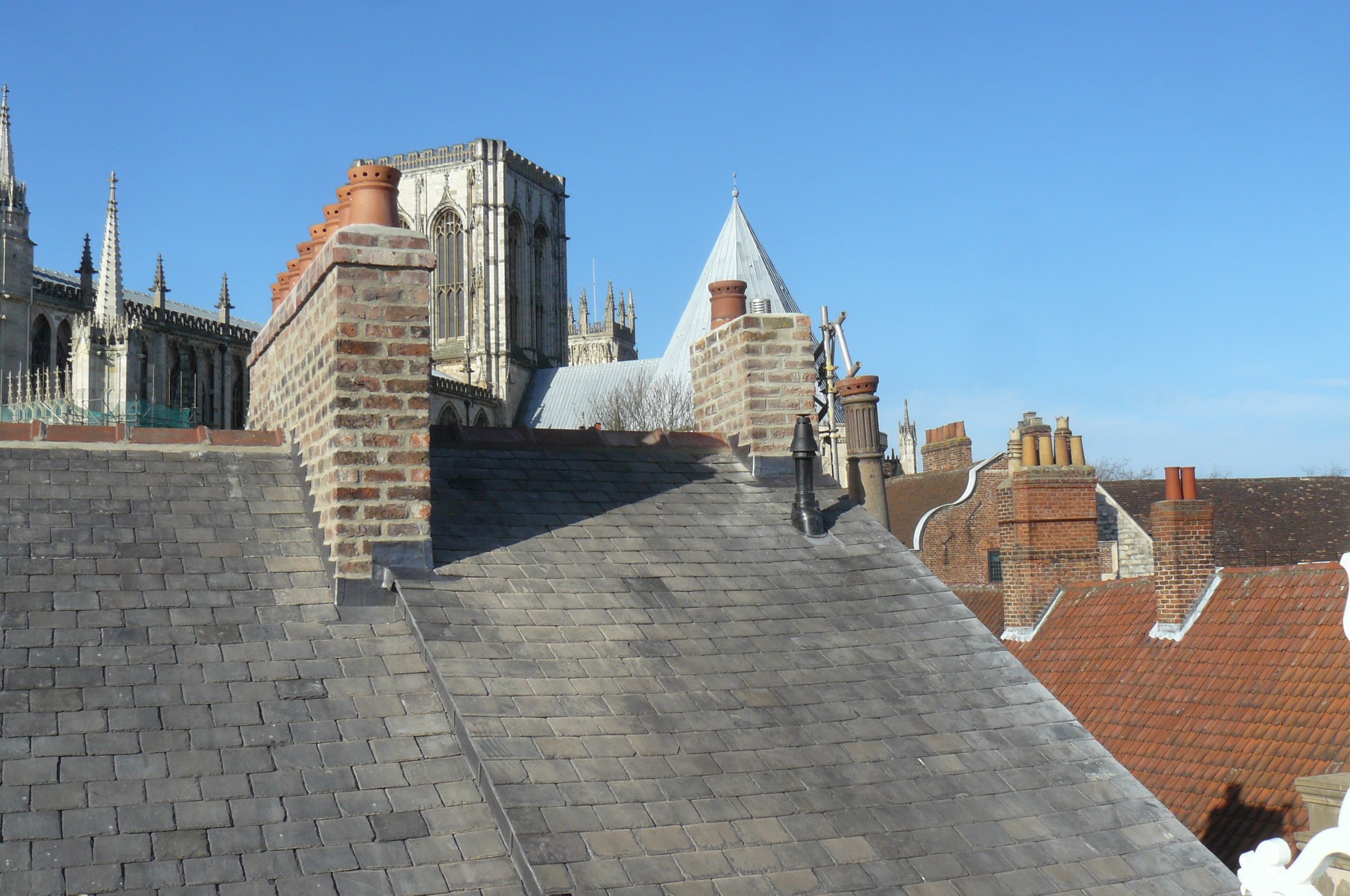
Repointing involves removing deteriorated mortar and reinstating joints with a mortar suitable for the age, masonry and exposure of the stack.
On older or traditionally constructed buildings, lime mortar may be more appropriate than a hard cement-rich mix.
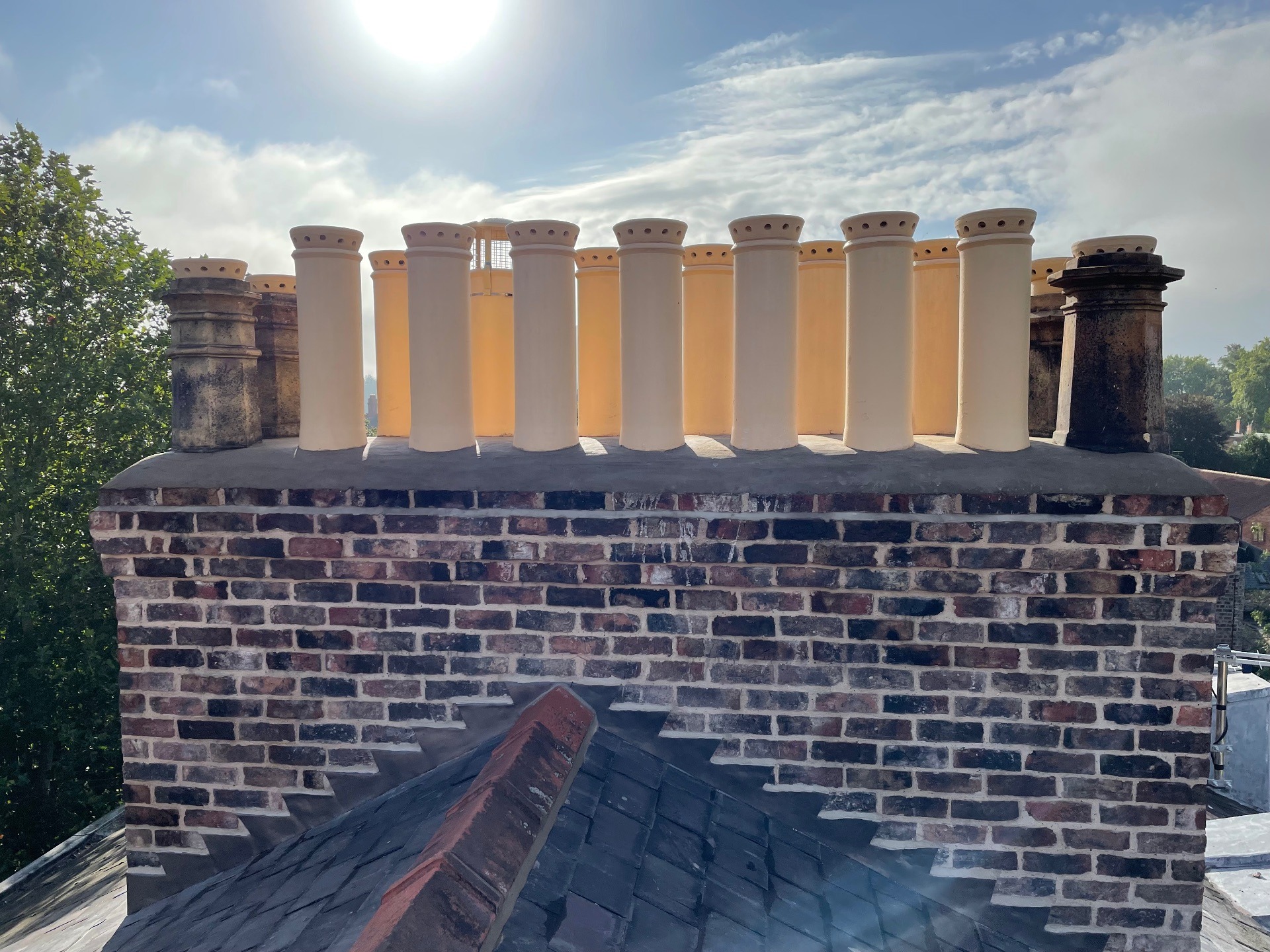
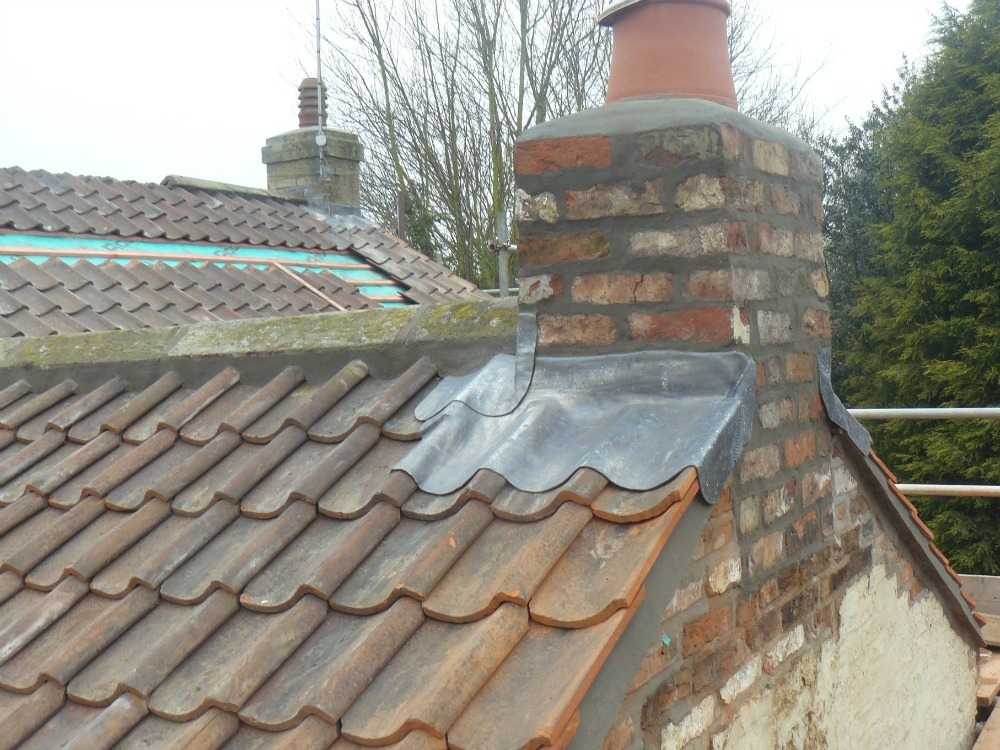
Flaunching forms the weathering around the base of chimney pots. Cracked, loose or poorly formed flaunching can allow water penetration and compromise pot stability.
Where necessary, defective flaunching can be removed and reinstated to provide appropriate support and drainage.
Loose, damaged or inappropriate pots and terminals can require replacement or securing.
The correct terminal should suit the flue and whether it is active, redundant or connected to an appliance.
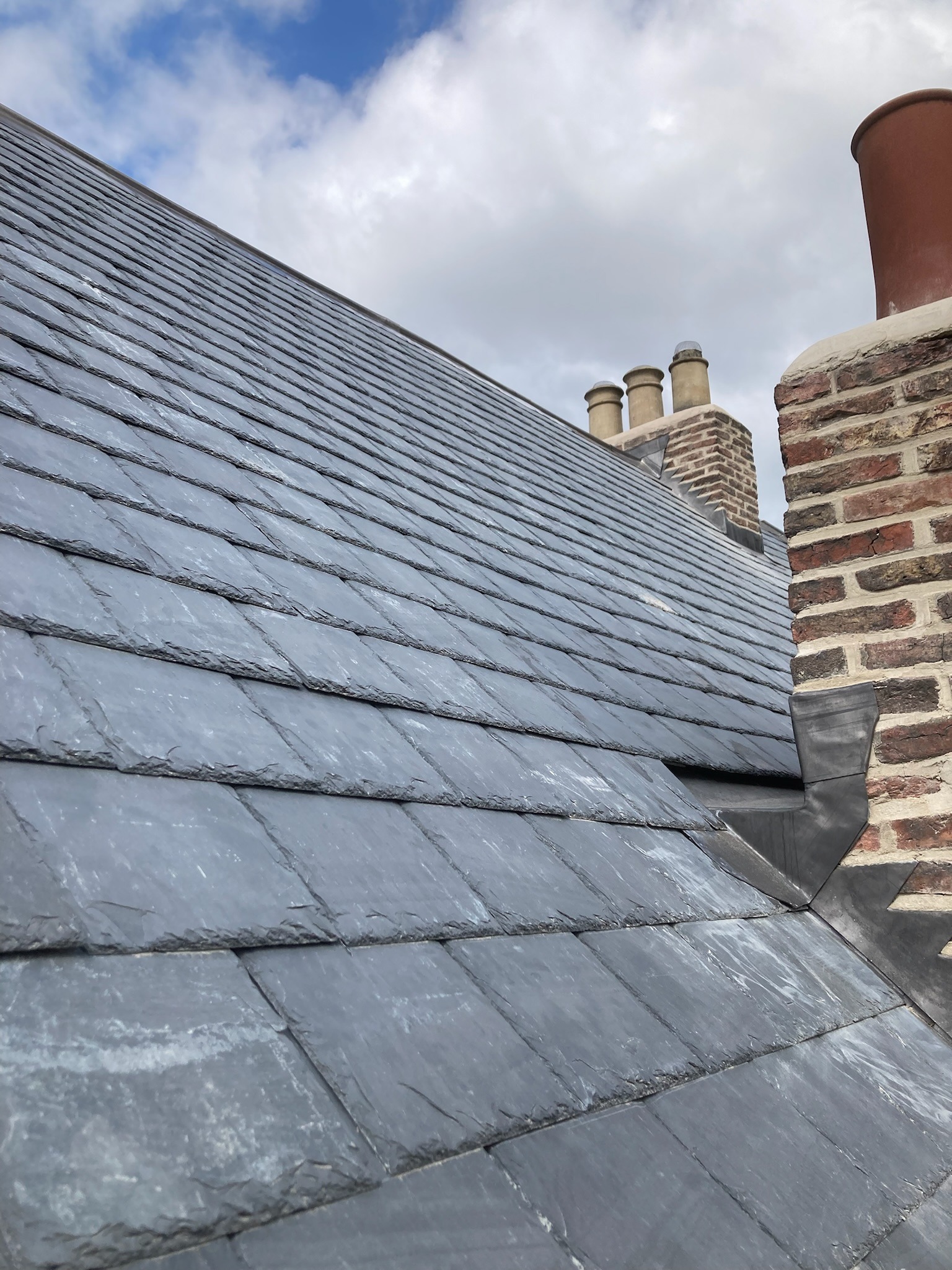
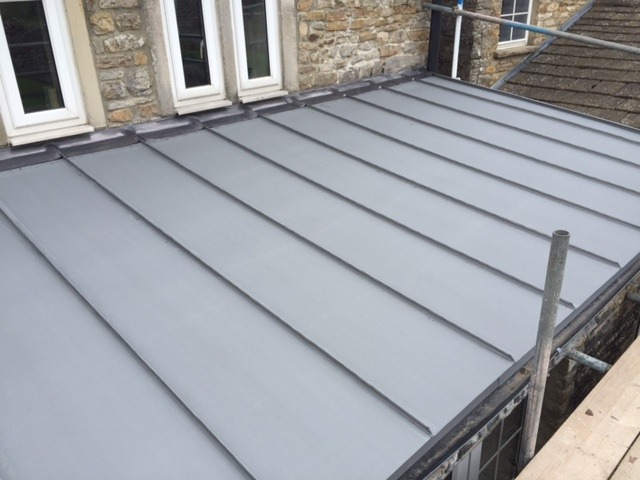
Correctly formed leadwork is critical at the junction between the chimney and roof covering.
Repairs may include:
Where failure is extensive, replacement leadwork may provide a more durable solution than repeated sealing or patching.
Where masonry is unstable, badly weathered or significantly displaced, local repairs may no longer be sufficient.
The stack can be taken down to a sound level and rebuilt, with flashings, flaunching and roof interfaces renewed as required.
Where a chimney is redundant and removal is appropriate, the external stack may be carefully dismantled and the roof made good.
Internal structure, flue ventilation, party-wall implications and adjoining construction should all be considered before removal.
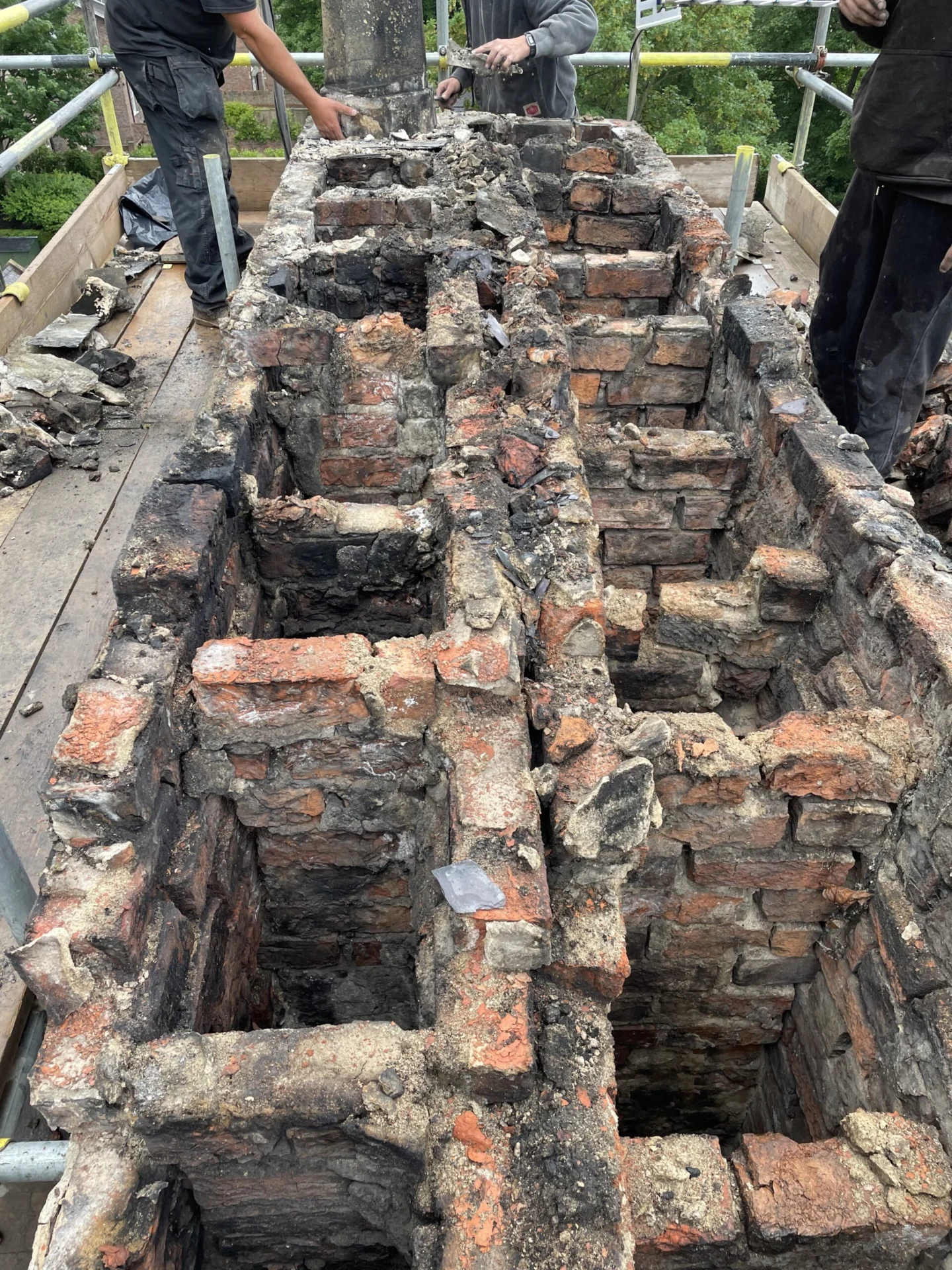
Partial or complete rebuilding where masonry has become unstable or extensively deteriorated.
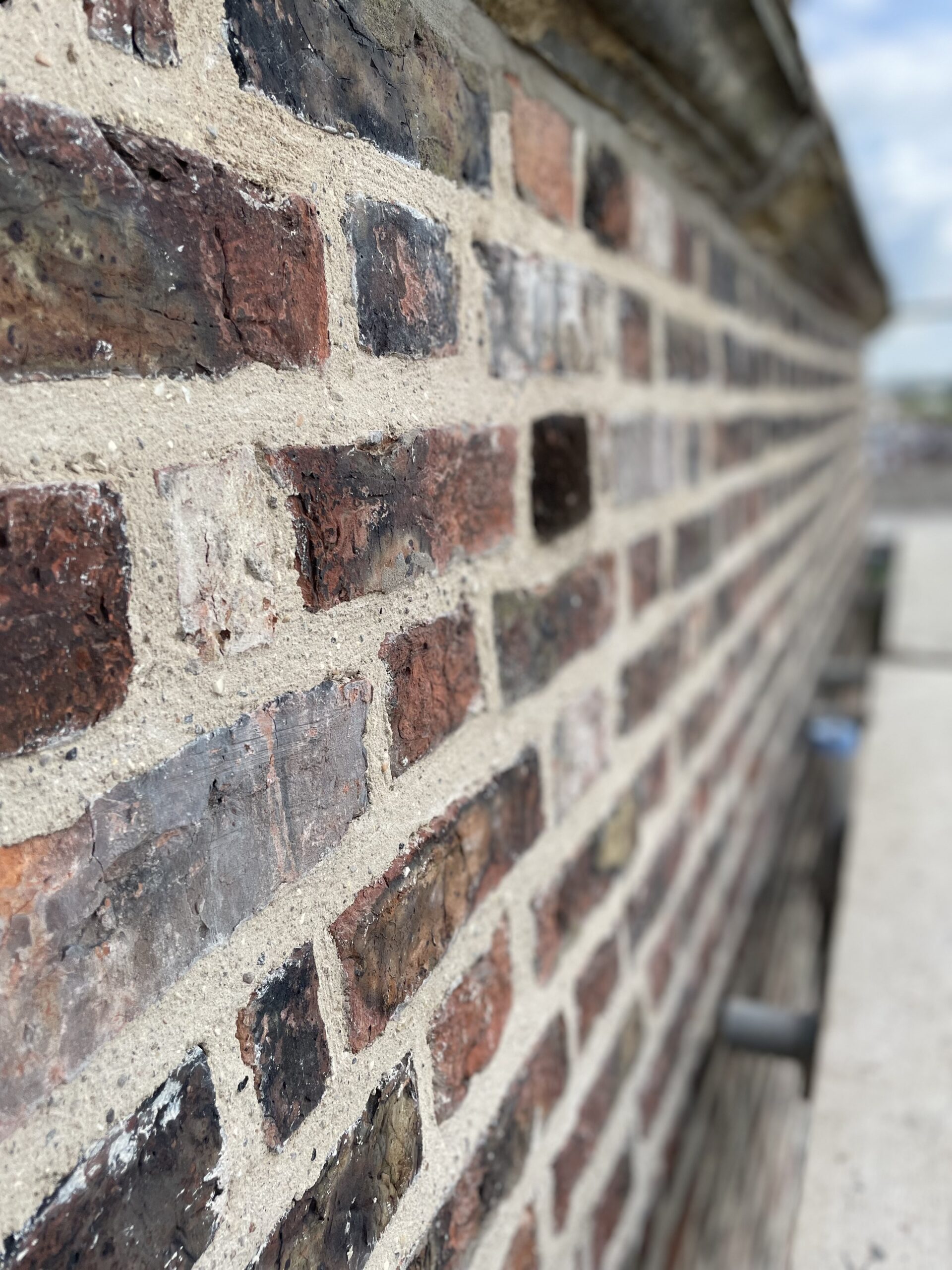
Careful repointing using mortar appropriate to the age and construction of the stack.

Renewal of failed flaunching around chimney pots to improve stability and weather resistance.
A chimney stack which is visibly leaning, cracking or bulging should be assessed before cosmetic repairs are undertaken.
Possible causes can include:
The severity of the movement determines whether local repair, partial rebuilding or more extensive reconstruction is appropriate.
A leaning or unstable chimney can create several risks:
If masonry is visibly unstable or shedding material, the area should be treated cautiously until the stack has been inspected.
Request a Chimney InspectionLime mortar can be particularly appropriate for older and traditionally constructed chimney stacks.
Compared with harder cement-rich mortars, a suitable lime mortar can provide greater compatibility with softer historic brick and stone and allow moisture to evaporate through the joint.
Mortar selection should consider:
Inappropriate hard pointing can sometimes accelerate deterioration of softer surrounding masonry.
Traditional materials should be used as part of a considered repair rather than applied automatically. The existing construction and condition of the stack remain important.
The correct terminal depends upon how the flue is used.
Open fires, wood-burning stoves, gas appliances and redundant flues can require different arrangements.
Cowls and terminals may assist with:
For individual cowl types and applications, see ChimneyCowls.uk.
Where the chimney serves an active stove, open fire or gas appliance, the external roofing work must be considered alongside the flue system.
Before changing a pot, cowl or terminal, it is important to understand:
Where required, Neal Roofing can coordinate with a suitably qualified HETAS or Gas Safe engineer.
Water appearing around a chimney is often assumed to be caused by the lead flashing, but several other defects can create similar symptoms.
Possible causes include:
The visible damp patch does not necessarily identify the exact point at which water is entering.
Our inspection considers the stack and surrounding roof as a complete interface so that the proposed work addresses the likely cause rather than simply the visible symptom.
Where the problem extends beyond the chimney itself, related roof repairs or roof defect rectification may also be required.
Book a Chimney InspectionA proportionate repair starts with understanding the condition and function of the complete chimney and roof interface.
We assess the masonry, pots, flaunching, flashings, roof covering and visible signs of water ingress.
We identify the likely cause and consider whether appliance or flue-related specialist input is required.
We determine whether local repair, repointing, lead replacement or rebuilding represents the appropriate response.
Where appropriate, we provide a written quotation defining the proposed scope of work.
For straightforward domestic chimney and flashing repairs within York, Roof York provides a dedicated local repair route.
This can be suitable for:
Where the project involves complete rebuilding, extensive leadwork, heritage masonry, structural movement, large scaffold requirements or complex roof interfaces, it may be better suited to Neal Roofing.
Visit Roof York Request a Roof York RepairChimney repair costs vary considerably because access and the extent of hidden deterioration can be significant.
Relevant factors include:
Local defects such as isolated open joints or failed flaunching may be suitable for targeted repairs.
Where deterioration is widespread, or the stack is visibly unstable, partial or complete rebuilding can provide a more durable solution.
Where expensive access is required, it can also be sensible to address associated flashings and adjoining roof defects while scaffold is in place.
Common causes include defective lead flashings, failed back gutters, open mortar joints, cracked flaunching, porous masonry, failed render, defective adjoining roof coverings and condensation.
Sometimes. Minor historic movement may be manageable, but severe leaning, unstable masonry or widespread deterioration can require partial or full rebuilding. Inspection is needed before deciding on the appropriate response.
Lime mortar is often appropriate on older or traditionally constructed buildings, particularly where the existing brick or stone is relatively soft. The mortar should be selected to suit the specific construction rather than applying one mix to every stack.
Lead flashings can fail through fatigue, inappropriate sizing, poor fixing, defective joints, previous patching or movement between the chimney stack and roof construction.
Yes, where removal is structurally and practically appropriate. The implications for internal structure, ventilation, flues, adjoining property and roof making-good should be considered first.
Yes, where the correct terminal is known. If the chimney serves a live appliance, confirmation from a suitably qualified HETAS or Gas Safe engineer may be required to ensure the proposed terminal is appropriate.
For straightforward domestic repairs in York, Roof York provides a dedicated local repair route. Larger rebuilding, specialist leadwork and technically involved chimney projects are better suited to Neal Roofing.
Neal Roofing undertakes specialist chimney, leadwork and roof-interface repairs throughout Yorkshire.
Our approach is to understand how the stack, roof covering and weathering details interact before defining a proportionate repair.
Request a Chimney InspectionNeal Roofing provides specialist roofing and building-envelope solutions for technically demanding, commercial and heritage buildings throughout Yorkshire.
For straightforward reactive domestic chimney and roof repairs within York, Roof York provides a dedicated local repair route.
All Roof Repair Services Roof Repairs York