What homeowners, property managers and building owners should understand before replacing a roof. Surveys, materials, quotations, British Standards, Building Regulations, insulation, ventilation, guarantees, contractors and common re-roofing defects.
A re-roof is a significant construction project affecting the weather protection, thermal performance and long-term condition of a building.
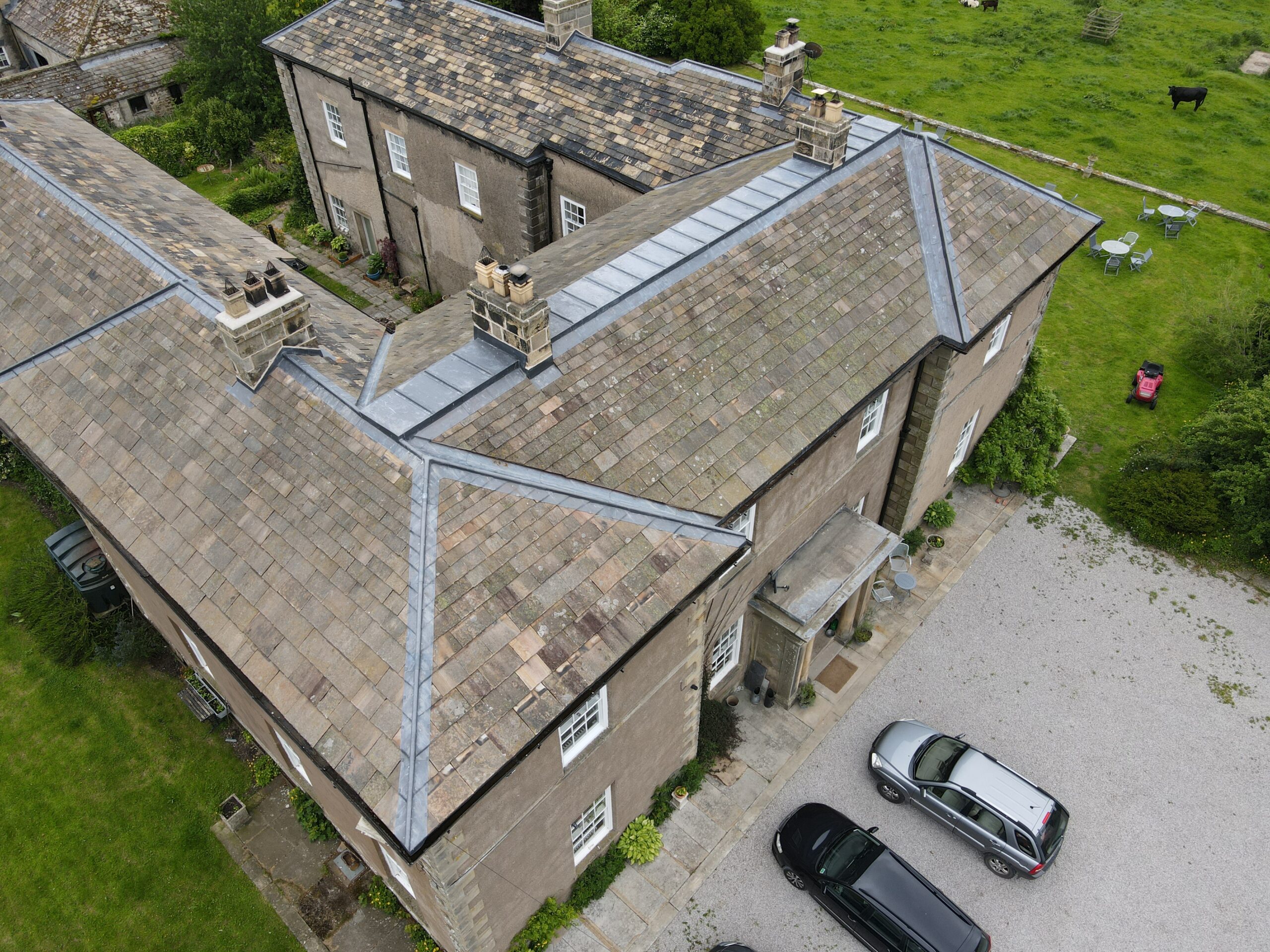
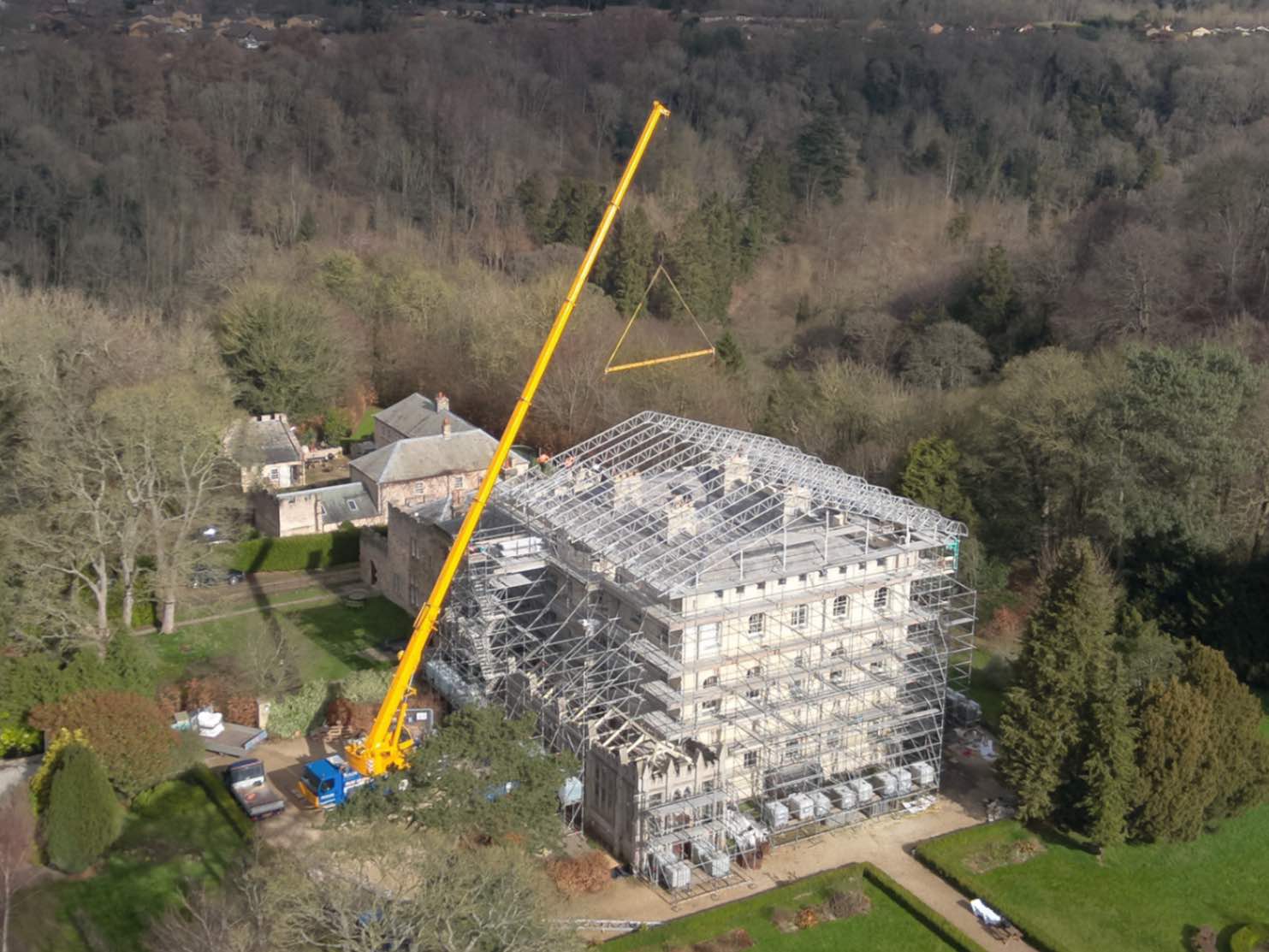
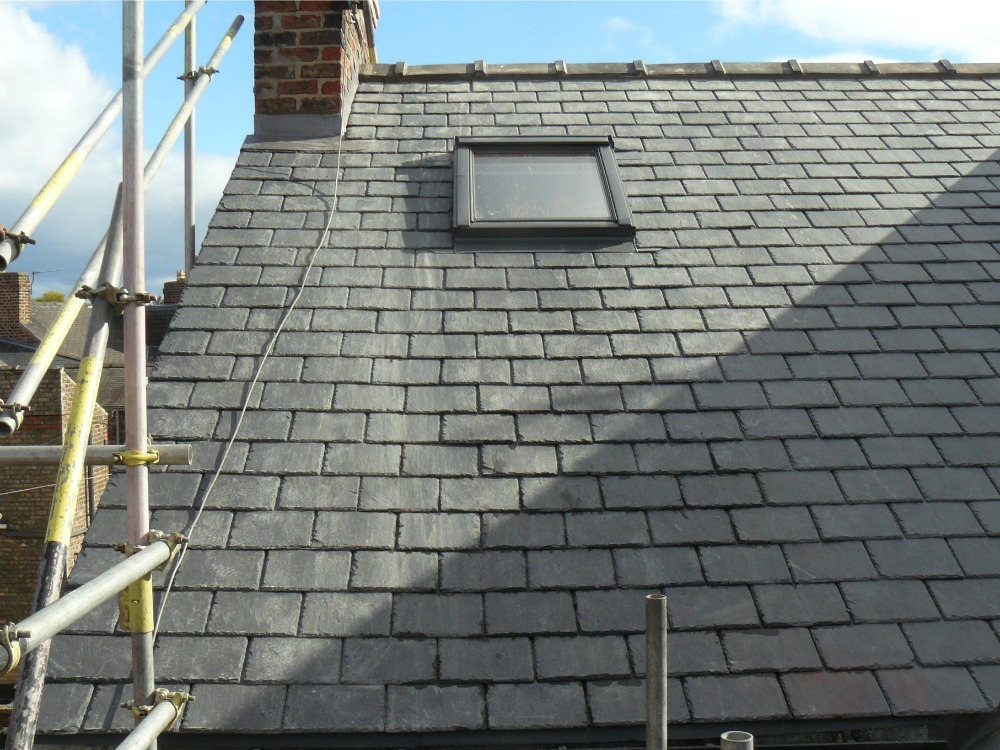
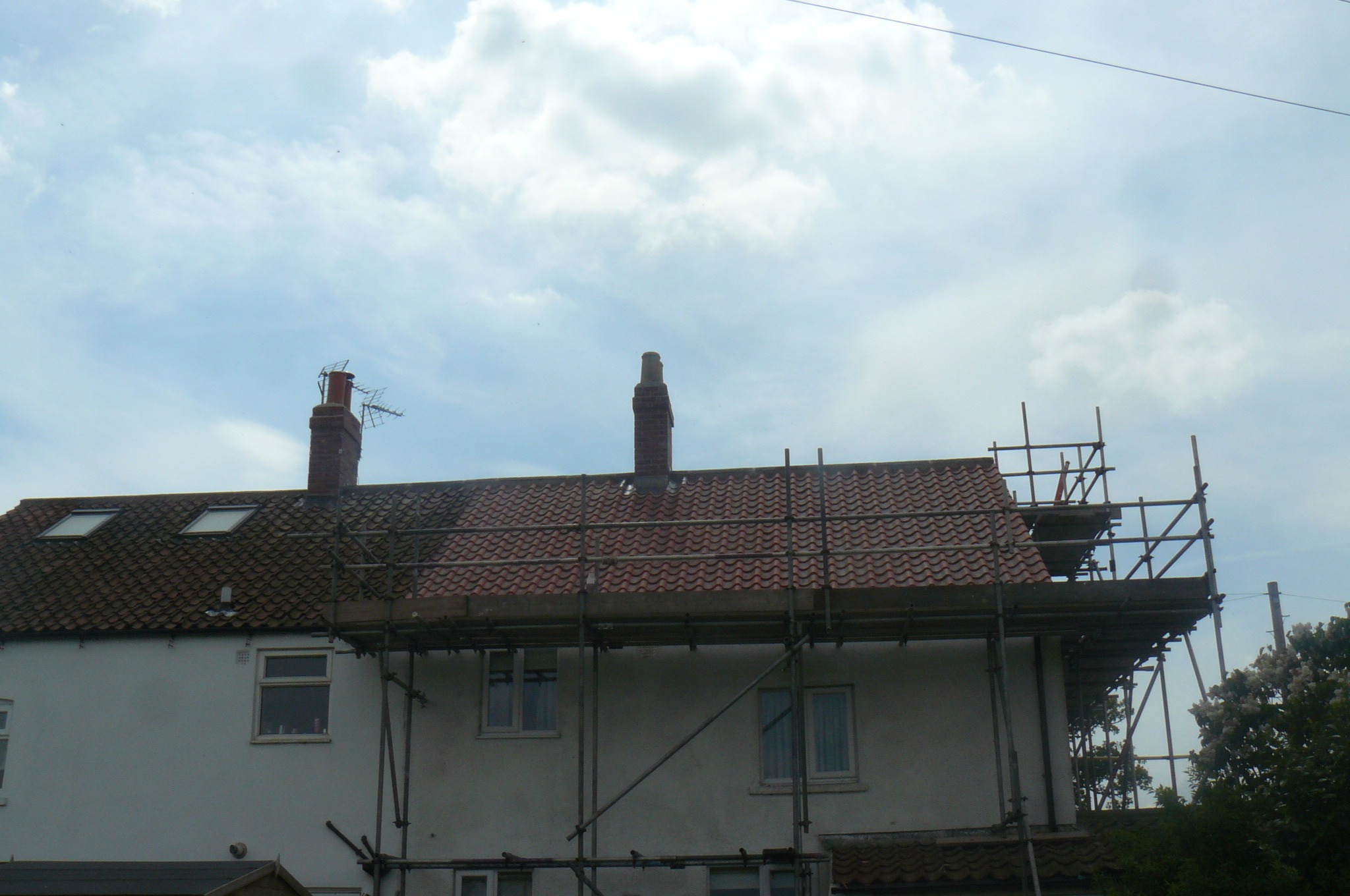
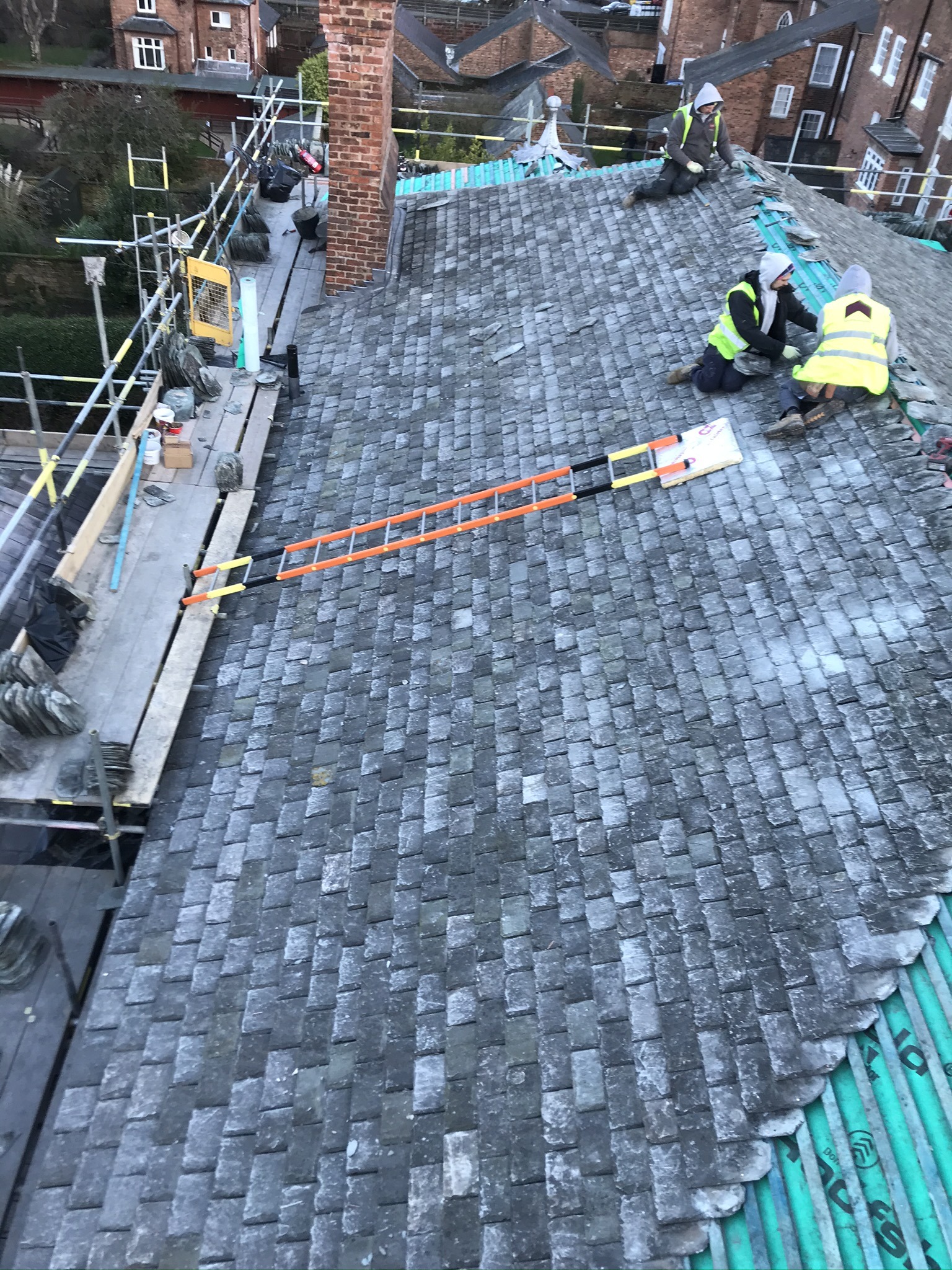
The visible slate or tile covering is only one part of the completed roofing system. Beneath it sit membranes, battens, fixings, insulation, ventilation arrangements and the supporting roof structure.
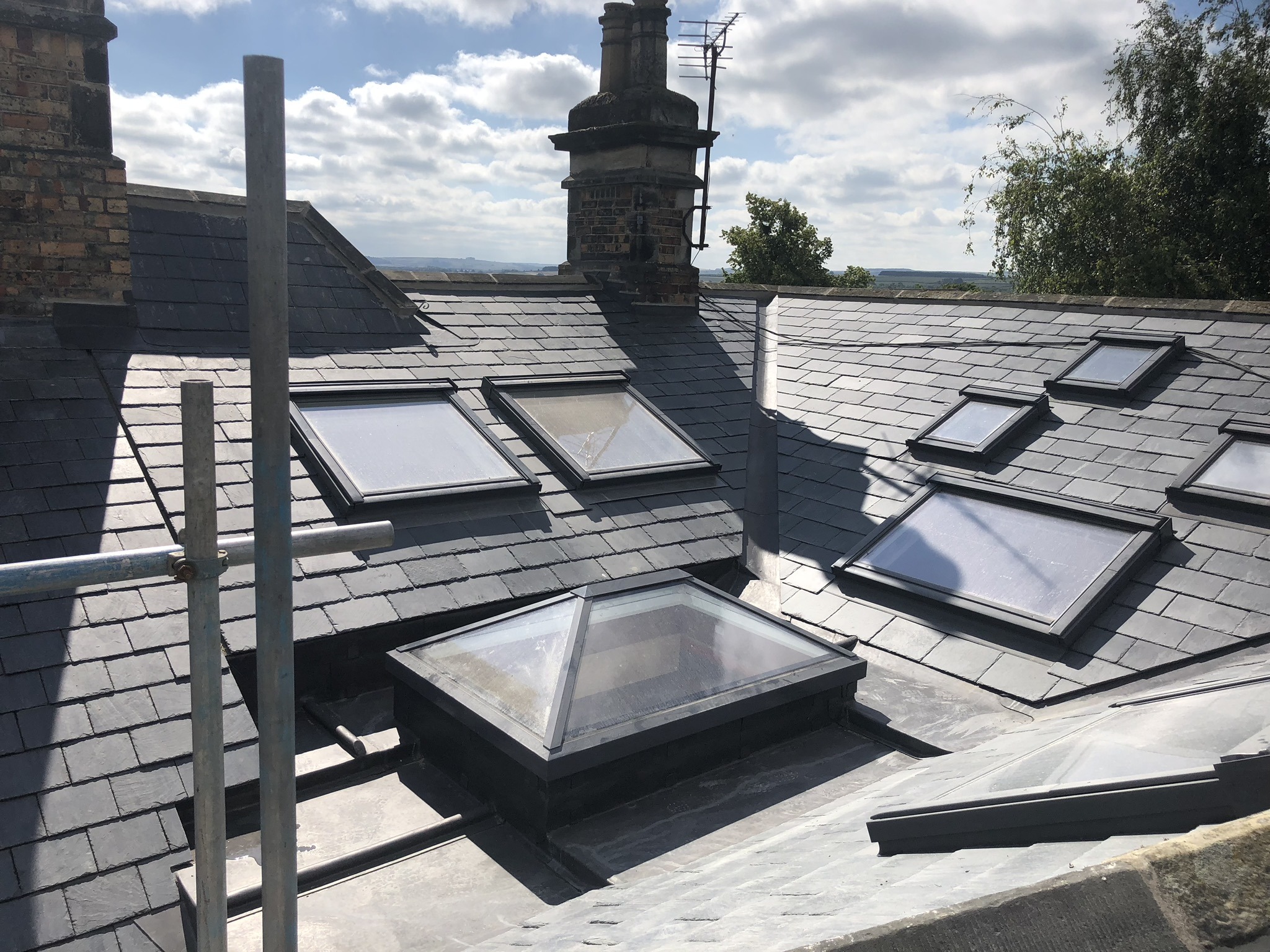
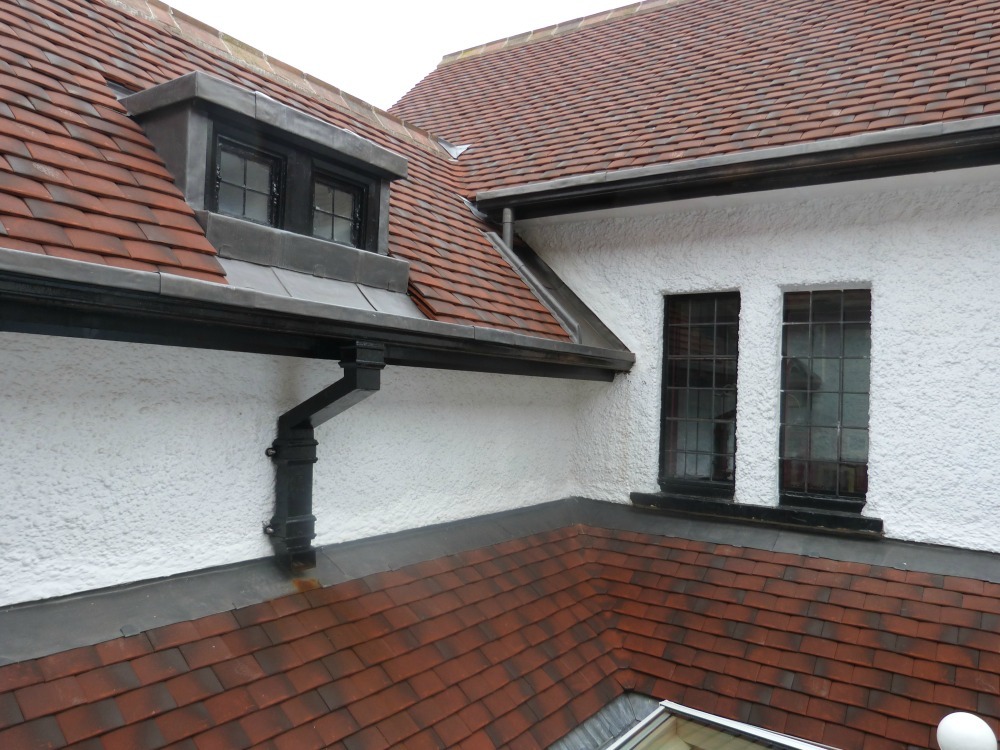
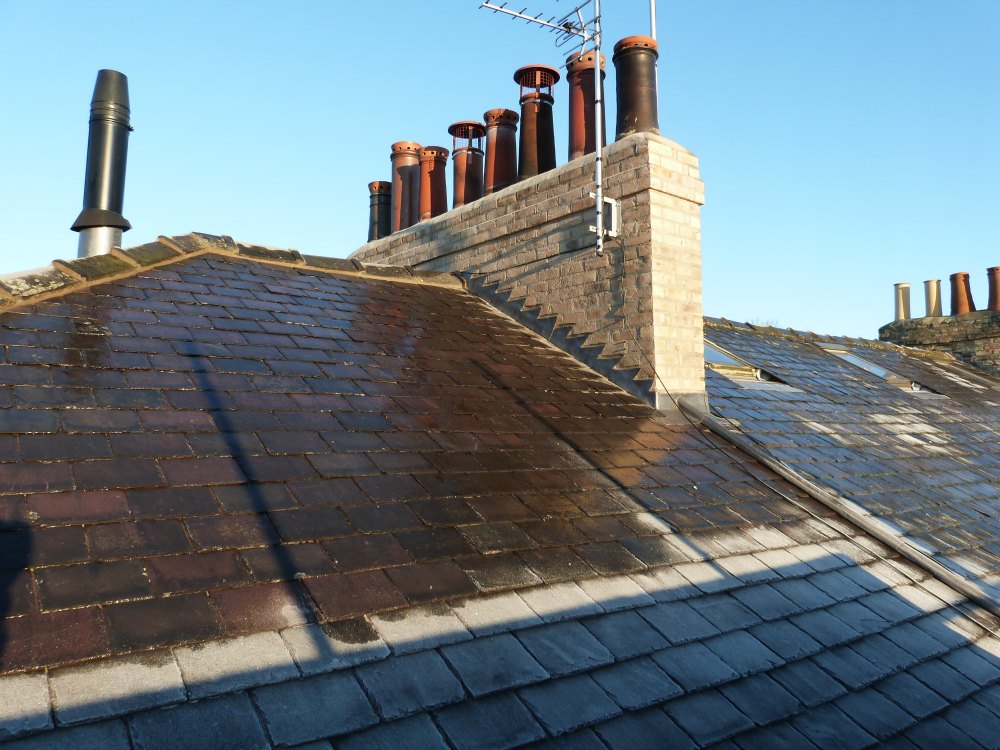
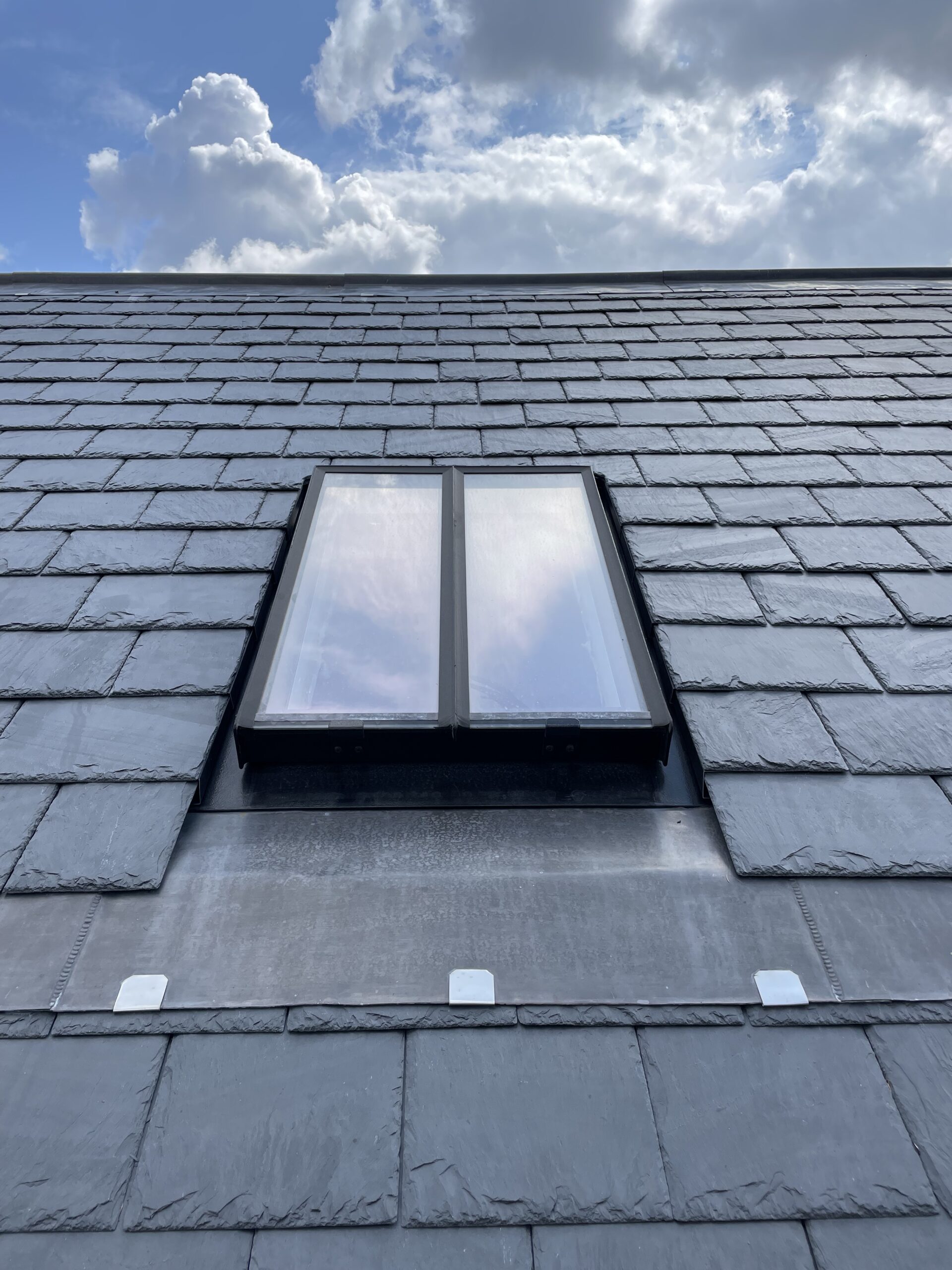
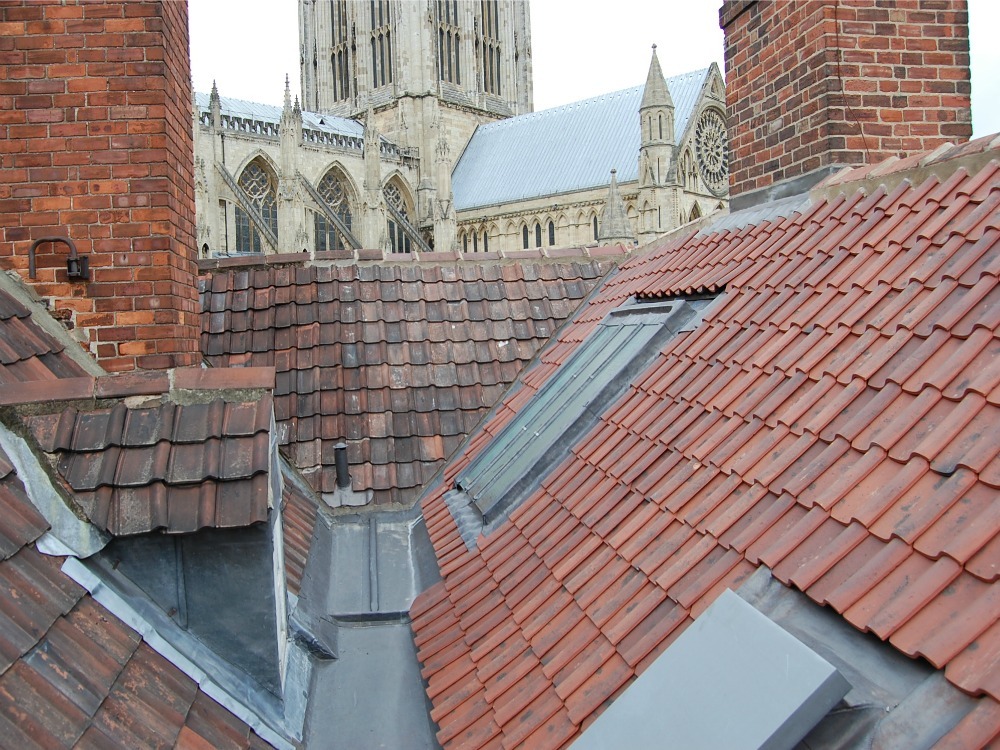
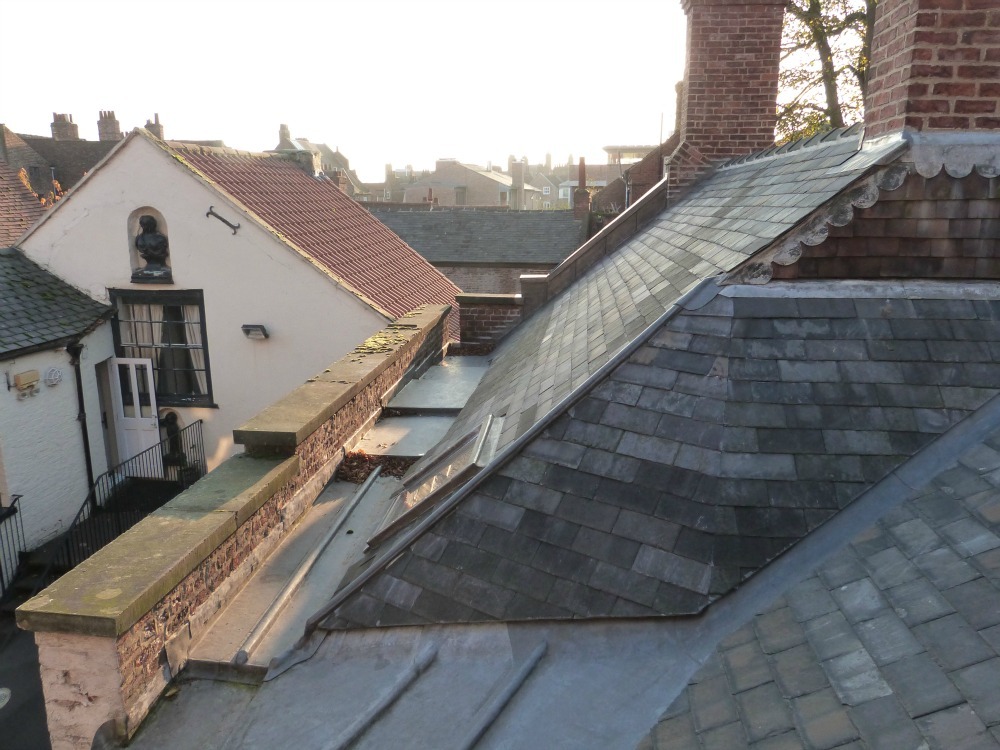
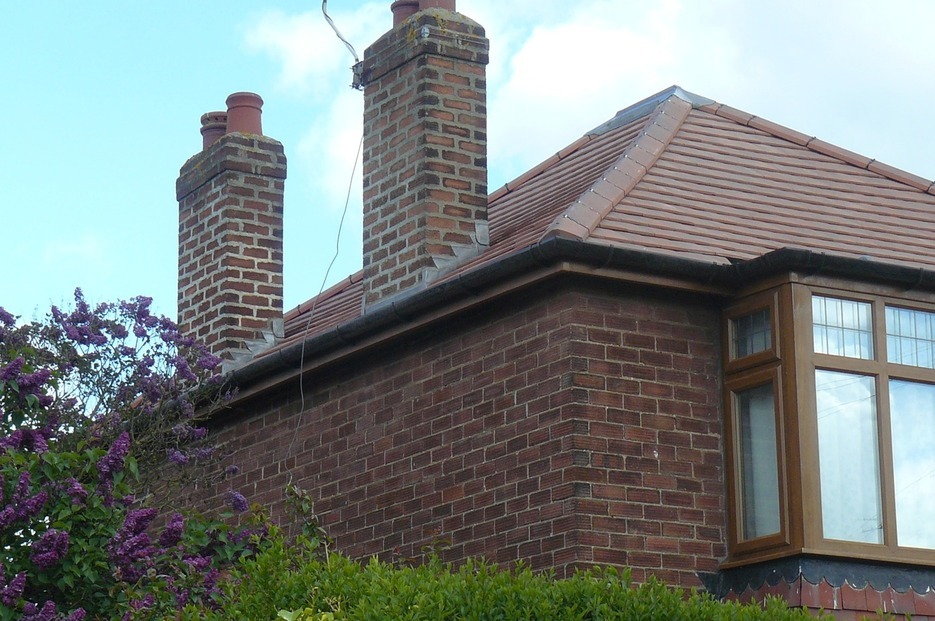
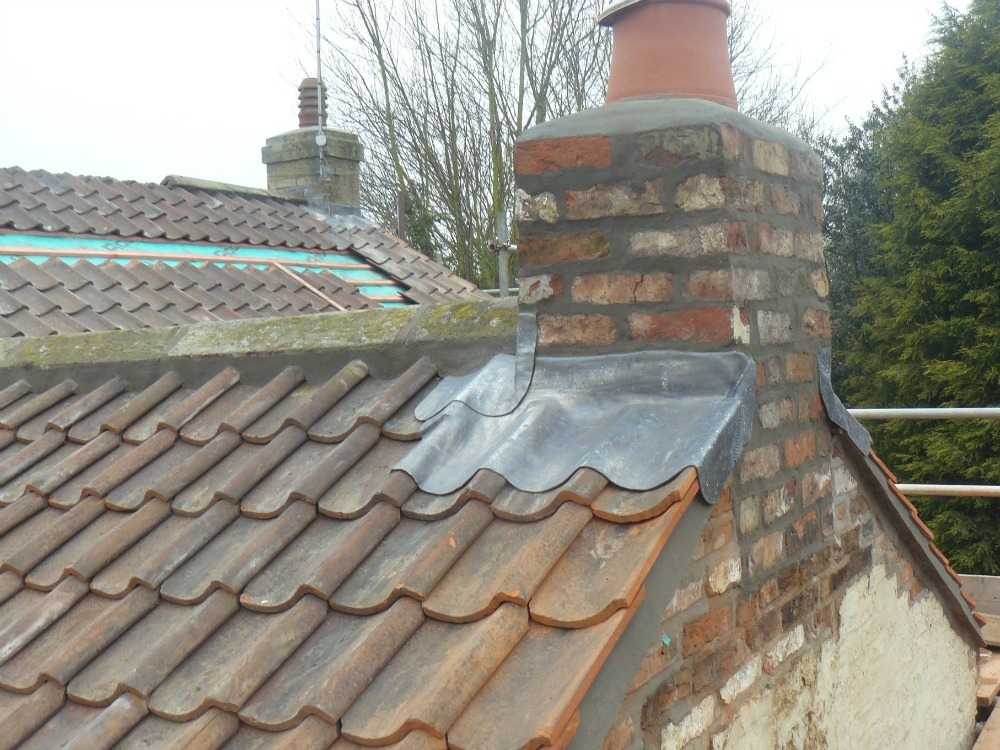
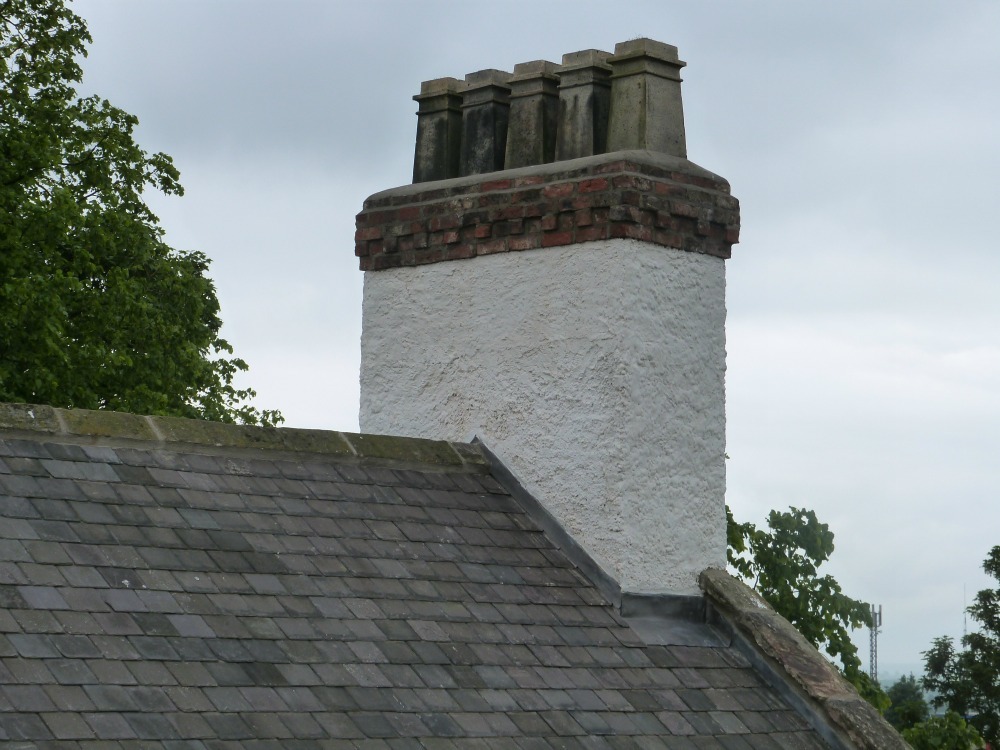
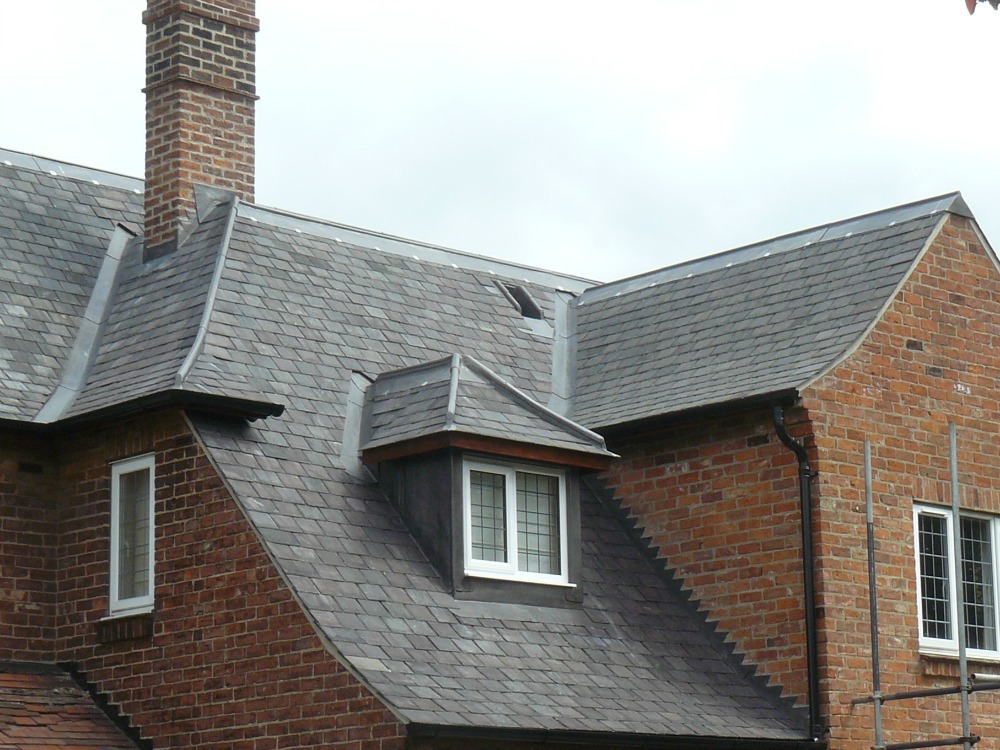
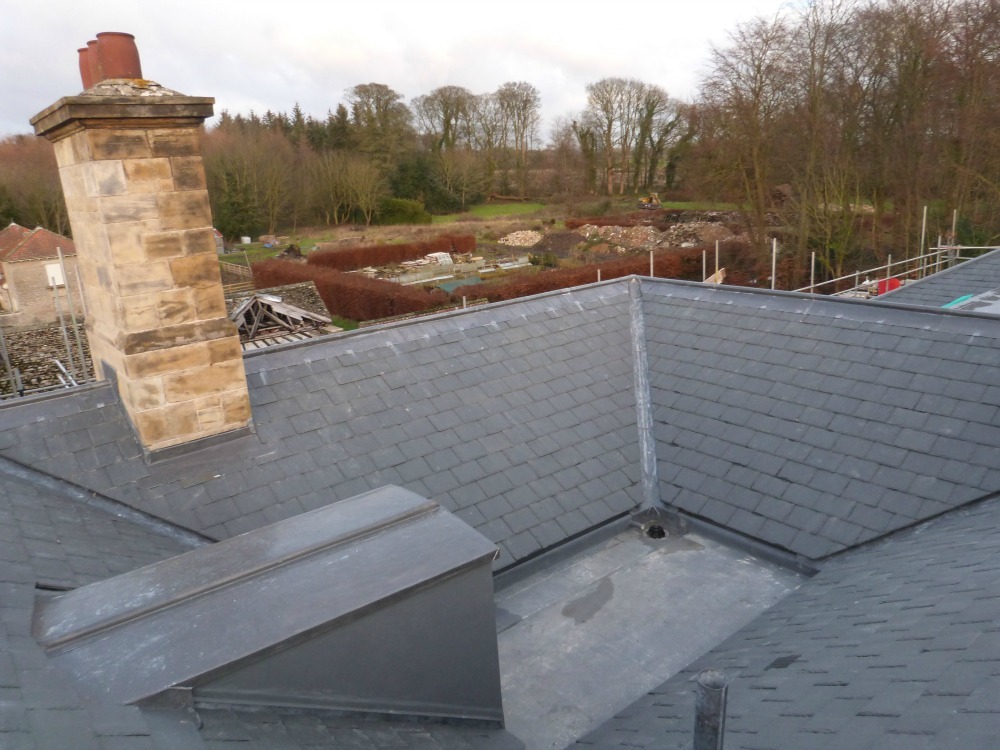
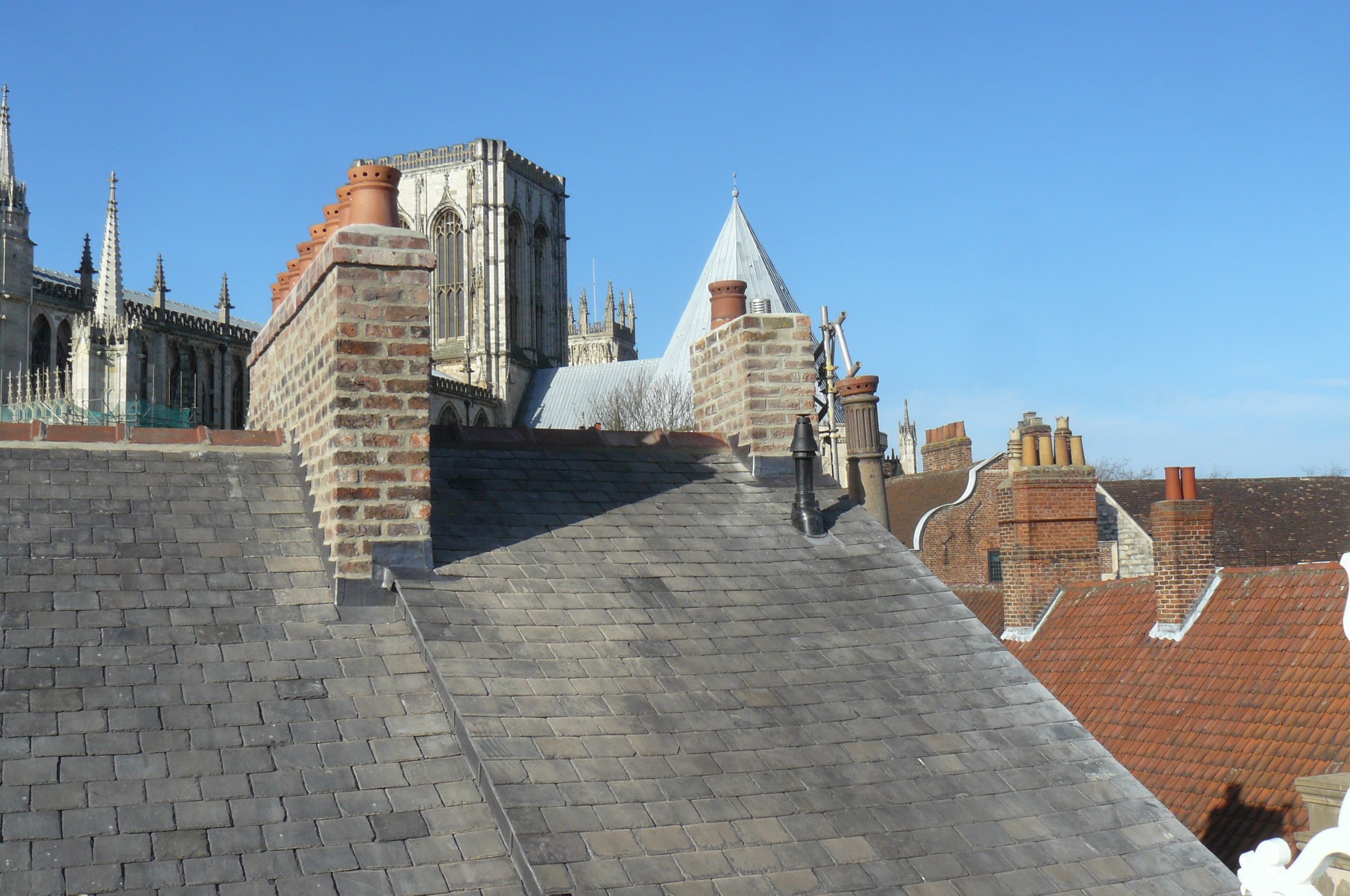
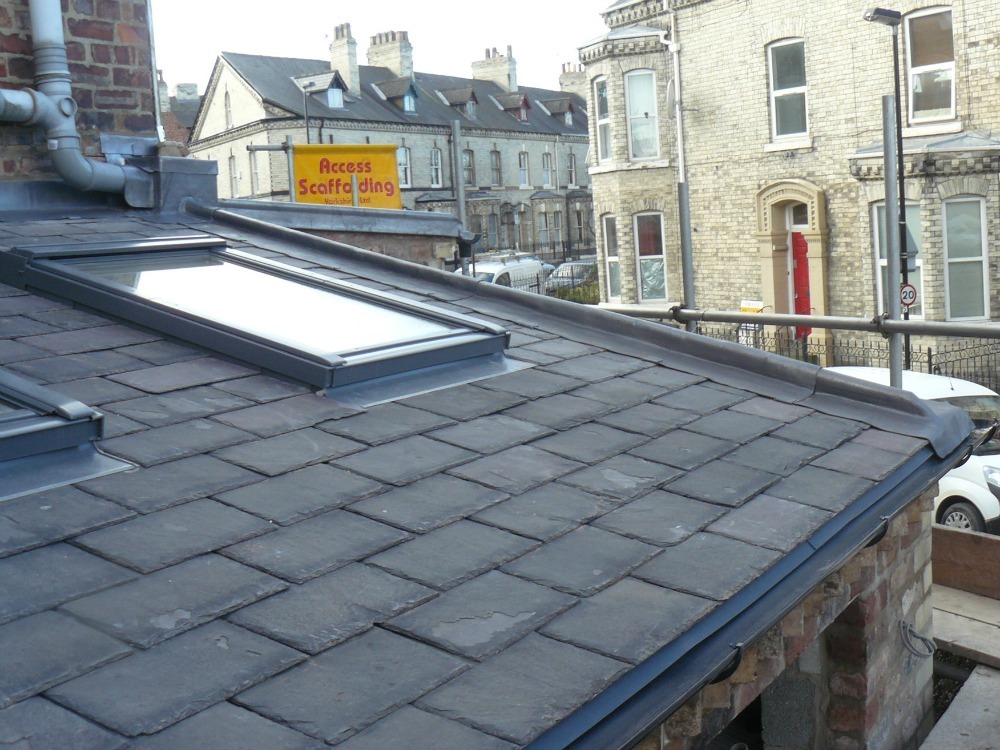
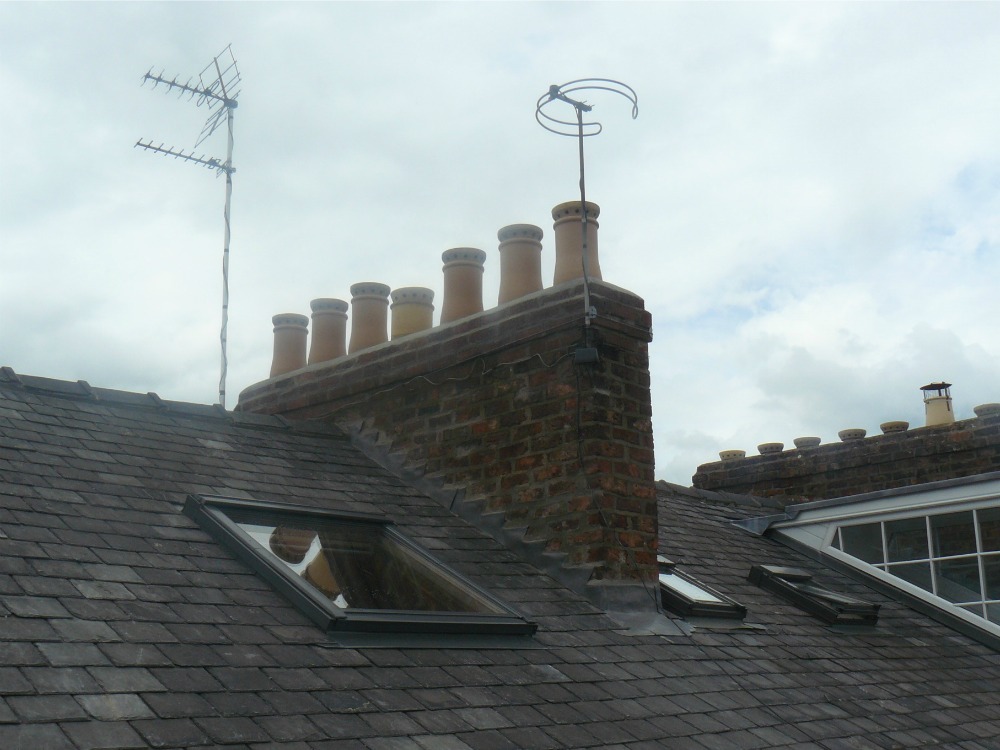
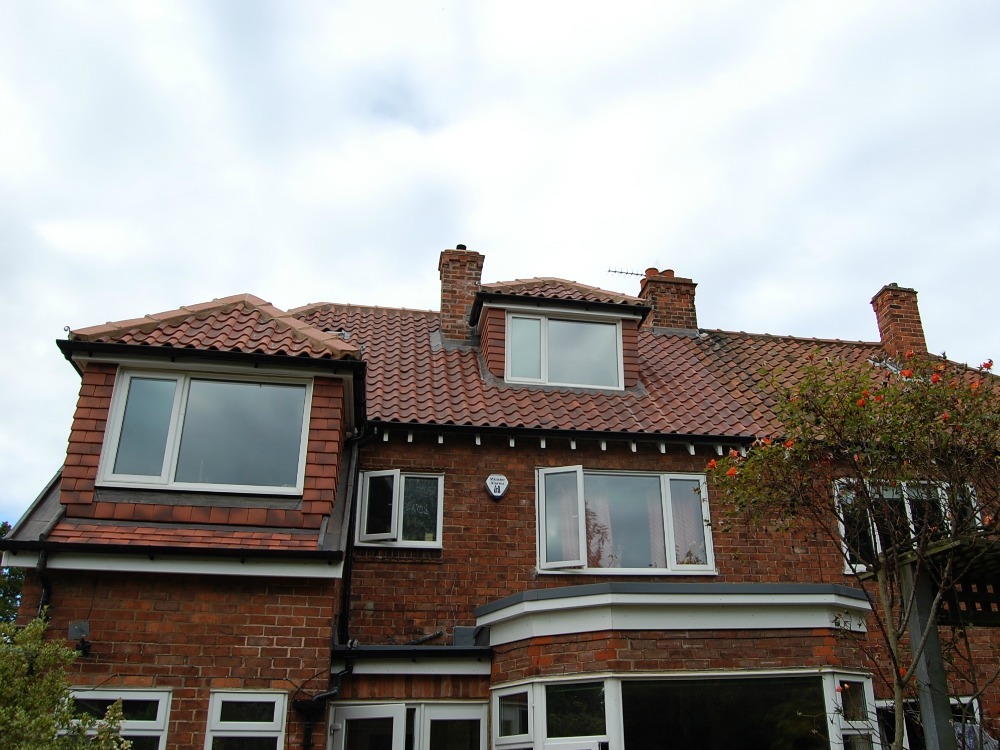
Around it are chimneys, valleys, gutters, rooflights, abutments, ridges, verges, leadwork and neighbouring roof interfaces.
A successful re-roof therefore begins with a proper inspection and specification rather than simply selecting a new roof covering and asking for a price per square metre.
Re-Roofing Contractor Building RegulationsNot every defective roof needs a complete re-roof.
An inspection should establish whether the problem is localised or whether the roof covering and associated details have reached the stage where repeated repairs no longer provide sensible value.
Age alone is not a sufficient reason to replace a roof. Natural slate, clay tiles and well-detailed metal coverings can provide extremely long service lives.
Equally, a comparatively modern roof can fail prematurely because of defective fixings, unsuitable materials, poor ventilation, inadequate detailing or inappropriate previous alterations.
Arrange a Roof Inspection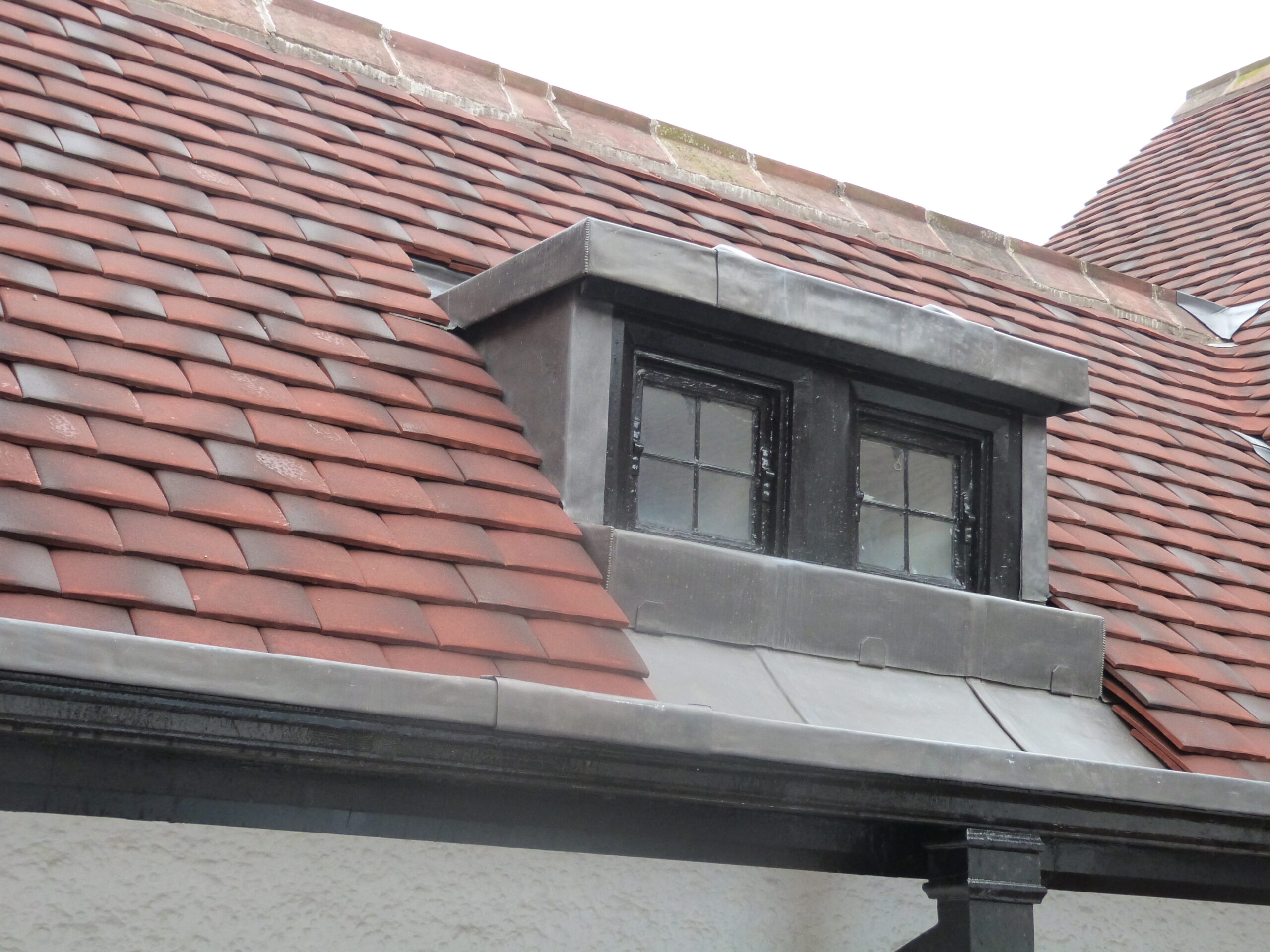
No single defect automatically means that complete replacement is required. The overall pattern of deterioration is more important.
Repeated water ingress from different areas may indicate widespread deterioration rather than a single isolated defect.
Frequent slate or tile movement can indicate failing fixings, deteriorated battens or advanced covering failure.
Old roofing felts and membranes may become brittle, torn or ineffective after prolonged service.
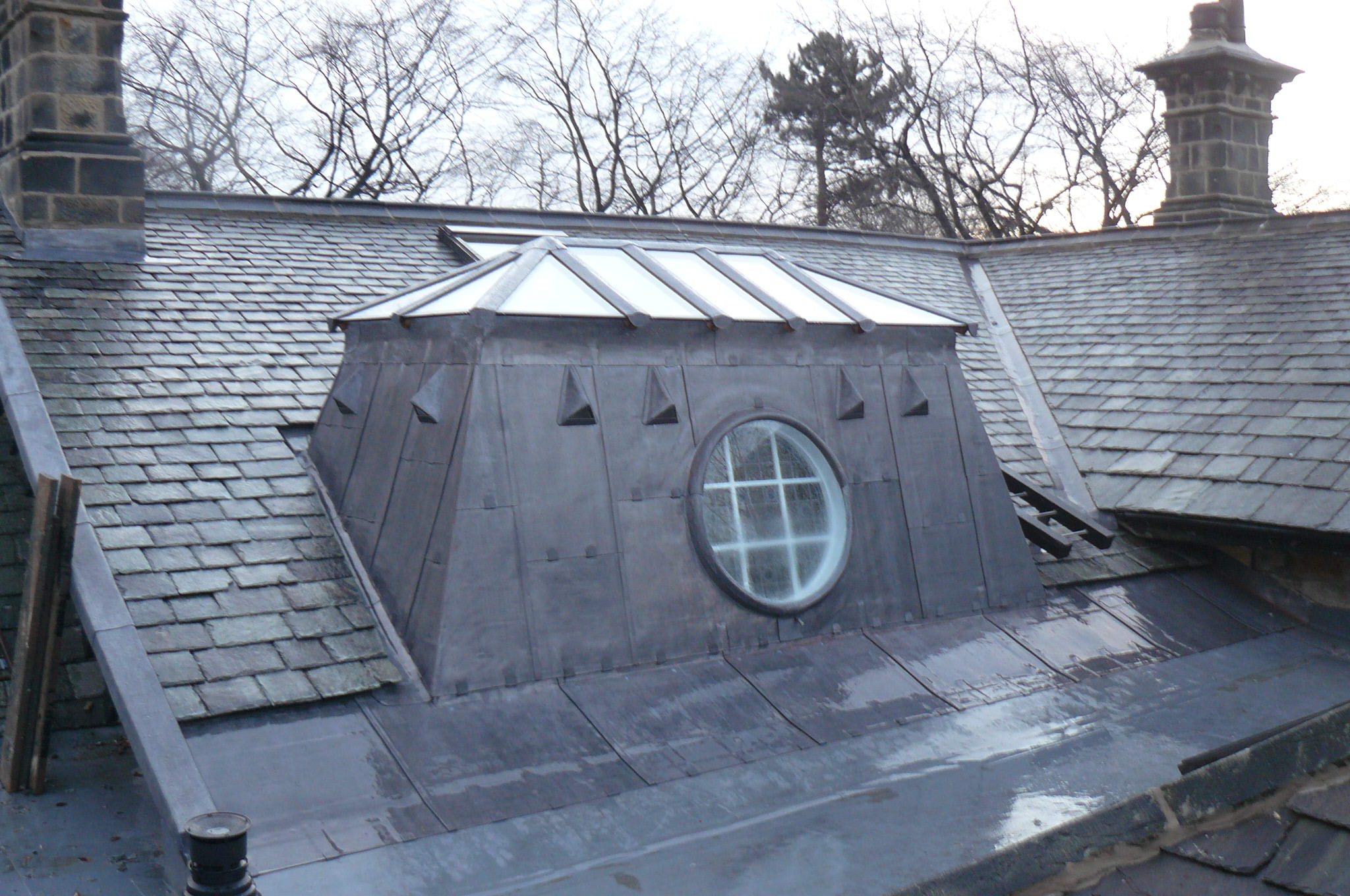
Valleys, gutters and flashings may split, fatigue or become unsuitable for continued incorporation into a renewed roof.
A roof requiring frequent intervention may cost more to maintain than properly planned replacement.
Poor ventilation, inappropriate materials, condensation or defective previous workmanship may justify a more comprehensive intervention.
The quality of the contractor will normally have a greater influence on the finished roof than the brand of slate, tile or membrane selected.
Online reviews and personal recommendations are useful, but they should be supported by evidence of genuine technical competence.
Look for:
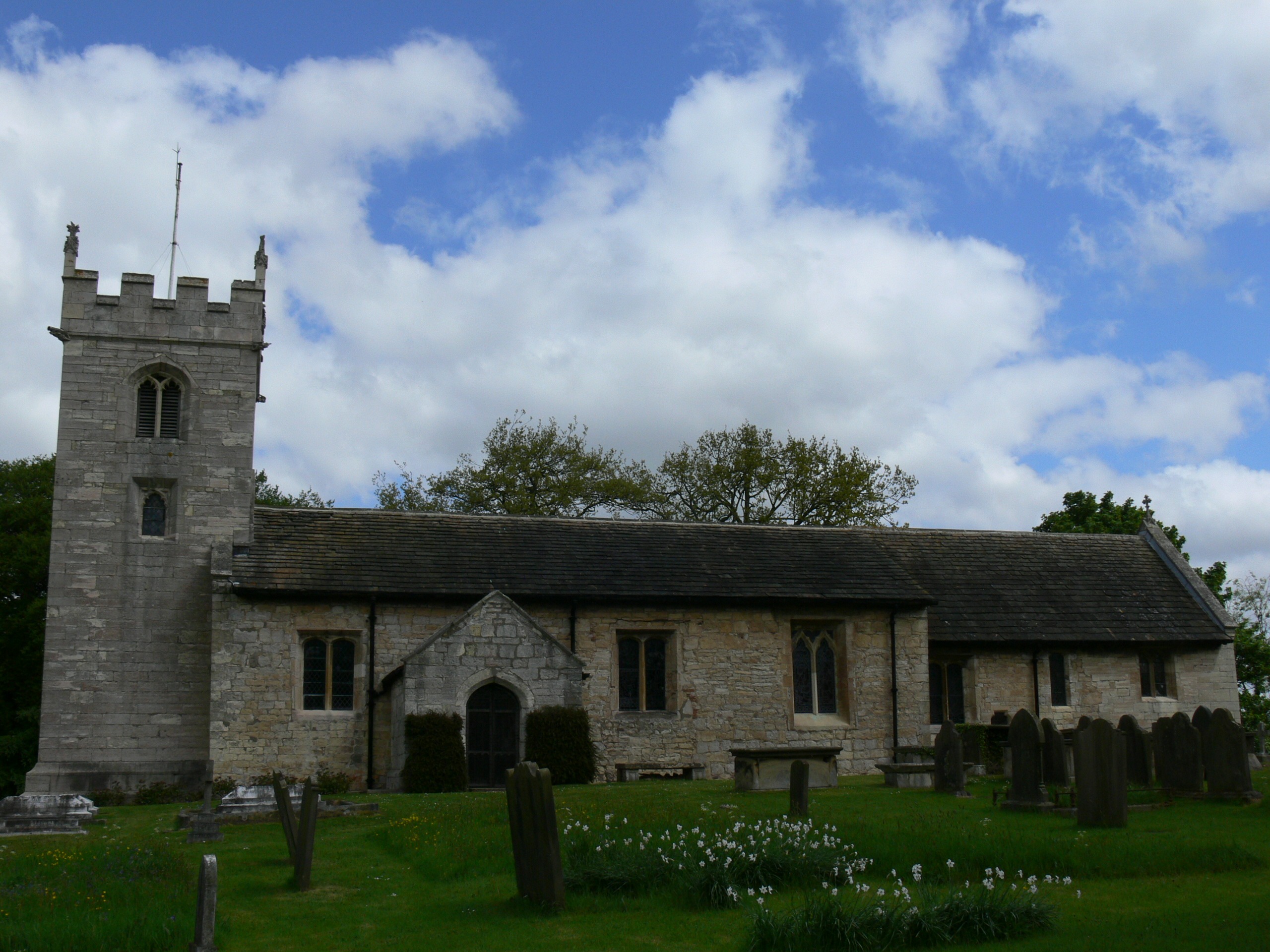
A contractor experienced primarily with concrete interlocking tiles may not necessarily be the right contractor for diminishing-course Westmorland slate, complex leadwork or a listed church.
Ask to see projects genuinely comparable with the building and material being proposed.
Membership of organisations such as the National Federation of Roofing Contractors can provide useful additional evidence of contractor capability and professional standards.
Depending upon the contractor and work, other relevant schemes may include TrustMark and CompetentRoofer.
A competent contractor should be capable of discussing:
A low headline price is meaningless unless you know what has actually been included.
A professional quotation should provide sufficient information for the client to understand what will be removed, supplied, installed and certified.
The quotation often forms a significant part of the eventual contract and should therefore be clear before acceptance.
Re-Roofing ServicesReplacing a roof can engage Building Regulations as well as material-specific standards and manufacturer requirements.
Where sufficient renovation of a thermal element takes place, thermal upgrading may be required subject to the applicable regulatory provisions.
Building Regulations GuideSlating and tiling requires appropriate consideration of fixings, wind uplift, battens and underlays.
BS 5534 GuideChanging insulation, membranes or roof construction can alter moisture behaviour and condensation risk.
Moisture ManagementThe most suitable roof covering should respond to the building, structure, pitch, location, exposure and architectural character.
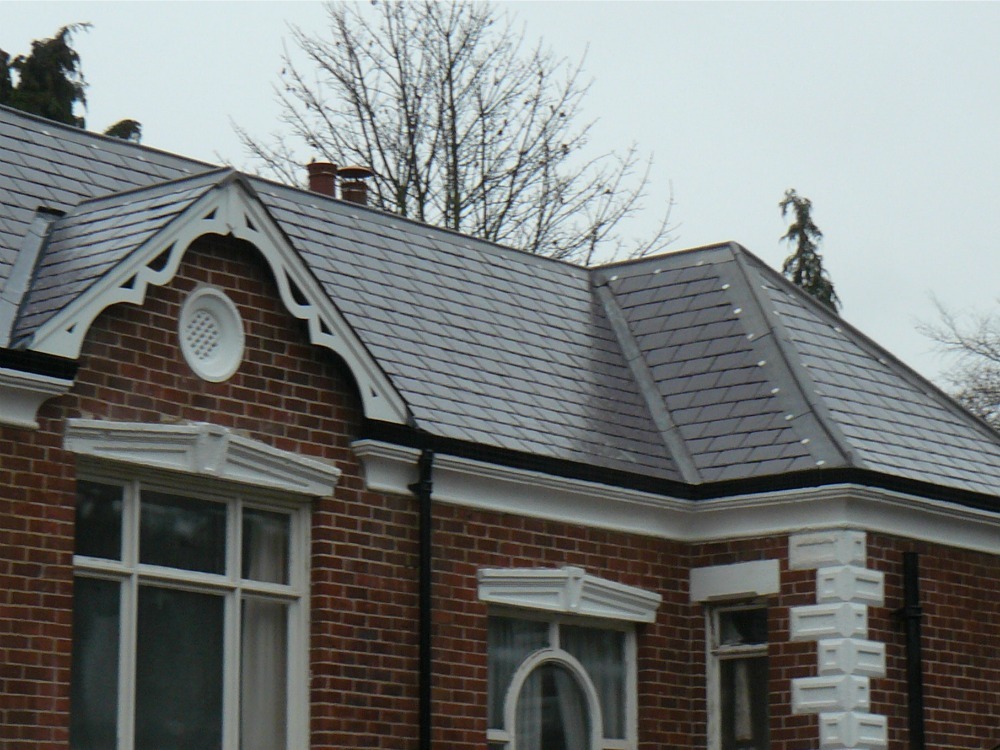
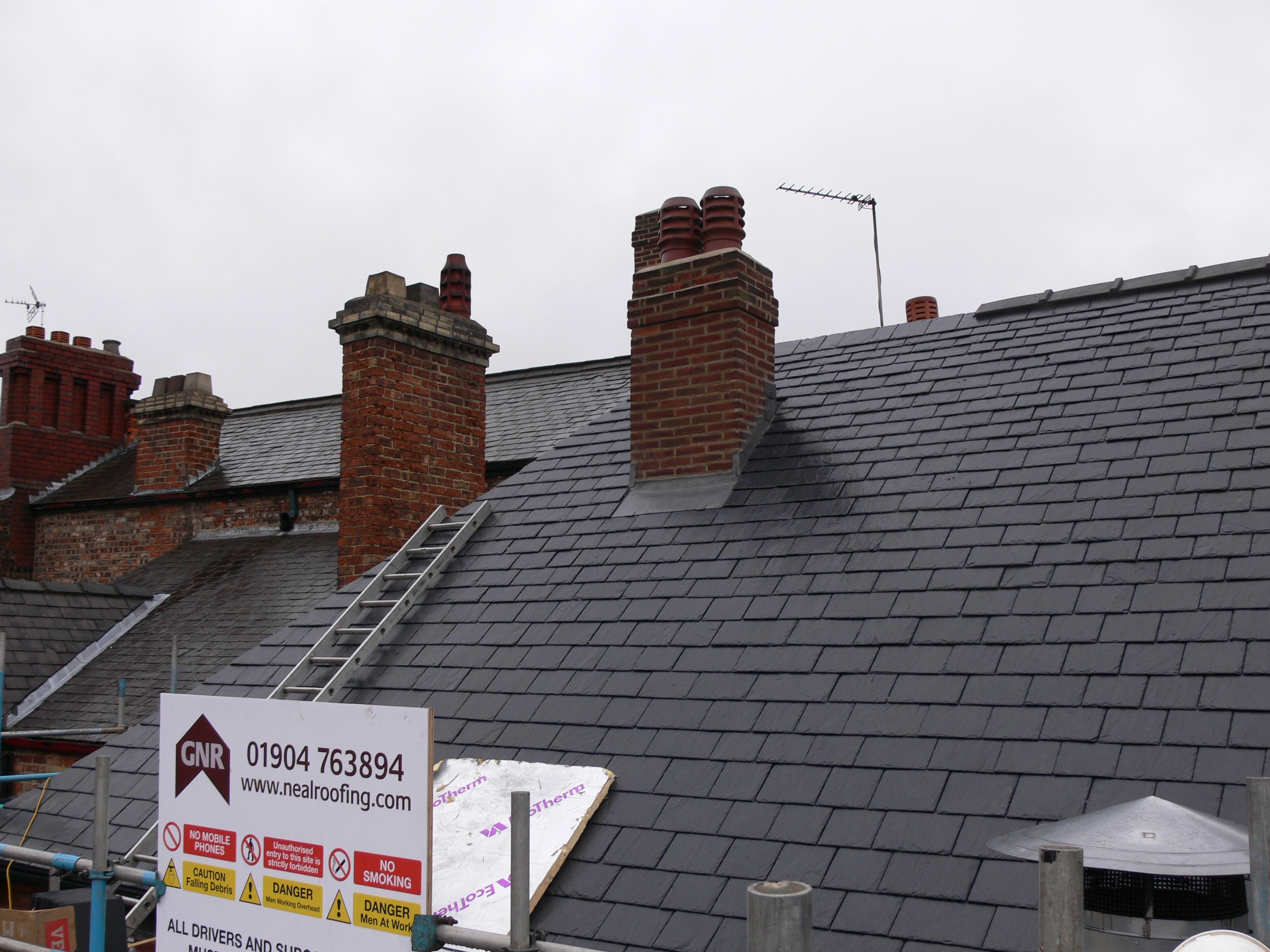
Long-lived, relatively lightweight and appropriate for many traditional and high-quality buildings.
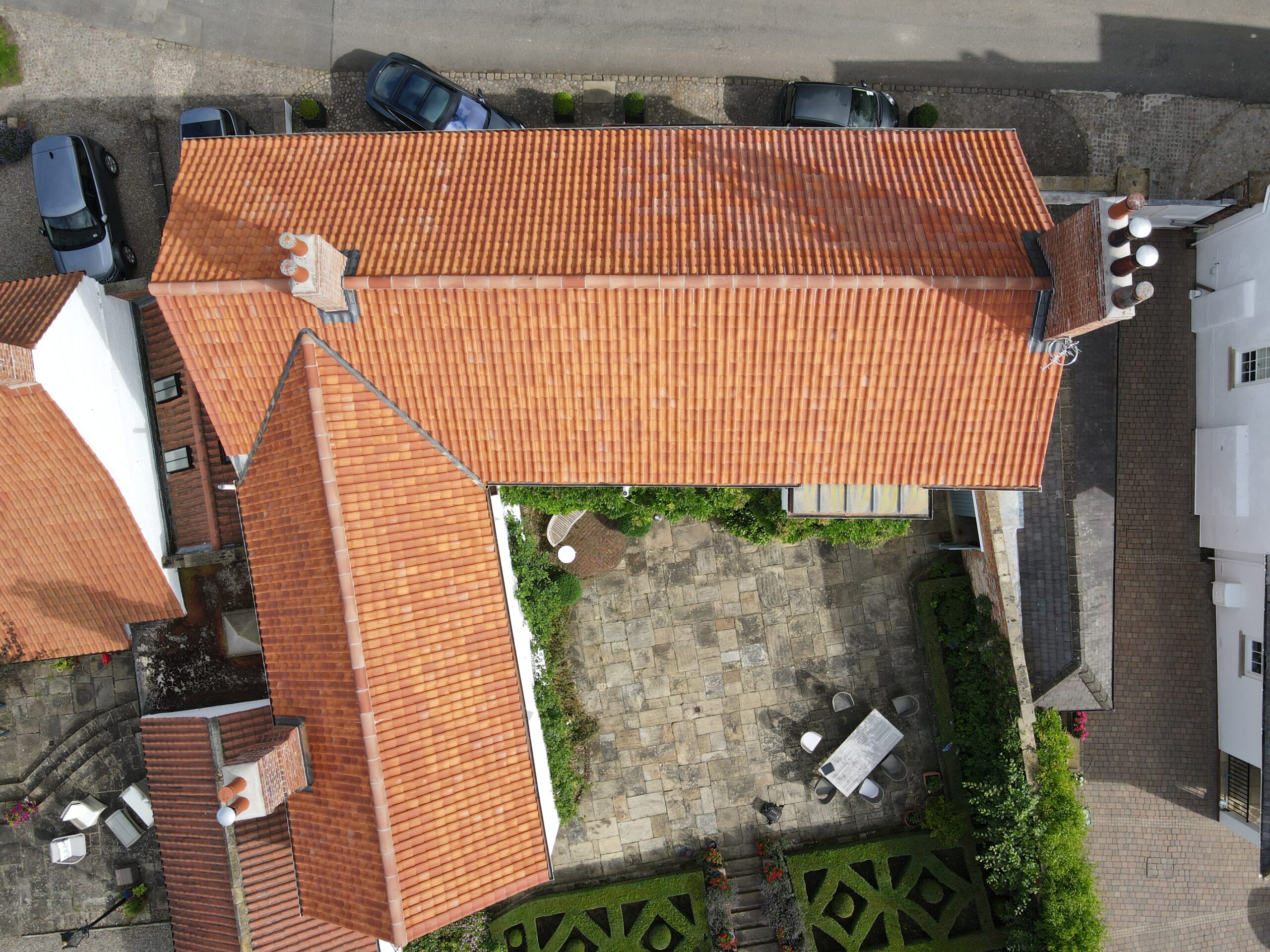
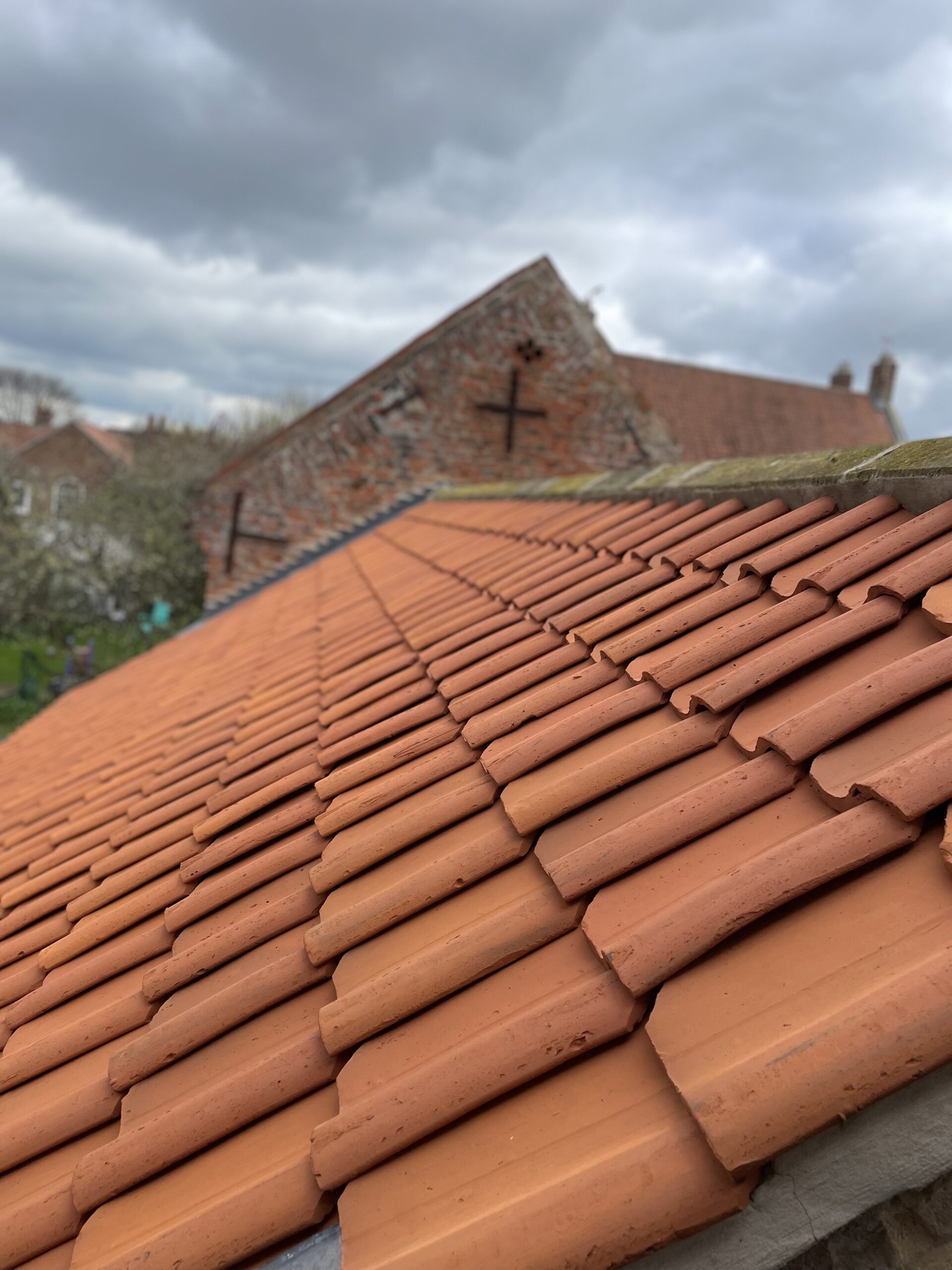
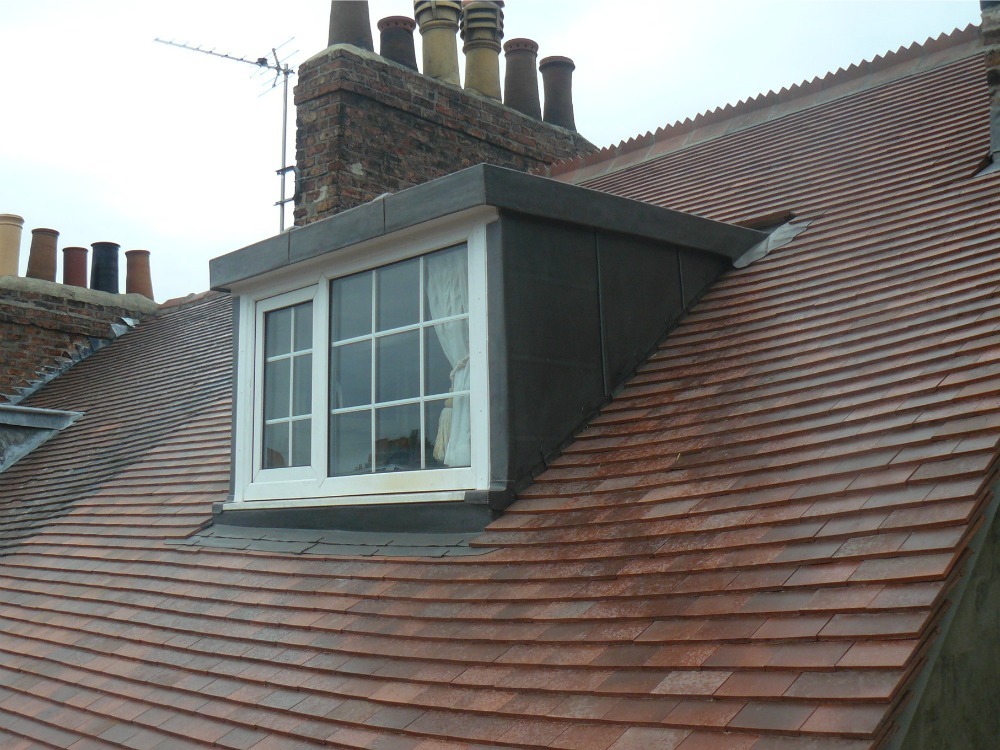
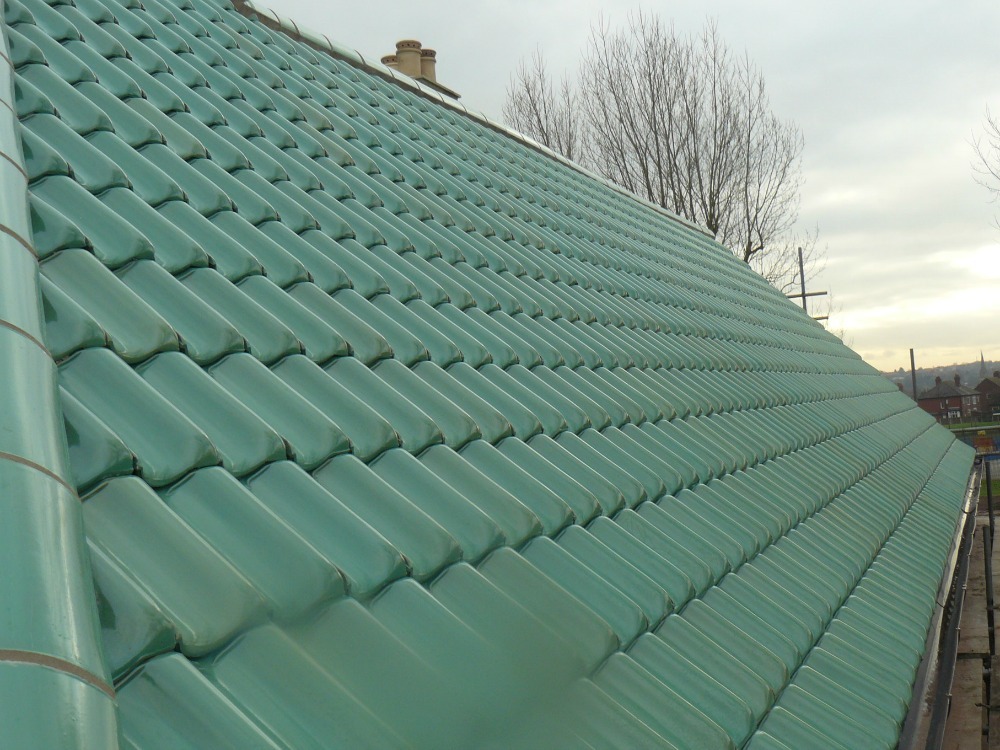
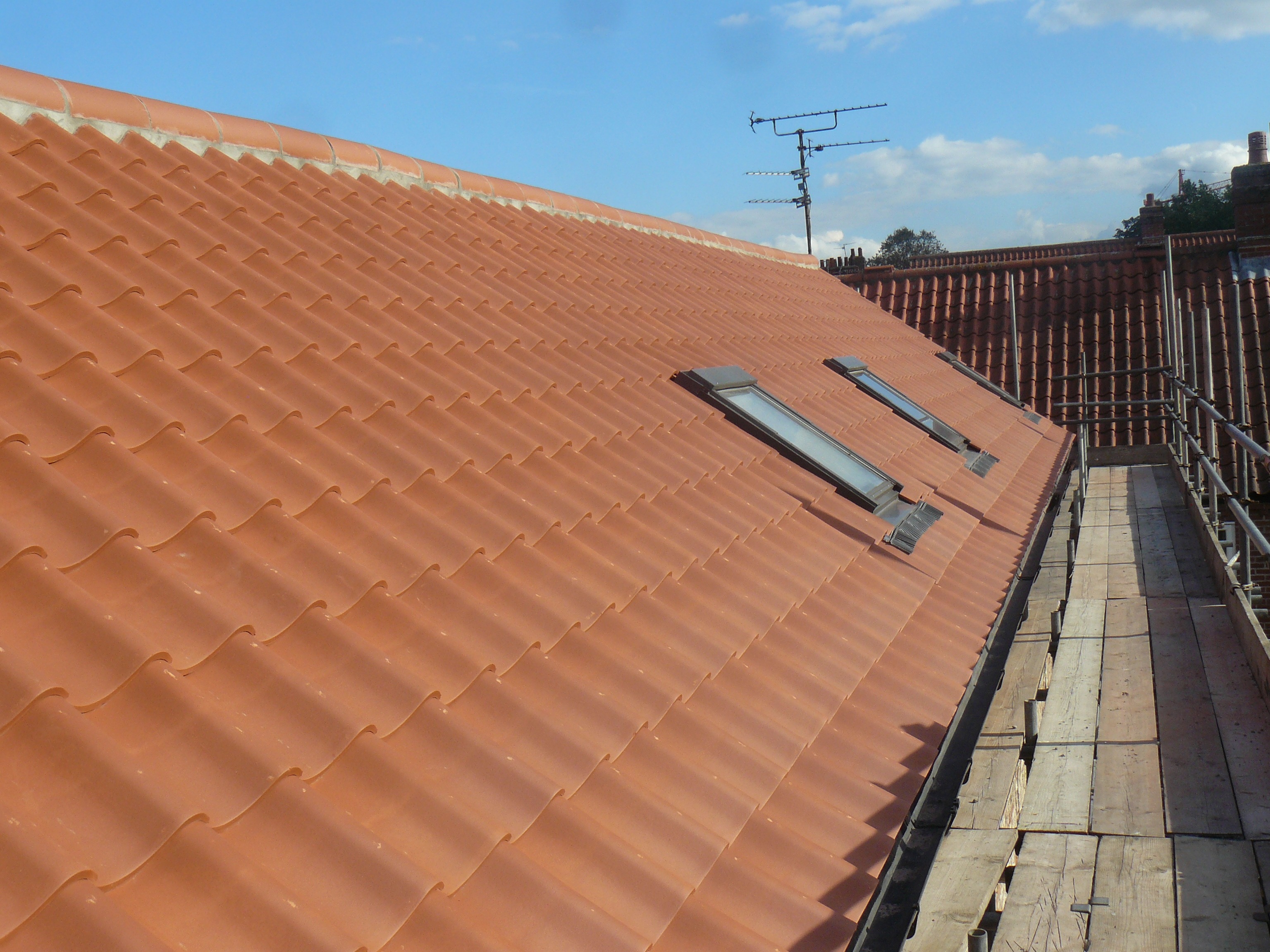
Slate RoofingPlain tiles, pantiles and interlocking clay systems provide a broad range of traditional and contemporary appearances.
Roof TilingHighly specialist regional roof covering generally requiring skilled sorting and diminishing-course installation.
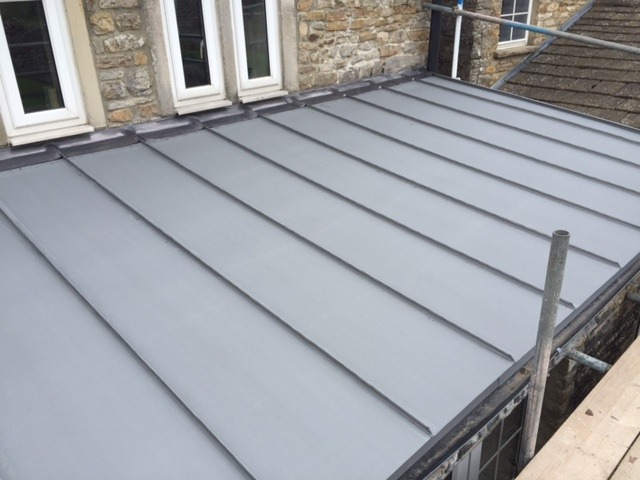
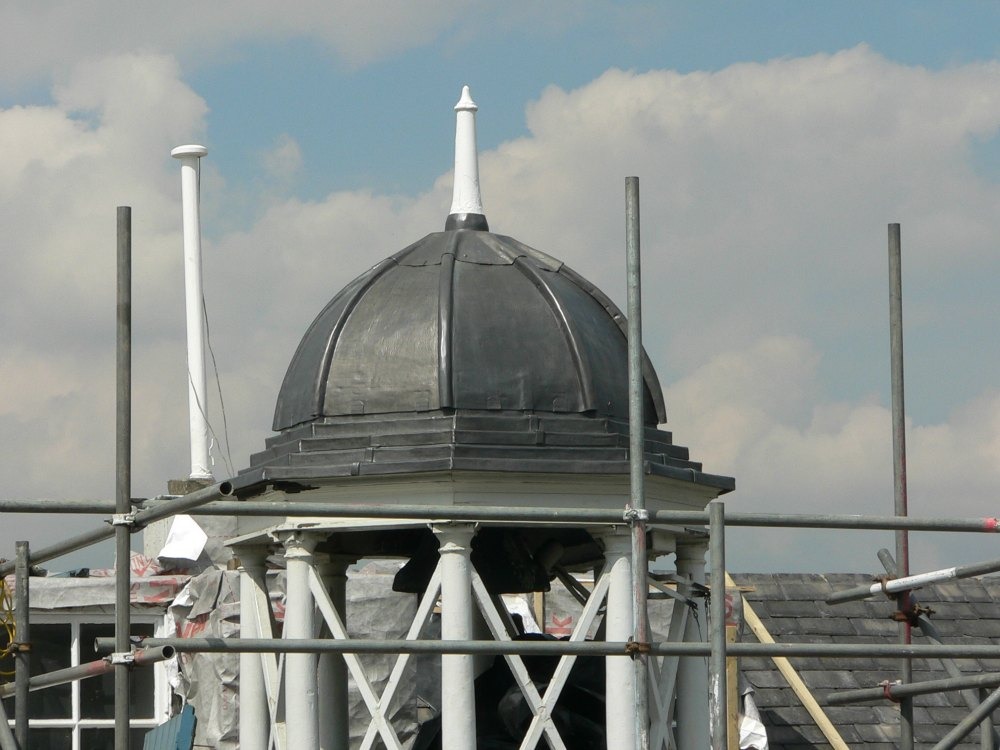
Stone Slate RoofingLead, zinc and stainless steel can provide exceptional durability for complete roofs and complex weathering details.
Roofing ServicesMany roof failures occur not across the main field of slate or tile but where different materials and building elements meet.
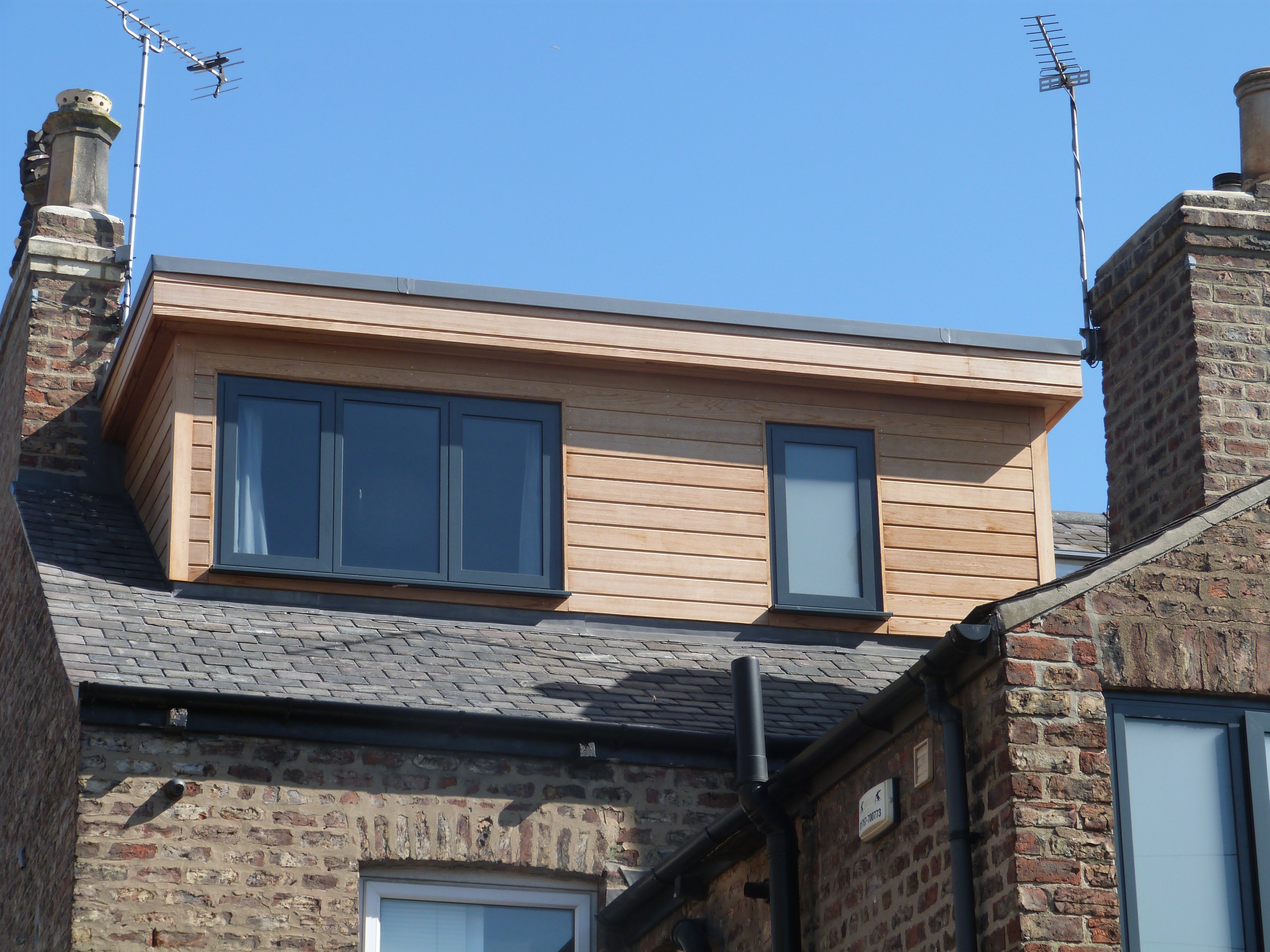
Particular attention should be given to chimneys, valleys, dormers, abutments, rooflights, neighbouring roofs, parapets and rainwater outlets.
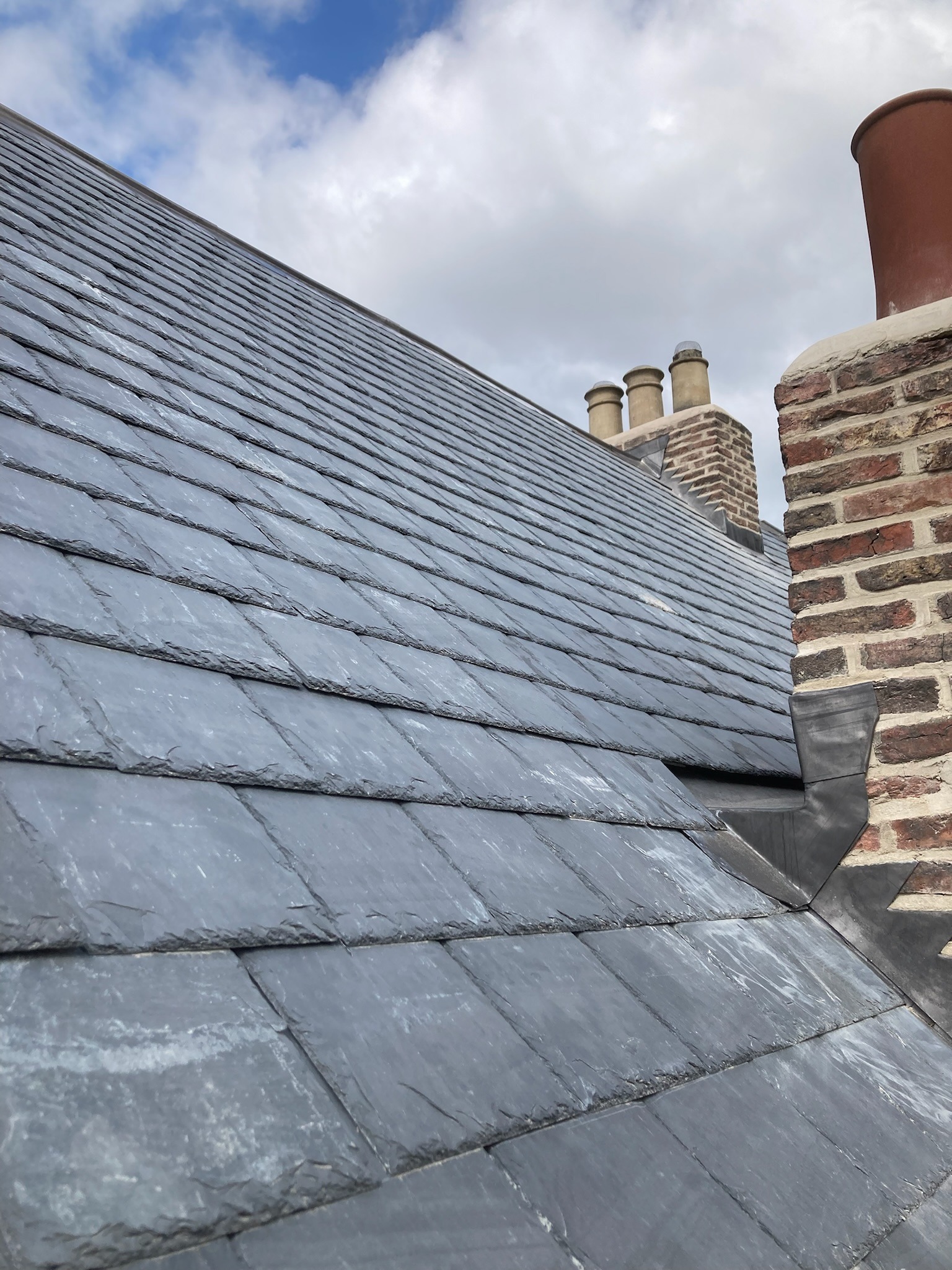
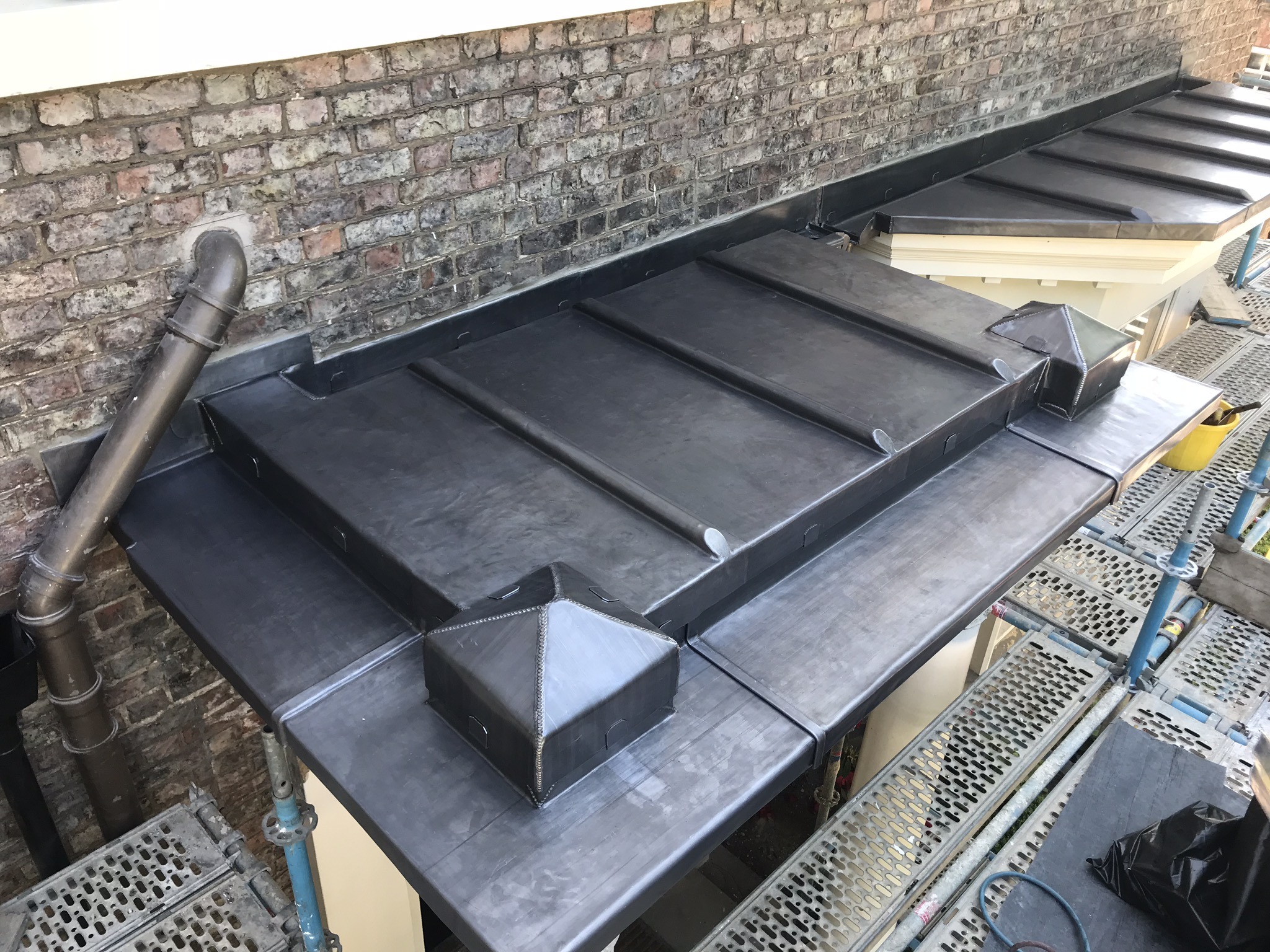
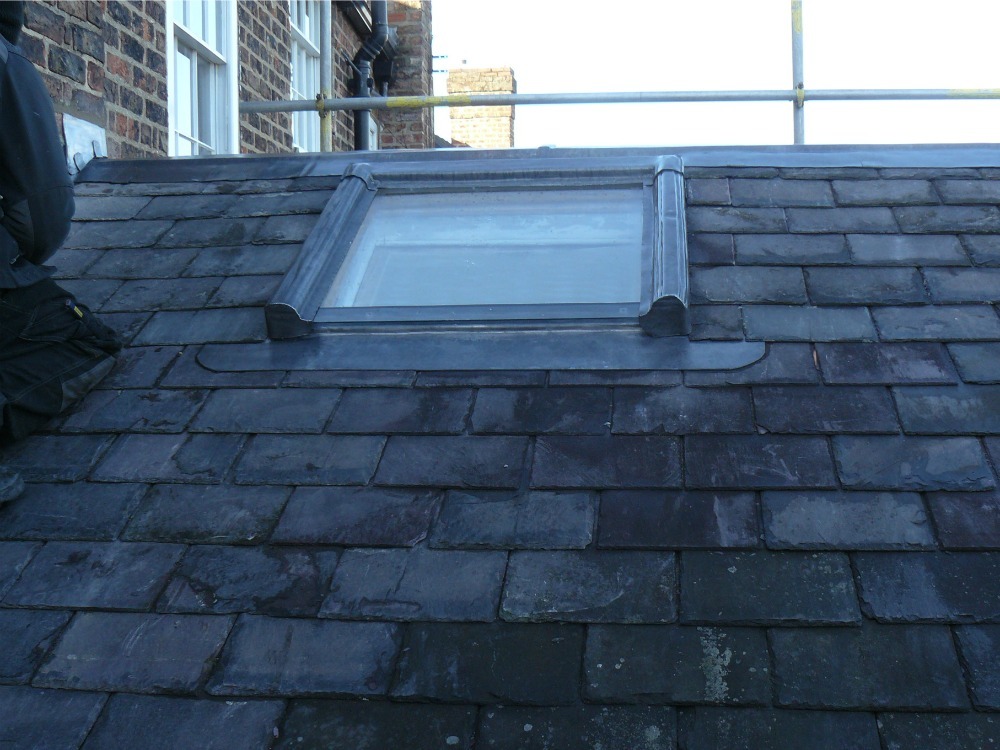
Existing leadwork should not automatically be retained simply because it is currently watertight. Its remaining service life should be considered against the expected life of the new roof covering.
Replacing deteriorated flashings and valleys while access is already available can avoid substantial future scaffold and disruption costs.
Specialist LeadworkSome defects cannot reasonably be identified until the existing covering, battens or deck have been removed.
Typical concealed issues include:
The contract should explain how unforeseen work is handled.
Ideally, additional work should be documented, priced and approved before it proceeds, except where immediate action is reasonably necessary to protect the building.
Clients should be wary of contracts that leave every concealed item open-ended without explaining rates, valuation procedures or approval.
Likewise, contractors cannot reasonably be expected to include every concealed structural defect within a fixed quotation where those defects could not have been identified beforehand.
The handover of a roofing project should involve more than removal of the scaffolding.
Depending upon the project, the completion information may include:
A roof should look deliberate and coherent.
Appearance nevertheless comes second to technical performance. The finished roof must resist weather, manage moisture and remain maintainable throughout its service life.
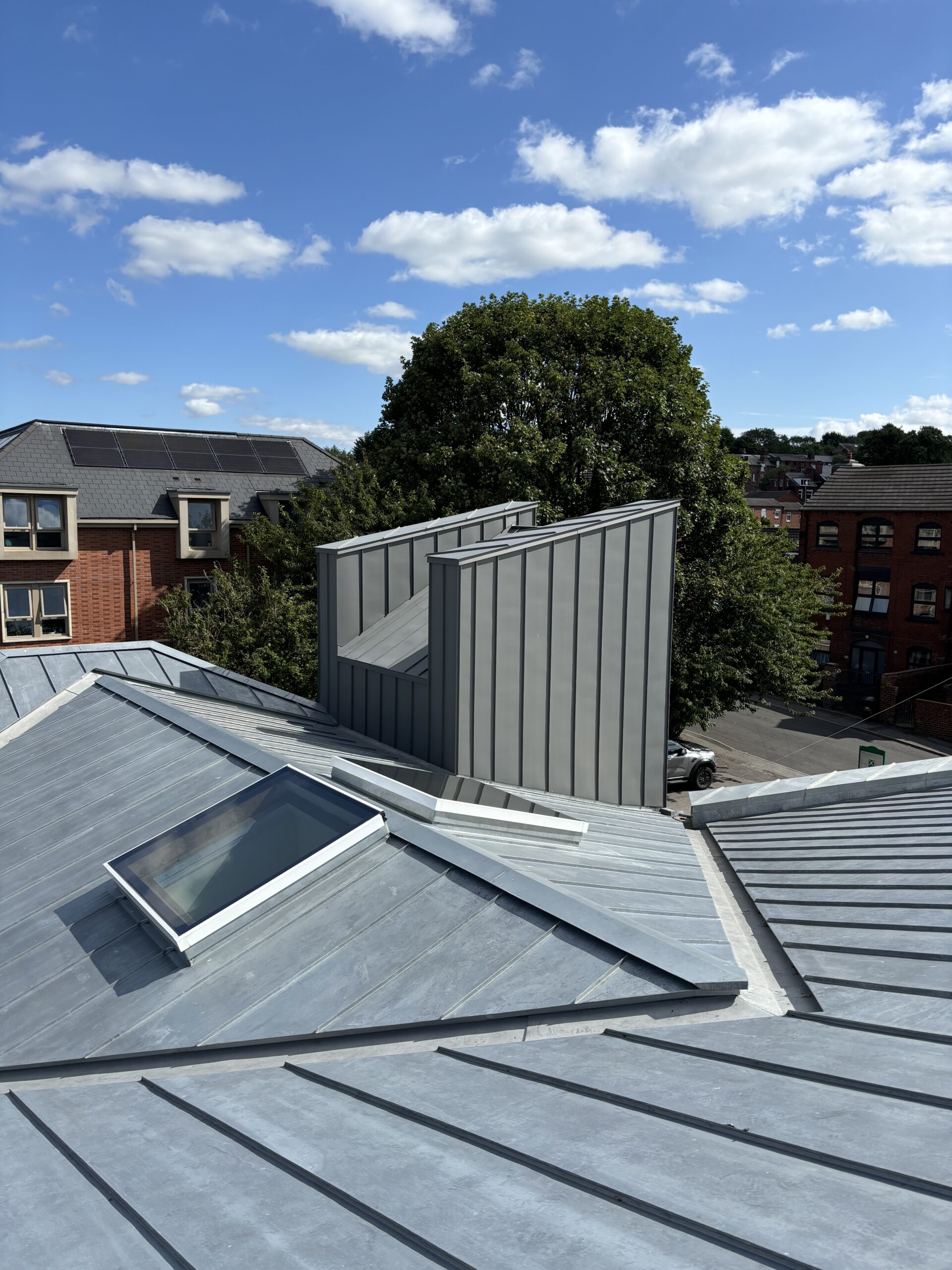
Roofing delivery against architectural specifications and contract documentation.
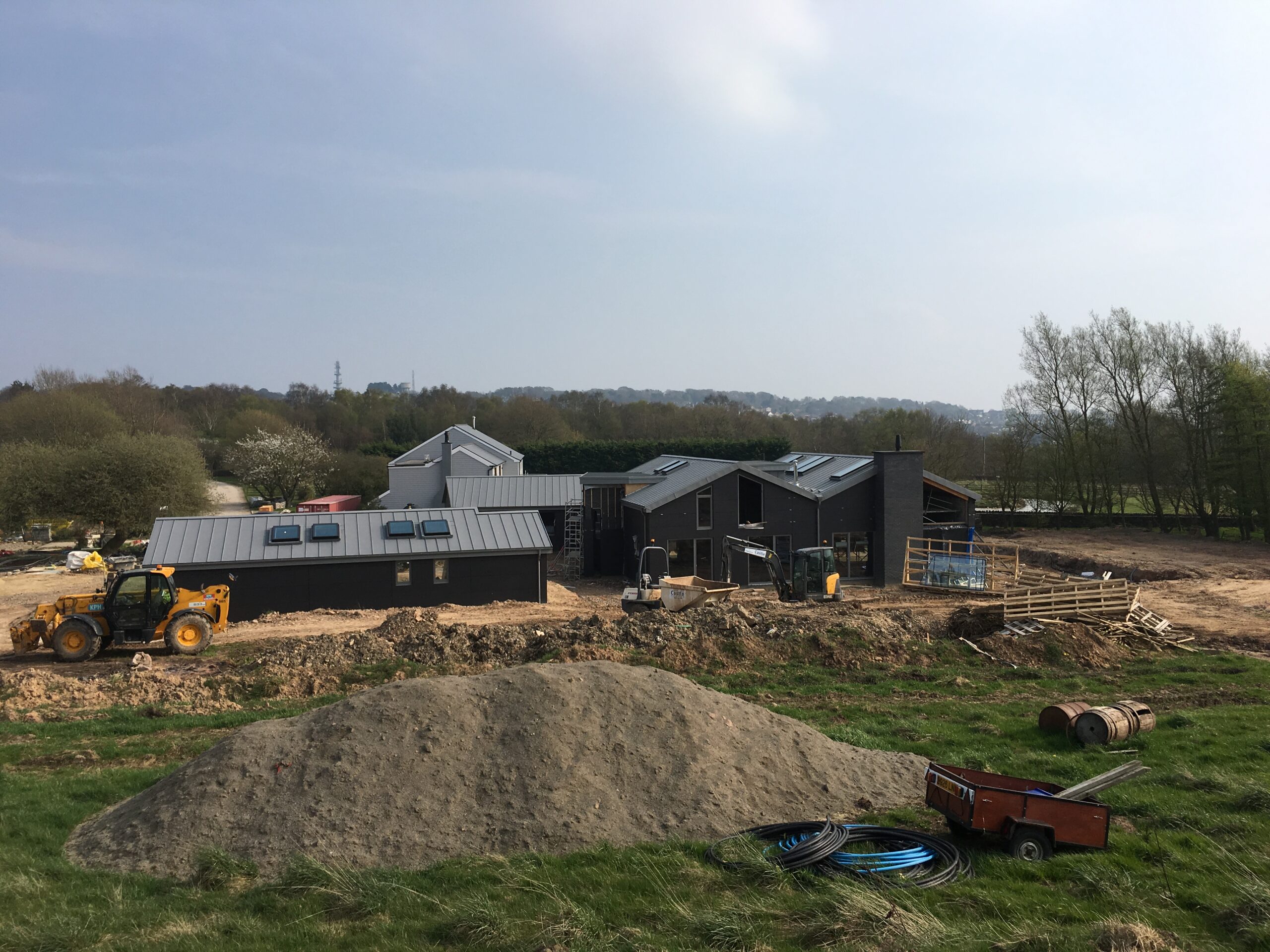
Documented roofing packages with compliance and project controls.
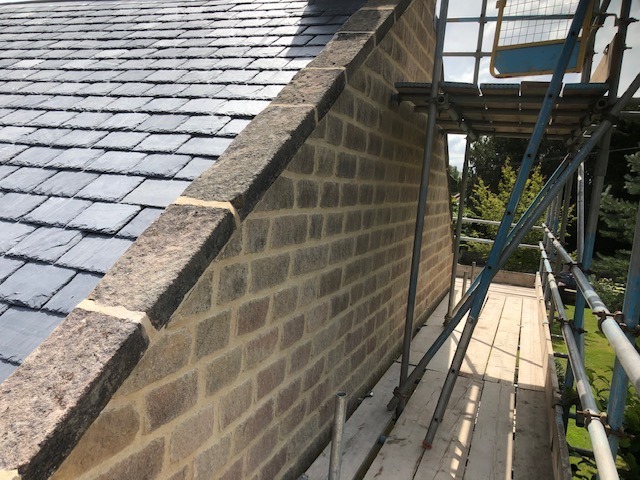
Survey-led roof replacement with a clearly defined specification.
Do not rely on branding, reviews or a professional-looking website alone. Check the underlying business.
Roofing failures can be visible immediately or remain hidden within the construction for years.
Where recently completed roofing work is suspected to be defective, an independent inspection may be appropriate before further remedial works are undertaken.
Arrange a Roof InspectionCommon questions about replacing roofs, quotations, regulations, materials and contractor selection.
Recurring leaks, widespread broken or slipped coverings, deteriorated fixings, defective underlay, repeated repairs and ageing leadwork can indicate that replacement should be considered.
A roof inspection is normally the best way to distinguish between repairable defects and more widespread failure.
Depending upon the building, a complete re-roof may include scaffolding, strip-out, timber repairs, membrane, battens, fixings, slates or tiles, leadwork, ventilation, insulation, gutters, chimney work and Building Regulations certification.
Service life varies significantly by material, exposure, detailing and maintenance.
High-quality natural slate and clay roofs can provide very long service lives, while other manufactured systems may have different expected durability. Installation quality is as important as the material selected.
Building Regulations may apply where sufficient renovation of a thermal element is undertaken. Thermal upgrading, structural loading and other requirements may therefore need consideration.
The compliance route should be established before work begins.
Where regulations require an upgrade, insulation will need consideration. Even where an upgrade is not mandatory, re-roofing can provide an opportunity to improve thermal performance.
Any change must nevertheless be considered alongside ventilation, vapour movement and condensation risk.
Only where it remains suitable and has adequate remaining service life.
It can be false economy to install a roof expected to last many decades around valleys or flashings that are already near the end of their useful life.
There is no mandatory number. Comparing two or three properly specified quotations can be useful, but comparisons are only meaningful where contractors are pricing broadly equivalent scopes.
The cheapest quotation is not necessarily the lowest-cost roof over its lifetime.
Concealed defects should normally be documented and dealt with through the agreed variation procedure.
The defective construction should be repaired before the new roof covering is installed.
Price is important, but it should be considered alongside scope, materials, competence, insurance, compliance, project experience, warranty and the quality of the proposed construction.
Neal Roofing undertakes complete survey-led roof replacement projects, from initial inspection and specification through to access, roofing, associated leadwork and applicable completion documentation.
Explore completed replacement roofs incorporating natural slate, clay tiles, leadwork, hard metals and heritage materials.
Send us photographs, drawings, existing survey information or details of the property. We can review the project and advise whether the next step should be repair, further investigation or a structured re-roofing survey.