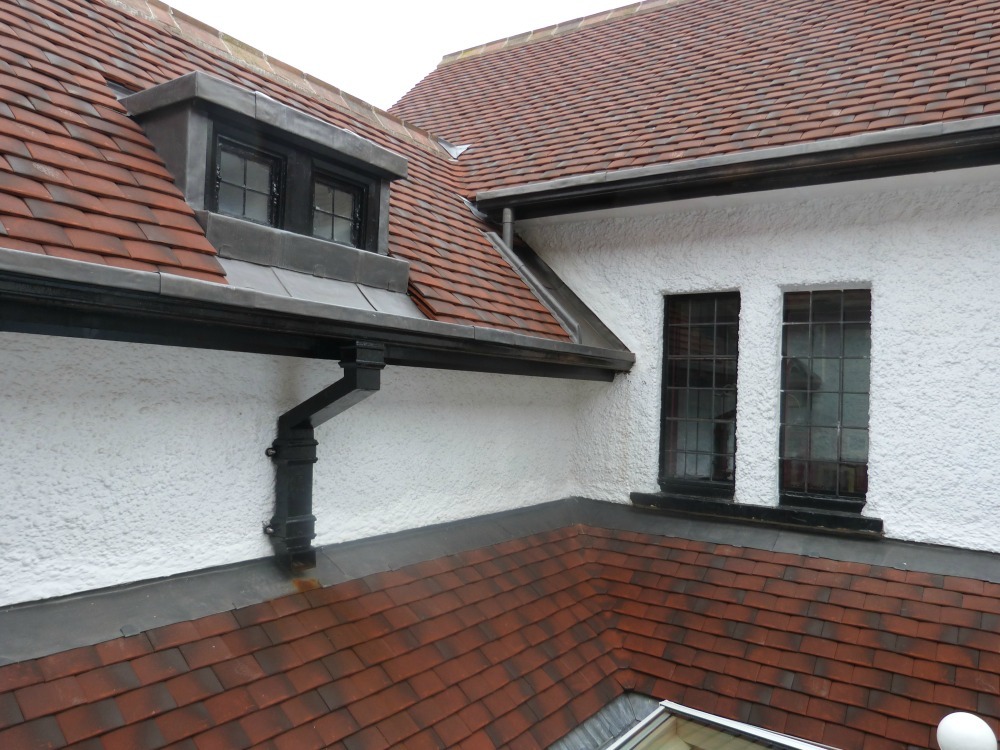
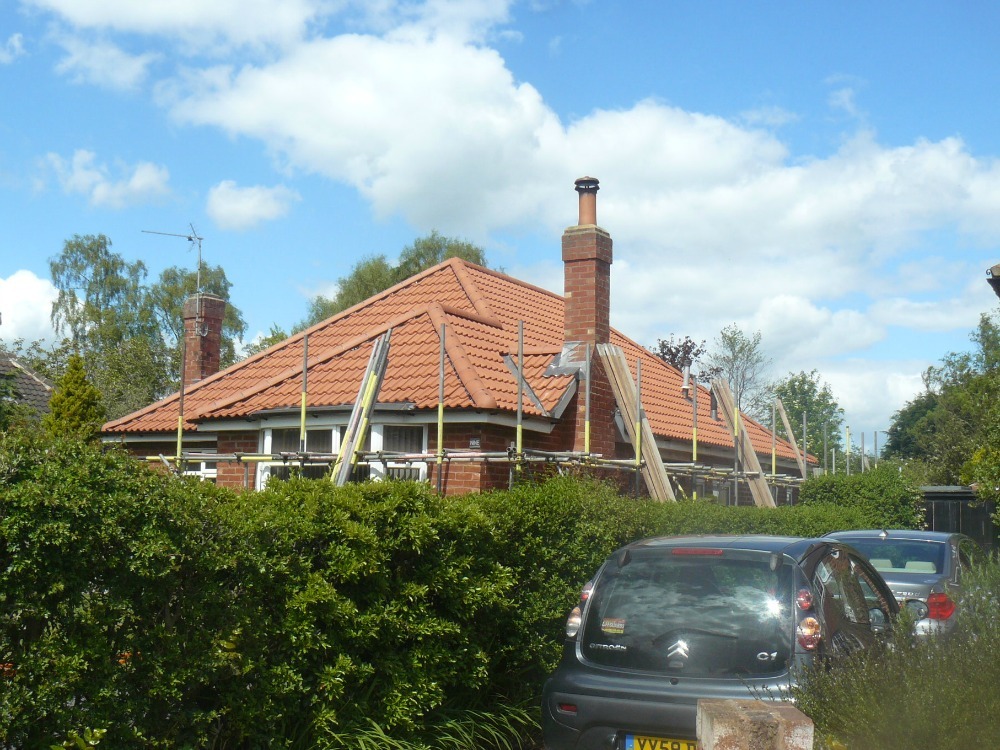
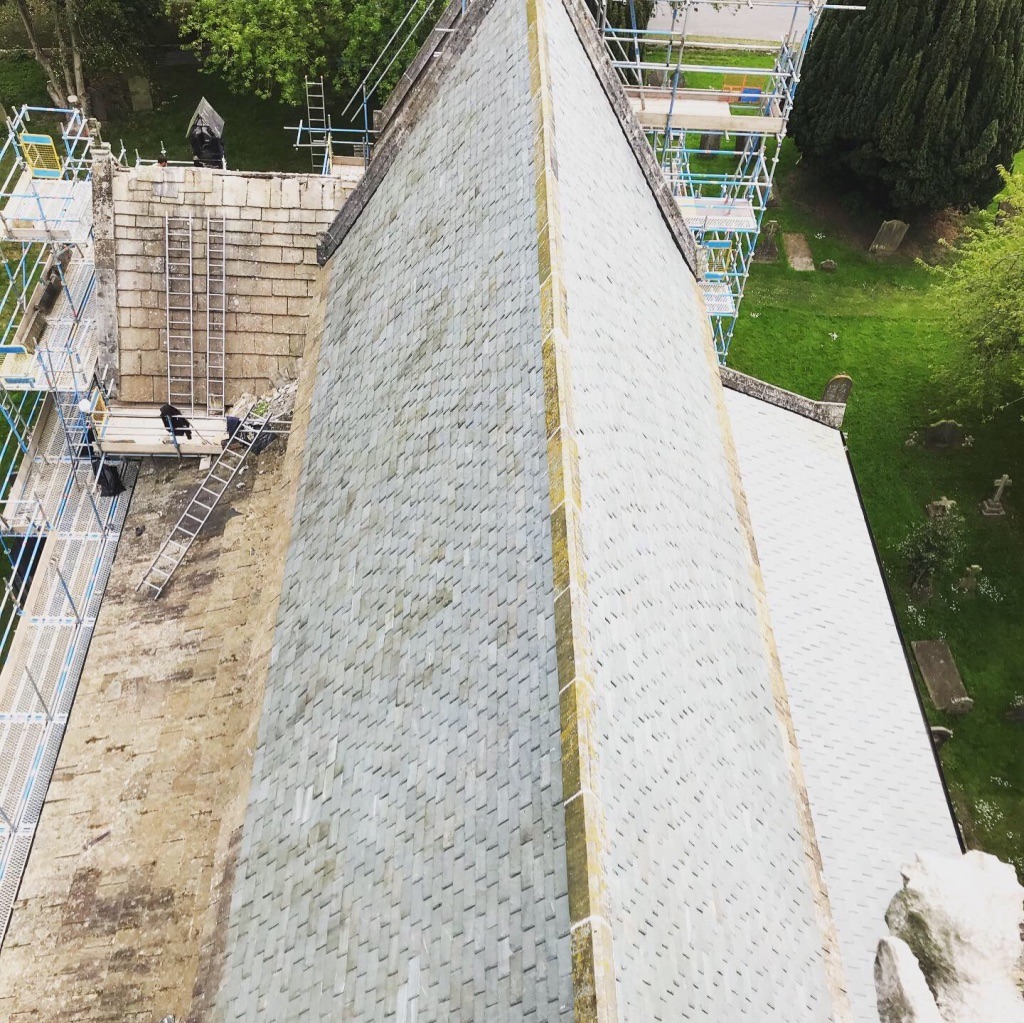
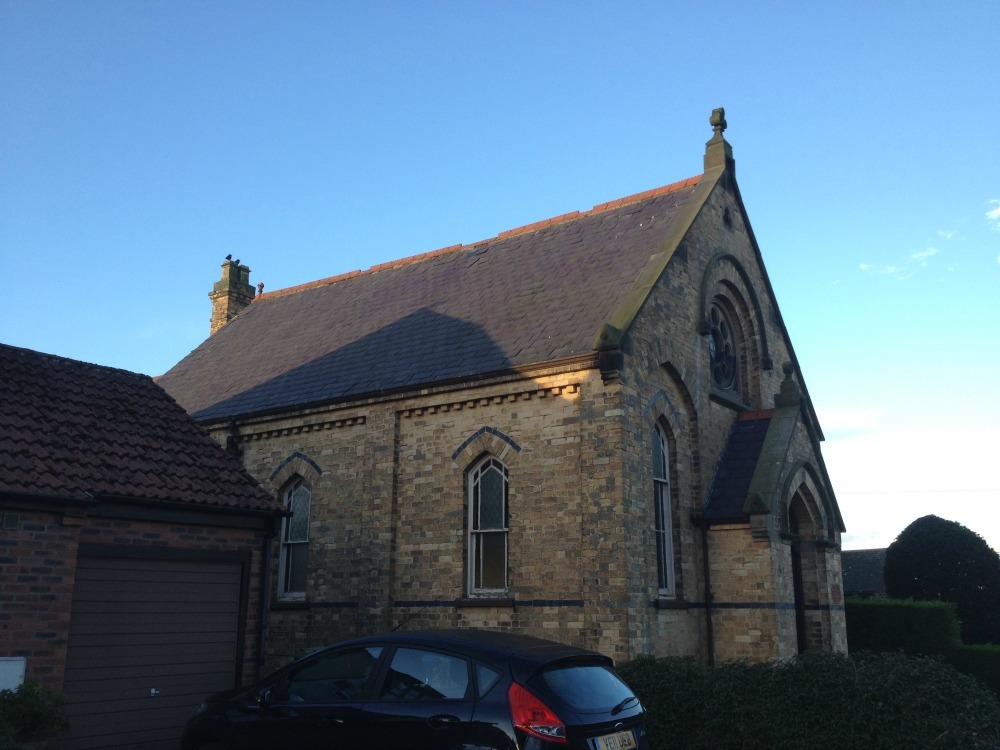
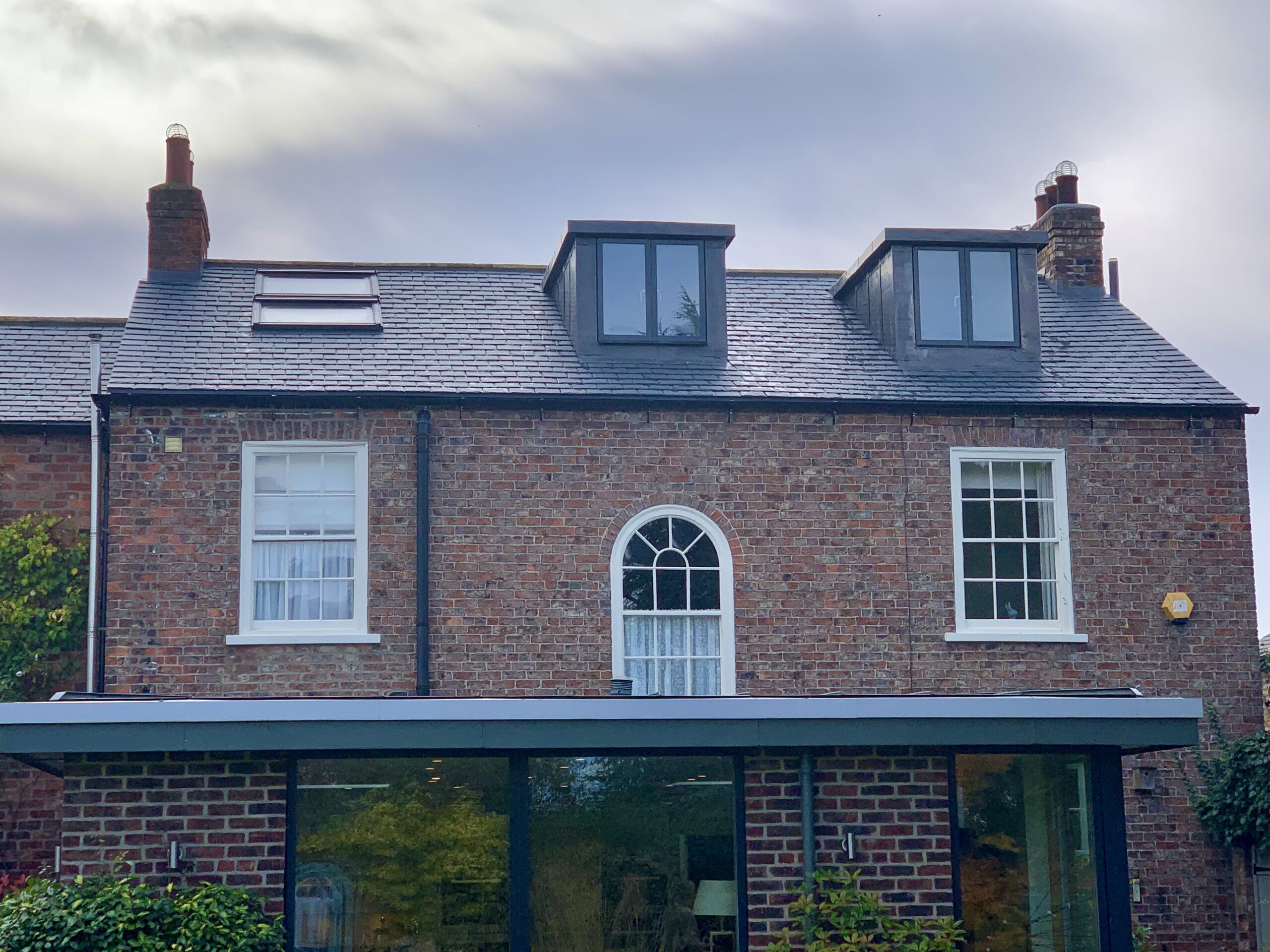
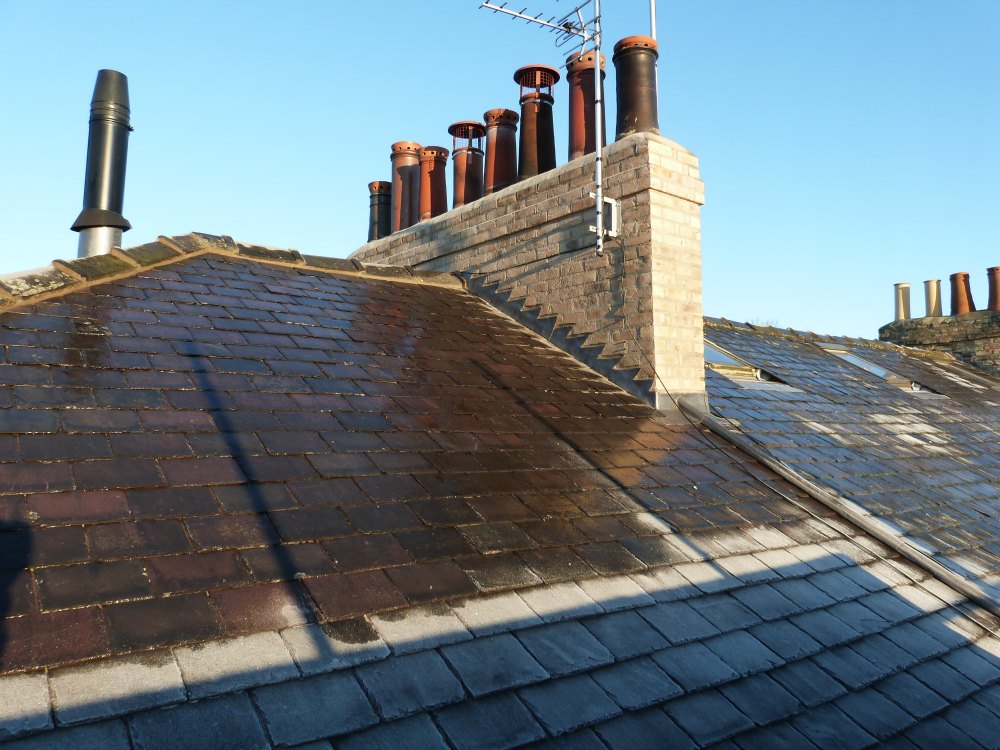
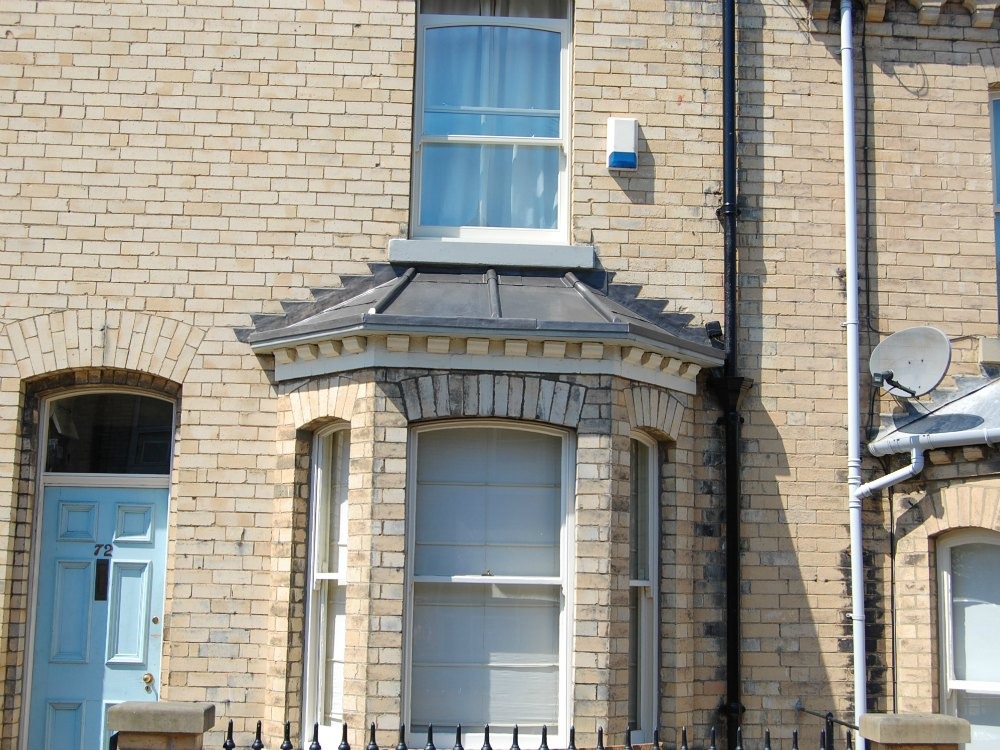
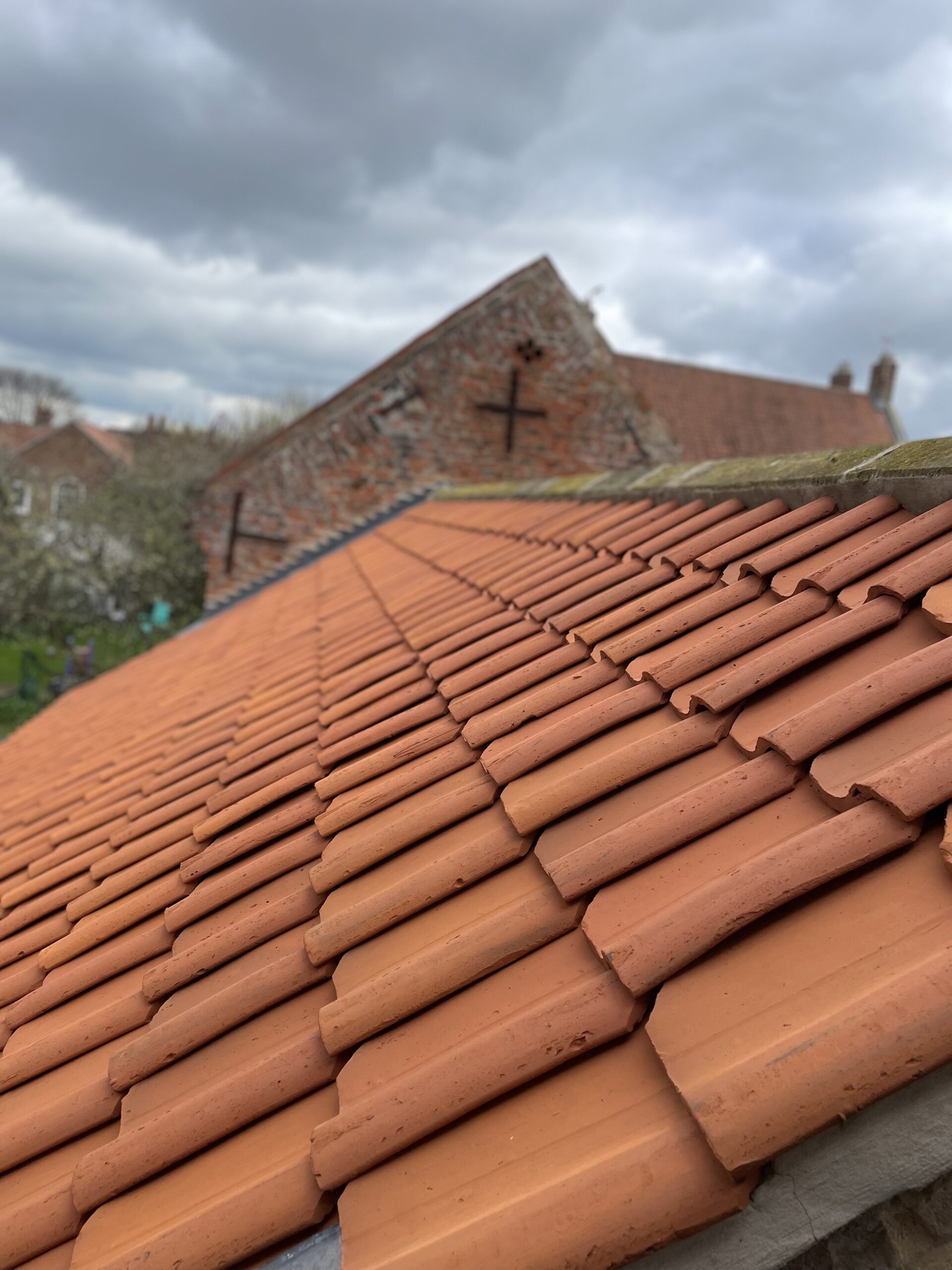
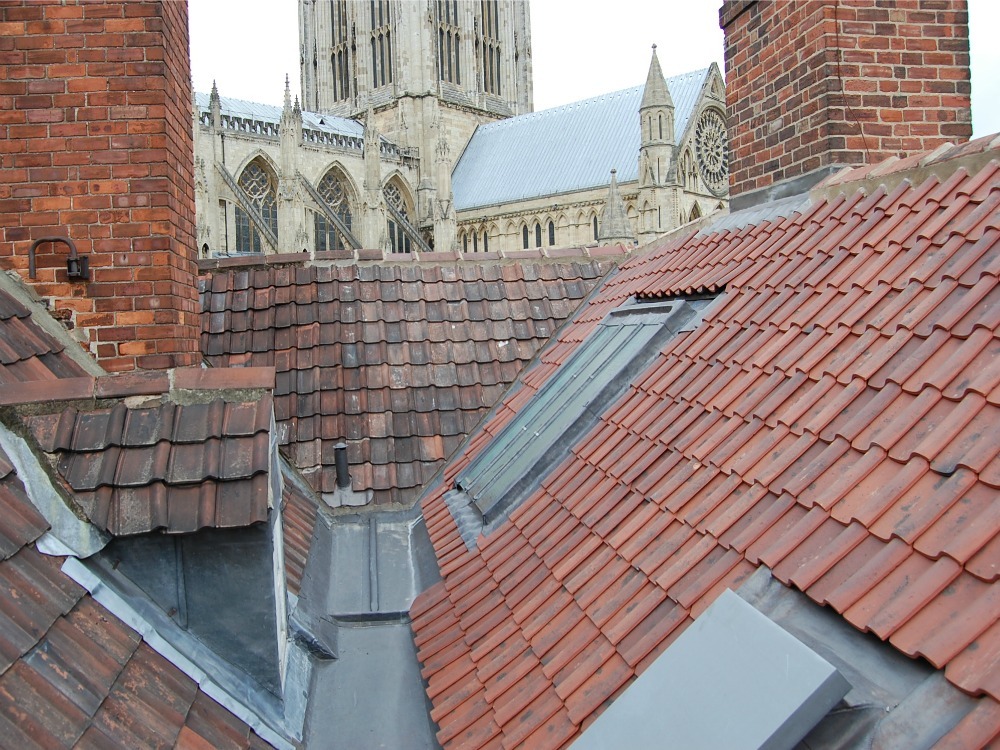
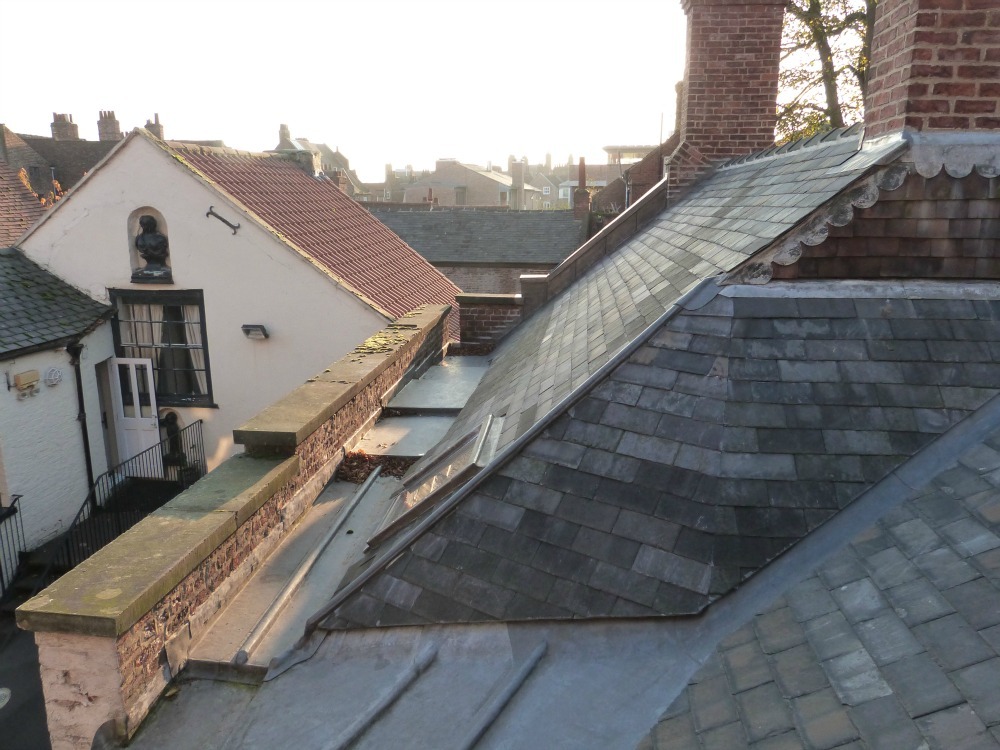
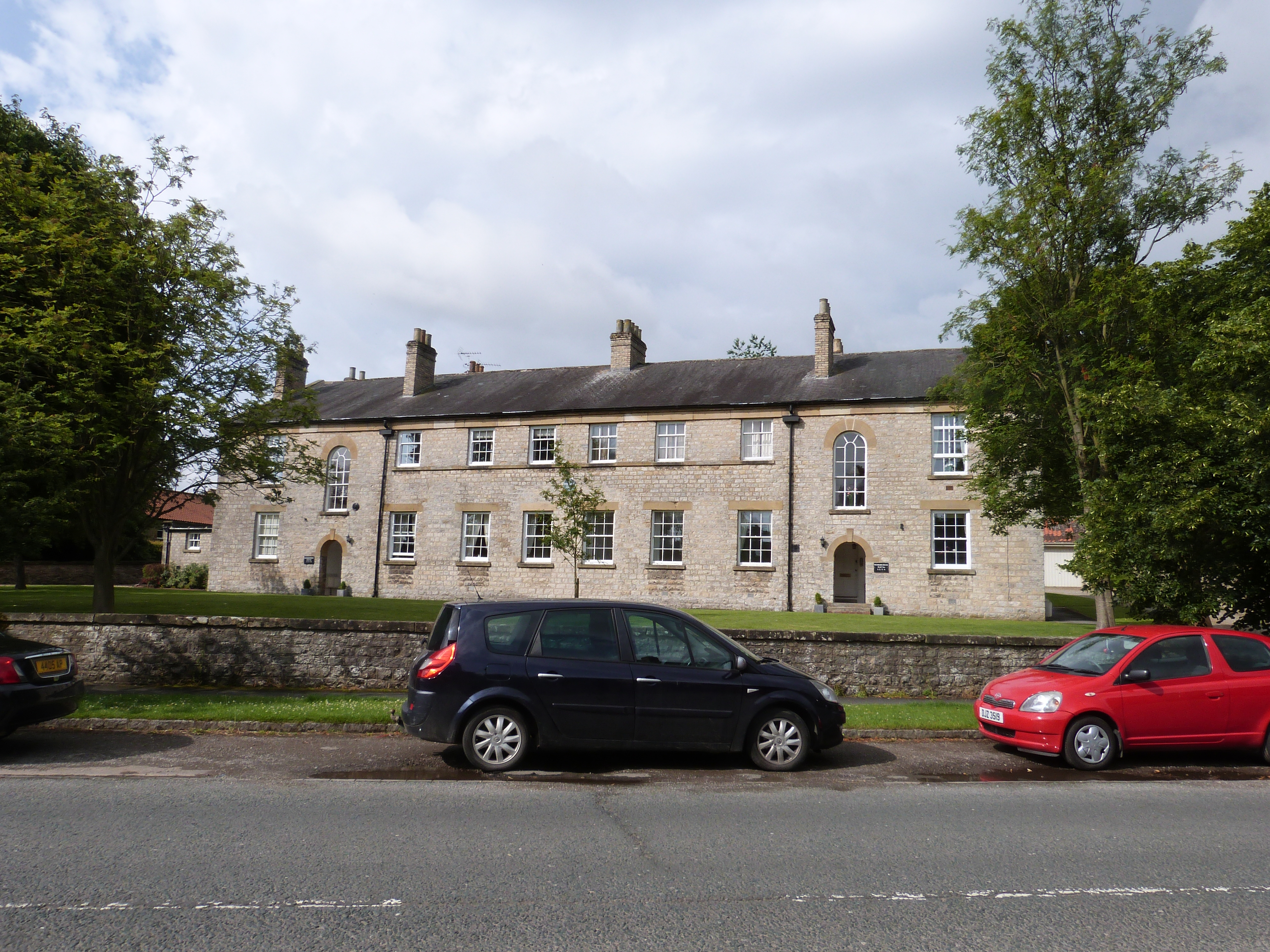
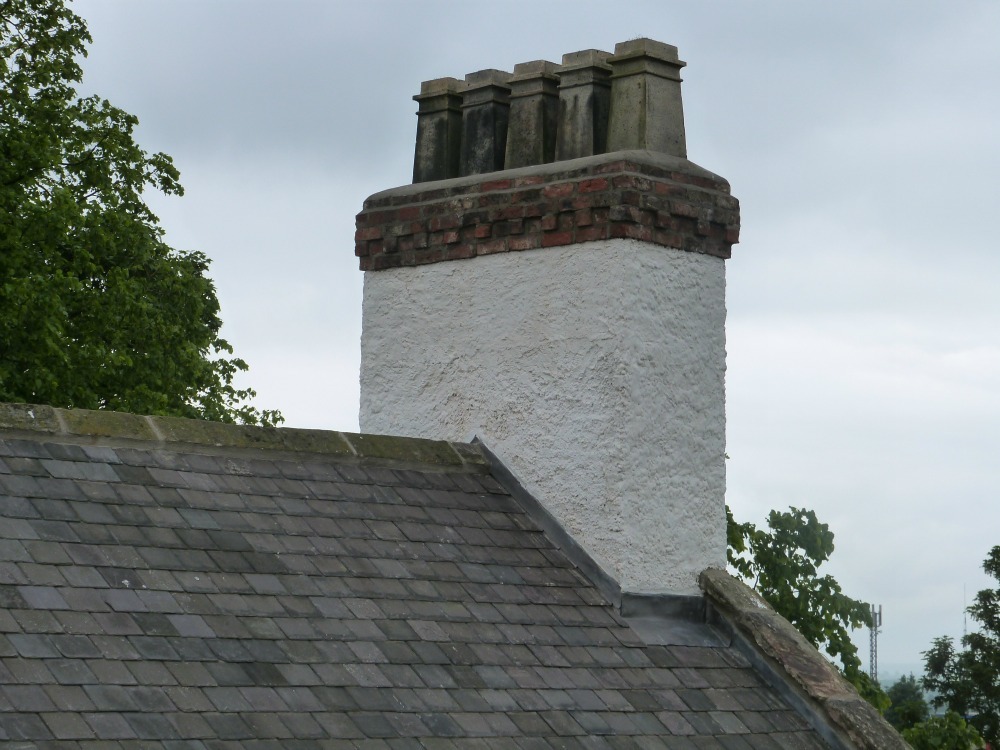
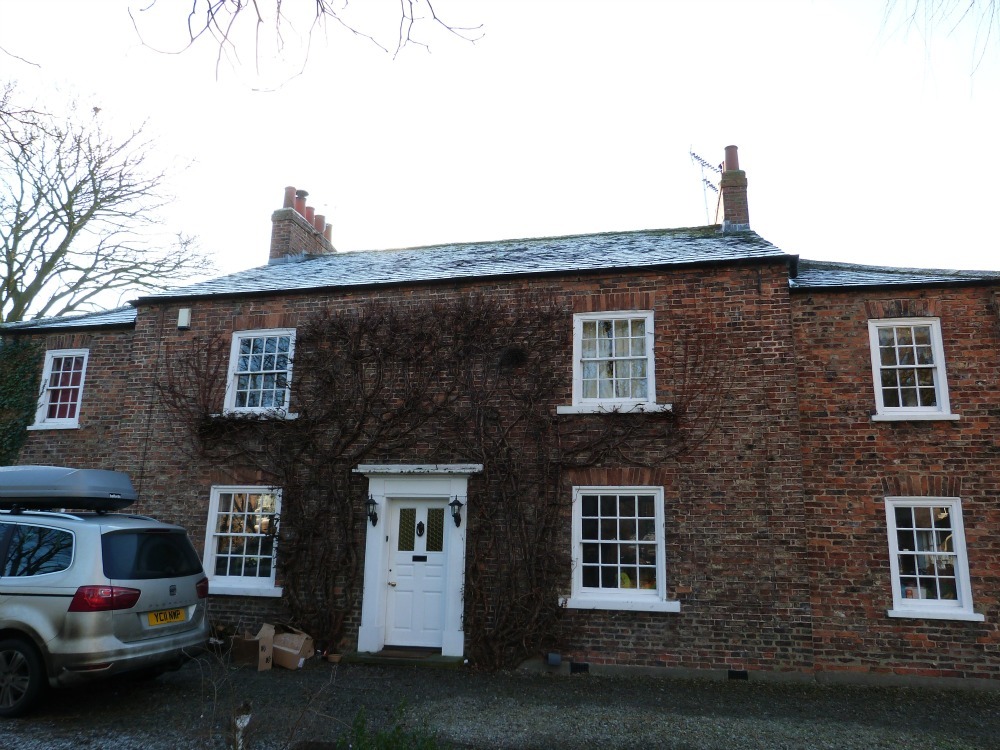
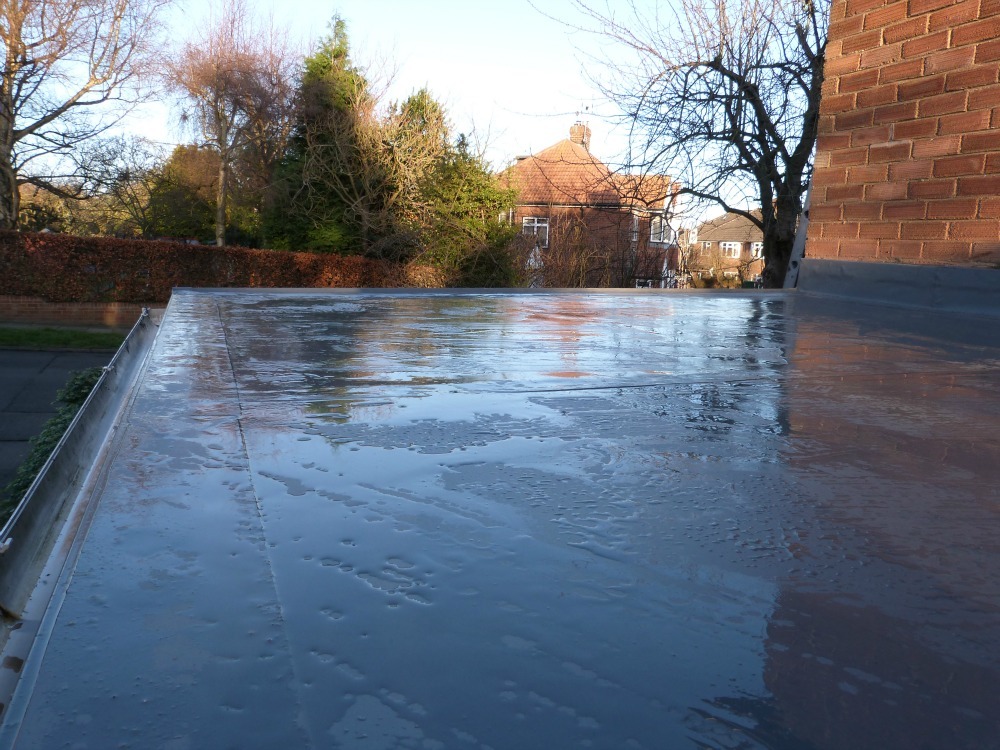
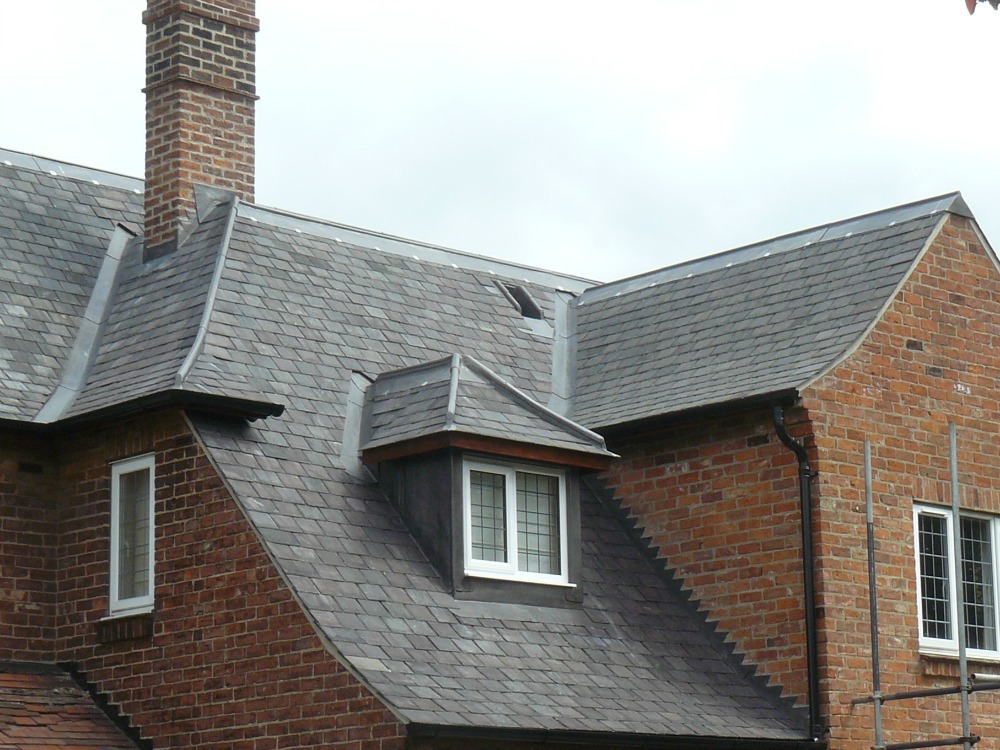
Specialist DOFF cleaning can be incorporated into wider roofing, masonry, façade and building-restoration projects where sensitive cleaning of historic fabric is required.
Neal Roofing can assess the wider building, identify where specialist cleaning may be appropriate and coordinate suitably experienced cleaning specialists alongside associated roofing and conservation work.
DOFF cleaning is a specialist superheated-water cleaning method frequently used where masonry, stone, brickwork or other building surfaces require careful cleaning.
Neal Roofing does not treat building cleaning as an isolated cosmetic exercise. On many heritage and refurbishment projects, cleaning forms only one stage within a larger sequence of roof repairs, masonry conservation, pointing, leadwork, joinery or façade restoration.
Where DOFF cleaning is appropriate, we can incorporate it into the project scope and arrange for the specialist cleaning element to be undertaken by suitably equipped and experienced operatives.
This allows access, protection, cleaning, repairs and reinstatement to be coordinated as part of one wider project rather than each operation being considered independently.
Discuss a Restoration Project Building ConservationThe objective should be to determine the least aggressive method capable of achieving the required result.
Historic masonry varies enormously in strength, porosity, previous treatment, surface finish and condition. The fact that a cleaning system can remove contamination does not automatically mean that it should be used across every area of a building.
Before substantial cleaning work, the condition of the substrate and the nature of the contamination should therefore be considered.
Trial areas can be particularly valuable on historic buildings, allowing cleaning intensity and final appearance to be assessed before larger areas proceed.
Arrange an Initial Inspection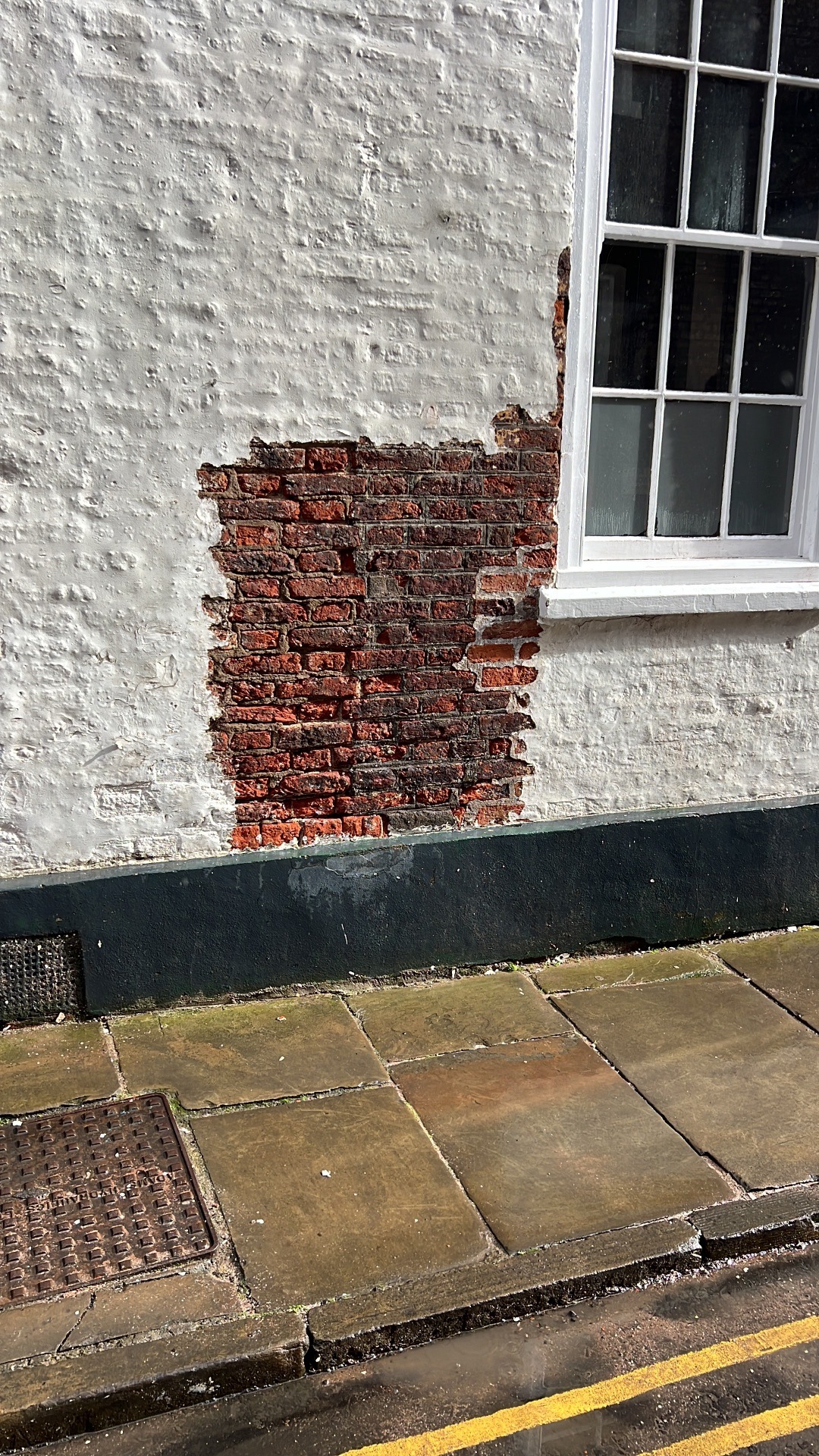
DOFF is a specialist cleaning system developed by Stonehealth that uses superheated water delivered at controlled pressure to remove a range of surface contaminants.
Depending upon the substrate, contamination and required finish, DOFF cleaning may be considered for:
Its relatively low mechanical pressure makes it useful where conventional aggressive pressure washing would risk damaging the substrate.
Subject to testing and condition, specialist superheated-water cleaning can potentially be used on materials including:
Historic material should never be assumed suitable purely because another building containing the same general material has previously been cleaned successfully.
The principal attraction of DOFF cleaning is the ability to use heat rather than relying solely on aggressive mechanical pressure.
This can make the method appropriate for sensitive cleaning where preservation of the surface is important.
Potential advantages include:
DOFF is a method, not a universal specification.
The correct approach depends upon:
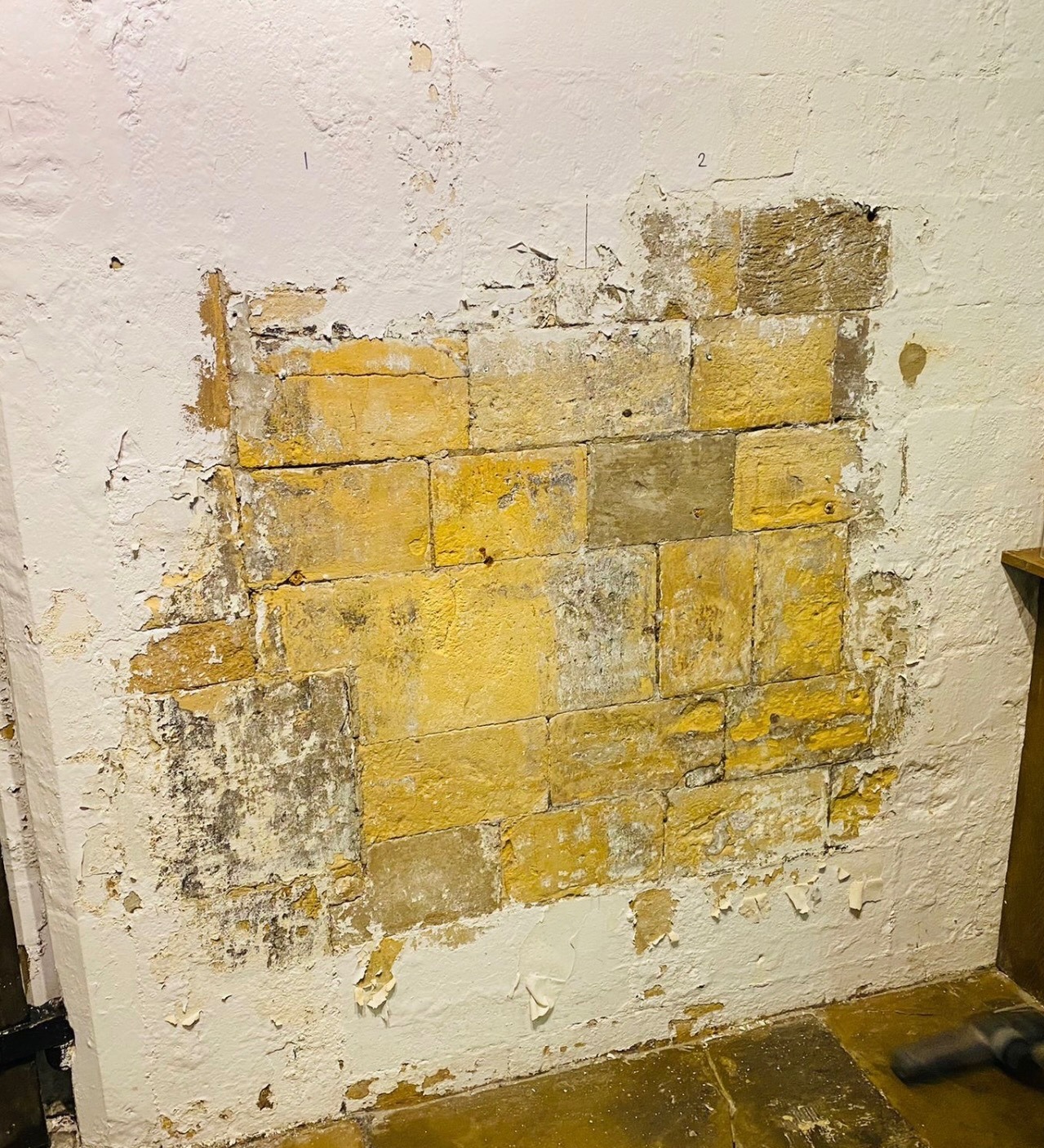
Specialist cleaning can form part of wider stone repair and conservation programmes.
Trial cleaning can help determine whether coatings can be removed without unacceptable substrate damage.
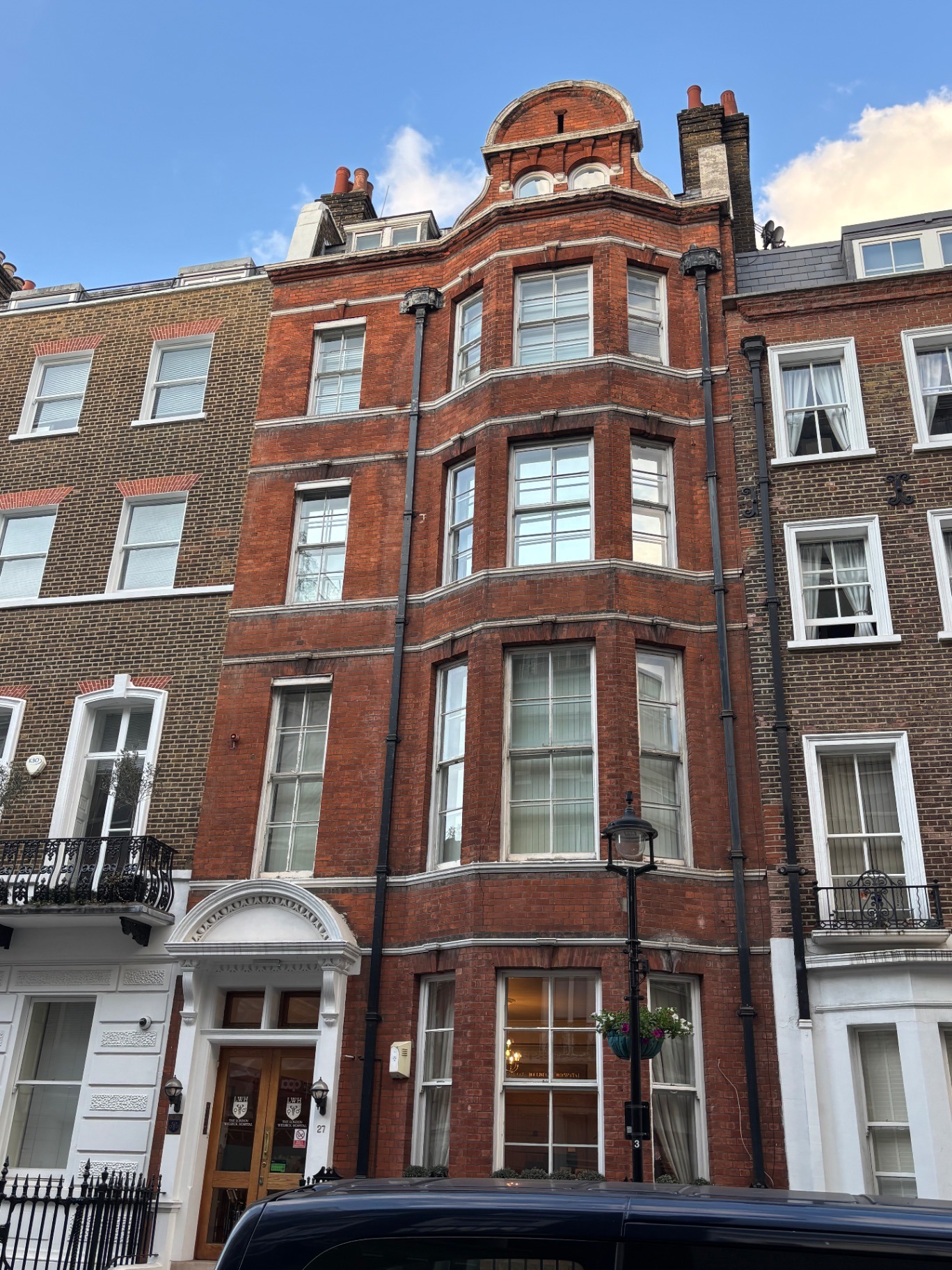
Cleaning coordinated alongside repairs, pointing, roofing and conservation work.
Different contaminants and substrates can require very different cleaning techniques.
DOFF primarily relies upon superheated water and controlled pressure. It can be particularly useful for biological growth, surface residues and selected coatings.
TORC is a different specialist system involving a controlled swirling mixture of water and fine granular media. It may be considered where more tenacious deposits or encrustations require additional mechanical cleaning action.
The important point is not to decide that a building “needs DOFF” before understanding what is actually being removed.
Pollution, limewash, modern masonry paint, oil, biological growth and hard cementitious coatings present very different challenges.
On sensitive buildings, a specialist cleaning contractor or conservation professional may therefore recommend trials using more than one method before the final treatment is agreed.
Our interest in DOFF cleaning primarily arises where cleaning supports a wider roofing, conservation or building-envelope project.
Cleaning can expose stone, brickwork and mortar sufficiently for deterioration and required repairs to be assessed more accurately.
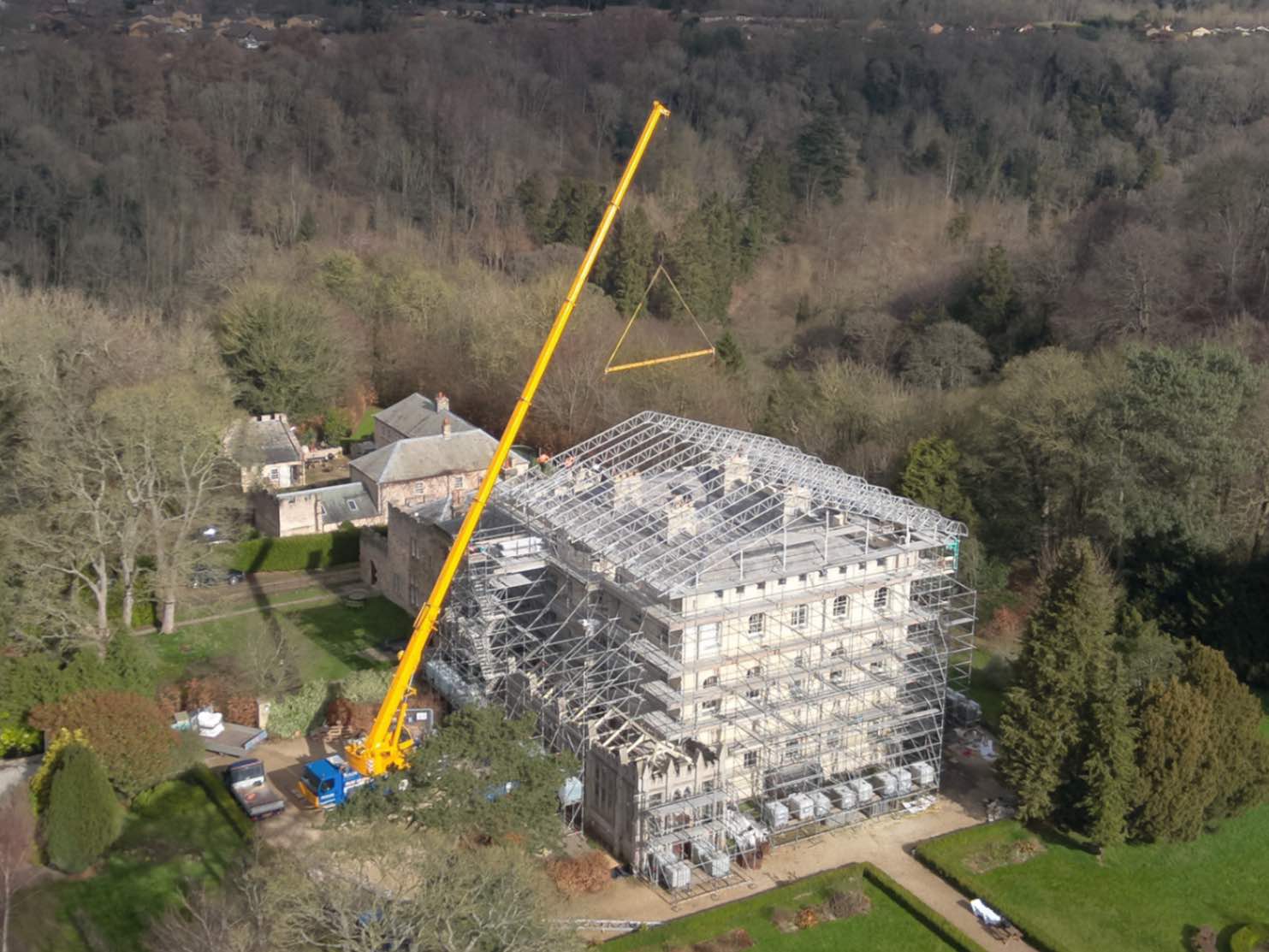
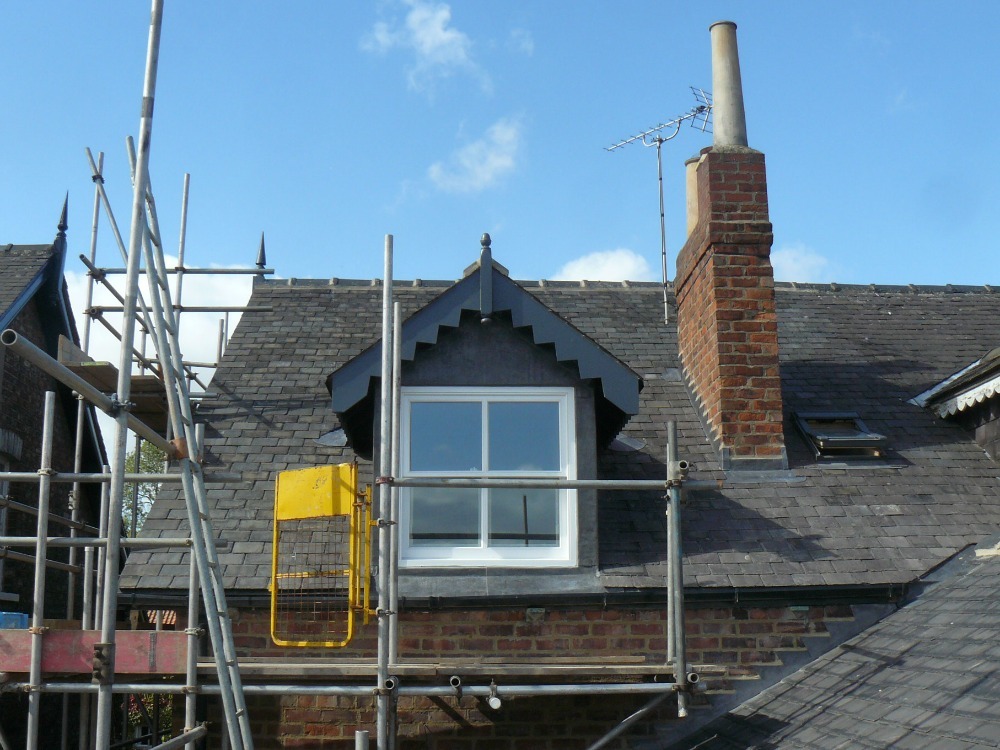
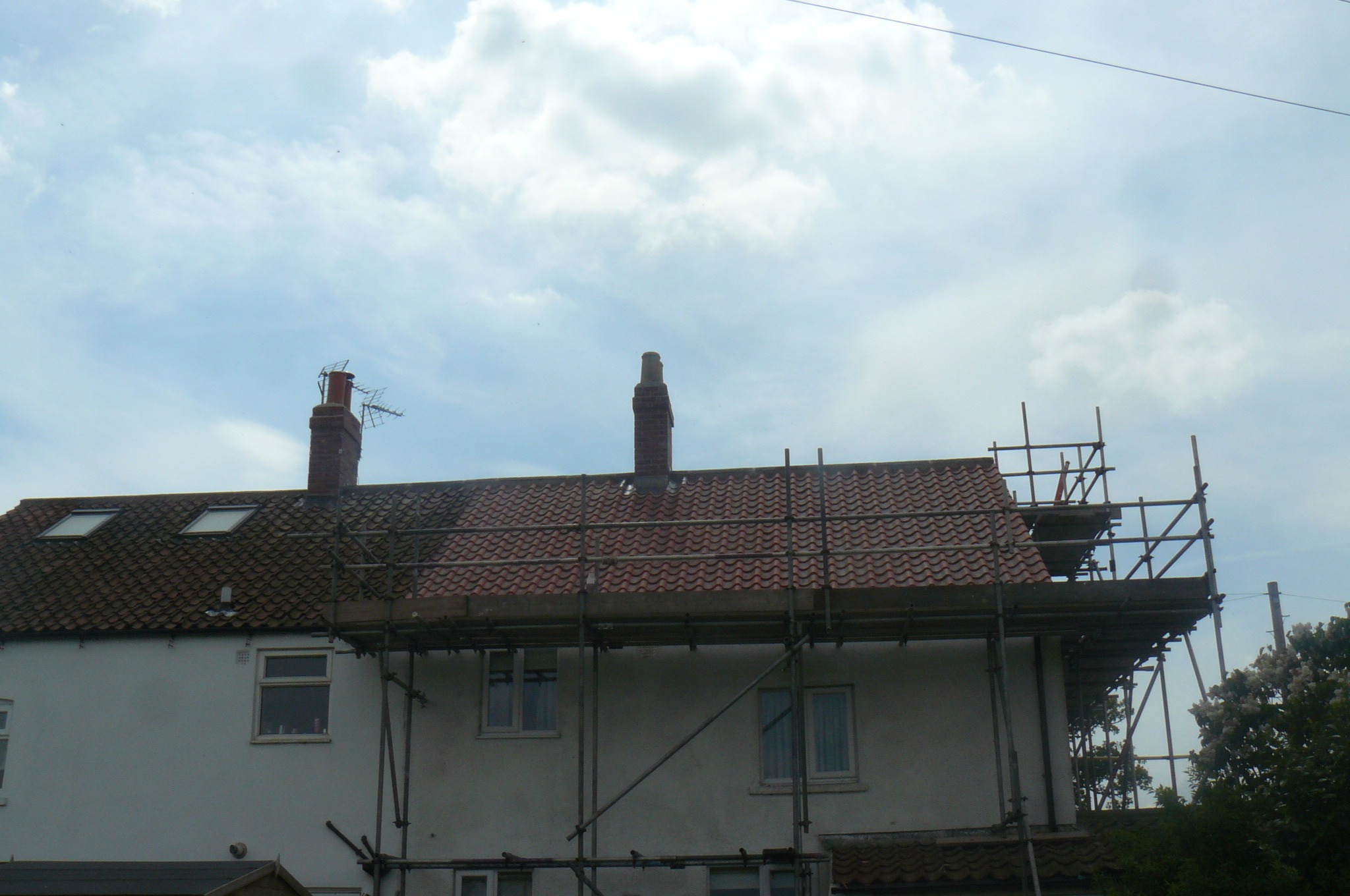
Where scaffolding is already installed for roofing, it may be efficient to undertake compatible façade, chimney or masonry cleaning simultaneously.
Selected cleaning may form part of preparation before conservation pointing or local masonry repair.
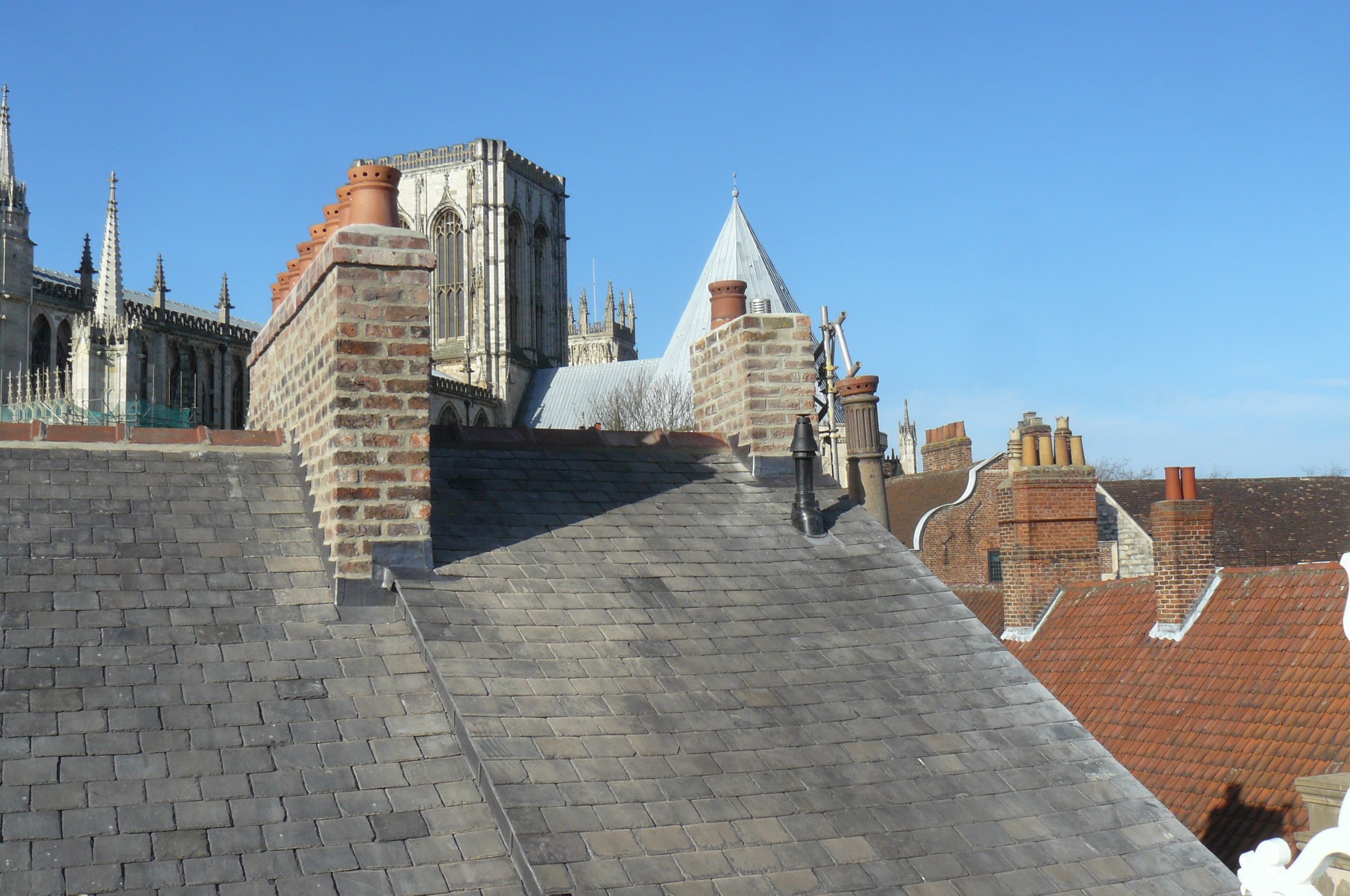
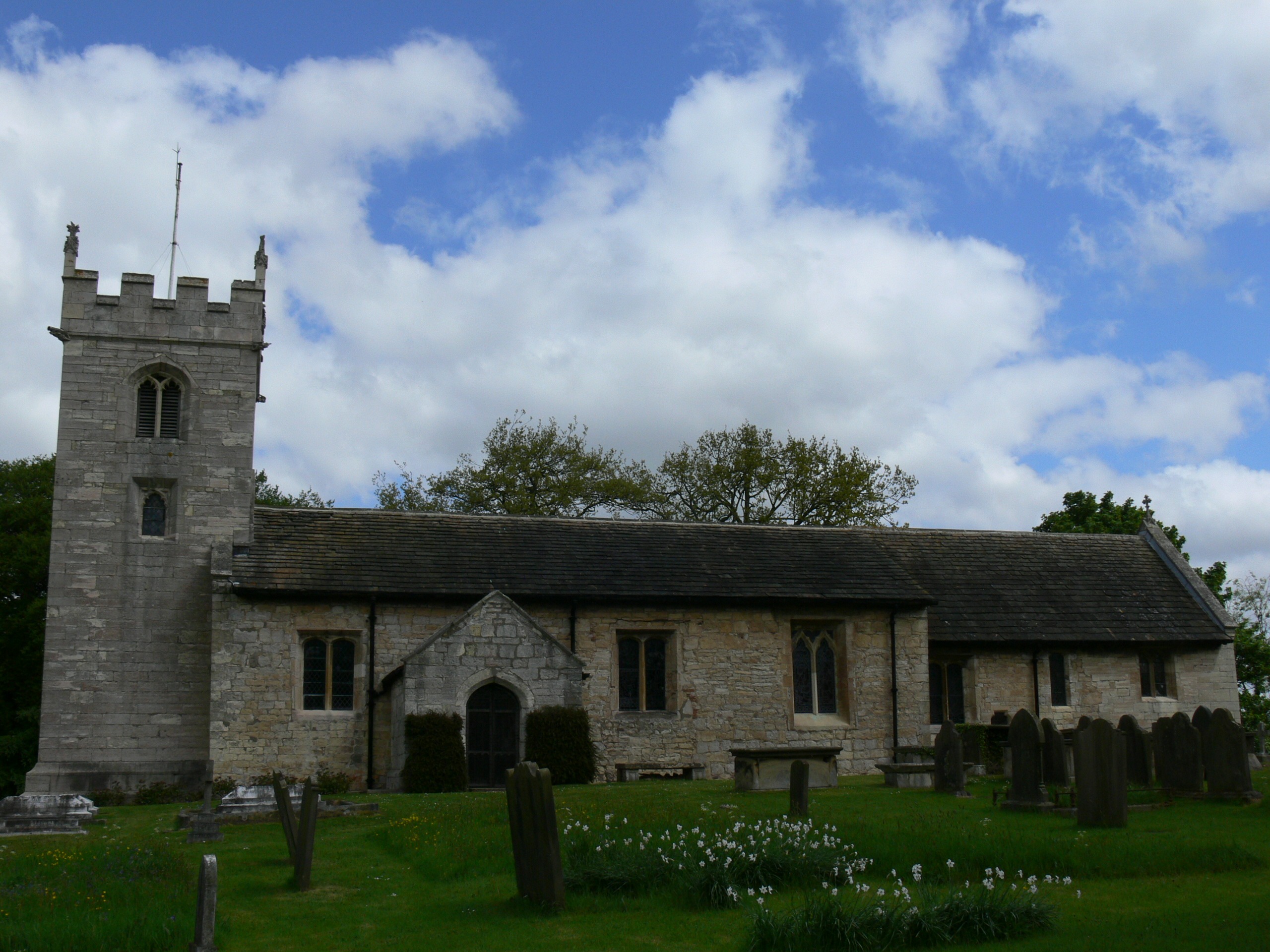
Churches, listed buildings and traditional properties may require coordinated cleaning, masonry, roofing and leadwork packages.
Where unsuitable coatings obscure traditional masonry, trial cleaning can help establish whether removal is practical without excessive damage.
Specialist cleaning can occasionally form part of larger planned maintenance programmes where contamination is affecting external fabric.
Where specialist building cleaning is required as part of a larger Neal Roofing project, we can incorporate the requirement into the overall programme.
Depending upon the project, this might include:
This approach is particularly useful where access represents a substantial proportion of the project cost.
Neal Roofing’s role can be to survey, specify, coordinate and deliver the wider project.
Where dedicated DOFF equipment or specialist certification is required, the cleaning operation can be undertaken by an appropriately equipped specialist working within the agreed project structure.
This provides clients with access to the appropriate technique without pretending that every specialist operation has to be undertaken directly in-house.
Cleaning historic buildings requires particular caution because alteration to the surface can be irreversible.
Stone may possess historic tooling, weathered surfaces, limewash residues, patina or previous conservation treatments that contribute to the significance and appearance of the building.
The objective should not automatically be to make historic masonry appear new.
Where buildings are listed or particularly significant, proposed cleaning may require consultation with the architect, conservation professional or relevant authority before large-scale work proceeds.
A discreet sample area can help determine:
Trial cleaning is particularly valuable where paint, hard pollution deposits or delicate historic surfaces are involved.
Heritage Roofing & ConservationA reliable price cannot normally be determined from floor area or façade area alone.
The cost depends upon:
Specialist cleaning can become considerably more efficient where scaffolding and site infrastructure are already required for roofing or masonry work.
For example, a façade adjacent to a re-roofing or chimney-restoration project may be cleaned using the same access arrangement rather than commissioning a completely independent scaffold operation later.
For this reason, we generally prefer to assess DOFF cleaning in the context of the wider project rather than advertise a generic square-metre rate.
Discuss Your ProjectCommon questions about specialist building cleaning and its role within restoration work.
Yes, DOFF cleaning can be incorporated into wider Neal Roofing restoration, roofing and building-envelope projects where it is an appropriate cleaning method.
Where specialist DOFF machinery and dedicated cleaning expertise are required, the cleaning element can be delivered using an appropriately equipped specialist contractor coordinated as part of the wider works.
Our service is based upon delivering the appropriate solution for the project rather than requiring every specialist item of equipment to be owned directly by Neal Roofing.
Where DOFF cleaning is specified, suitably equipped specialist resources can be incorporated into the project.
DOFF can remove certain paints and coatings, but suitability depends upon the coating, substrate and condition of the underlying surface.
A test area should normally be considered before substantial paint-removal work begins.
It can be appropriate for sensitive historic surfaces, but listing does not automatically make any particular cleaning technique acceptable.
The significance and condition of the fabric, proposed treatment and any consent requirements should be understood before work proceeds.
No. DOFF uses superheated water delivered in a controlled manner and is intended for specialist cleaning applications.
Conventional high-pressure cleaning can exert considerably more mechanical action and may damage weak stone, brick faces or mortar where used inappropriately.
Sometimes. Cleaning can reveal masonry and mortar condition and remove contamination before conservation repairs.
However, the cleaning and pointing specification should be considered together so that unnecessary surface loss or saturation is avoided.
Yes. This is often where Neal Roofing’s involvement provides the greatest value.
Where scaffolding is already installed for roofing, chimneys, masonry or façade repairs, specialist cleaning may be incorporated into the same programme where appropriate.
Where cleaning exposes defective mortar, damaged masonry, failed flashings, deteriorated roofs or other building-envelope defects, Neal Roofing can assess and deliver the associated repair work as part of the wider project.
Explore roofing, masonry, conservation and building-envelope projects where careful treatment of existing fabric forms an important part of the work.
Send us photographs, survey information, specifications or details of the property. We can review the wider requirement and determine whether specialist cleaning should form part of the proposed works.