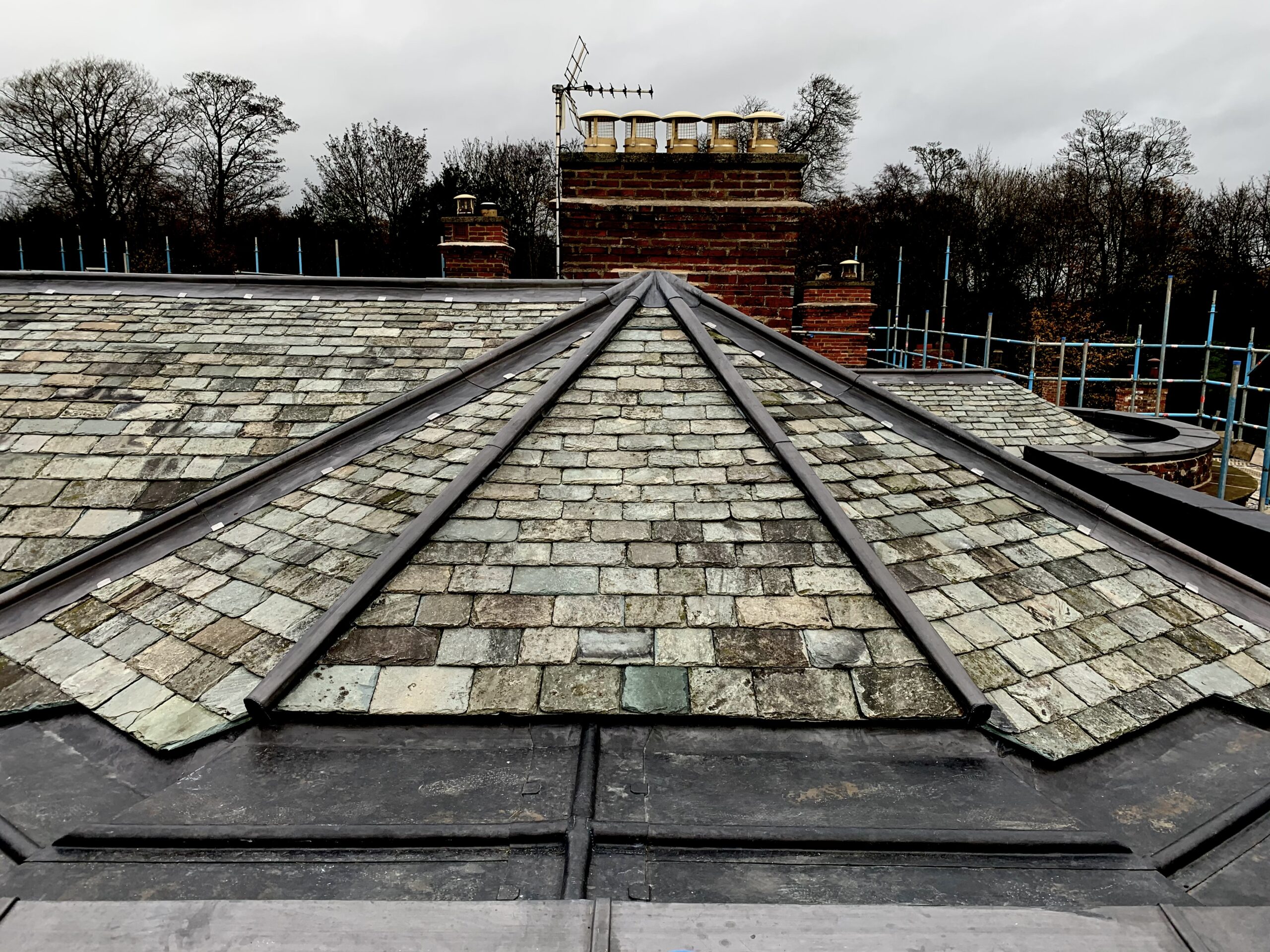
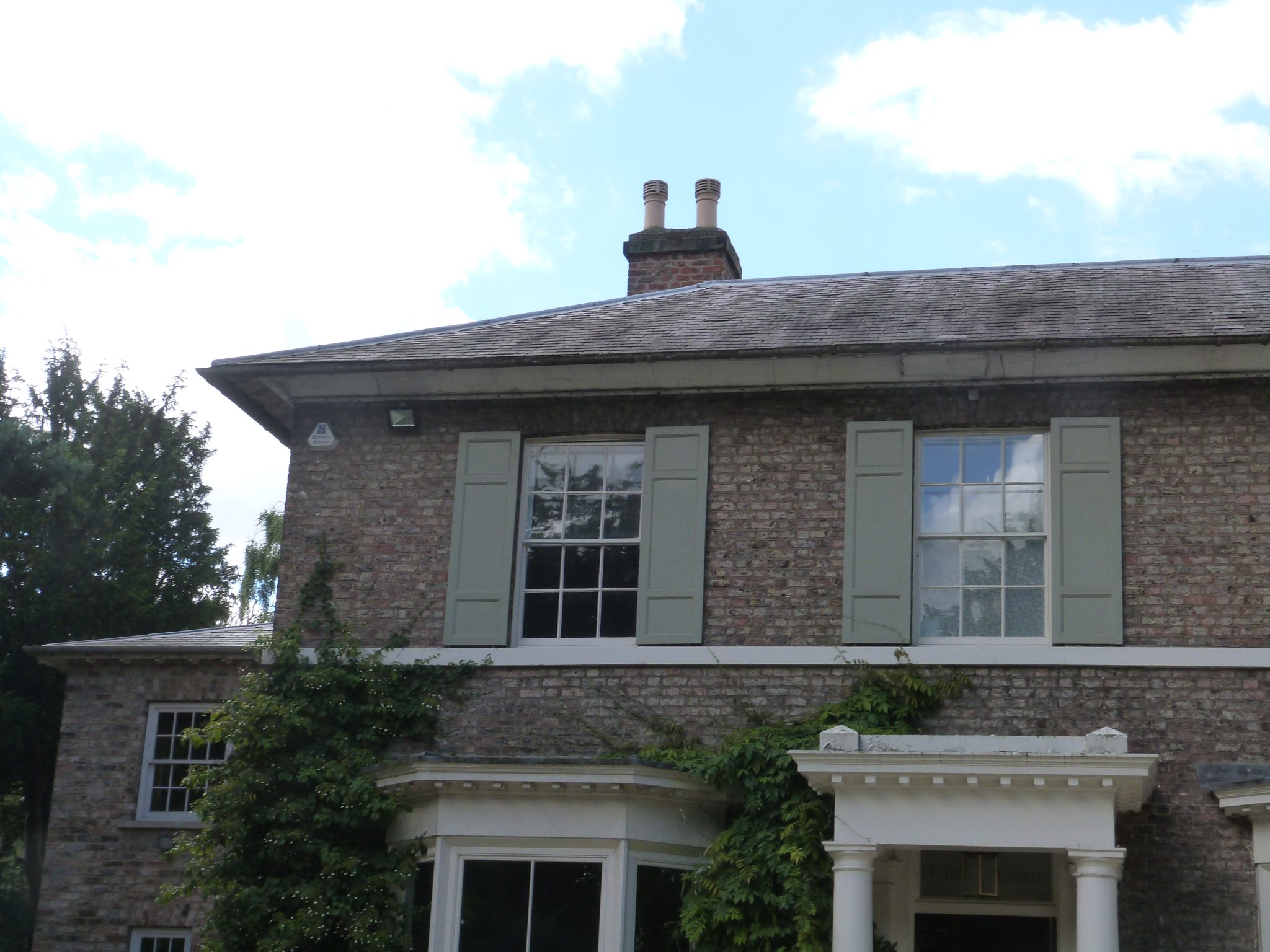
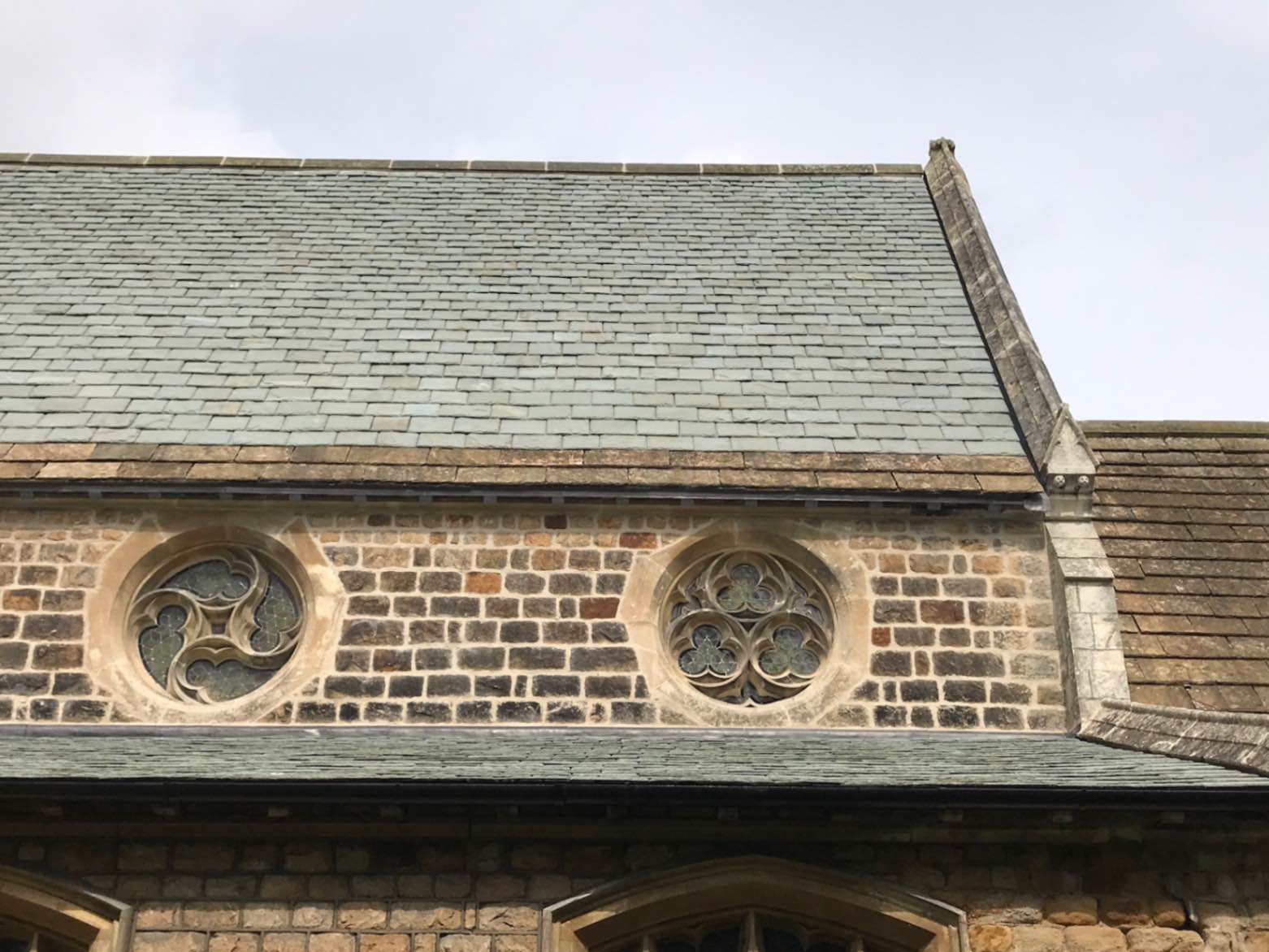
Roofing materials selected through decades of practical installation experience. Natural slate, rolled lead sheet, clay and concrete tiles, zinc, flat-roof membranes, insulation, underlays and specialist roofing components selected for compatibility, durability and appropriate use.
A roofing material should not be selected simply because it is available or inexpensive. Its suitability depends upon the building, roof form, pitch, exposure, substrate, fixing method, moisture strategy, interfaces and intended service life.
Neal Roofing works with a carefully selected range of traditional and modern roofing materials that our teams understand, can detail correctly and can install with reference to the relevant roofing standards and guidance.
Natural slate and rolled lead sheet remain two of the most durable materials available to the roofing industry, but contemporary construction also requires high-performance membranes, insulation, tiles, zinc, flat-roof systems and specialist ancillary products.
This page explains the materials we regularly specify, why we use them and how their application relates to the wider roofing system.
Some specialist roofing materials are also available to purchase online through associated specialist platforms, including The Lead Lads for rolled lead sheet and The Reclaimed Company for natural and reclaimed roofing materials.
Shop Rolled Lead Sheet Shop Roofing Materials View Client Information
Explore our individual material pages for further information about specification, installation, applications and associated roofing standards.
The materials below form part of our core roofing specification across residential, commercial, ecclesiastical and heritage projects.
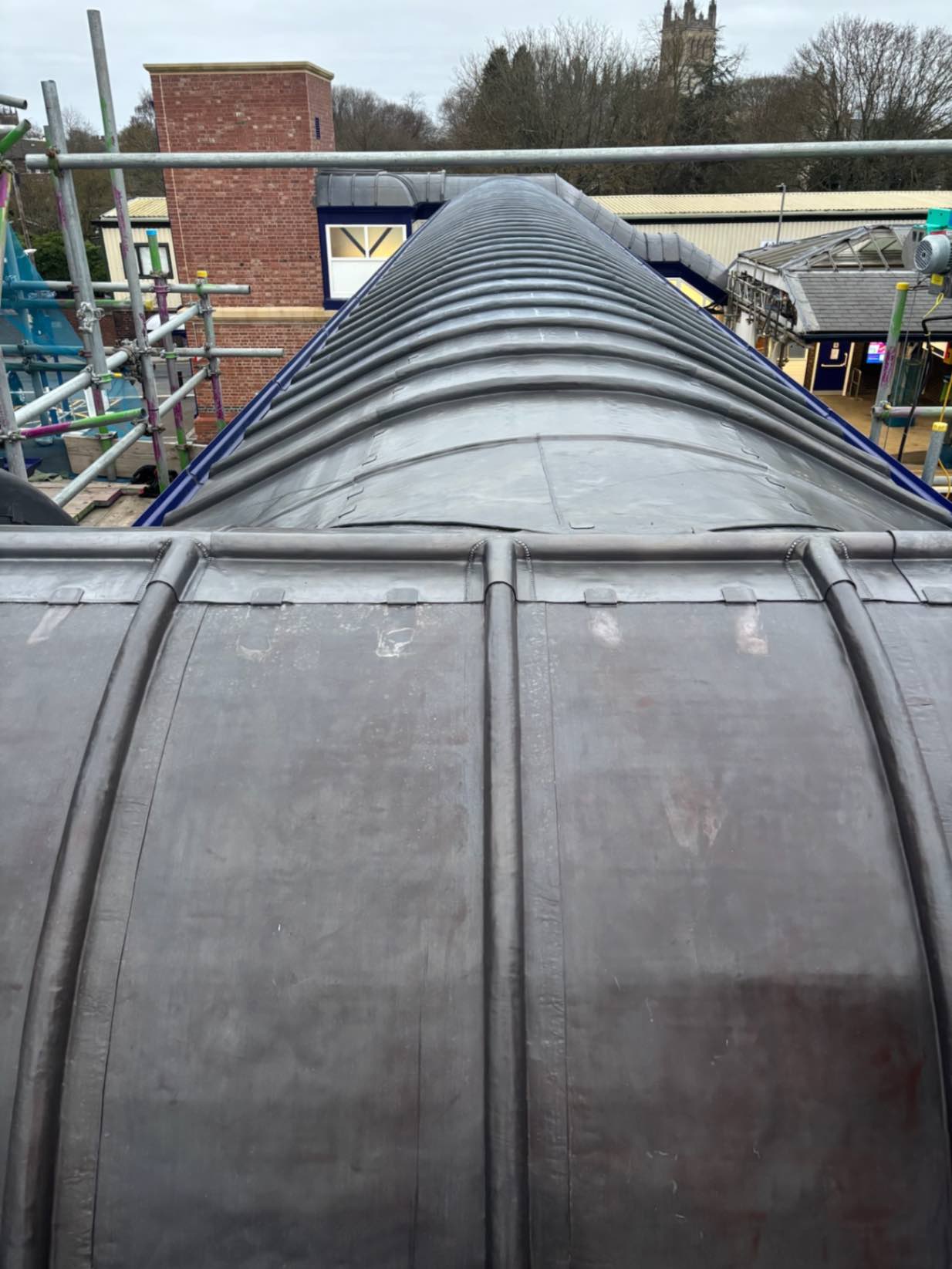
Used for flashings, valleys, gutters, bays, dormers, parapets and fully supported lead roof coverings.
Rolled lead sheet should comply with BS EN 12588 and be designed and installed with reference to BS 6915 and appropriate practical guidance.
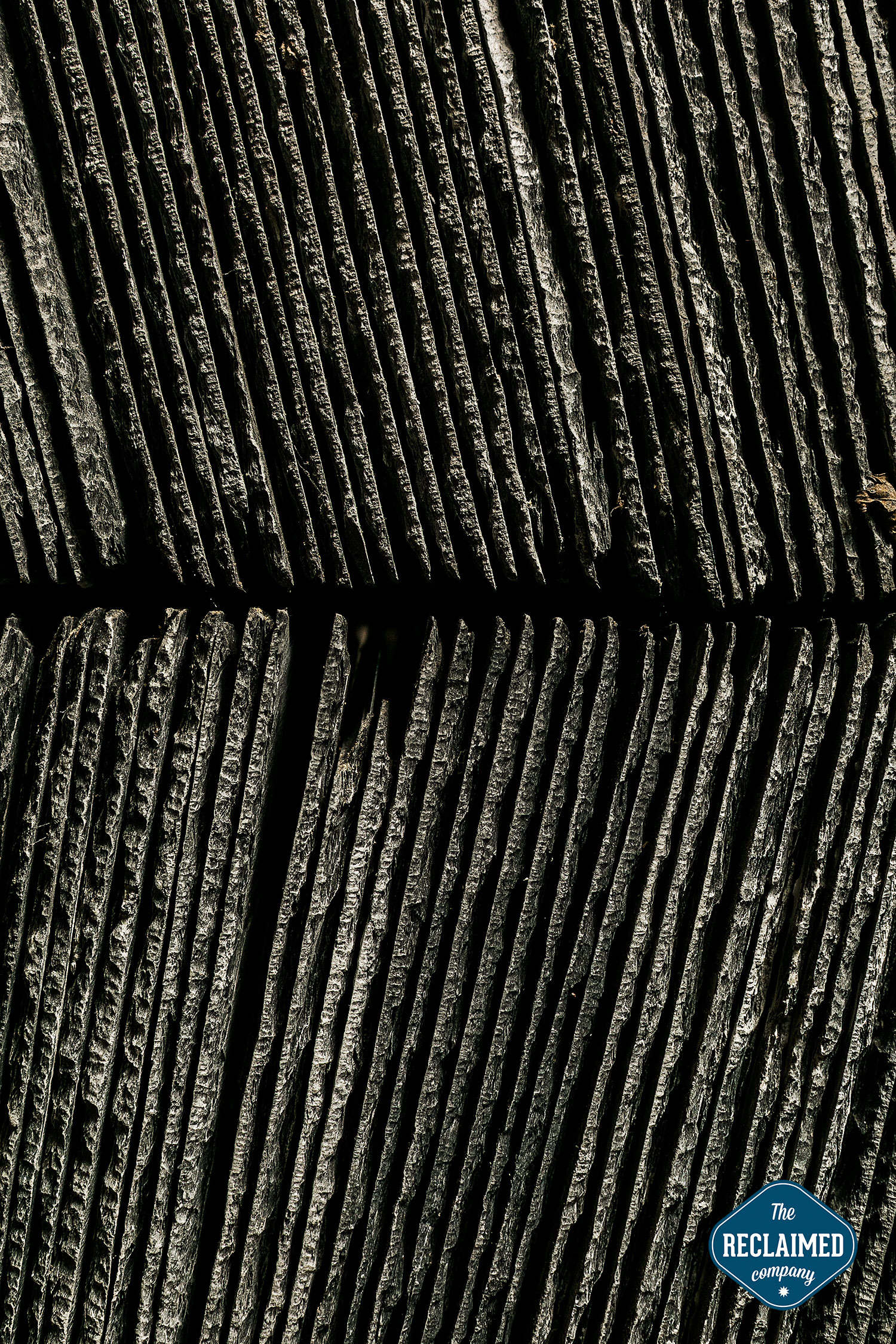
Leadwork Services Buy Rolled LeadWelsh, Westmorland, Burlington, reclaimed and other natural slates for pitched, heritage and high-specification roofing.
Slate selection should consider source, thickness, dimensions, durability, exposure, roof pitch and fixing specification.
Slate Roofing View Slate GuideHigh-performance underlays used beneath slate and tile coverings as part of a correctly designed pitched-roof build-up.
Selection depends upon ventilation strategy, wind loading, roof form, exposure and compatibility with the remainder of the construction.
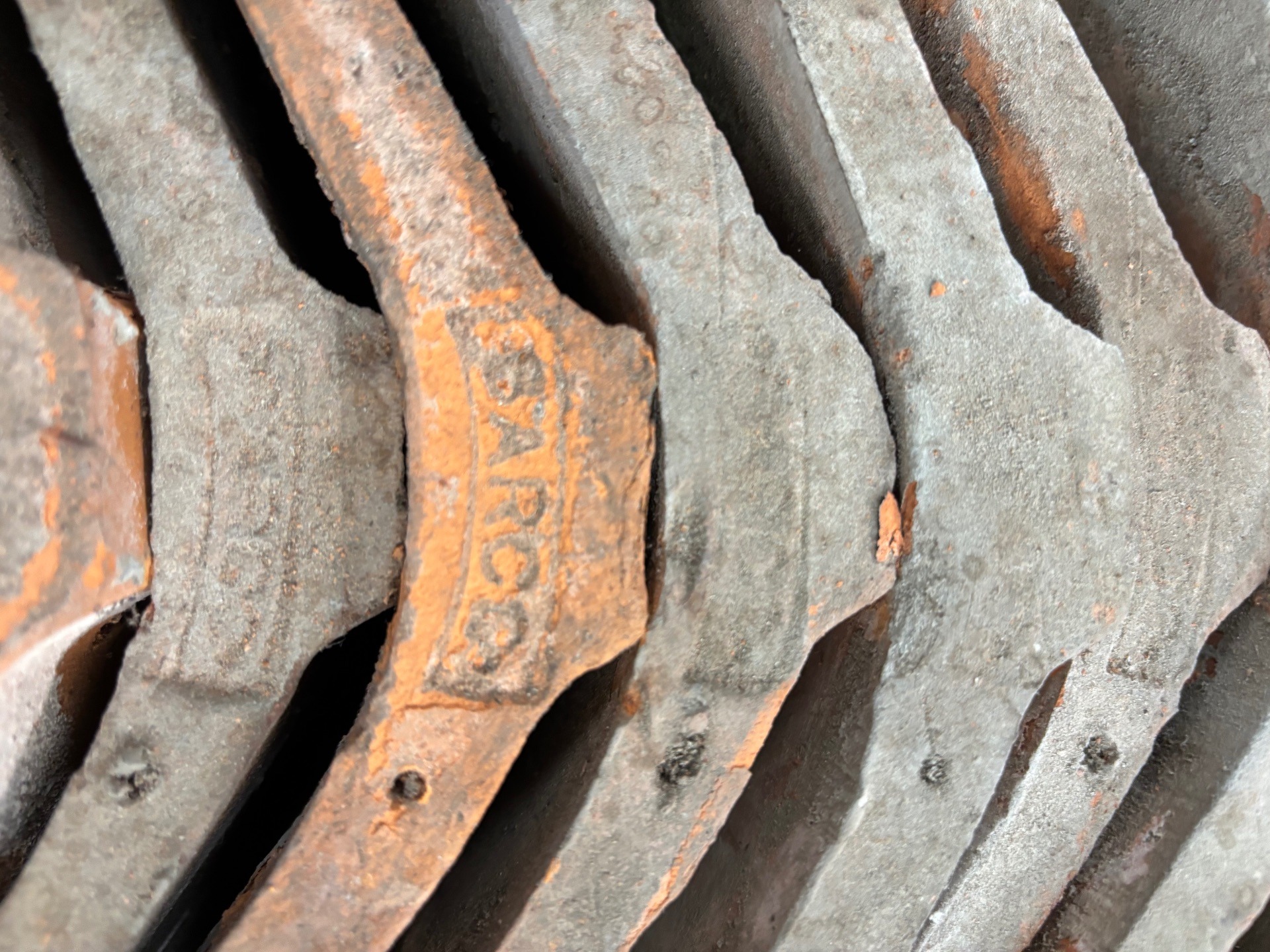
View Membrane SpecificationPlain tiles, pantiles and interlocking tiles for traditional and contemporary pitched roofs.
Tile selection must account for minimum pitch, exposure, fixing requirements, appearance and compatibility with existing construction.
Tile Roofing ServicesStanding-seam zinc, cladding, dormers, canopies, gutters and architectural interfaces for modern and traditional buildings.
Hard-metal systems require careful consideration of substrates, ventilation, moisture control and thermal movement.
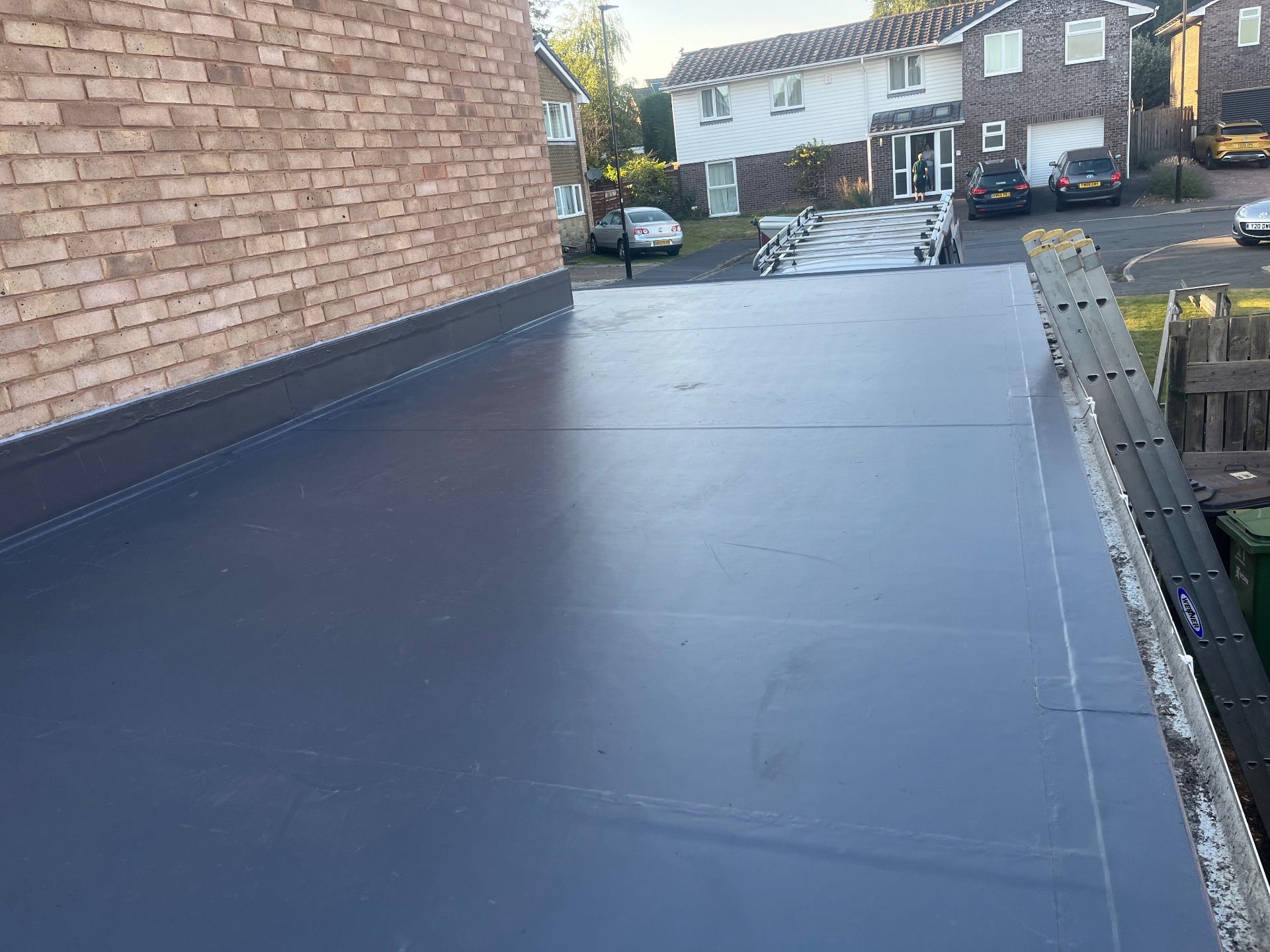
Zinc Roofing ServicesSingle-ply membranes, liquid-applied waterproofing, built-up felt, insulation systems and warm-roof components.
The waterproof covering must be considered together with falls, drainage, insulation, vapour control, penetrations and edge details.
Flat Roofing ServicesMaterial selection forms only one part of a successful roof. Installation, fixing, substrates, moisture control and detailing must also suit the building and roof construction.
Depending upon the work, relevant standards may include:
A high-quality material can still perform poorly if it is used incorrectly.
Before specifying a roofing material, we consider:
The material is therefore selected as part of the complete roof system rather than in isolation.
The figures below are indicative only. Actual service life depends upon material quality, design, workmanship, exposure and maintenance.
| Material | Typical Application | Indicative Service Life | Relevant Guidance | Explore |
|---|---|---|---|---|
| Rolled Lead Sheet | Flashings, valleys, bays, gutters and fully supported coverings | Frequently several decades; correctly detailed lead can remain serviceable for considerably longer | BS EN 12588 / BS 6915 | Leadwork |
| Welsh Natural Slate | Pitched roofs, heritage buildings and premium residential roofing | Potentially 100+ years depending upon slate quality and installation | BS 5534 and slate-specific guidance | Slating |
| Clay Roof Tiles | Pitched domestic, heritage and commercial roofing | Several decades depending upon tile, exposure and detailing | BS 5534 / manufacturer guidance | Tiling |
| Zinc | Standing-seam roofs, cladding, dormers, canopies and interfaces | Long-term system dependent upon specification and exposure | Manufacturer and hard-metal guidance | Zinc Roofing |
| Single-Ply Membrane | Flat and low-pitched roofs | System and warranty dependent | BS 6229 / manufacturer specification | Flat Roofing |
| Breather Membranes | Pitched-roof underlay beneath slate and tile | System dependent | BS 5534 / manufacturer guidance | Membranes |
Our material choices reflect the roofing work we actually undertake. Different roof forms require different materials, installation methods and specialist skills.
Natural slate, clay tiles and lead have protected buildings for generations and remain central to our work on residential, ecclesiastical and heritage properties.
Typical applications include:
Where historic materials can be retained and remain serviceable, reuse may be considered as part of the project strategy.
Modern buildings and roof upgrades frequently require materials that provide enhanced thermal performance, controlled moisture movement or specialist waterproofing.
These can include:
The presence of a modern product does not remove the need for good roofing practice. Interfaces, falls, drainage, movement and moisture control remain critical.
View Our Roofing Services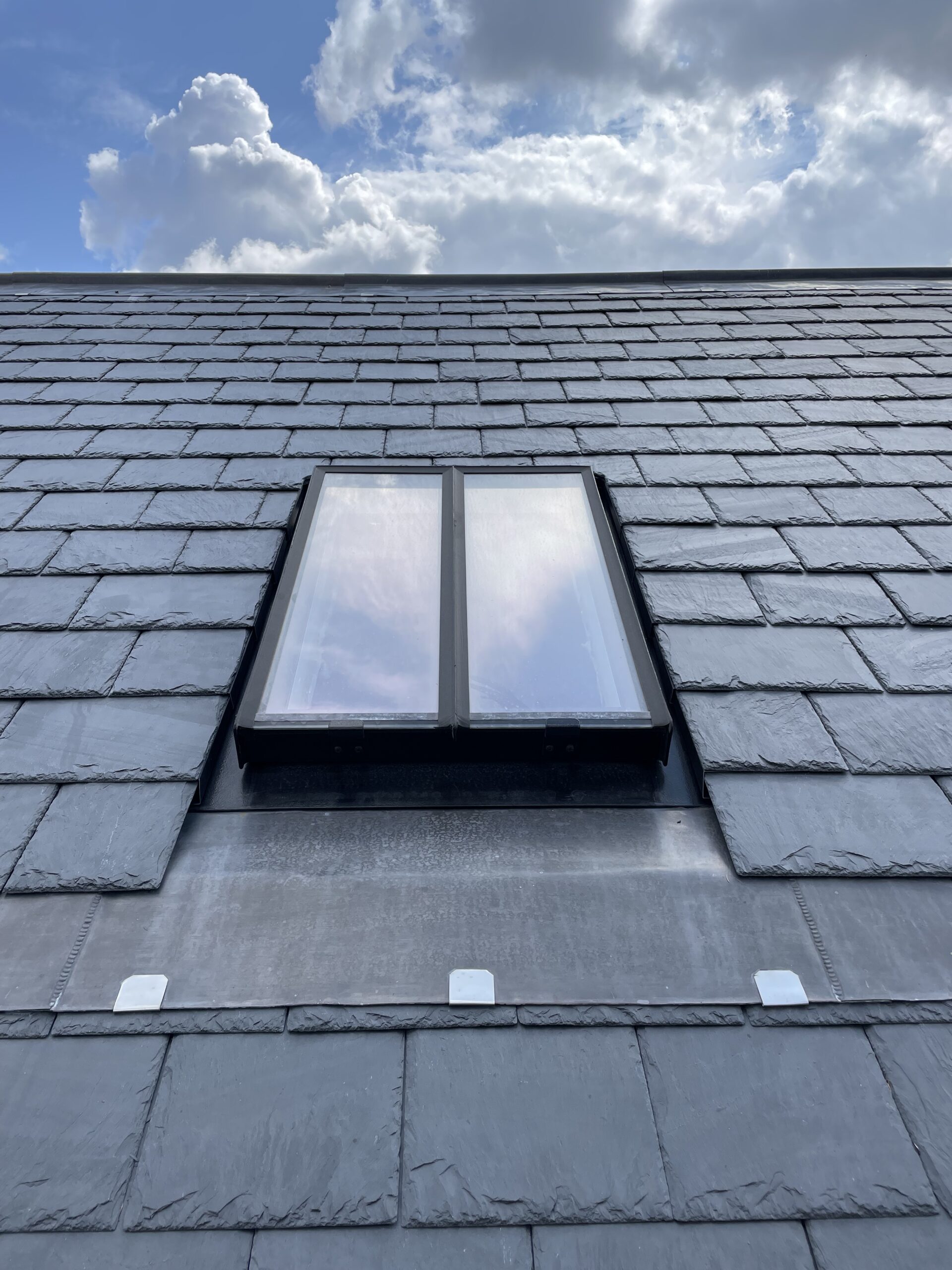
Natural slate roofing for traditional, contemporary and heritage buildings.
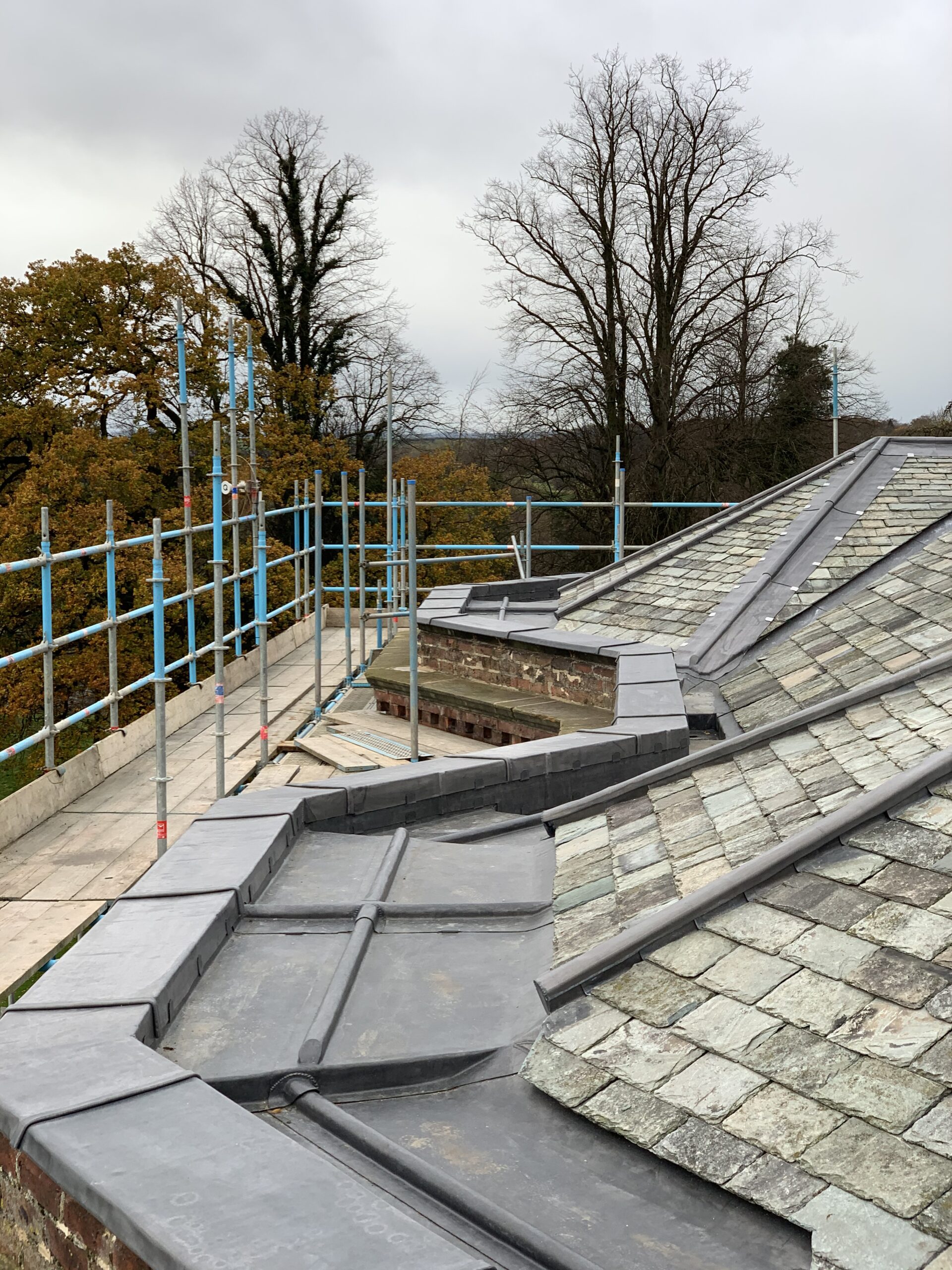
A highly adaptable material for gutters, valleys, flashings and complex interfaces.

Standing-seam roofing and cladding for architectural and specialist applications.
Welsh slate is one of the most highly regarded natural roofing materials available. Its density, low water absorption, appearance and potential longevity have made it particularly important in high-quality and historic roofing throughout the UK.
Good-quality natural slate can provide an exceptionally long service life when correctly selected, graded, fixed and detailed. Historic buildings throughout Britain retain natural slate coverings that demonstrate the material’s durability.
Natural slate provides colour, texture and variation that manufactured roof coverings cannot exactly reproduce. Selection should take account of the building, neighbouring roofs and any conservation requirements.
Welsh slate can be installed in regular courses or, where appropriate, as random-width or diminishing-course roofing. These installations require careful grading and setting out.
Existing natural slate may be suitable for reuse where it remains sound. Slates should be assessed for delamination, previous fixing holes, damage and remaining serviceability before being incorporated into a renewed roof.
Natural Slate Roofing Shop Roofing SlateLead remains one of the roofing industry’s most adaptable and durable materials. It can be formed around complex roof geometry and is particularly effective for weathering junctions where rigid materials would be difficult to detail.
Lead expands and contracts as temperatures change. Sheet dimensions, lead code, joints, fixings and substrate design must therefore allow the material to move without fatigue or splitting.
Rolled lead sheet should comply with BS EN 12588. Design and workmanship should also have regard to BS 6915 and appropriate lead-sheet installation guidance.
Lead has a high recycling value and can be repeatedly recovered and reused. Its potential service life also reduces the frequency with which correctly designed leadwork needs to be replaced.
Specialist Leadwork Buy Rolled Lead SheetWe source materials according to the requirements of the individual project rather than working from one generic product list.
Neal Roofing holds relationships with specialist roofing manufacturers, distributors, slate suppliers, lead suppliers and established roofing merchants.
Material selection may depend upon:
For specialist materials available nationally, visit our associated roofing-material platforms:
The Lead Lads The Reclaimed CompanyThe appropriate lead code cannot be determined by the description “bay roof” alone. Code 5 and Code 6 are commonly encountered, but the correct specification depends upon the dimensions, sheet layout, exposure, substrate and detailing.
The lead code, bay dimensions, joints and fixings should be considered with reference to BS 6915 and appropriate lead-sheet guidance.
Leadwork GuidanceNew slate roofing installations should be designed and installed with reference to BS 5534, including requirements relating to battens, underlays, fixings and resistance to wind loading.
The slate manufacturer or quarry guidance and the characteristics of the individual roof must also be considered.
Slate Roofing GuidanceRolled lead sheet is manufactured to controlled dimensional requirements under BS EN 12588 and is widely used for modern and traditional roofing work.
Sandcast lead has a different manufacturing process and visual character and may be specified for particular conservation or heritage applications. The appropriate product should be selected according to the individual project.
The answer depends upon the building, specification and budget. High-quality natural slate offers exceptional appearance and potential longevity and is frequently preferred for heritage and high-specification work.
Other roof coverings can be appropriate where properly specified, but their characteristics, expected service life and appearance should be understood before selection.
The appropriate underlay depends upon the roof construction, ventilation strategy, wind exposure, roof pitch and covering. The membrane should be selected as part of the complete roof design rather than simply by brand or permeability alone.
Send us photographs, drawings, survey information or details of the proposed roof. We can review the building and advise on suitable materials, detailing and the appropriate next stage for the project.