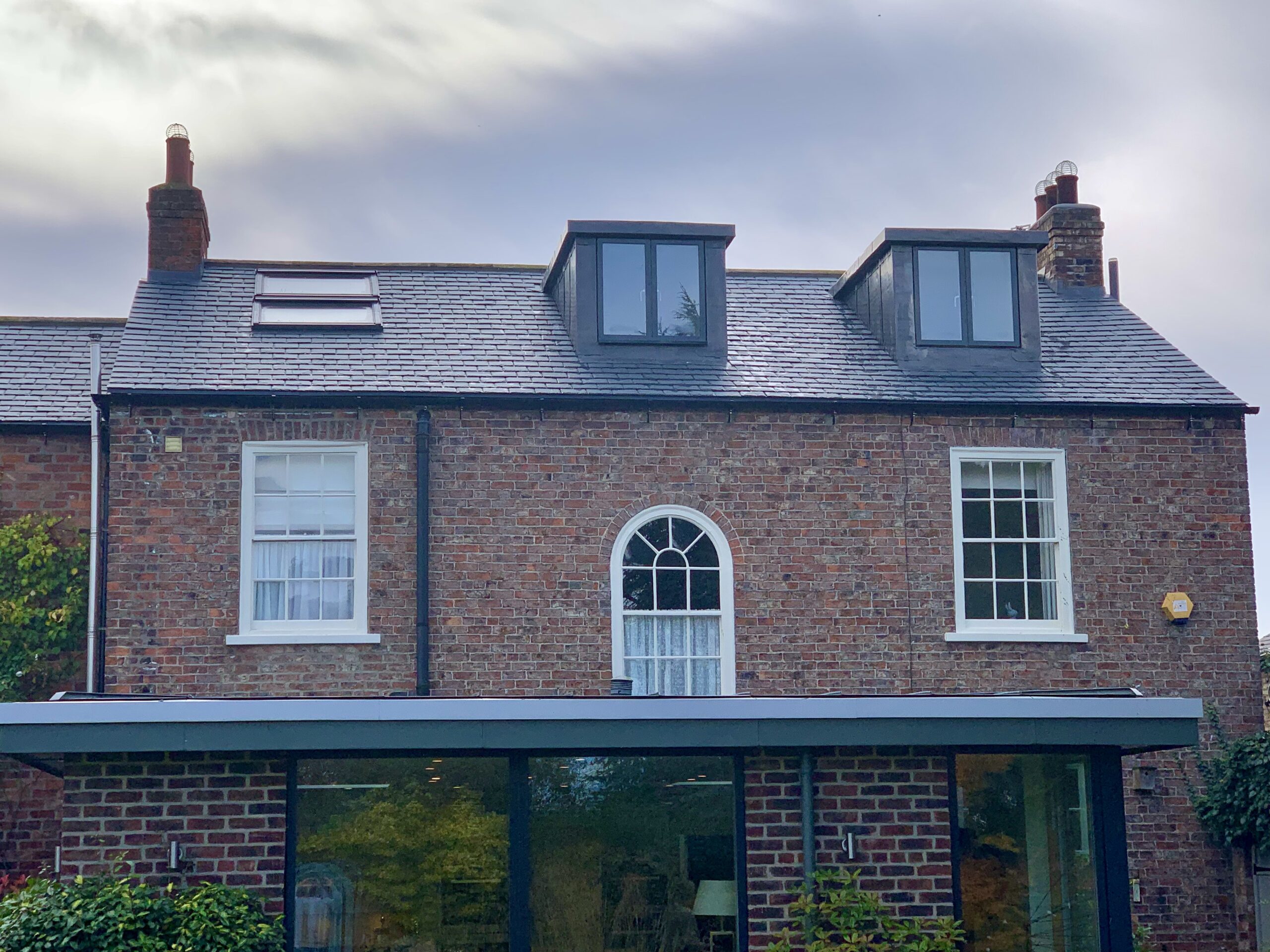
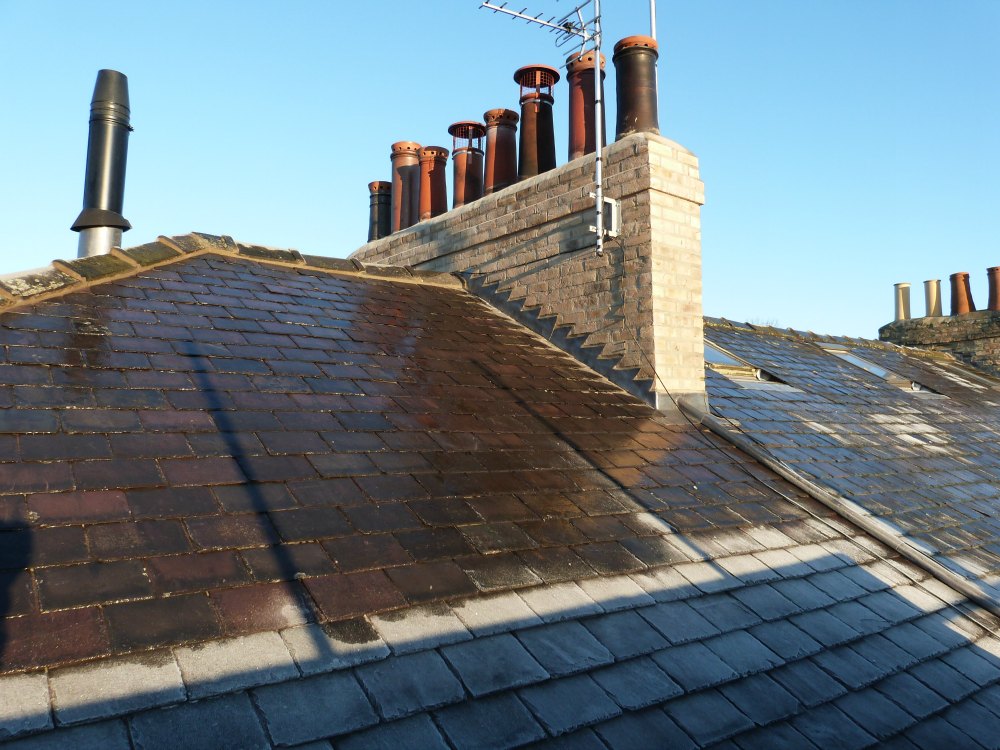
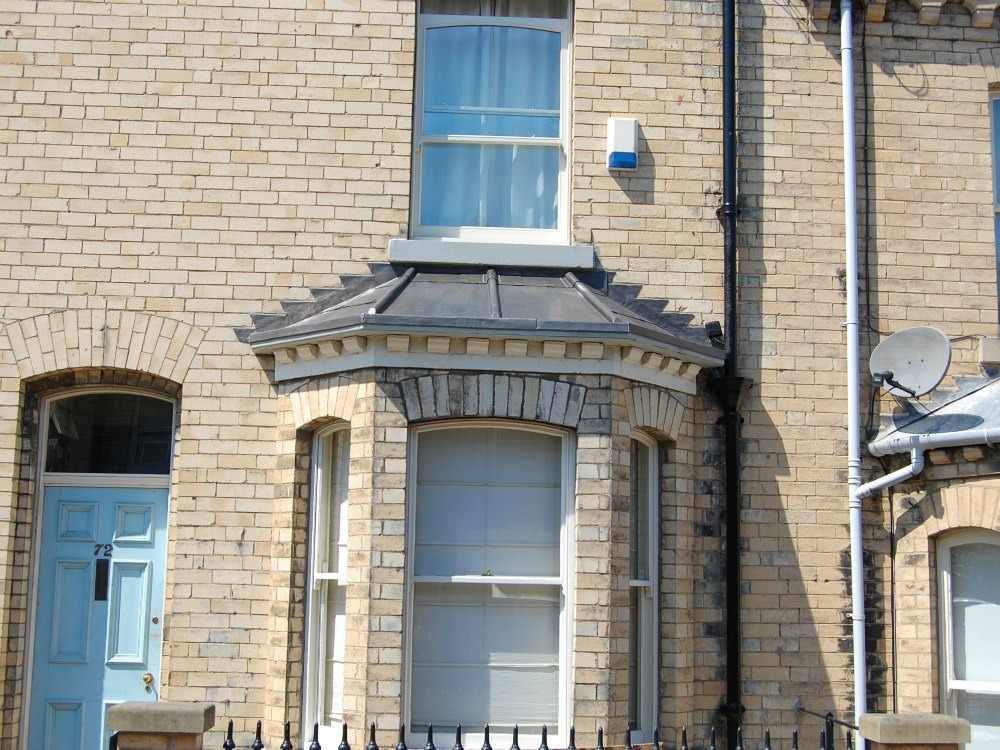
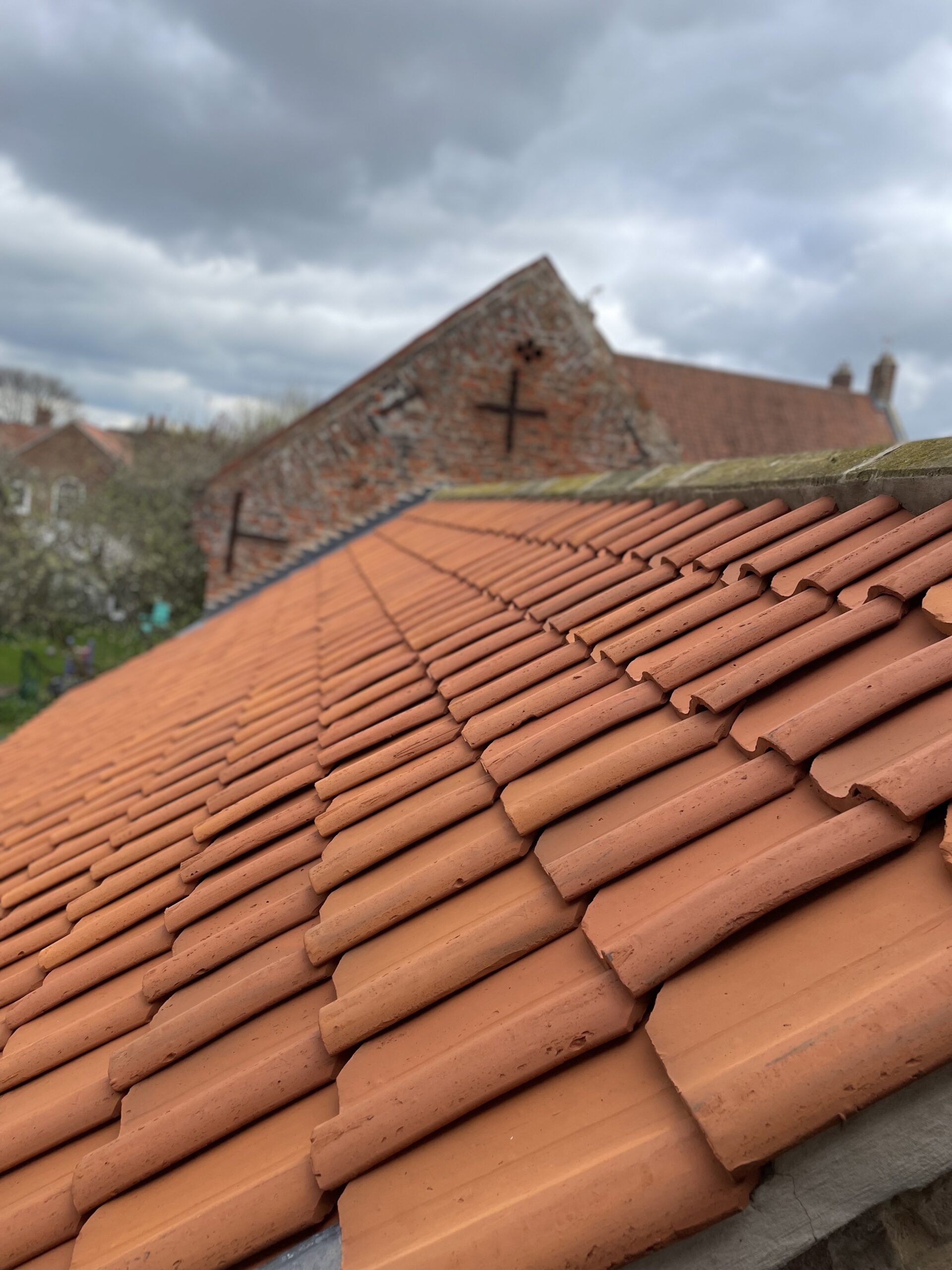
Gutters, downpipes, hoppers, outlets and bespoke rainwater systems in traditional and contemporary materials. Designed around roof geometry, discharge requirements, building character and the wider roof envelope.
Rainwater goods are a critical part of the roof and external building envelope. Their purpose is not simply to catch water at the eaves, but to collect, control and discharge rainfall without allowing overflow or leakage to damage masonry, timber, finishes or adjoining construction.
Effective rainwater management depends upon the relationship between the roof area, gutter profile, outlets, downpipes, discharge routes and the receiving drainage system.
Neal Roofing supplies, repairs and installs rainwater systems as part of complete roofing and building-envelope projects as well as selected standalone works.
Systems can range from simple domestic uPVC gutters to cast-metal heritage rainwater goods, lead-lined box gutters, architectural zinc systems and bespoke hoppers, sumps and outlets.
Guttering Repairs Client Information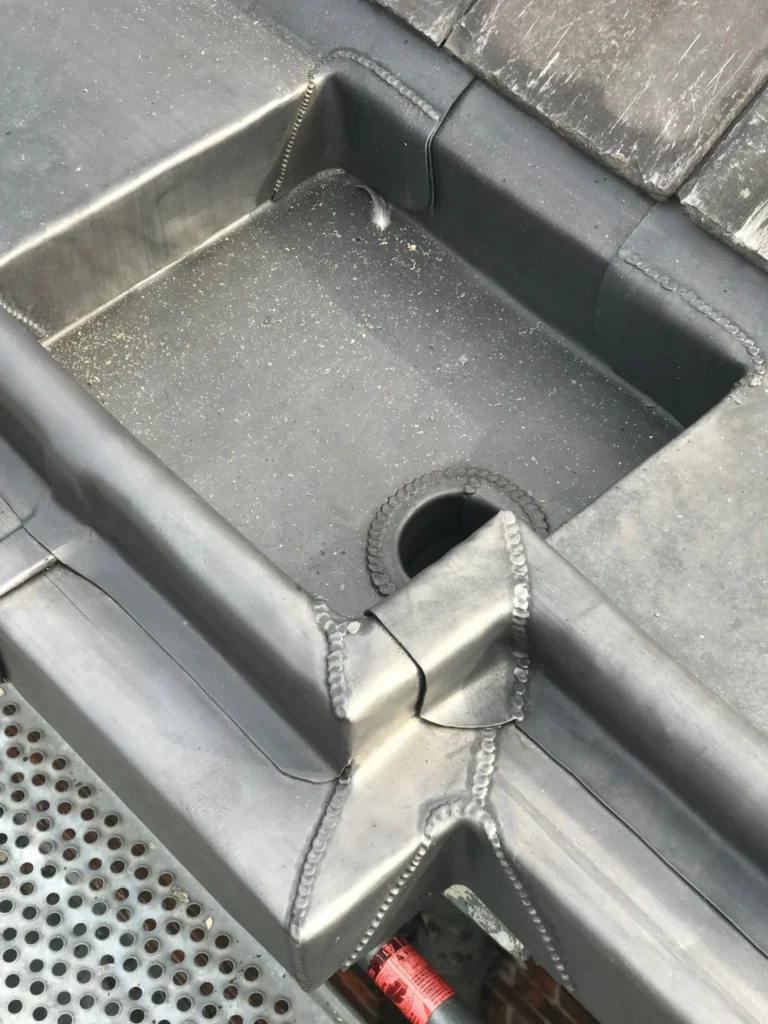
A rainwater system performs as a chain. A well-sized gutter can still fail if the outlet is restricted, the downpipe is undersized or the water cannot discharge effectively at ground level.
Collect rainfall from the roof and convey it towards outlets at appropriate falls and capacity.
Control transitions between gutters, valleys, roof drainage channels and vertical rainwater pipes.
Move collected rainfall vertically while accommodating required flow and suitable fixing to the building.
Connect the roof drainage system to suitable below-ground drainage, gullies, soakaways or other approved discharge arrangements.
Material selection should respond to the building, required appearance, expected service conditions, maintenance requirements and compatibility with adjoining roof and wall construction.
Traditional cast-iron gutters and downpipes remain appropriate for many period, listed and conservation-sensitive buildings.
Cast aluminium can provide a traditional appearance with lower weight and reduced corrosion risk compared with ferrous systems.
uPVC remains a practical and economical rainwater system for many residential and straightforward roofing applications.
Zinc rainwater goods can integrate particularly well with standing-seam roofing, architectural cladding and contemporary building-envelope projects.
Steel systems can provide a robust solution for residential, agricultural, commercial and contemporary applications.
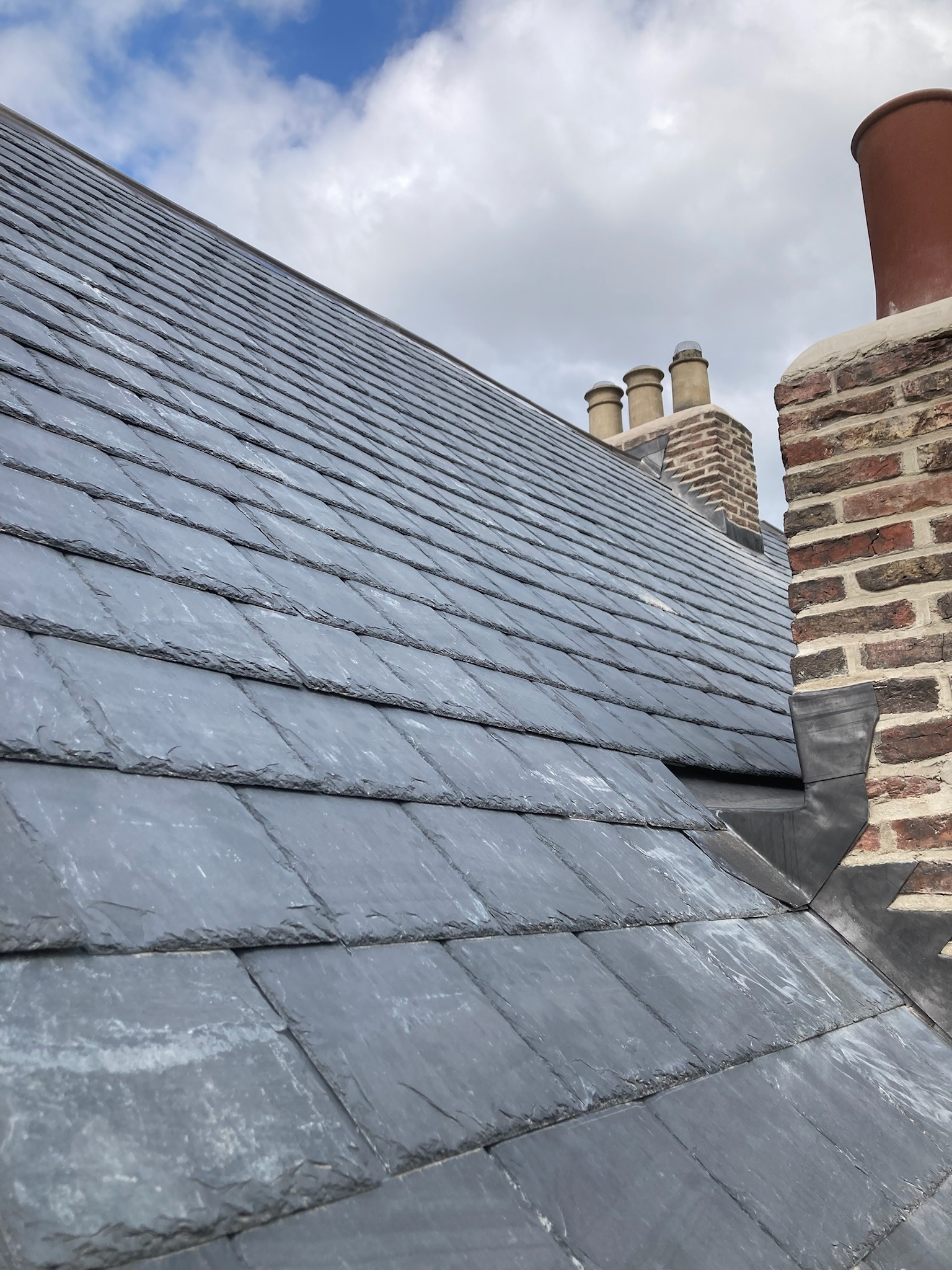
Lead remains important where gutters form part of the roof construction rather than simply being fixed at the eaves.
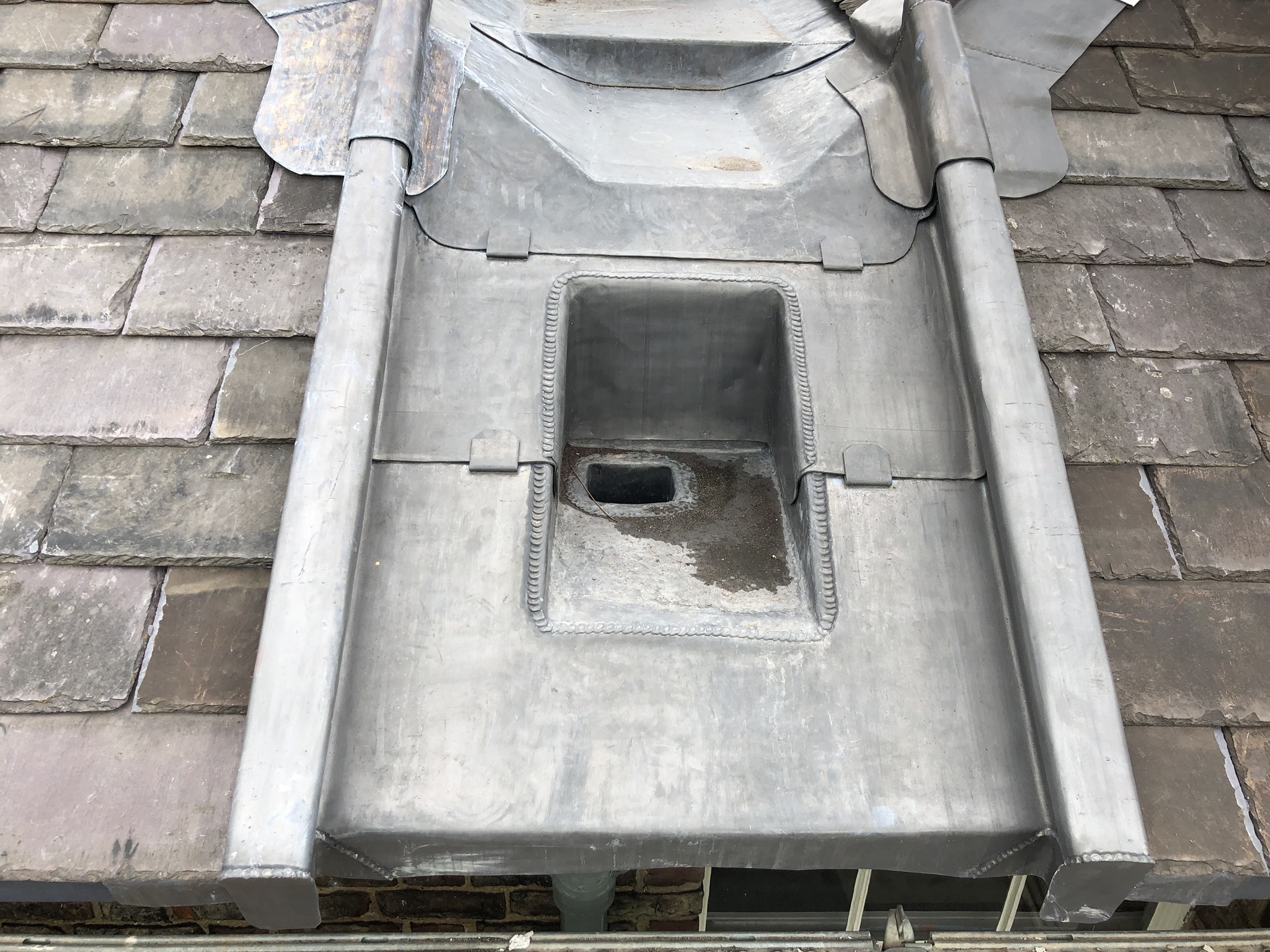
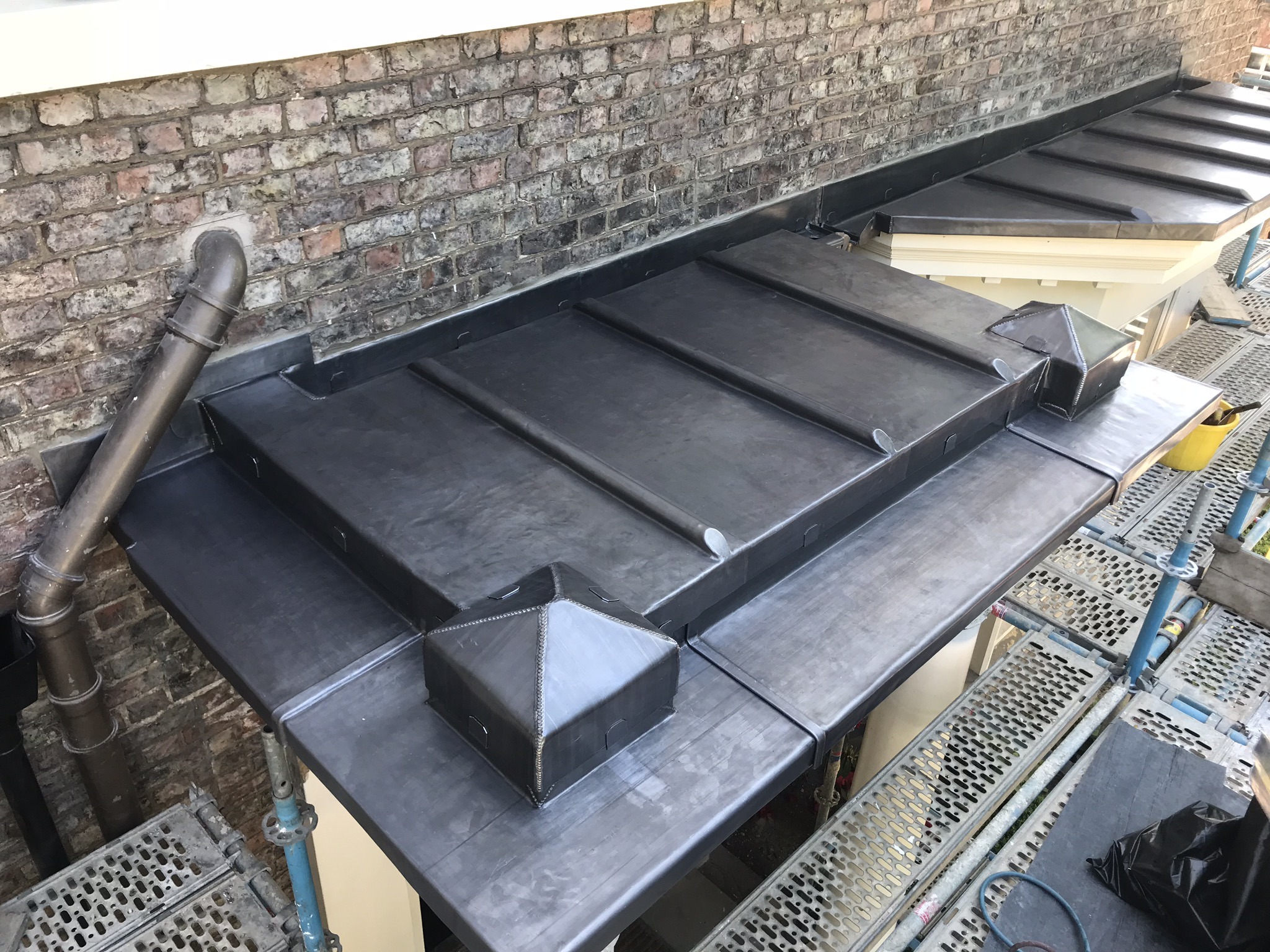
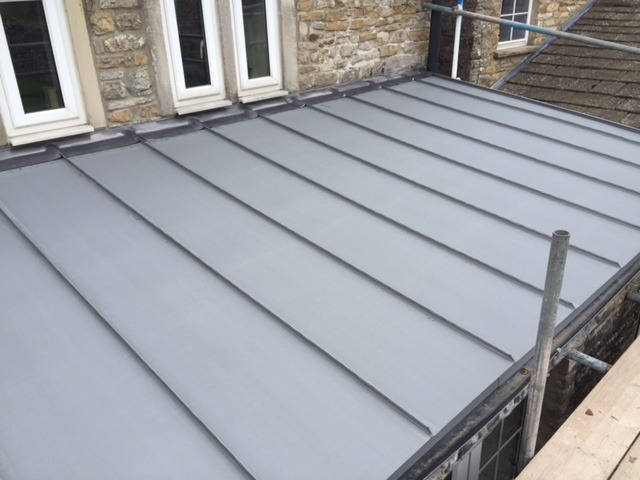
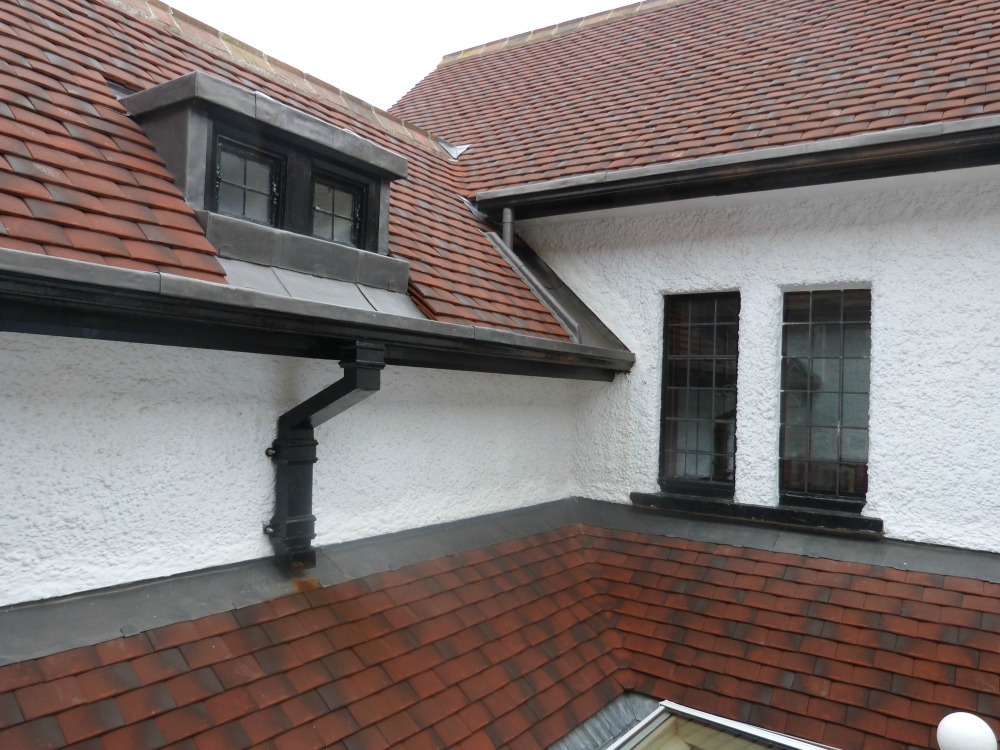
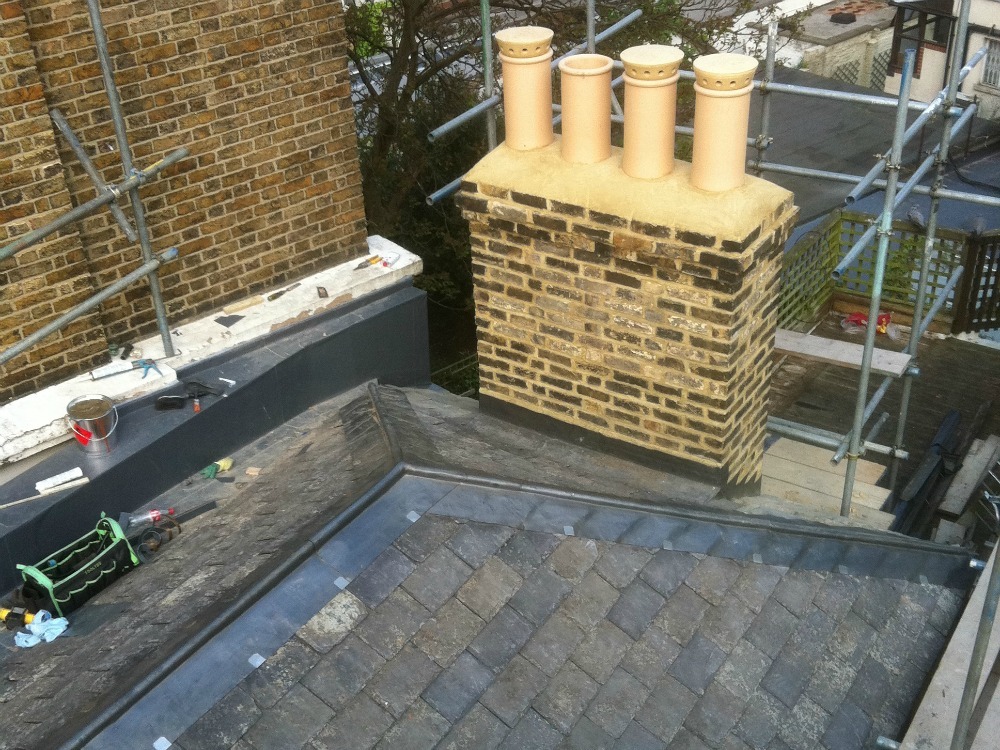
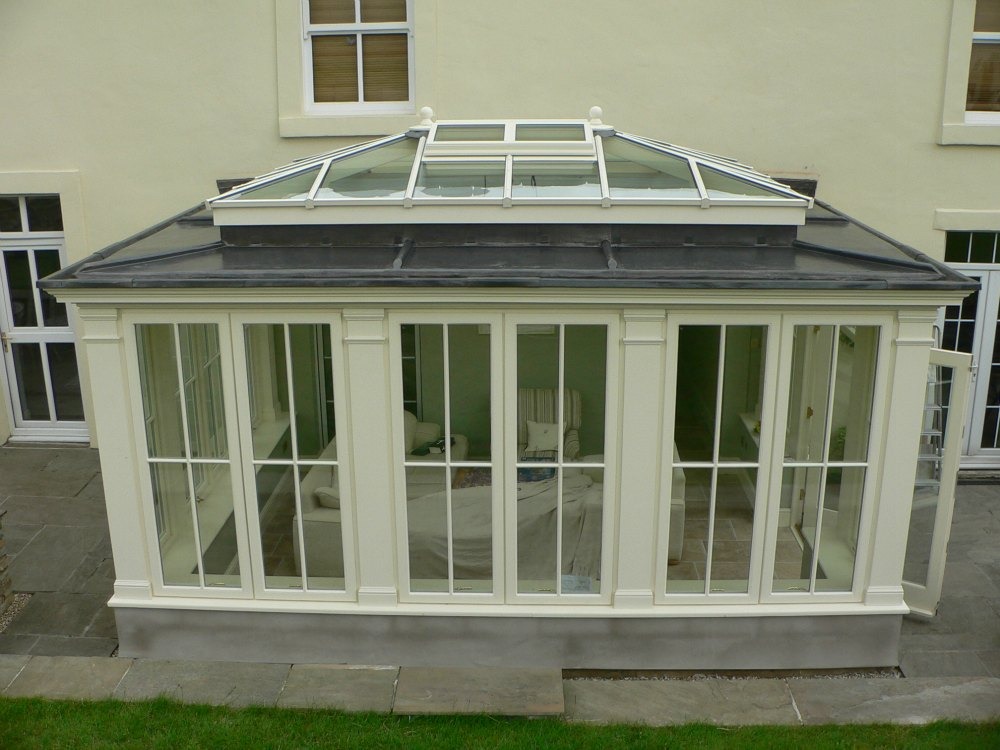
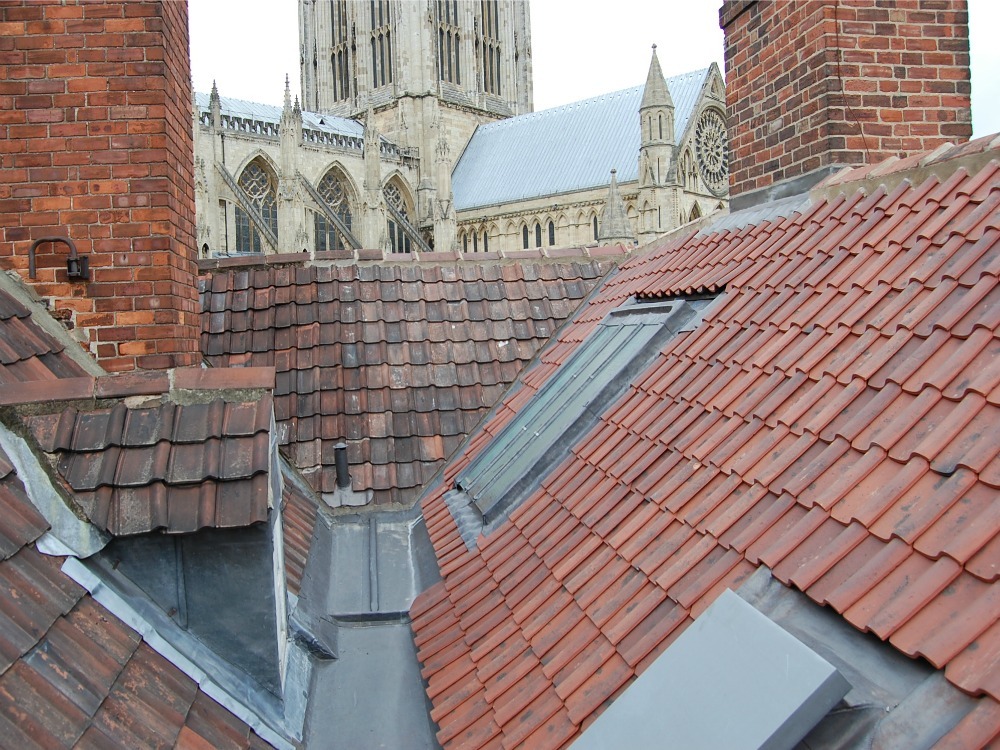
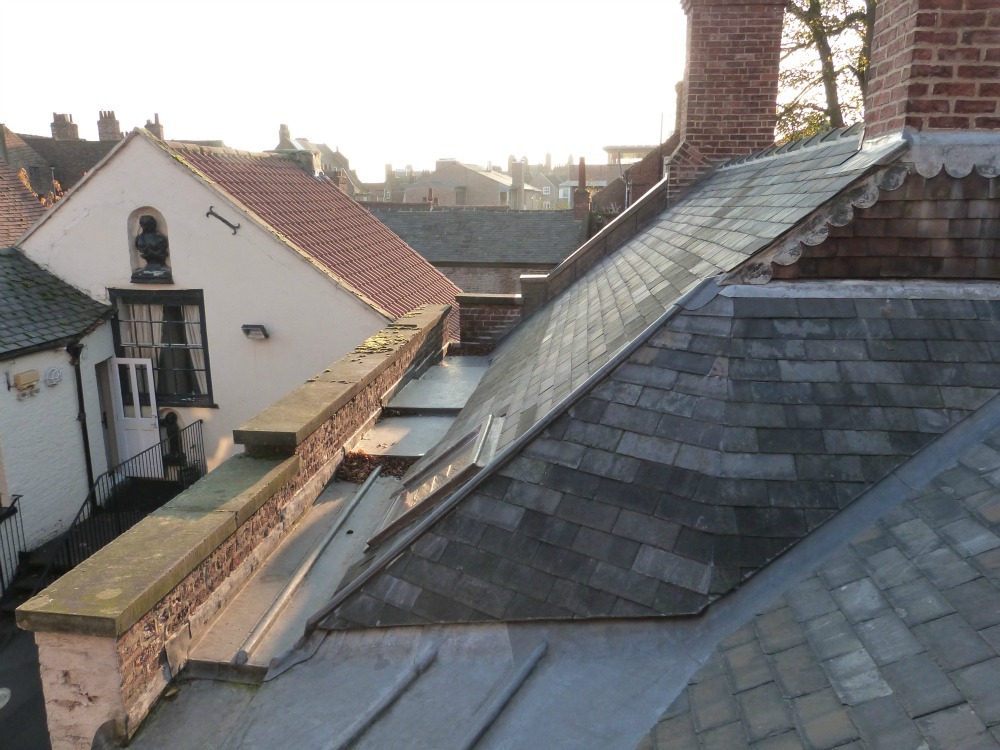
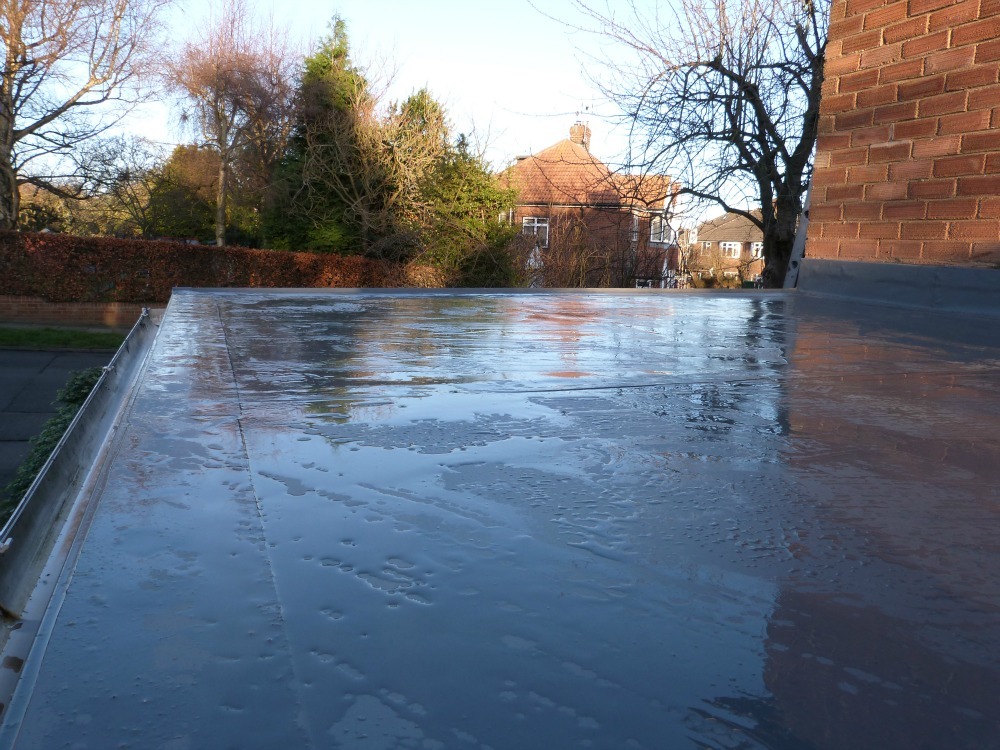
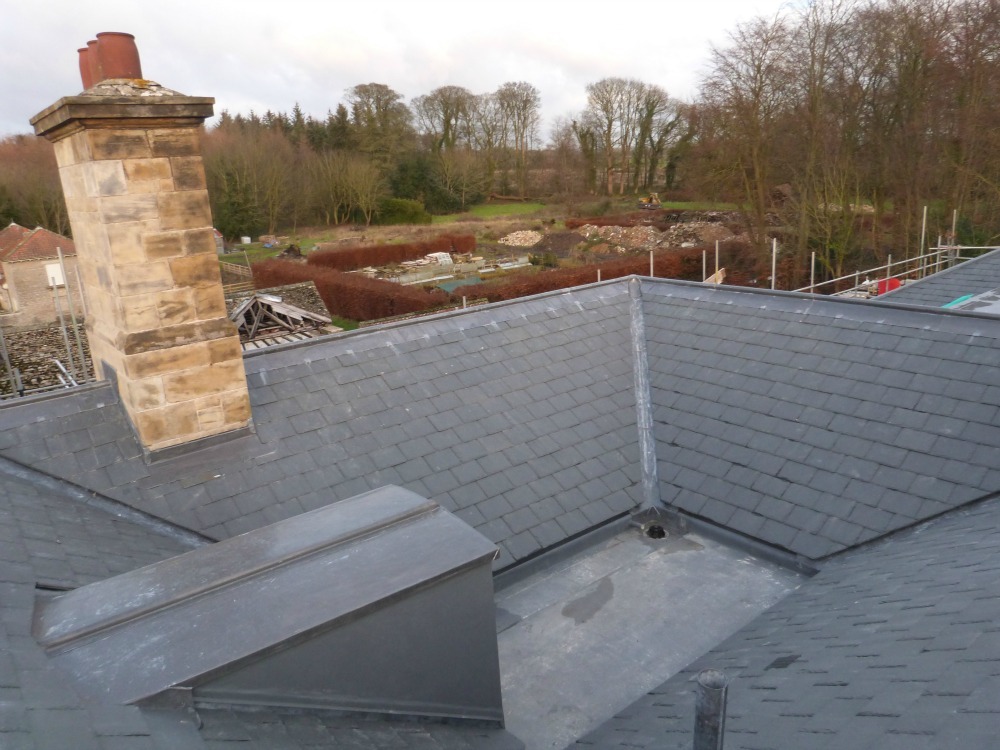
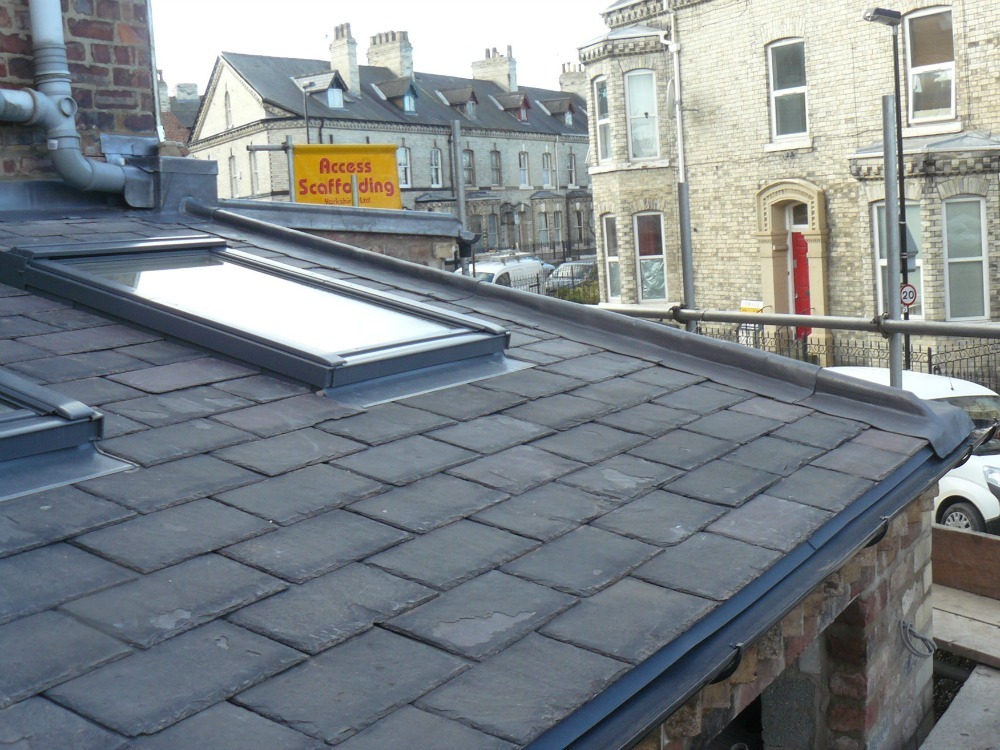
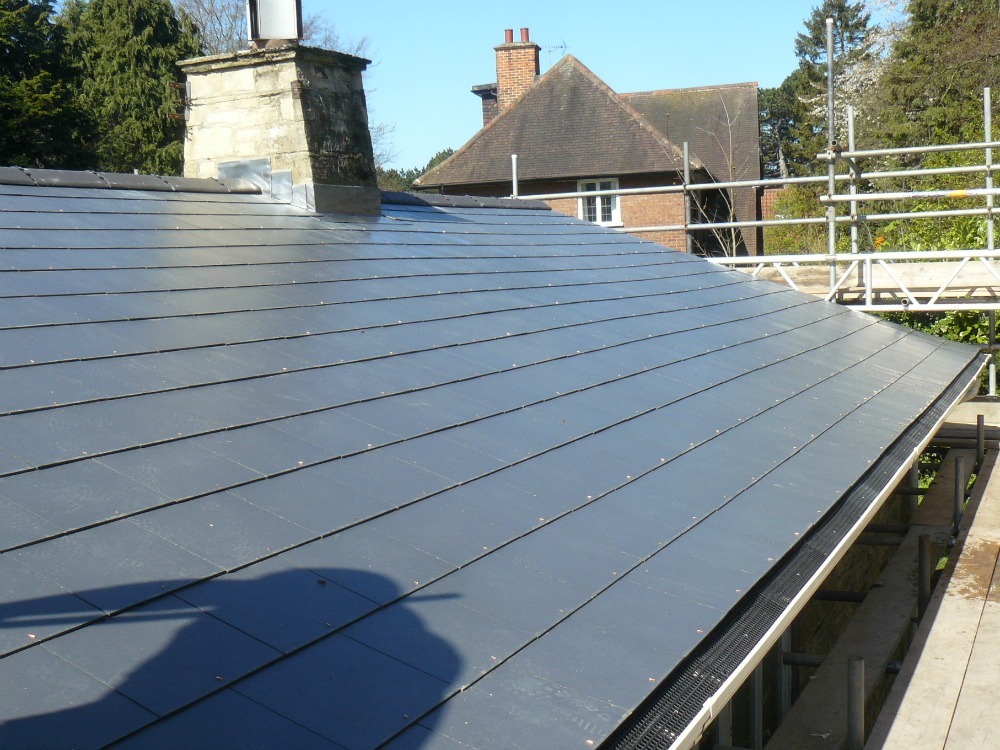
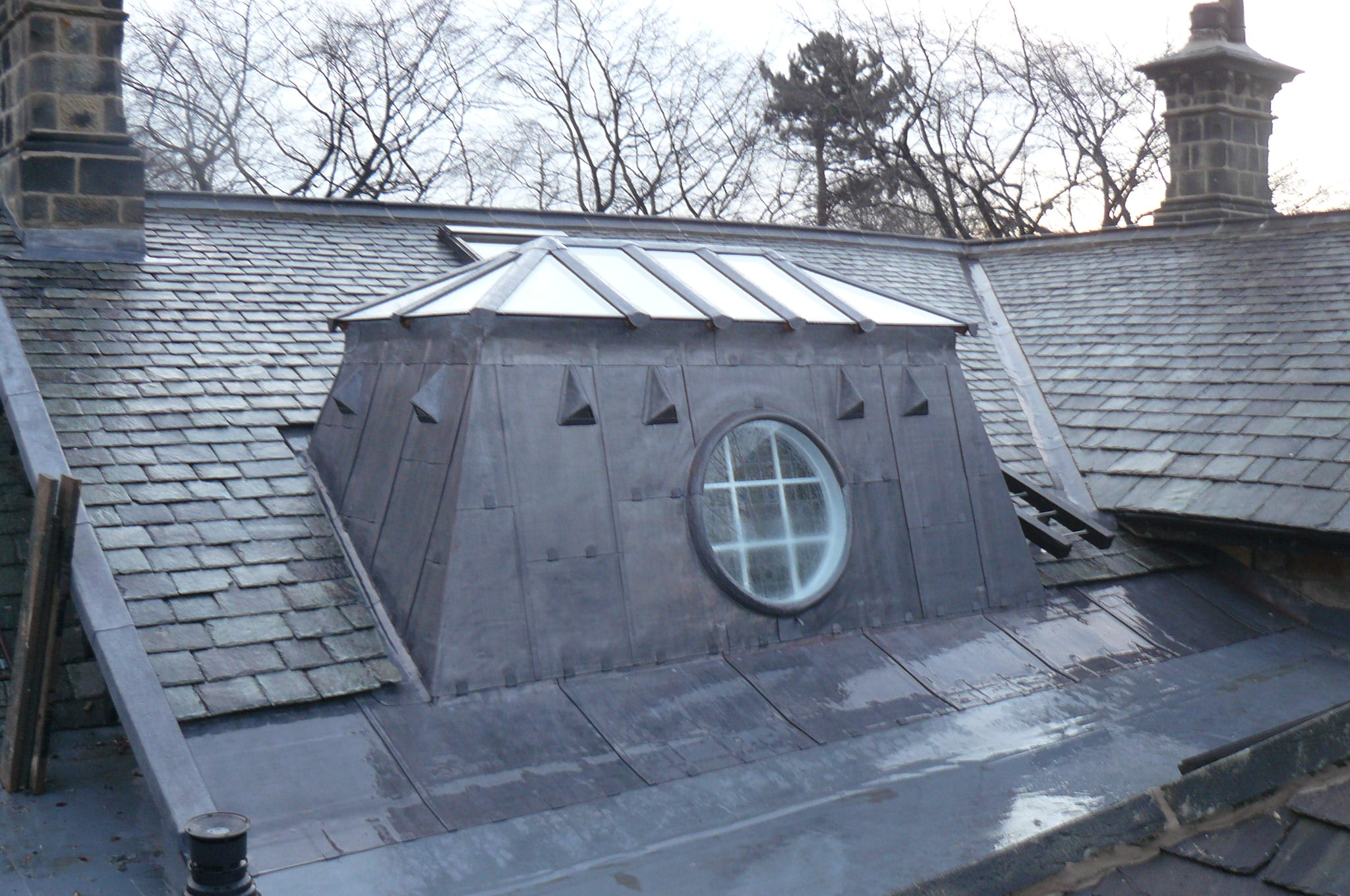
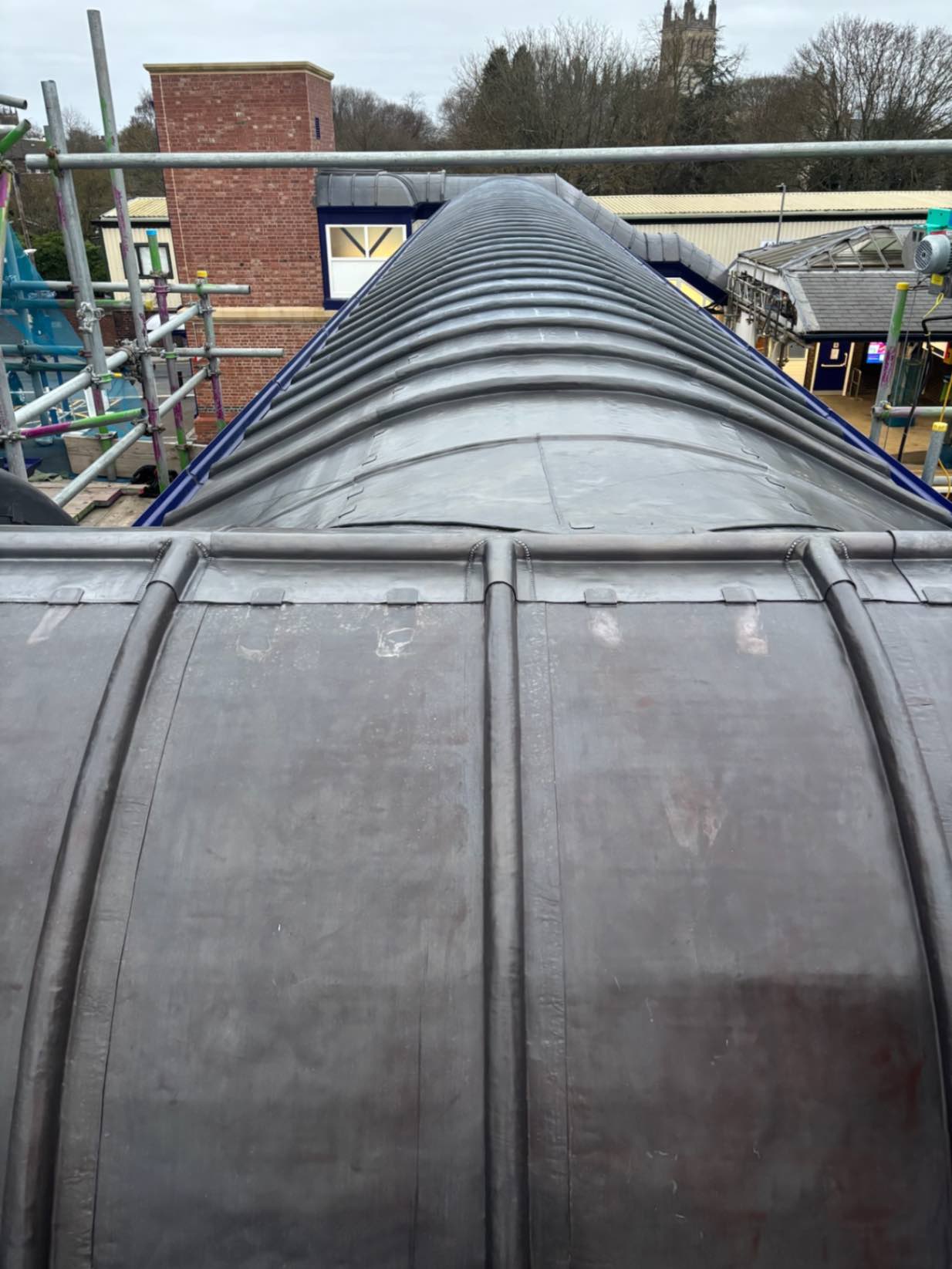
Integrated lead drainage formed as part of the roof construction.

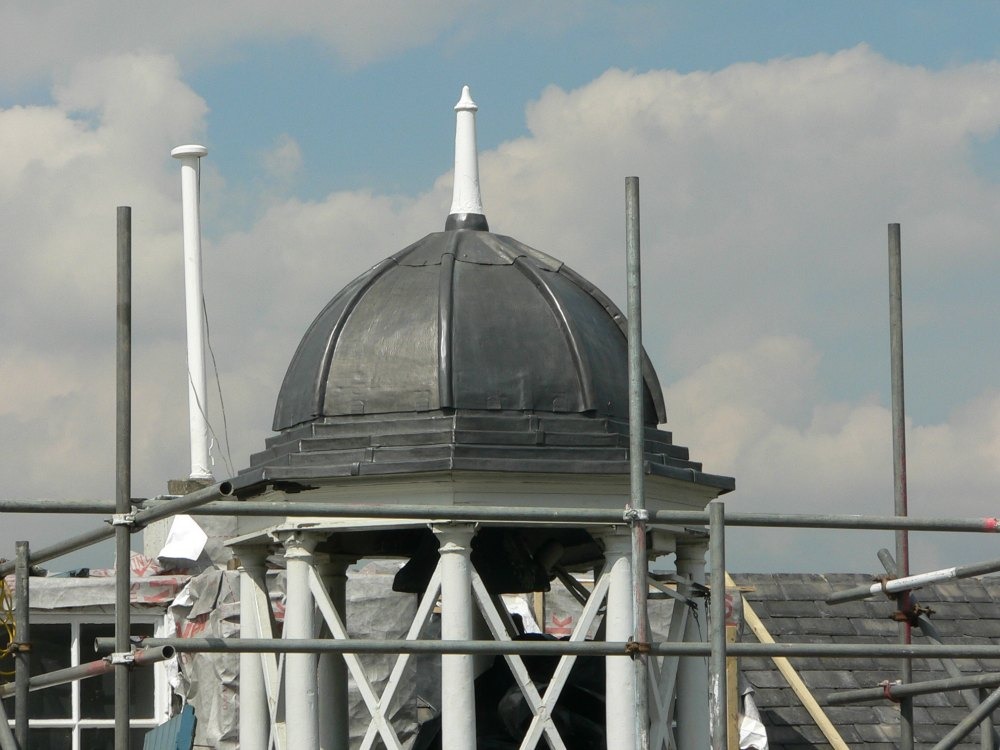
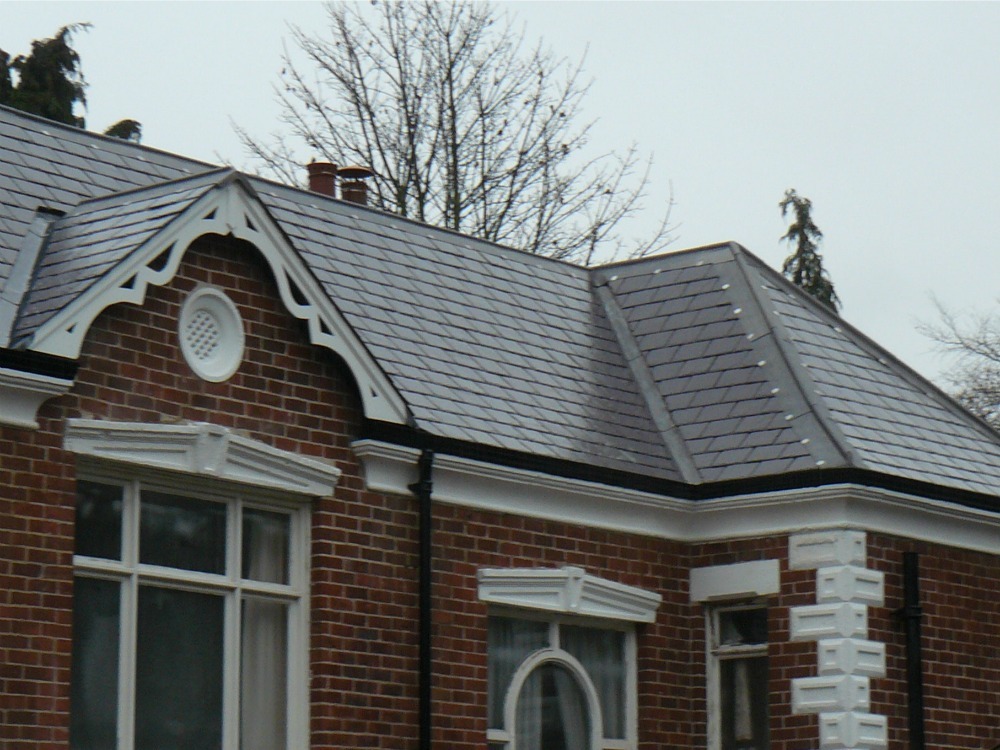
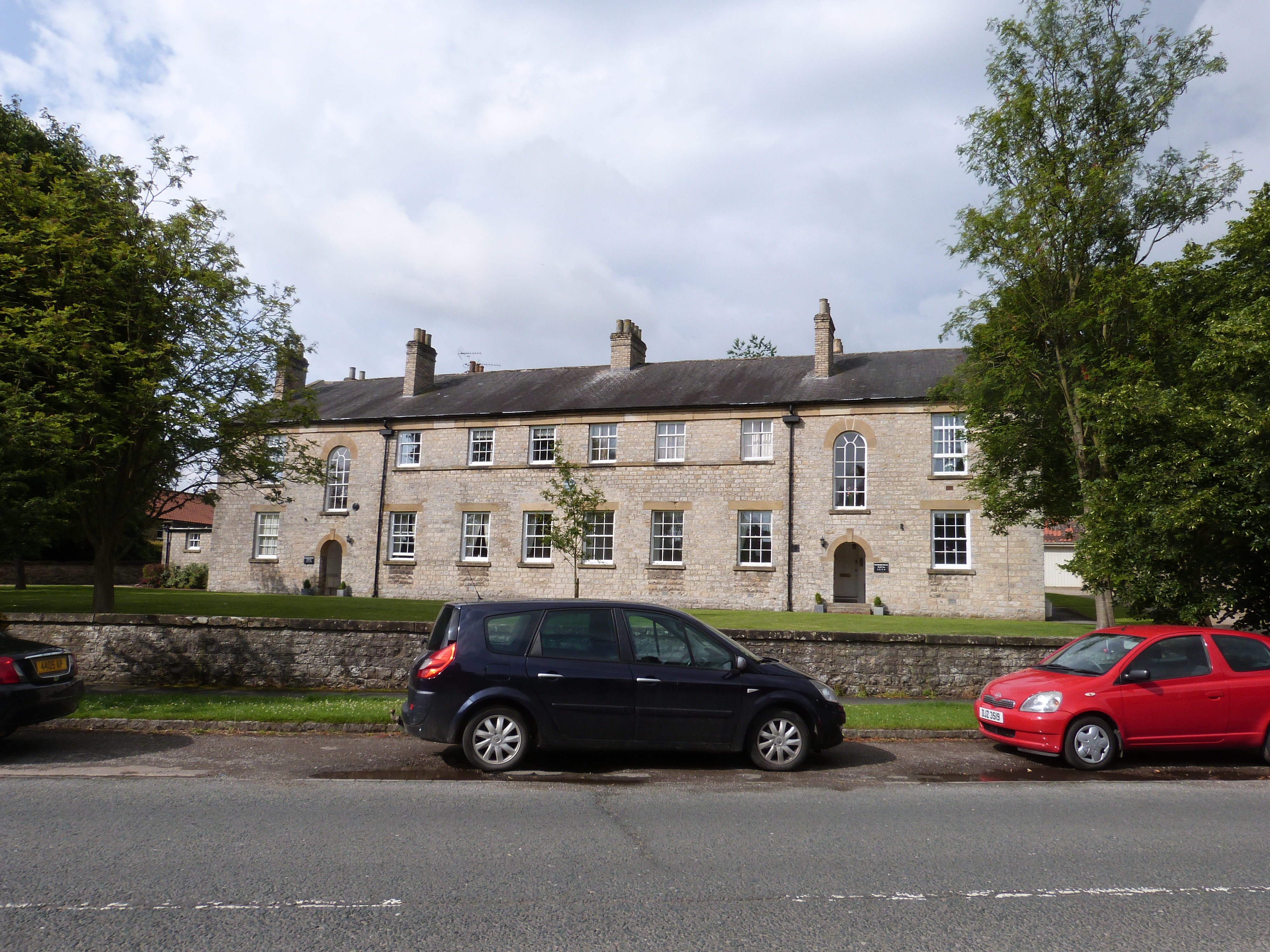
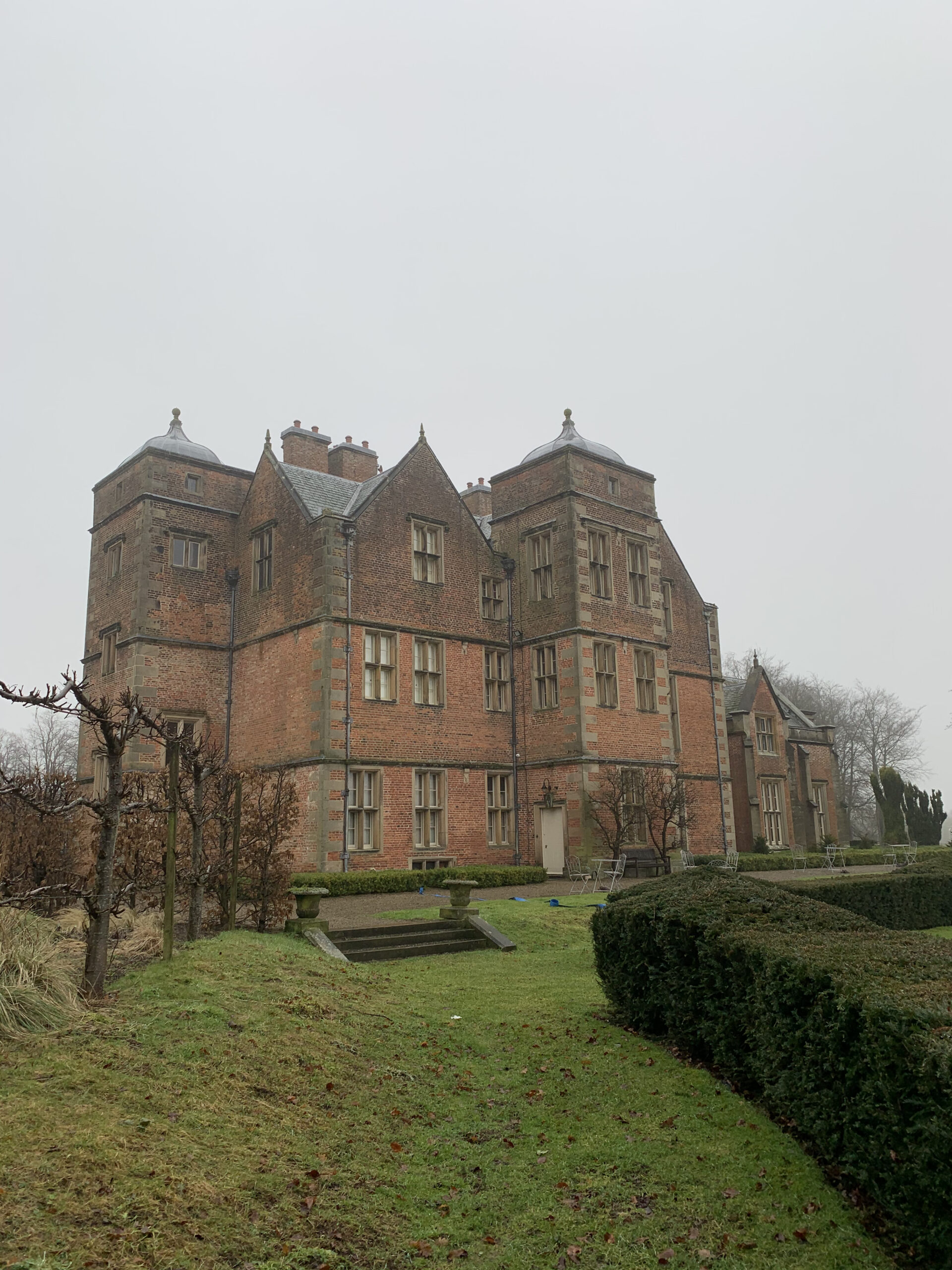
Traditional rainwater goods with bespoke architectural detailing.
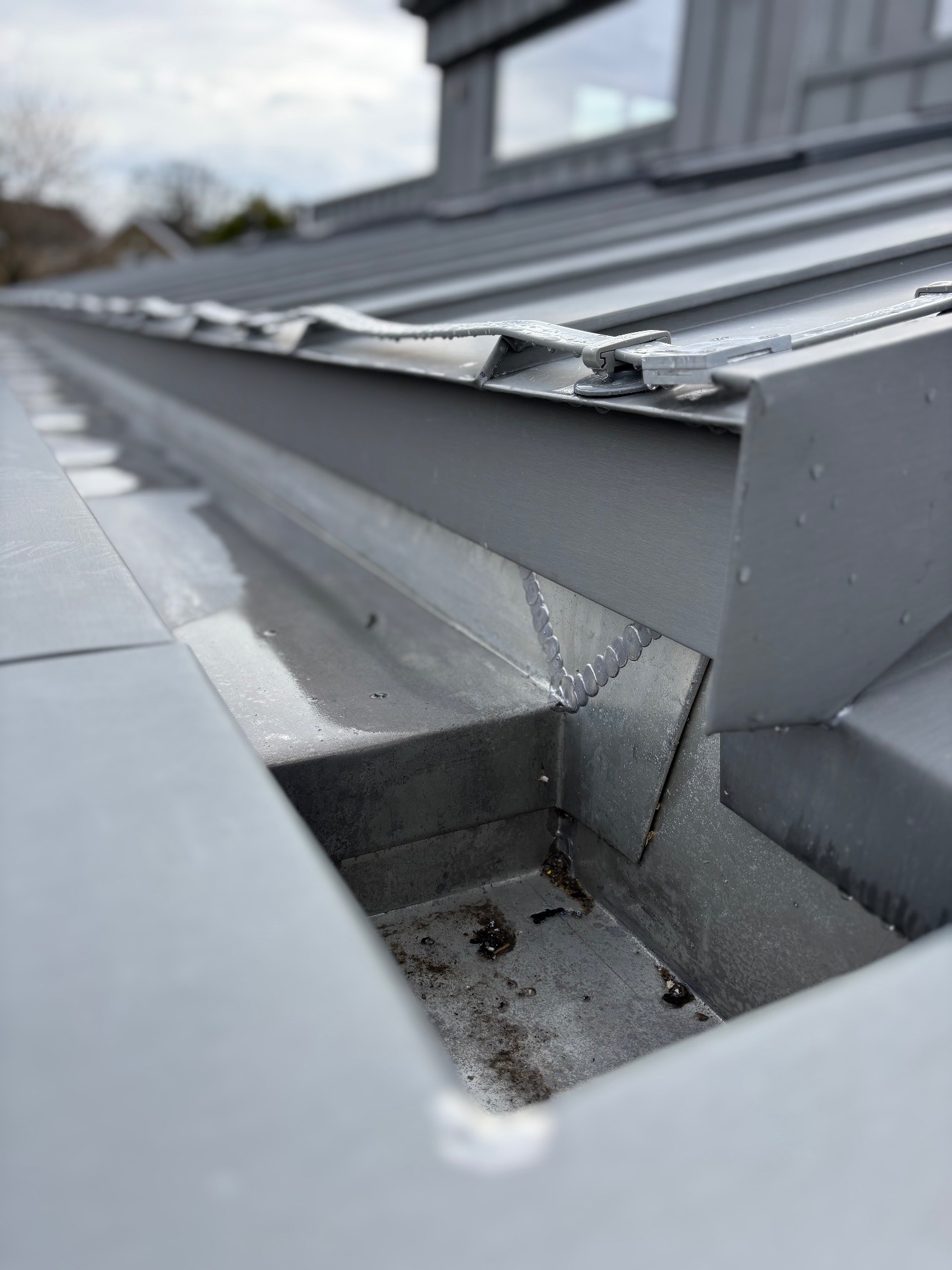
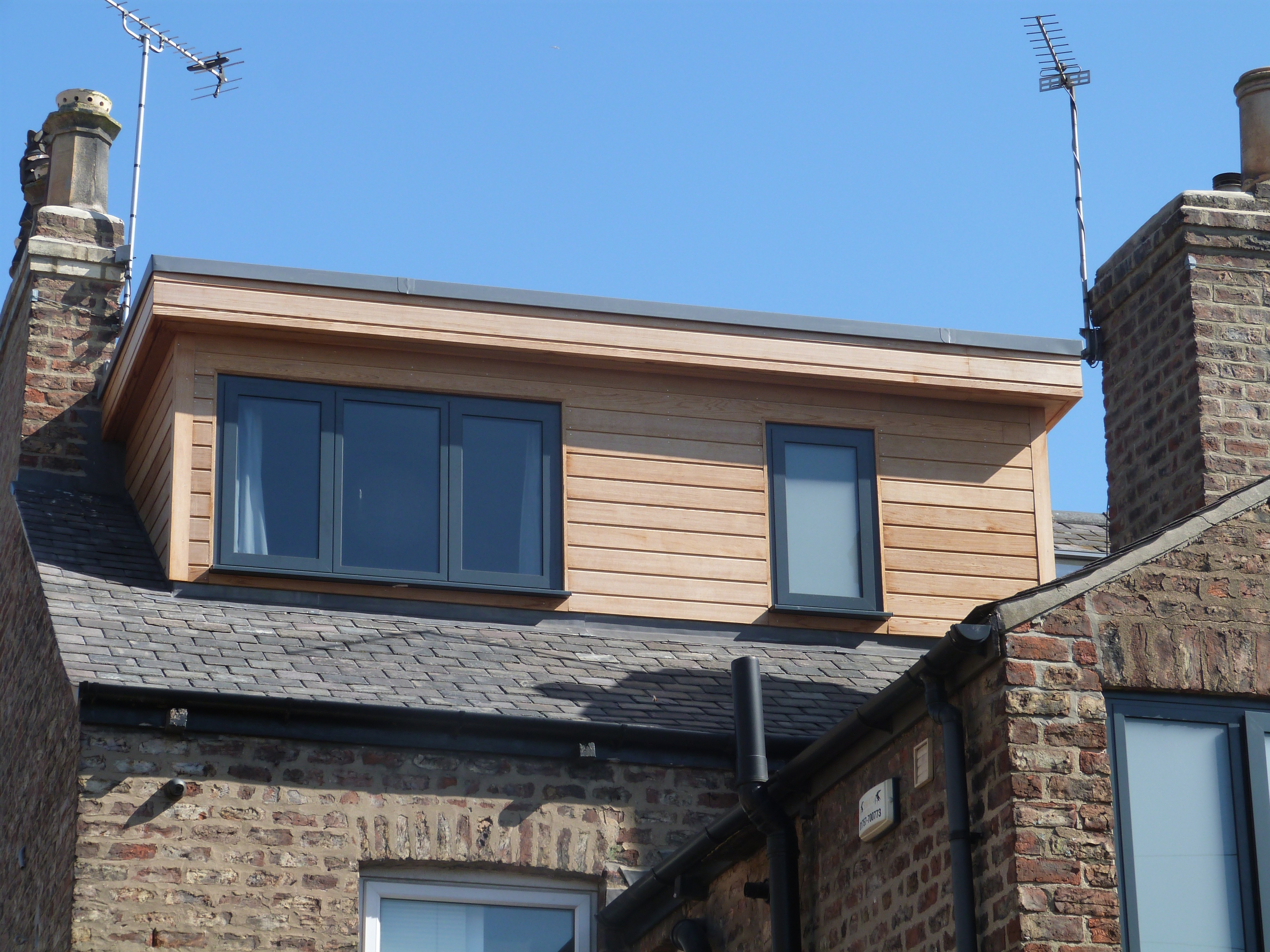
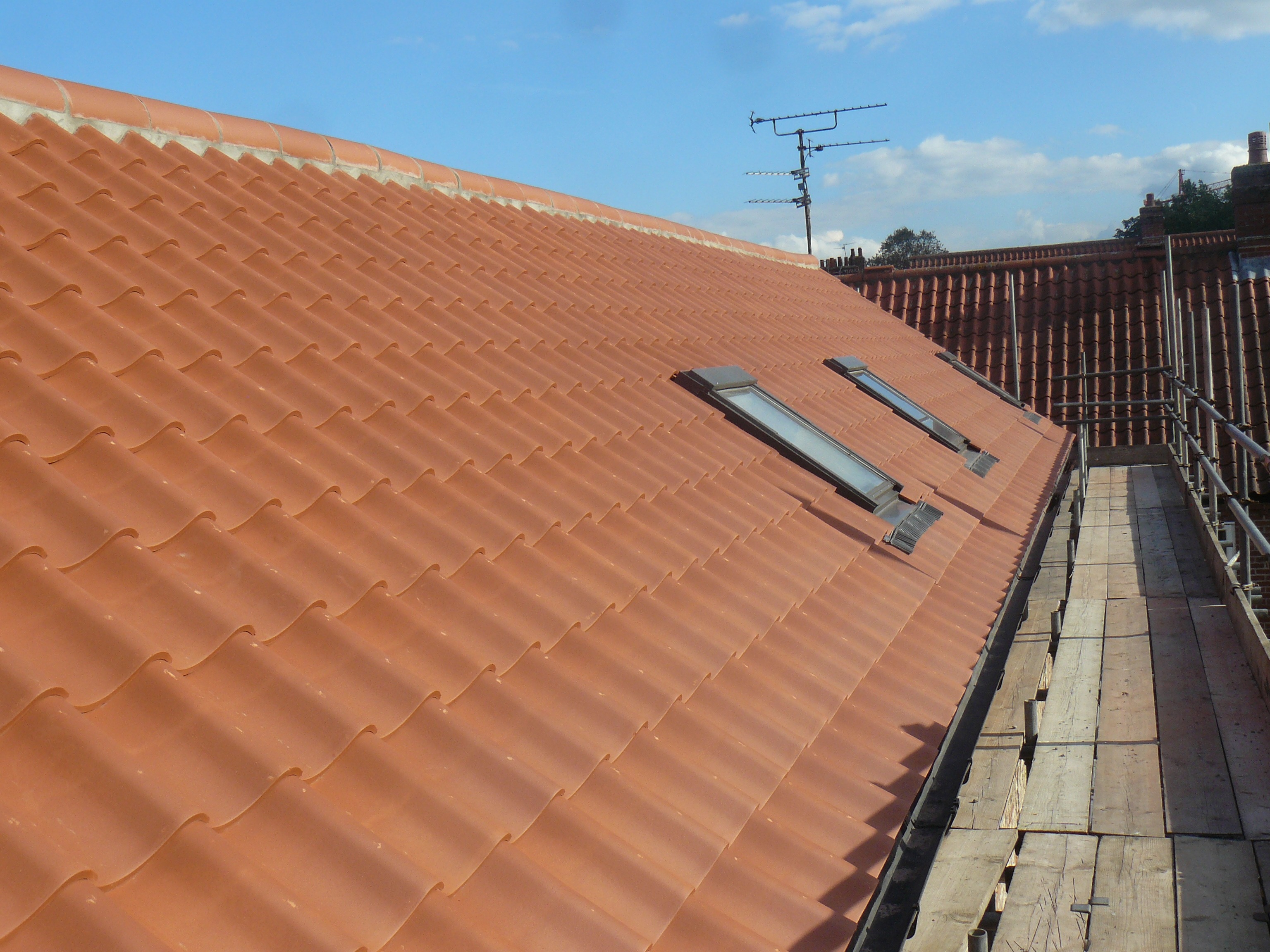
Bespoke stainless-steel gutter, sump and outlet detailing.
Rainwater systems should not be selected solely by matching the size of the gutter already on the building.
Design needs to consider the volume of rainfall reaching the system and whether the complete drainage route can accommodate that water safely.
Relevant considerations can include:
The gutter, outlet and downpipe should therefore be considered as one drainage system.
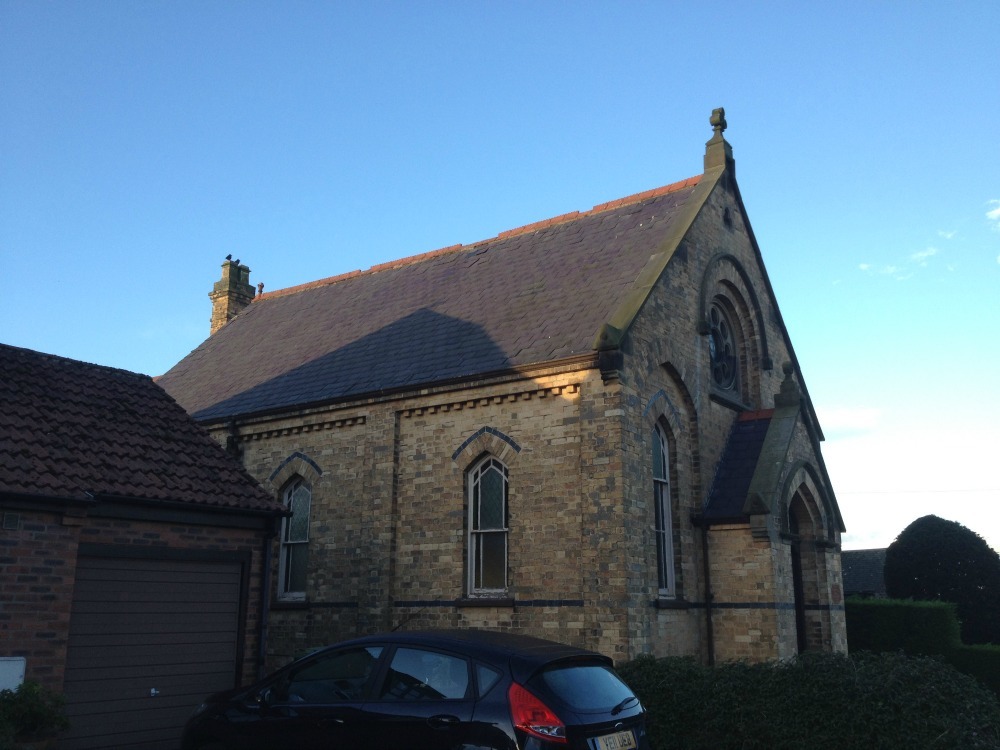
On historic buildings, gutters, hoppers and downpipes can form an important part of the architectural character rather than simply being replaceable services.
Existing cast-iron profiles, decorative hopper heads, lead outlets and unusual drainage arrangements may therefore warrant repair, replication or careful replacement rather than substitution with generic modern components.
Projects may involve:
Where an historic rainwater system remains repairable, retention may be preferable to wholesale replacement.
Where replacement is required, profile, proportions, material, fixing and surrounding historic fabric should all be considered.
The drainage system should protect the building without unnecessarily diminishing its character.
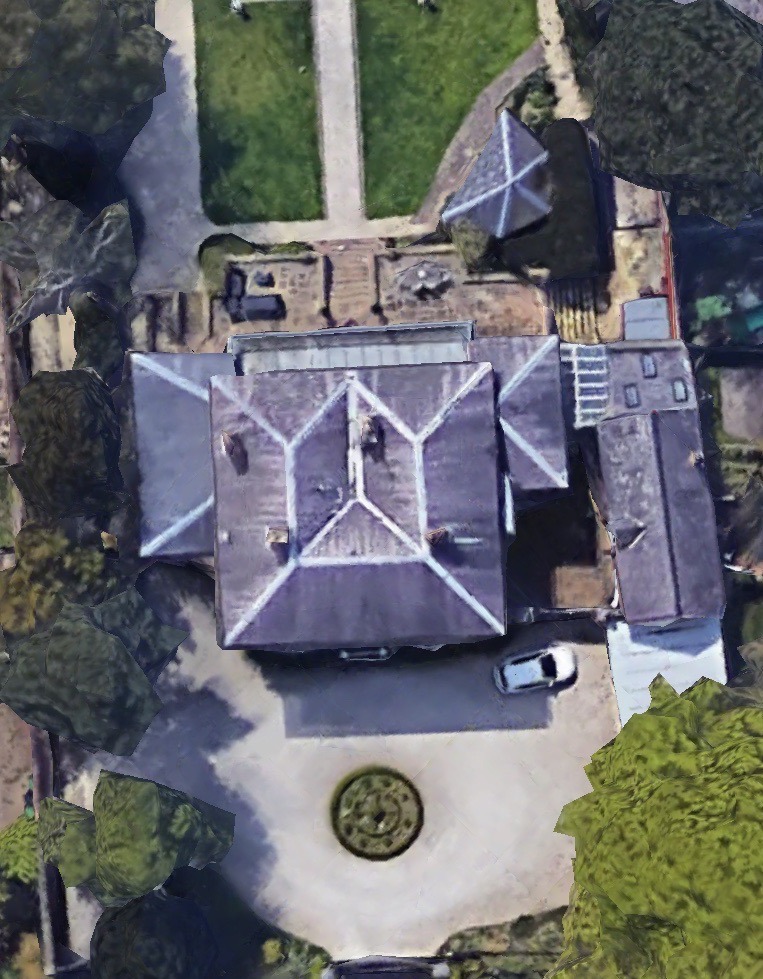
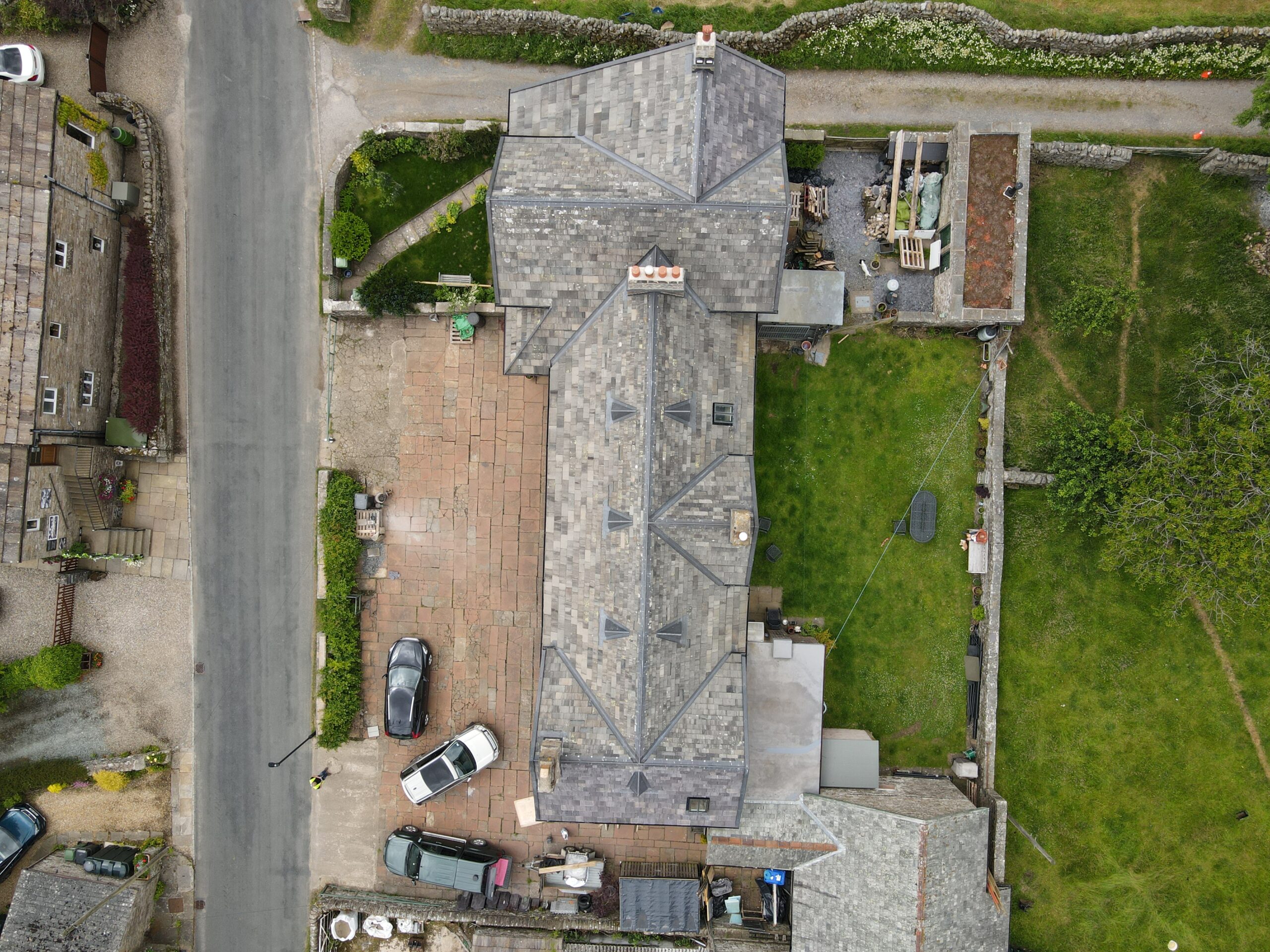
Complex roofs often require rainwater systems that cannot be resolved using standard proprietary eaves guttering alone.
Parapet gutters, box gutters, central valleys and other fully supported lead drainage details require careful consideration of falls, bay dimensions, sheet movement, substrate, joints and outlets.
Leadwork should be designed and installed with appropriate reference to BS 6915, BS EN 12588 and relevant practical guidance.
Leadwork ServicesHigh-specification roofs may incorporate:
These details should be coordinated with the waterproofing and roof structure rather than designed after the primary roof covering has been installed.
Many gutter problems arise from isolated defects rather than complete system failure.
An inspection can help establish whether the appropriate response is cleaning, adjustment, local repair, partial replacement or complete renewal.
Common defects include:
1. Identify the symptom
Leak, overflow, staining or damp.
2. Find the cause
Blockage, capacity, falls, joint failure or discharge issue.
3. Assess the system
Determine whether surrounding components remain serviceable.
4. Repair proportionately
Replace only what is necessary where practical.
Rainwater goods should be considered alongside the roof rather than treated as an isolated finishing trade.
Replacement gutters may interact with:
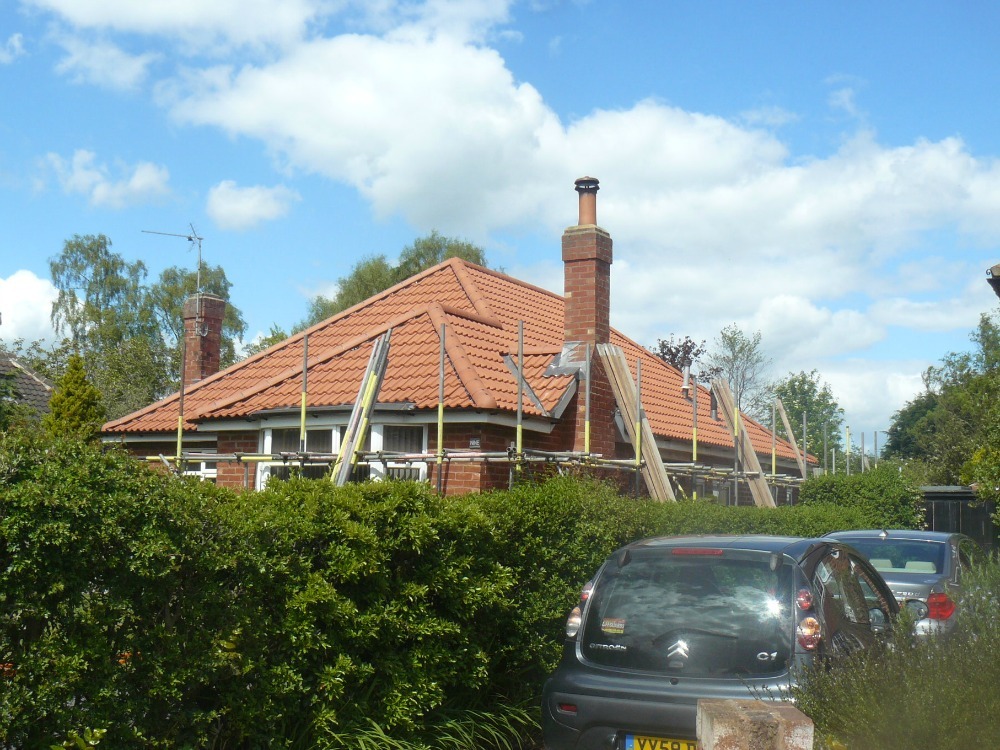
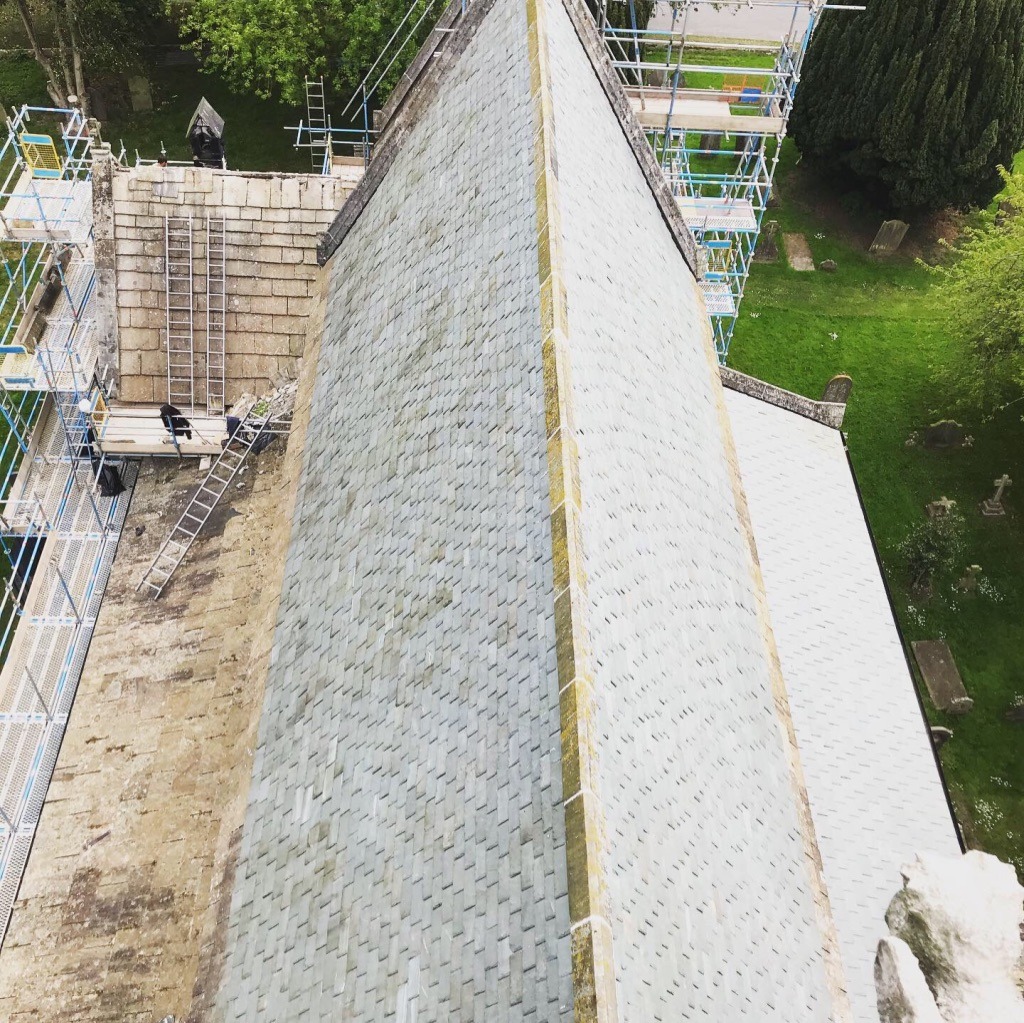
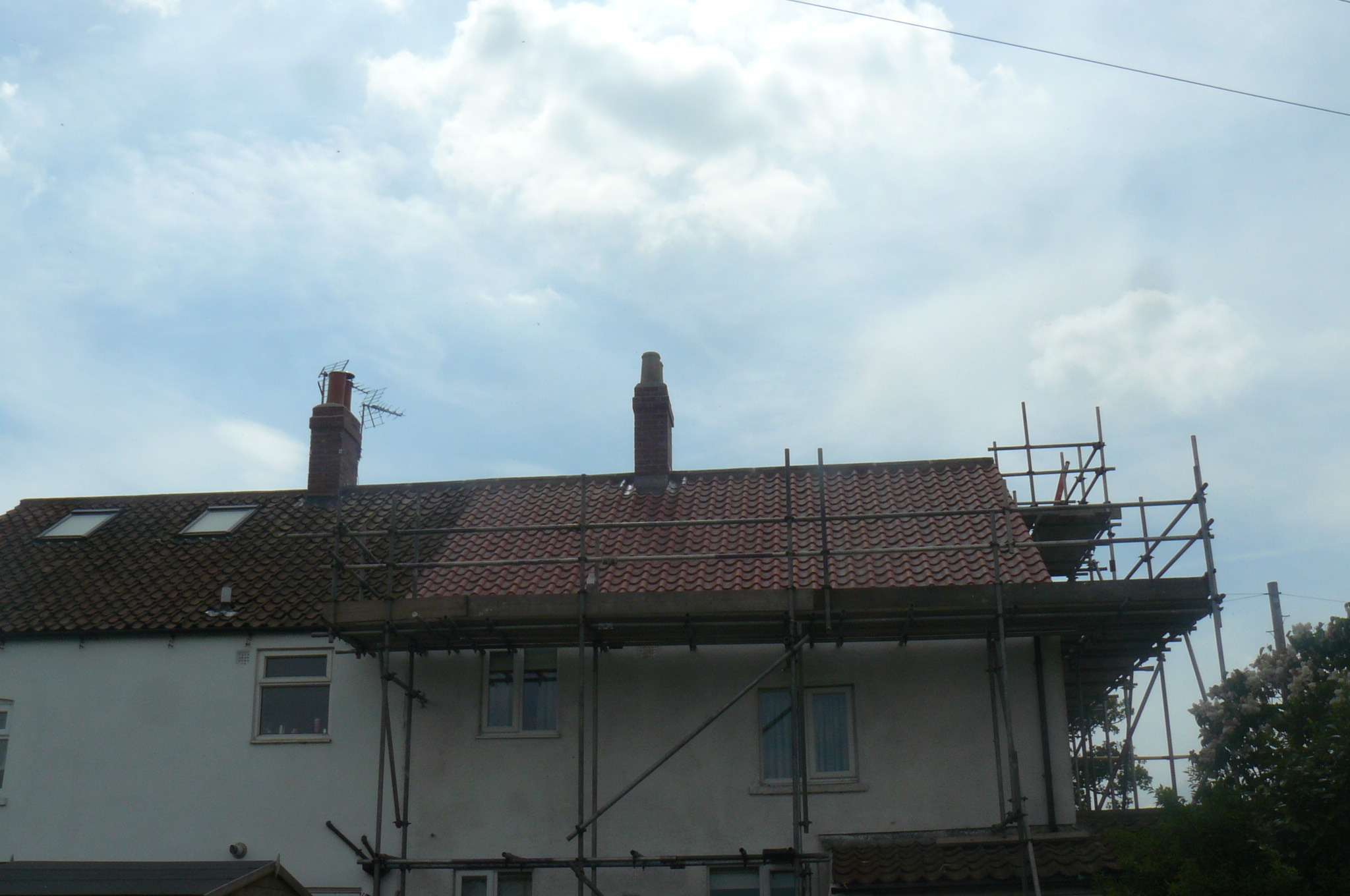
This is why rainwater upgrades are often most efficiently undertaken while roofing access and scaffolding are already available.
Common questions about gutter materials, drainage capacity, repairs and heritage rainwater systems.
Rainwater goods are the components used to collect and discharge rainfall from a building. They typically include gutters, outlets, hoppers, downpipes and associated fittings.
There is no single best material. The appropriate choice depends upon the building, required appearance, roof area, maintenance requirements, budget and any planning or heritage considerations.
Often yes. Individual cracked, corroded or failed components can sometimes be repaired or replaced while retaining serviceable sections of the existing system.
Cast aluminium can be appropriate on many historic and period buildings, particularly where a traditional profile is required with lower weight and different maintenance characteristics from cast iron.
Gutter capacity should be considered in relation to the effective roof catchment, rainfall, gutter profile, falls, outlets, downpipes and the wider drainage arrangement.
Yes. Depending upon the project, bespoke lead, zinc, stainless-steel and other fabricated rainwater details can form part of specialist roofing and building-envelope works.
Yes. Where practical, leaking joints, damaged sections, failed brackets, blocked outlets and other local defects may be repaired without complete replacement.
Not automatically. Existing rainwater goods should be assessed for condition, capacity and suitability. Sound systems can often remain, while deficient components can be repaired or upgraded as part of the roofing project.
Send us photographs, drawings, roof dimensions or details of the existing rainwater system. We can review the building and advise whether repair, replacement or a redesigned drainage arrangement is appropriate.
Effective rainwater management starts at the roof and ends with safe discharge away from the building.