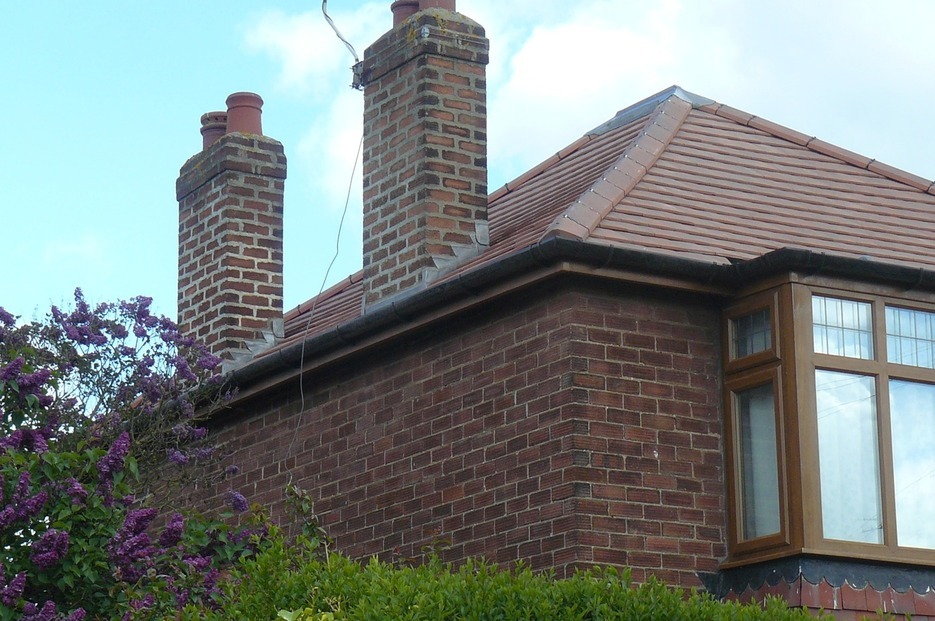
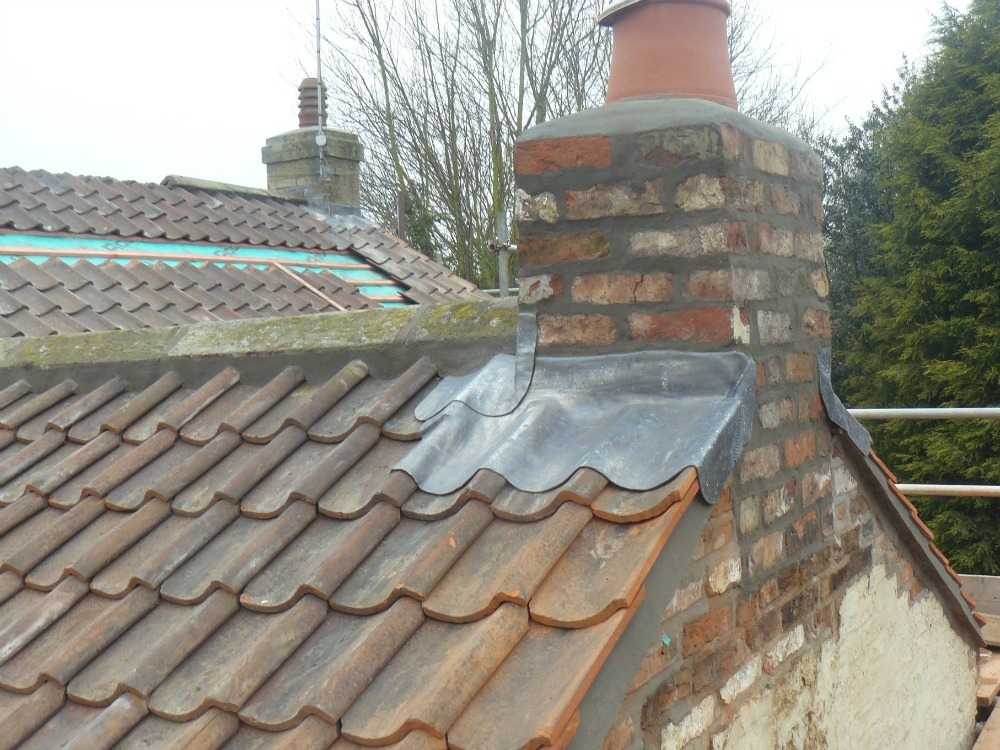
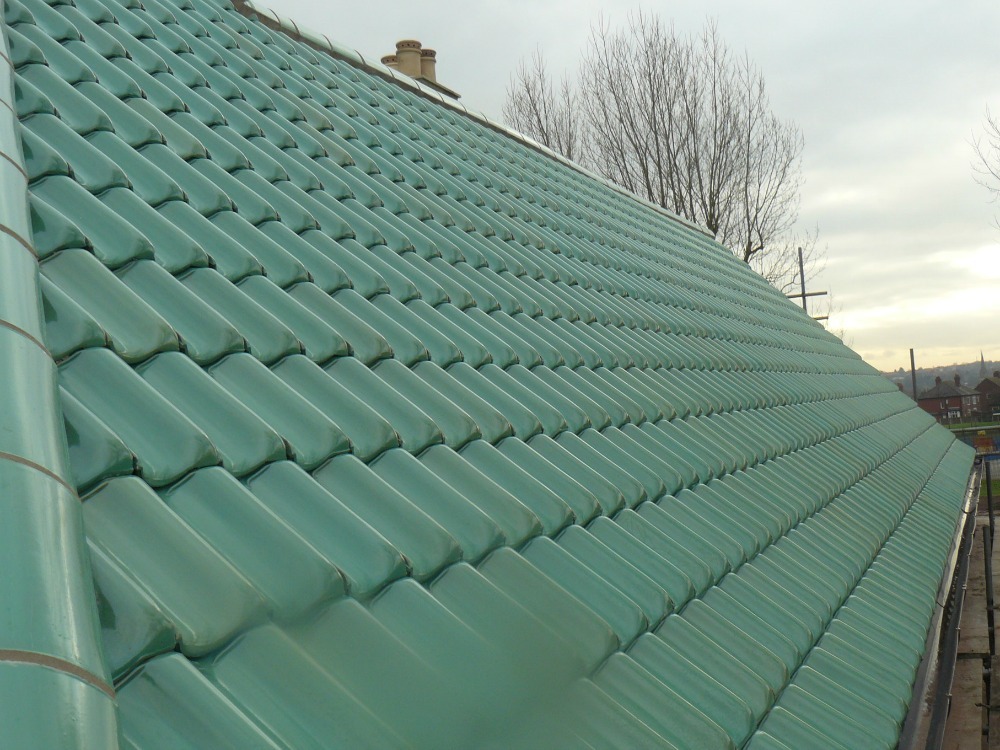
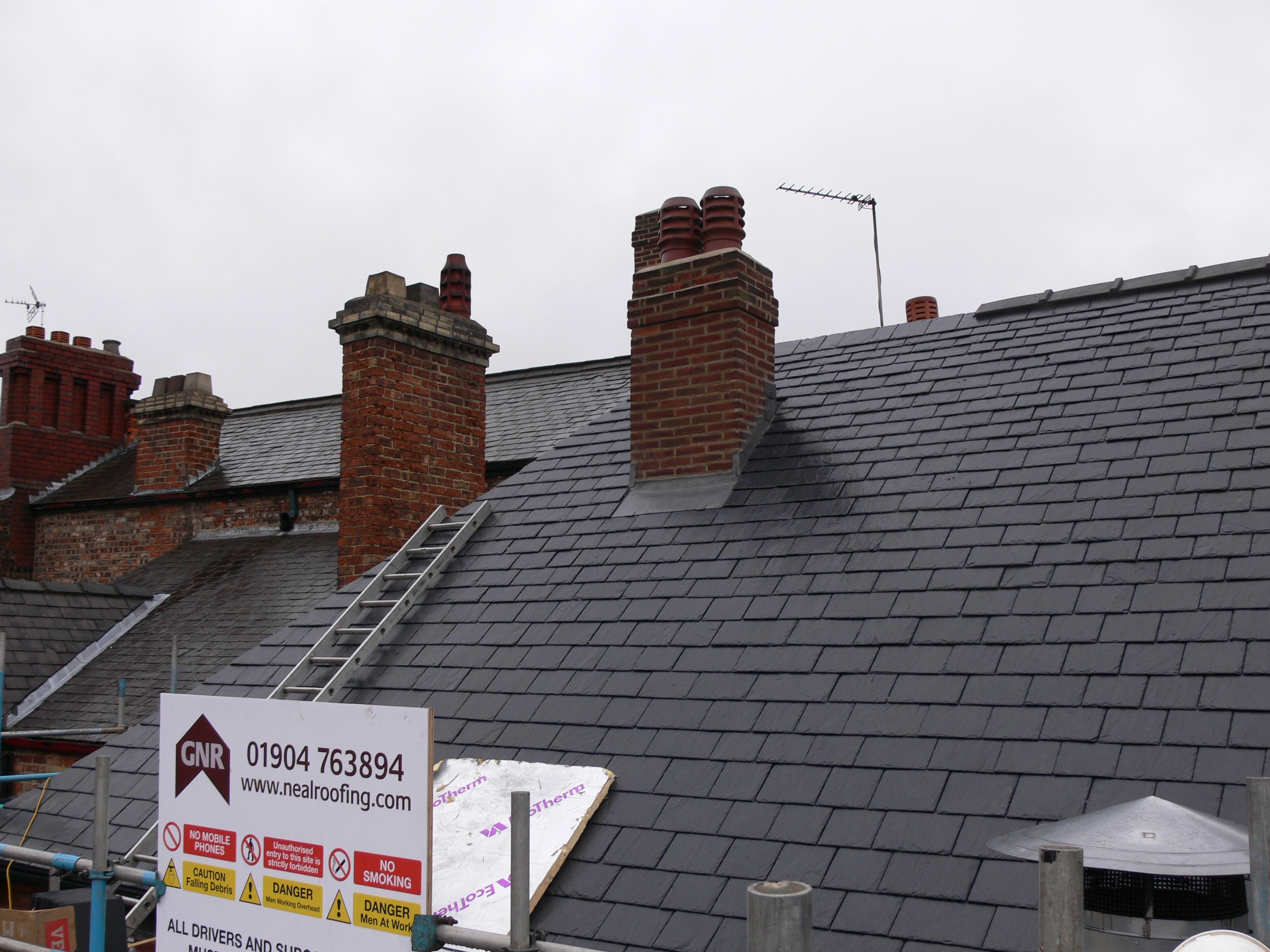
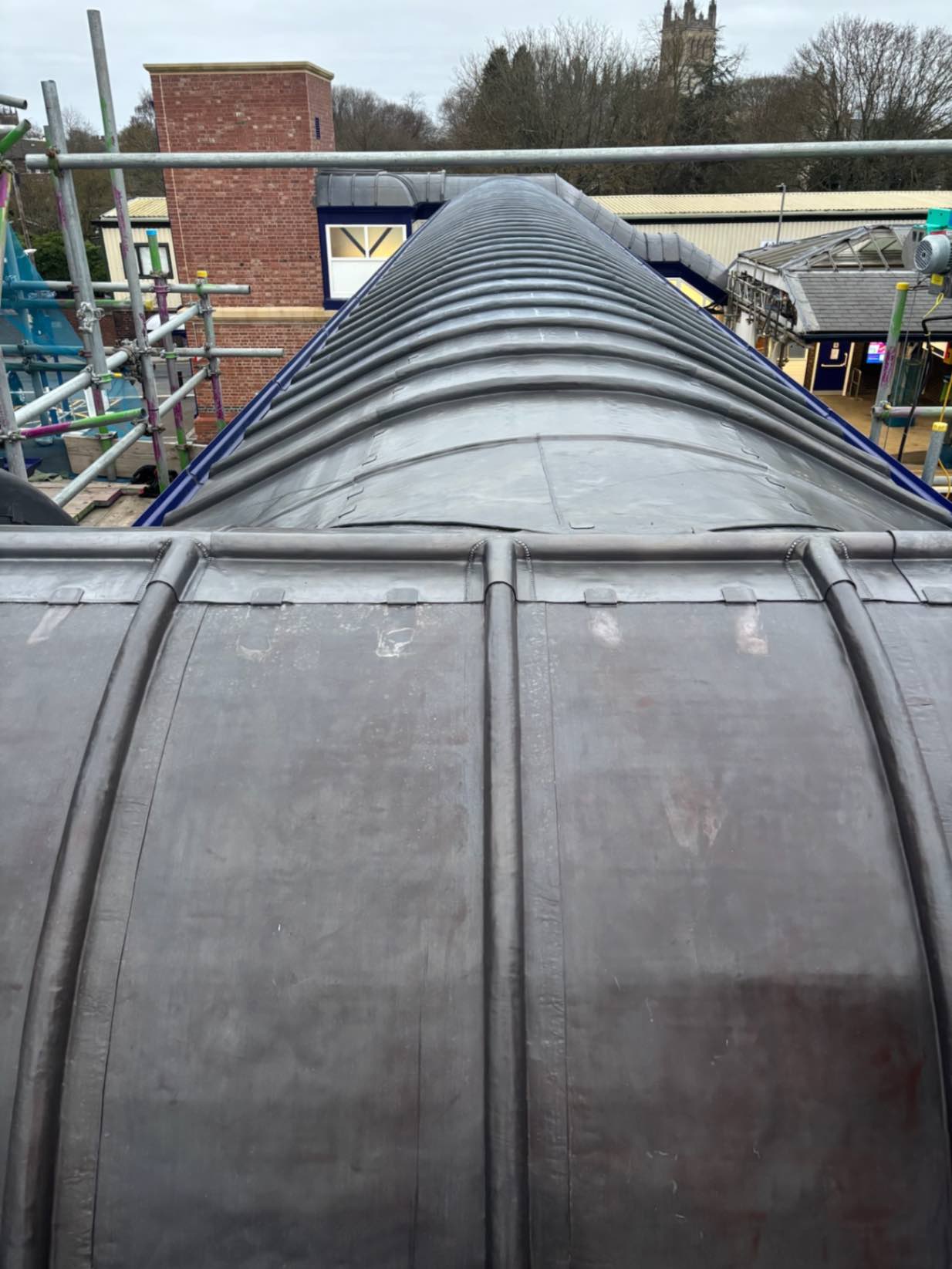
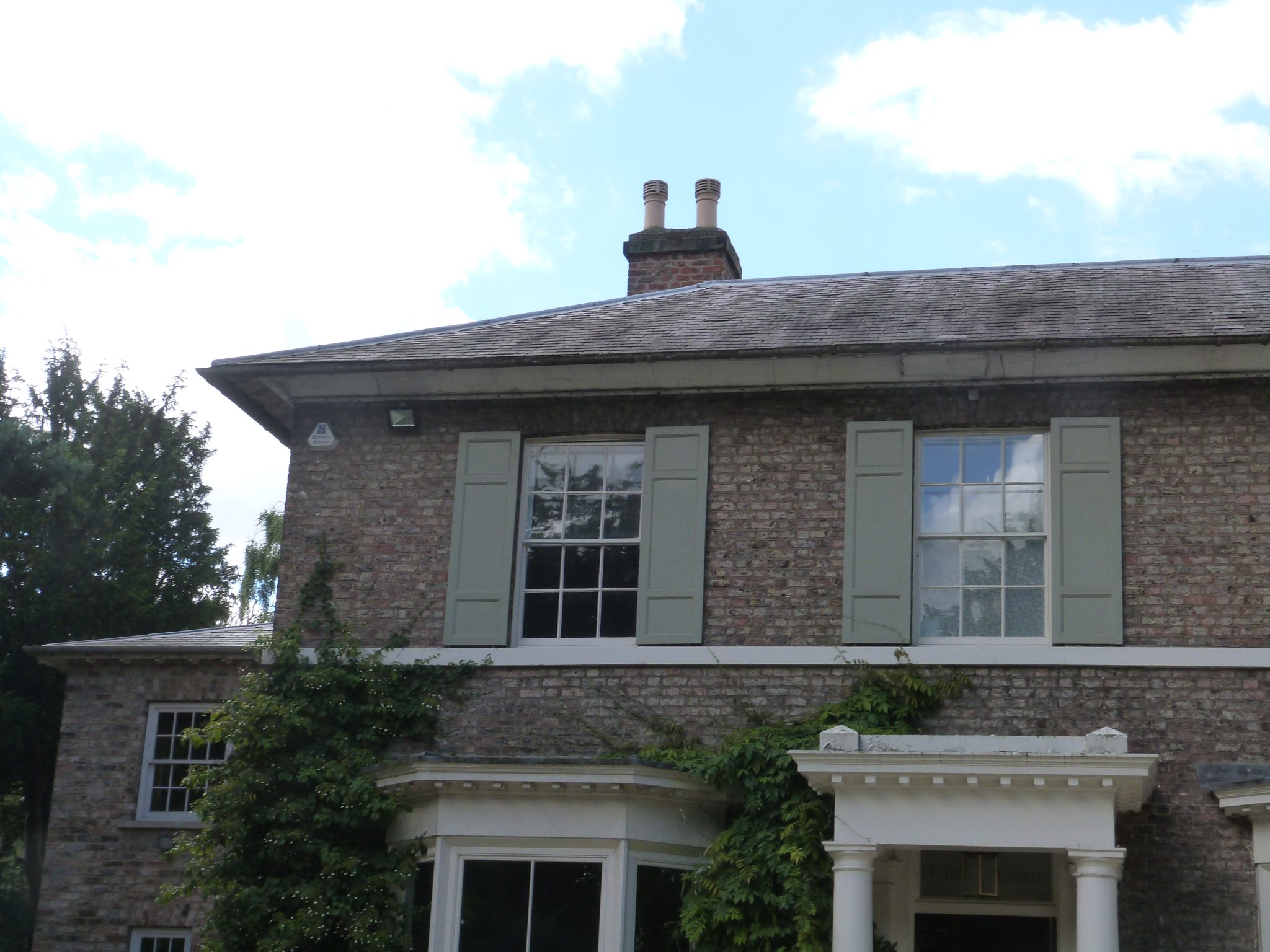
Inspection, repair and replacement of defective lead-lined roof valleys for slate, tile, heritage and technically involved roofing across Yorkshire.
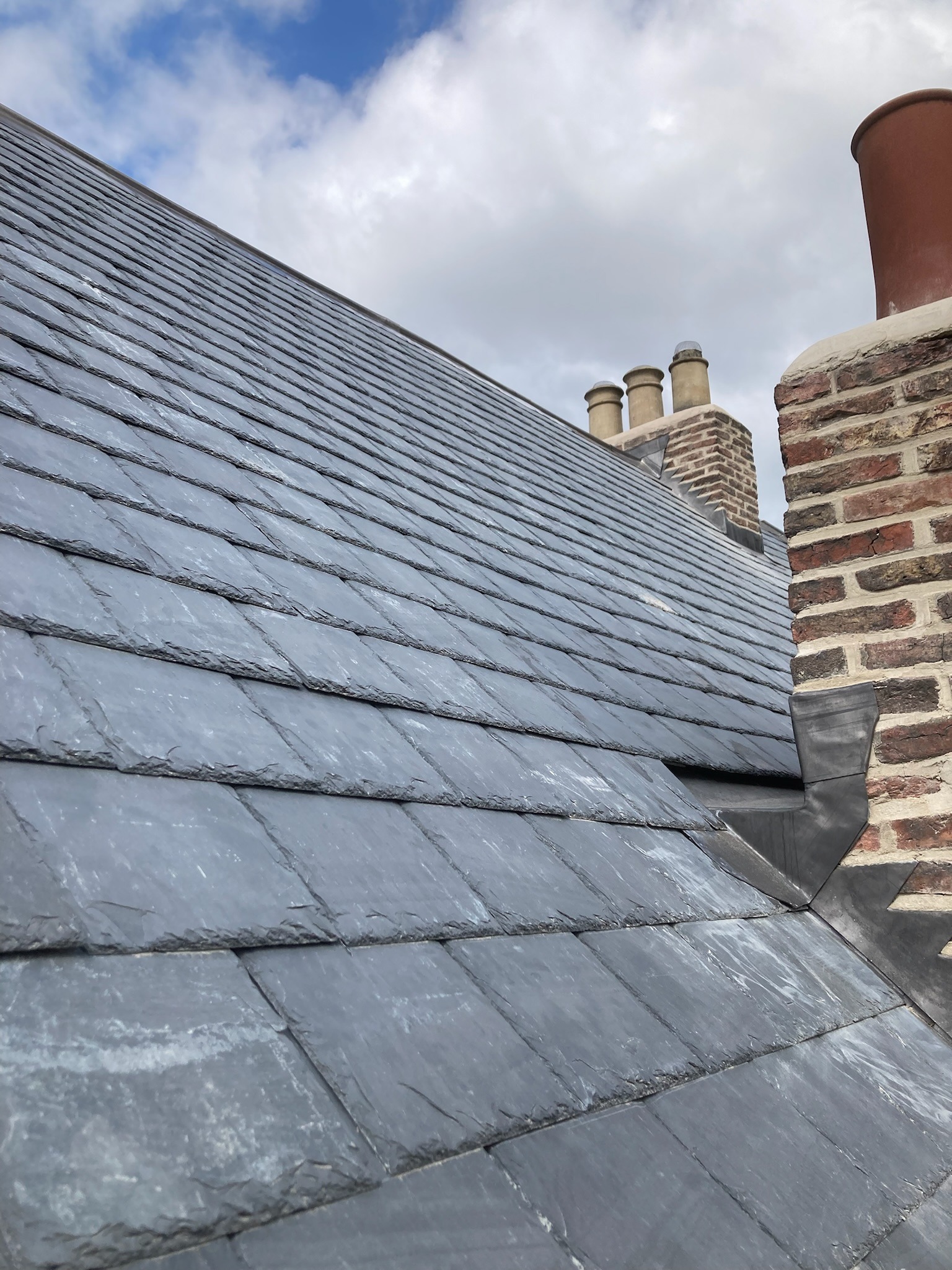
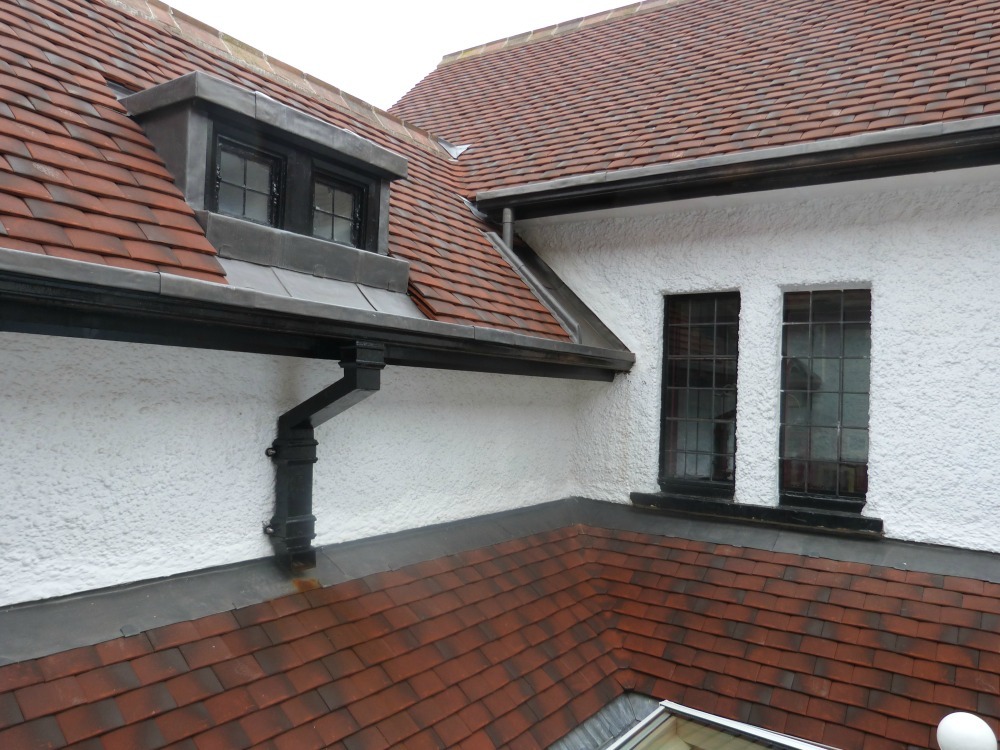
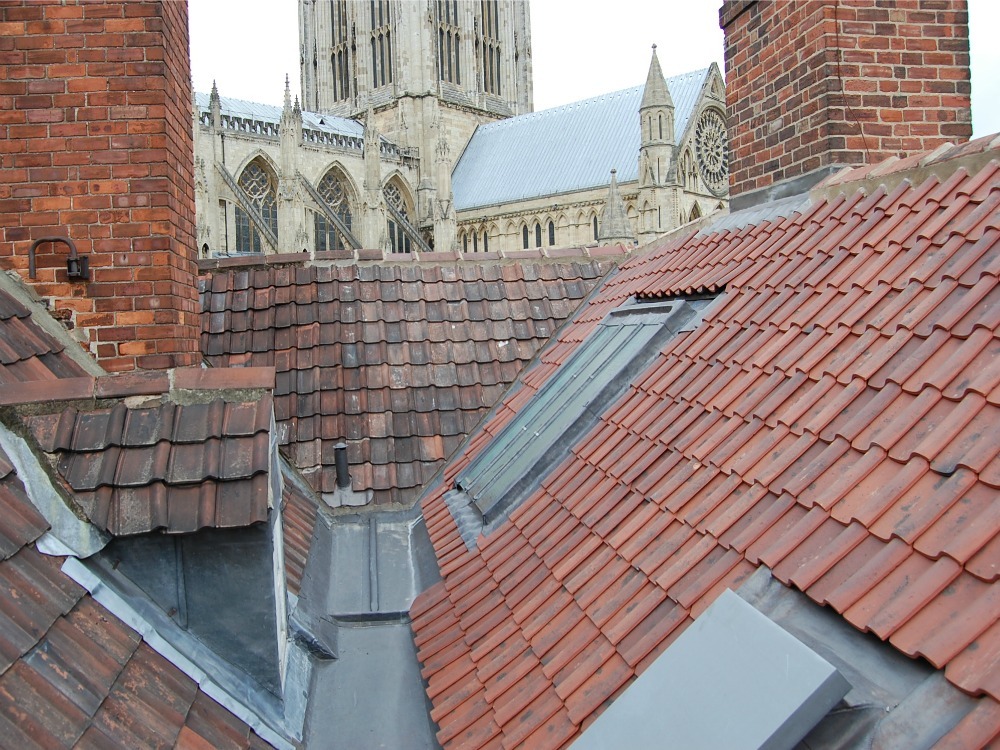
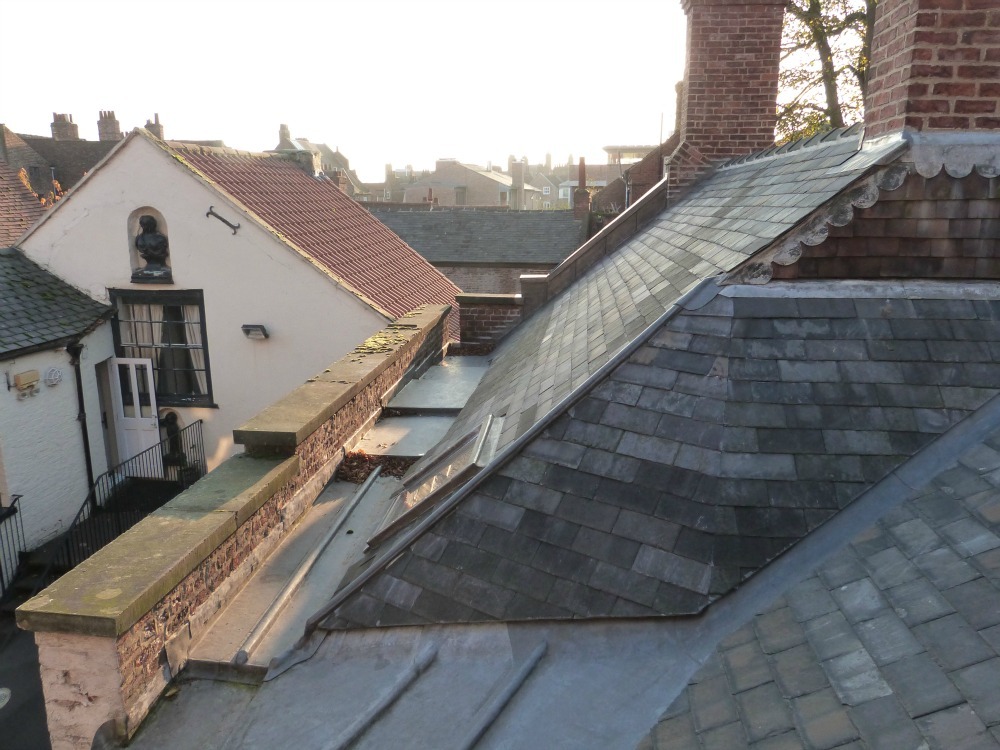
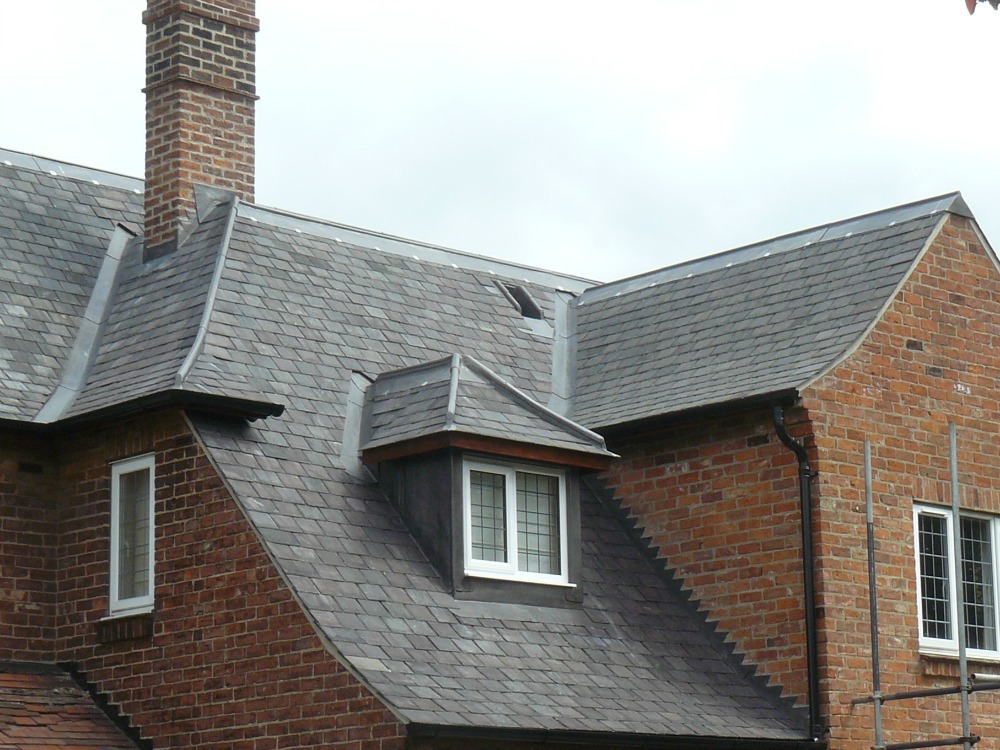
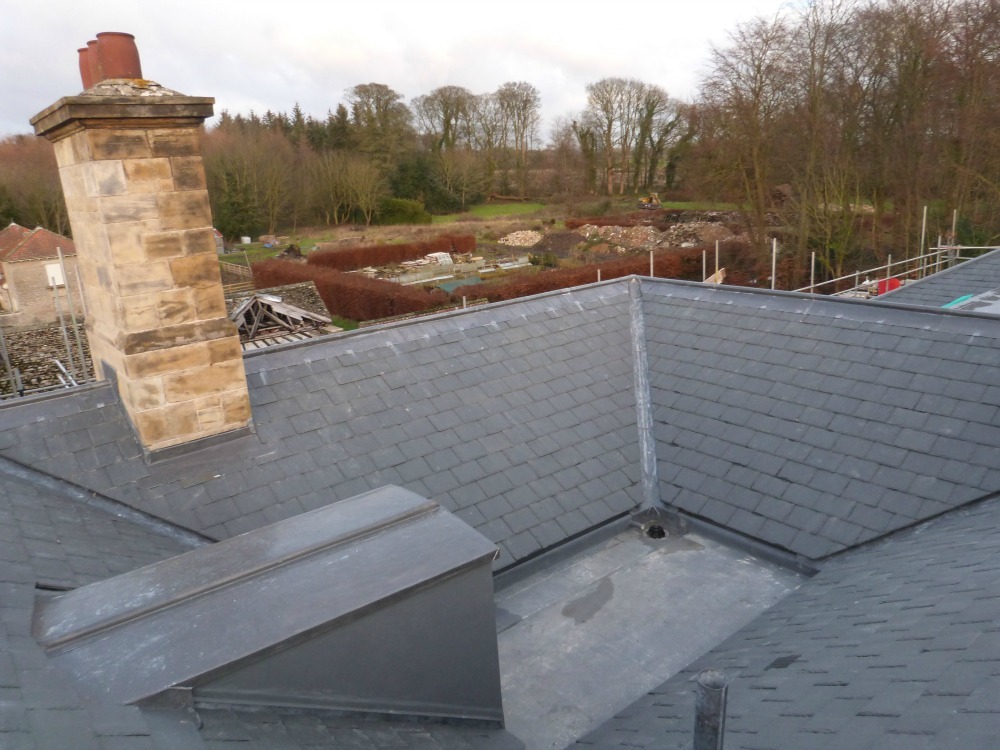
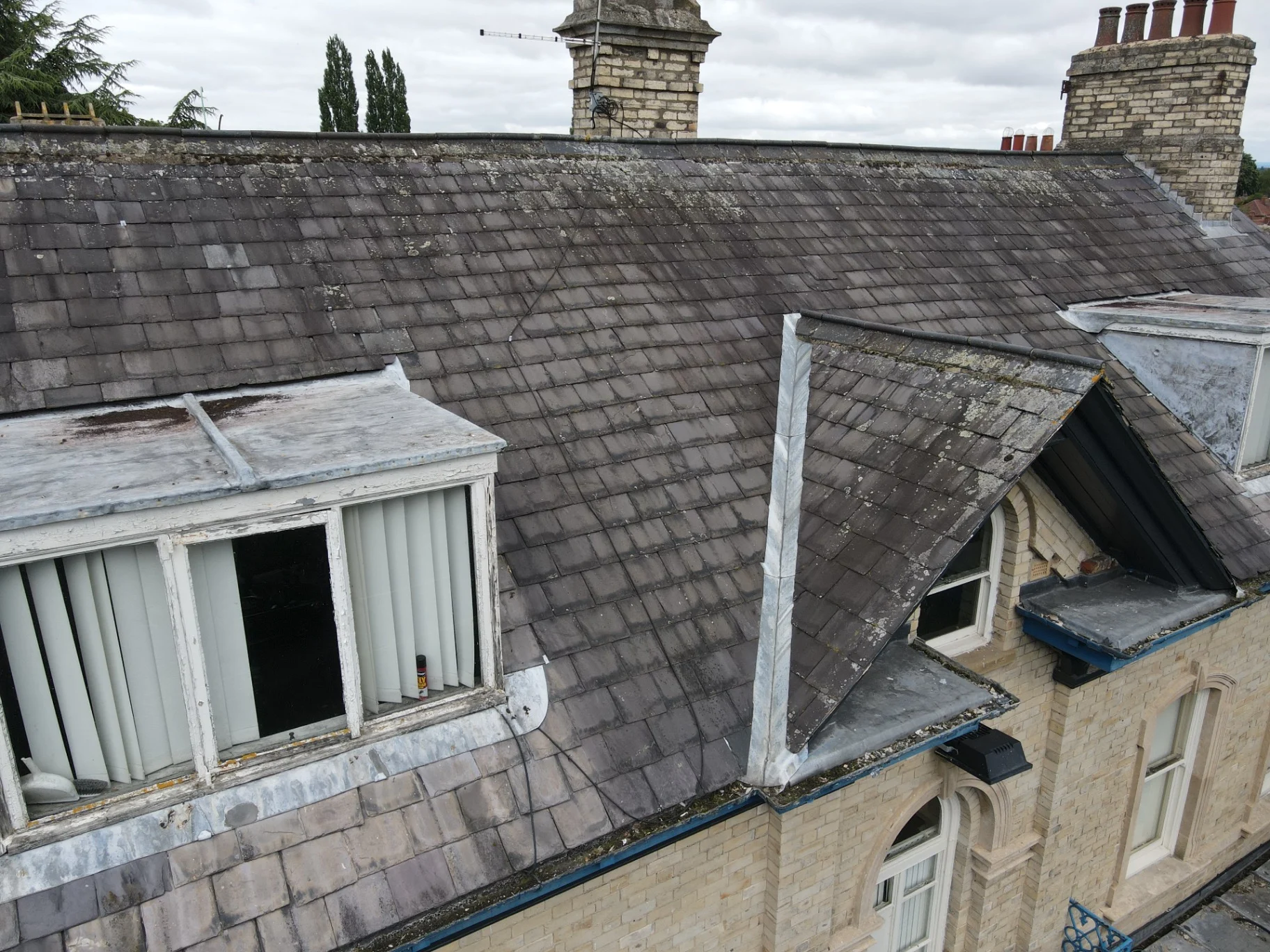
A lead valley forms a critical drainage channel where two pitched roof slopes intersect.
Because a valley collects water from both adjoining roof slopes, defects within the lead lining, surrounding roof coverings or supporting construction can result in significant water ingress.
Failures may arise from fatigue, restricted thermal movement, defective joints, inadequate detailing, deteriorated supporting boards, displaced coverings or previous poor repairs.
Our approach is to determine whether the valley can be locally repaired, partially rectified or requires complete replacement.
Where replacement is necessary, the adjoining slates or tiles usually need to be carefully removed before the existing lining and supporting construction can be fully assessed.
Request an Inspection
The extent of work depends upon the condition of the lead, the adjoining roof coverings and the construction beneath it.
Where deterioration is isolated, a local repair may provide a proportionate solution without stripping the complete valley.
This may include suitable lead repair techniques where the surrounding lining remains serviceable.
Roof Repair ServicesWhere lead is extensively split, fatigued or incorrectly detailed, the surrounding roof coverings may need to be stripped back so that a new valley lining can be installed.
Arrange an InspectionIf the supporting valley construction has deteriorated or adjoining roofing is defective, the project may require timber repairs, replacement coverings or wider roof rectification.
Defect RectificationA successful replacement requires more than simply installing a new strip of lead. The valley must work with the roof covering, substrate and drainage geometry as a complete detail.
We assess the lead lining, roof coverings, valley geometry, visible water ingress and surrounding construction.
Where possible we establish whether failure relates to:
Where the valley requires replacement, slates or tiles adjacent to the valley are carefully removed to provide sufficient working space.
The precise approach depends upon the roof covering, which may include:
Existing coverings are retained where practical and suitable matching replacements sourced where breakage or deterioration occurs.
The existing lead lining is removed so that the supporting construction can be inspected.
This is an important stage because prolonged leakage may have affected:
Defective supporting construction should be repaired before the new lining is installed.
The replacement lead is selected and detailed to suit the individual valley, taking account of factors including:
The design and installation should take account of relevant BS 6915 requirements and recognised lead-sheet guidance.
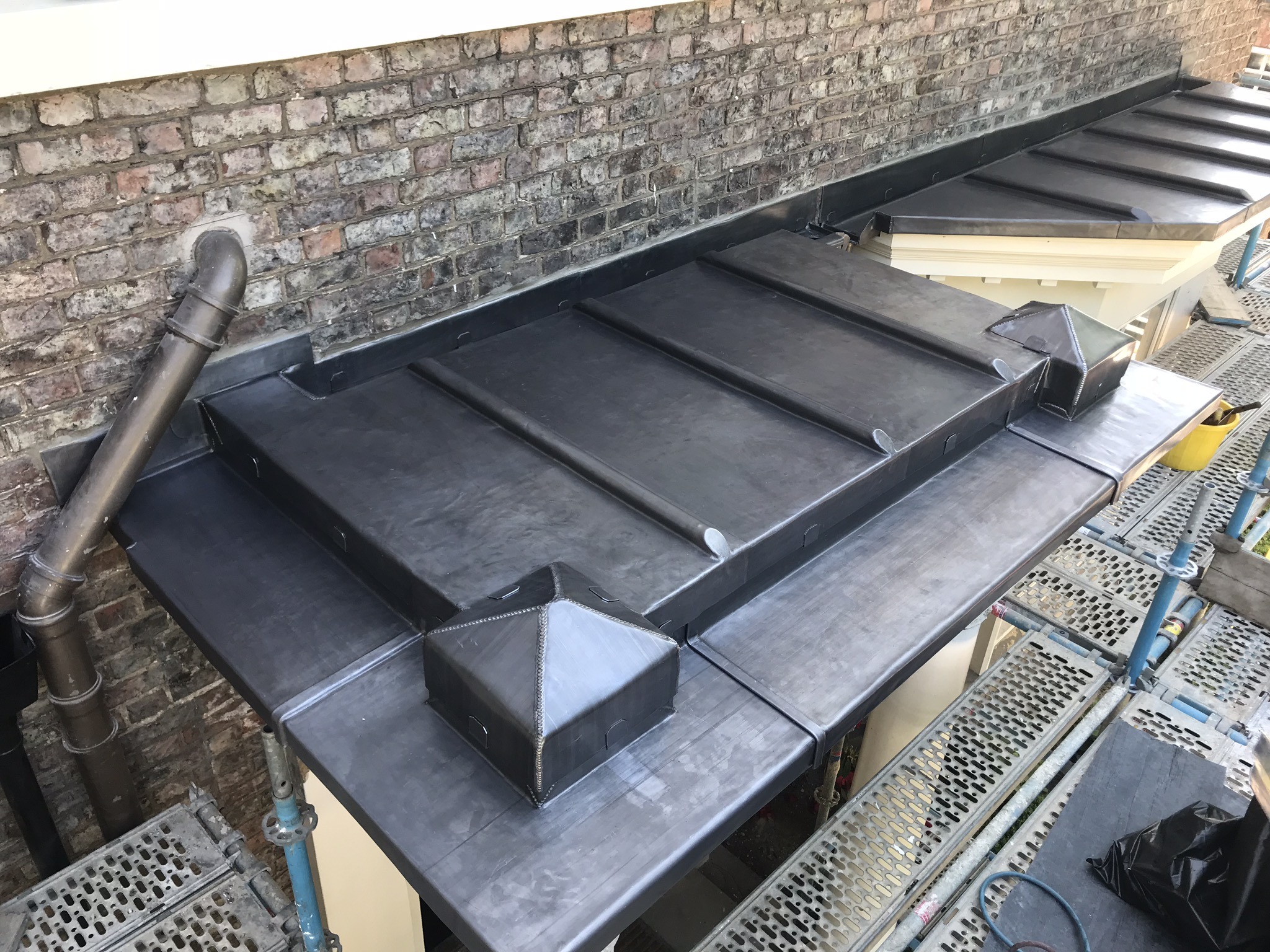
Lead expands and contracts as temperatures change, making correct detailing particularly important within roof valleys.
The lead lining must be installed so that reasonable thermal movement can occur without inappropriate restraint.
Important considerations include:
Dimensions, bay sizes, overlaps and lead codes should be determined from the individual construction rather than applied as a universal detail.
The way adjoining coverings terminate against a valley varies according to the roofing system.
Natural slate, plain tiles, pantiles and interlocking tiles can all require different approaches to:
Where mortar bedding forms part of a suitable valley detail, an appropriate inert support or separation may be required rather than bedding directly onto the lead sheet.
The surrounding slates and tiles should also be fixed with regard to relevant BS 5534 requirements.
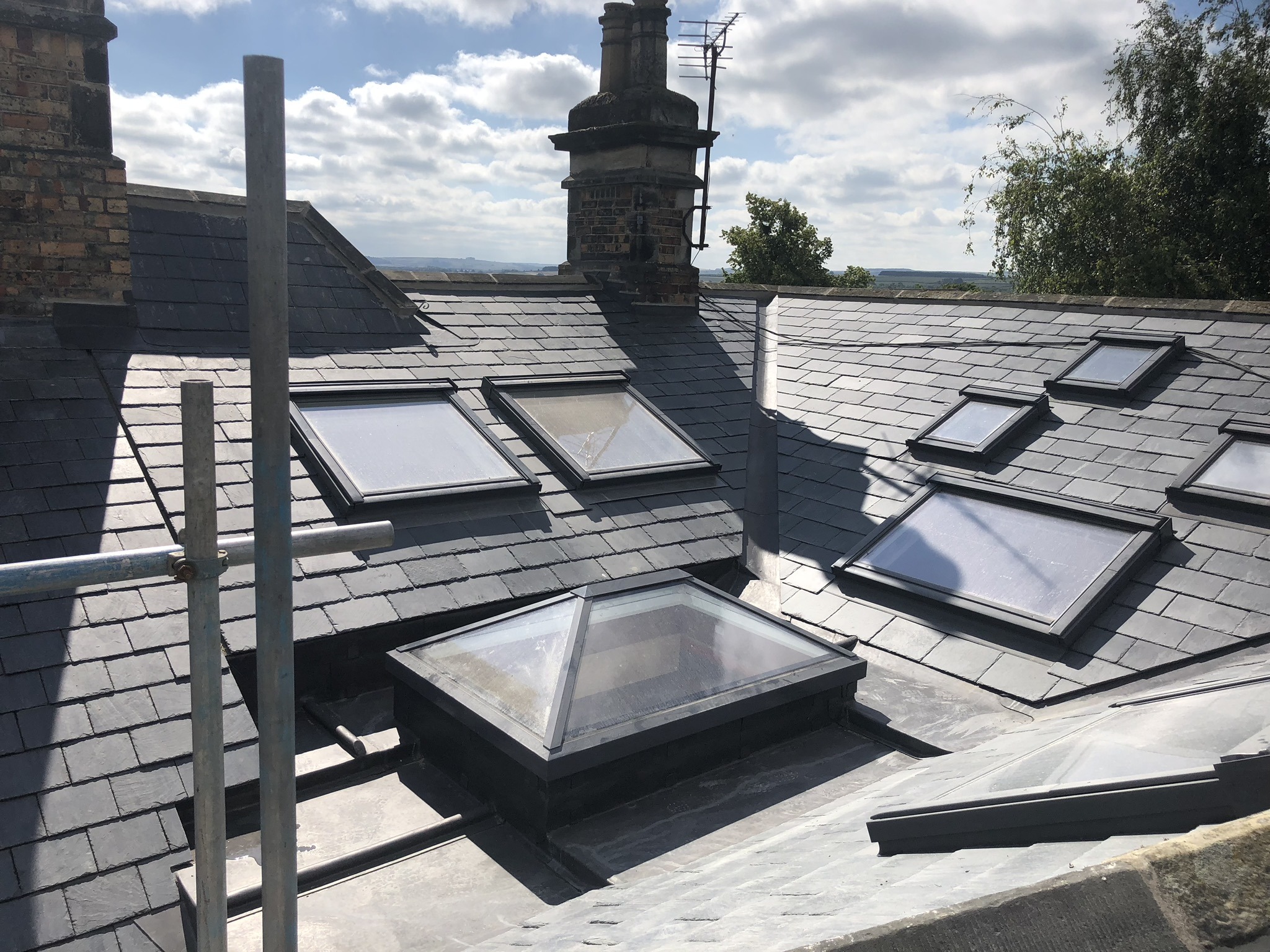
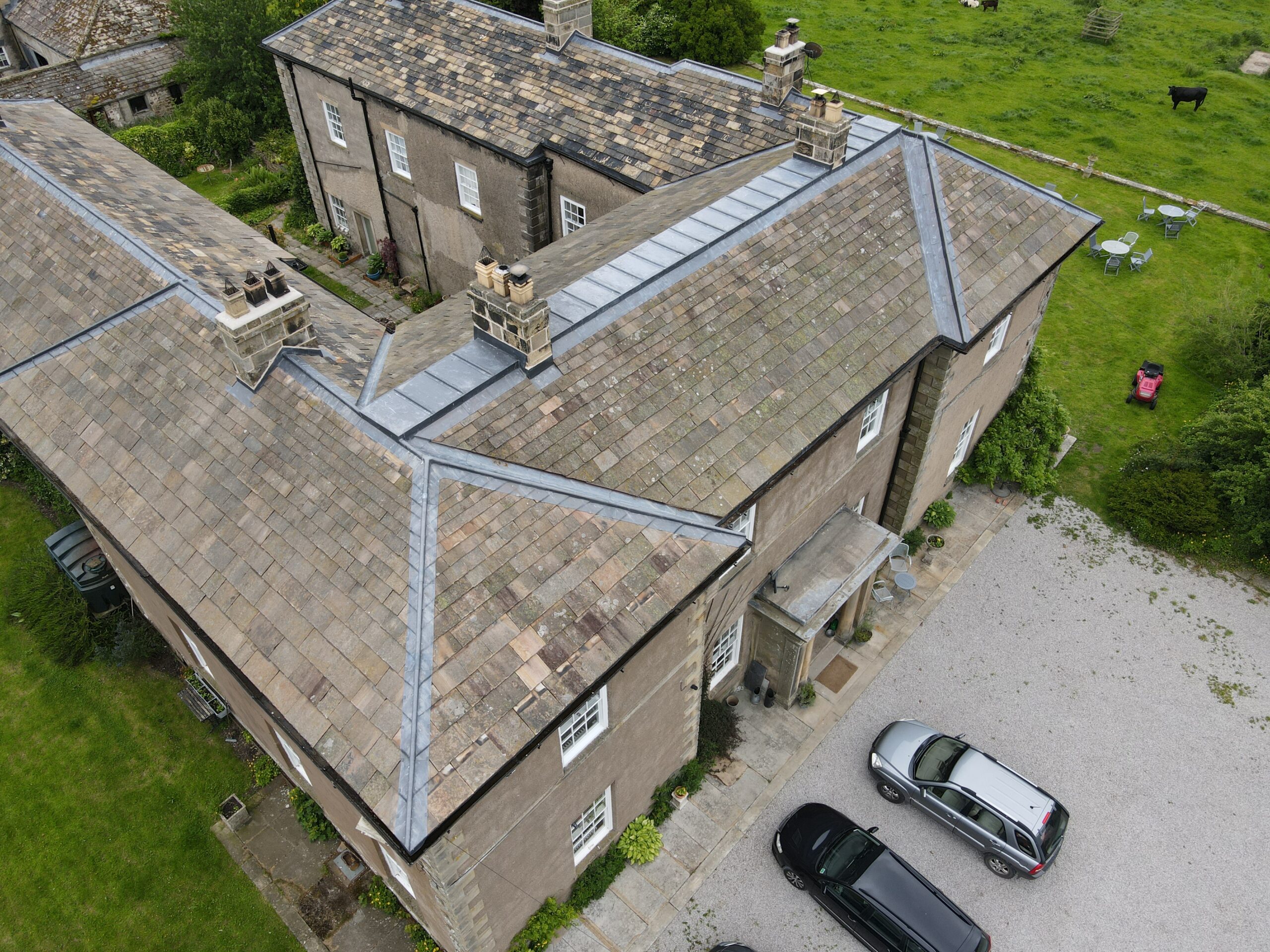
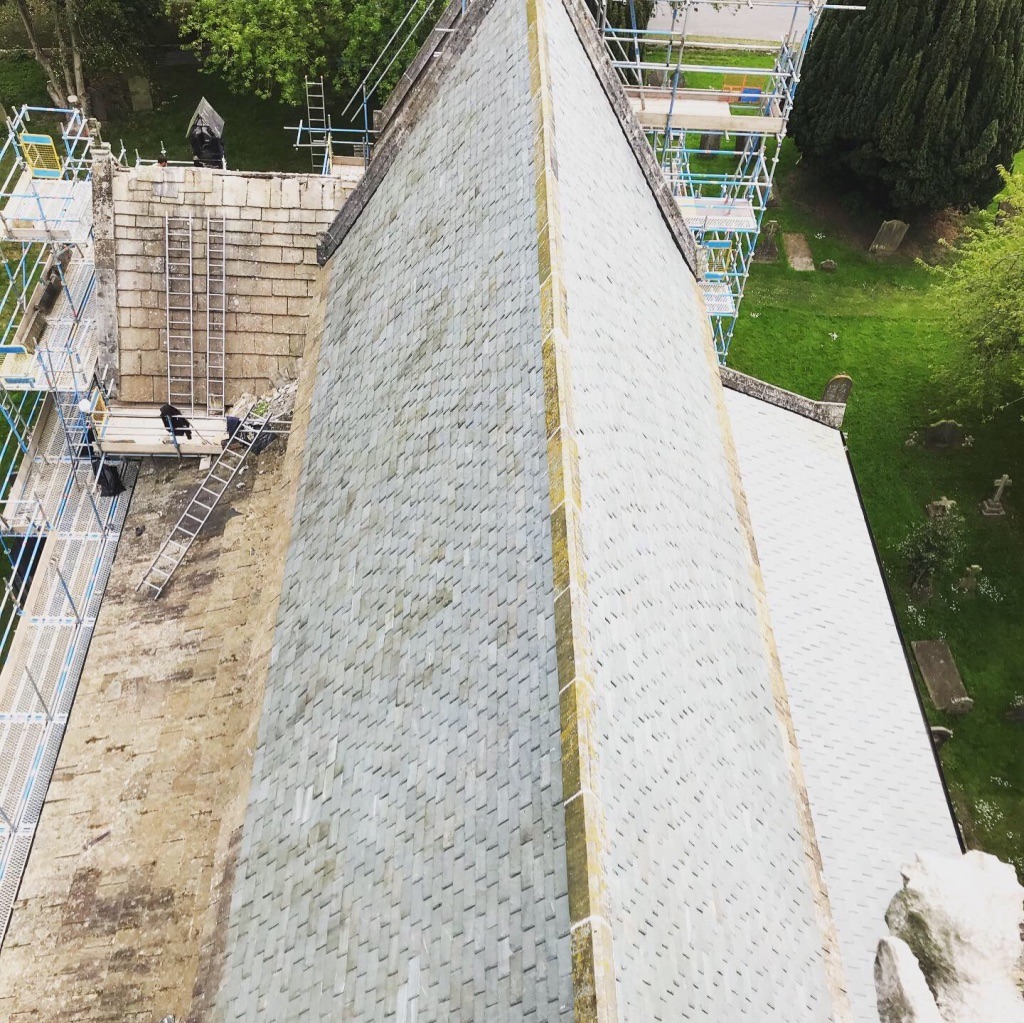
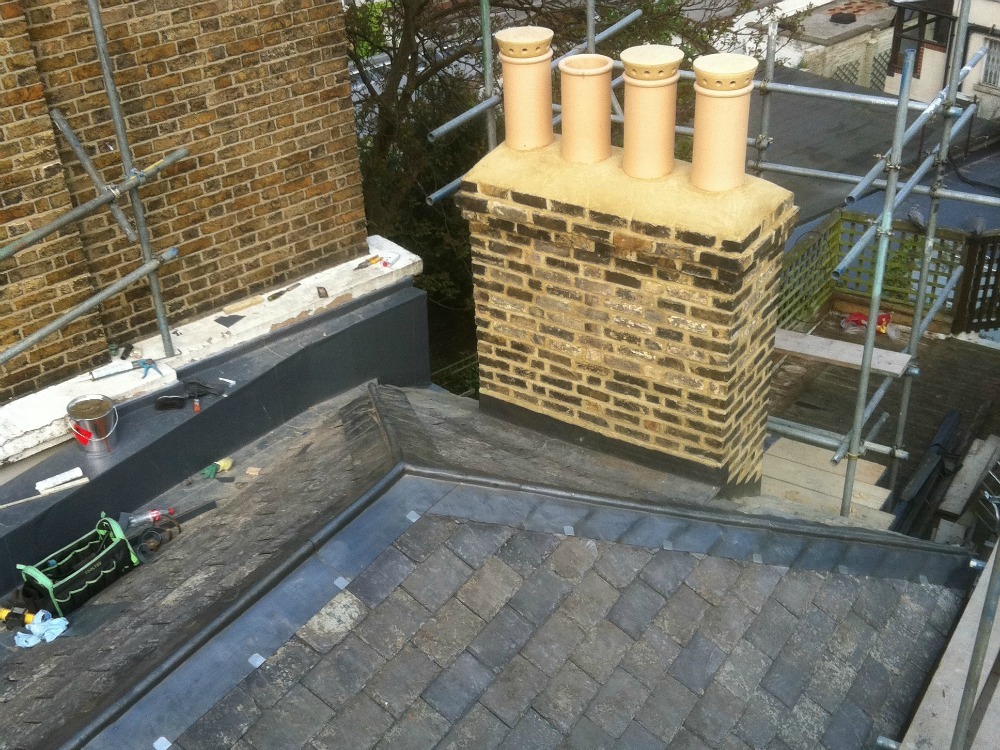
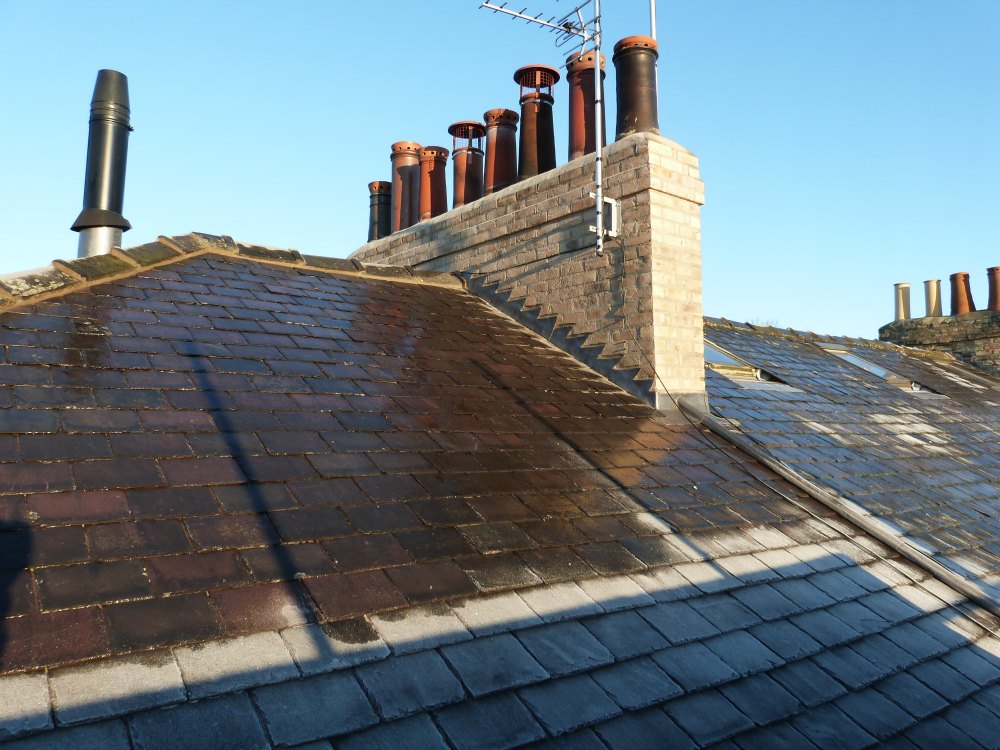
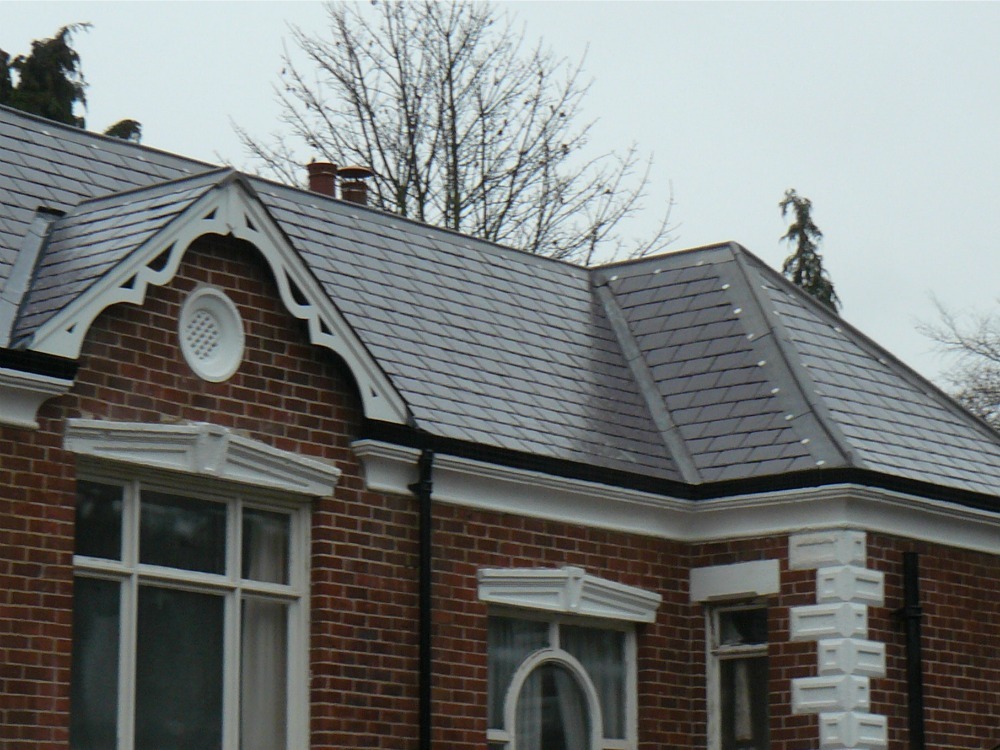
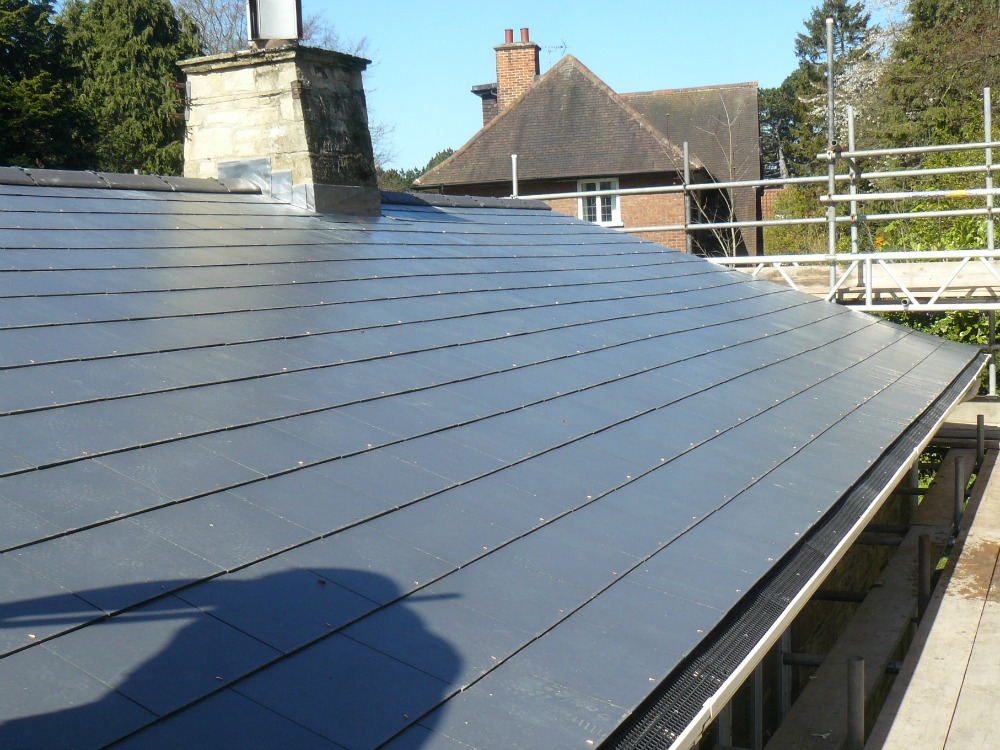
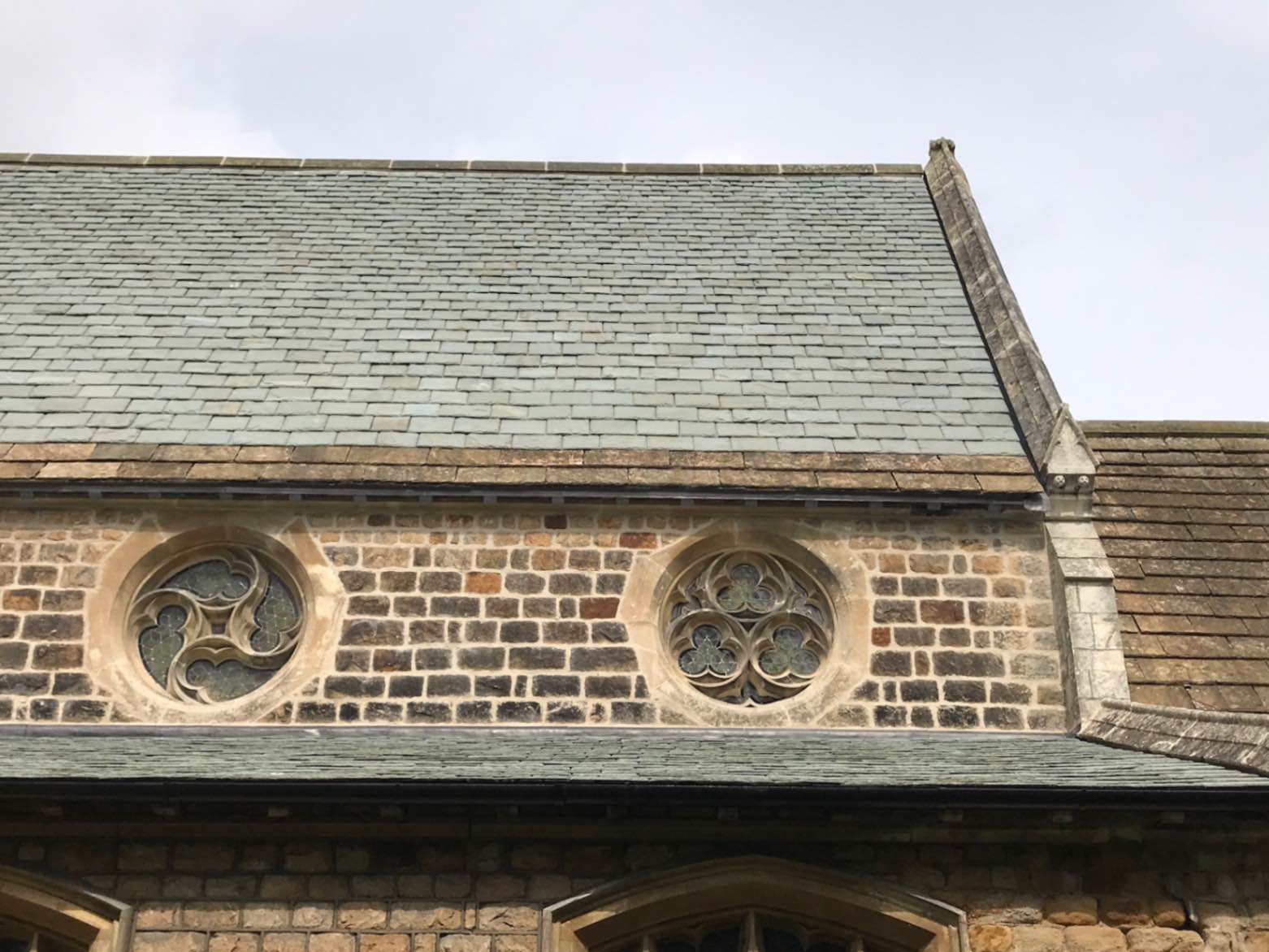
Lead valleys can be carefully integrated with both traditional and modern natural slate roofing.
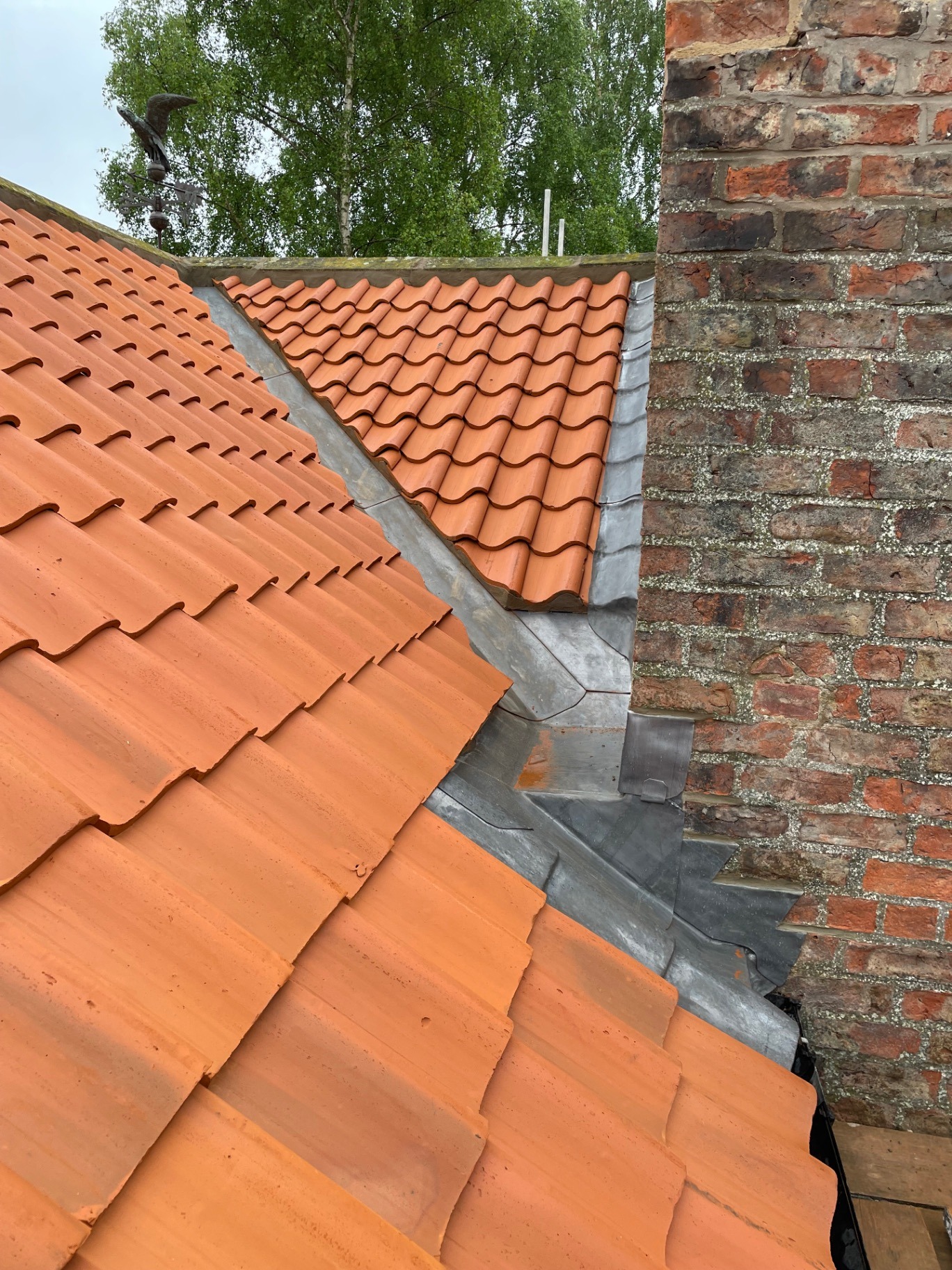
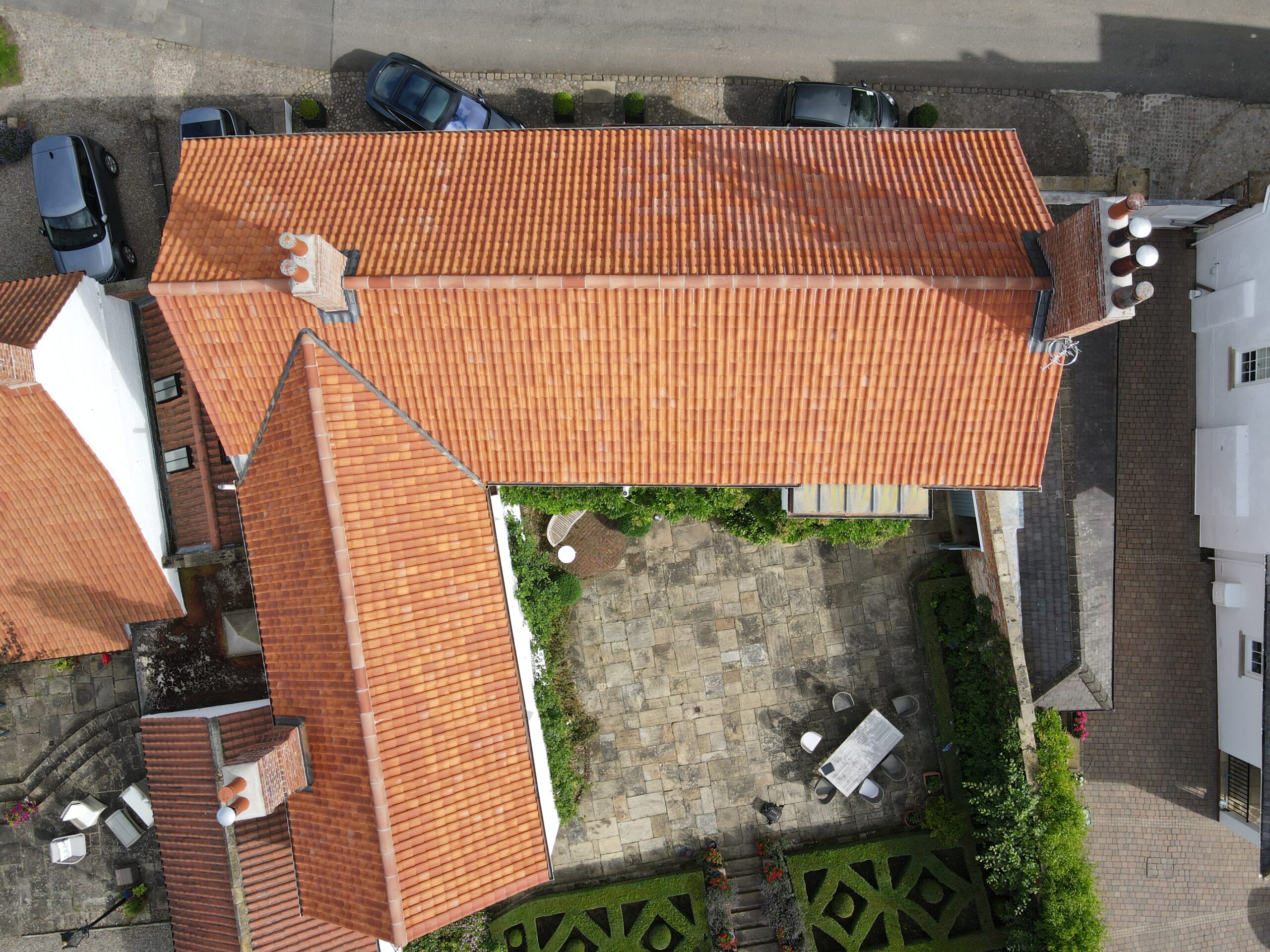
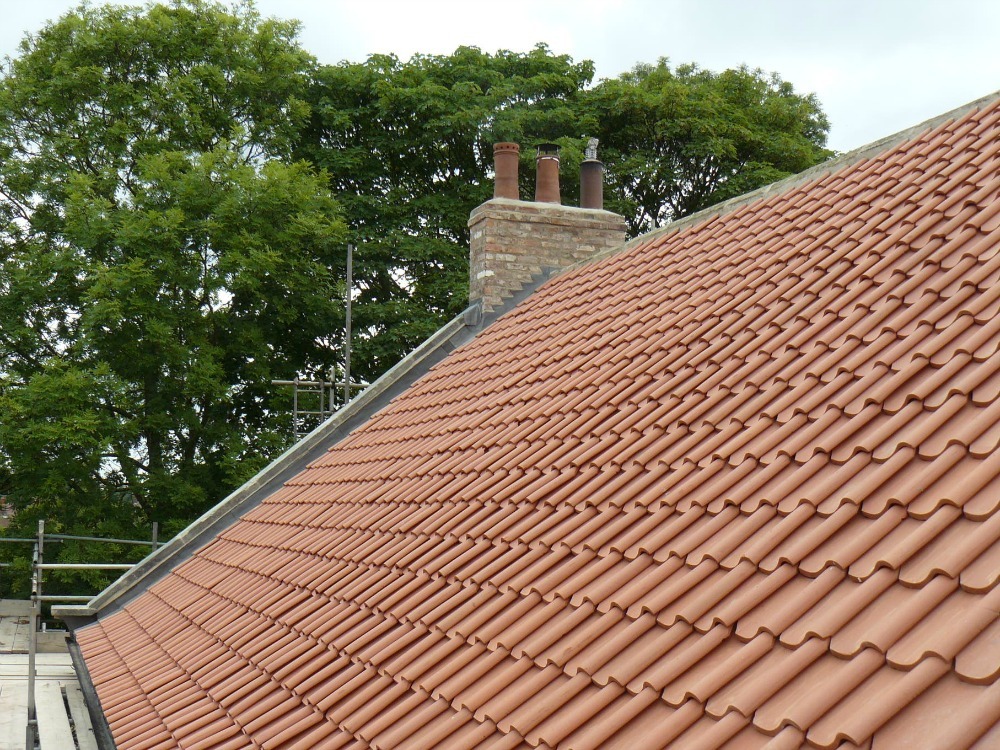
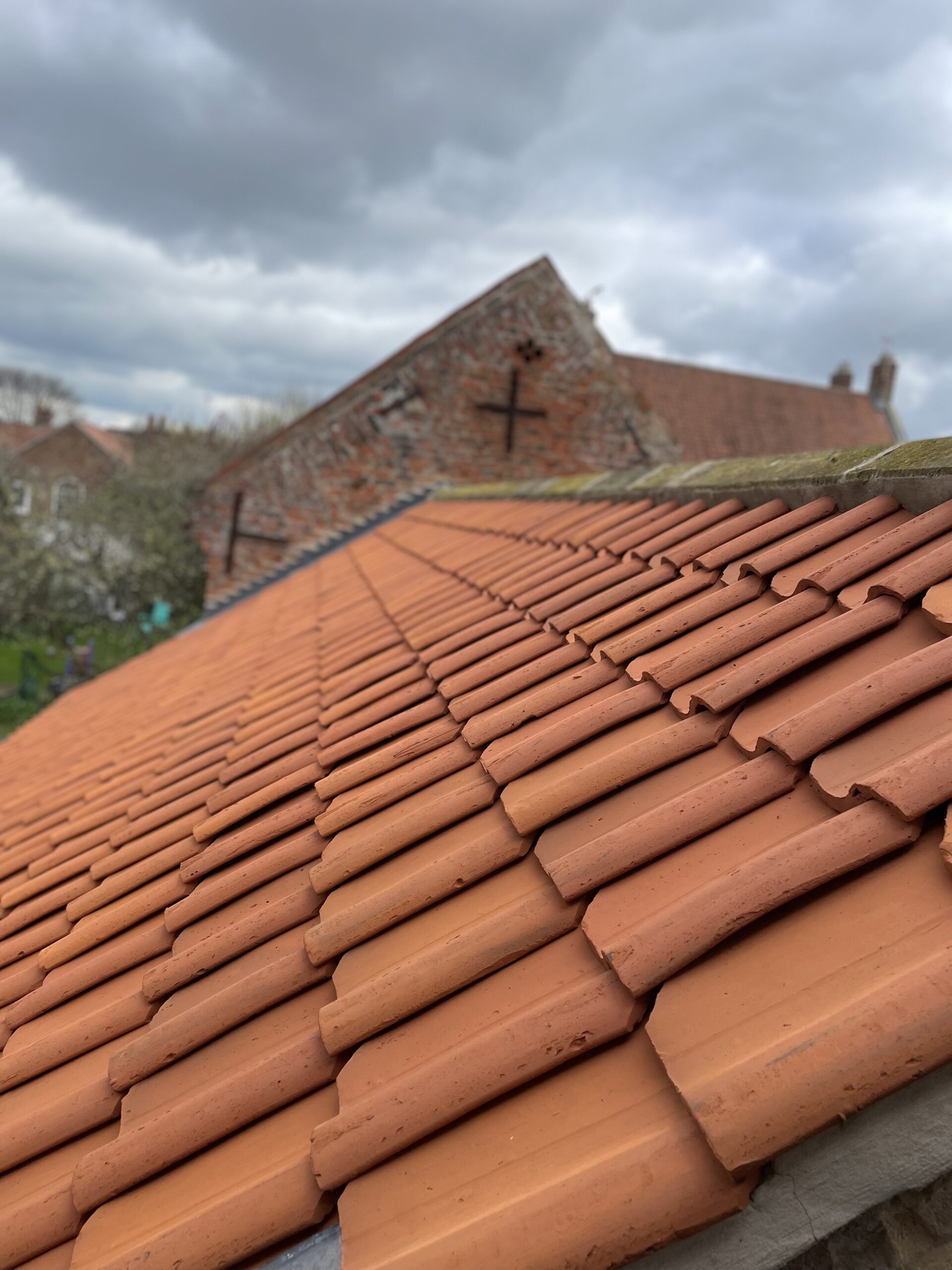
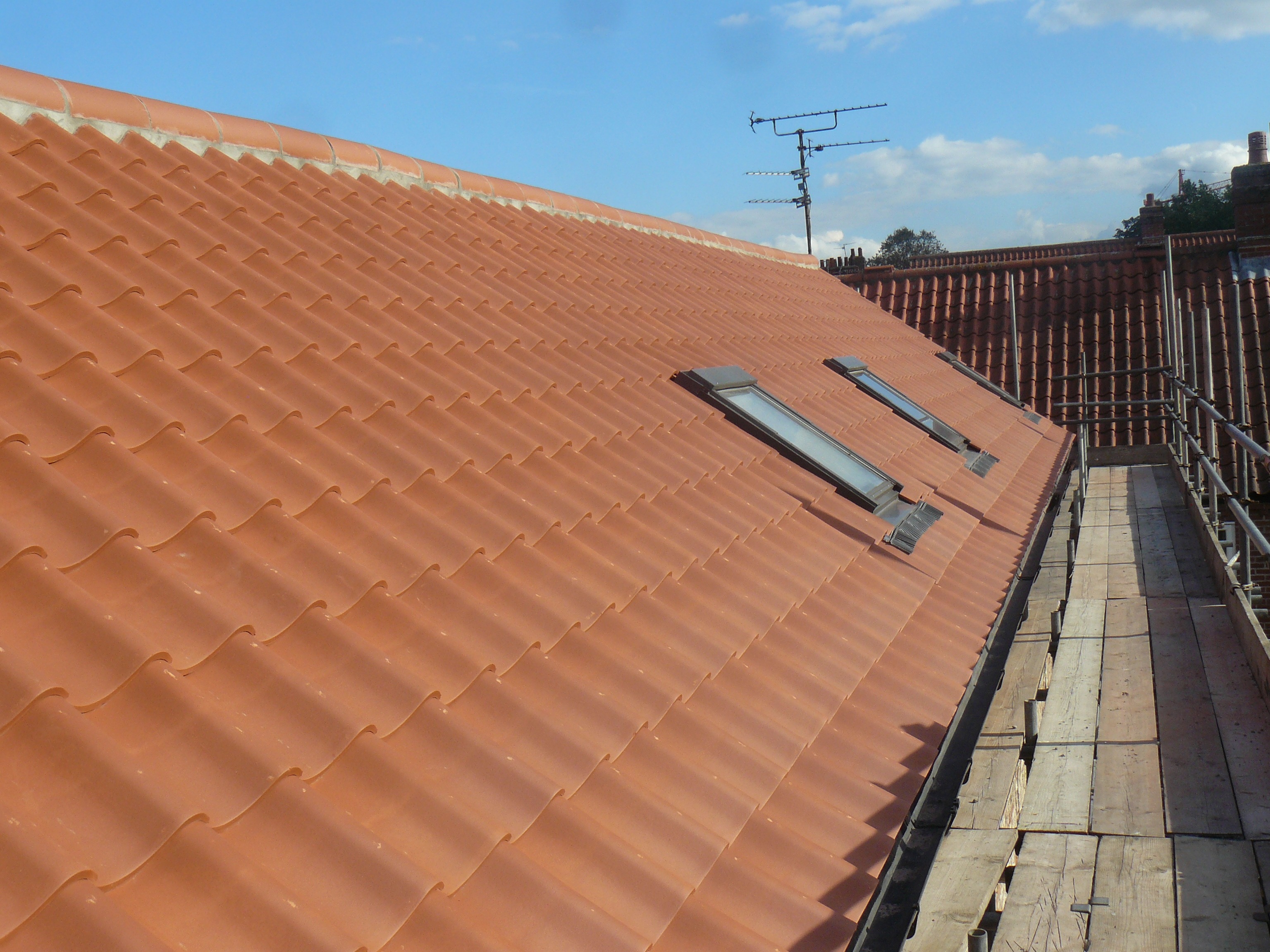
Deep-profile tiles require careful setting out and appropriate treatment of the valley margins.
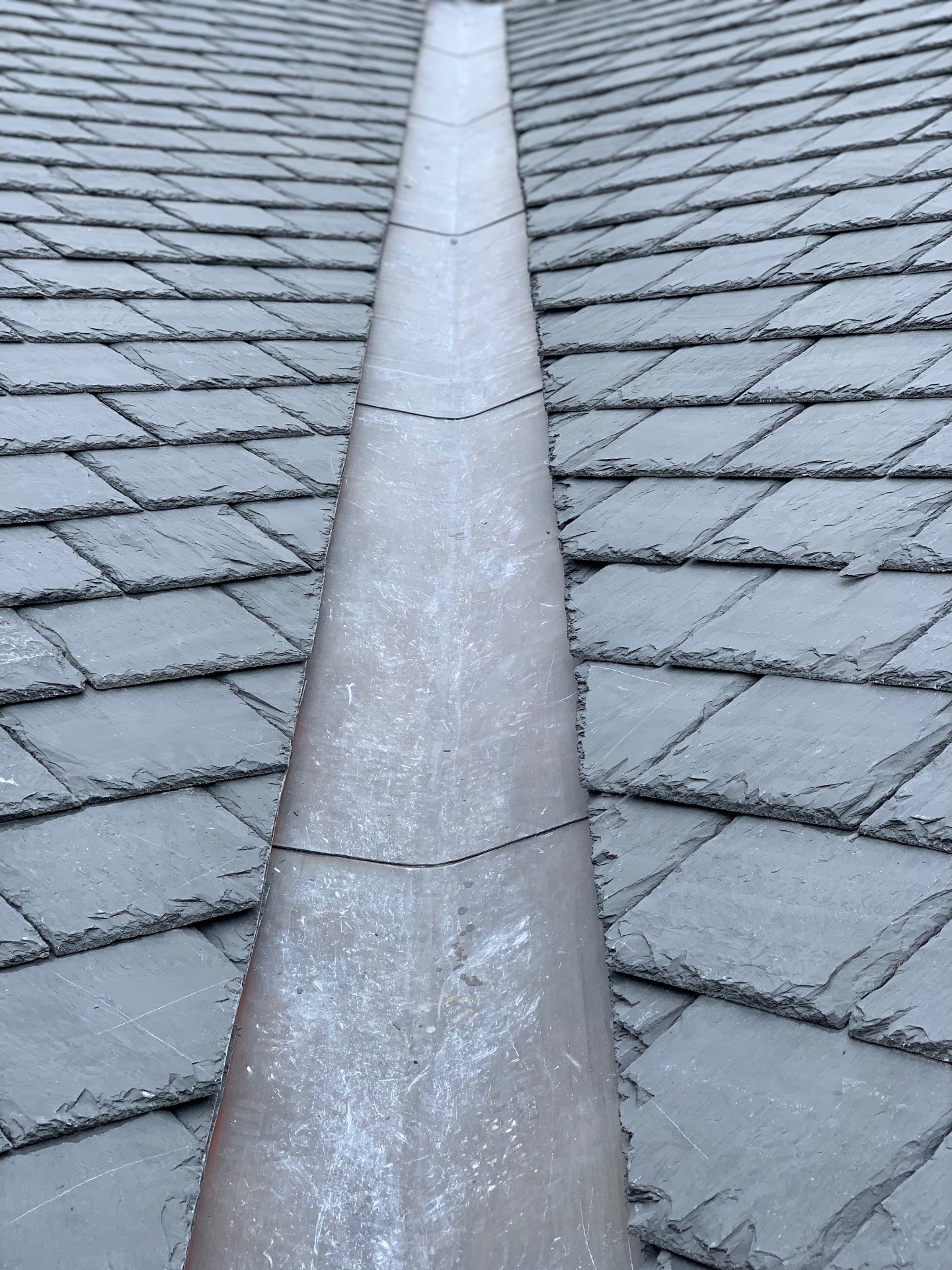
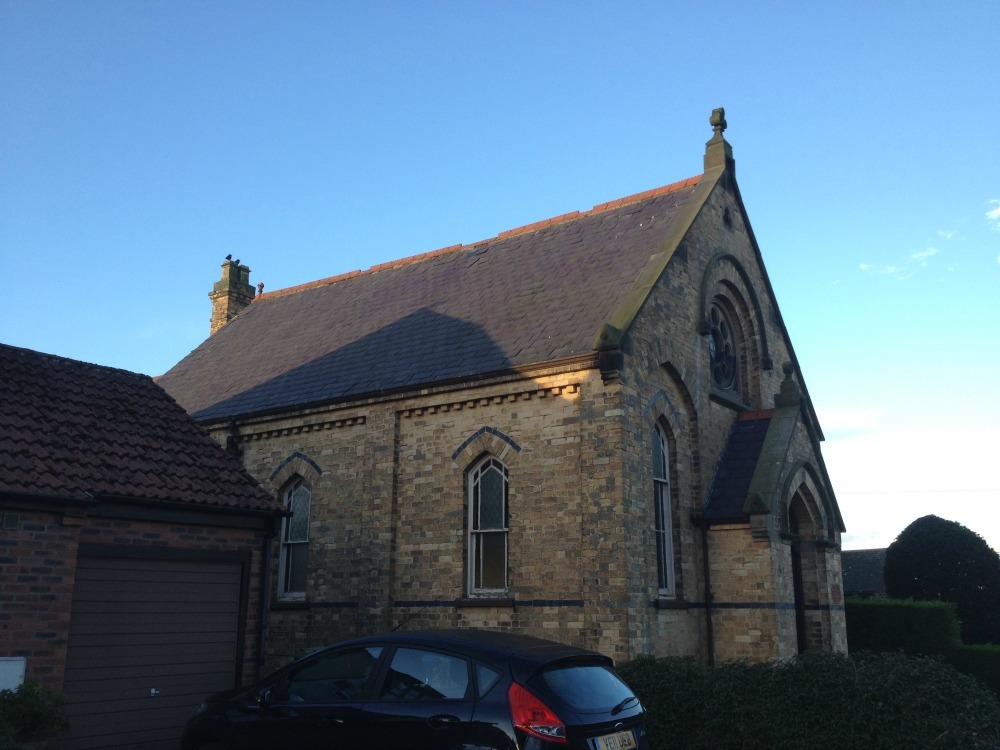
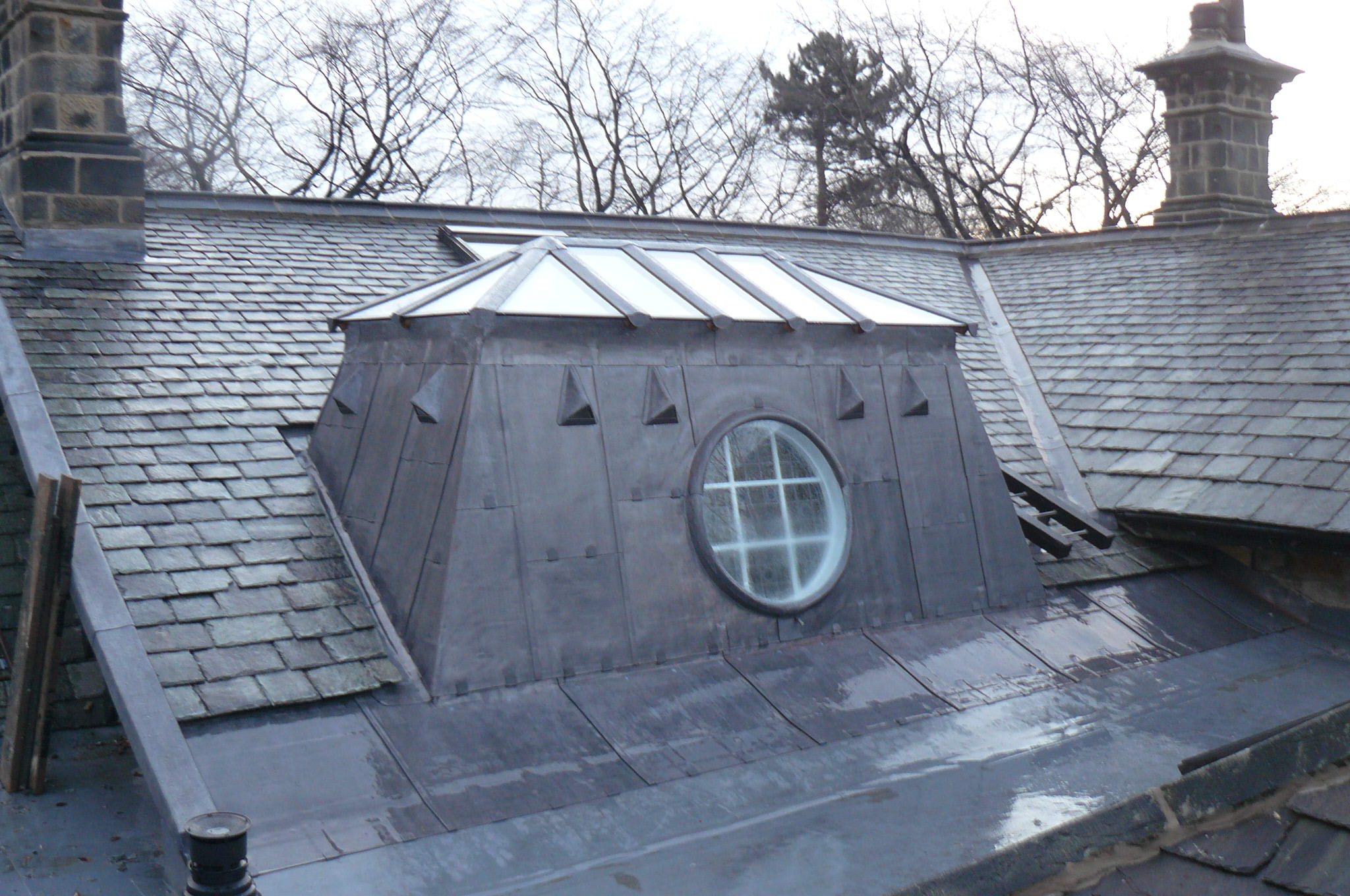
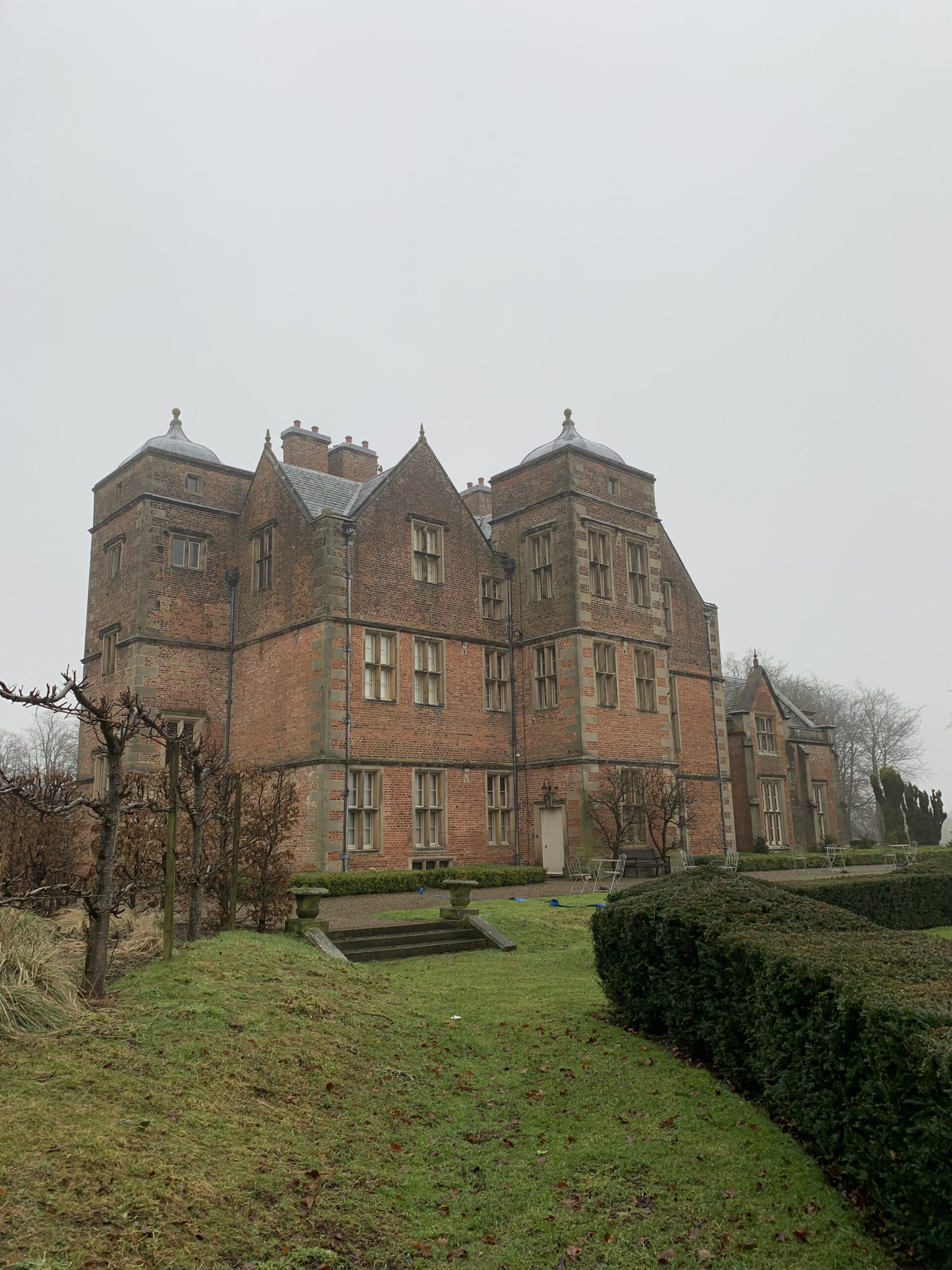
Correctly detailed lead remains particularly appropriate for traditional, heritage and premium roofing work.
The correct response depends upon the extent of deterioration and the condition of the surrounding roof.
An isolated defect within otherwise sound leadwork may justify a targeted repair where this can be completed using an appropriate leadworking technique.
Multiple splits, extensive fatigue or previous unsuccessful repairs can indicate that replacement of the valley lining is more appropriate.
Where adjoining coverings, battens or structural timber are also deteriorated, replacing the valley alone may not address the wider problem.
Lead itself may represent only one part of the overall cost.
A lead valley repair or replacement can involve:
The complexity of the interfaces can mean that labour and access represent a greater cost than the lead sheet itself.
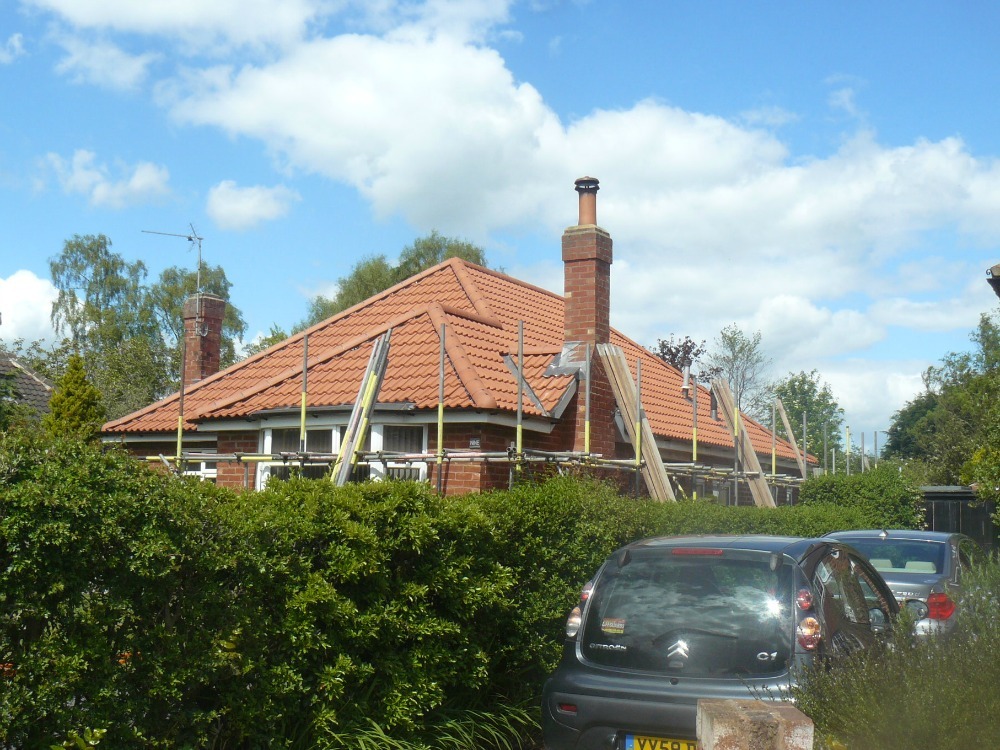
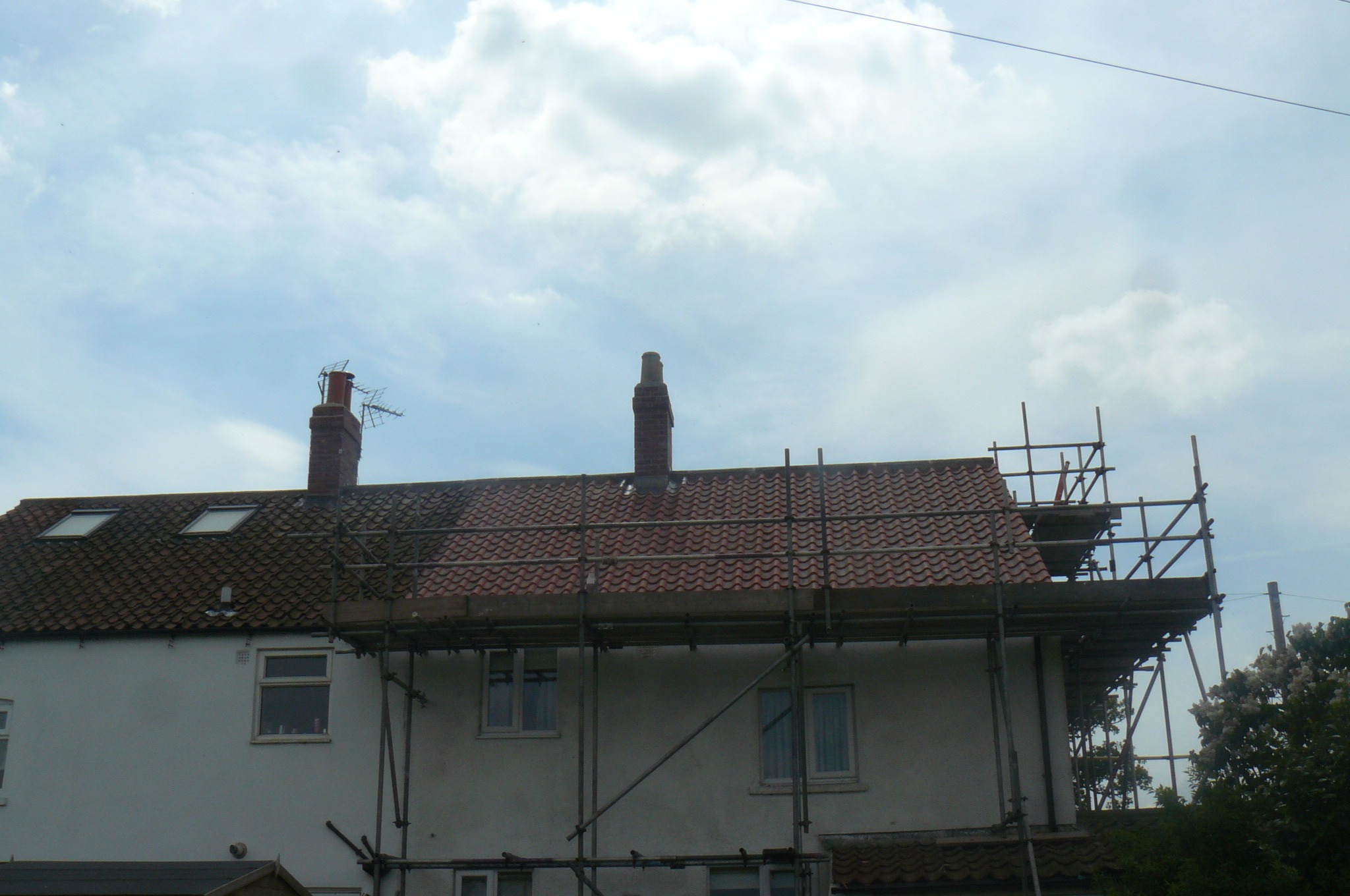
Where significant scaffolding is required, it is sensible to consider the condition of the surrounding roof at the same time.
For example, access to a valley may provide an opportunity to address:
Where additional defects are apparent, combining work may provide better value than repeatedly erecting access for separate repairs.
A defective valley can allow water to track beneath the lead before it becomes visible internally.
Possible indicators include:
Because water can travel beneath the lining, the visible internal symptom does not necessarily identify the exact point of failure.
Long-term water ingress can affect materials which cannot be assessed until the valley is opened.
Potential concealed deterioration includes:
For this reason, a reasonable contingency for concealed repairs can be appropriate when budgeting for complete valley replacement.
Request a Roof InspectionNot every roof valley needs to be constructed from lead.
Modern proprietary dry-valley systems are commonly used with contemporary tiled roofs and can provide an efficient installation where the system is compatible with the roof covering and building.
Lead remains particularly appropriate where:
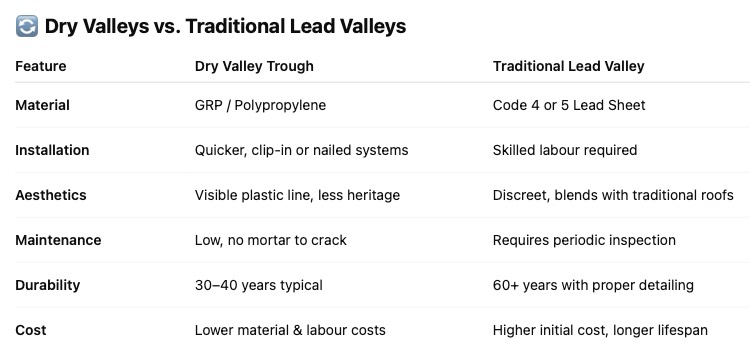
Proprietary dry-valley troughs can be suitable for many modern tiled roofs and may reduce the amount of wet-trade detailing required.
The correct choice depends upon:
Neither system should be selected solely because it is quicker or cheaper. The valley should be appropriate for the roof as a complete construction.
Lead valleys should be designed and installed with regard to the roof geometry, the properties of rolled lead sheet and recognised technical guidance.
Relevant standards can include:
Lead is a durable roofing material when correctly designed and installed, but its performance depends heavily upon workmanship.
Common causes of premature failure include:
A successful repair therefore requires an understanding of both the lead sheet itself and the roof construction into which it is being incorporated.
For smaller domestic roofing repairs within York, Roof York provides a dedicated reactive repair route.
This can be appropriate where the requirement involves:
Where a valley requires complete replacement, specialist leadworking, extensive access, heritage detailing or wider roof rectification, the project may be better suited to Neal Roofing.
Visit Roof York Request a Roof York RepairSometimes. An isolated split or defect may be suitable for a targeted repair where the surrounding lead remains serviceable. Where deterioration is extensive or the original detailing is defective, complete replacement may provide a more durable solution.
Lead expands and contracts as temperatures change. Poor sheet sizing, inadequate provision for movement, inappropriate fixing, defective support or natural ageing can contribute to fatigue and splitting.
For complete valley replacement, adjoining roof coverings normally need to be carefully removed to expose the edges of the lead and the supporting valley construction. Local repairs may require less disturbance.
The appropriate lead-sheet thickness and detailing depend upon the individual construction, including valley geometry, width, roof pitch and exposure. It should be selected with reference to recognised lead-sheet design guidance rather than applying a universal code to every valley.
Yes. Long-term leakage can affect valley boards, battens, rafters and underlays. The full extent of deterioration may only become apparent once the existing valley lining has been removed.
Yes. We can inspect existing valley construction, establish the likely cause and extent of failure and recommend an appropriate repair or replacement scope.
For a straightforward domestic roof repair in York, Roof York provides a dedicated local repair service. Larger or technically involved lead valley replacement can be referred to Neal Roofing.
Neal Roofing undertakes specialist leadwork, roof rectification and technically involved roofing projects throughout Yorkshire.
Our approach to valley repair is to understand the failure, inspect the surrounding construction and define a repair that is proportionate to the roof and its expected service life.
Request a Roof InspectionNeal Roofing provides specialist leadwork and roofing solutions for technically demanding, commercial and heritage buildings throughout Yorkshire.
For straightforward reactive roof repairs within York, Roof York provides a dedicated local repair route.
Request a Neal Roofing Inspection All Roof Repair Services