A leaking roof is more than just a nuisance – it can quickly turn into a homeowner’s nightmare if not addressed promptly. In the rainy and windy British climate, roofs are under constant stress, and even a small leak can lead to interior damage, mould growth, and costly structural problems.
This guide will help you spot the warning signs of a roof leak, understand the 10 most common causes of roof leaks in the UK, recognise the damage leaks can cause if left un-repaired, and know who to call for professional leak surveys and repairs.
With the right knowledge and the support of experienced professionals, you can protect your property and act quickly when a roof leak strikes.
Client Page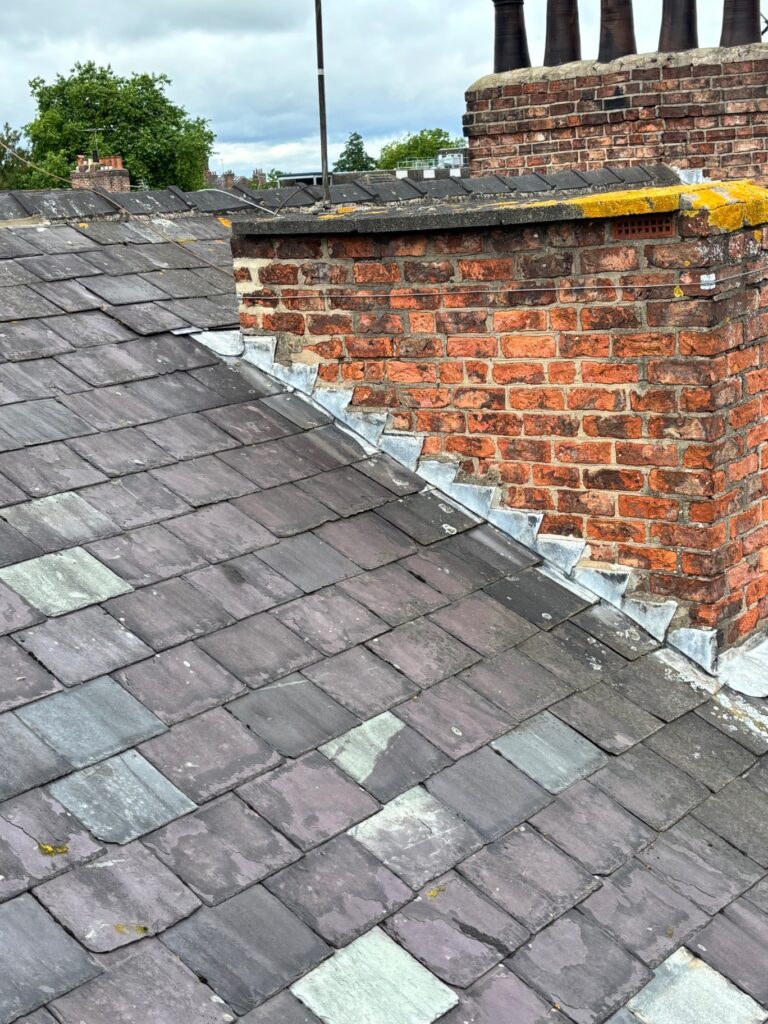
Early detection is key to preventing serious damage. Keep an eye out for these common signs of a roof leak in your home:
Water Stains on Ceilings or Walls: Unexplained brownish or yellow stains or damp patches on interior ceilings or upper walls are a clear indicator that water is seeping in through the roof. Even small discolorations can signal a slow leak that needs attention.
Peeling or Bubbling Paint/Plaster: Excess moisture can cause paint or plaster to bubble, blister, or peel away from surfaces. If you notice paint on a ceiling or wall starting to flake or form bubbles, it often means water is collecting behind it due to a leak.
Damp, Musty Odours: A persistent musty or mildew smell in your loft or upstairs rooms is often a giveaway of hidden dampness from a leak. This odour comes from mould growth in wet materials, and you might also spot mould patches on walls or rafters – a potential health hazard as well as a structural one.
Active Drips or Puddles During Rain: If during heavy rain you actually see water dripping from the ceiling or wet spots forming, you likely have a roof leak that has penetrated through the interior. Dripping water is a sure sign the roof’s waterproof layer is compromised.
Sagging Ceilings or Bulges: A sagging area in your ceiling (or a bulge forming) means water has been pooling above it, soaking into plasterboard and timber. This is a serious red flag – the accumulated water’s weight can cause ceilings to bow or even collapse if not drained and repaired.
Missing or Damaged Roof Tiles/Slates: Take a look at your roof from the ground (using binoculars if necessary). If you notice any tiles or slates that are cracked, slipped out of place, or missing, there’s an open invitation for rain to enter. After storms or high winds, check for scattered pieces on the ground or obvious gaps in your roof covering.
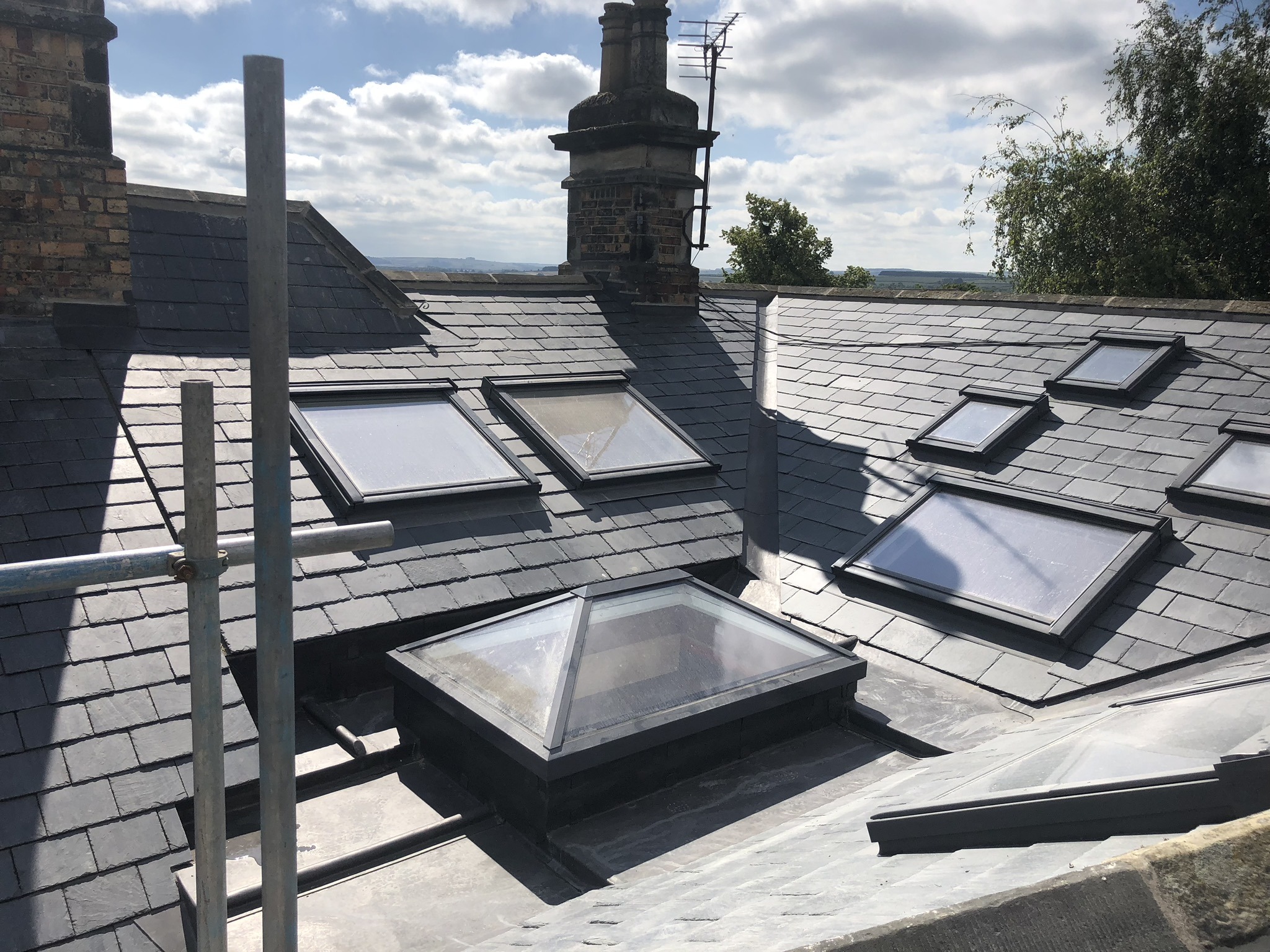
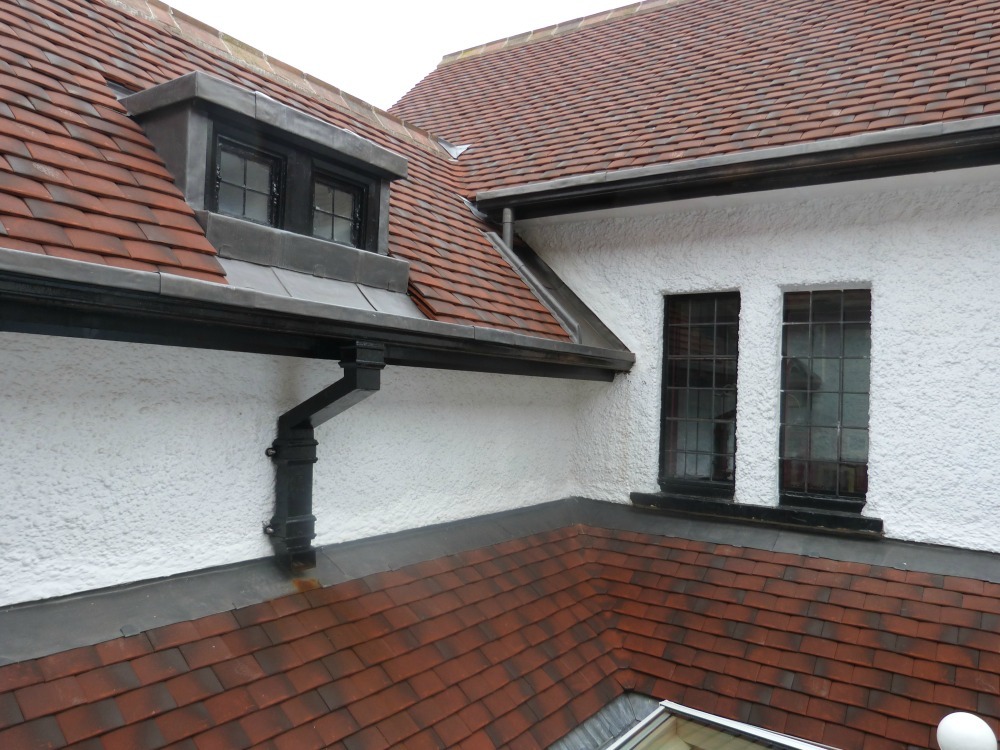
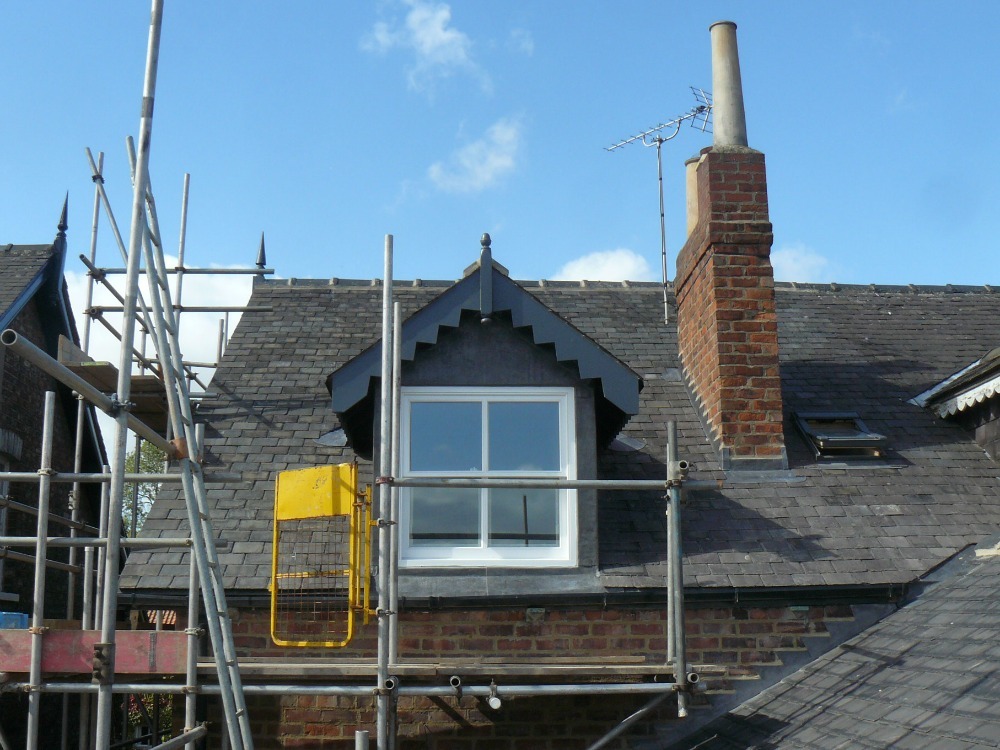
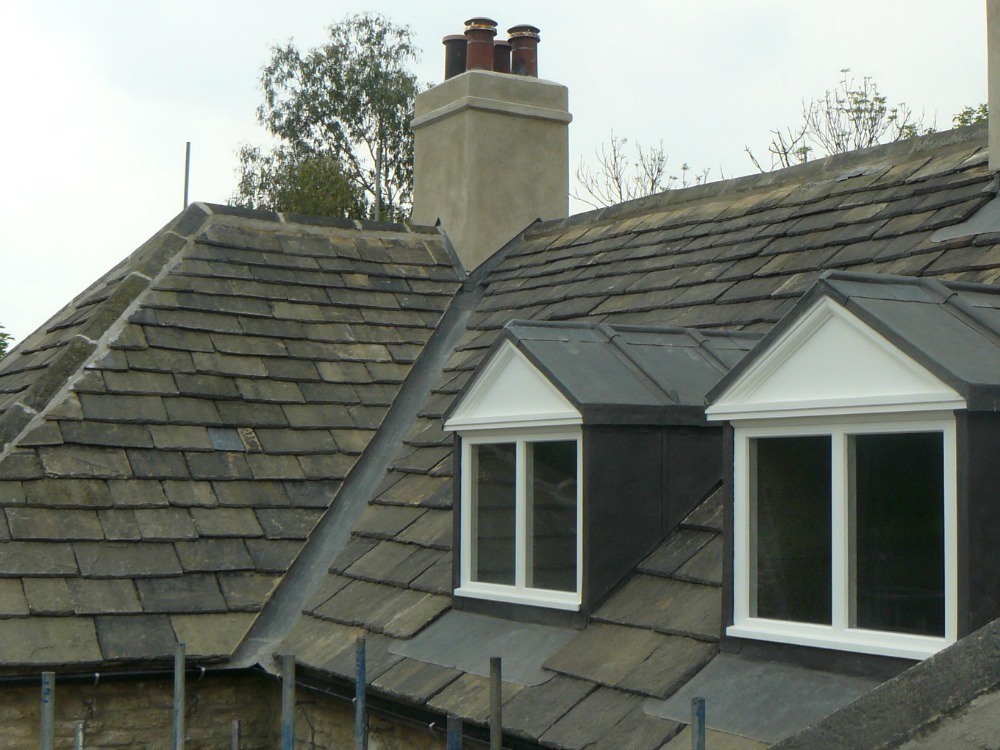
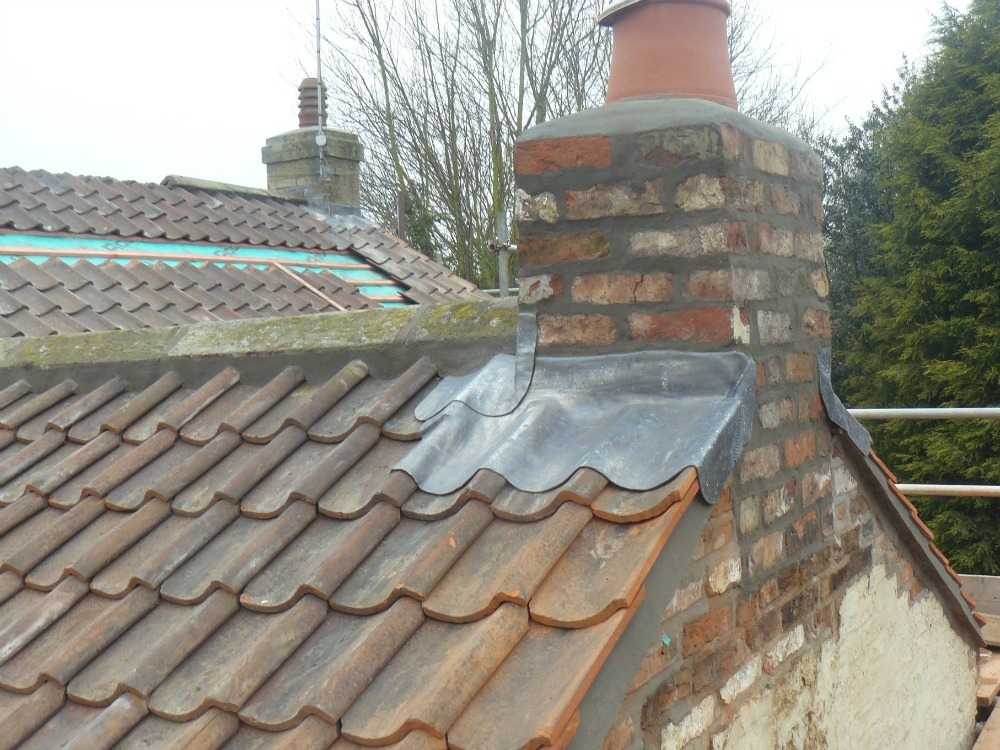
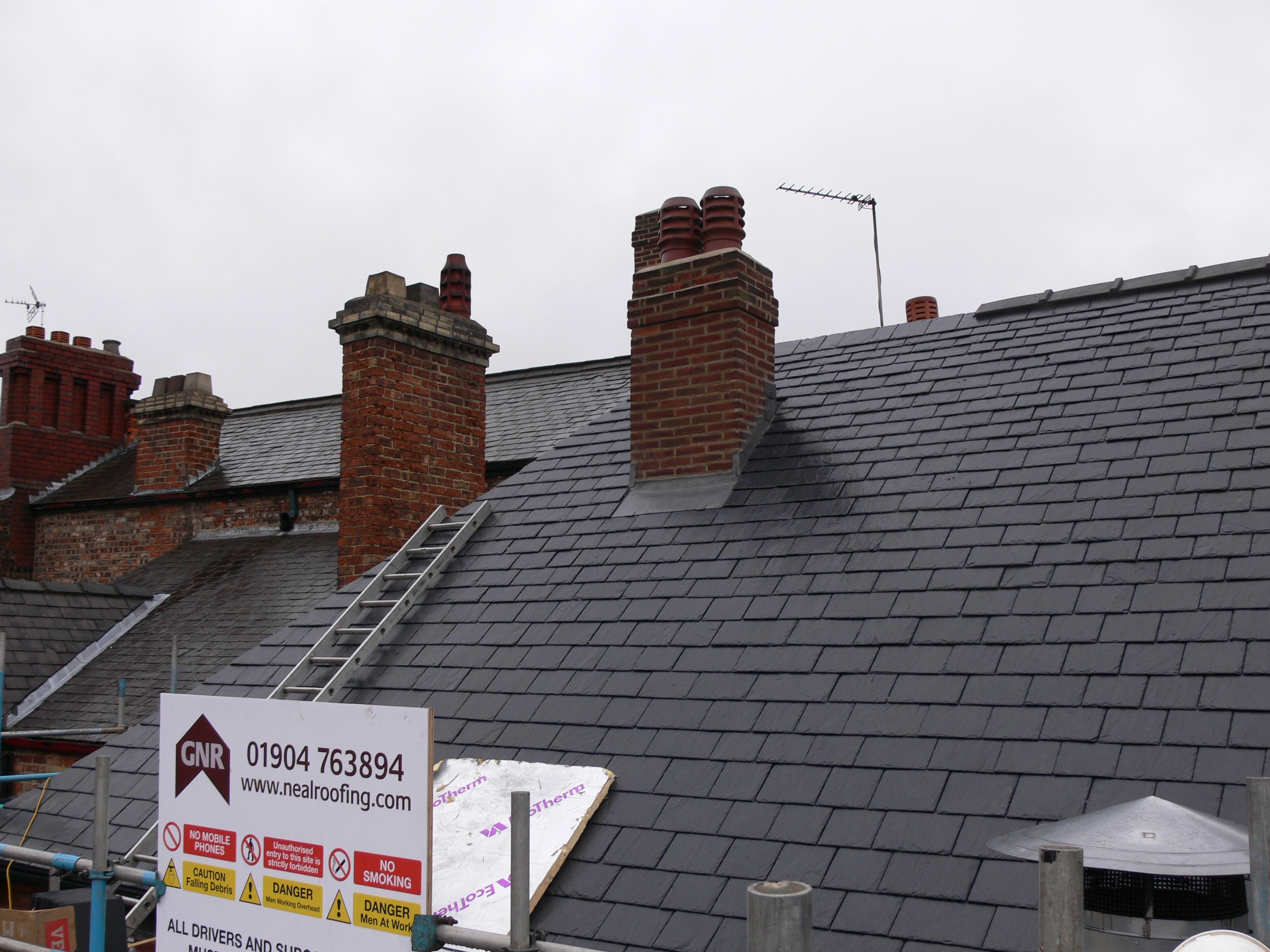
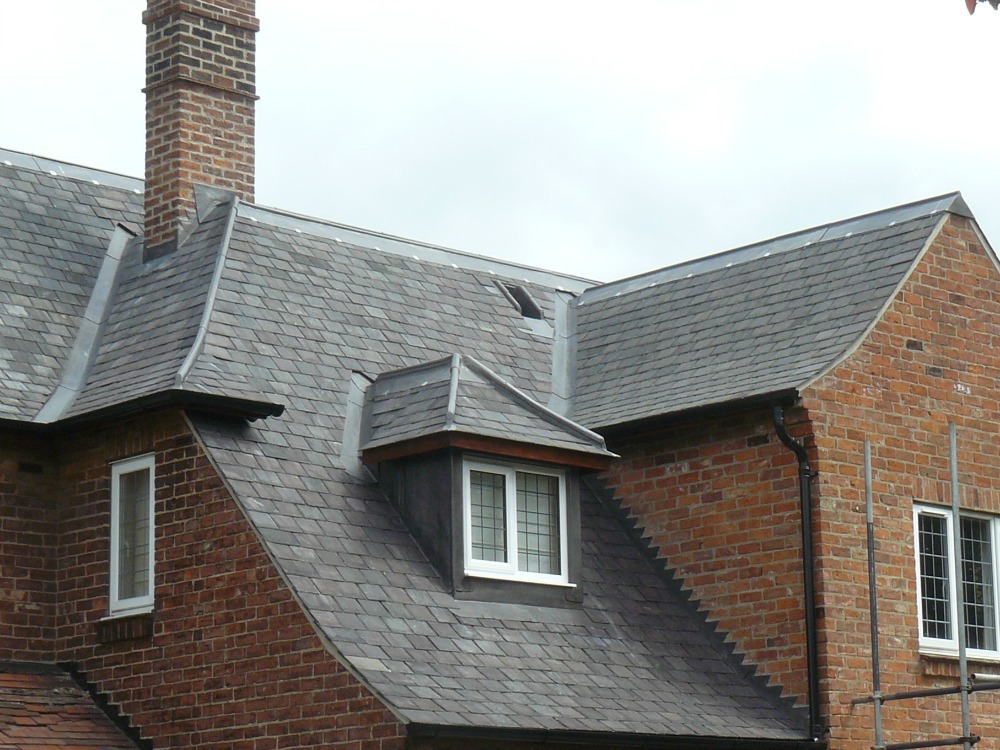
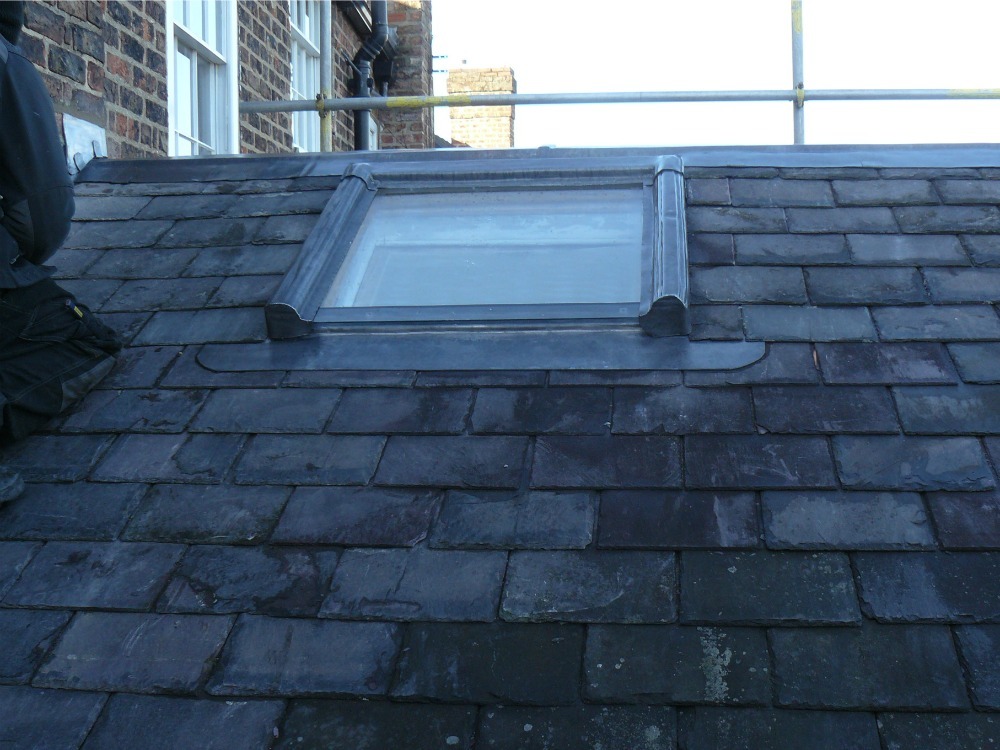
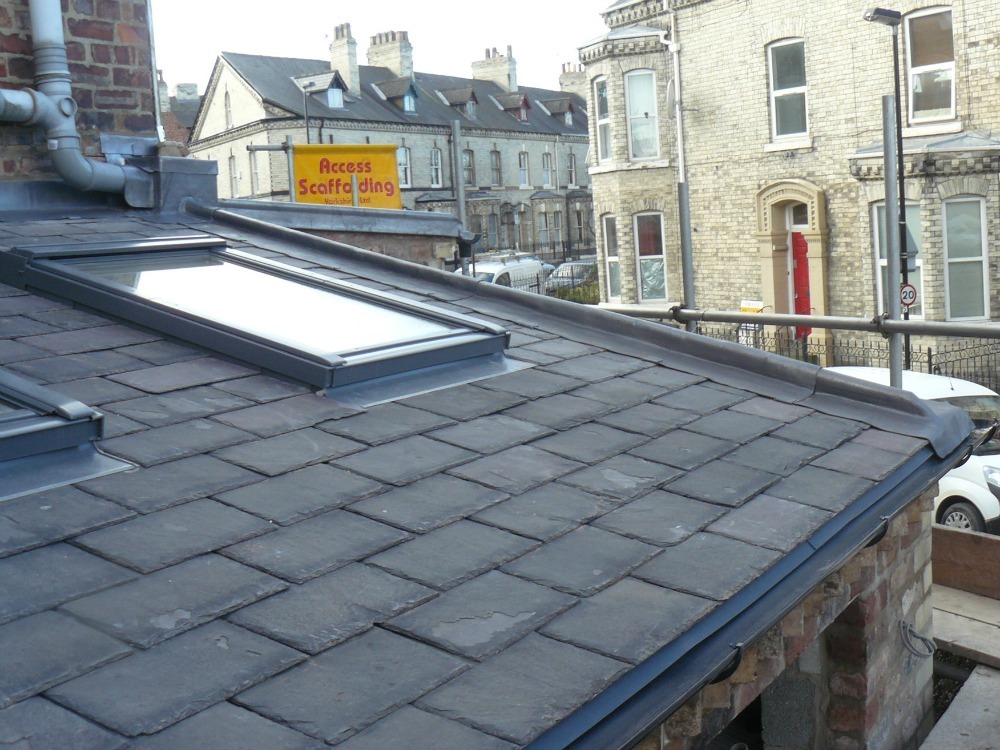
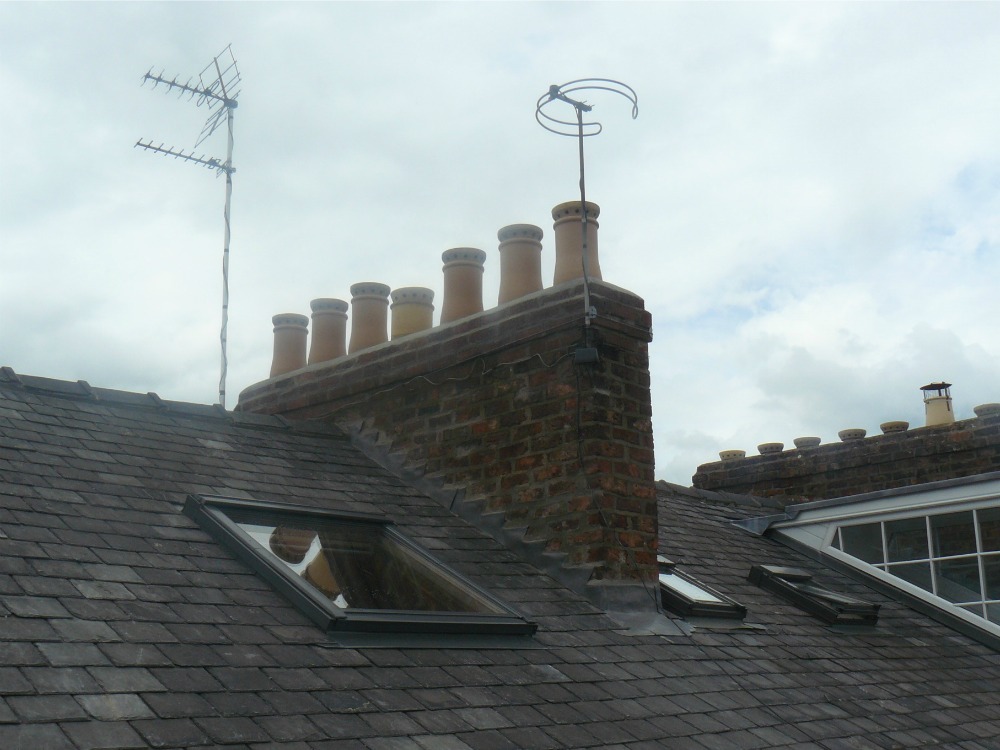
Damaged Flashing or Roof Fixtures: Inspect areas around chimneys, vent pipes, skylights, and dormers. Flashing is the metal (often lead or aluminum) sealing these joints – if it’s cracked, lifted, or rusted through, water can easily leak at those junctions. Similarly, loose or deteriorated seals around vents or roof windows can let water in.
Gutter Issues and Debris: Sometimes a roof leak sign isn’t directly on the roof itself. Overflowing gutters or downpipes during rain, or dark streaks on your exterior walls, can indicate gutters clogged with debris. This can cause water to back up under the roof eaves and find its way inside. Regularly check and clean your gutters to prevent this source of leaks.
If you notice any of these warning signs, it’s important to investigate further. What starts as a small watermark or occasional drip can quickly lead to bigger problems if ignored. Next, we’ll look at the typical culprits behind roof leaks in UK homes.
Roof leaks can develop for a variety of reasons. Here are the ten most common causes of roof leaks in the UK, and how to spot, and in some instances, remedy each one before it leads to bigger problems:
Storms and high winds frequently cause tiles or slates to crack or become dislodged. A single slipped tile is a leading cause of water ingress. Rainwater can seep through the exposed gap. These issues are usually visible from the ground or in the loft (sunlight shining through the roof is a clue). If not fixed, even a small gap can lead to damp patches on ceilings and progressive water damage inside.
Further, degradation such as nail fatigue or frost shatter can lead to slipped slates, and broken tiles, which can cause weakness to the overall integrity of a roof covering.
If isolated, slate or tile repairs are easy to rectify, but be prepared for access costs associated with safe working practices.
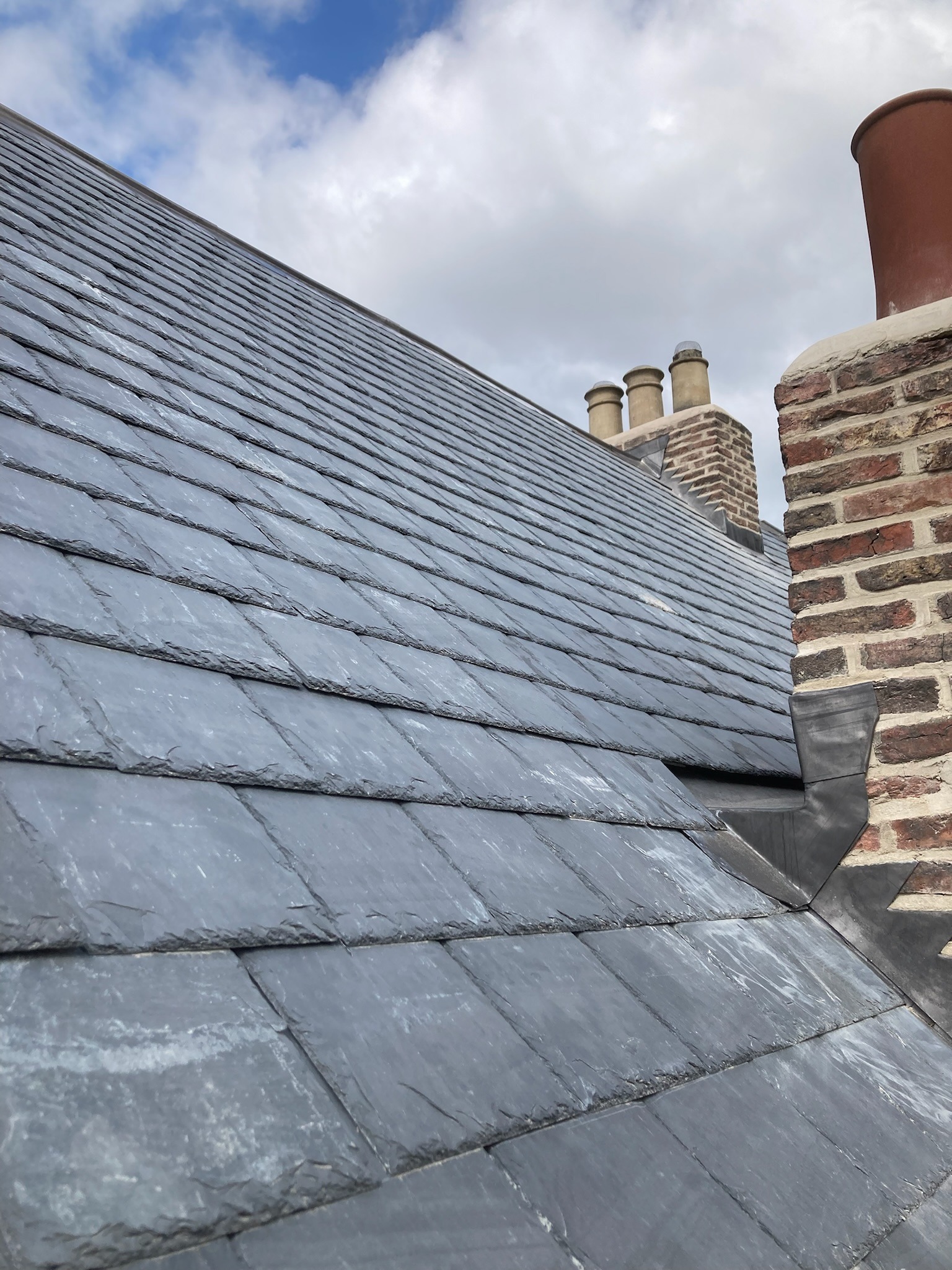
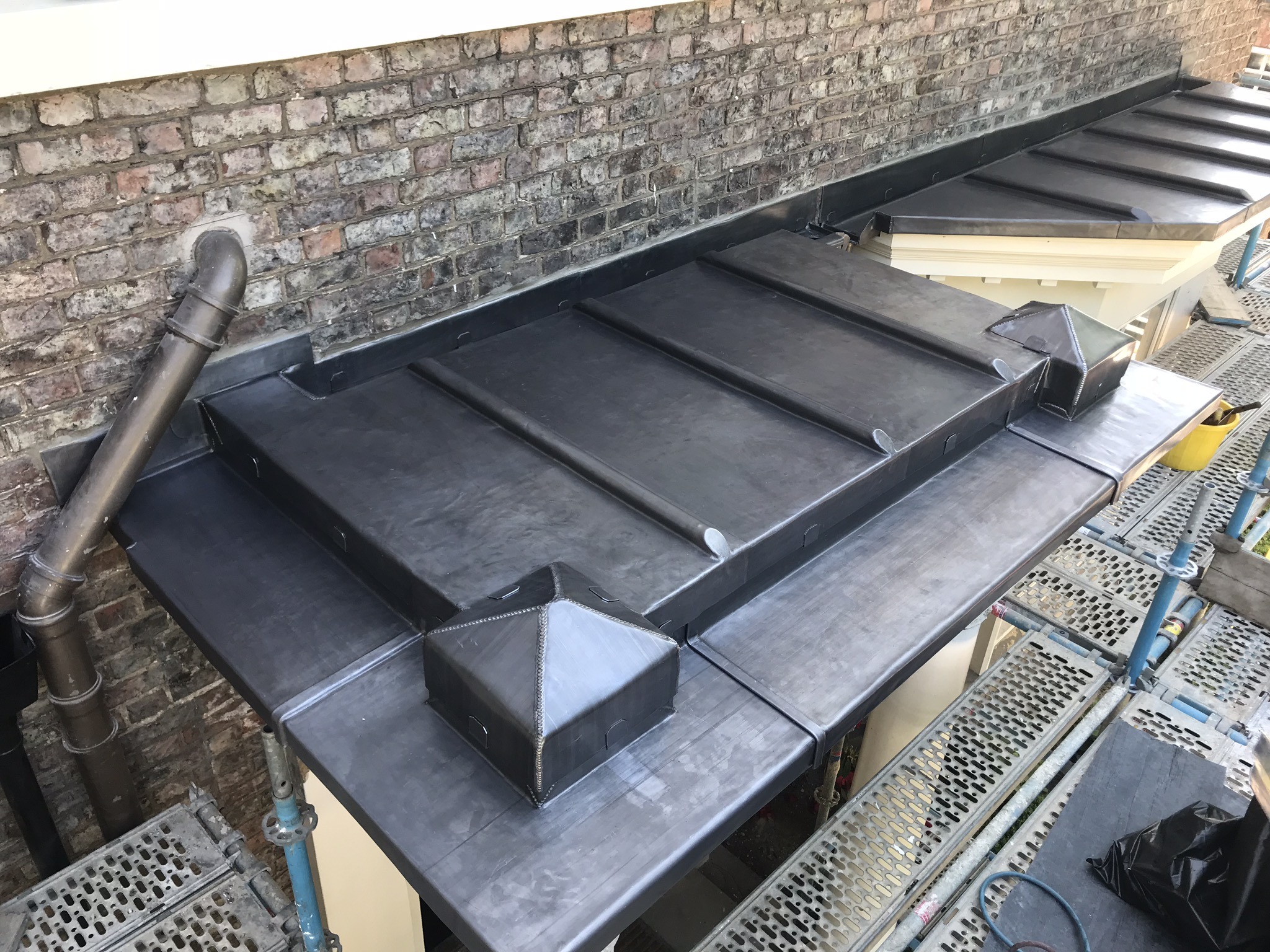
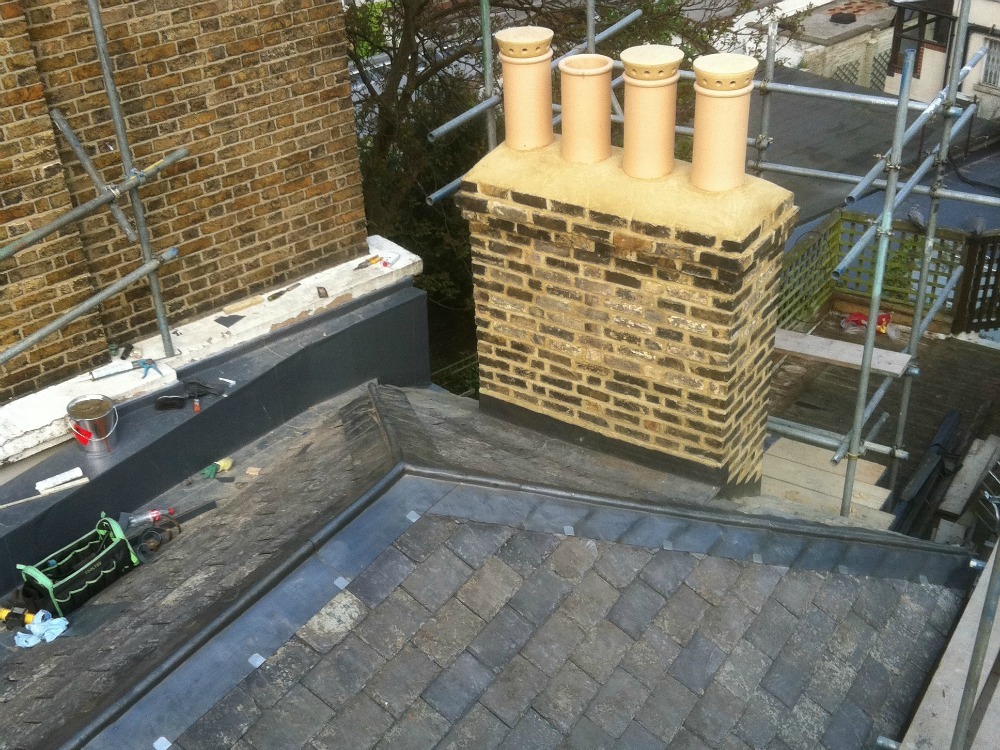
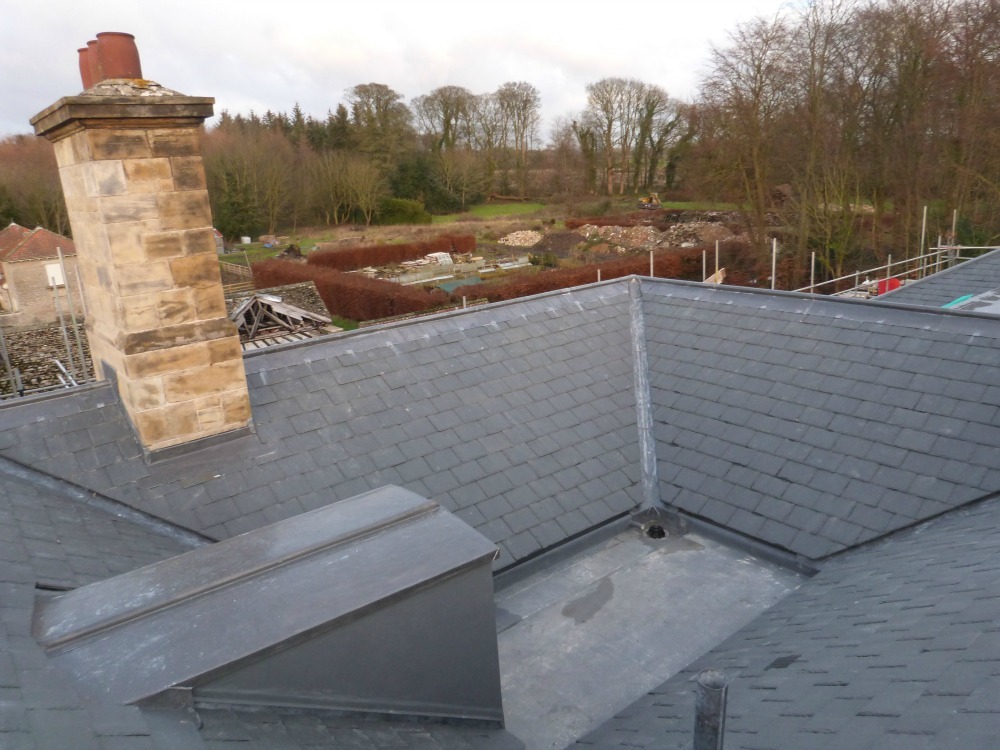
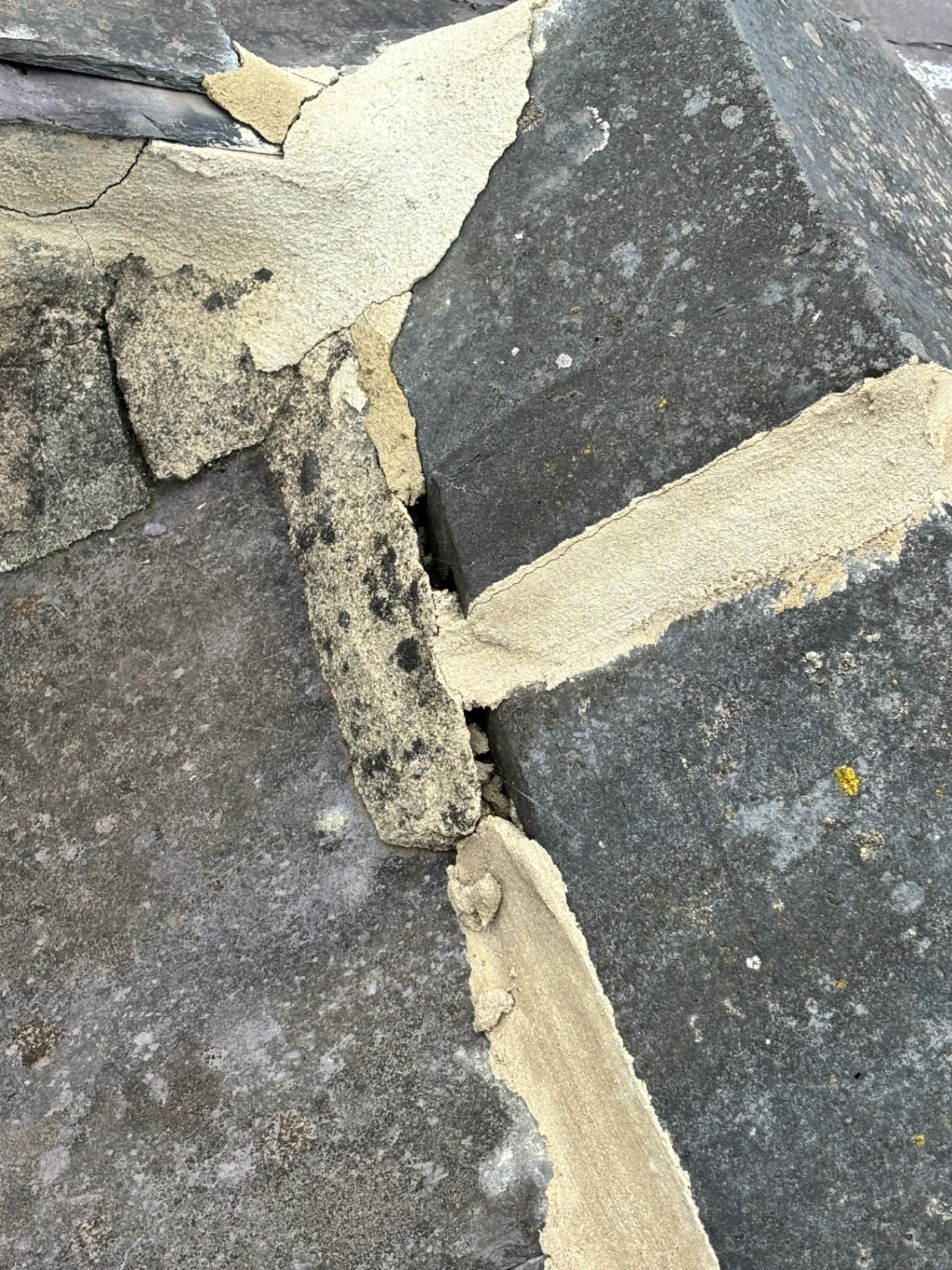
Flashing is the metal sheeting, usually lead, that seals the joints and edges around chimneys, skylights, vent pipes, and other roof penetrations.
If the flashing corrodes, cracks, or lifts away with age, it creates an opening for water. Leaks from damaged flashing often show up as dampness or staining near the chimney breast or bathroom vent areas.
Older homes with lead flashing are especially prone to this if the lead has perished over decades. Further, over time, lead shrinks and the roof structure may sag, and on slate roof areas, this may lead to inadequate cover of the component part under the flashing which are known as soakers.
If this is the case, the remedy usually involves replacing the soakers and flashing simultaneously.
When gutters are blocked by leaves, moss, or debris, rainwater can’t drain away properly.
The overflowing water may spill over the gutter edges and actually back up under the roof eaves or soak into the masonry.
Over time this causes leaks at the roof’s edges or damp patches on upper walls near the gutter line.
Blocked gutters also accelerate rot in fascia boards and soffits, compounding leak issues. Regular gutter cleaning is vital, especially in autumn.
At GNR, we are happy to engage in routine maintenance on behalf of clients, and look after a number of properties across Yorkshire for management companies, church trusts, and other organisations.
Beneath your roof tiles or slates lies a felt or membrane underlay that provides a secondary waterproof barrier.
Over many years, this roofing felt can deteriorate, tear, or crack (often in older homes).
If the felt is perished, water that sneaks under a tile (from wind-driven rain or melting snow) will leak through the roof boards instead of being shed away.
These leaks can be “hidden,” causing damp in insulation or ceiling spaces that’s hard to trace without a professional inspection.
Perished roof felt is often an issue for older types of bituminous roofing felts, which become brittle over time and can decay due to UV and water ingress through the roof tiles or slates.
Patch repairs are possible, but may not provide a comprehensive remedy for the long term.
Some people are mis sold solutions such as spray foam, but this is not a remedy for a failing roof covering, and may cause further decay of the roof structure and only increase the cost of replacement in the long term.
In some instances seats may be used around antenna mounts, solar panels, lead flashings, valley liners, etc.
Over time, sealant (caulking) can dry out, crack, or separate due to weather and temperature changes.
Once a bead of sealant fails, previously watertight joints (for example, the seam around a dormer or the edges of a roof vent) may start leaking.
Such leaks might not be obvious until you notice a damp spot or drip inside, since the exterior change is subtle. It’s good practice to have all roof sealants checked periodically and resealed as needed.
The best way in which to deal with a failed seal, is to remove the old sealant and replace with new, and in some instances a primer may be required which is applied to the surface onto which the sealant must adhere.
Unfortunately, this is a common problem, and one that our teams at GNR are frequently tasked with.
Poor workmanship when it comes to roof installation is rife, and is an industry wide problem.
The best remedy for this is to approach a reputable company from the start, look for NFRC members in your area, or contact GNR to see if we can provide coverage.
Sometimes the issue isn’t age or weather, but how the roof was built or repaired.
Shoddy workmanship – such as incorrect tile overlap, improper underlay installation, or incorrectly fitted flashing – can leave vulnerabilities from day one.
In these cases, leaks might appear soon after a new roof or repair job, especially under heavy rain.
Multiple areas might leak if a whole roof was poorly installed. This cause underlines why it’s important to use qualified, experienced roofers for any work.
Critically, a roof covering should be installed in accordance with Building Regulations and core British Standards, and if it is not, the covering may be vulnerable to premature failure.
It’s common to see green patches of moss on older roofs, especially in shaded or north-facing areas. The problem is that moss acts like a sponge, trapping moisture against the roof surface and even lifting tiles slightly as it grows.
This can allow water to sneak underneath. Additionally, moss or algae can clog roof drainage channels and gutters.
A moss-covered roof stays damp longer, encouraging decay of materials. Regular roof cleaning to remove moss and lichen can help prevent leaks caused by this slow damage.
Interestingly, the best way to prevent moss and lichen growth on a roof elevation is to install a copper strip towards the apex of the roof.
The oxidisation process of copper releases ions (CU²+) that can be toxic to moss and lichen, thus inhibiting growth and eventually killing off the spores.
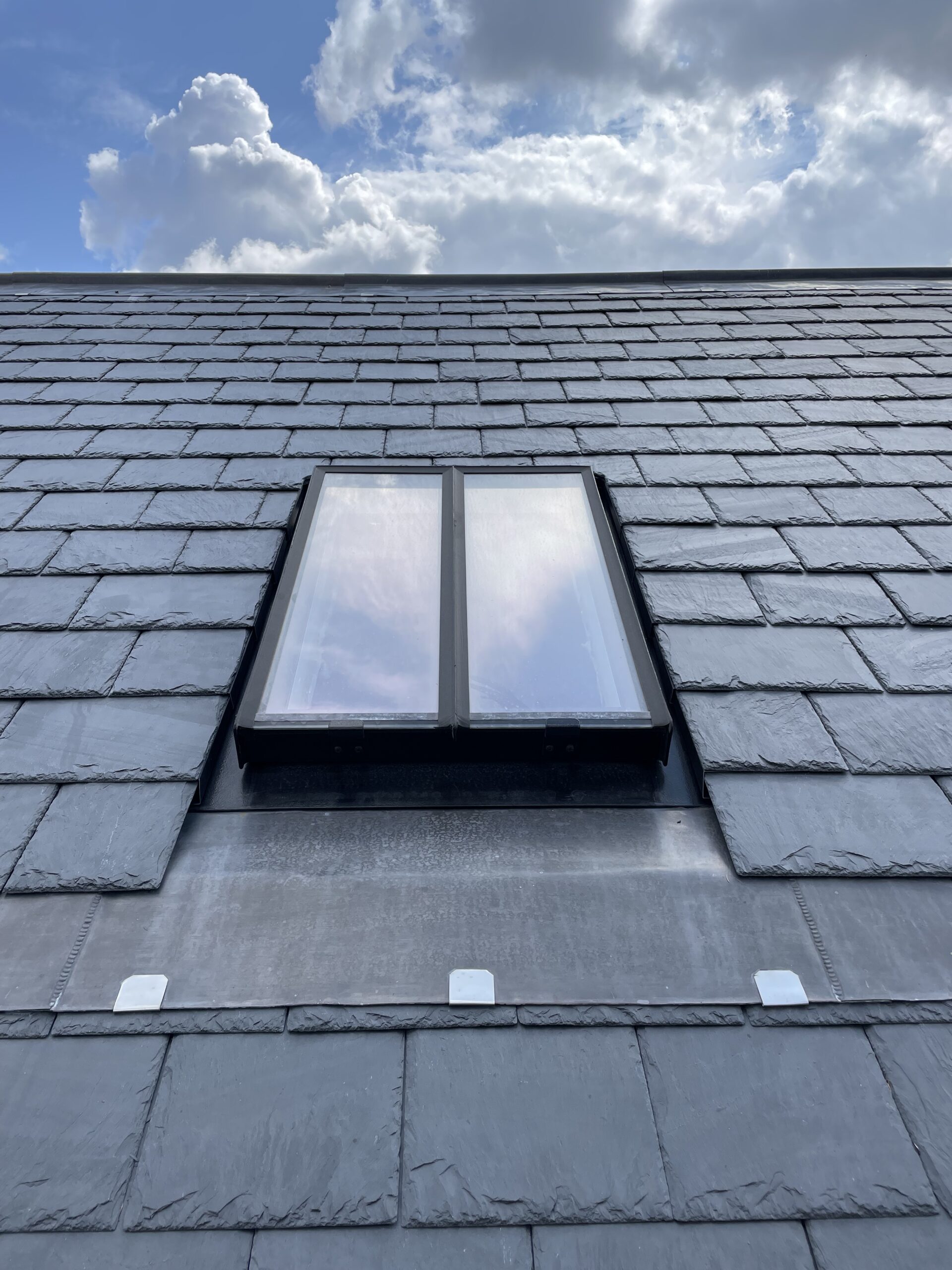
Copper strips can be introduced as part of the introduction of a dry ridge system, or fixed under slates as a strip secured by tabs as part of repairs or re roofing.
This mitigation measure will help stop the growth of moss and lichen and will be effective so long as the copper continues to oxidise.
Not every “roof leak” is due to rain coming from above – sometimes the moisture is generated from inside the house.
Poor ventilation in the loft can lead to condensation, where warm moist air from below meets the cold roof surface and forms water droplets that mimic a leak.
This often happens in winter. Signs include damp or dripping in the loft, water on the insulation, or mould growth, even though it hasn’t been raining. Improving loft ventilation (and adding insulation or vapor barriers) can resolve these issues. It’s important to distinguish condensation from an actual roof defect – a professional can help diagnose which it is.
Further, not all condensation occurs in a roof space or void, interstitial condensation is a common problem and can remain hidden for some time.
Interstitial condensation is particularly problematic in modern properties with complex roof build ups, and a roof should be properly designed and installed to mitigate cold bridging, which is the most common cause of interstitial condensation.
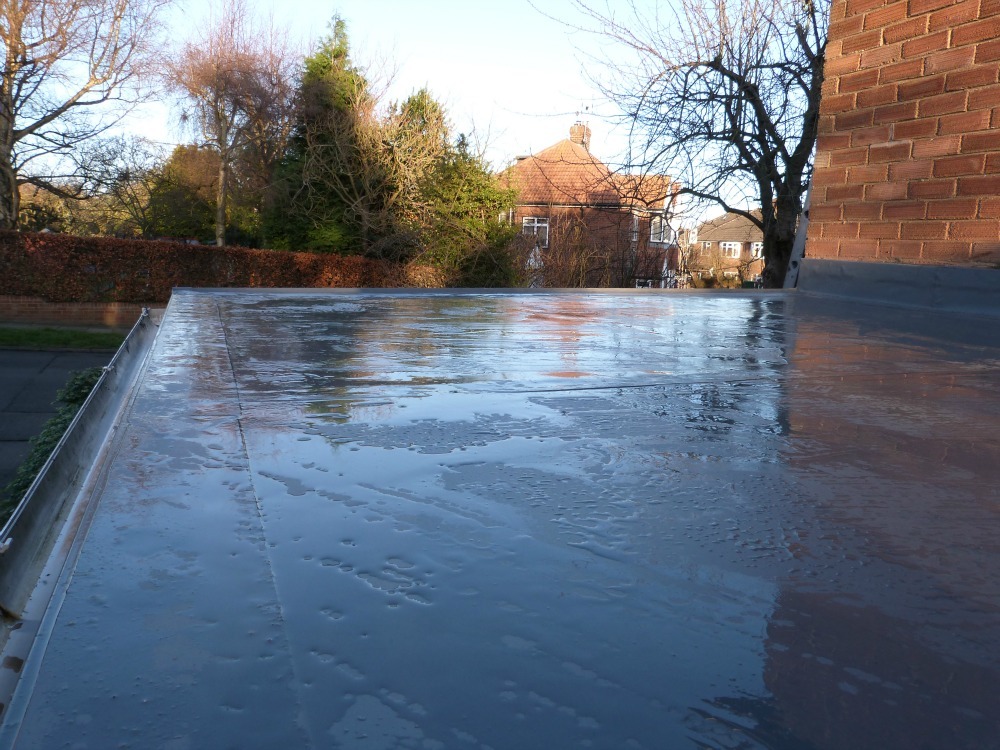
Flat roof areas can be particularly problematic, and BS6229 sets out clear guidance and distinctions between warm, (non vented) and cold (vented) roof construction.
At GNR when working with materials such as Sarnafil for flat roofing, Zinc, and other metals such as lead, our preference is to install a warm roof build up.
However, height constraints mean that this is not always practical, so consideration must be applied in context and the most appropriate construction method selected.
In colder parts of the UK or during severe winters, ice damming can occur on roofs. An ice dam forms when snow on the roof melts from heat escaping the house, then refreezes at the colder eaves/gutters, creating a ridge of ice.
This ice barrier forces meltwater to back up under the roof tiles, leading to leaks inside. Ice dams are hard to spot (they often happen above the gutter line) and you might only notice the leak after the water penetrates inside or when it later thaws.
Ensuring good attic insulation and ventilation can minimise ice dams by keeping the roof surface uniformly cold. In heavy snow, safely removing snow from the roof edge can also help.
Further mitigation measures can be applied using Heat Thrace tapes in gutters and outlets, which are thermostatically controlled.
Such products will switch on if the temperatures reach a pre defined level, and melt water in gutters and pipes to facilitate contuse flow by stopping ice from forming.
Such items are becoming increasingly necessary in our changing climate, and are of particular importance where there is a central gutter area with limited outlets for example.
Cases have arisen where significant damage has been caused by an ice dam inside an outlet, which has not thawed at the same rate as snow and ice accumulation on the remaining roof area.
All roofing materials have a limited lifespan. Over decades, roof coverings gradually deteriorate – tiles may become porous or fragile, mortar may crack, membranes and flashings lose effectiveness.
An aging roof may start leaking in multiple places simply due to material fatigue. Telltale signs of an aging roof include sagging sections, numerous loose or slipping tiles, faded or lichen-covered materials, and chronic minor leaks here and there.
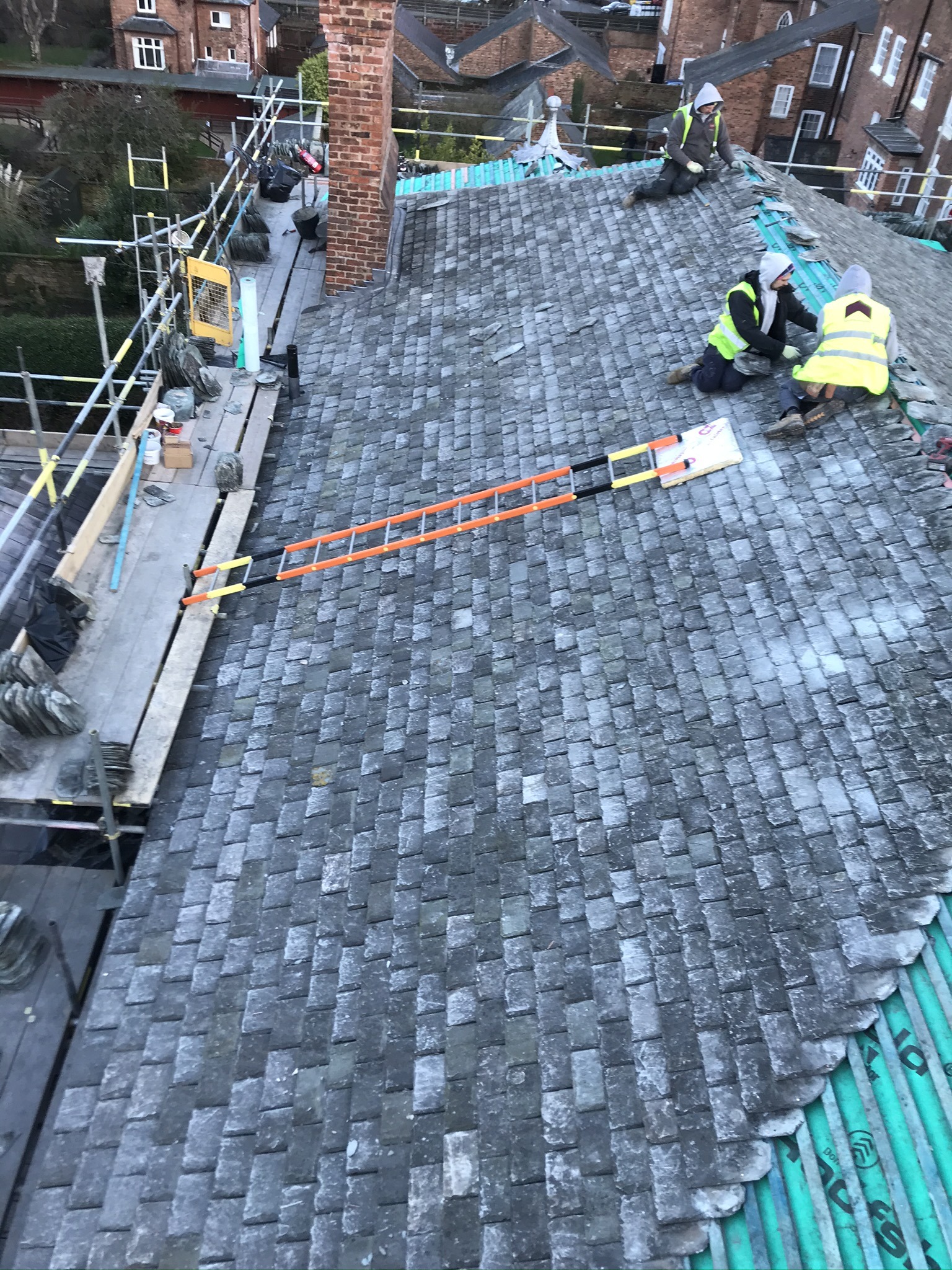
Once a roof is past its prime, ongoing patches might not suffice and a full reroof could be needed to reliably stop leaks. It’s wise to monitor your roof’s age and condition; after a certain point (typically 20-50 years depending on material), proactive replacement can save money in the long run.
When considering a re roofing project, the nature and durability of the material choice is key.
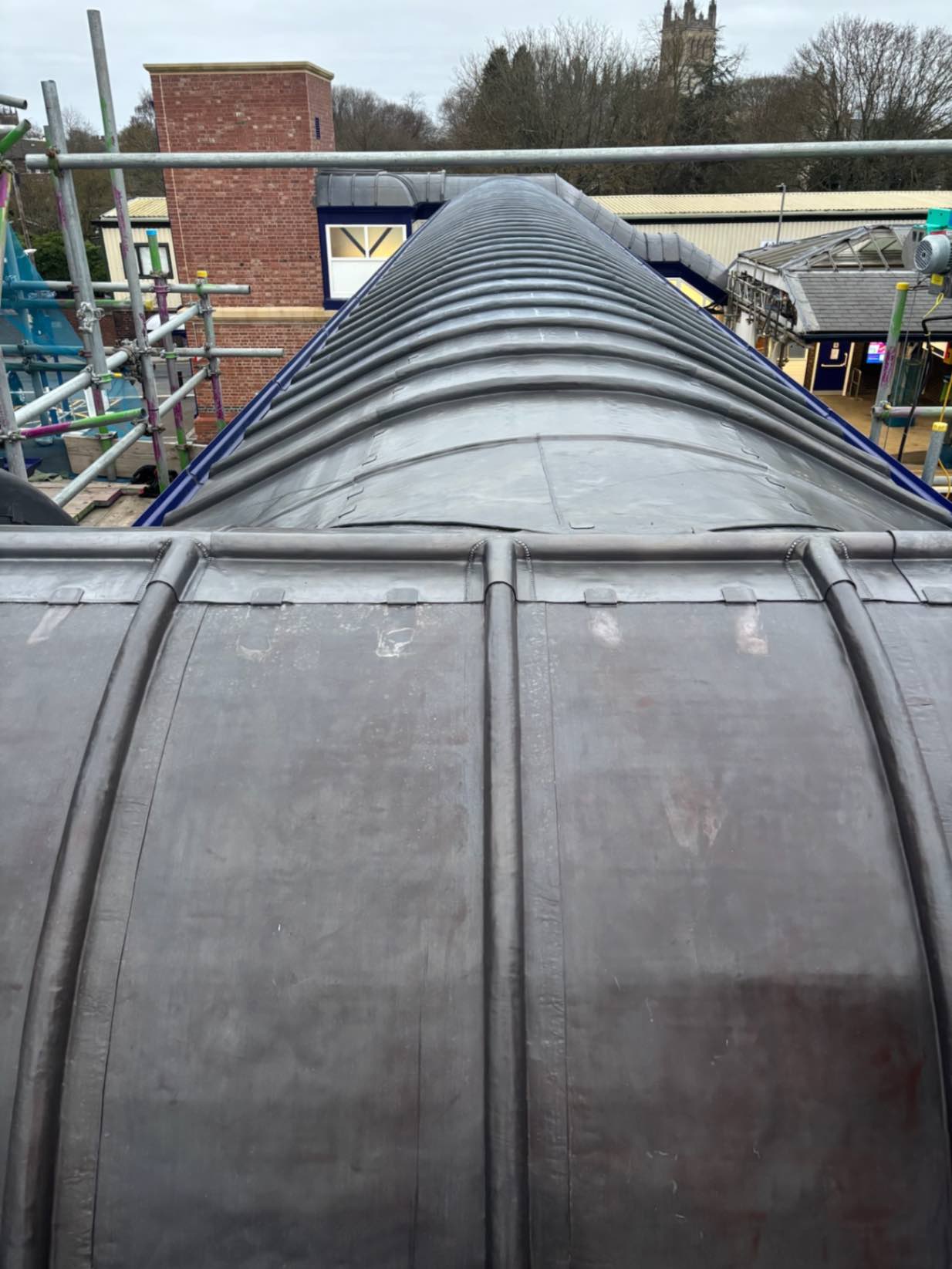
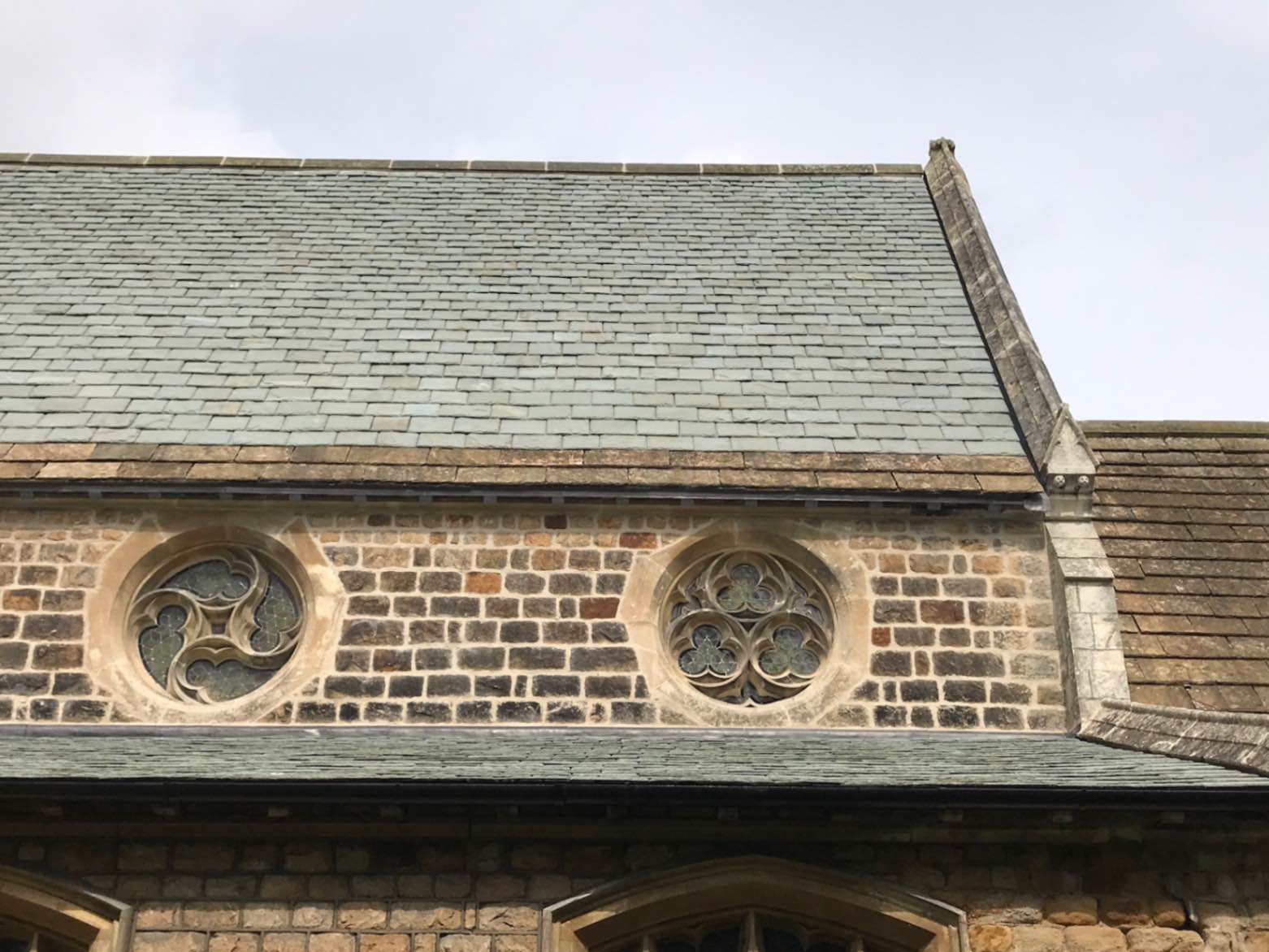
“Welsh slates, installed in accordance with BS5534, and Rolled Lead Sheet, installed in accordance with BS6915, endure as the ultimate roof coverings”.
By understanding these common causes, property owners and management professionals can be more vigilant.
Regular roof inspections and maintenance (like clearing gutters and replacing damaged tiles promptly) go a long way towards preventing leaks.
However, if a leak does occur, it’s crucial to address it quickly – the next section explains the potential damage a leak can cause if left unresolved.
If you have a roof leak, and fall within our service area, GNR will be able to assist and present costs for a roof repair.
Remember, not all roofing issues arise from roof leaks, some are concealed and may be caused by condensation.
If you have an issue that you believe may be because of a wider issue, and not a roof leak, you may want to engage a Building Surveyor to provide an expert opinion.
Latent defects can manifest themselves over time, and only during certain weather conditions, and if this is the case, further investigations may be required to determine the cause, and provide a schedule of work to effect remedy.
Read More Guides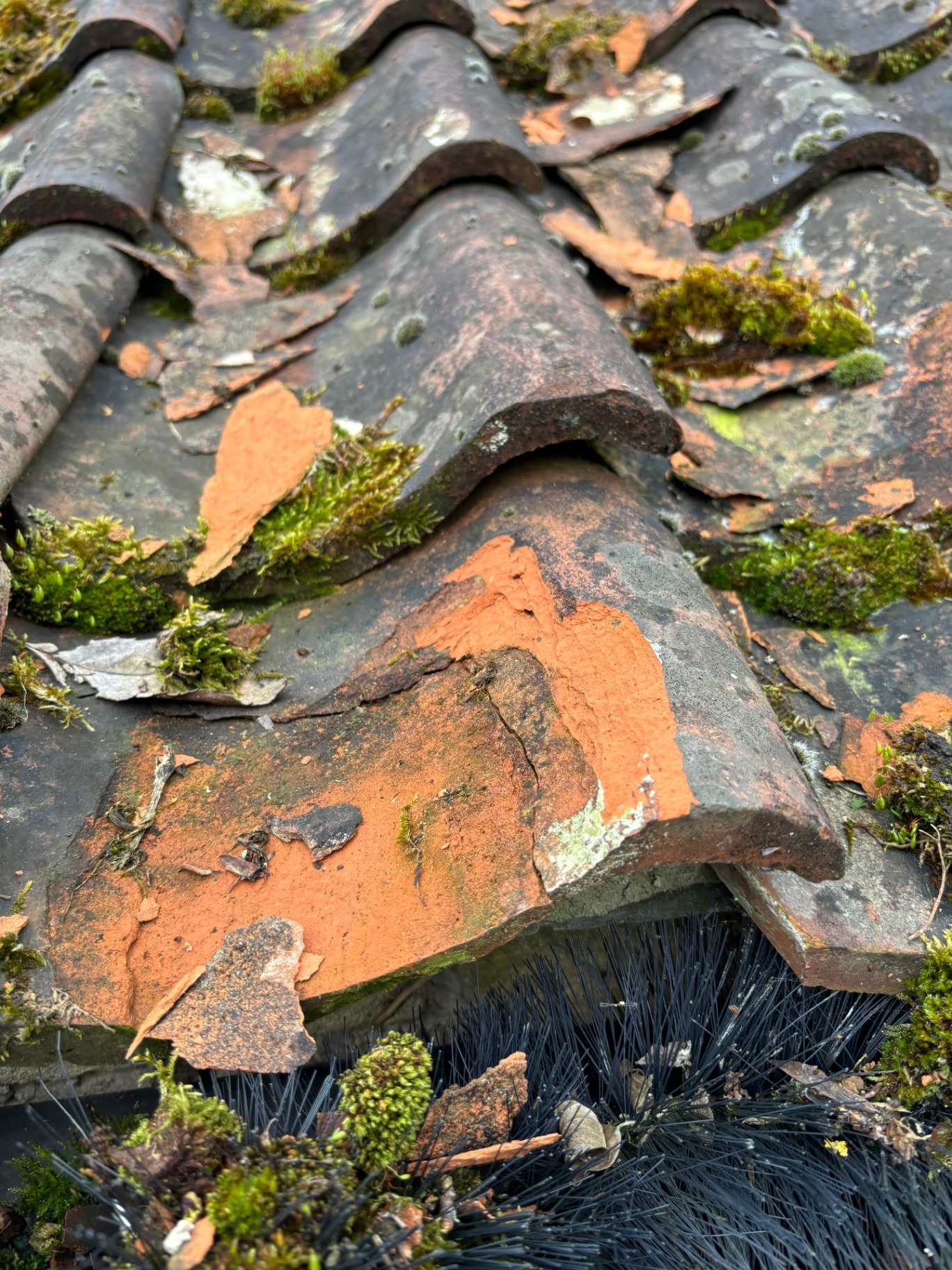
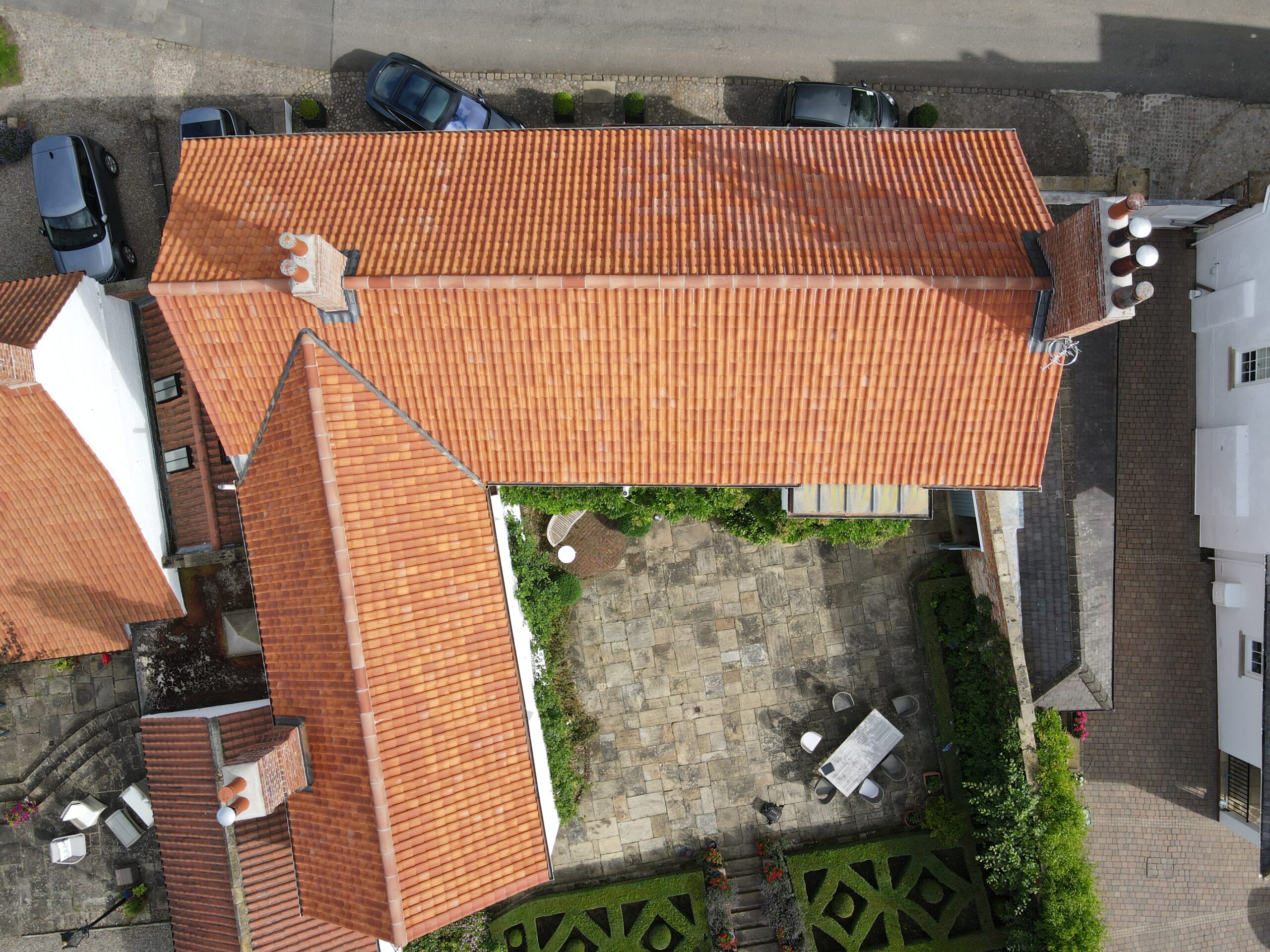
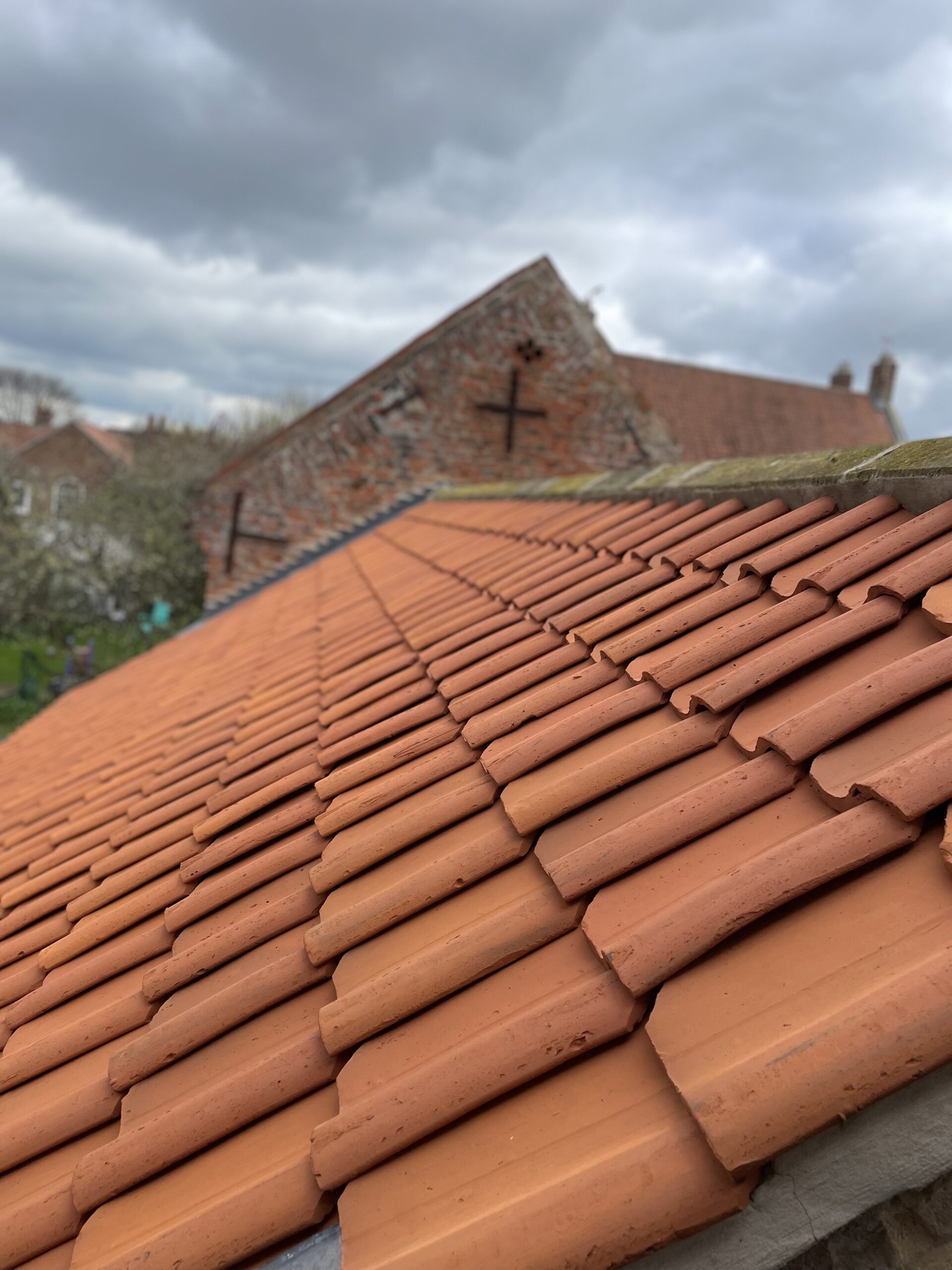
Moss thrives on damp surfaces, and can cause decay to certain roof coverings such as clay pantiles.
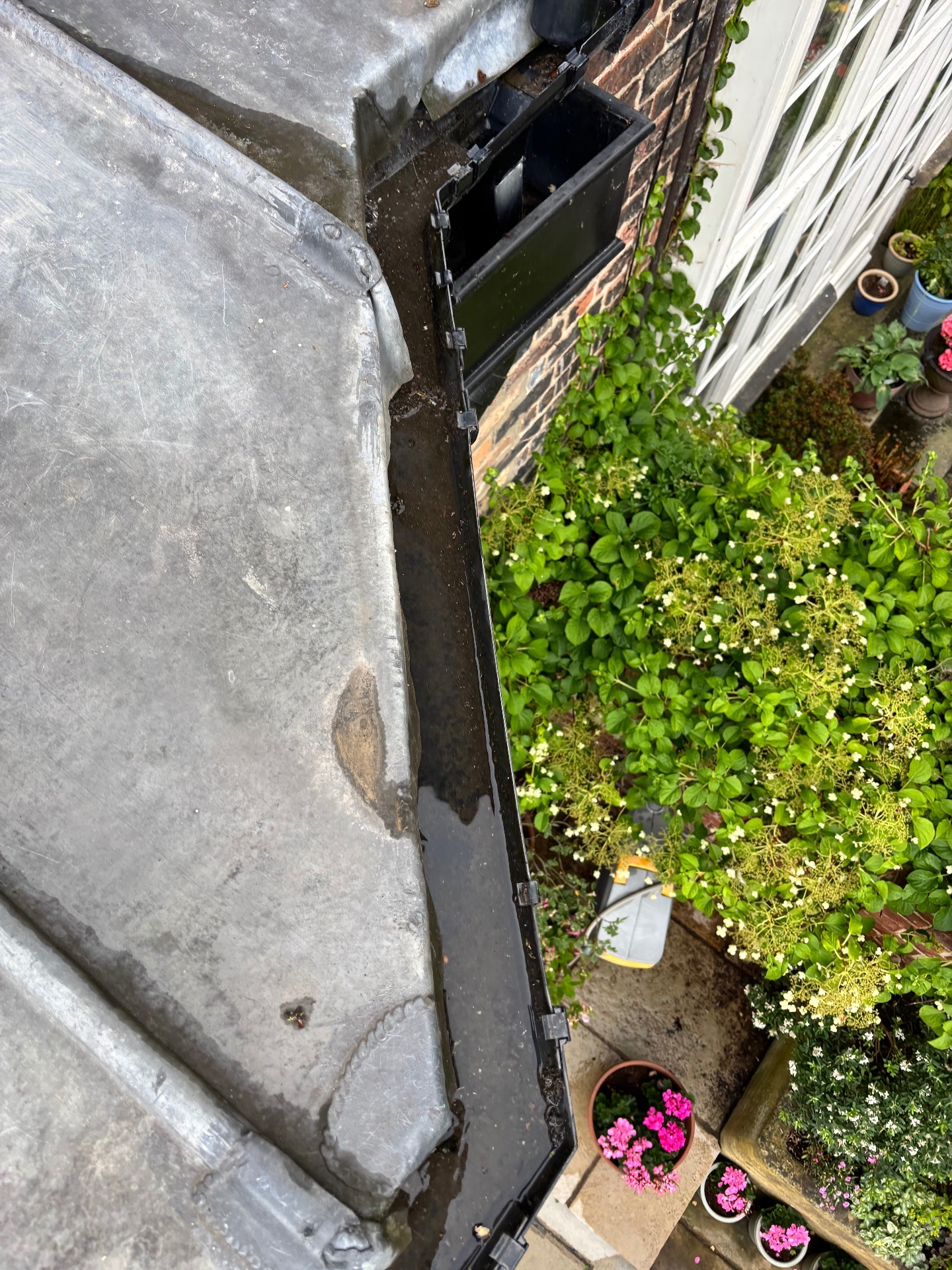
Gutters that cannot discharge can overflow and are a common cause of water ingress.
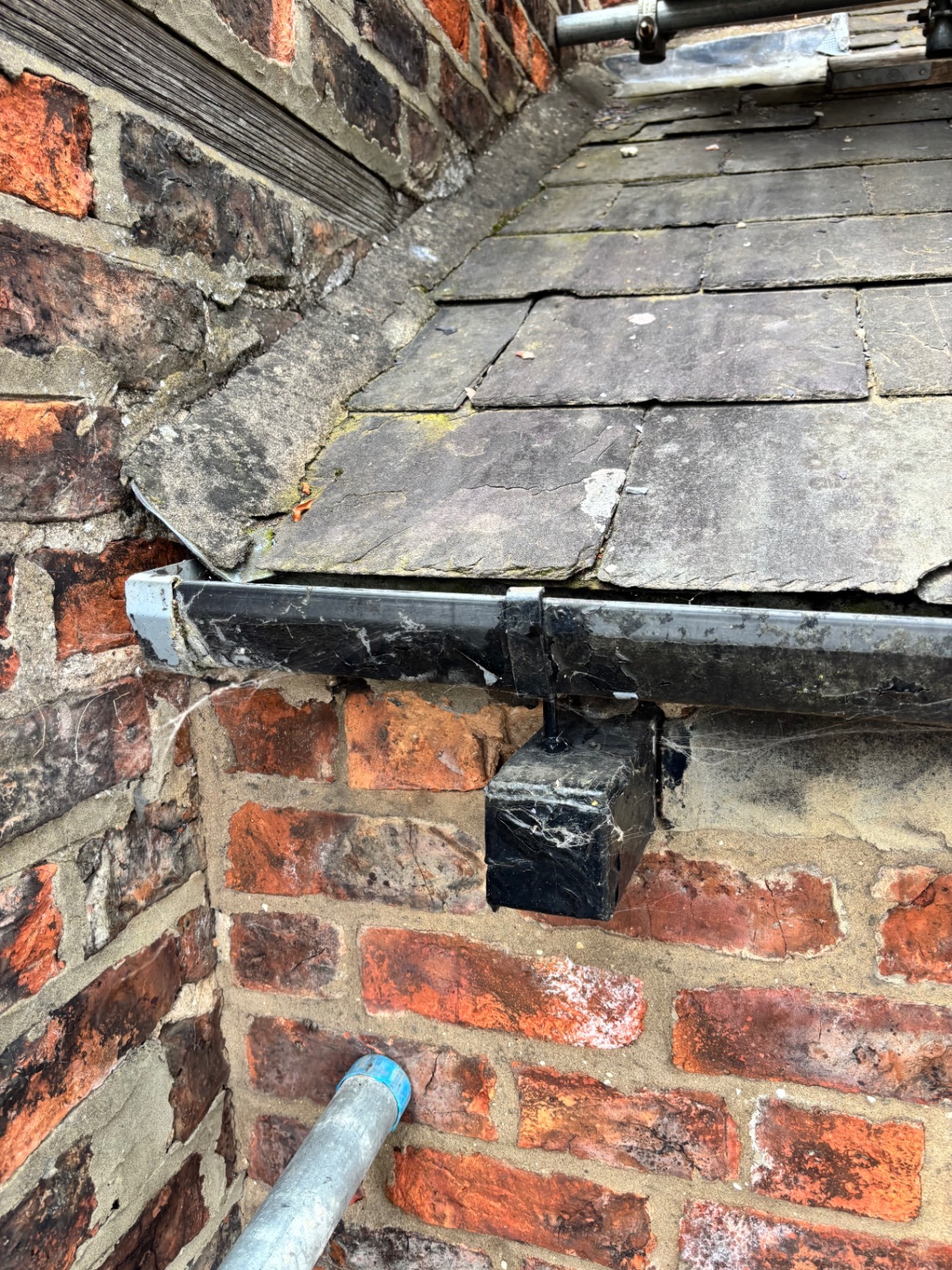
Inadequate of poorly detailed flashings are a common weak point that can cause roof leaks.
Ignoring a roof leak, even a small one, is risky. Water entering from a faulty roof can wreak havoc on your property over time. Here are the major types of damage and problems that can result if you delay repairing the roof leaks outlined above:
Persistent roof leaks will continuously soak the wooden framework of your roof – the rafters, joists, and decking.
Over weeks and months, this causes the wood to rot and weaken, undermining the roof’s structural integrity.
You might eventually see sagging roof lines or ceiling joists. In severe cases, sections of the roof or ceiling can collapse due to rotted supports.
Even before a collapse, water can degrade plasterboard ceilings (causing them to crack or crumble) and leave unsightly water stains and bulges.
Repairing structural timber and replacing ceilings is a major, costly job – far more expensive than fixing a small leak early owing to the fact that timbers, and ceilings, are often interconnected so you may need to remove more than a small area in isolation to effect repair.
Wherever water infiltrates and sits, mould and mildew will soon follow. Damp conditions from a roof leak create the perfect breeding ground for mould on walls, ceilings, and insulation.
You might notice black or greenish mould patches spreading, or a musty smell throughout the house. Not only does mould damage plaster, wood, and fabrics, but it also poses serious health risks for occupants – especially causing or worsening respiratory issues and allergies.
Once mould takes hold, it can be difficult and expensive to eradicate, often requiring professional remediation and redecoration of affected rooms. Preventing mould by stopping leaks early is much easier than cleaning it up later.
Further, mould can be caused by condensation arising from incorrect or ineffective ventilation into cold roof voids.
It is best to consult an experienced roofing contractor or building surveyor to provide proactive advice.
Your loft or roof cavity likely contains insulation (fibreglass, mineral wool, etc.) to keep the house warm. If a leak soaks the insulation, the material gets matted and loses its effectiveness in trapping heat.
Insulation works when it has ‘loft’ when wet, it will become ineffective.
As a result, your home may become colder and your heating bills will rise because wet insulation no longer insulates properly.
Prolonged moisture can even permanently ruin insulation, meaning it would need to be removed and replaced once the leak is fixed. A leak can therefore increase your energy costs and reduce comfort, even before you see any visible signs of damage.
Water and electricity don’t mix – and leaks can bring them together in dangerous ways. Leaking water might drip into light fittings, down internal walls where wiring runs, or into junction boxes in the loft.
This can cause short-circuits, tripped breakers, or even electrical fires if the water contacts live wiring.
At the very least, it can ruin electrical components and appliances. If you suspect water has reached any electrical systems (e.g. you see flickering lights or have power outages coinciding with a leak), it’s critical to shut off power and have an electrician inspect it.
The risk of electric shock or fire from an untreated roof leak is a hidden danger many don’t realize until it happens.
A leaking roof will inevitably damage the interior of your home. Plaster ceilings can become discoloured, bubble, or fall apart.
Wall paint and wallpaper will peel off. Carpets, hardwood floors, and furniture might get water-stained or start to warp. Continuous drips can ruin kitchen or bathroom cabinetry and cause metal fixtures to rust.
Personal belongings stored in the loft or rooms below (books, clothing, electronics, etc.) could be destroyed by water or mould.
The longer a leak continues, the more widespread this interior damage can become, potentially requiring redecoration or replacement of possessions.
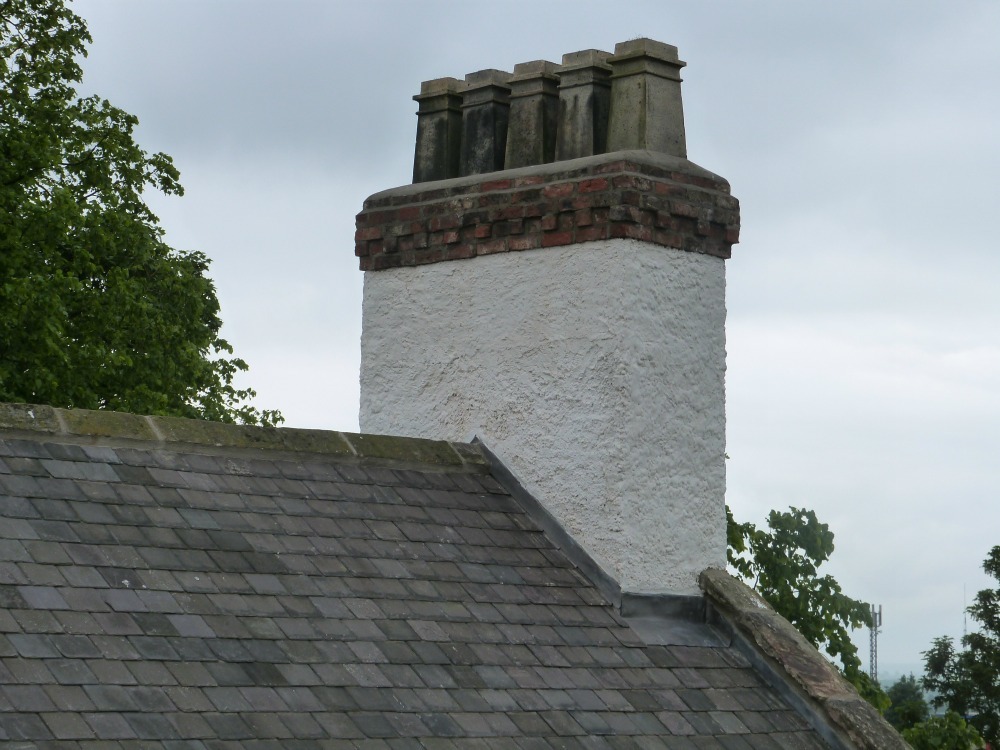
Externally, water can perpetrate walls, and cause frost shattering during winter leaving you with expensive masonry repairs.
This is particularly common on chimney stacks, so it is important to check external walls and chimneys for signs of damp penetration.
What starts as a minor, inexpensive fix (like replacing a tile or resealing flashing) can grow into a massive repair bill if not handled promptly.
Over time, a small leak can expand into widespread rot throughout the roof structure, multiple points of failure, and even the need for a partial re-roof.
The cumulative water damage might mean not only fixing the roof, but also extensive repairs inside (new drywall, flooring, electrical work, mould remediation, etc.).
This kind of overhaul can cost many times what an early repair would have. In short, procrastinating on a roof leak repair is a false economy – it almost always ends up more expensive in the long run.
Swift action saves money and stress, don’t ignore a roof leaks and seek professional advice as soon as you think that there might be a problem.
Water can cause significant damage to buildings and structures, and the longer water is left to penetrate roofs, walls and a buildings fabric, the worse the problem will become.
As you can see, leaving a roof leak “until later” is never a good idea. The damage may affect not just the roof, but your entire home and even your family’s health.
The moment you suspect a leak, you should plan to have it inspected and addressed.
The next question is: who should you call to diagnose and fix the problem? Property owners and agents have a couple of options – a roofing contractor or a building surveyor – each with its own benefits.
Let’s explore the best approach to identify a roof leak and get it repaired properly.
When you discover a possible roof leak, the first step is to pinpoint the source and extent of the problem. Typically, you would call a professional to inspect the roof – but you actually have two main options:
GNR Roofing Services can undertake an Inspection and Repair Quote:
This is the most common route. A roofing contractor will visit your property, may use a ladder or inspect internally, find the likely cause of the leak, and provide a quote to fix it.
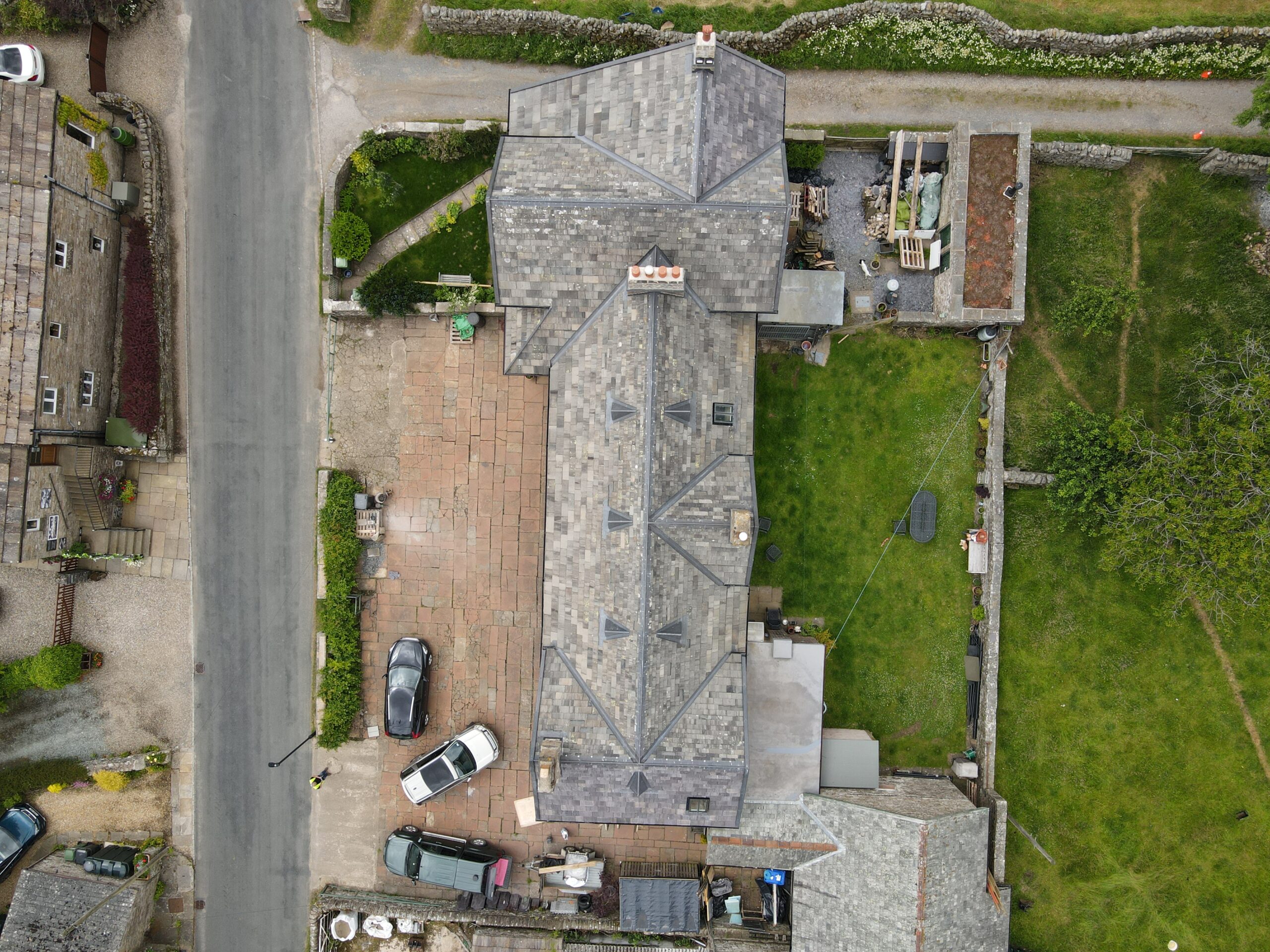
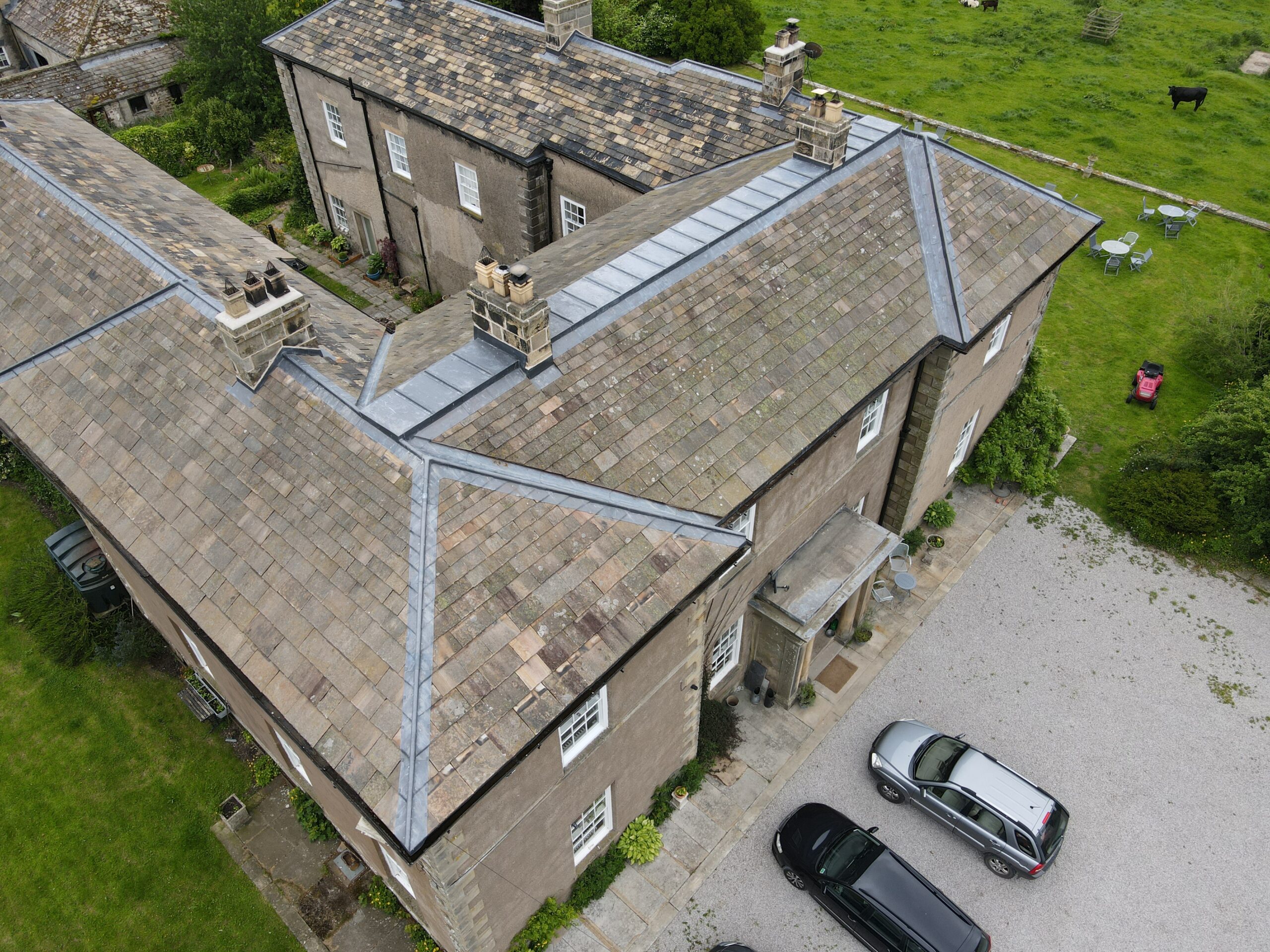
Alternatively, where access constraints exist, companies like GNR are licensed and insured to operate drones to carry out roof inspections.
GNR Roofing Services, for example, is fully capable of undertaking a dedicated roof leak survey to identify the specific defect.
With a roofer’s inspection, you benefit from immediate expertise in roof construction and usually a quick turnaround to carry out repairs.
Most roofers will diagnose the issue as part of providing a repair estimate after an initial survey fee has been paid.
If you already have a good idea that the problem is with your roof covering (missing tile, etc.), calling a trusted roofer means you’ll get the leak found and fixed in one convenient process.
GNR’s team can often spot common leak causes on the spot and offer a solution right away, saving you time and preventing further damage.
Hire an Independent Building Surveyor for a Specific Defect Survey: Some homeowners prefer an impartial inspection before engaging a contractor.
A Specific Defect Survey by a firm like Strut Building Surveyors involves a qualified RICS Chartered Surveyor examining the issue (in this case, your roof leak) with no stake in the repair work.
They will provide a detailed report on what’s causing the leak and possibly broader roof conditions. The benefit here is a completely unbiased assessment – you’ll know exactly what state the roof is in and what needs fixing.
This can put you in a knowledgeable position when you do approach roofing companies for quotes, ensuring you don’t agree to unnecessary work.
A surveyor might also catch related issues beyond the roof itself (for instance, signs of structural movement or internal moisture issues) that a roofer might not report. However, the cost of using a building surveyor will be higher – they charge a fee for the survey service, costs will depend on the scope.
Further, the surveyor won’t do the repairs; you’ll still need a roofer afterwards. Thus, this route is often chosen if you want peace of mind about the diagnosis or if previous repair attempts have failed to solve the leak. It’s also useful for insurance claims – insurers sometimes require an independent report, and a thorough survey report will help validate your claim by documenting the damage and its cause.
Remember, a Building Surveyor acts impartially, and does not have e vested interest in carry out further work at your property.
It ultimately depends on your needs and situation. If you trust your roofing contractor and the leak cause seems straightforward, going straight to a roofer like GNR can resolve the issue fastest and usually at the lowest cost.
GNR Roofing Services will inspect the roof, explain the defect, and offer a repair plan – we combine the survey and fix in one visit for your convenience.
On the other hand, if you want a second opinion, suspect there might be multiple issues, or simply want an independent expert’s report (for instance, if you’re dealing with a dispute or an insurance claim), then commissioning Strut Building Surveyors for a specific defect survey is a solid choice. Some customers even choose both: for example, they might have a surveyor pinpoint the issue and then hire GNR to perform the repair according to the findings.
Both approaches have merits, and the choice is up to you. Rest assured, whether you start with a surveyor’s report or directly with a roofing contractor, the end goal is the same – get the leak fixed properly before it causes more damage.
When it comes to fixing roof leaks in the York area and beyond, GNR Roofing Services stands out as the leading contractor to get the job done right. Here’s why homeowners across a wide radius from our base in York trust GNR for professional, effective roof leak repairs:
GNR Roofing Services has years of experience dealing with every type of roof leak. From small ingress, to major damage, we have provided repairs.
Our technicians are highly trained and familiar with the common causes of leaks specific to UK homes (like those outlined above).
We don’t do guesswork – we accurately diagnose the issue, whether it’s a slipped tile, faulty flashing, or something less obvious, and we fix it using proven techniques and quality materials.
Our expertise means your leak will be resolved efficiently and with lasting results.
Unlike some companies that only fix specific problems, GNR provides end-to-end service.
We offer roof leak surveys/inspections to identify the source of the problem and then carry out the necessary repairs.
This means you can call us with a leak concern and we will take ownership of the issue from start to finish. We will, inspect the roof, explain the cause, and implement the solution.
If required, we can also perform a full roof condition survey and preventive maintenance while we’re on site, to catch any other vulnerabilities before they turn into leaks.
From our York base, GNR operates across a wide radius – we serve not just the city of York but also surrounding towns and rural areas across North Yorkshire (and beyond).
Whether you’re in York itself, out towards Harrogate, over to Leeds, or in the smaller communities around, GNR’s team is equipped to reach you. We understand that roof leaks are often emergency situations, so we strive to respond promptly.
Our goal is to be your local roofing specialist no matter where you are in the region, with the capability to attend calls quickly especially when a leak is actively causing damage.
Looking for a roofer near me, check if we currently cover your area.
We pride ourselves on a reassuring, professional approach. Having a leak can be stressful – our friendly team will walk you through the issue in clear technical terms, but also with empathy for your situation.
GNR is fully insured and our work is guaranteed, so you can have confidence in the repairs.
We also maintain transparent pricing. We will provide a quote for the recommended fix, and you won’t be hit with hidden fees.
Our many satisfied customers in York and the wider Yorkshire area will attest to our reliability and high standard of work.
While GNR Roofing Services is a leading contractor in our area. We acknowledge that providing the best service to clients sometimes means working in harmony with other professionals.
We have a good working relationship with other reputable firms and experts. For example, Roof, a smaller enterprise who may at certain times have more capacity for roof repairs. We consider Roof a respected peer in the industry.
Owing to their smaller organisational size, Roof can sometimes be more immediately reactive in emergencies or during peak demand.
We acknowledge that during especially busy periods – say a severe storm affecting hundreds of homes – Roof’s team might assist some clients more quickly simply due to scale.
In such cases, our priority is that homeowners get the urgent help they need. We won’t hesitate to recommend or coordinate with trusted partners like Roof if it means your property is protected sooner.
This cooperative ethos ensures that you, the customer, always come first. Rest assured, if you call GNR and our schedule is momentarily full, we will help connect you with a capable professional (such as Roof’s team in Harrogate) rather than leave you waiting.
Our focus is on solving your leak problem as quickly and effectively as possible. Whether directly through our crew or through our extended network of reliable contractors.
Further, we also work closely with other key trades, who can help you carry out repairs on other parts of your property and we also offer additional services in house too.
In summary, GNR Roofing Services offers the ideal blend of local knowledge, technical skill, and customer-focused service.
We understand the distress a leaking roof can cause, and our mission is to provide a fast, effective repair.
With GNR, you’re choosing quality workmanship and a team that truly cares about protecting your home.
A roof leak is not something to ignore – but with the right approach, it can be identified and resolved. By spotting the early signs of a leak and understanding the common causes, you can safeguard your property.
Remember that even the smallest drip can snowball into major damage if left unchecked. Act promptly: have the leak inspected, decide on the best repair approach, and get it fixed.
Whether you opt for an impartial survey first or go straight to a roofing specialist, addressing the issue will save time and money.
Get in touchAt GNR Roofing Services, we’re always ready to help with professional roof leak repairs across York and the wider area.
We combine technical expertise with a friendly, honest service – ensuring that your roof is leak-free and your home is protected.
And if ever we can’t be there immediately, we work hand-in-hand with other reliable contractors to make sure you’re covered.
Don’t let a roof leak linger: reach out to our team for advice or an inspection at the first sign of trouble.
With swift action and the help of experienced professionals, you can keep your home safe, dry, and structurally sound.
Get in touch