re roofing
GNR Roofing Services

Re-Roofing: The Guide

A practical guide to re-roofing your home or property, including roof surveys, contractor selection, Building Regulations, British Standards, quotations, guarantees and common defects.

Book a roof inspection
GNR Roofing Services

Re-Roofing Contractors

If you are considering re-roofing your home or property, this guide explains what is involved, what to check, and how re-roofing projects can go wrong when they are poorly specified or badly executed.

Re-roofing is a significant investment. It should not be treated as a simple replacement of slates or tiles. A proper re-roof may involve scaffolding, waste removal, underlay, battens, fixings, roof ventilation, insulation upgrades, leadwork, valleys, chimneys, rainwater goods, rooflights, Building Regulations compliance and final certification.

Before committing to any roofing contractor, you should understand the proposed scope, materials, standards, guarantees, payment terms and how unforeseen works will be managed.

GNR Roofing Services provide detailed roof inspections and re-roofing quotations across York, Yorkshire and the North of England.

View client information
Understanding Re-Roofing

1. Assessing Whether Re-Roofing Is Needed

Before starting a re-roofing project, you should establish whether full replacement is necessary or whether targeted repairs would be more appropriate. A professional roof inspection can help separate isolated defects from a roof covering that has reached the end of its useful life.

Common Signs a Roof May Need Replacement

  • Age of the roof: roof coverings can last for many decades depending on the material, exposure, pitch, fixings and maintenance history. The long-term cost of the roof should be considered, not just the initial quotation.
  • Visible damage: slipped, missing or broken slates and tiles, failing ridge details, cracked mortar, defective flashings, split leadwork, worn valley linings and deteriorated underlay may all suggest wider roof failure.
  • Leaks and water staining: persistent leaks, damp patches, staining to ceilings or walls, and visible water ingress after heavy rain may indicate roof defects. Condensation should also be considered where no obvious external defect is visible.
  • Moss and organic growth: moss can trap moisture, block gutters and accelerate deterioration, particularly on clay tiled roofs in shaded or tree-lined locations. Copper strips can sometimes help inhibit moss, lichen and algae growth.
  • Repeated patch repairs: if the same roof area requires repeated repairs, replacement may provide better long-term value.

Re-Roofing Contractor Assessment

A competent roofing contractor should inspect the roof in context, consider the building type, materials, access, structure, insulation, ventilation and interfaces before recommending repair or replacement.

2. Finding a Reputable Roofing Contractor

Choosing the right contractor is one of the most important decisions in any re-roofing project. The contractor should be able to explain the roof condition, the proposed works, the standards that apply and how the project will be managed.

NFRC Membership

The National Federation of Roofing Contractors is the UK roofing trade association. NFRC membership helps demonstrate that a contractor has been assessed in relation to roofing work, health and safety, insurance and trading standards.

Reviews, Reputation and Previous Work

Recommendations and online reviews can be useful, but they should not be the only basis for appointing a roofing contractor. Review previous projects, look for detailed case studies, check photographs of completed works and ask whether the contractor has experience with your type of property.

Understanding British Standards

British Standards provide a framework for good roofing practice. A contractor undertaking re-roofing should understand the standards relevant to slating, tiling, leadwork, flat roofing, ventilation and roof build-ups.

Accreditations

  • TrustMark: Government-endorsed quality scheme for work carried out in and around the home.
  • NFRC Competent Person Scheme: allows eligible roofers to self-certify certain roofing works for Building Regulations compliance.
  • Heritage credentials: important for listed buildings, period homes and conservation-sensitive properties.

3. Obtaining and Comparing Re-Roofing Quotations

Once you have shortlisted potential contractors, ask for detailed written quotations. A vague price with little detail is not enough for a major roofing project.

A proper re-roofing quotation should explain:

  • The roof areas included in the scope
  • Scaffolding and access arrangements
  • Removal of existing coverings
  • Waste management and disposal
  • Underlay, battens and fixings
  • Roof covering material and manufacturer details
  • Leadwork, flashings, valleys and interfaces
  • Chimney, gutter, fascia or rooflight works where included
  • Ventilation and insulation requirements
  • Building Regulations compliance route
  • Health and safety arrangements
  • Expected programme and weather limitations
  • Payment terms and guarantee arrangements
  • Exclusions, assumptions and how unforeseen works will be priced

Be cautious of unusually low quotations, large upfront payment demands, cash-only arrangements or contractors who cannot explain the proposed roof build-up.

4. Building Regulations and Certification

Re-roofing projects may need to comply with Building Regulations, particularly where a significant part of the roof covering is replaced. Thermal performance, insulation, ventilation and structural suitability should all be considered.

Building Regulations Considerations

  • Structural suitability: the roof structure must be suitable for the proposed covering.
  • Thermal performance: insulation upgrades may be required where a substantial roof area is replaced.
  • Ventilation: proper ventilation helps manage condensation risk and supports long-term roof performance.
  • Fire and safety considerations: roof build-ups and interfaces may need to meet relevant requirements.

Completion Documentation

On completion, you may need:

  • Building Regulations compliance certificate where applicable.
  • Manufacturer warranties for selected roofing products where provided.
  • Workmanship guarantee from the contractor.
  • Insurance-backed guarantee where applicable.
  • Photographic completion records for future reference.

5. Unforeseen Work, Guarantees and Insurance

During re-roofing, hidden defects may be discovered once the existing roof covering is removed. A good contractor should explain how unforeseen works will be assessed, priced and approved.

Common Unforeseen Issues

  • Rotten rafters, boards or structural timbers
  • Defective chimney masonry
  • Hidden water damage
  • Asbestos-containing materials
  • Poor previous repairs
  • Insufficient ventilation
  • Inadequate roof structure or substrate
  • Unexpected leadwork or rainwater defects

Insurance and Guarantees

Before appointing a contractor, ask for evidence of:

  • Public liability insurance
  • Employer’s liability insurance
  • Professional or trade accreditations where relevant
  • Workmanship guarantee
  • Insurance-backed guarantee where offered
  • Terms and conditions

At GNR, our client page provides information that customers should expect from a professional roofing contractor.

GNR Client Page

6. How Should a Finished Roof Look?

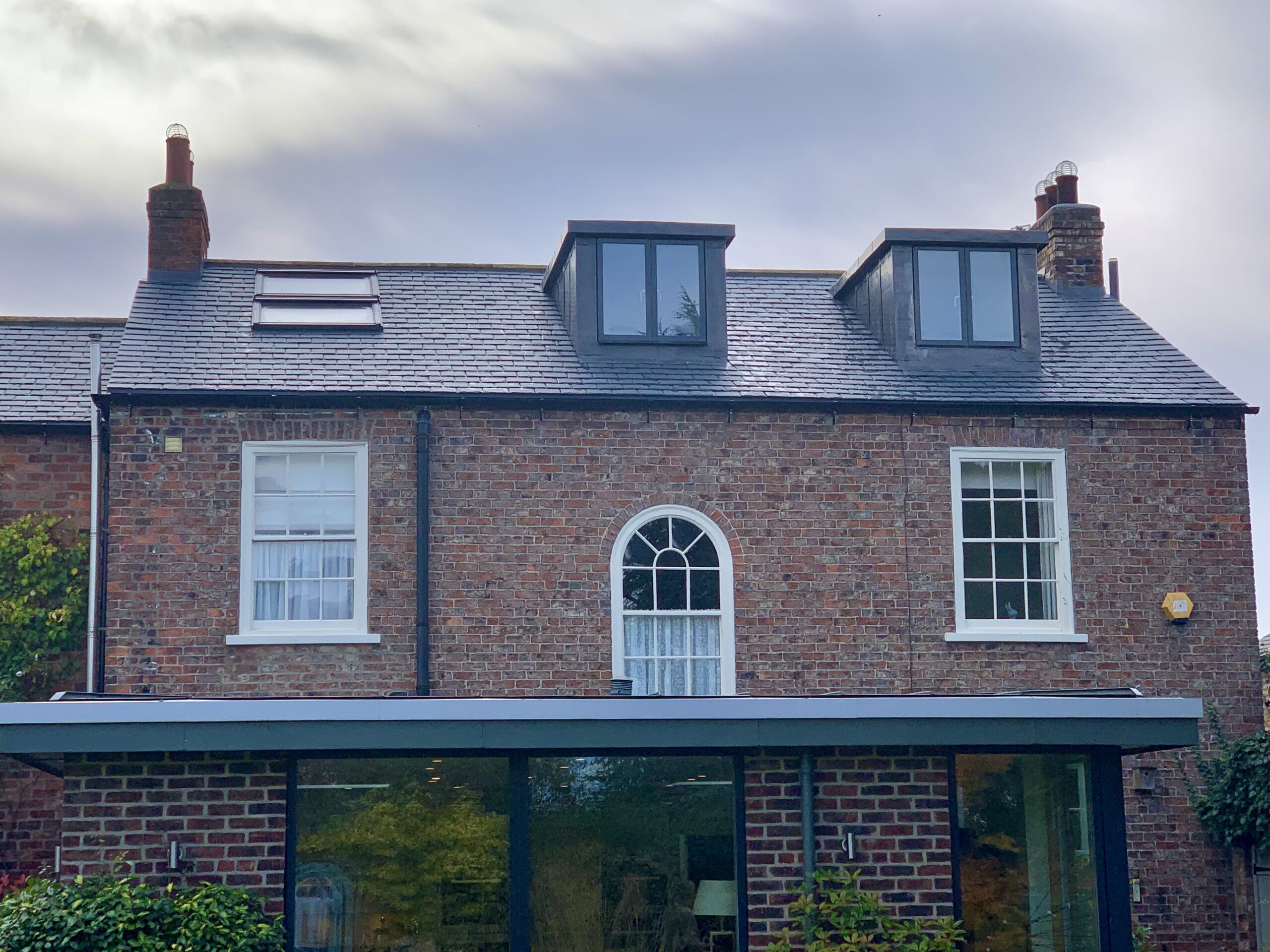
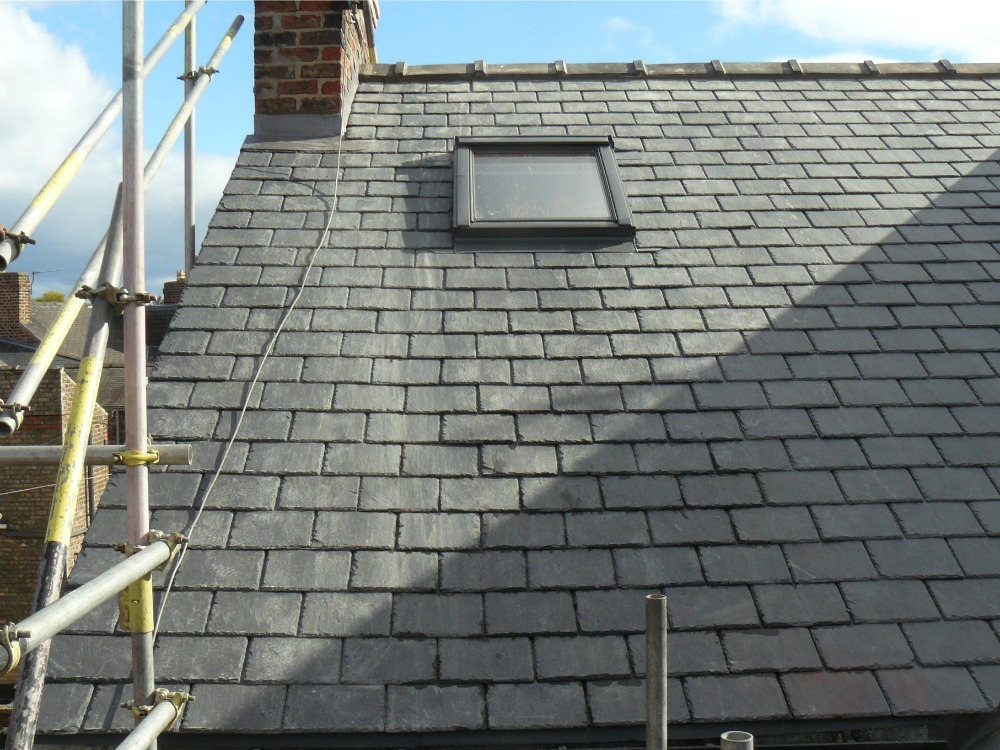
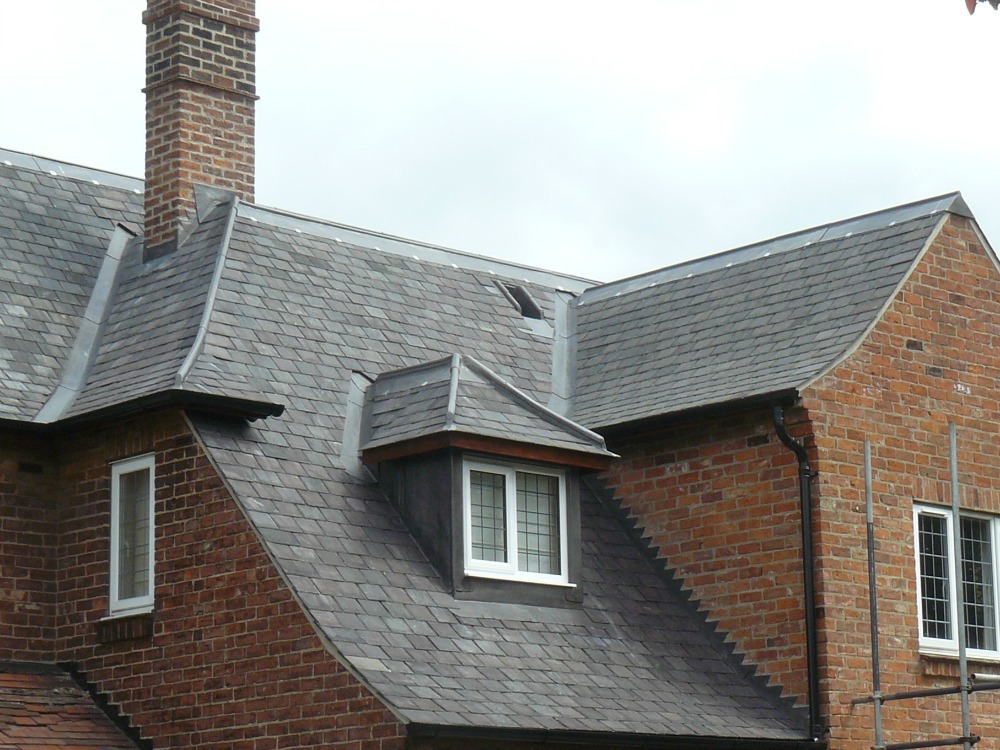
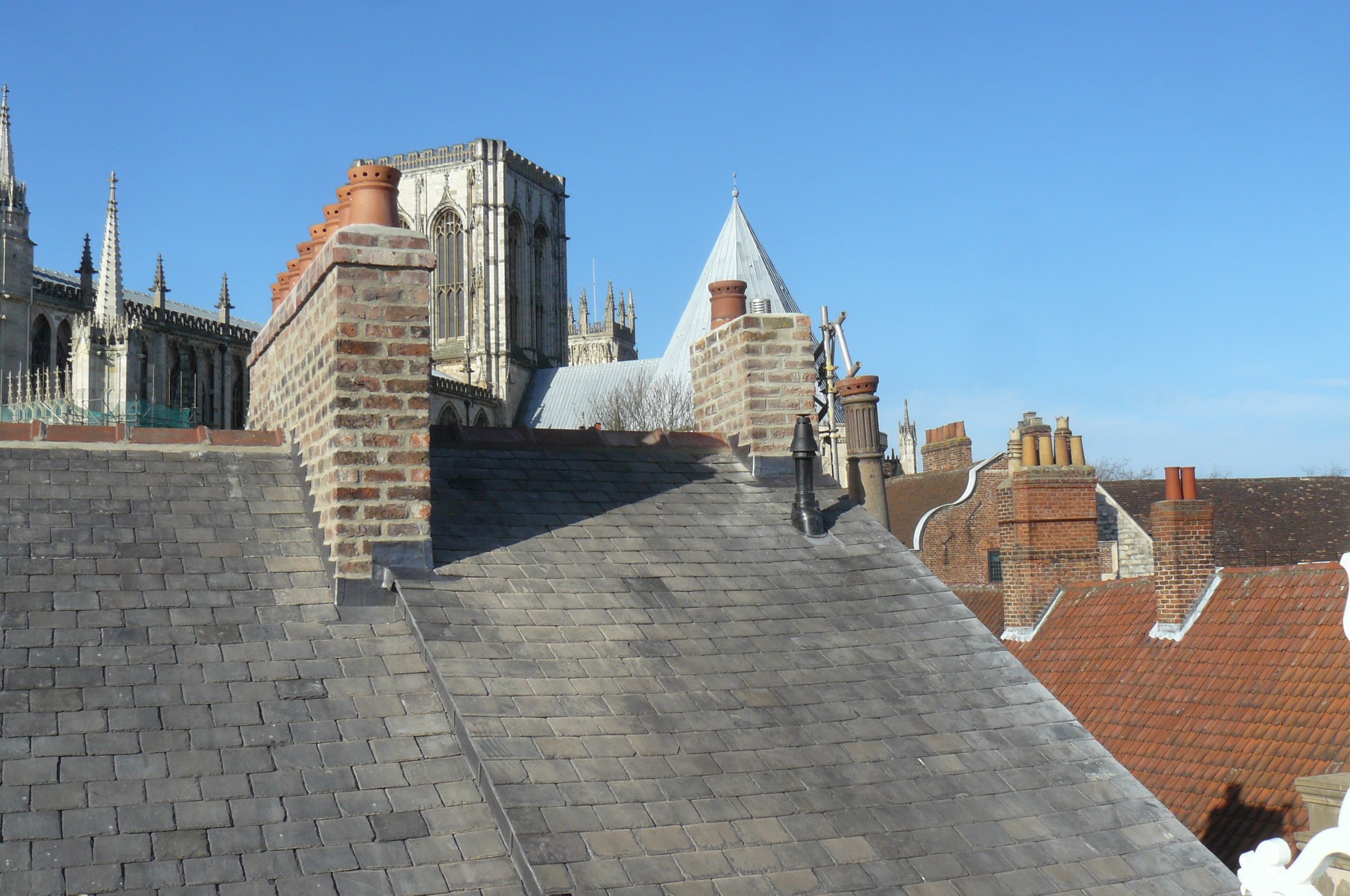
A newly completed roof should look considered, consistent and appropriate for the building. The details should appear intentional rather than improvised.

A properly completed roof should usually show:

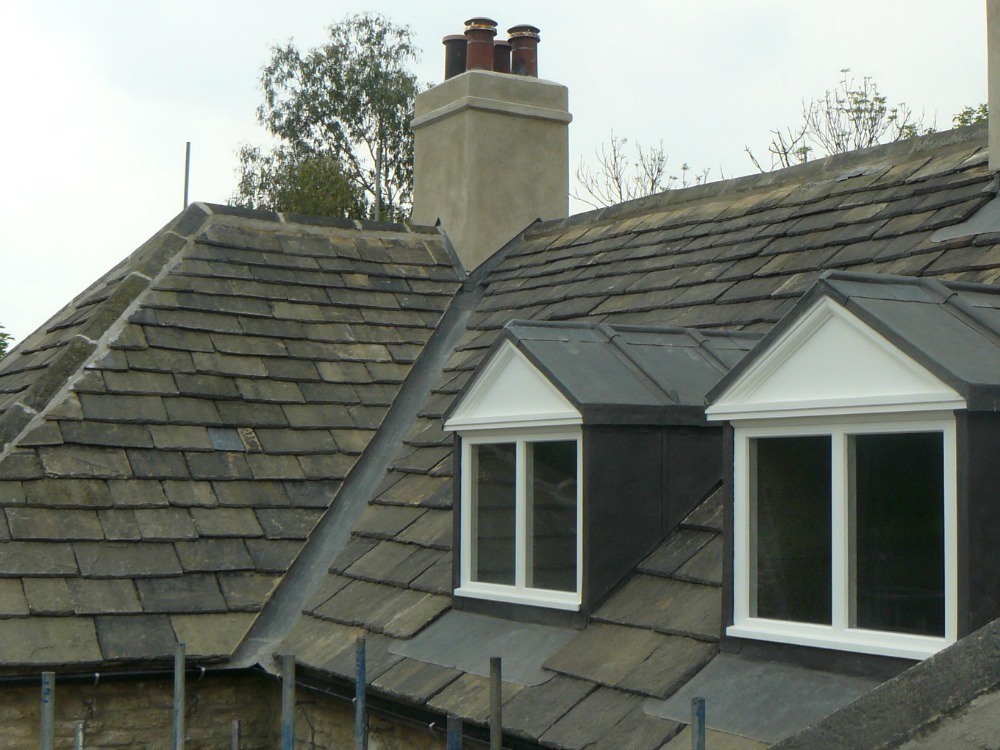
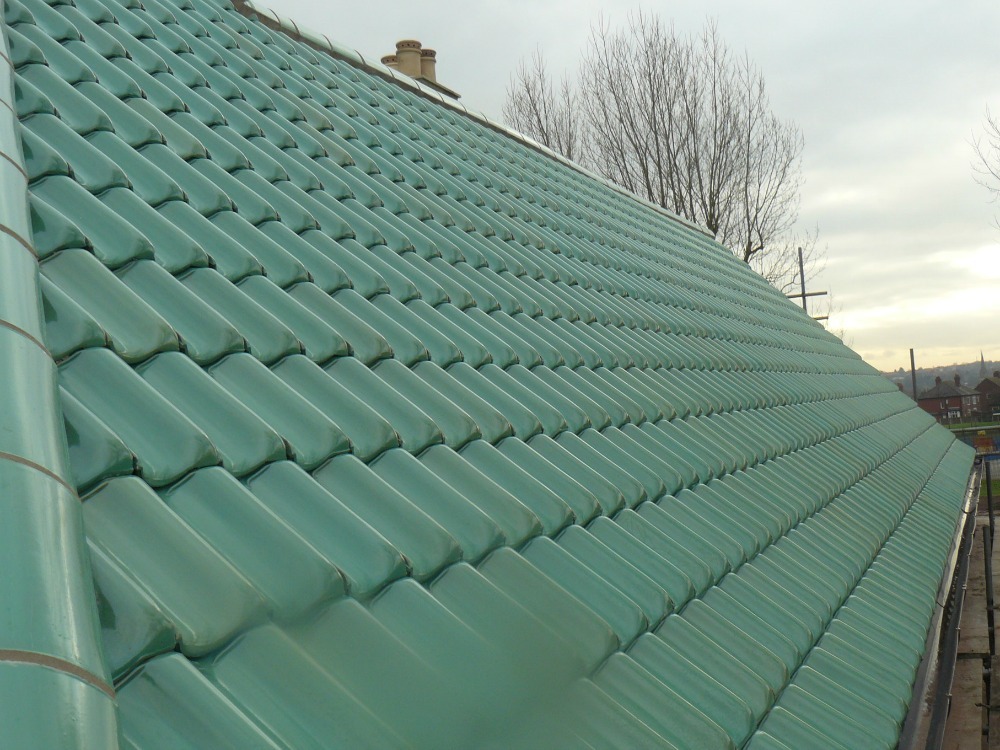
  • Consistent slate or tile courses
  • Proper bonding and setting out
  • Neat ridge, verge and eaves details
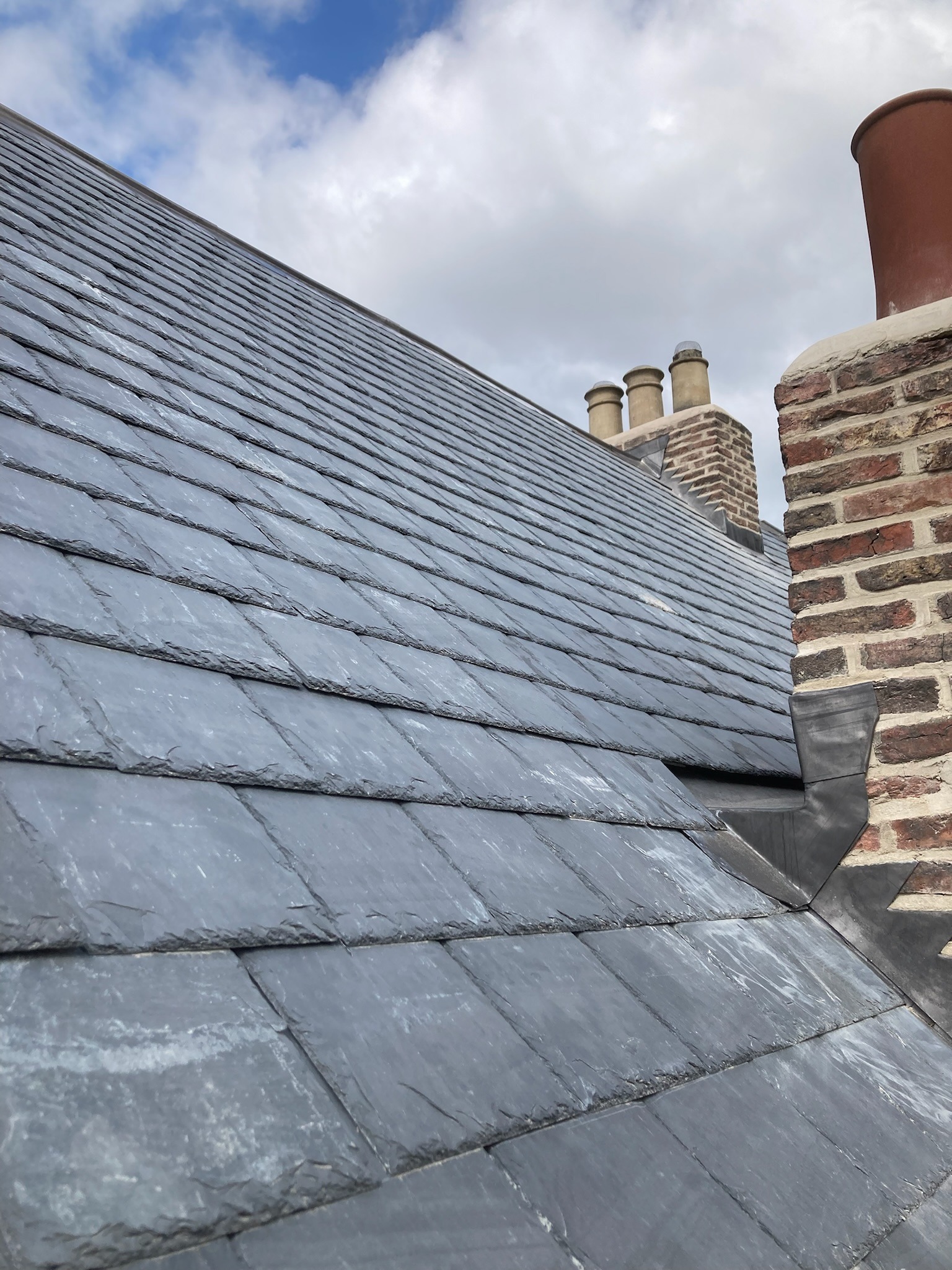
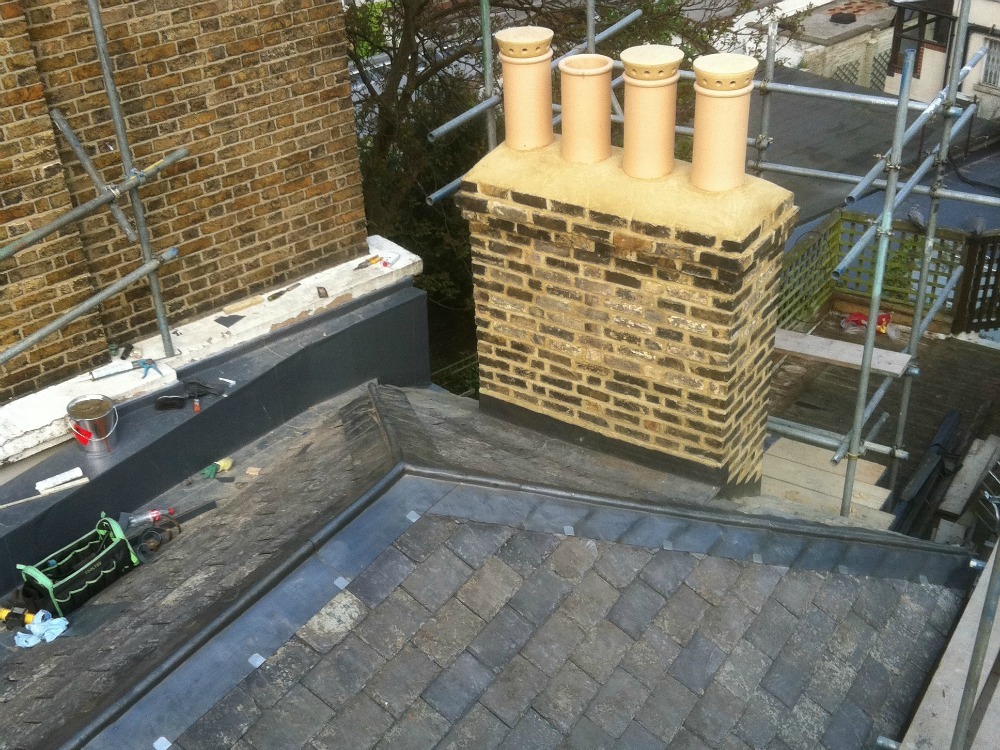
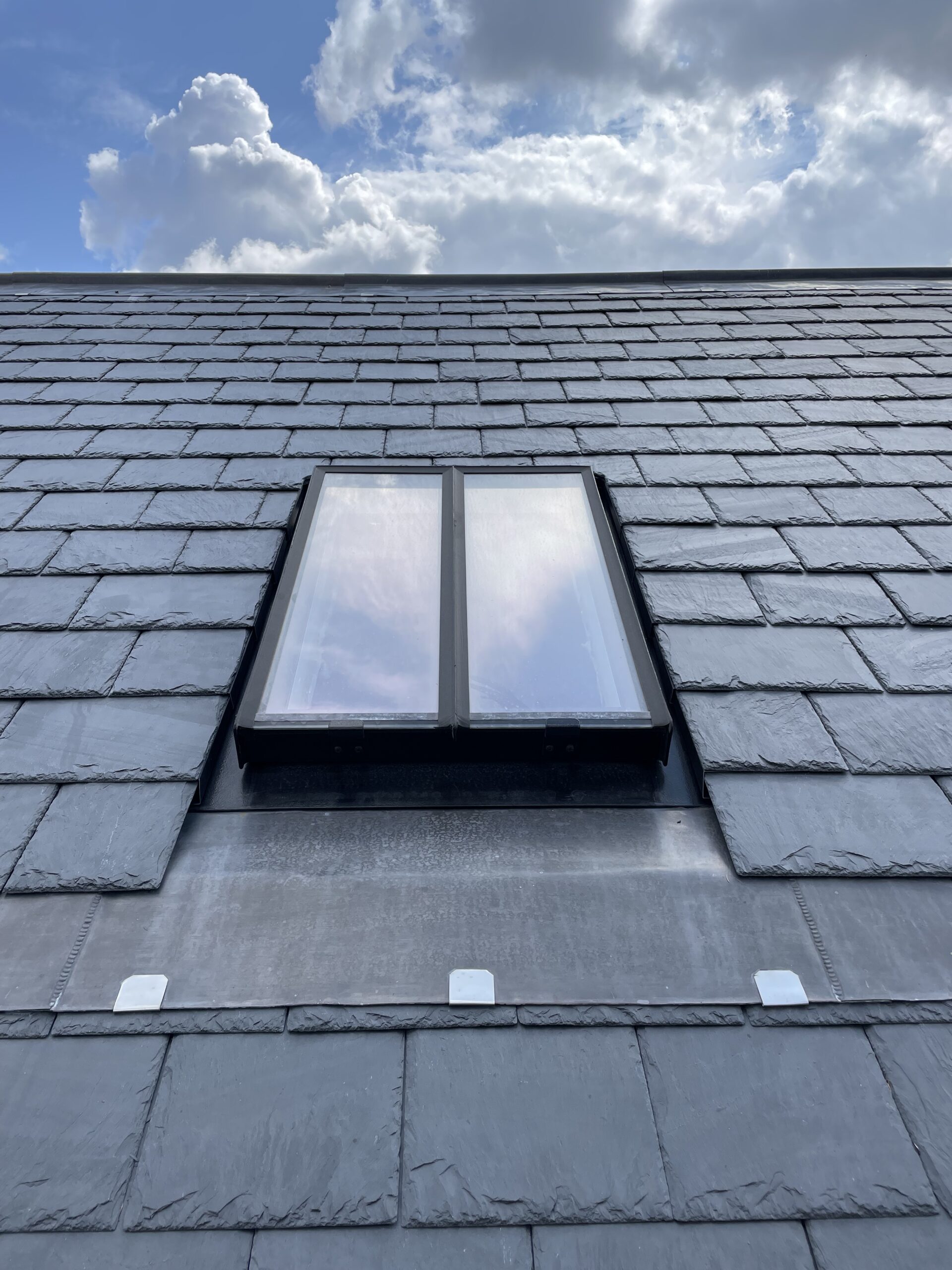
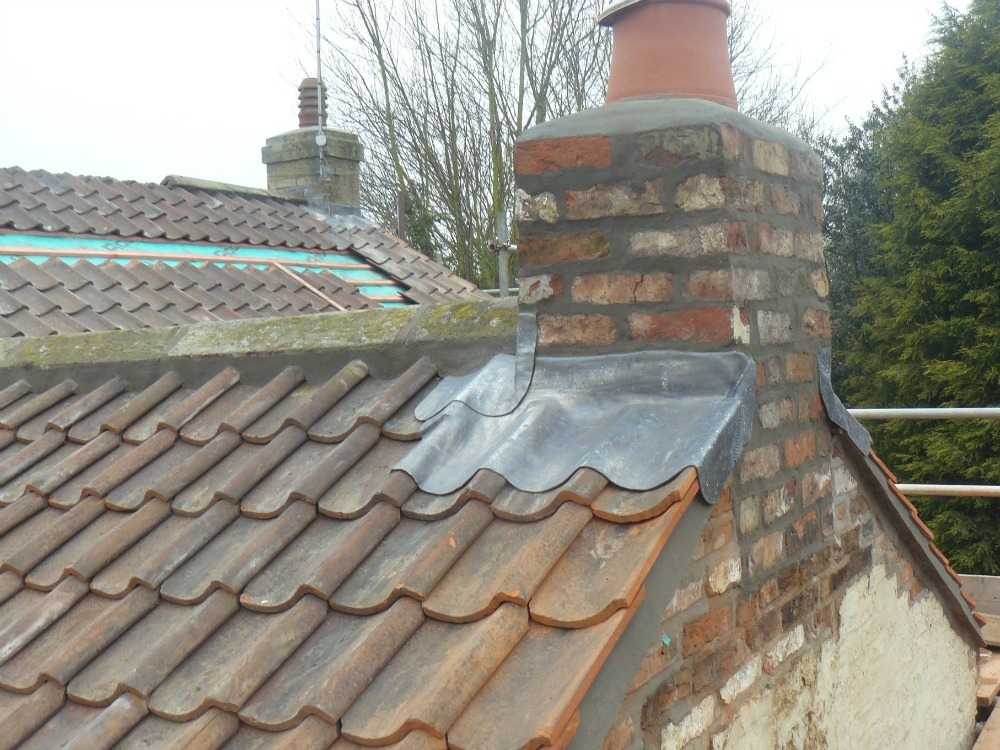
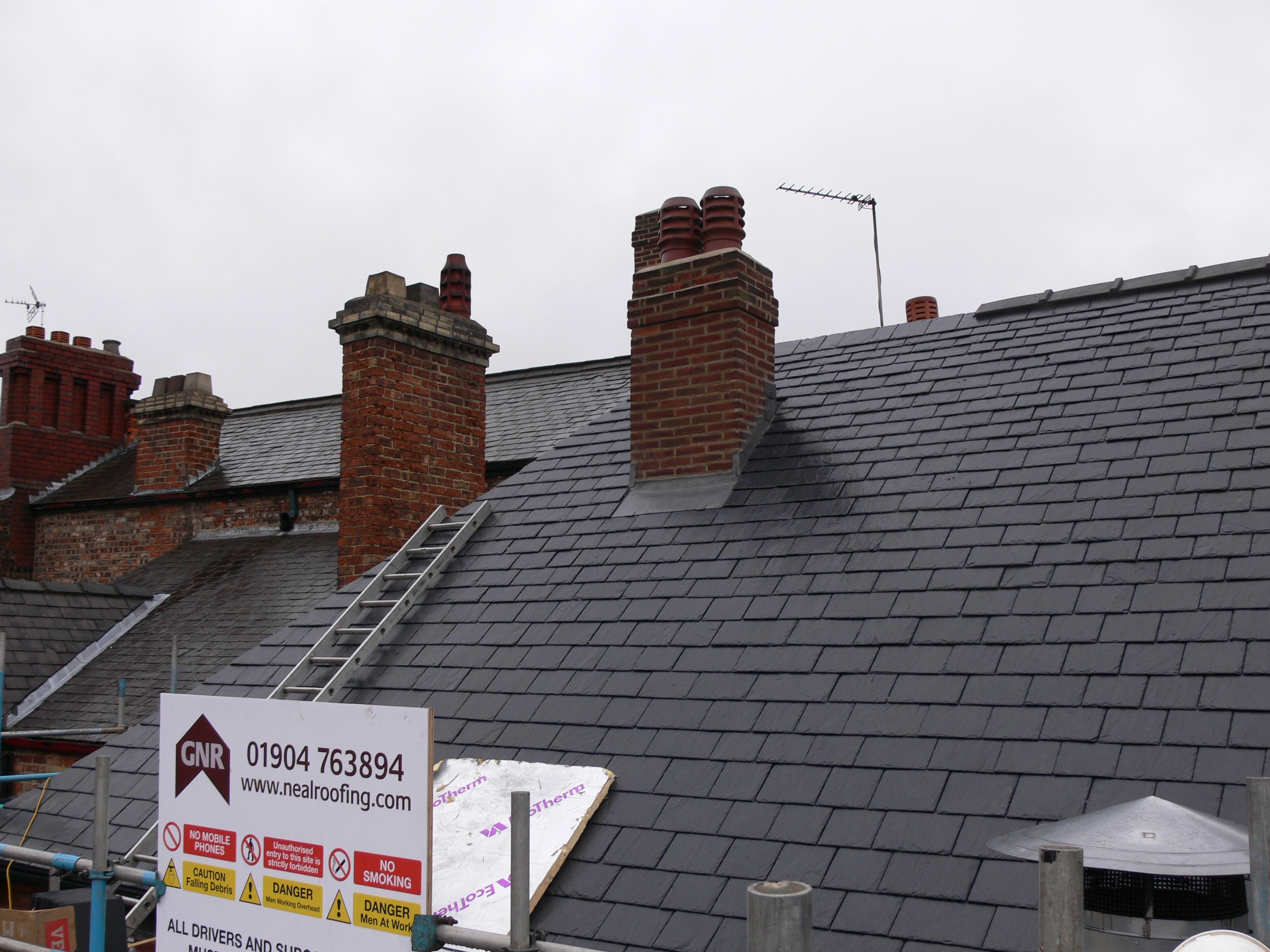
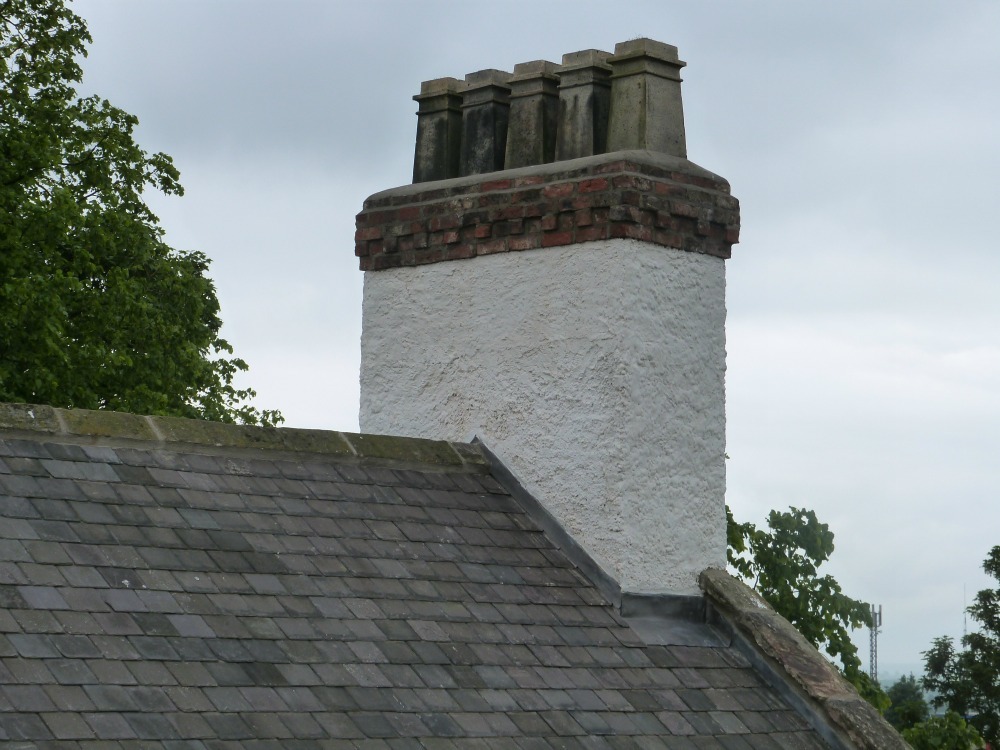
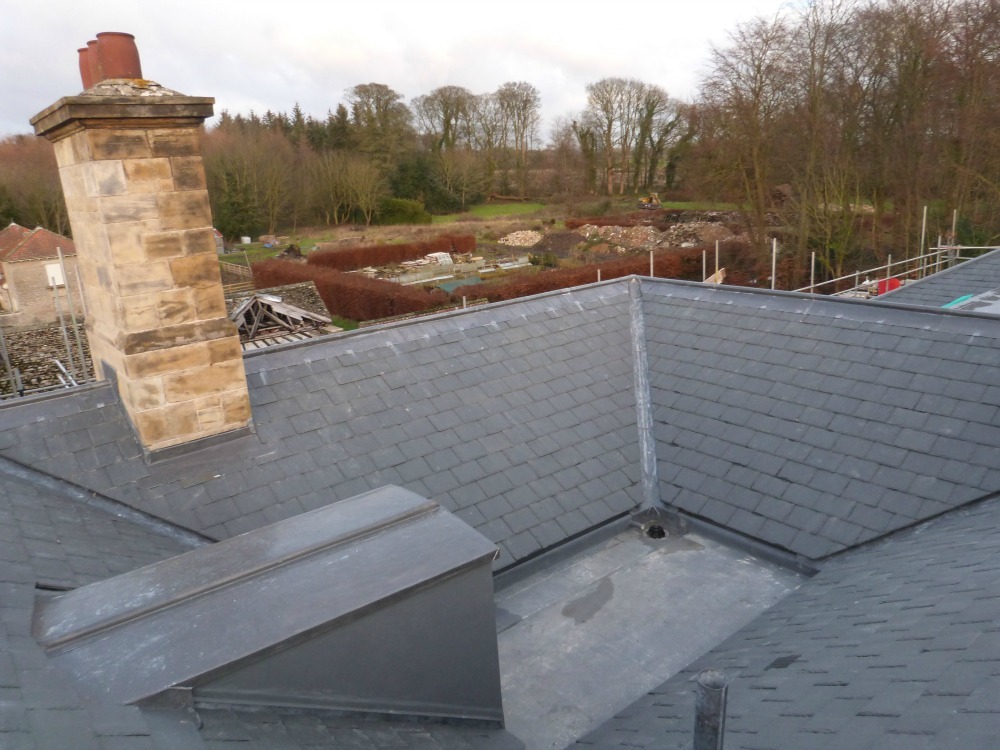
  • Correct leadwork at chimneys, abutments and valleys
  • Suitable gutter alignment and rainwater discharge
  • Appropriate ventilation details where required
  • No reliance on excessive sealant or temporary-looking repairs
  • A clear relationship between materials and the building character

More importantly, the roof should be fit for purpose: managing rainwater, resisting wind uplift, improving thermal performance where required and protecting the building for the long term.

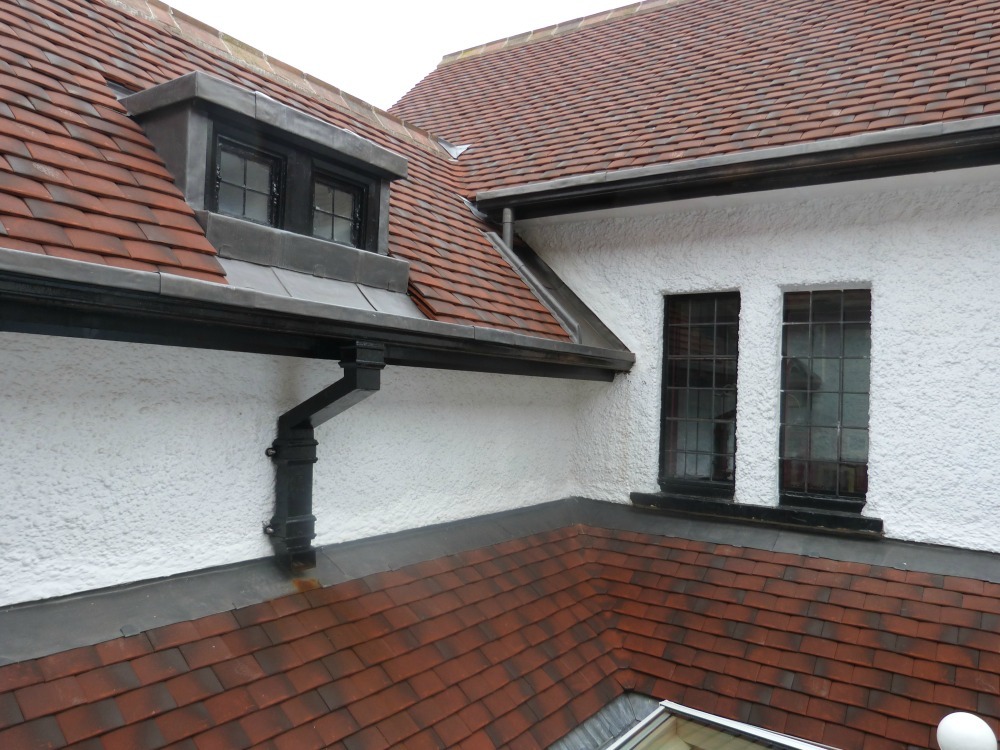
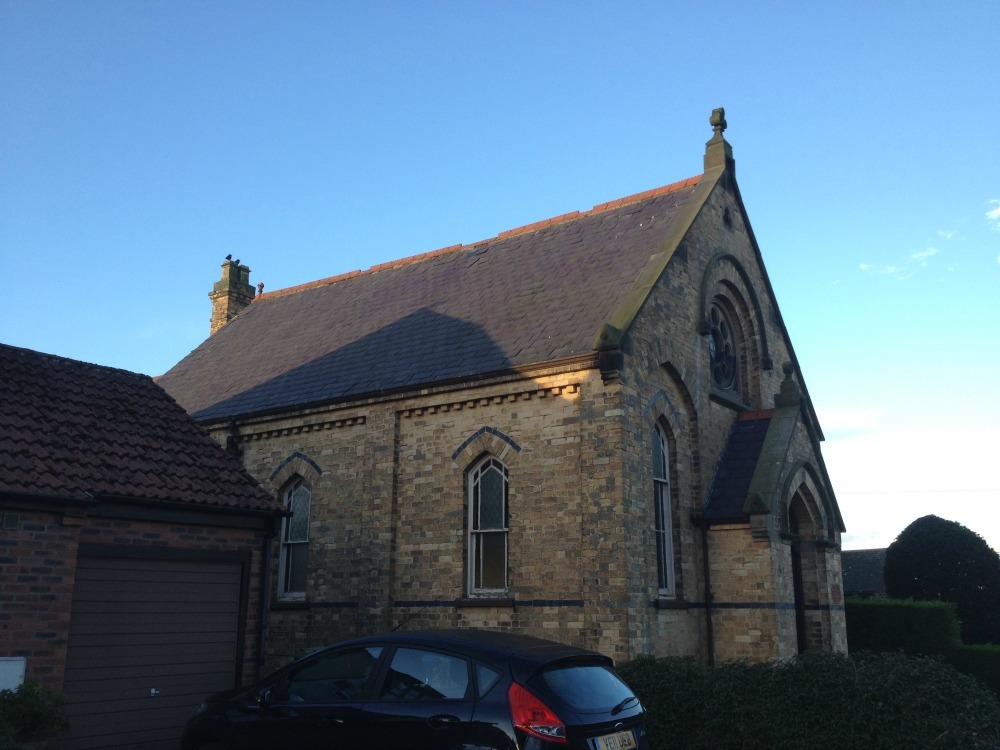
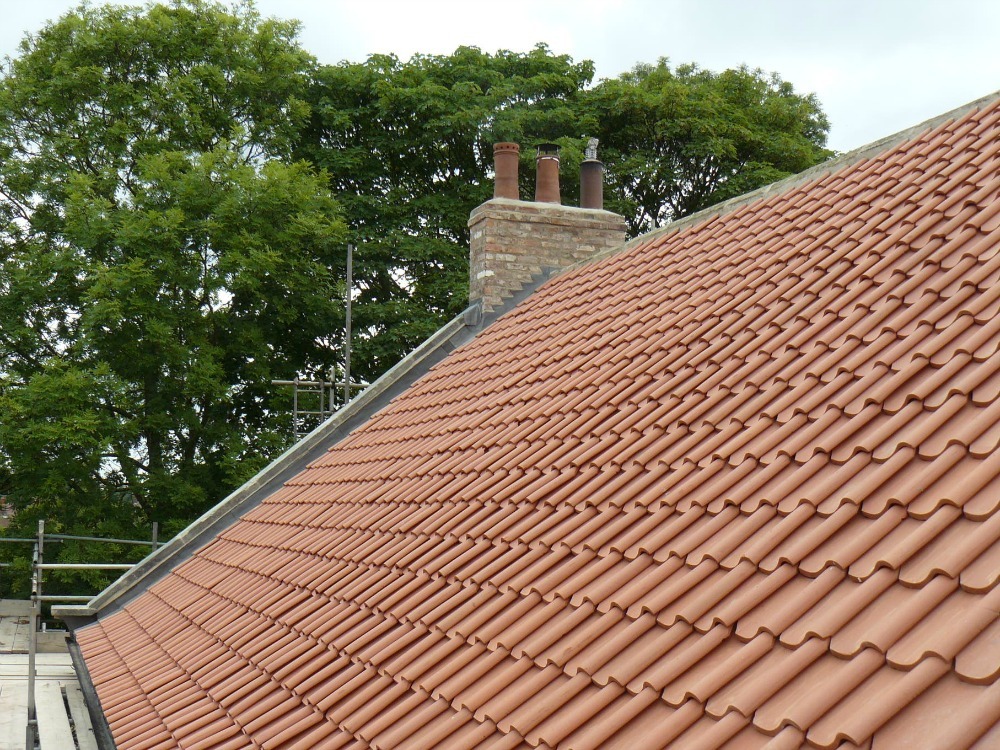
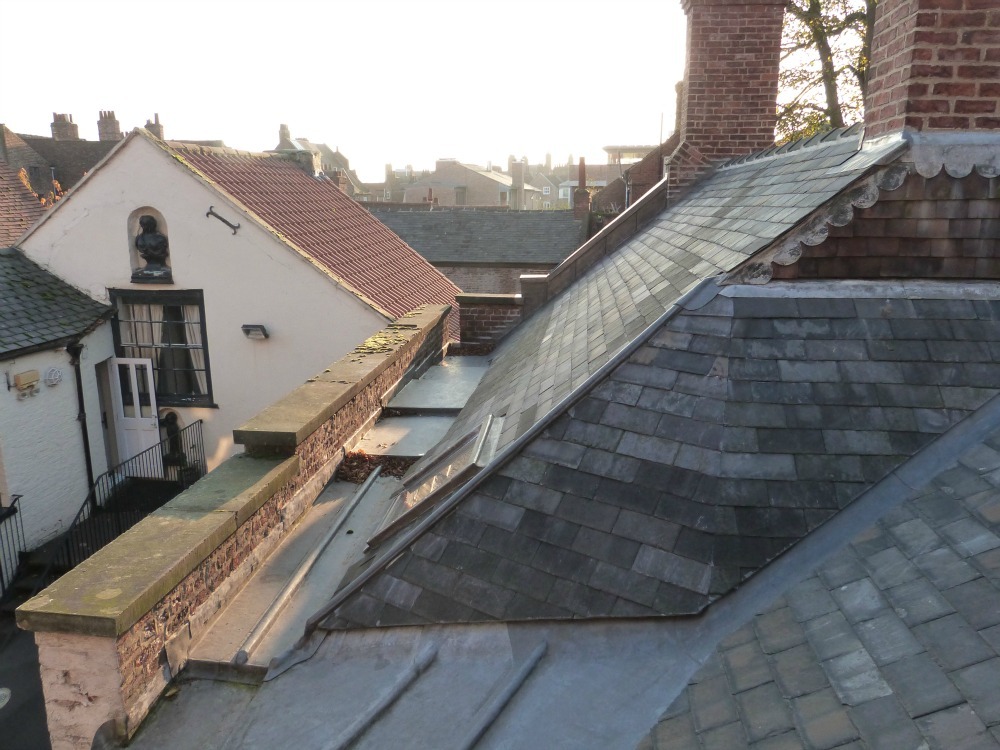
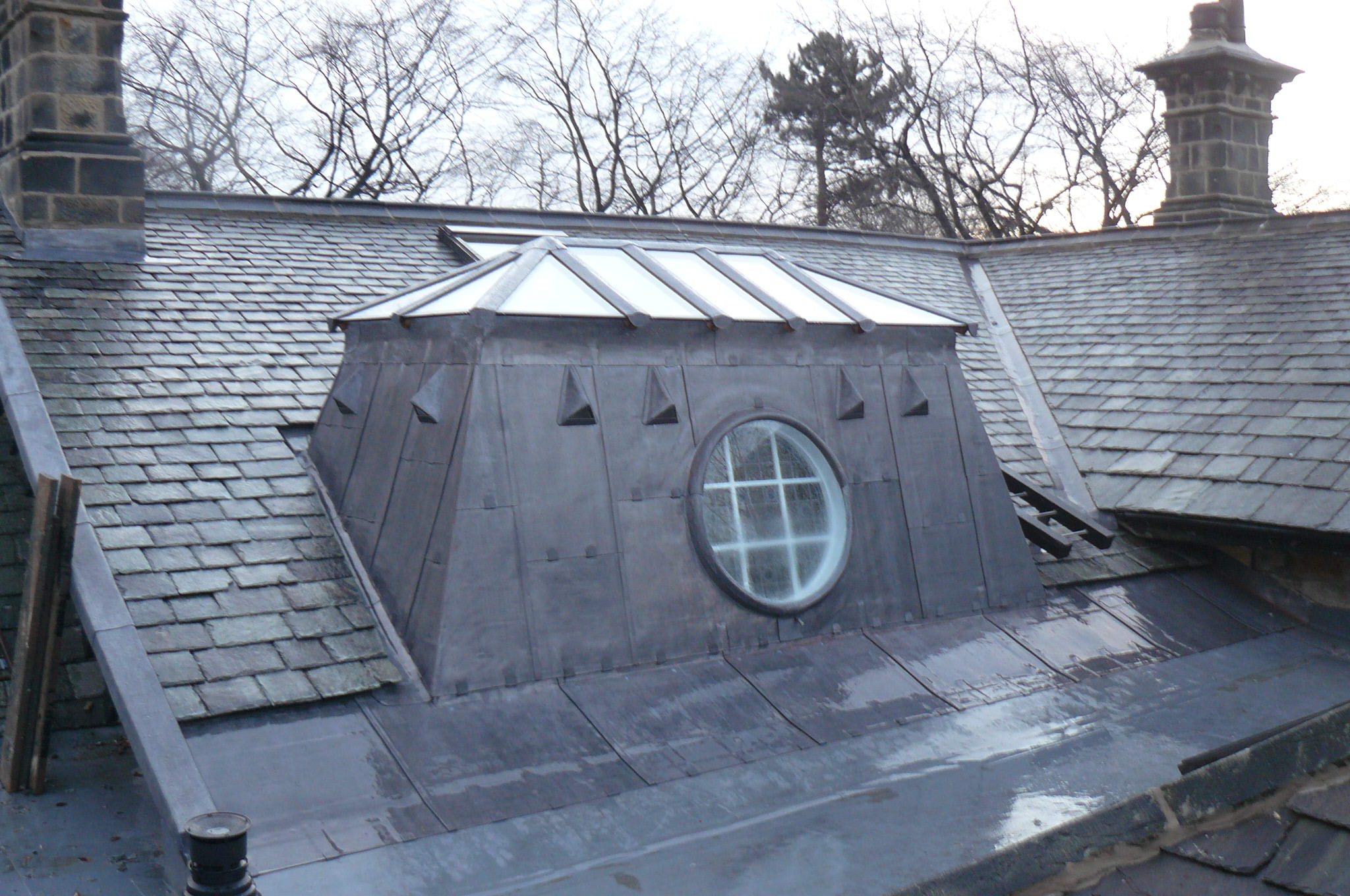
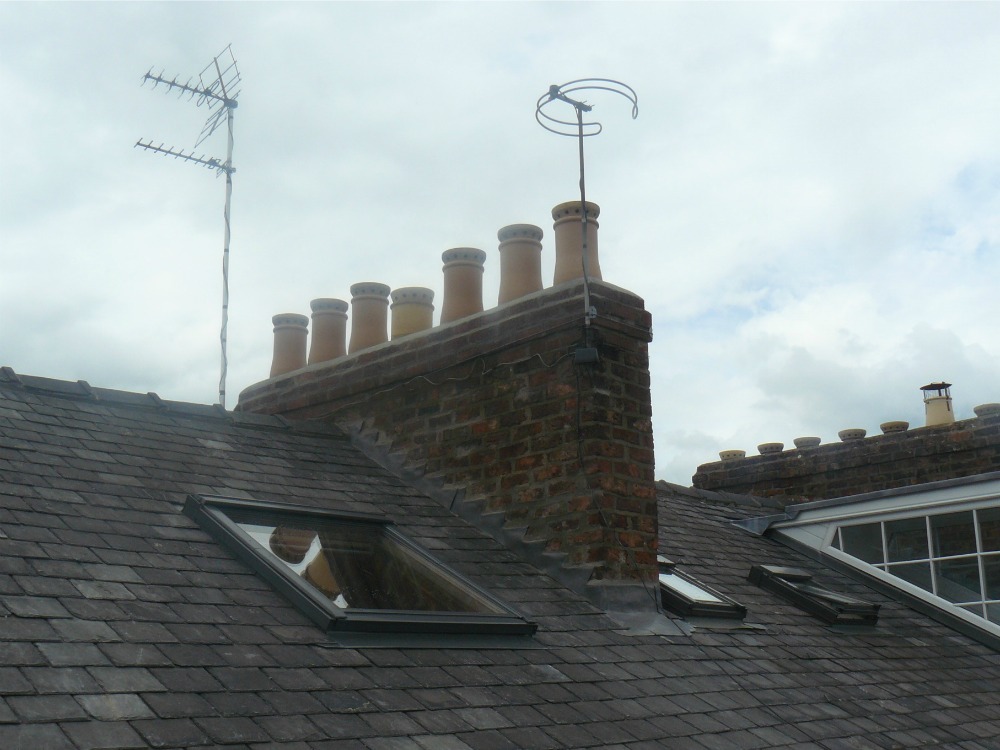
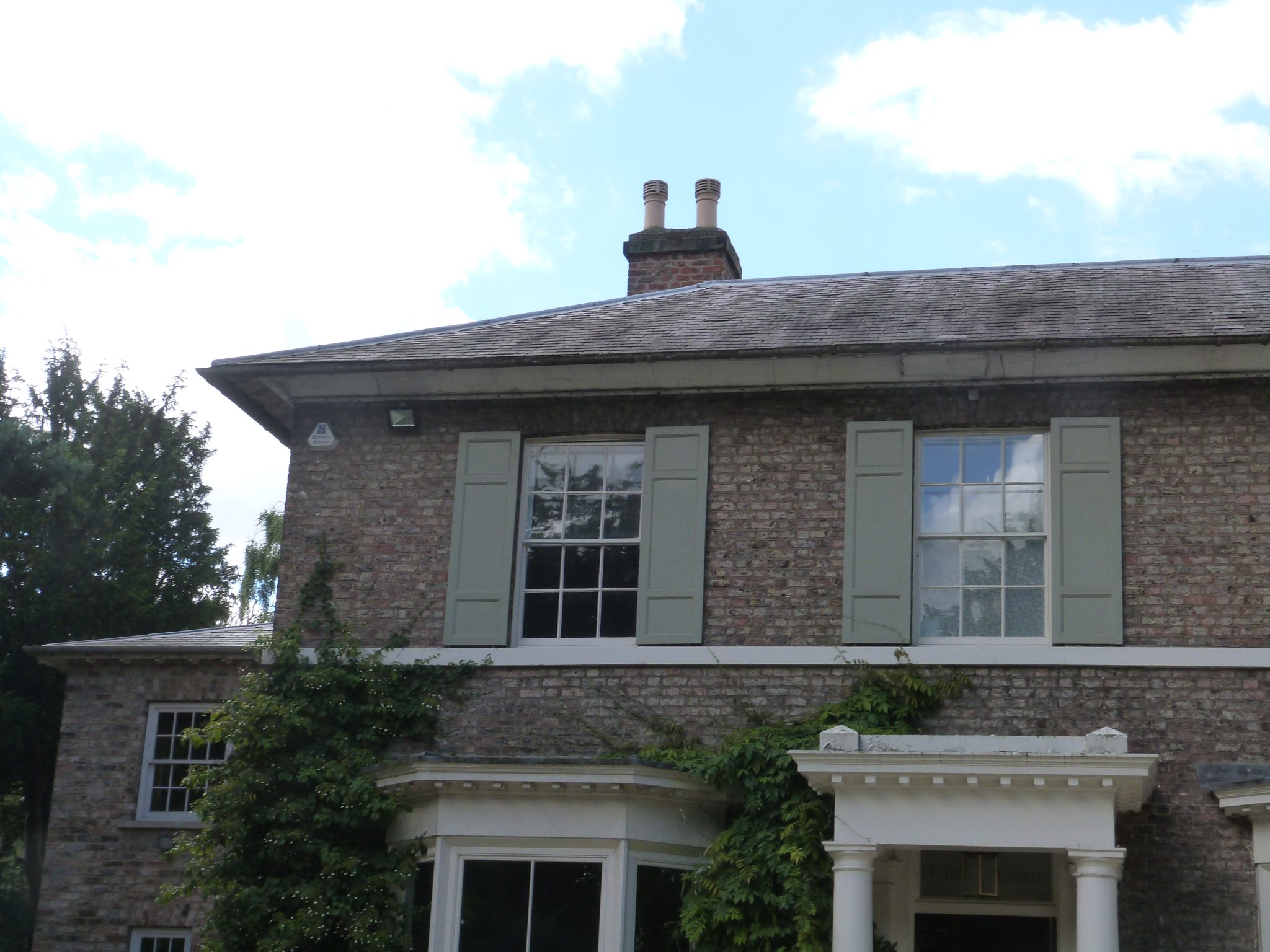
re roofing contractor

Re-Roofing Work

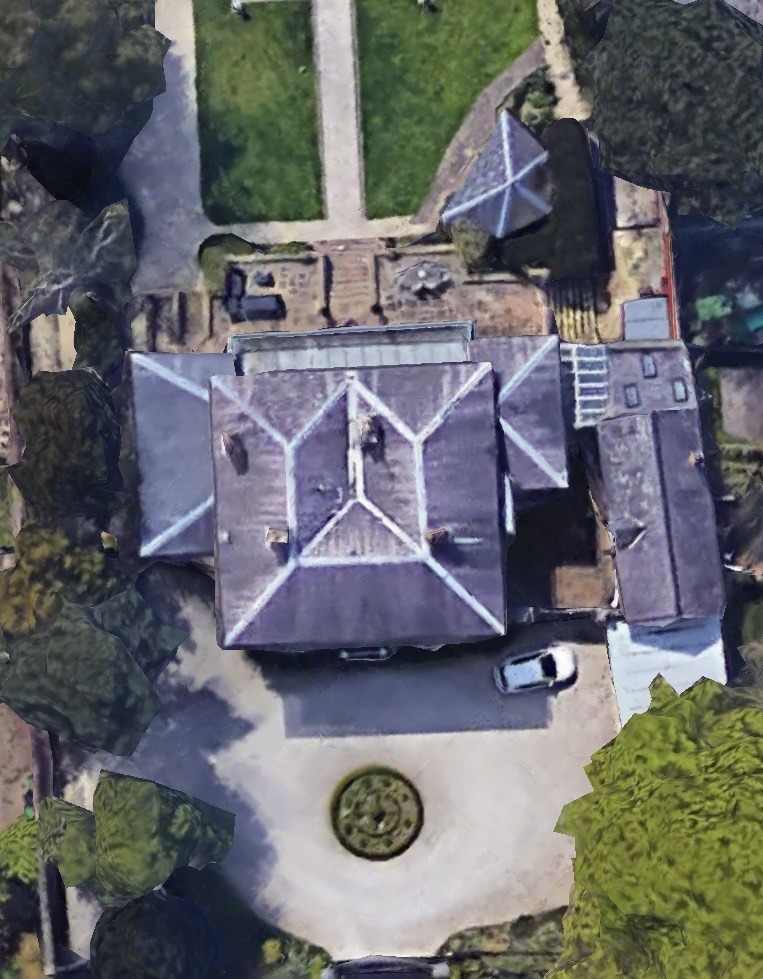
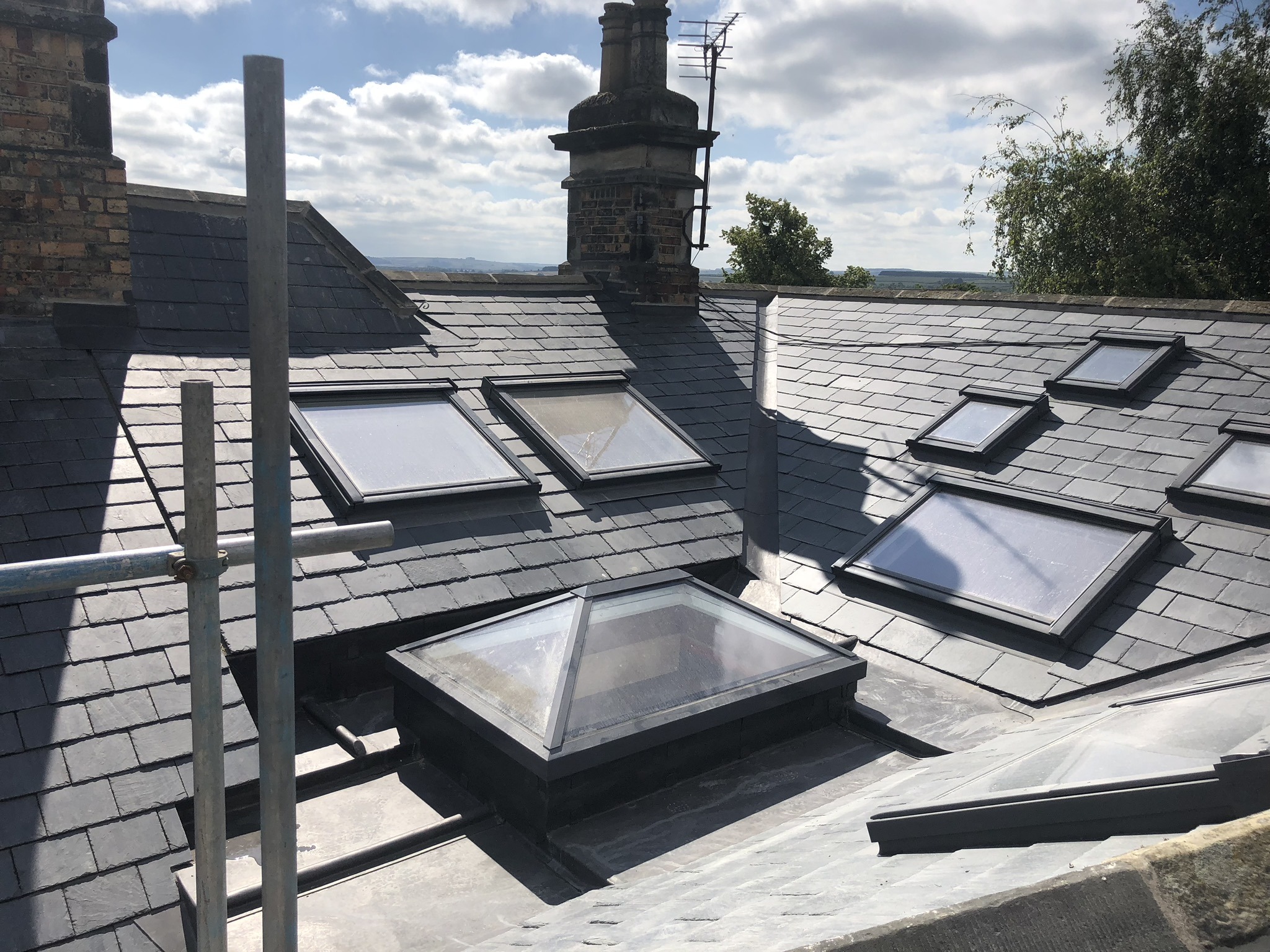
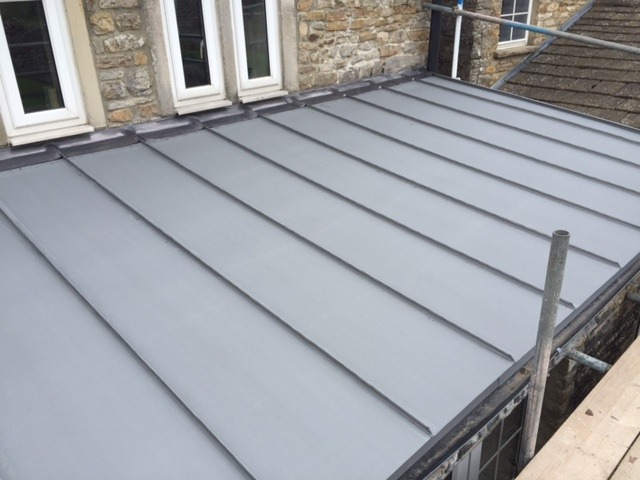
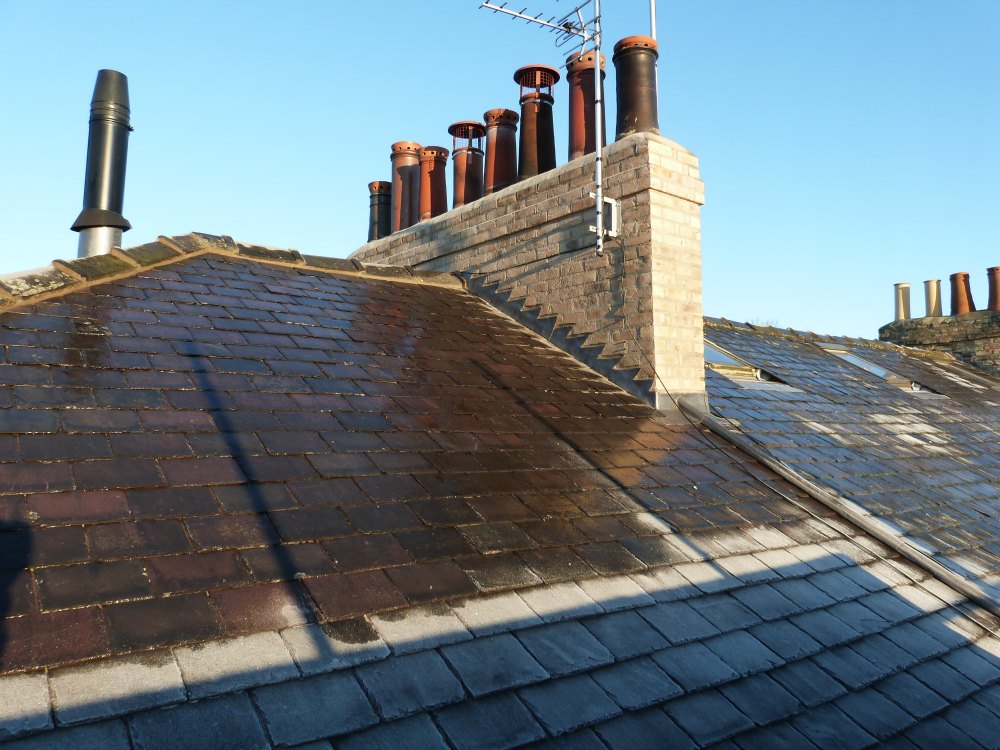
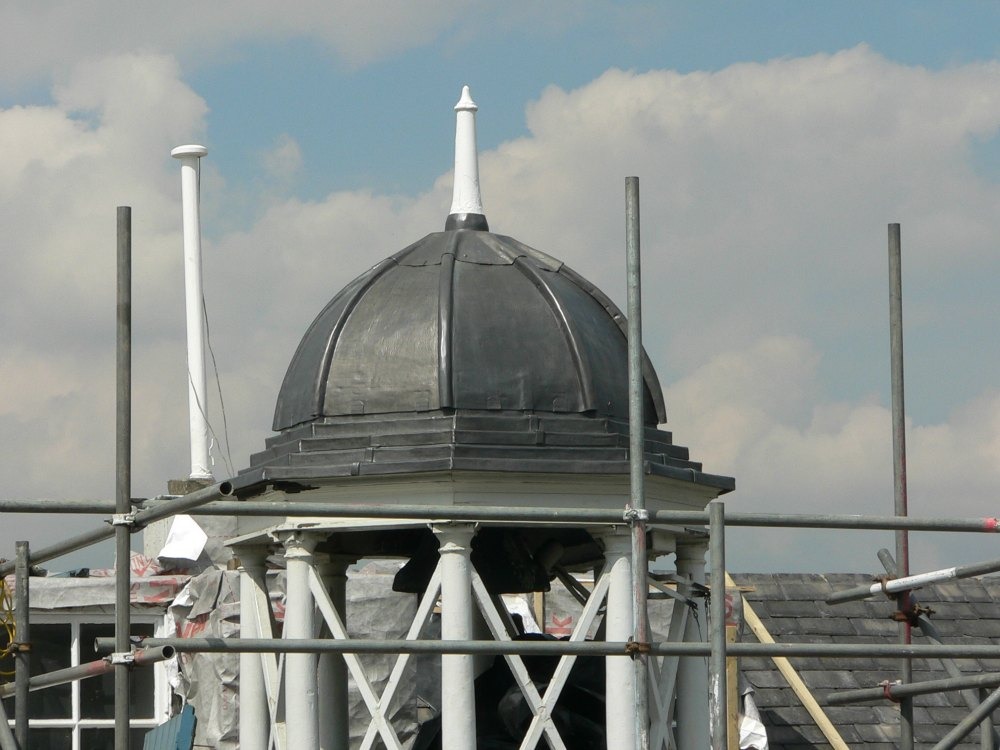
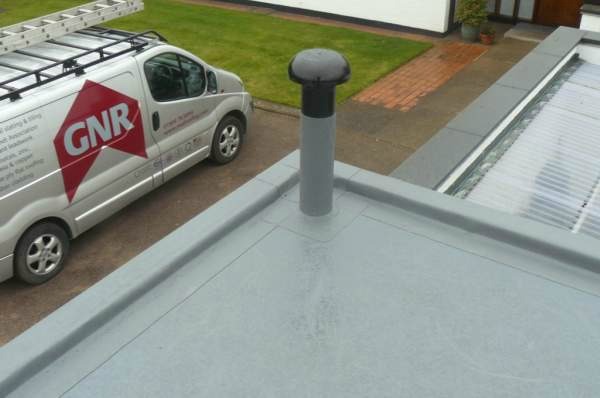
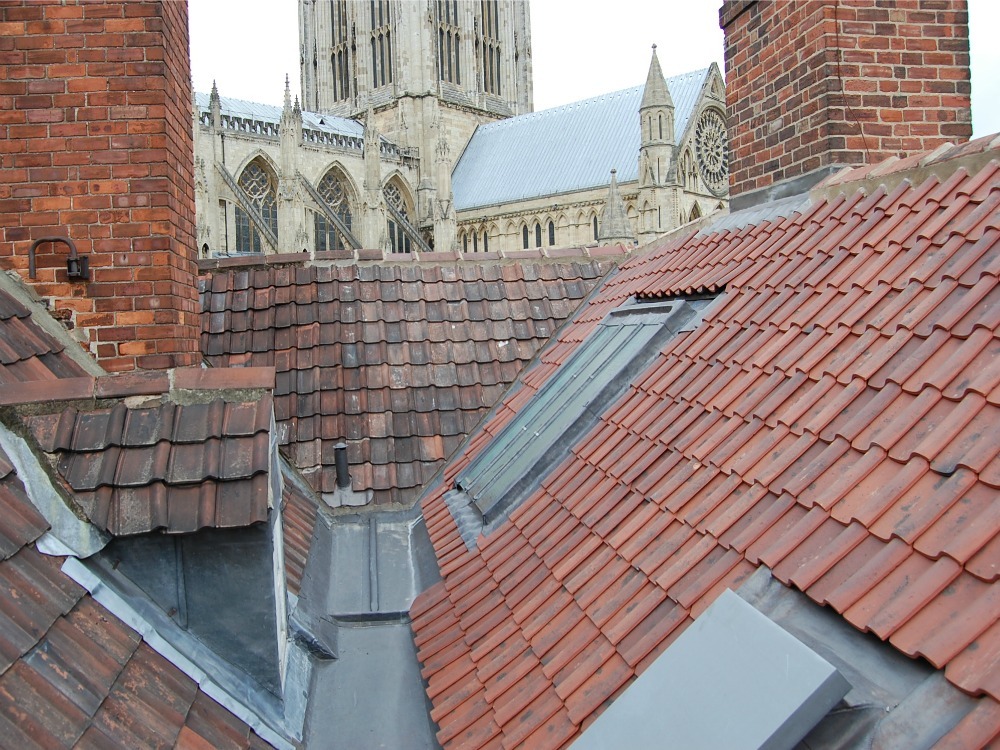
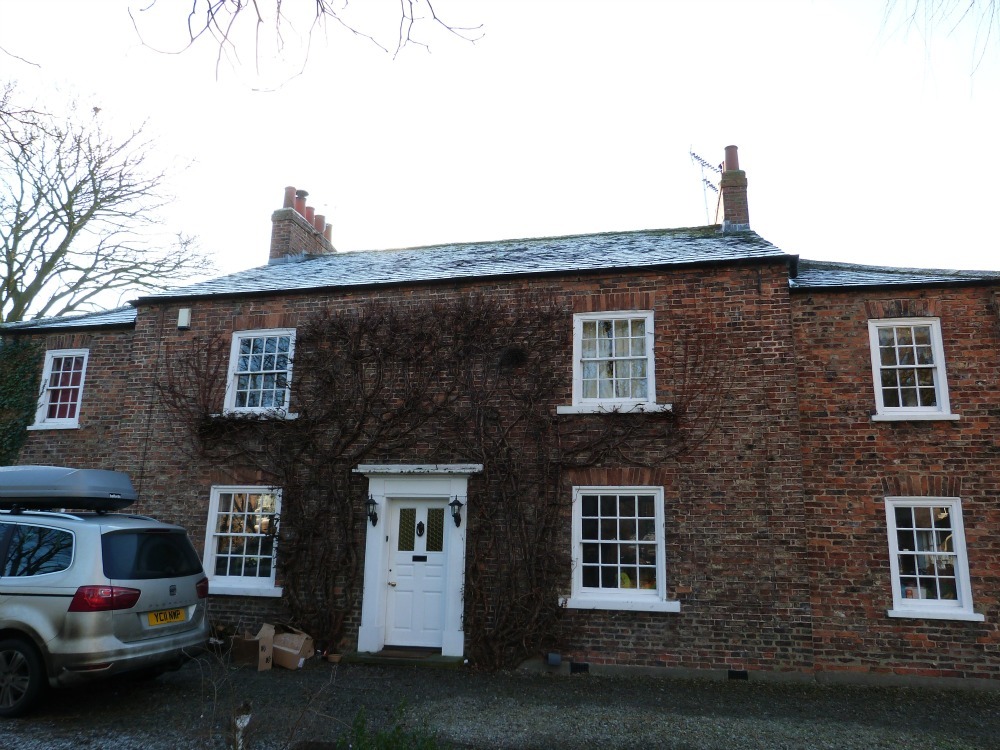
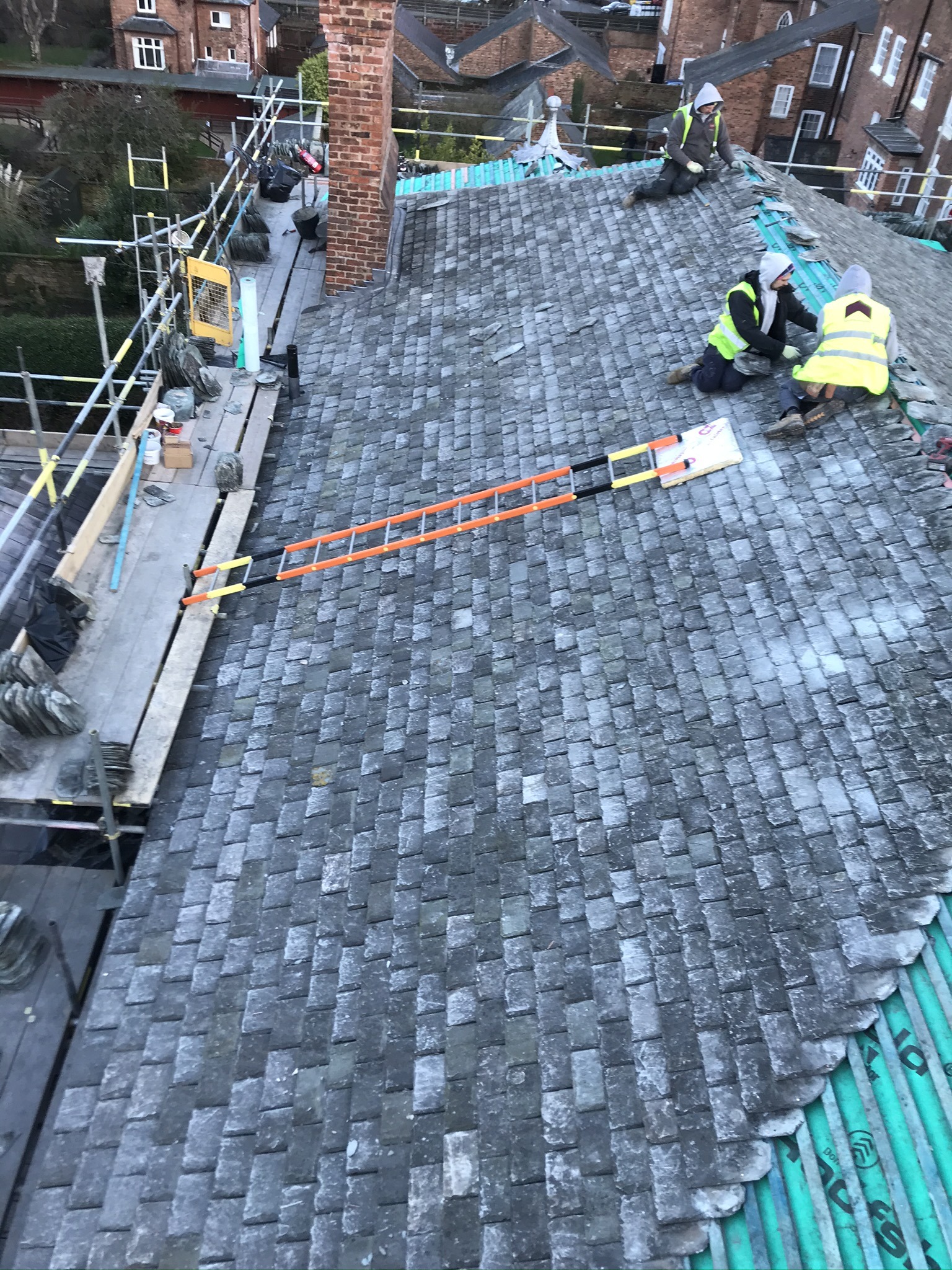
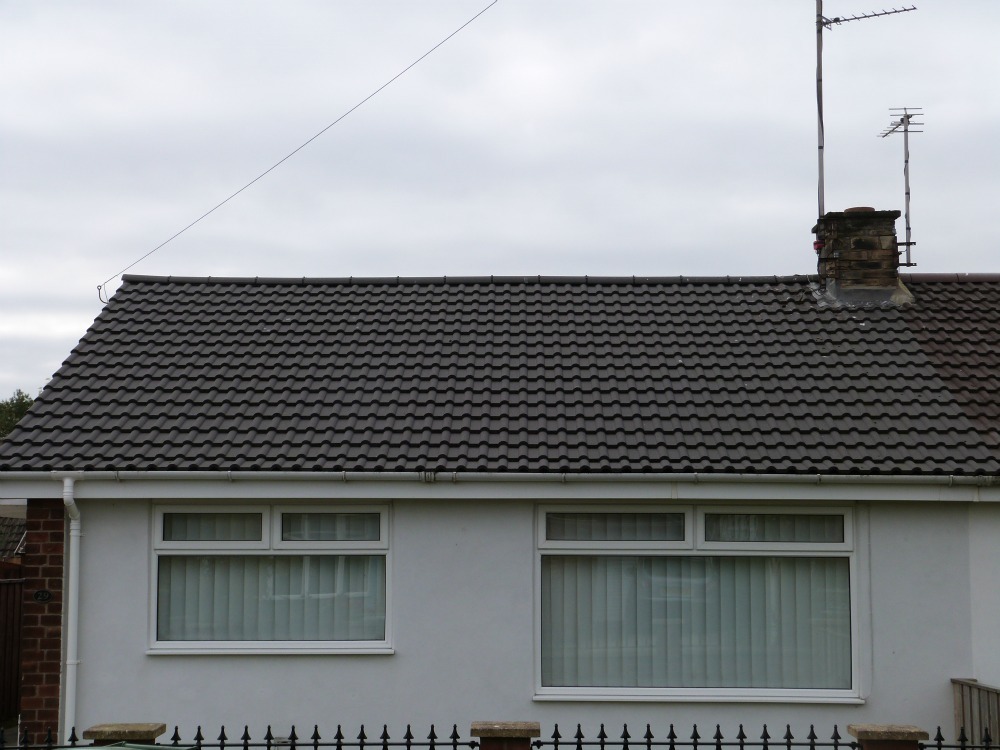
GNR provide re-roofing services in a range of materials and can undertake projects of varying size and complexity.
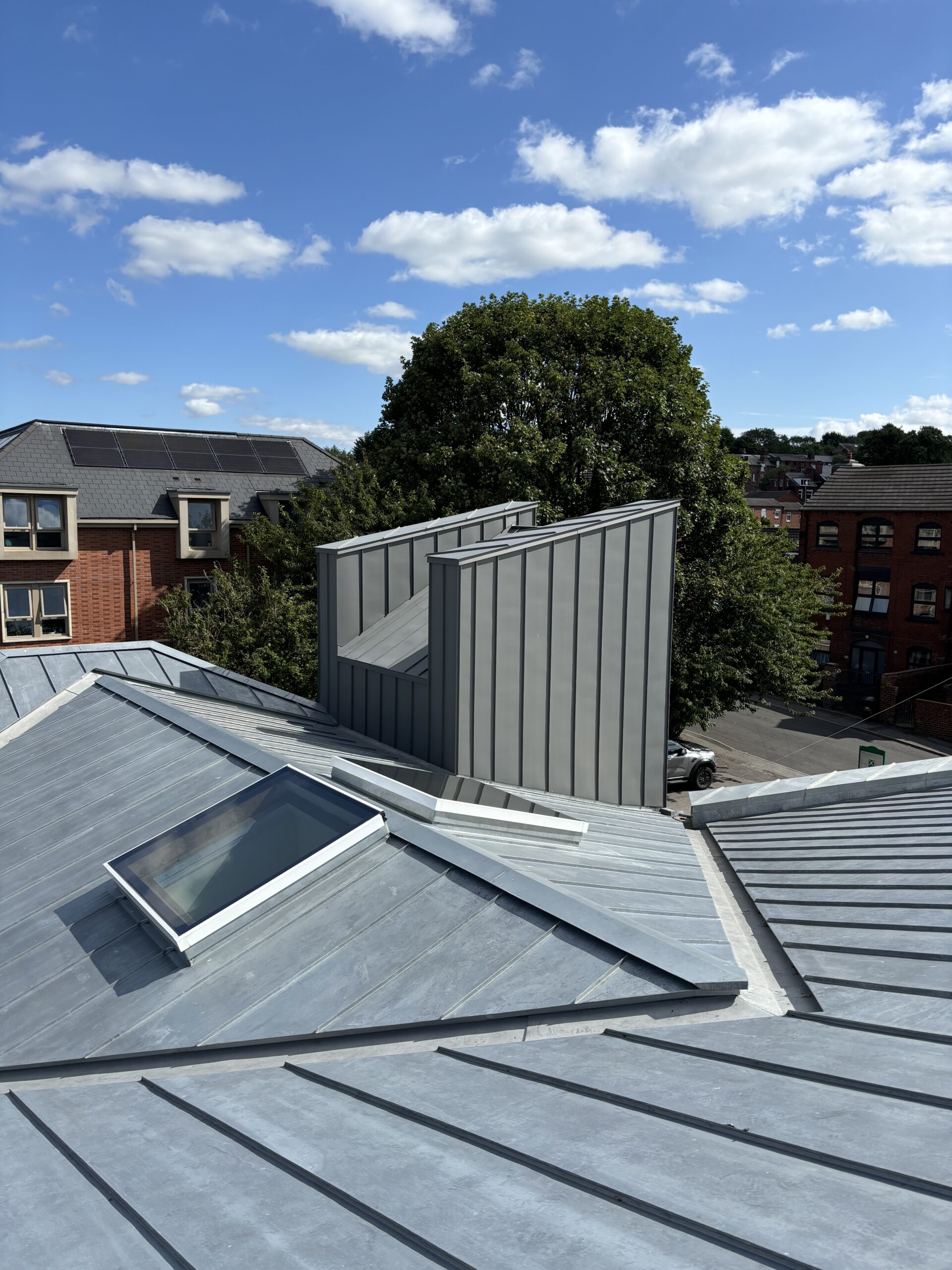
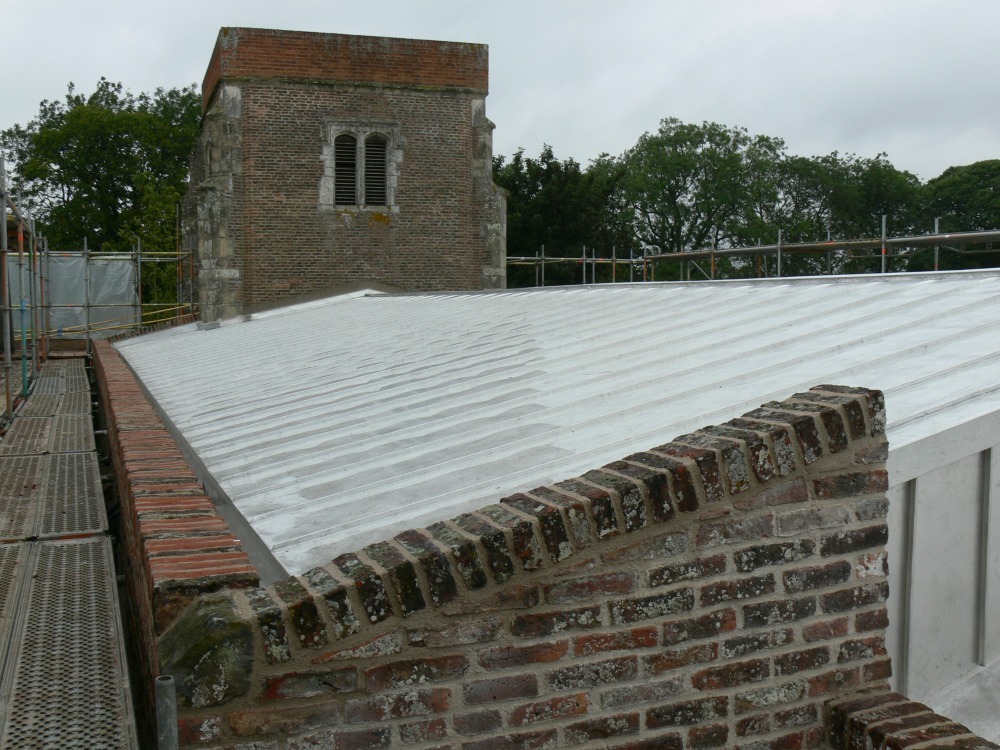
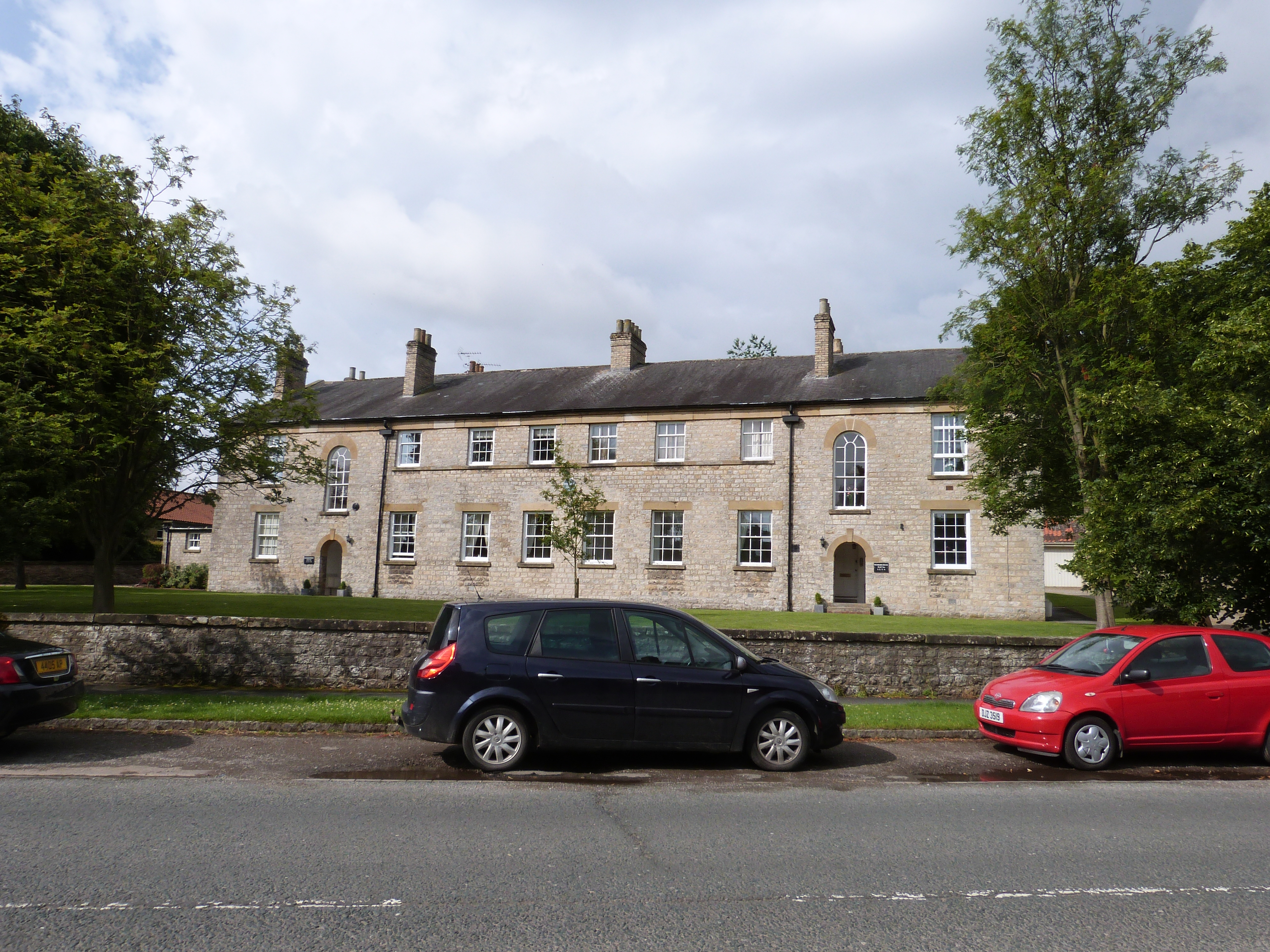
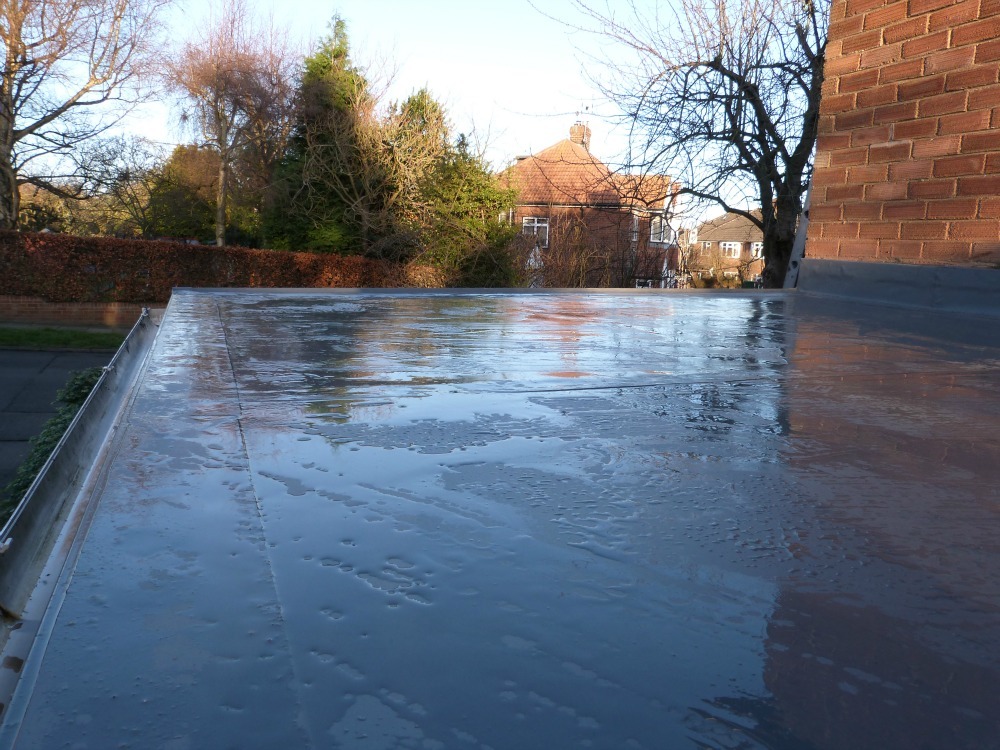
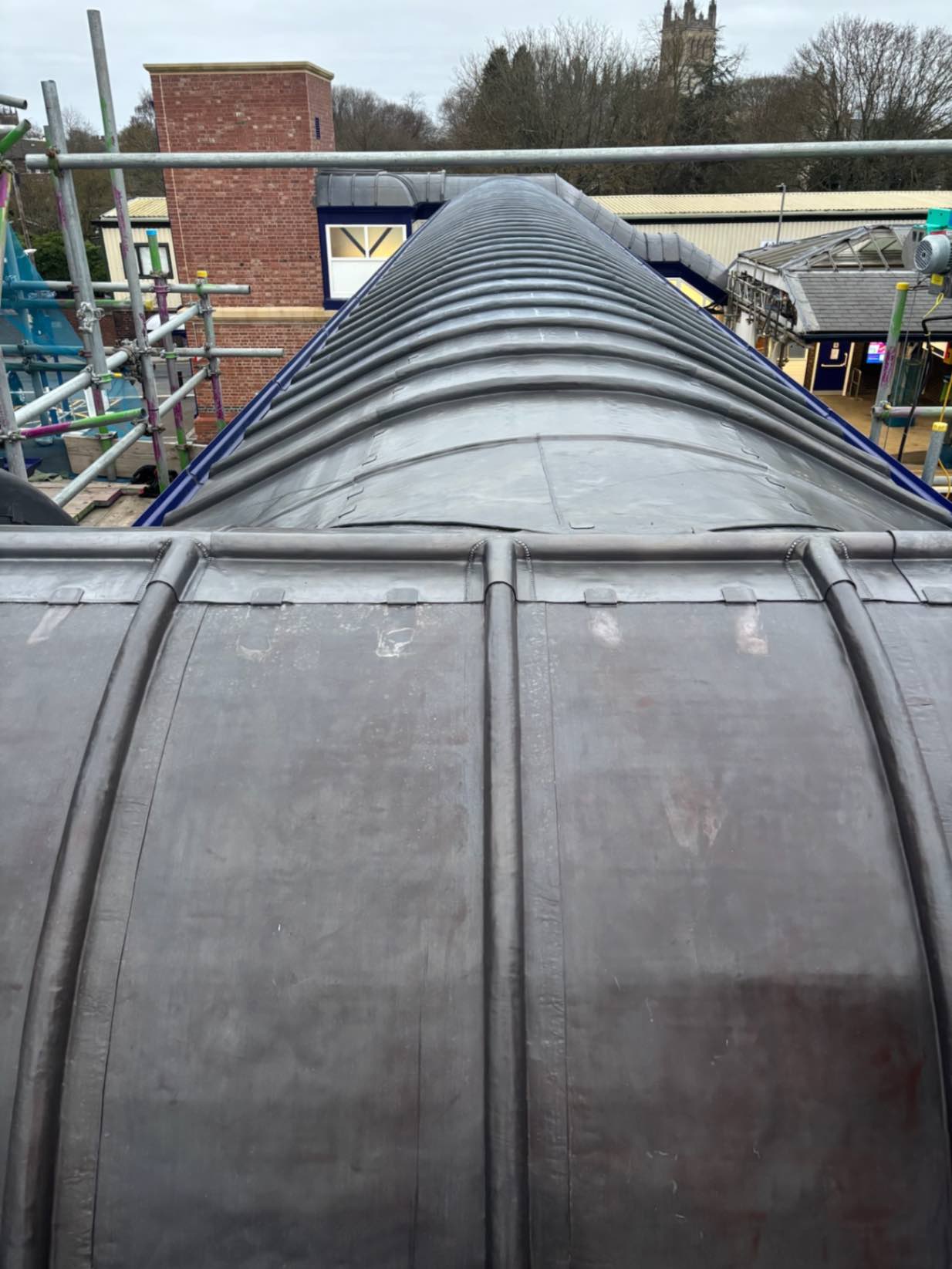
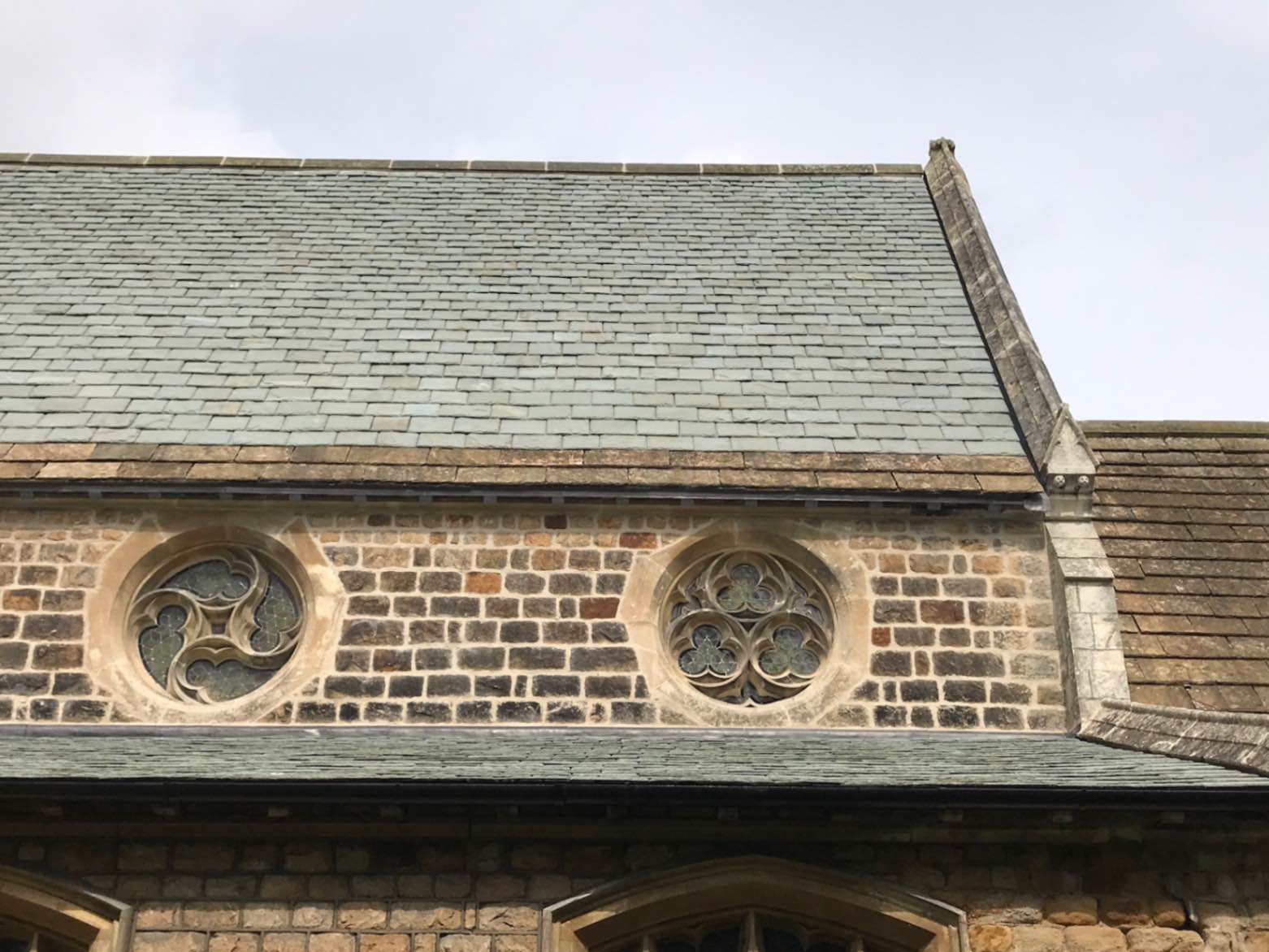
zinc roofers

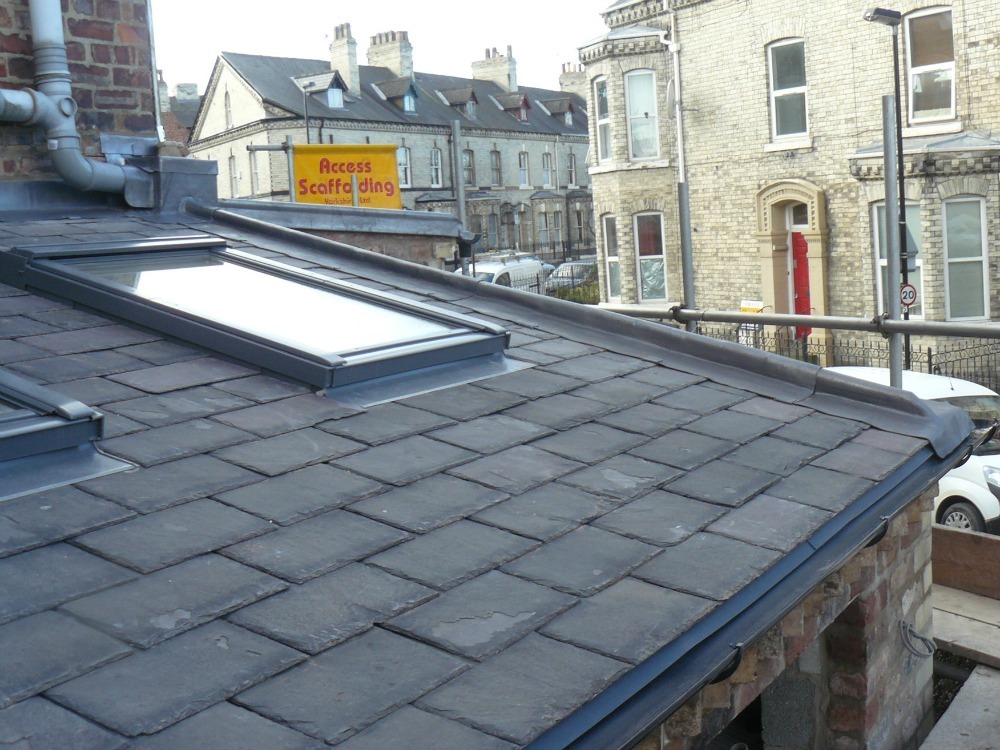
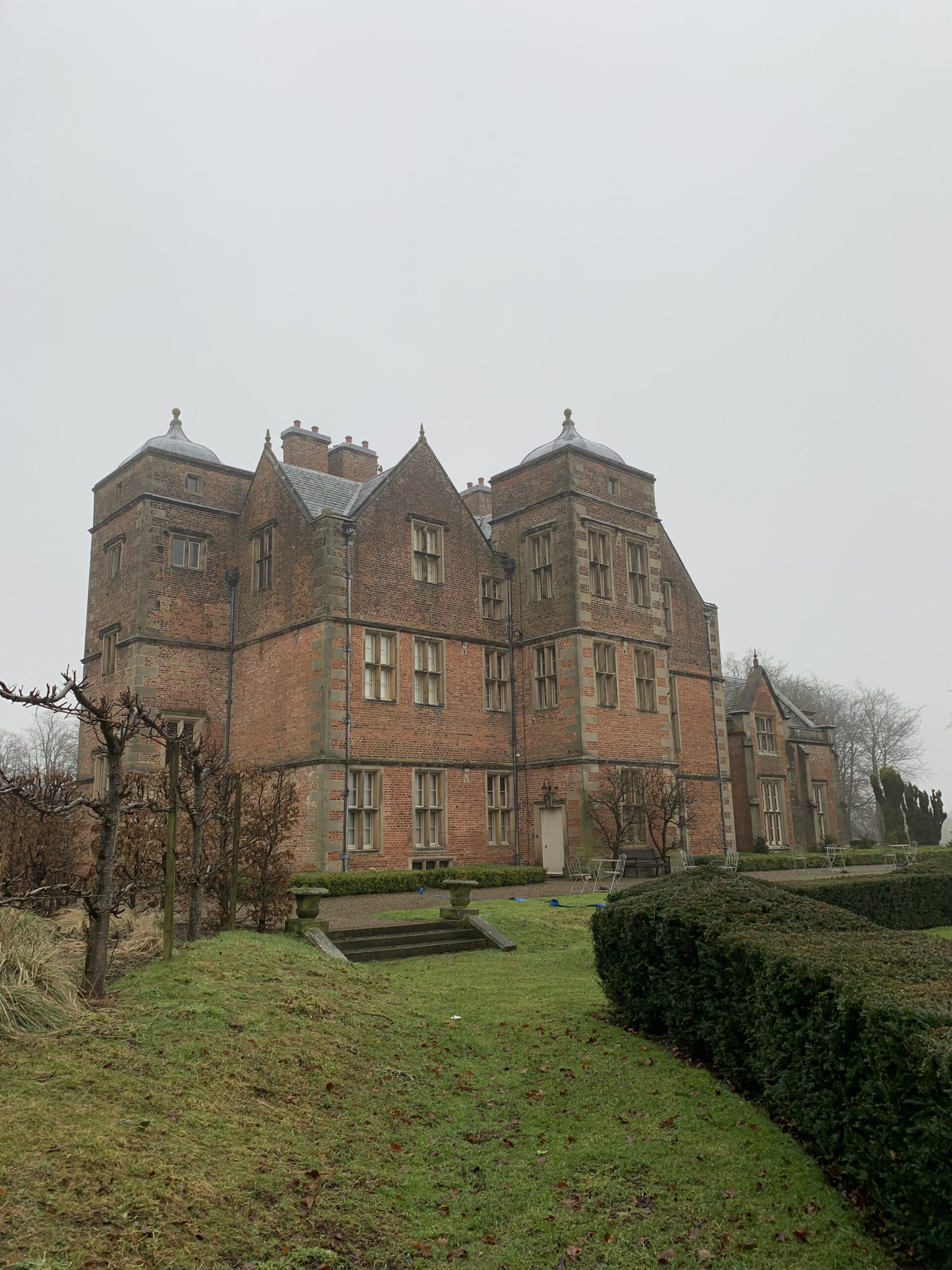
Architects

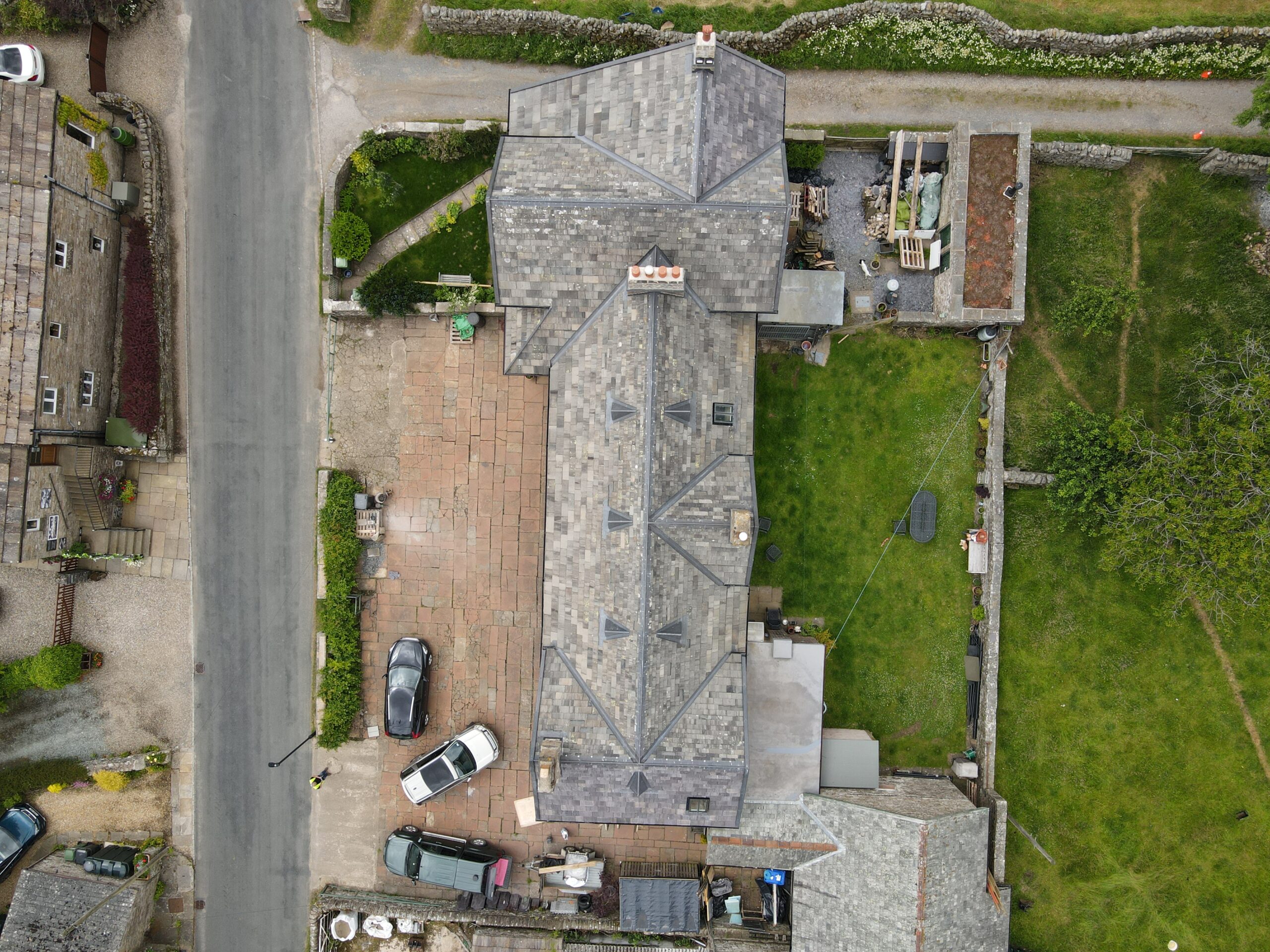
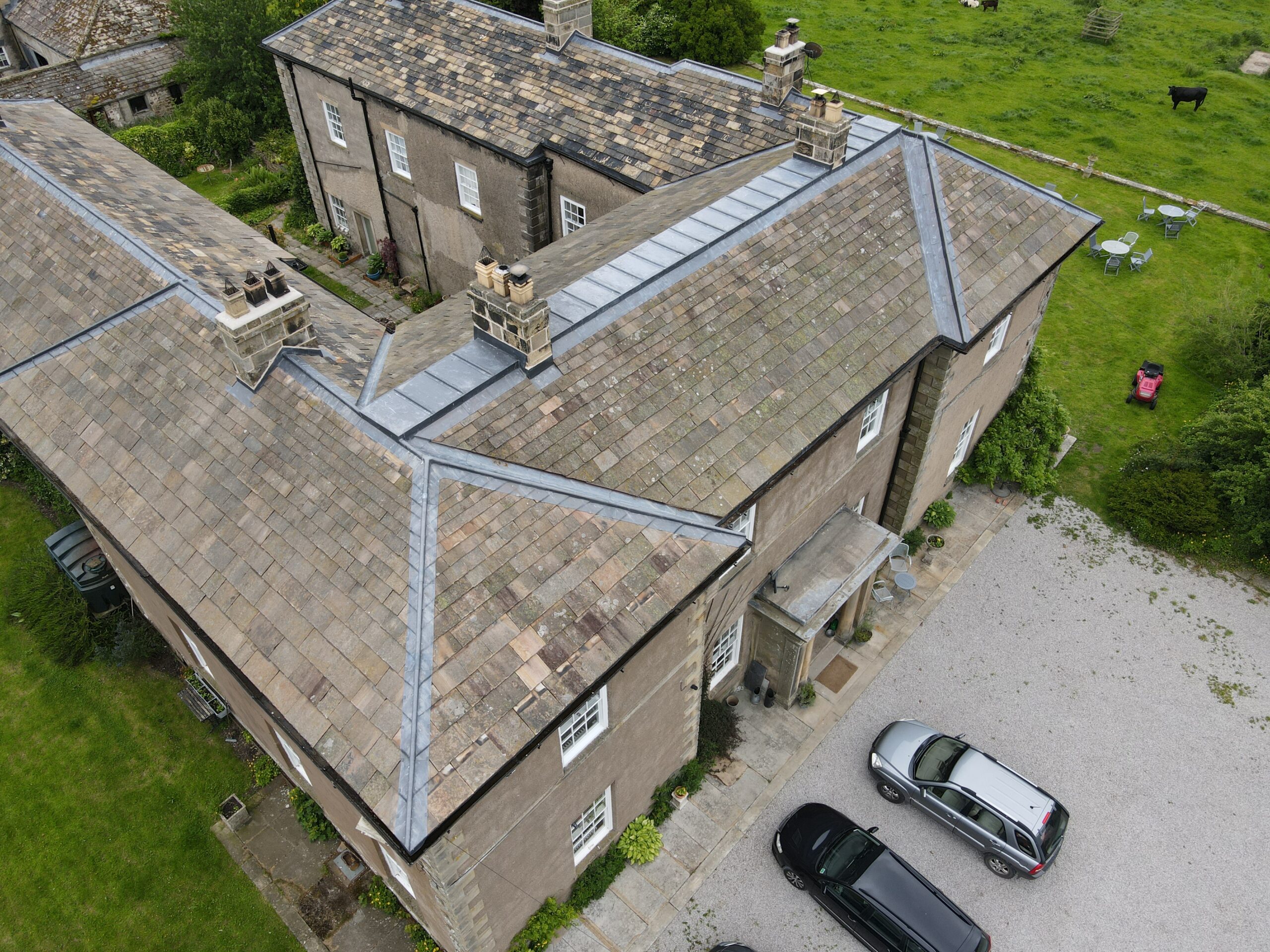
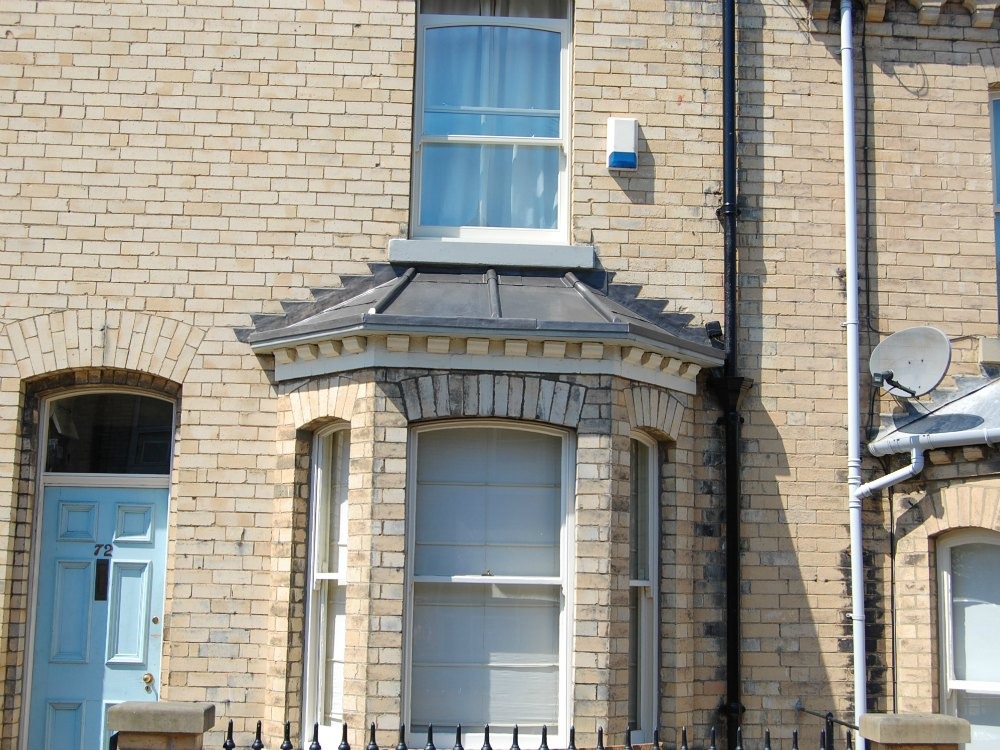
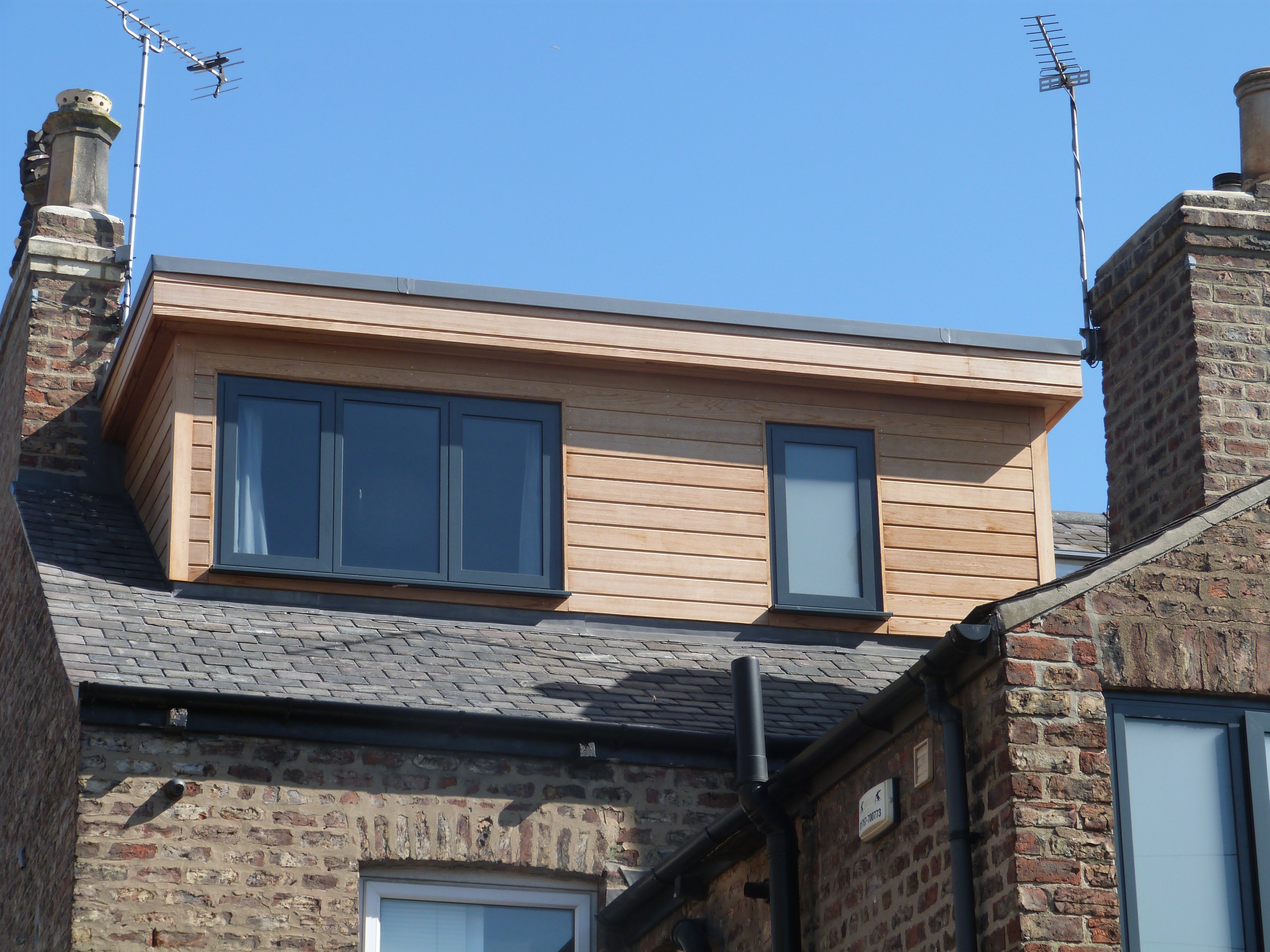
We are frequently engaged by architects for re-roofing projects.
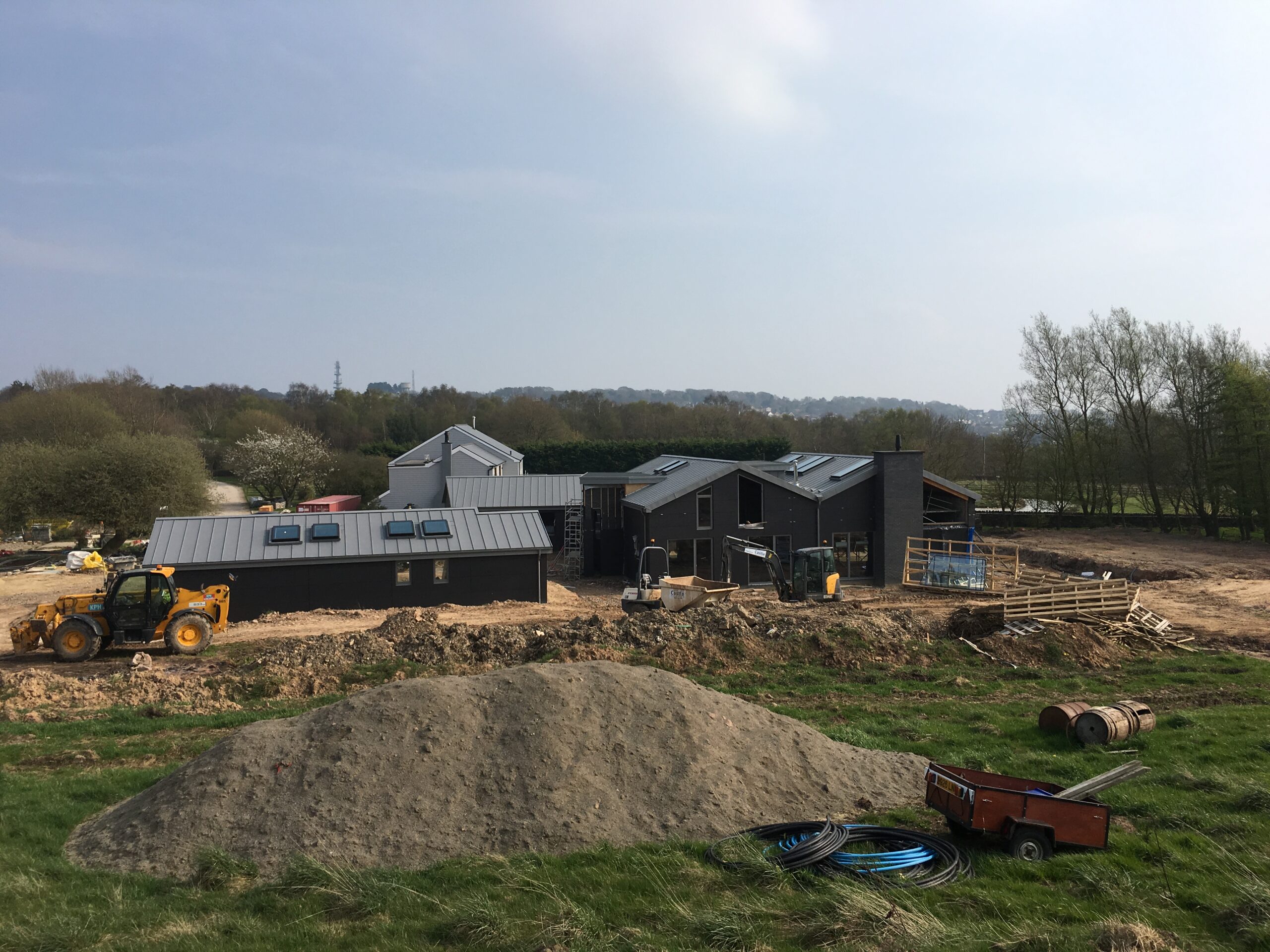
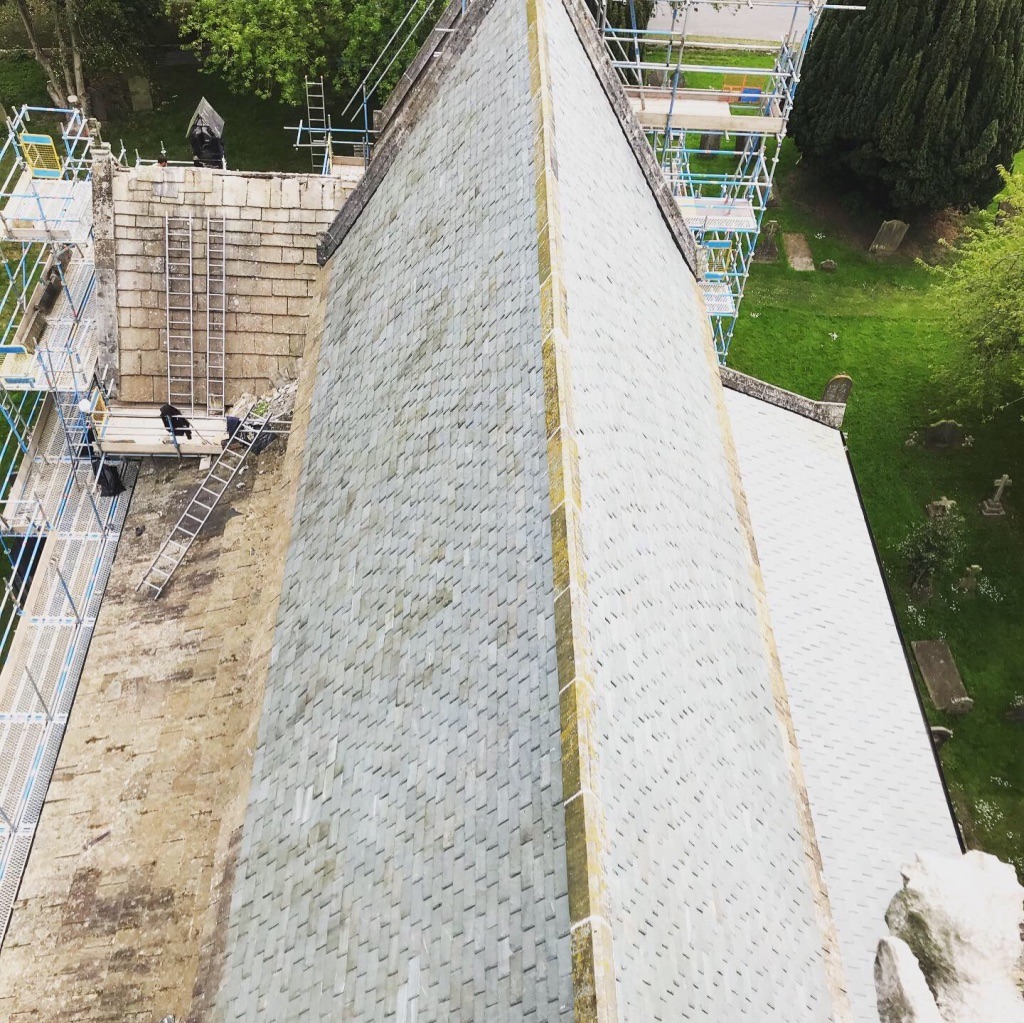
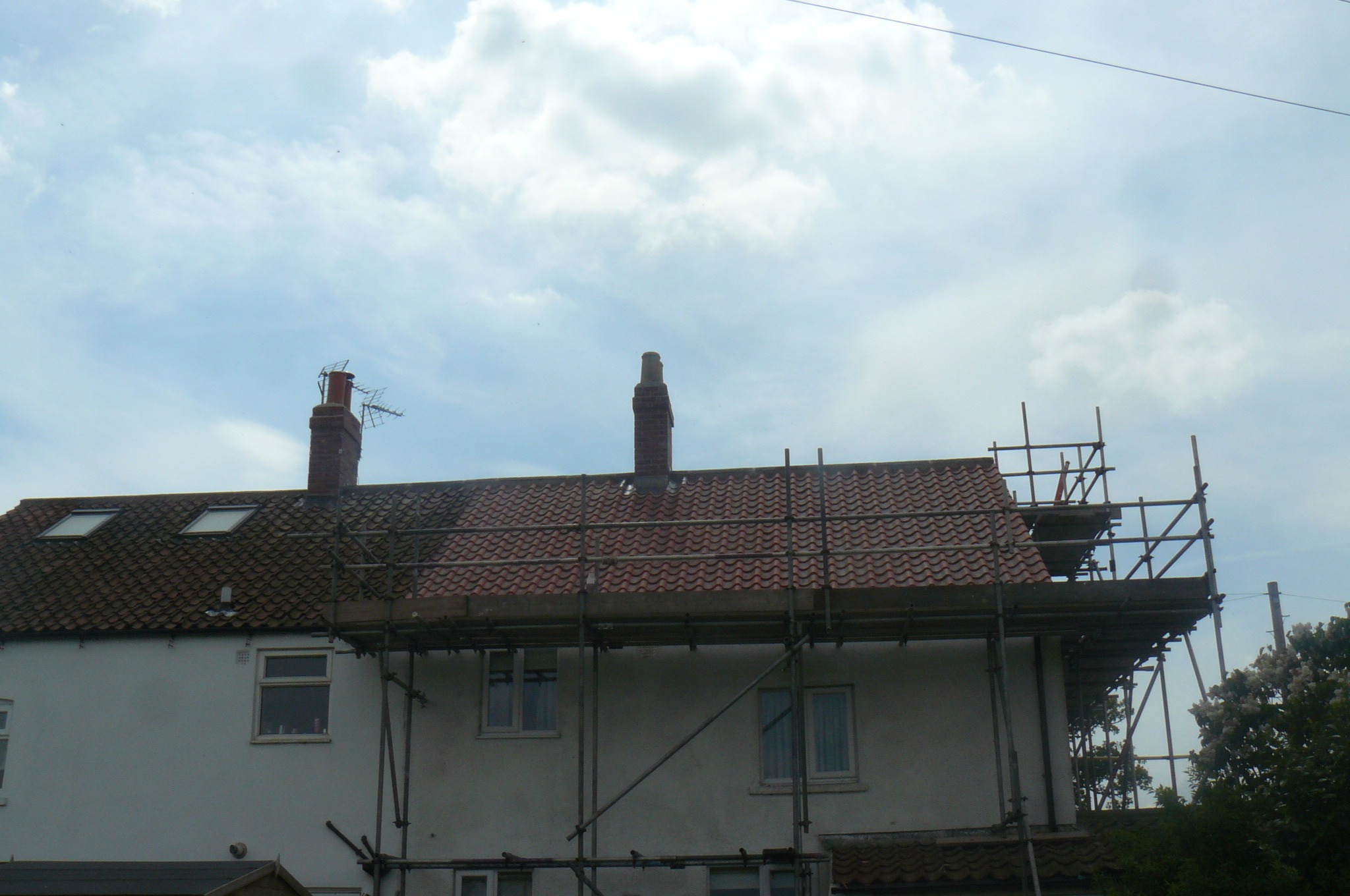
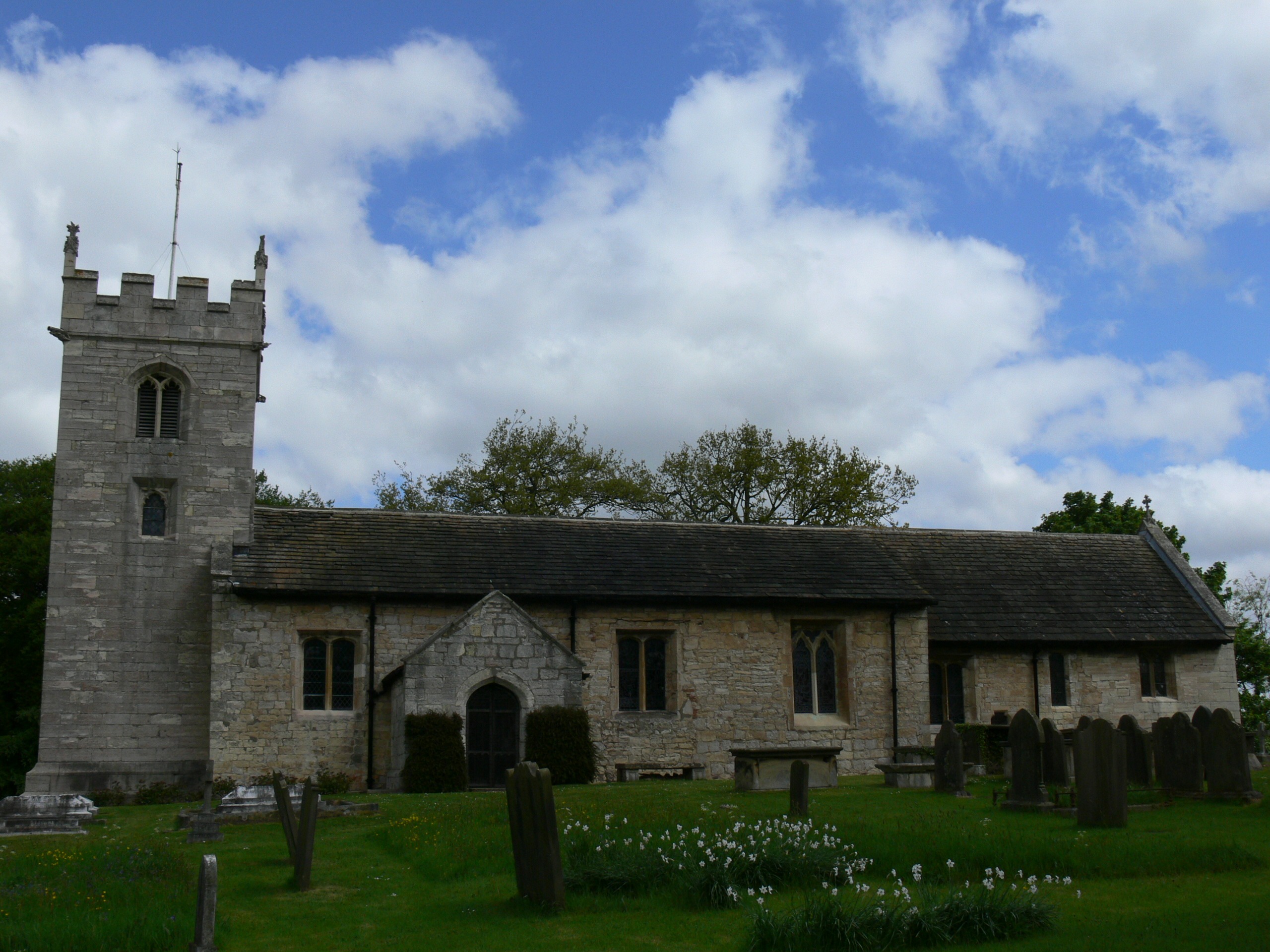
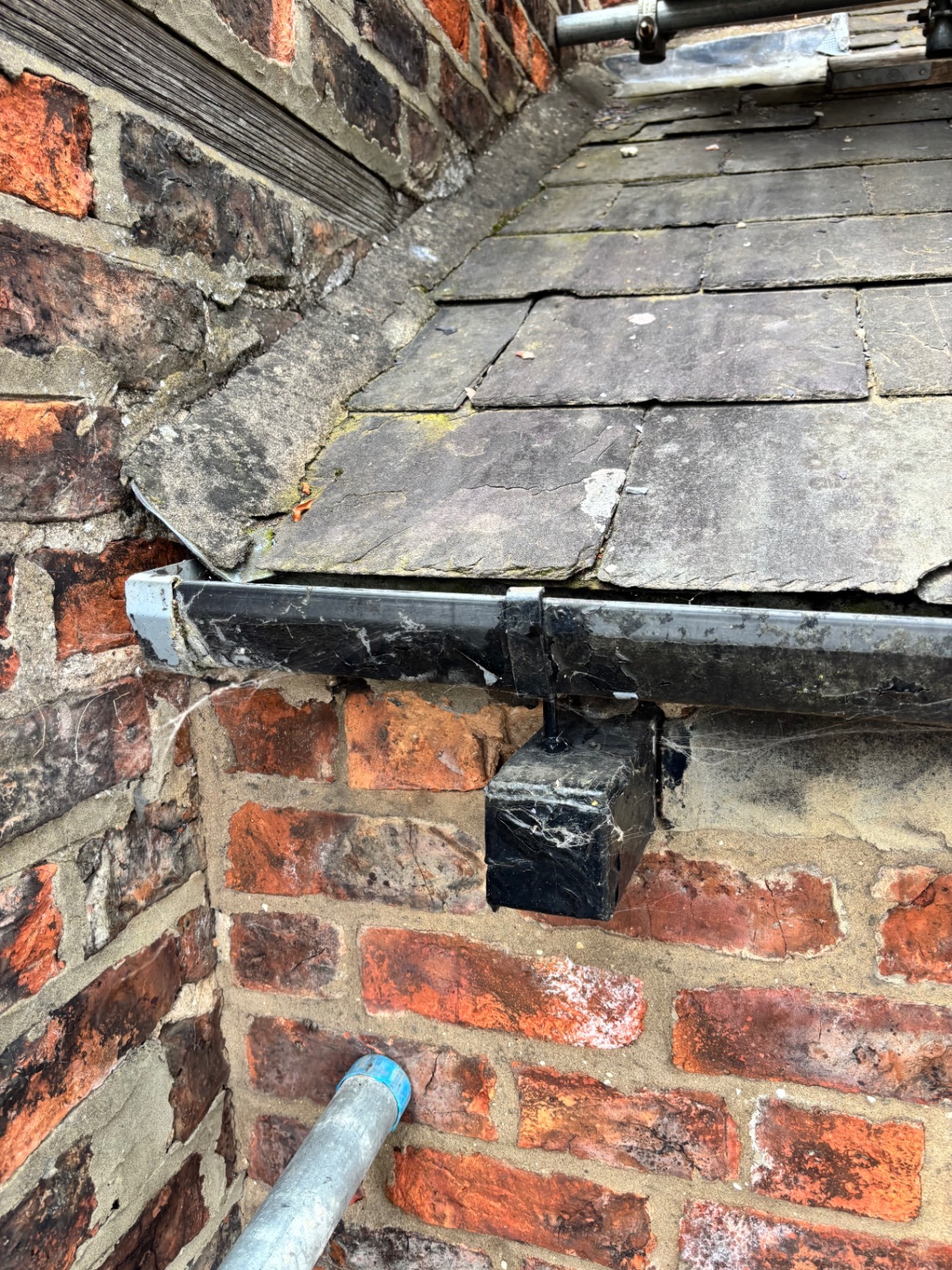
Roofing Contractors Leeds

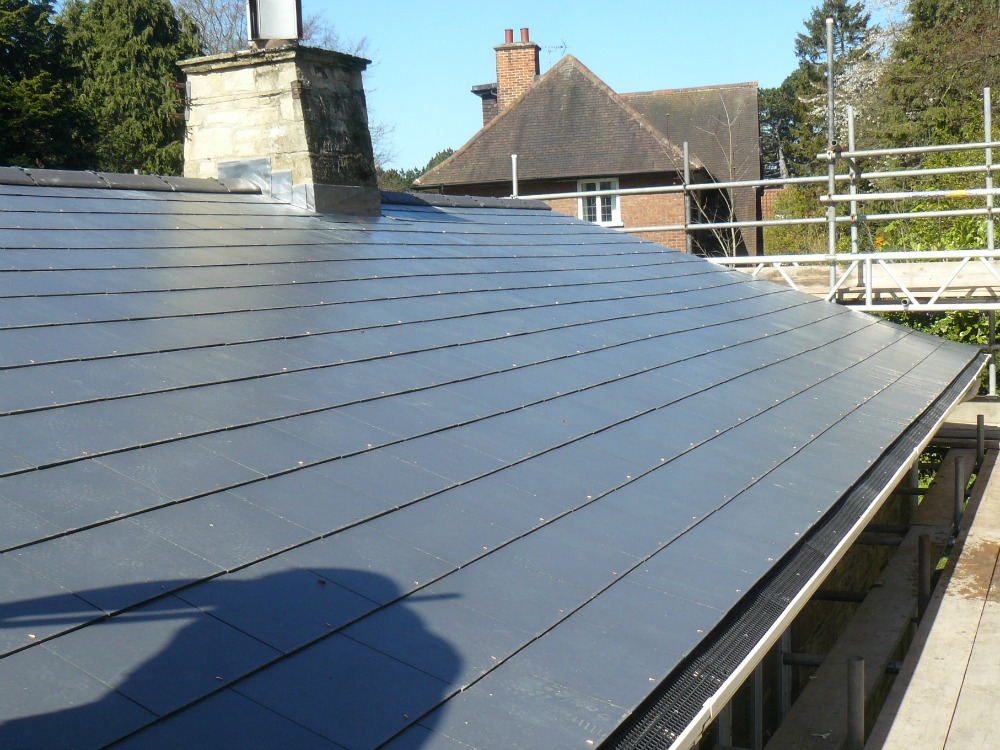
Developers

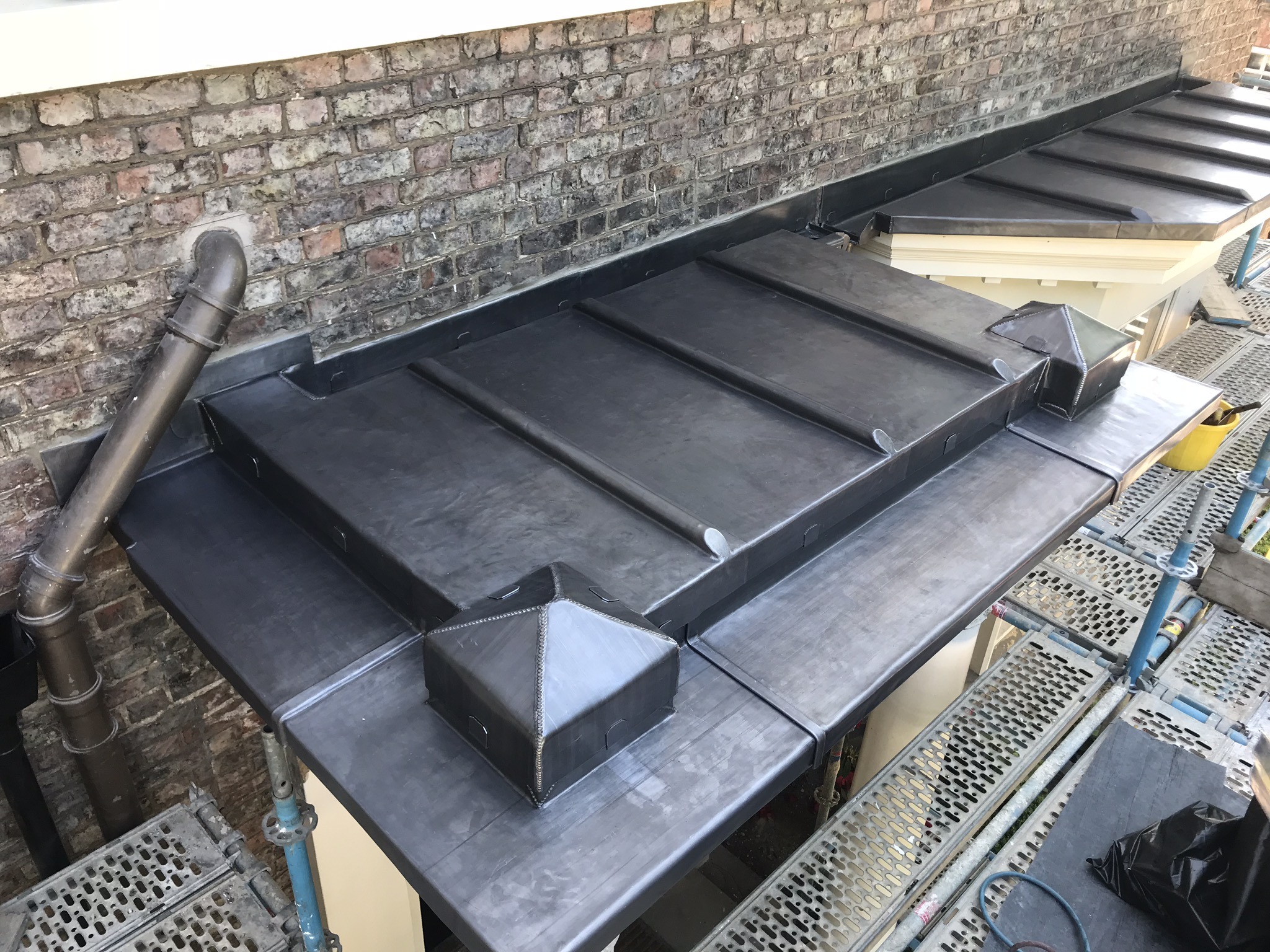
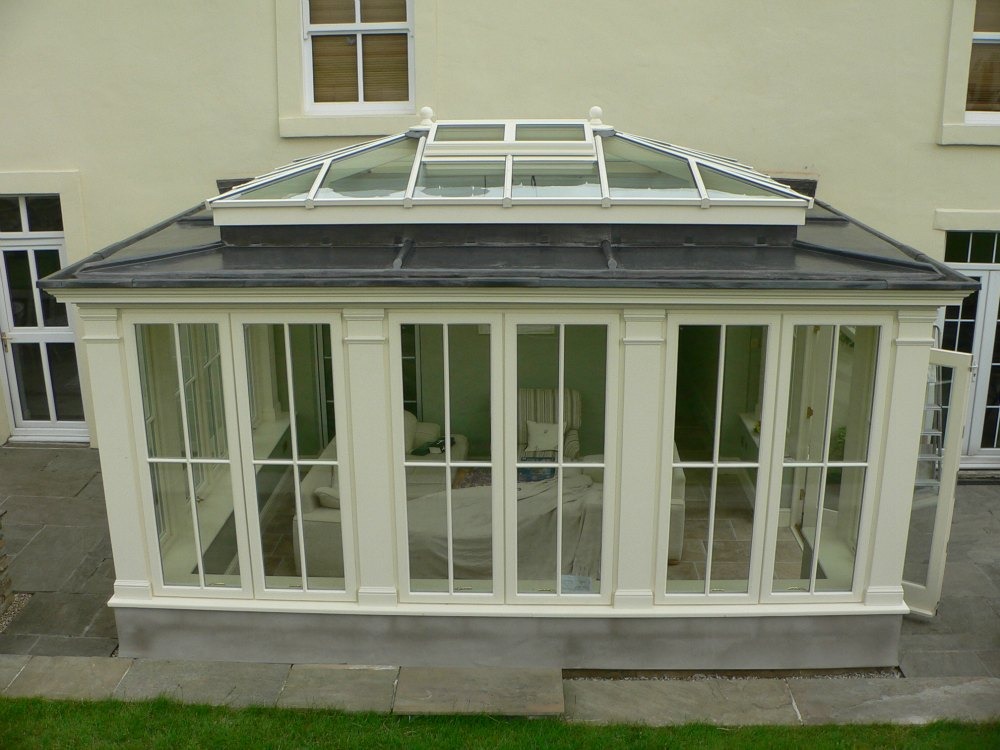
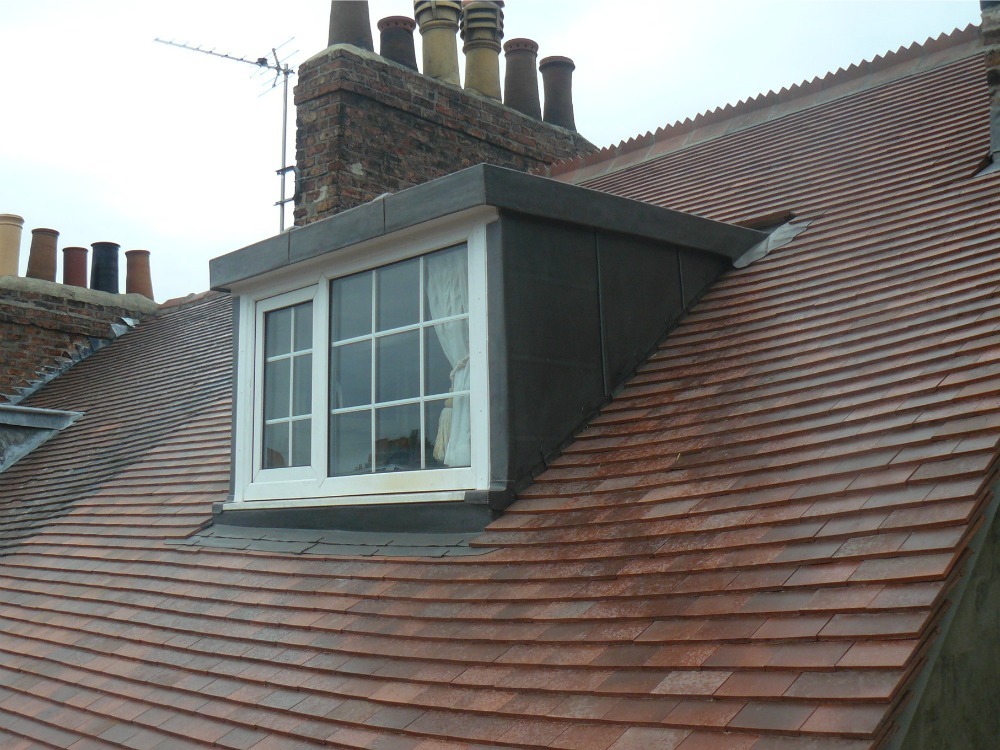
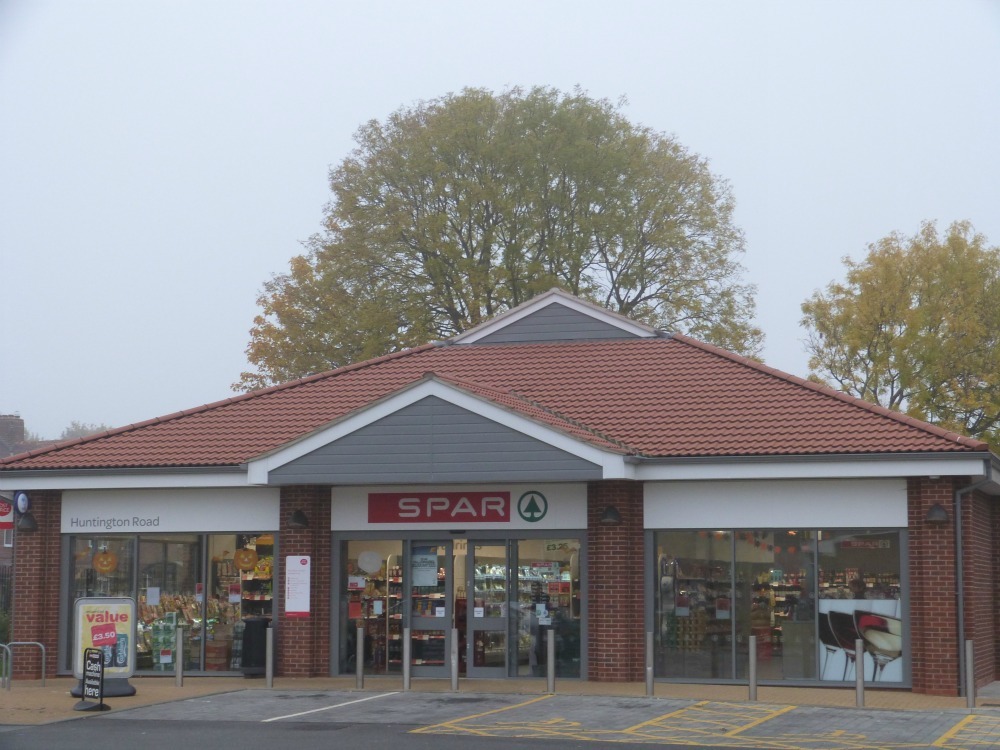
Compliance and certification make GNR suitable for developer-led roofing projects.
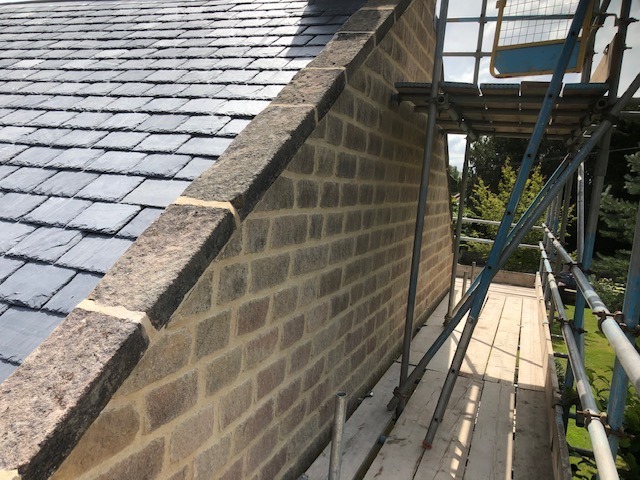
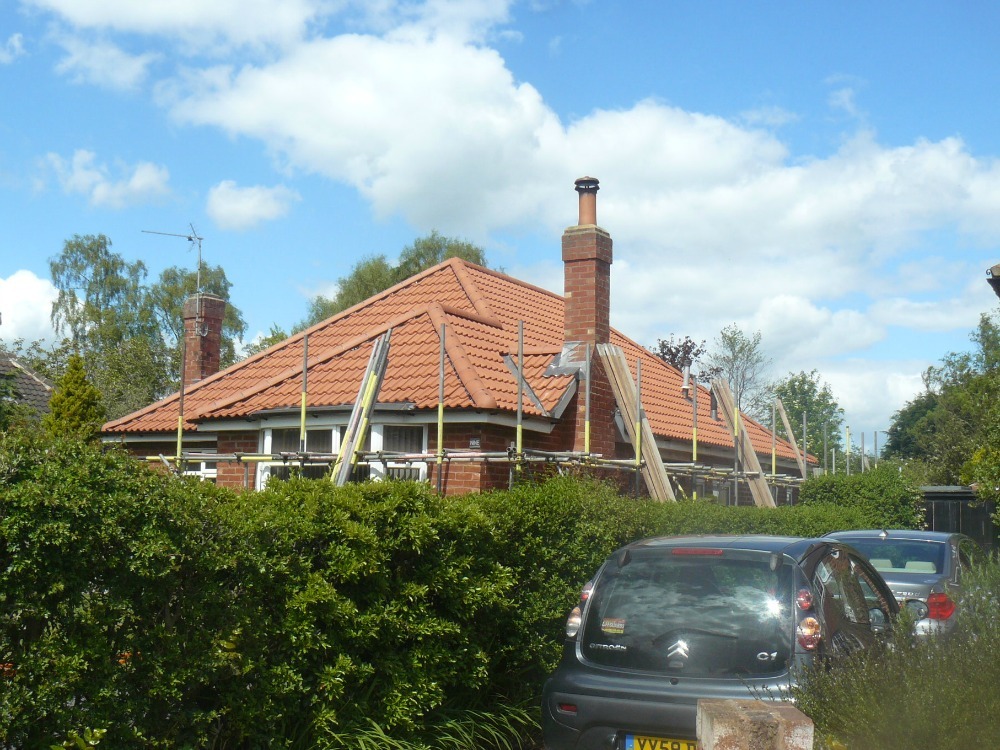
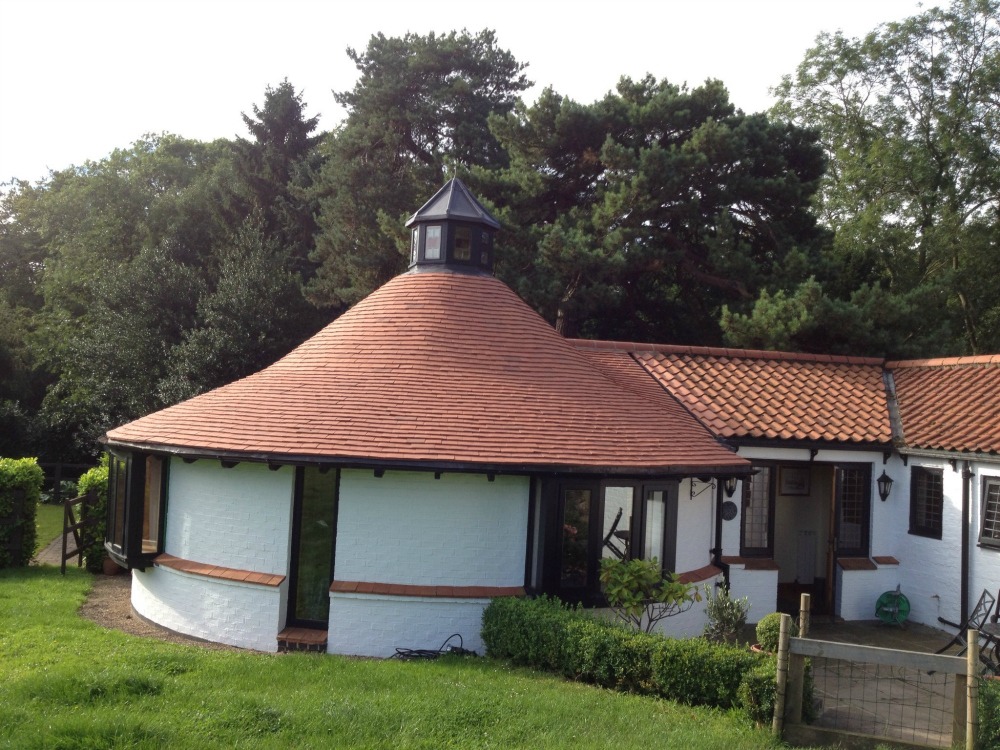
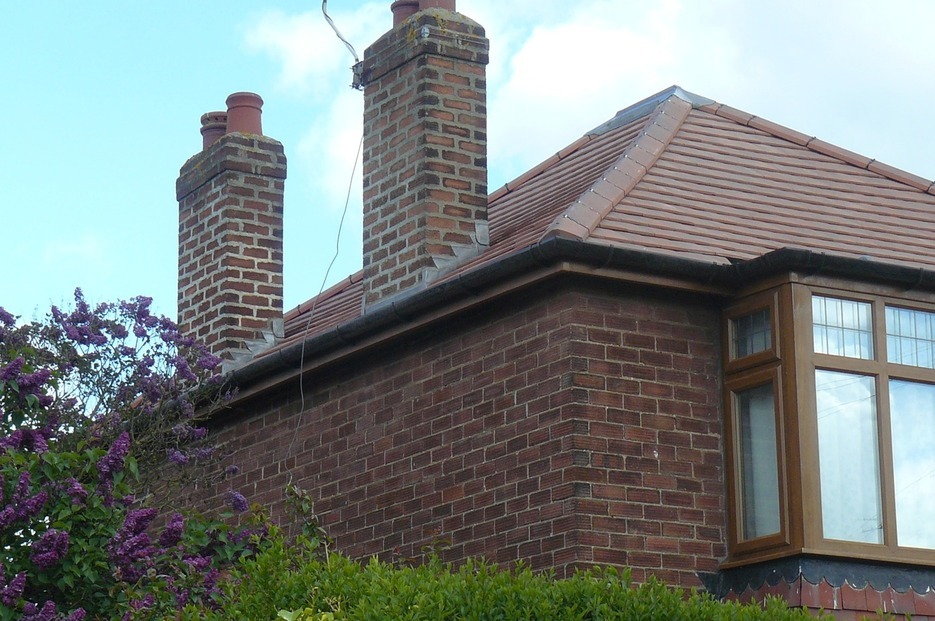
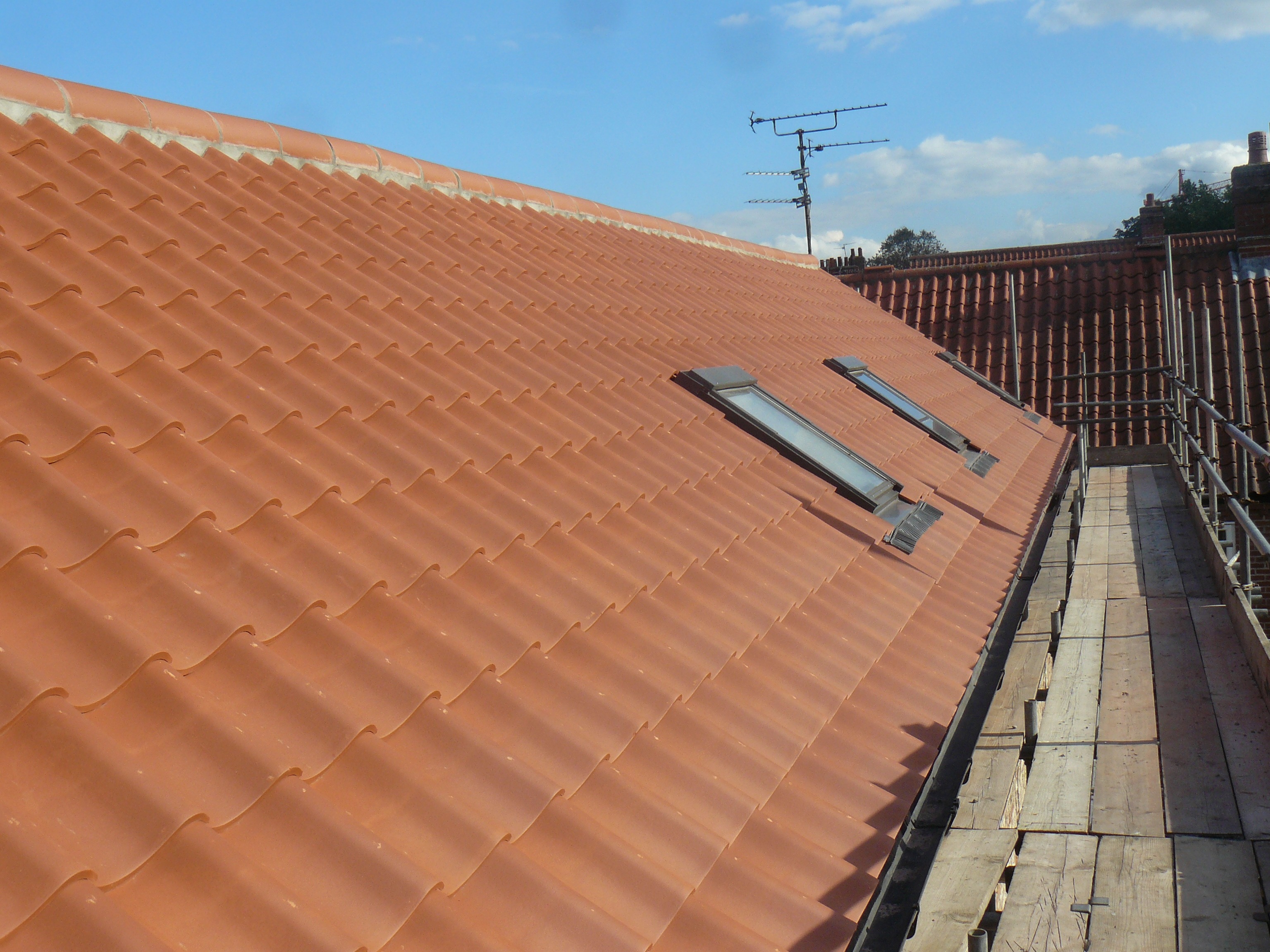
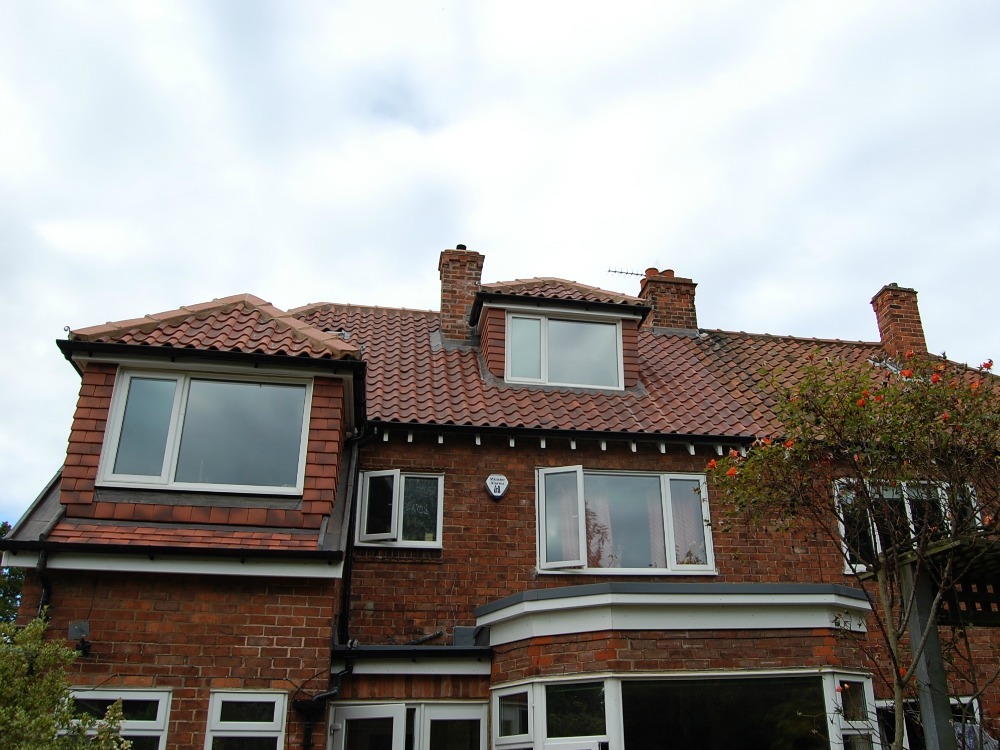
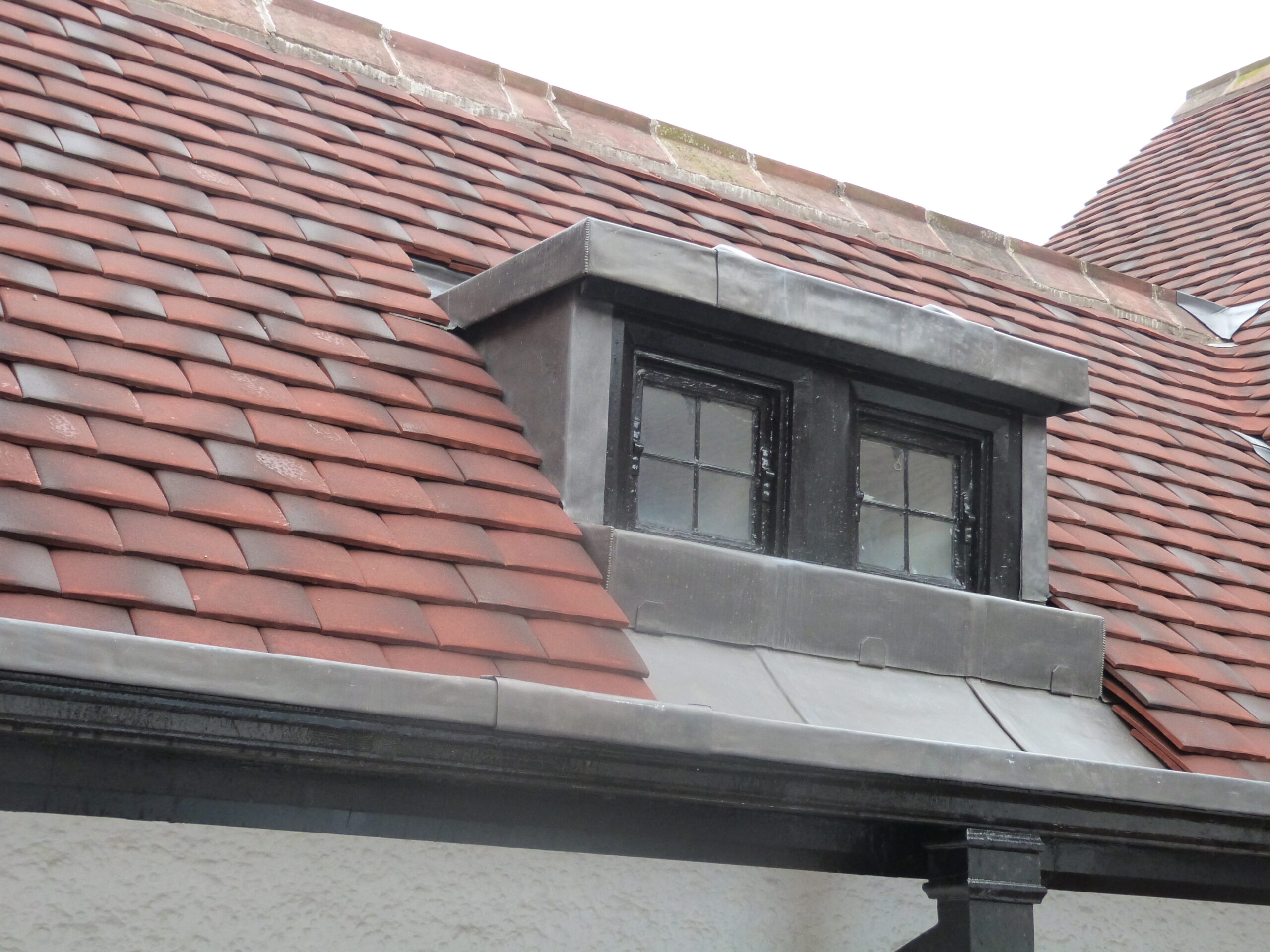
re roofing work

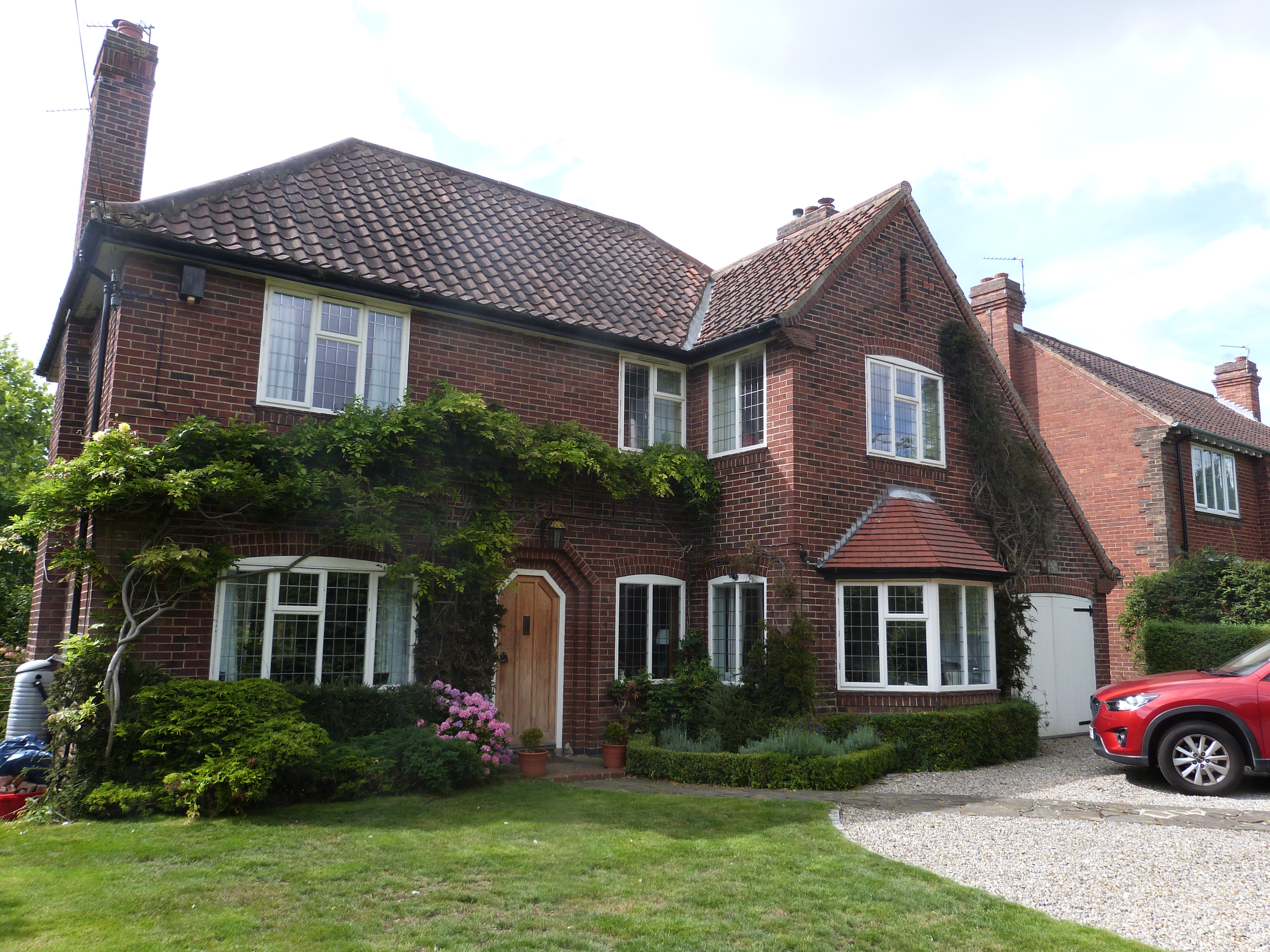
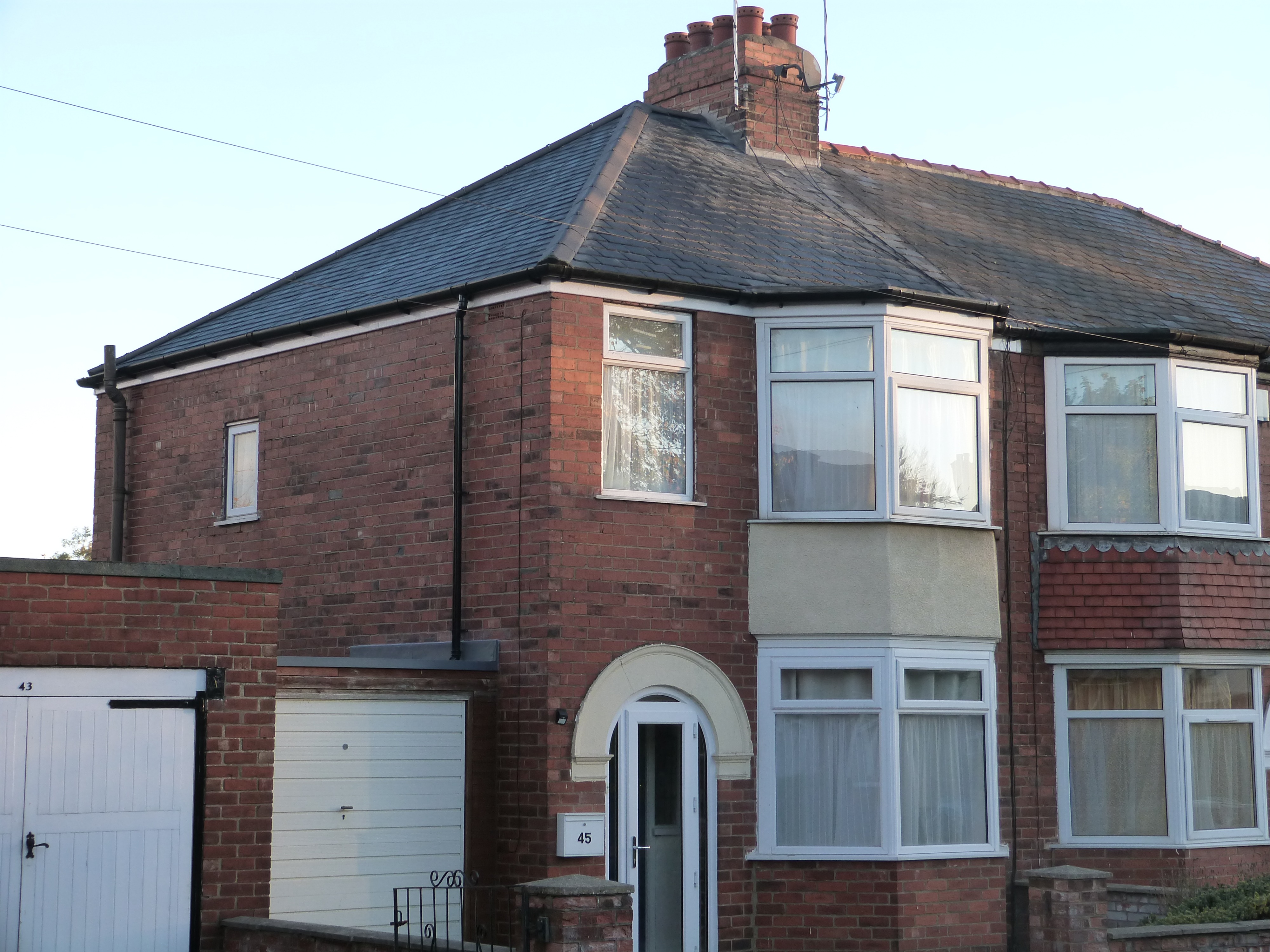
Homeowners

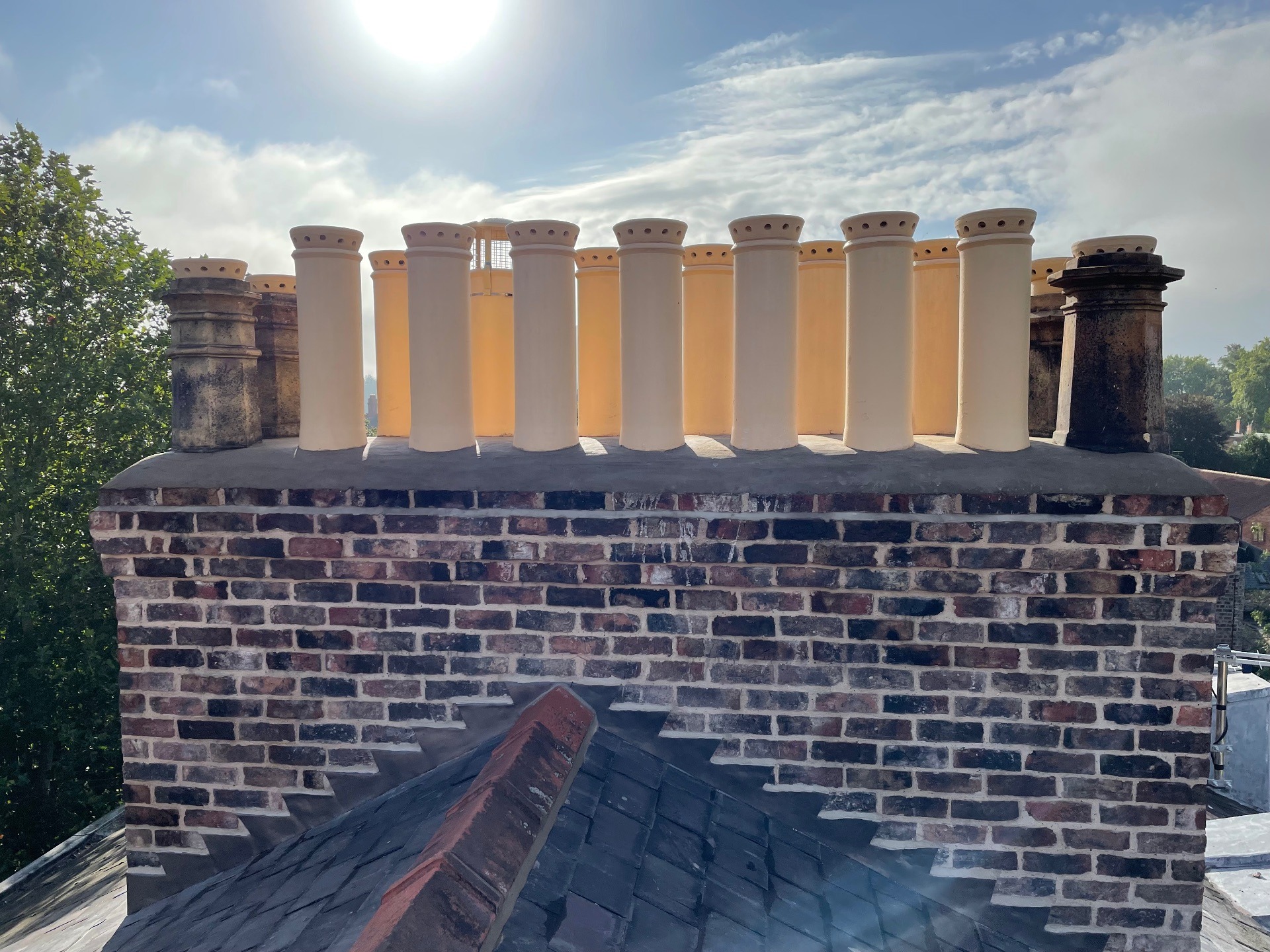
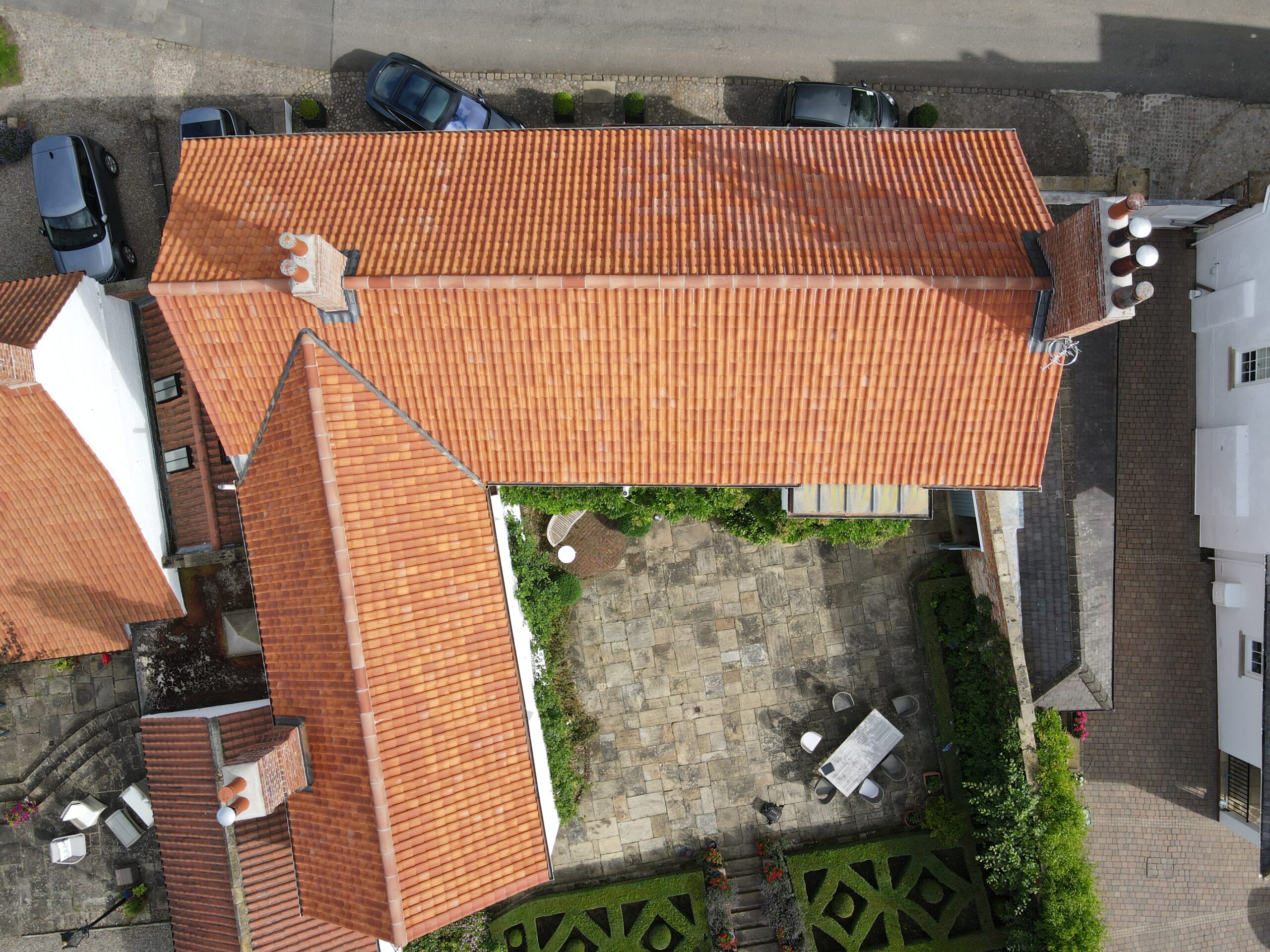
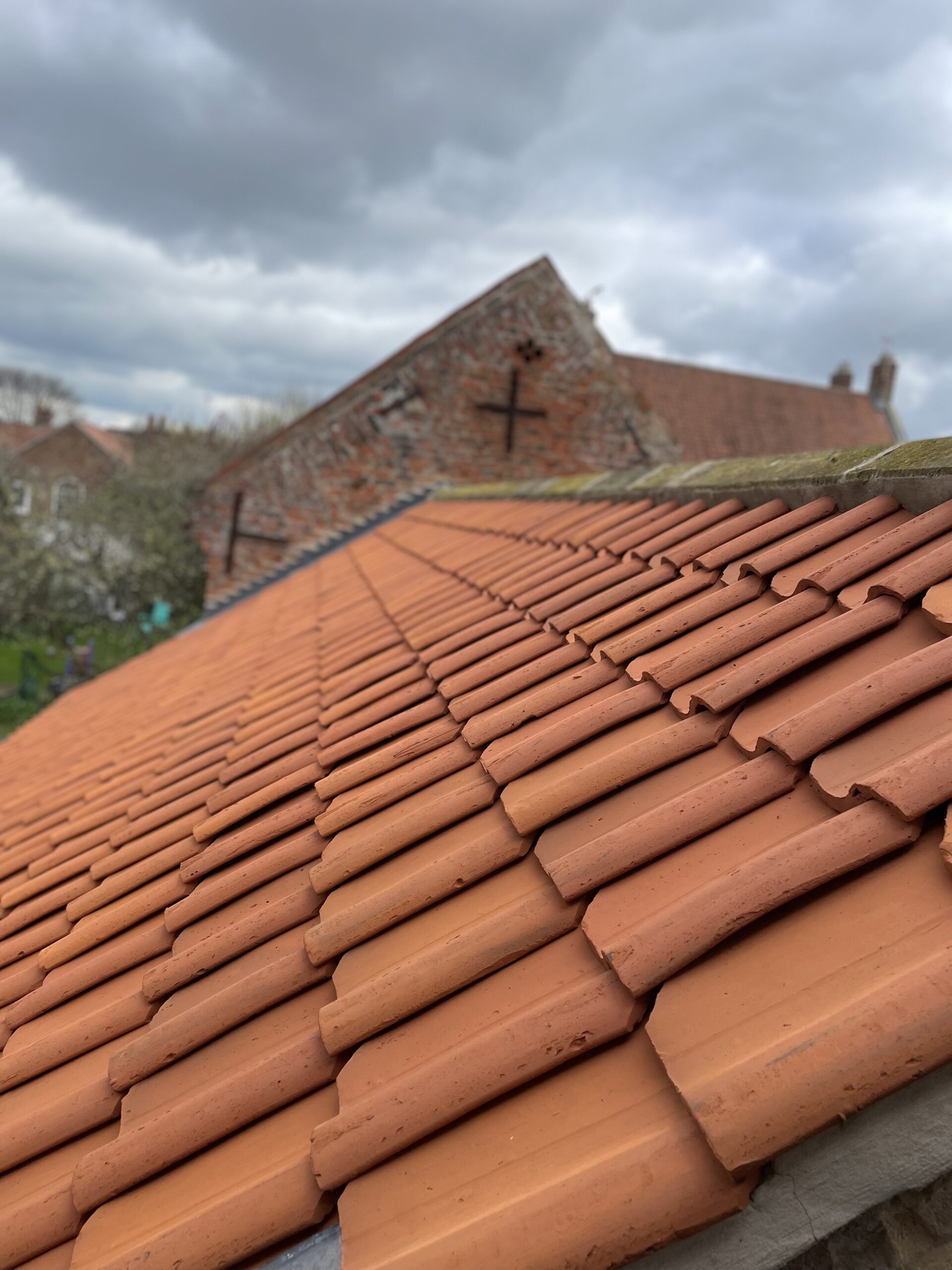
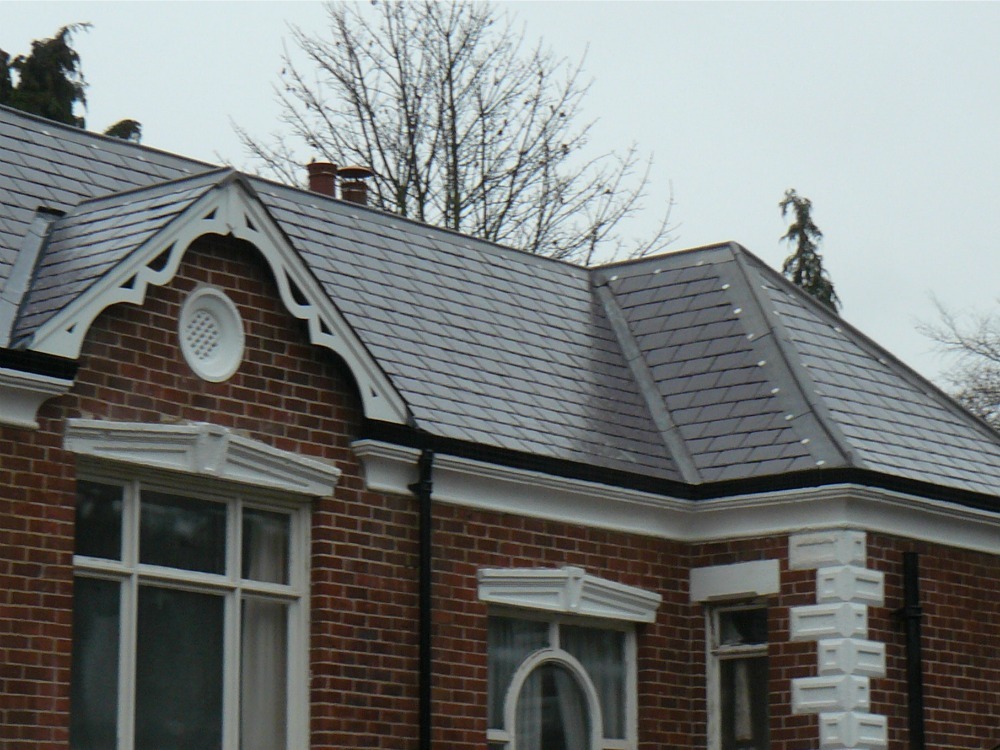
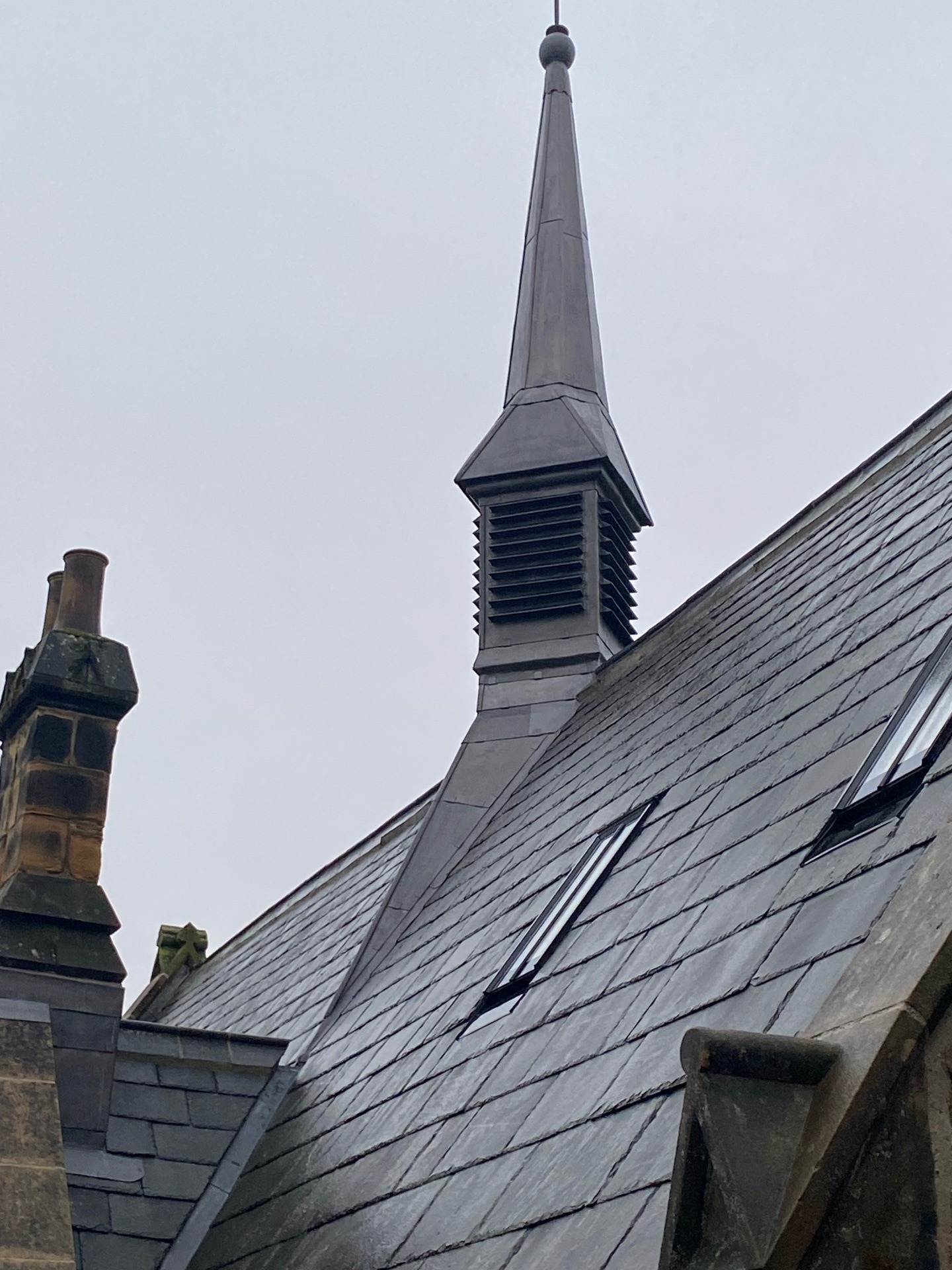
Clear specifications and proper workmanship for homeowners planning a re-roof.

How to Check a Roofing Contractor’s Legitimacy

Ten-Step Checklist

  1. Company registration: verify the company at Companies House and check how long it has been trading.
  2. Business address: confirm a real trading address and be cautious of contractors using only a mobile number.
  3. Insurance certificates: request current public liability and employer’s liability insurance.
  4. Waste carrier licence: roofing contractors should be able to dispose of waste legally.
  5. References and previous work: ask for recent examples and review photographs of completed projects.
  6. Written quotation or contract: ensure the scope, price, payment terms and programme are recorded in writing.
  7. Professional memberships: check NFRC, TrustMark or other relevant accreditations.
  8. British Standards knowledge: the contractor should understand BS 5534, BS 6915 and other relevant standards.
  9. Health and safety: ask about risk assessments, method statements and scaffold arrangements.
  10. Pressure tactics: avoid contractors who cold-call, pressure you into immediate decisions, demand cash or offer vague “special deals”.

A Re-Roofing Specification Should Reference

  1. Access arrangements, scaffolding and scaffold hire periods.
  2. Site welfare, storage and protection arrangements.
  3. Waste management, recycling and disposal.
  4. Materials, product details and relevant technical information.
  5. Removal, preparation, reinstatement and detailing methods.
  6. Building Regulations and thermal performance requirements.
  7. Unforeseen works and how additional costs will be approved.
  8. Terms and conditions.
  9. Insurance documents and guarantees.
  10. Health and safety responsibilities.

When Re-Roofing Work Goes Wrong

Unfortunately, some re-roofing projects are carried out to a poor standard. This can happen where a contractor lacks training, uses poor materials, does not understand relevant standards or fails to manage the project properly.

GNR are often asked to inspect roofing works carried out by others. Common issues include both patent defects, which are visible, and latent defects, which are hidden within the roof build-up.

Common Visible Defects

  • Eaves defects: missing eaves trays, poorly supported underlay or poor under-eaves detailing.
  • Slating defects: poor bonding, incorrect cuts, inconsistent setting out or inadequate headlap.
  • Leadwork defects: poorly formed flashings, missing leadwork or inappropriate mortar details.
  • Incorrect materials: excessive sealant, mastic or unsuitable fixings.
  • Poor mortar work: weak pointing, cracked bedding or poorly finished ridges.
  • Verge defects: insufficient overhang, poor wind resistance or non-compliant detailing.
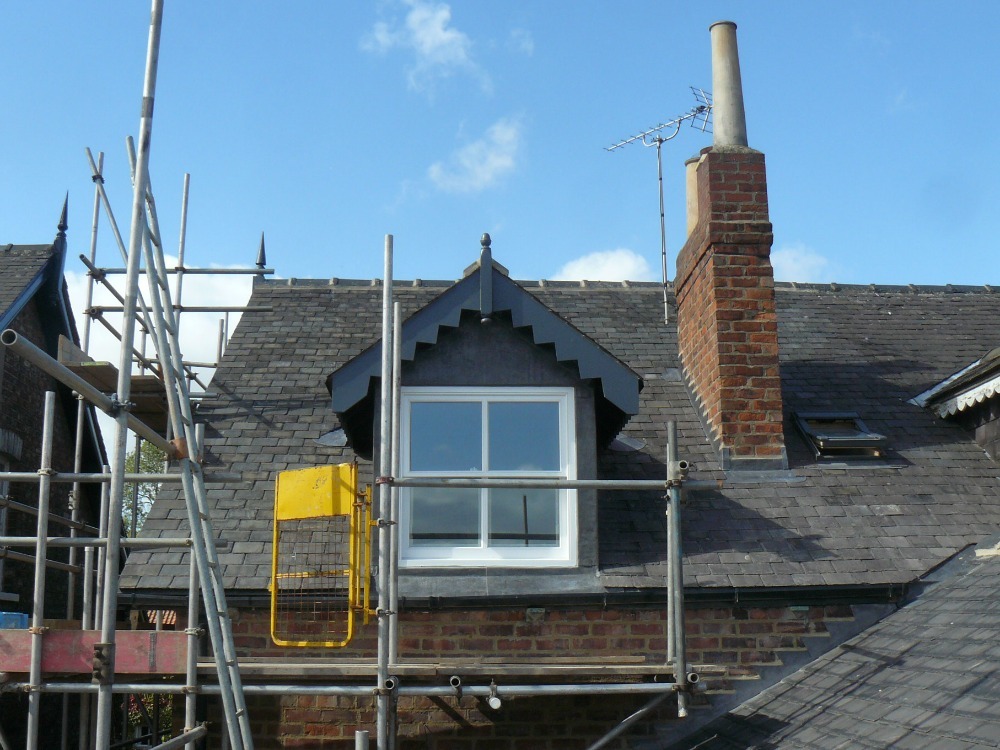
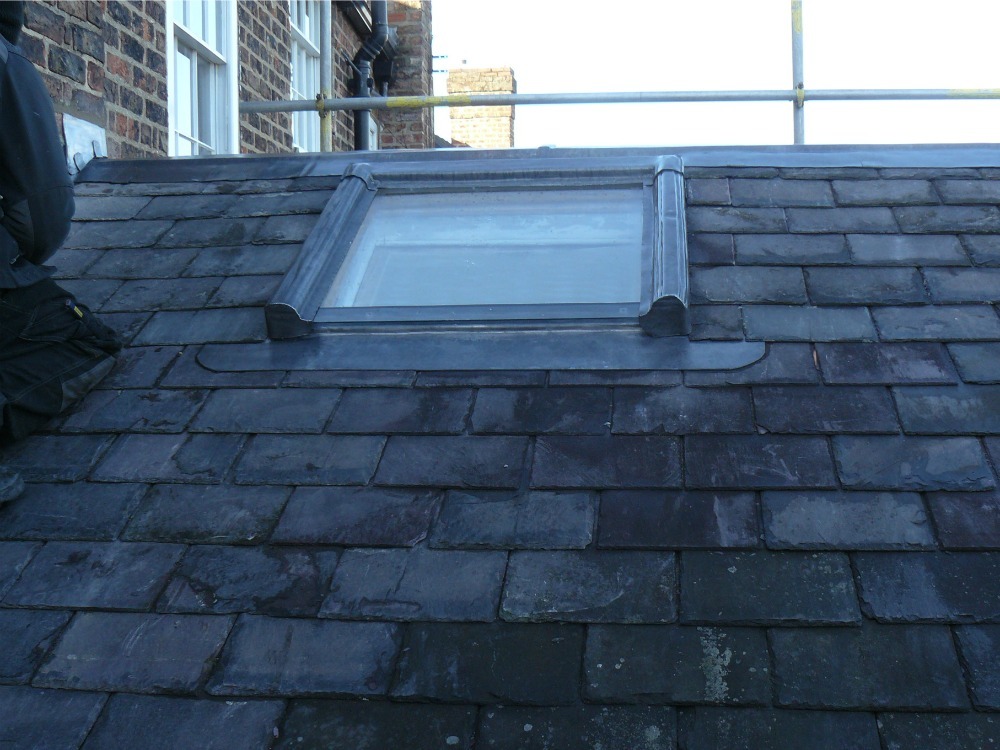
  • Interface defects: poor detailing around dormers, rooflights, chimneys and abutments.
  • Building Regulations issues: no evidence of certification or thermal upgrade consideration.

Common Hidden Defects

  • Incorrect roof build-up
  • Missing vapour control or poor membrane selection
  • Insufficient ventilation
  • Poor substrate formation
  • Incorrect fixings
  • Non-compliant roofing battens
  • Unaddressed timber defects
Book a roof inspection
GNR Roofing Services

Re-Roofing Projects

Re-roofing should be carried out by a trained and competent roofing contractor.

Knowledge of British Standards, current Building Regulations, materials, ventilation, insulation, fixings and roof detailing is fundamental to the success of any roofing work.

Surveys should be undertaken before a project begins so that the correct scope, materials, access and costs can be understood. A re-roof should be properly resourced, properly specified and properly managed.

Get in touch
Our group

Geoff Neal (Roofing) Limited, Sutton Road, Wigginton, York, YO32 2RB
North Yorkshire, United Kingdom
admin@nealroofing.com

All rights reserved