GNR Roofing Services
GNR Roofing Services delivers end‑to‑end roof tiling solutions for homes, commercial premises and heritage buildings across the UK.
From the first site visit to the final ridge tile, we combine craft skill with rigorous compliance to create roofs that are attractive, durable and fully accredited.
Roof tiling should be undertaken in accordance with BS5534 in the UK, and where more than 25% of the roof area is to be replaced, Building Regulations Compliance is mandatory.
Client Page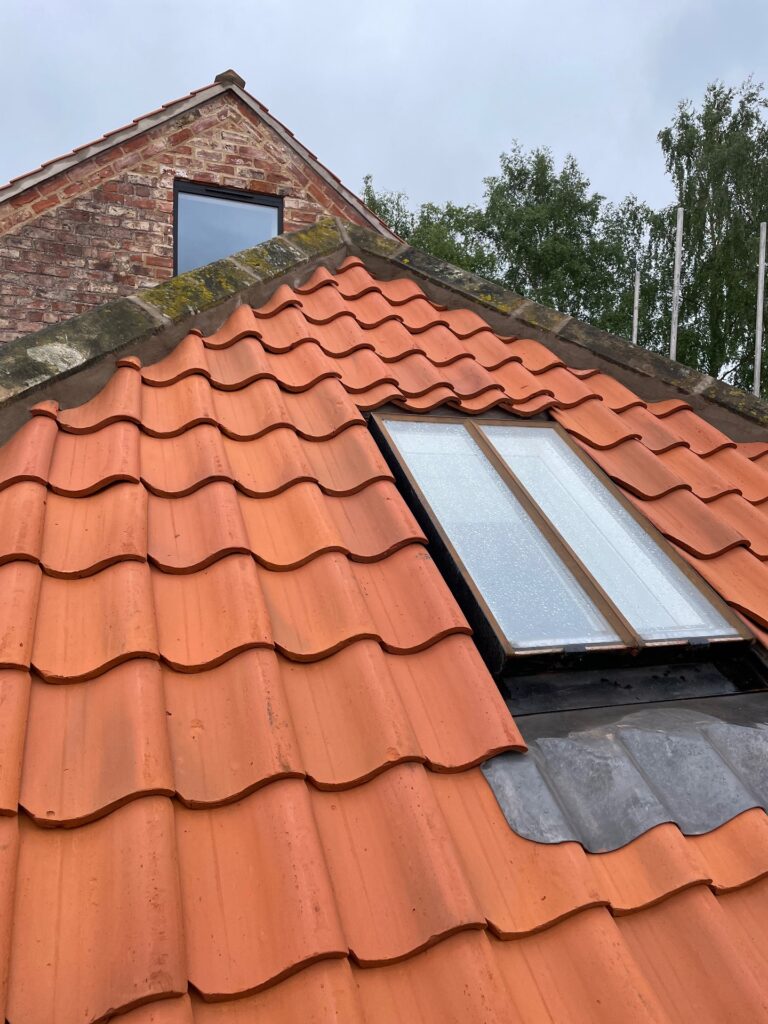
We work with—and can supply—roof tiles for every pitched‐roof application. Our experienced team will recommend the right profile, material and fixing method for your property.
| Variant | Best Suited To | Key Advantages |
|---|---|---|
| Machine‑Made | Contemporary homes seeking the warmth of clay with clean, uniform lines | Consistent size & colour, lighter weight than concrete, extensive factory warranties |
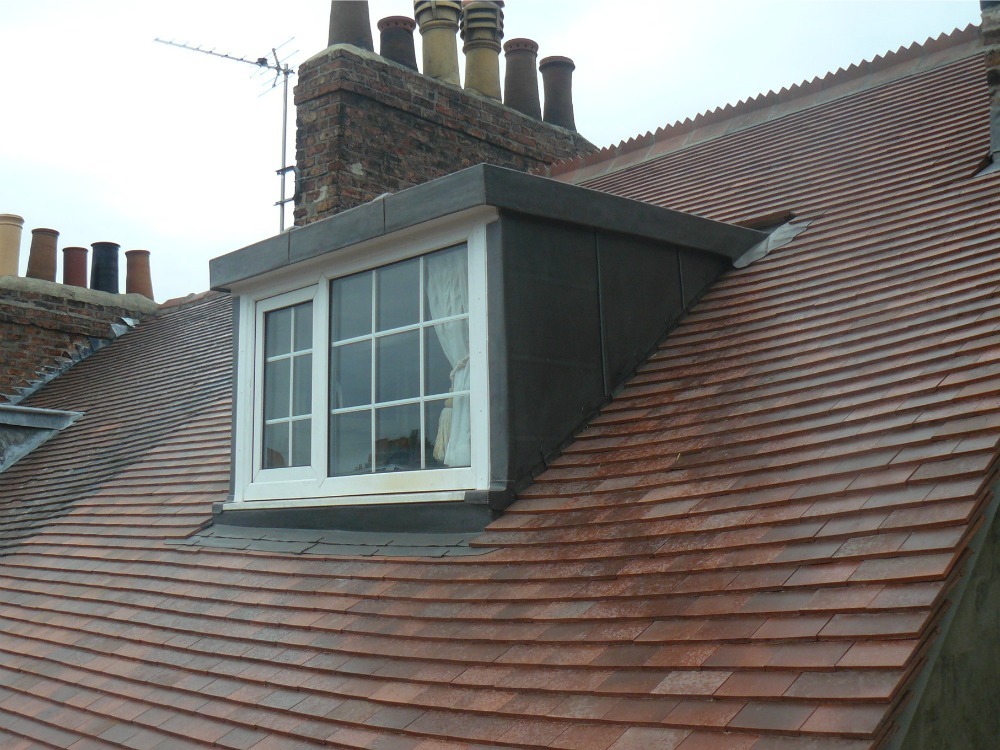
| Handmade | Heritage work, conservation areas, character properties | Unique creases and camber, rich colour weathering, sympathetic to listed‑building aesthetics |
We offer machine‑made, handmade and interlocking pantiles, each providing the classic S‑shaped barrel profile synonymous with coastal and Eastern counties roofing traditions.
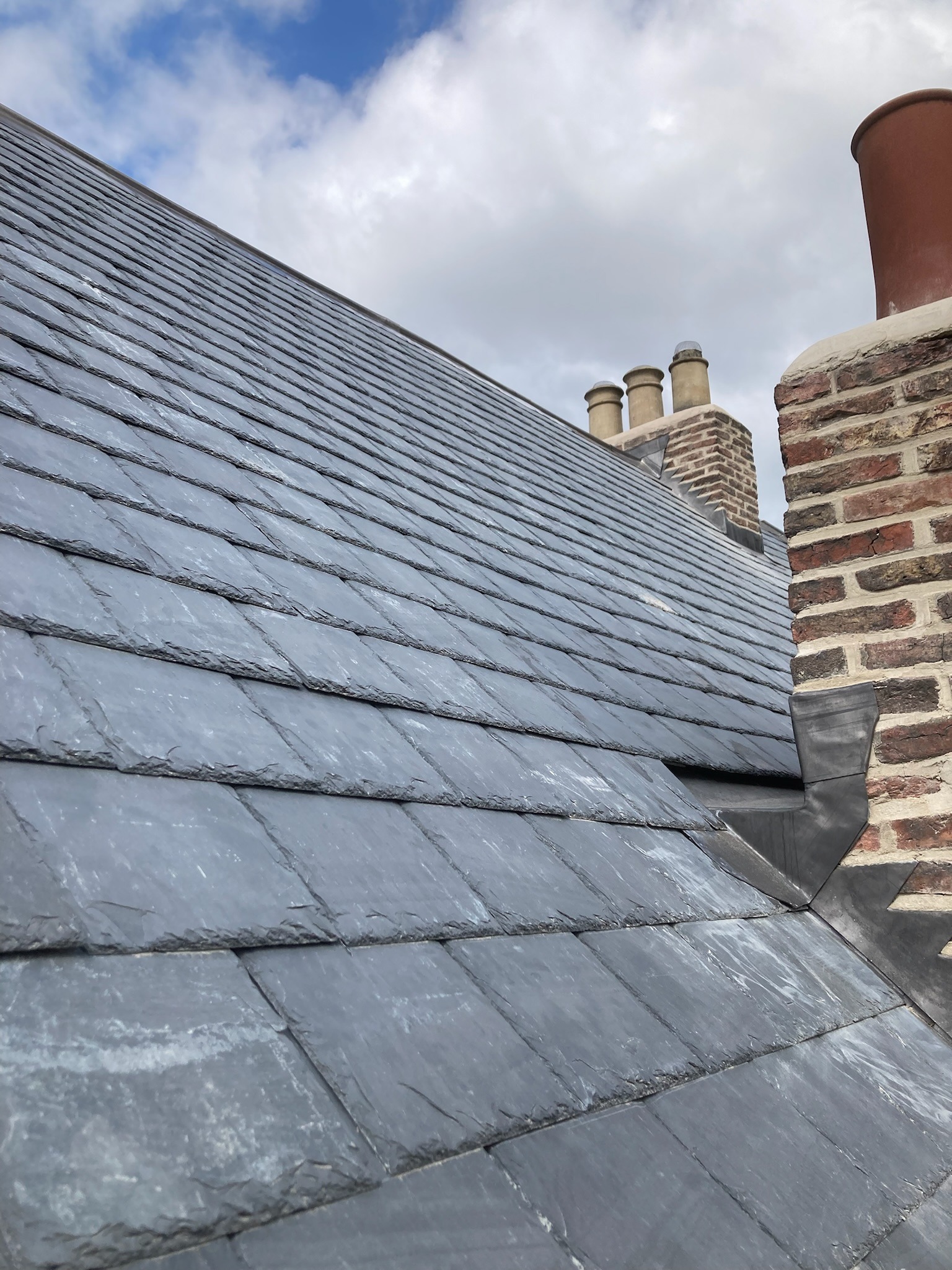
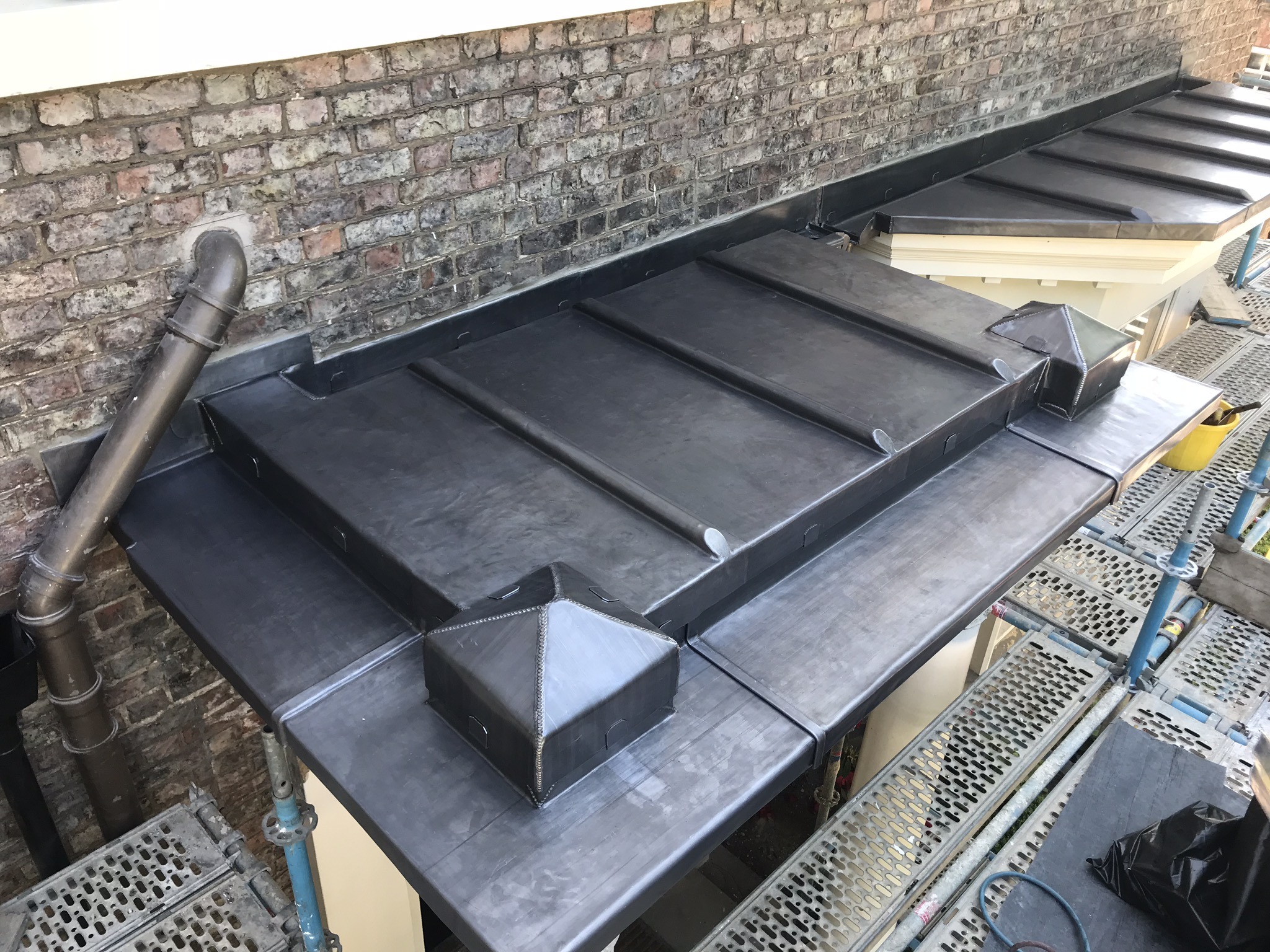
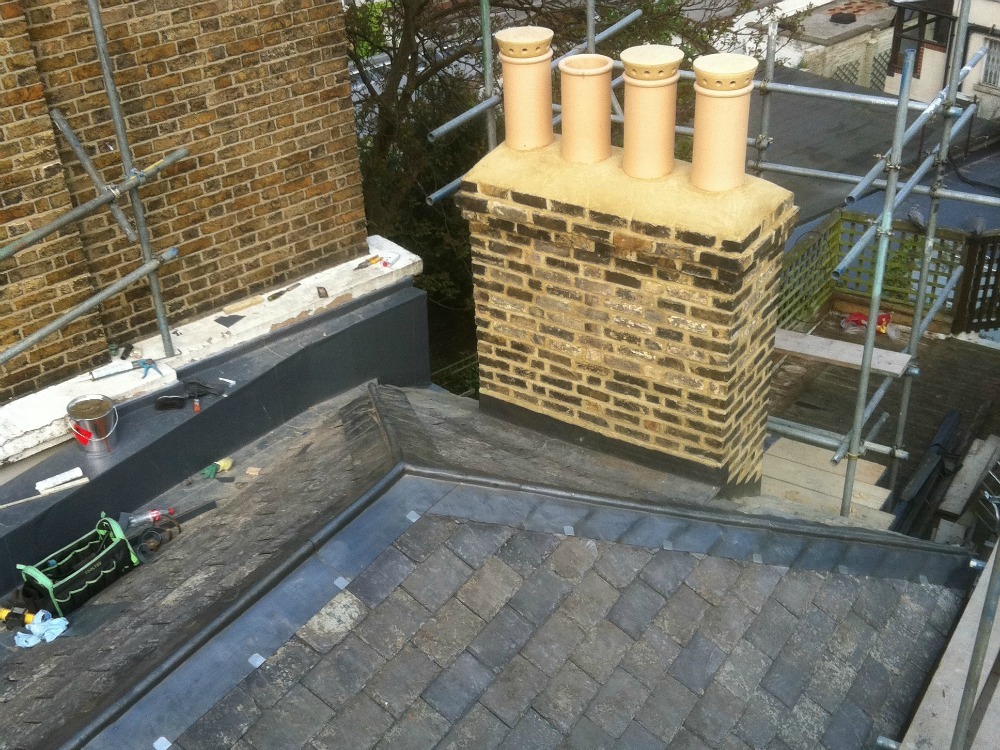
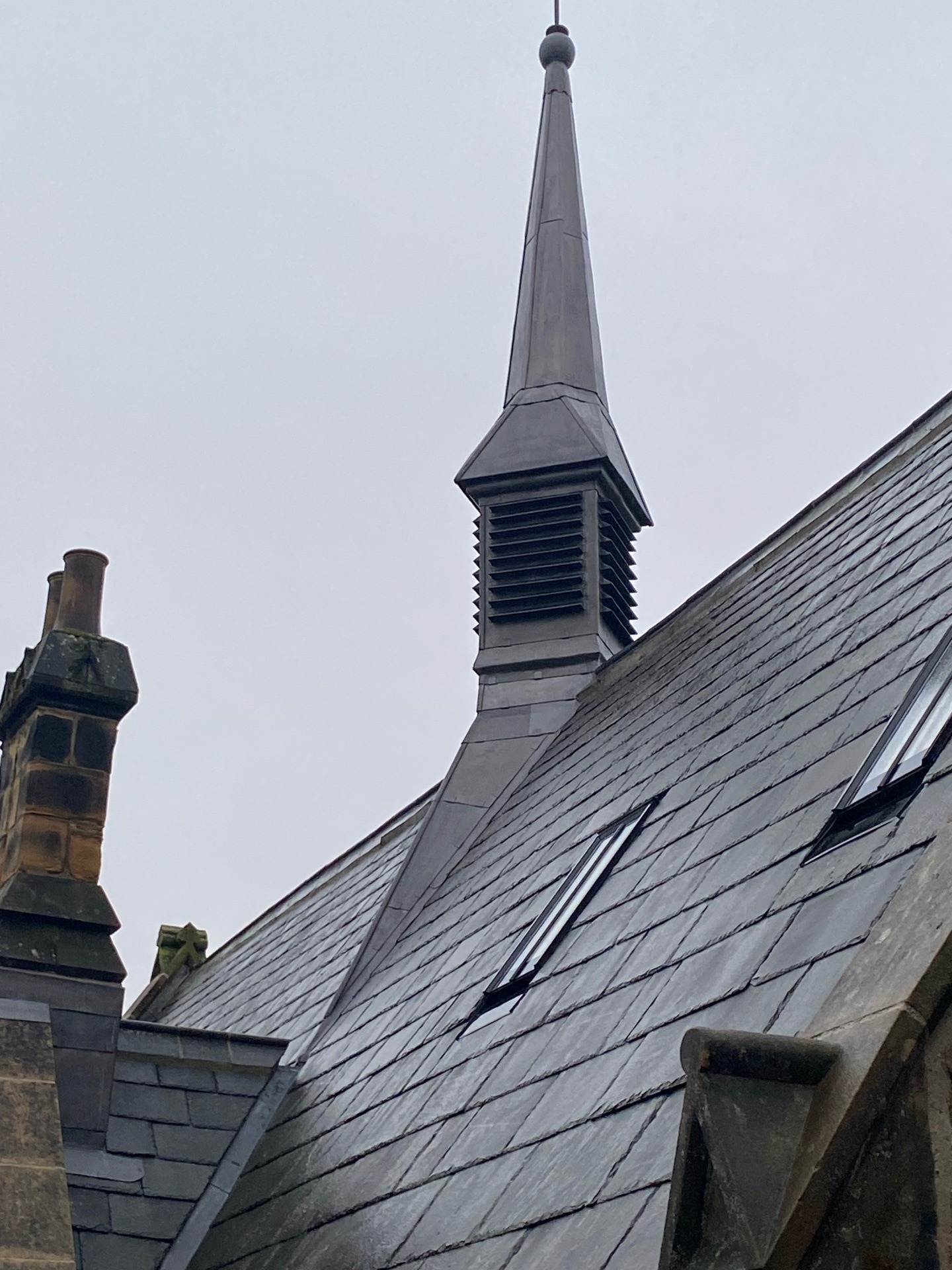
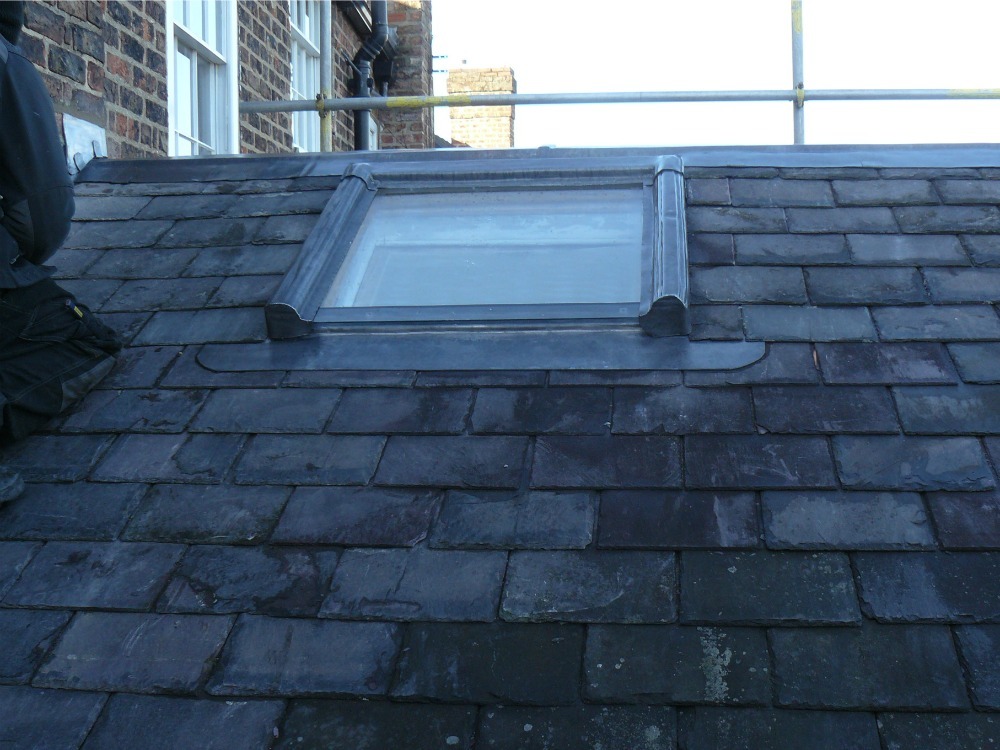
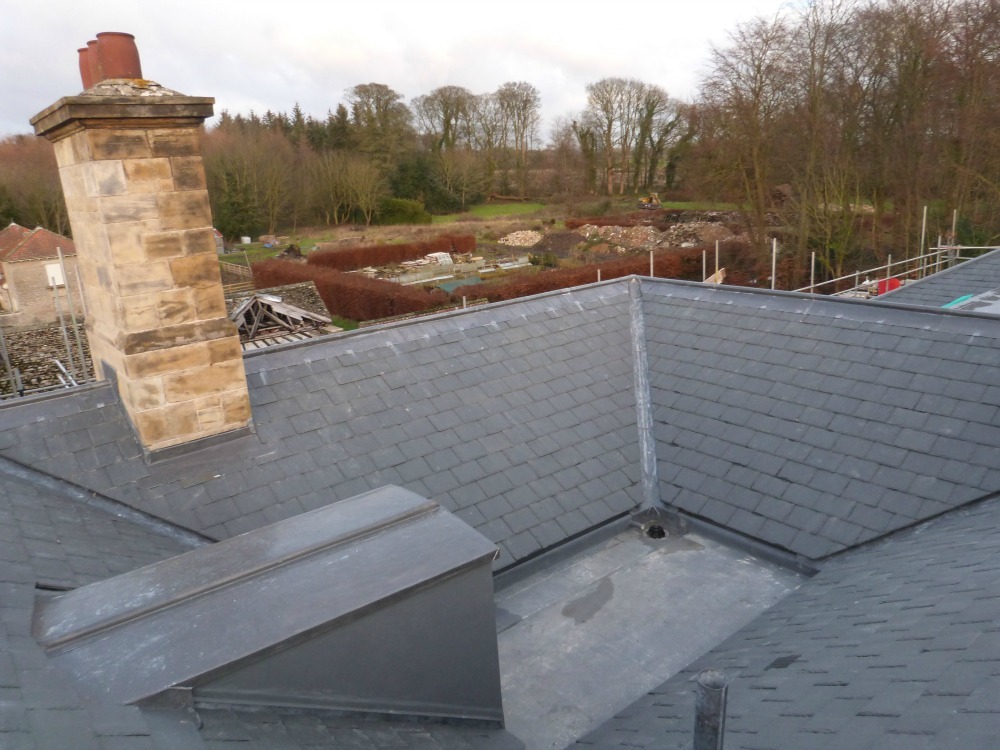
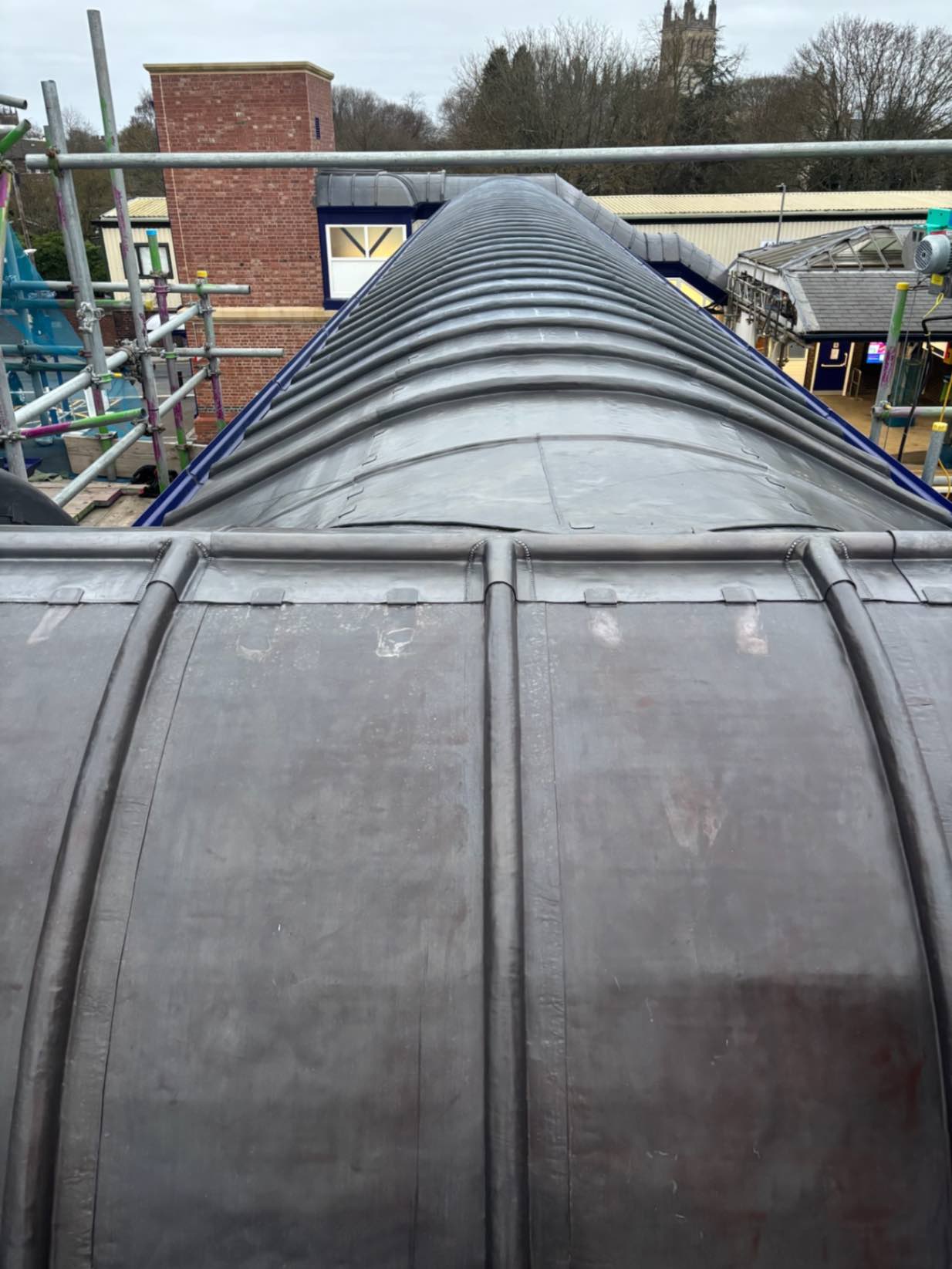
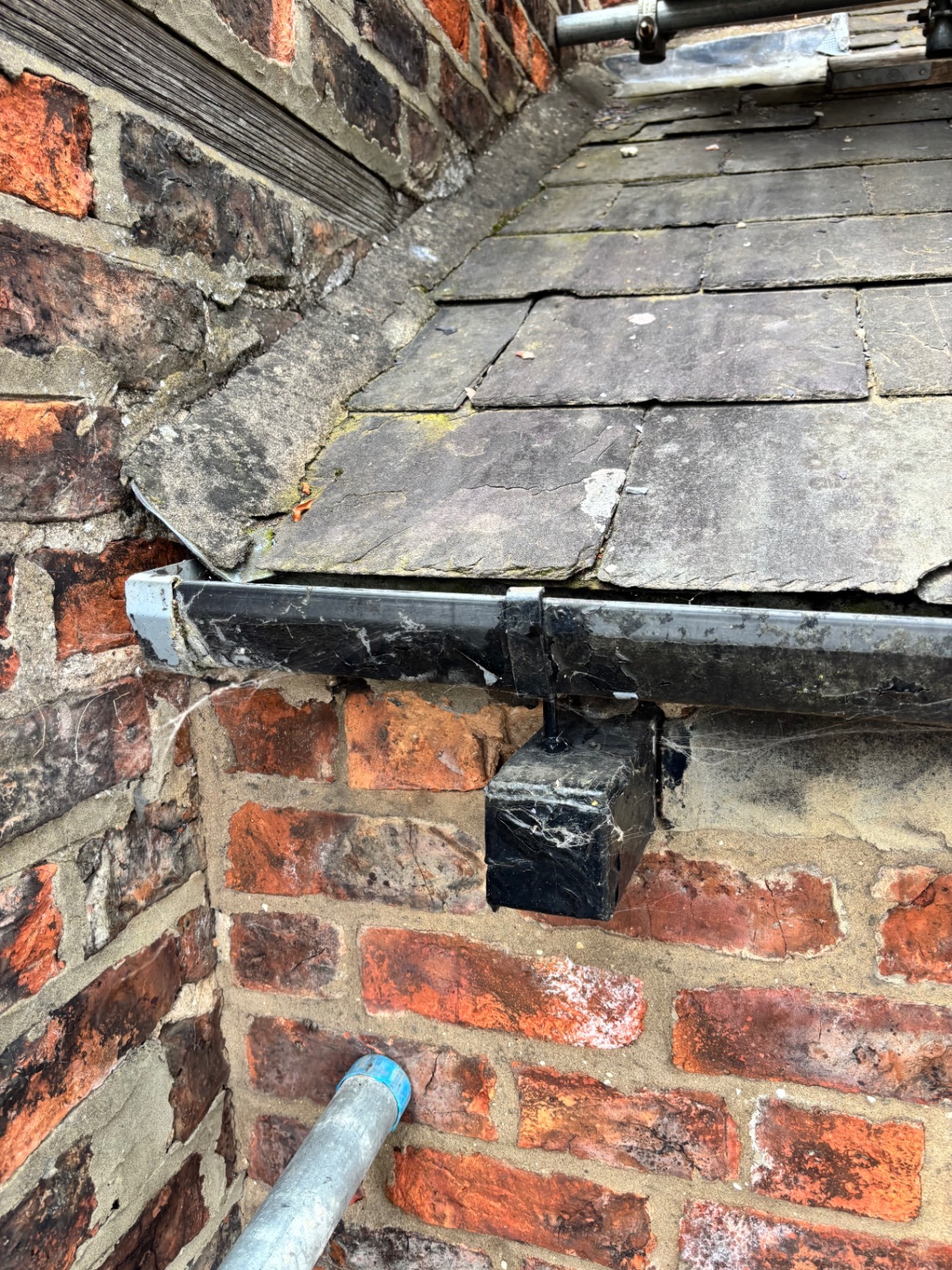
Tiled roofs are only as weather‑tight as their flashings and abutments. We carry out all associated leadwork—valleys, step flashings, soakers and box gutters—in accordance with BS 6915. Correct detailing eliminates water ingress and preserves the lifespan of both tile and structure.
Quality starts with materials. We source primarily from market‑leading British and European clay specialists, including:
These partnerships allow us to match almost any regional style, colour blend or technical requirement while maintaining reliable lead times.
| New Roof Tiles | Reclaimed Roof Tiles | |
| Pros | Full manufacturer warranty, wider colour/formats, lighter weights, compliant nibs & holes, predictable performance | Authentic patina, environmentally friendly reuse, excellent match for extensions & repairs |
| Cons | Less immediate weathering character, higher embodied energy | Supply variability, limited batch sizes, careful sorting & grading required |
We are happy to source carefully selected reclaimed tiles where appropriate, ensuring they meet BS 5534 performance criteria once installed for strength and permeability.
Sourcing reclaimed roof tiles can be done by visiting The Reclaimed Company ®.
Beyond tiling, we can integrate ridge ventilation systems, dry‑fix accessories, insulation upgrades and guttering to deliver a turnkey roofing package. Every project is fully managed, safe and signed off.

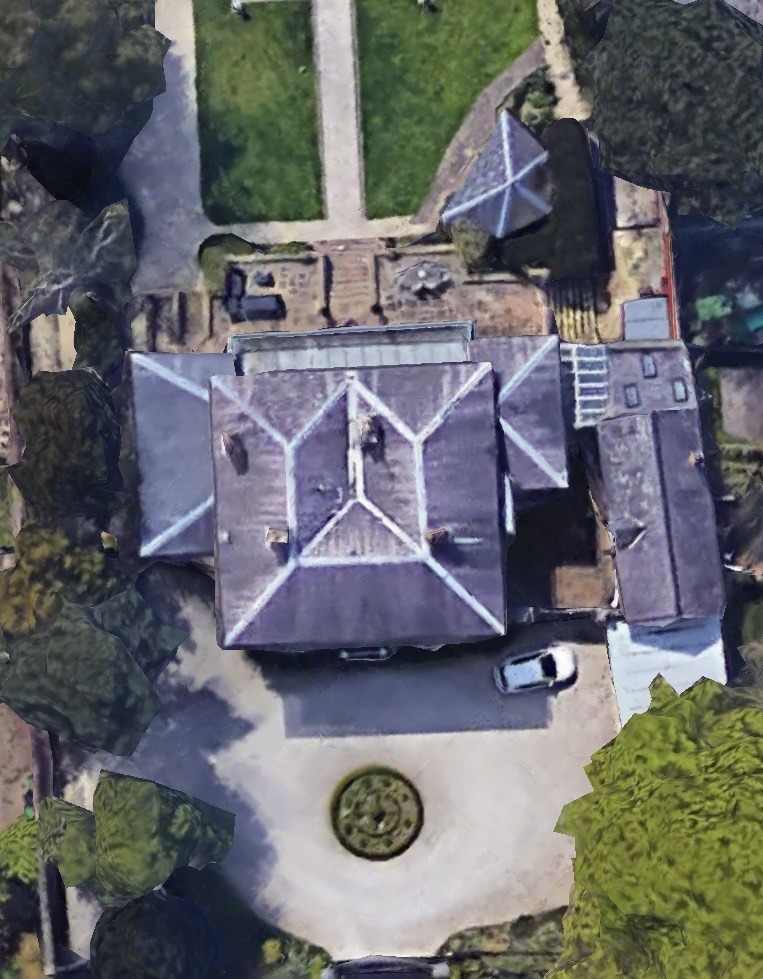
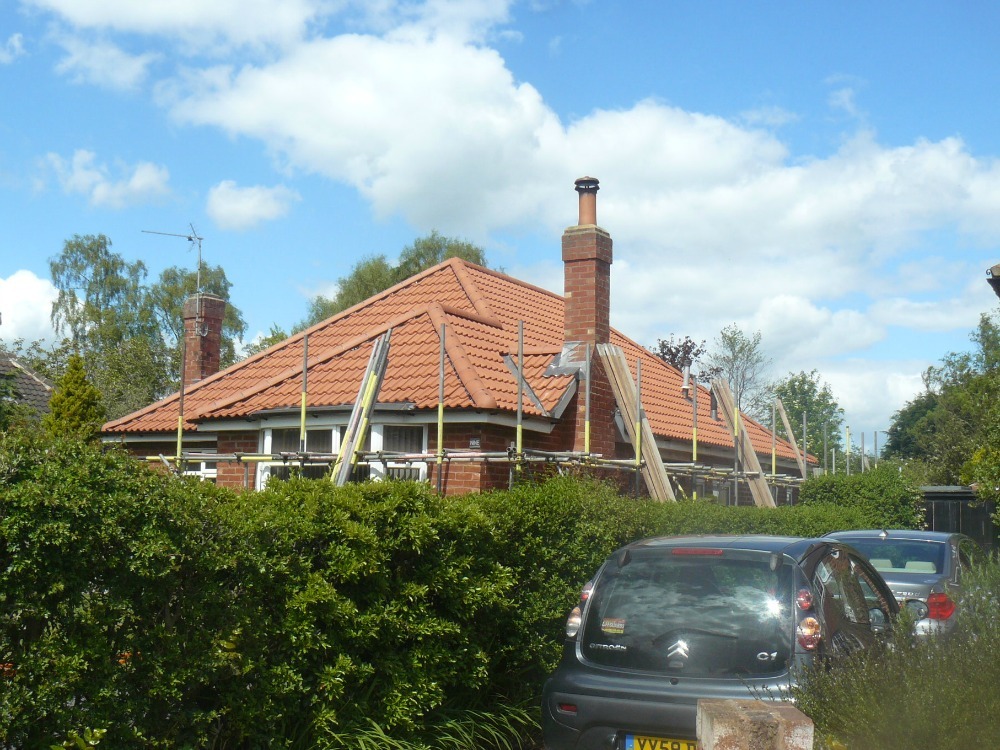
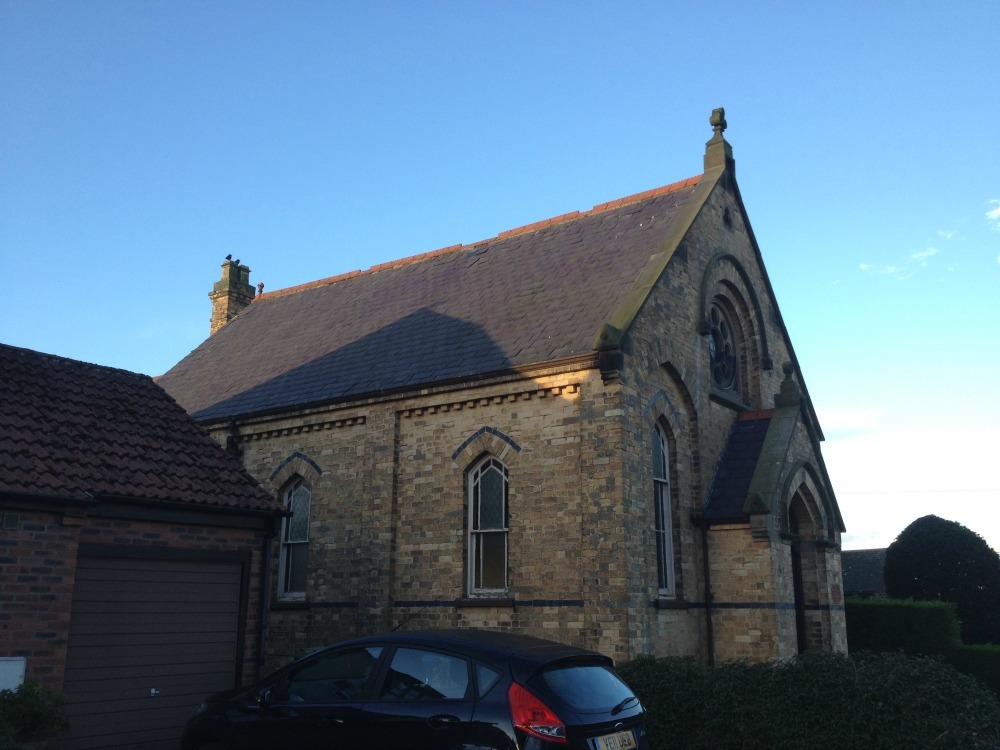
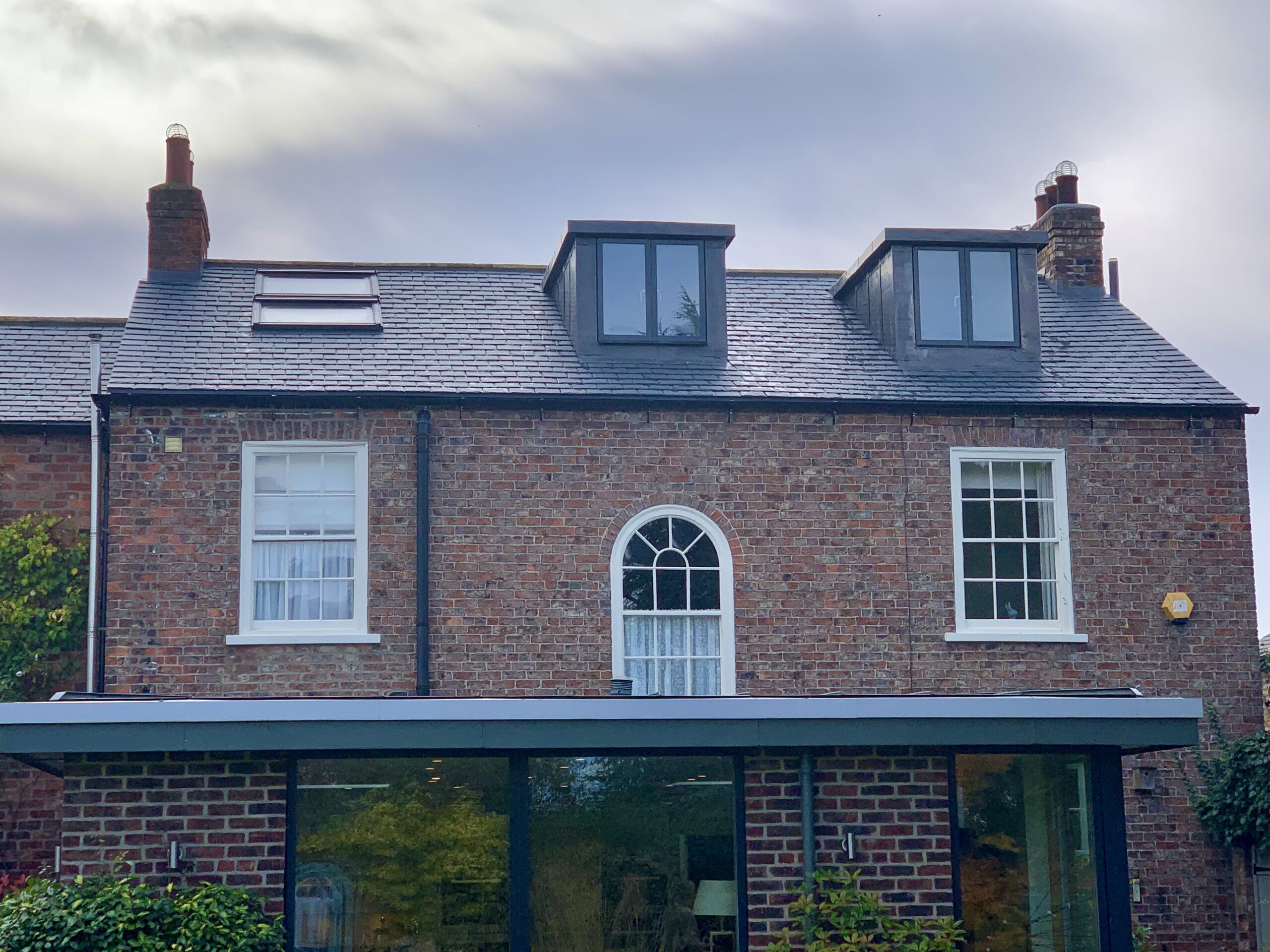
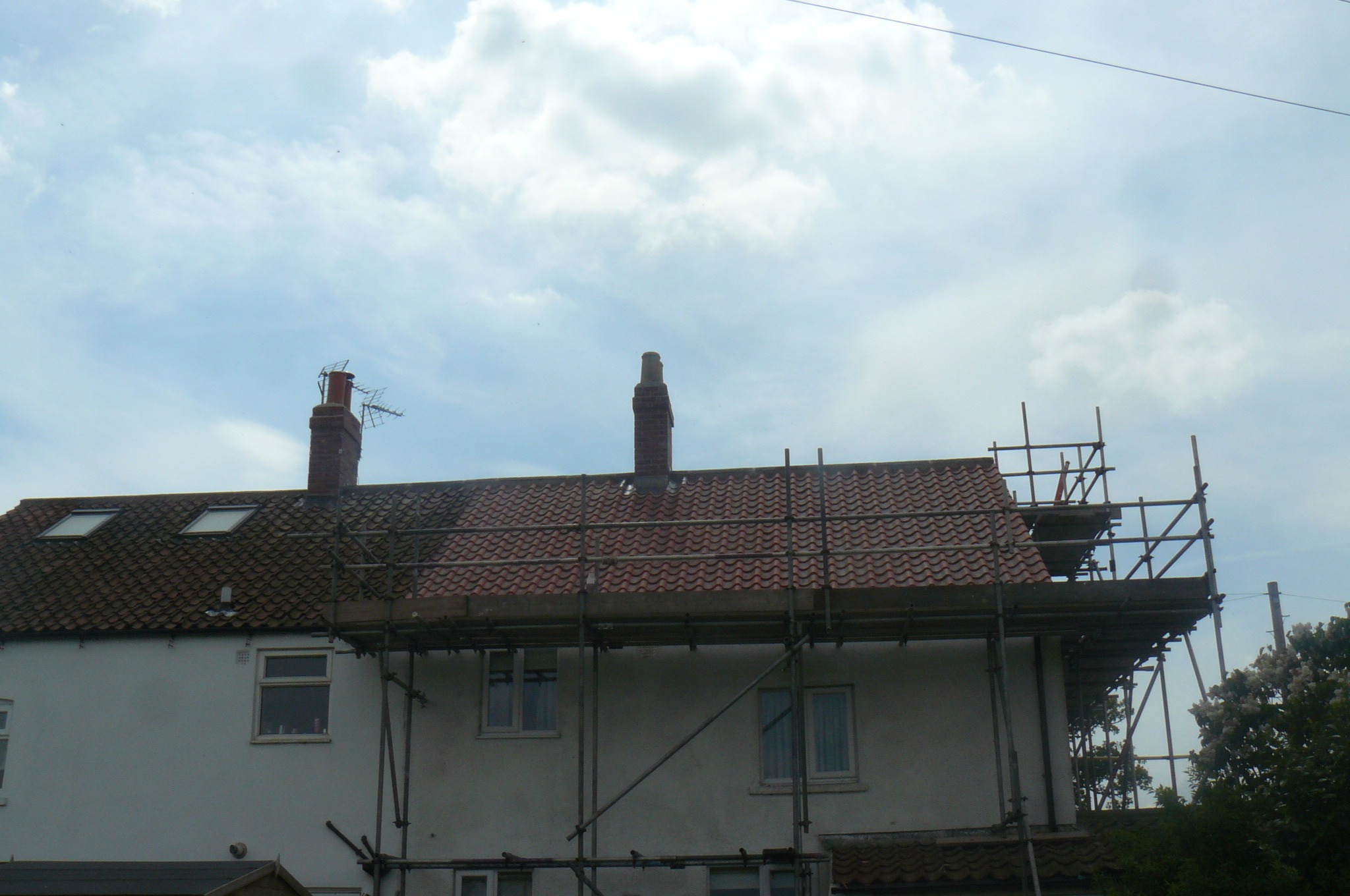
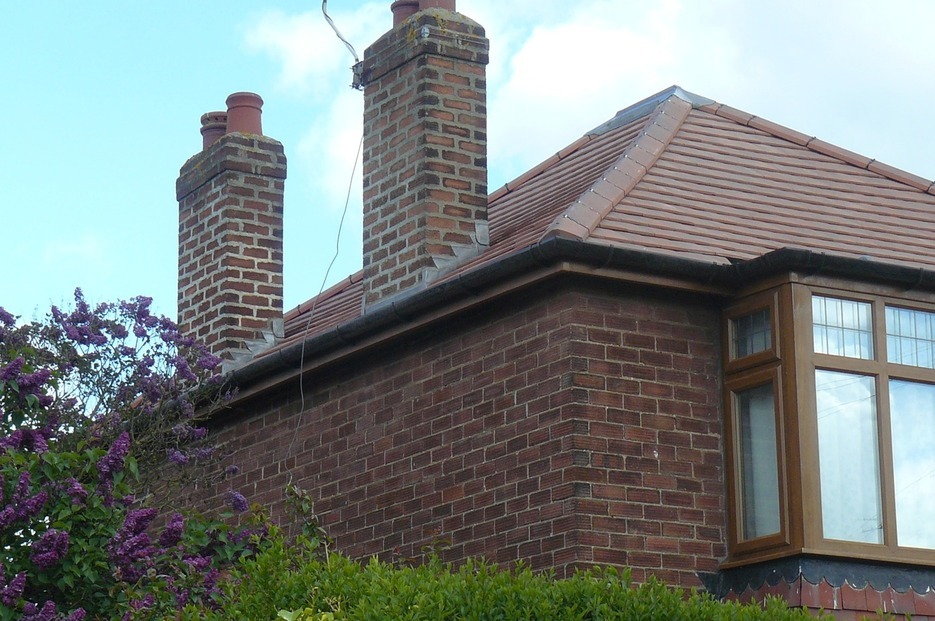
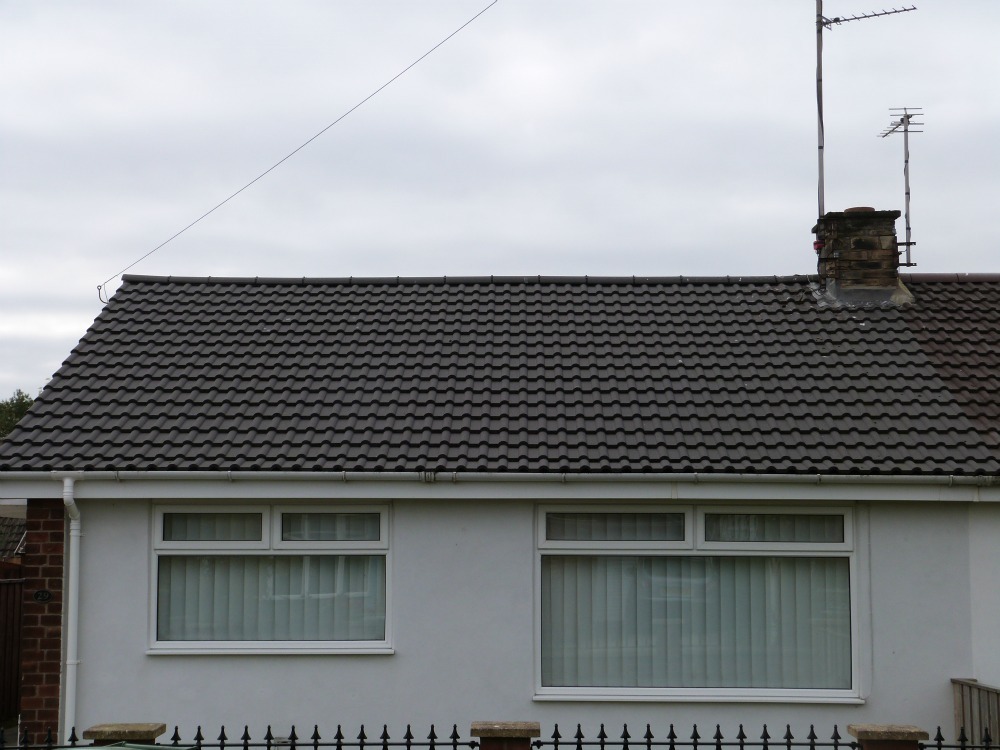
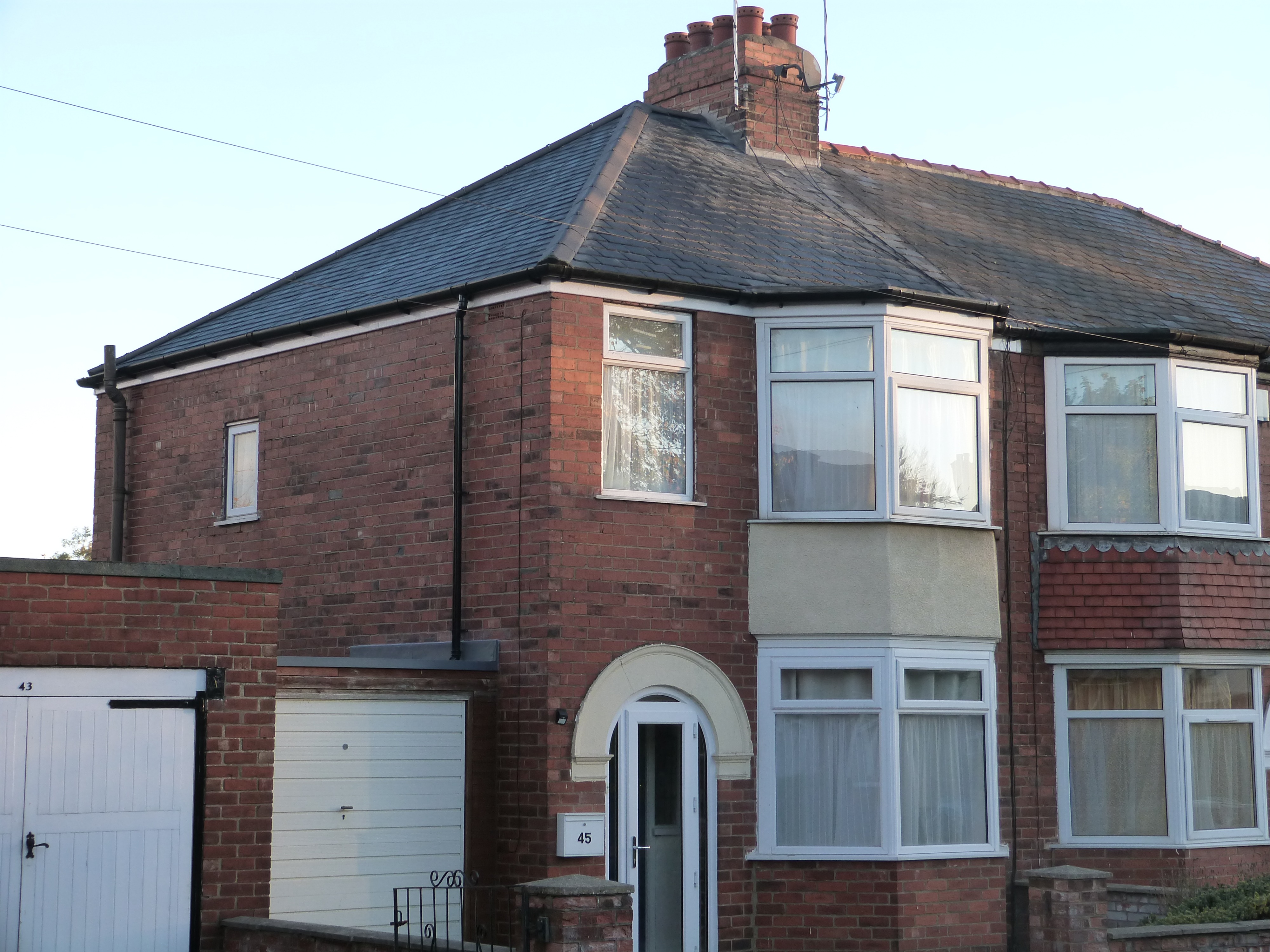
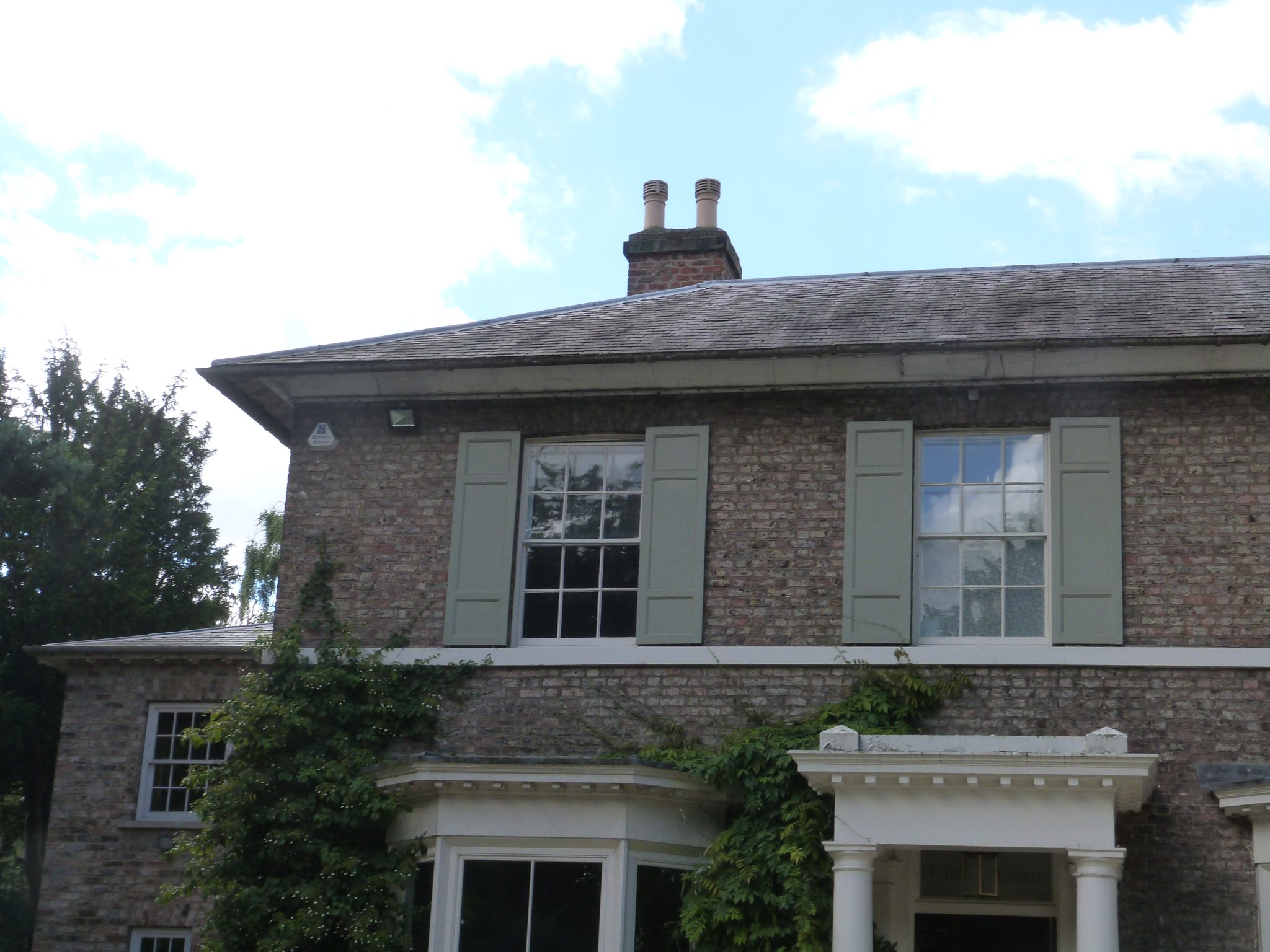
Installed to a semi-detached property.

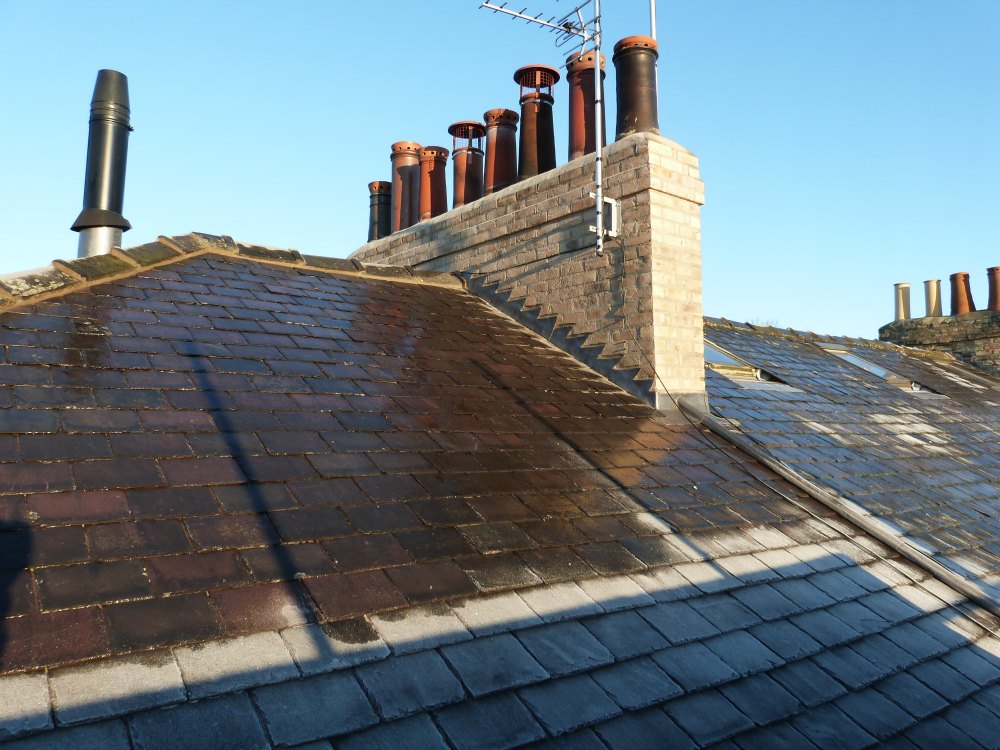
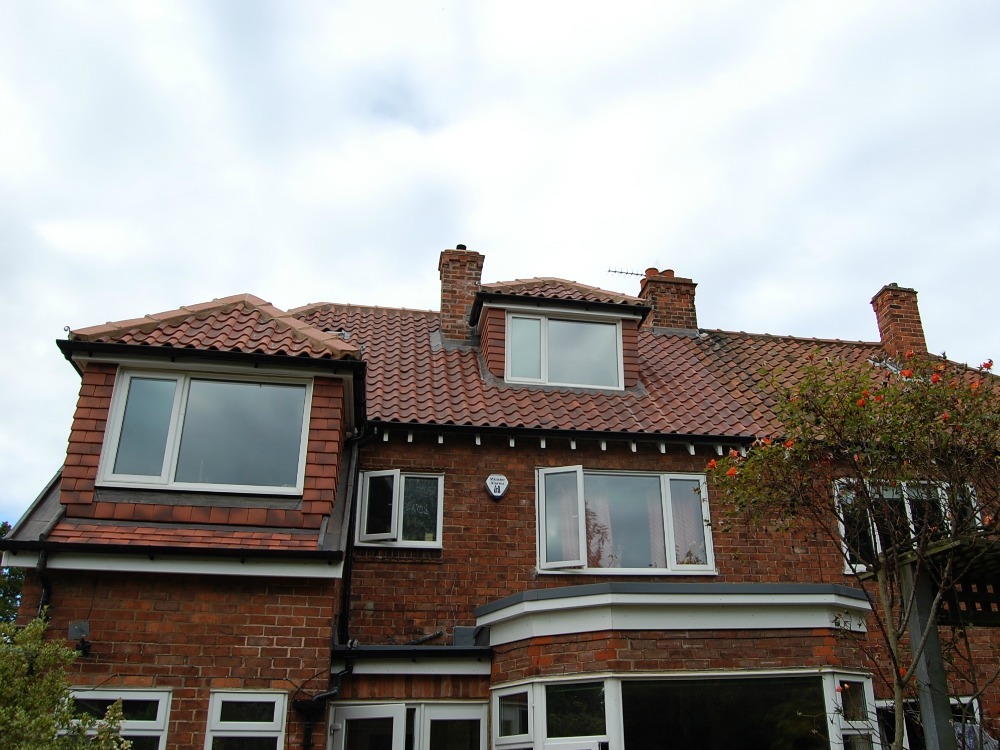
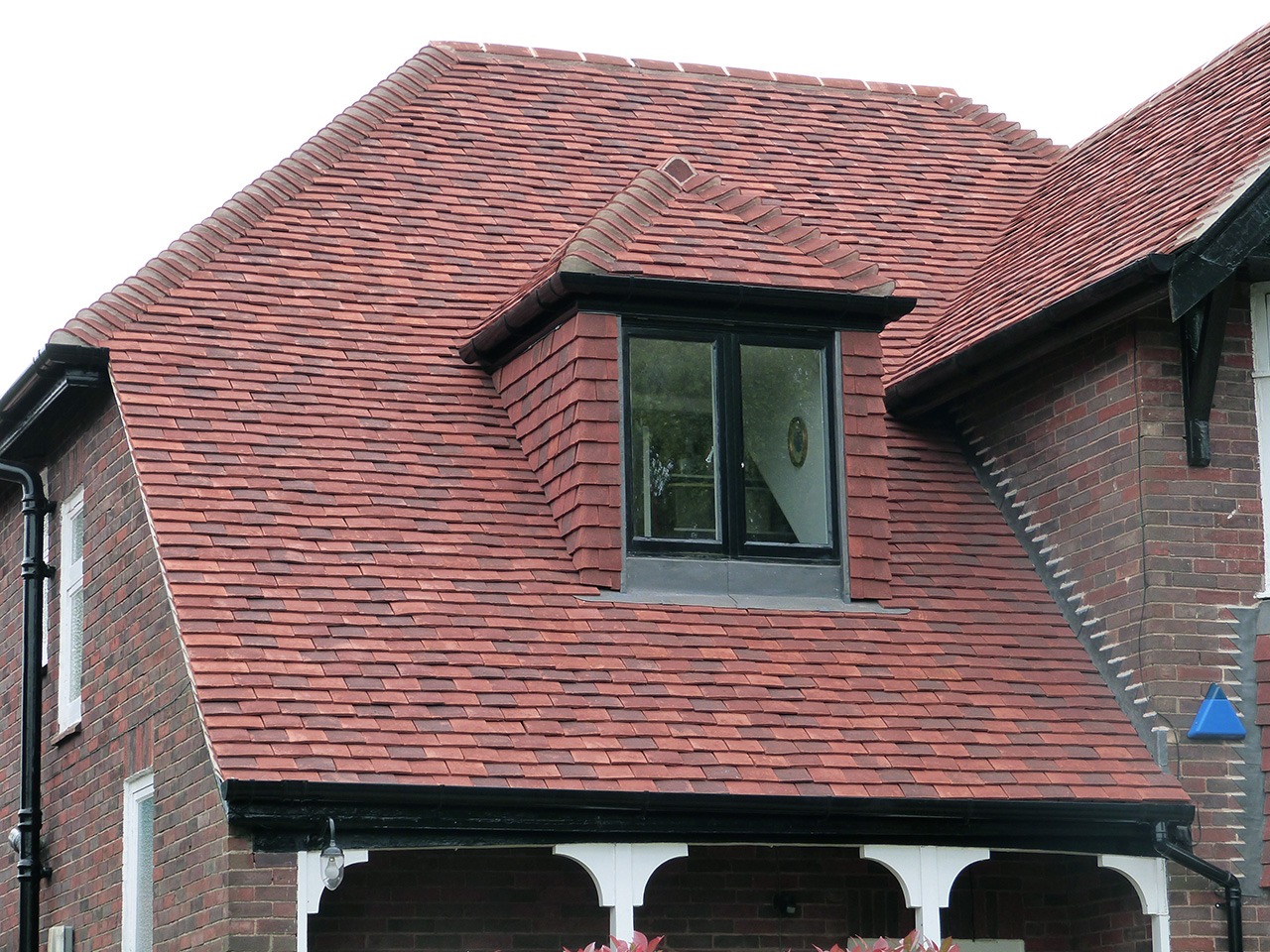
New but made to look older.

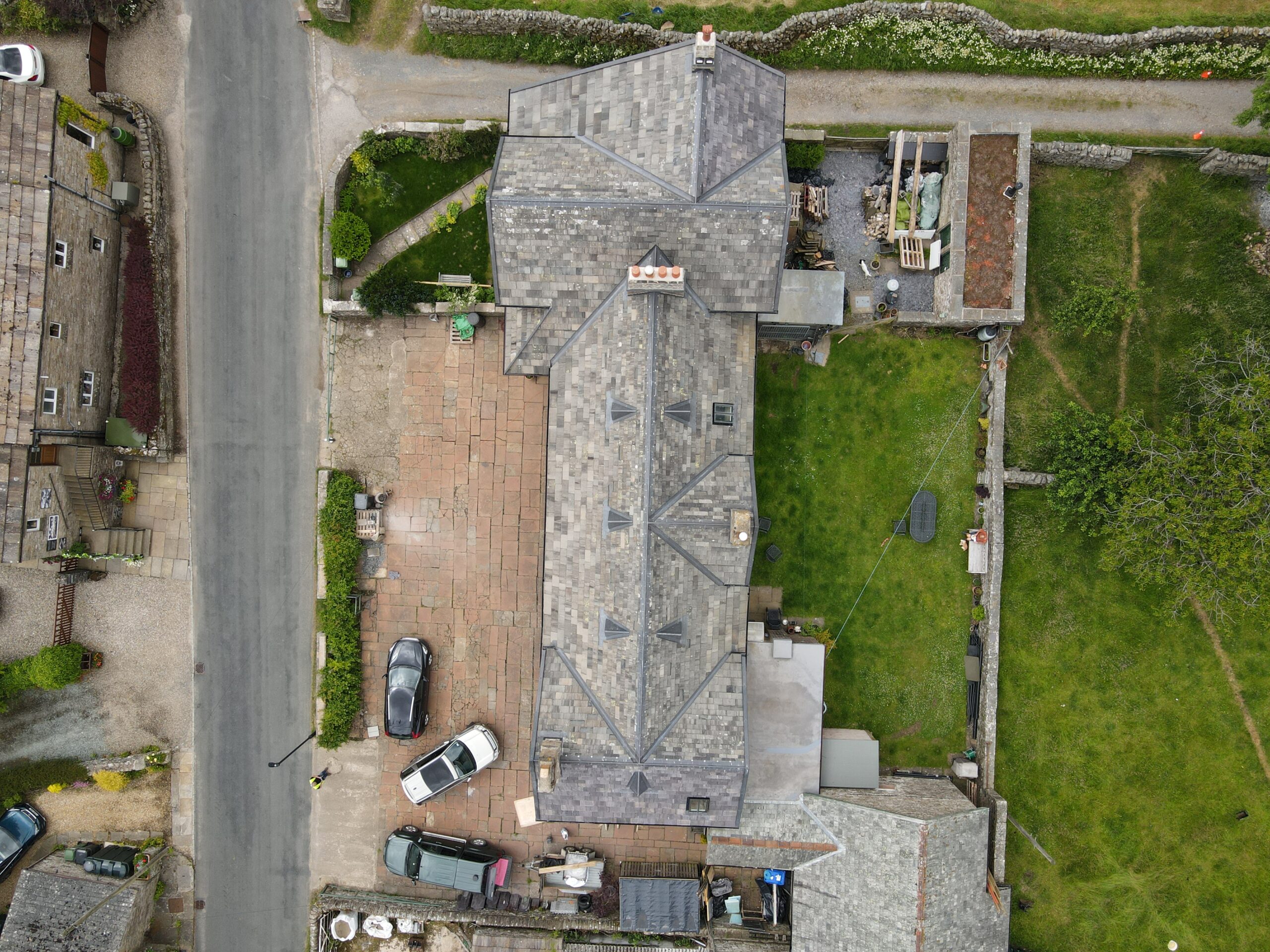
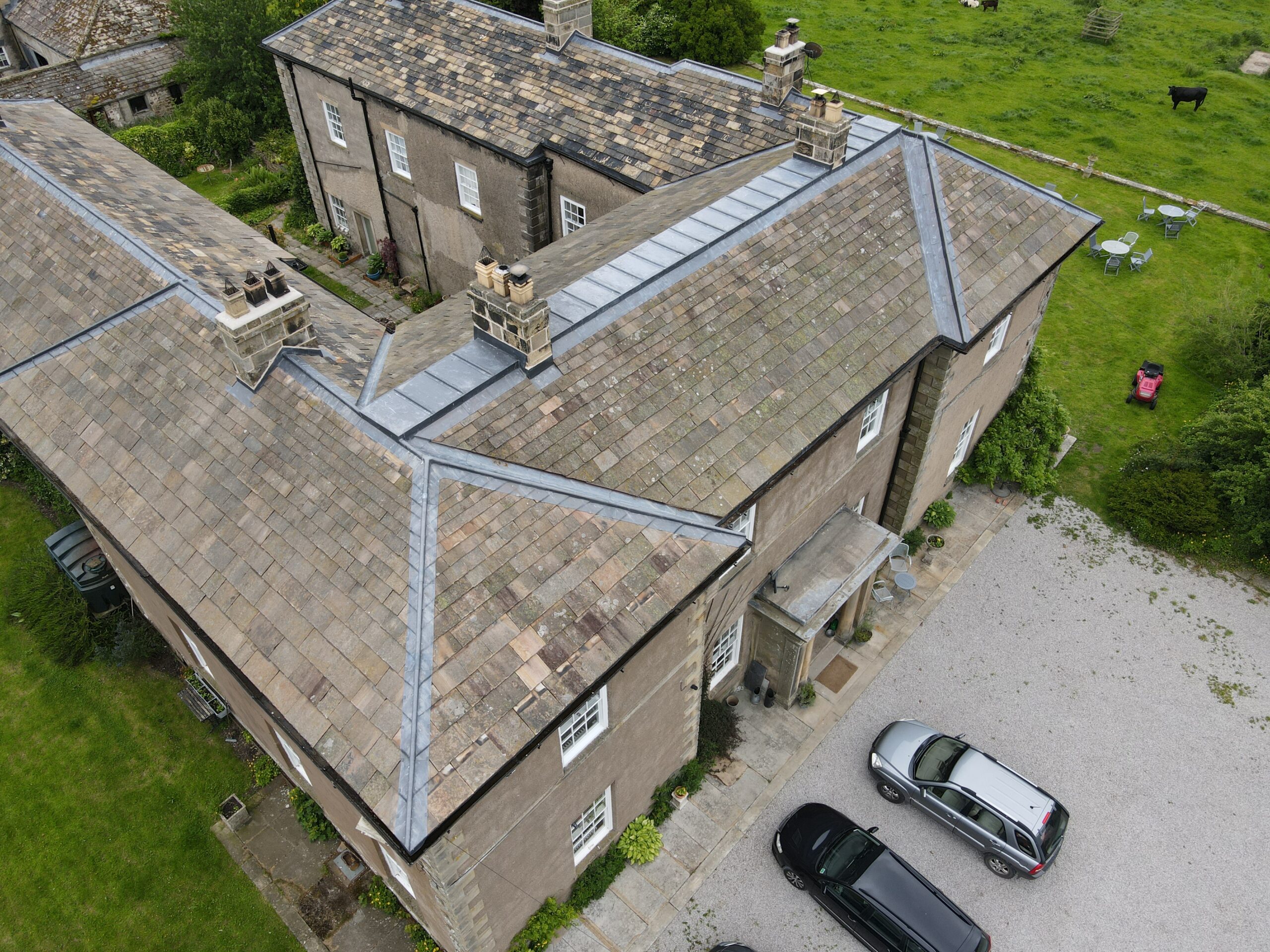
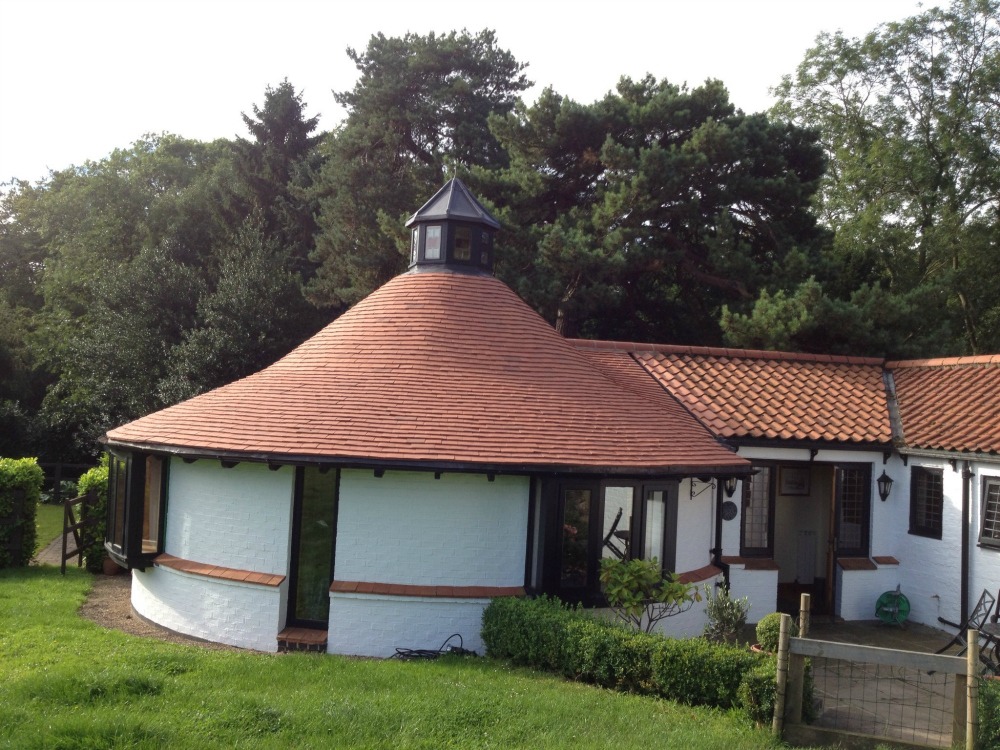
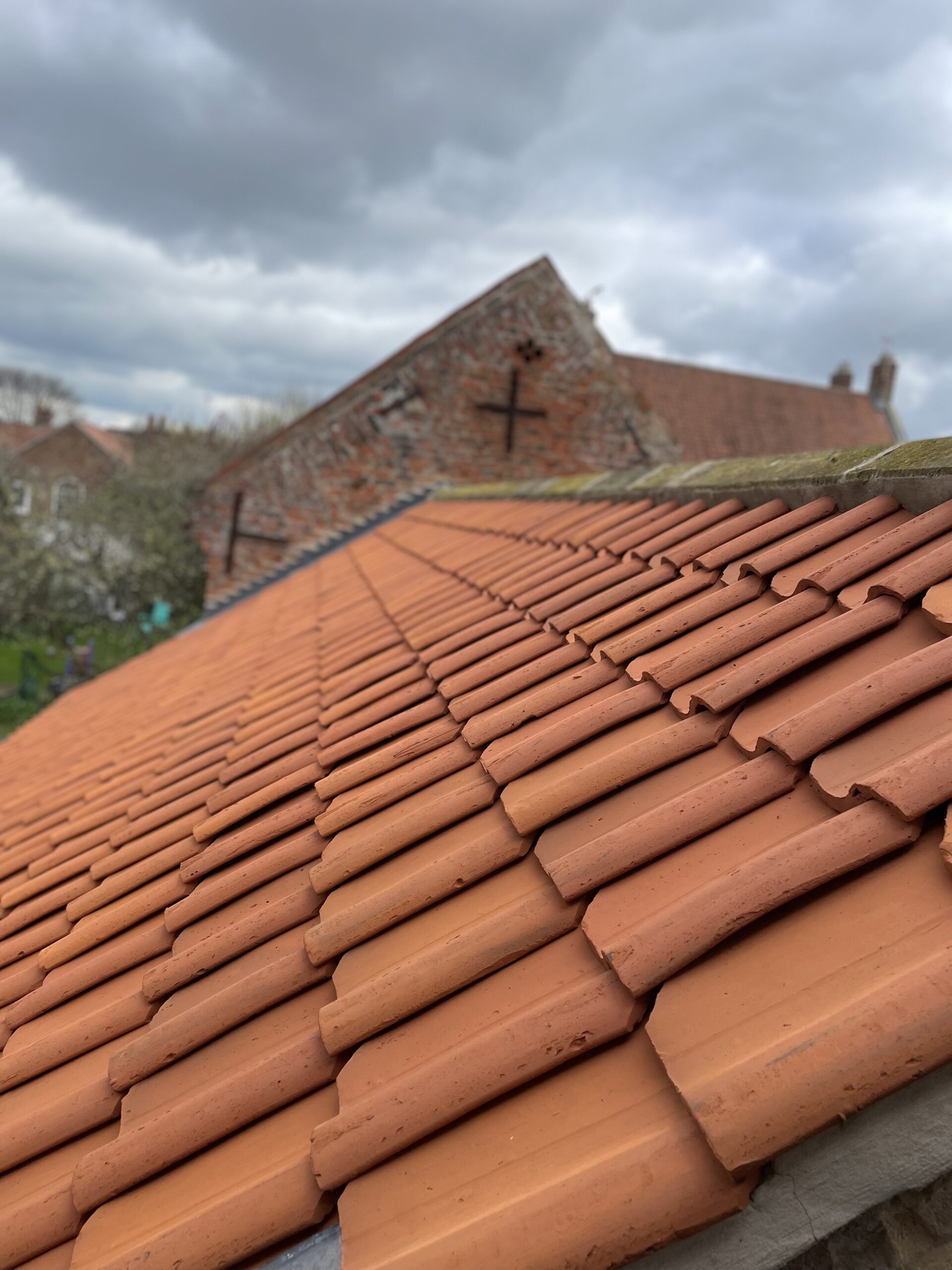
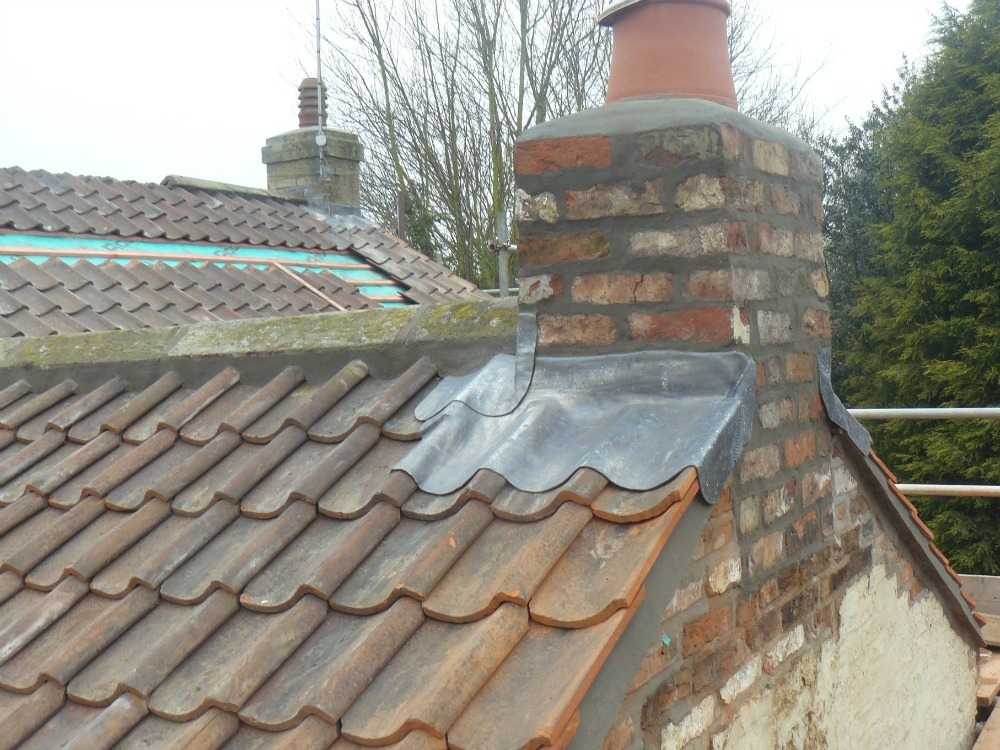
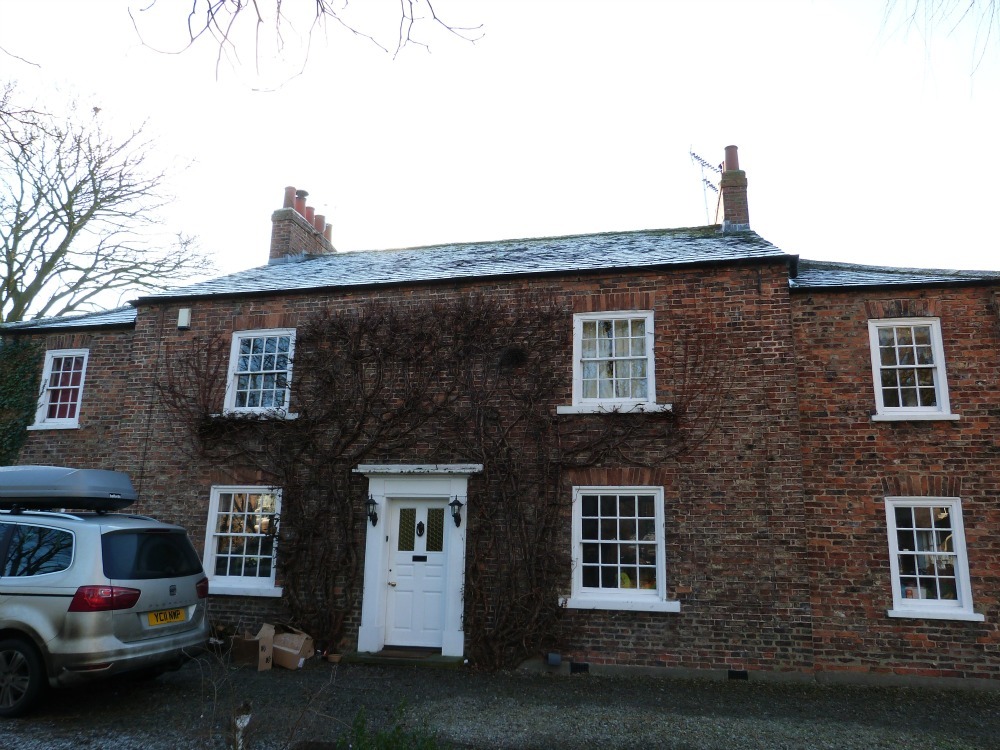
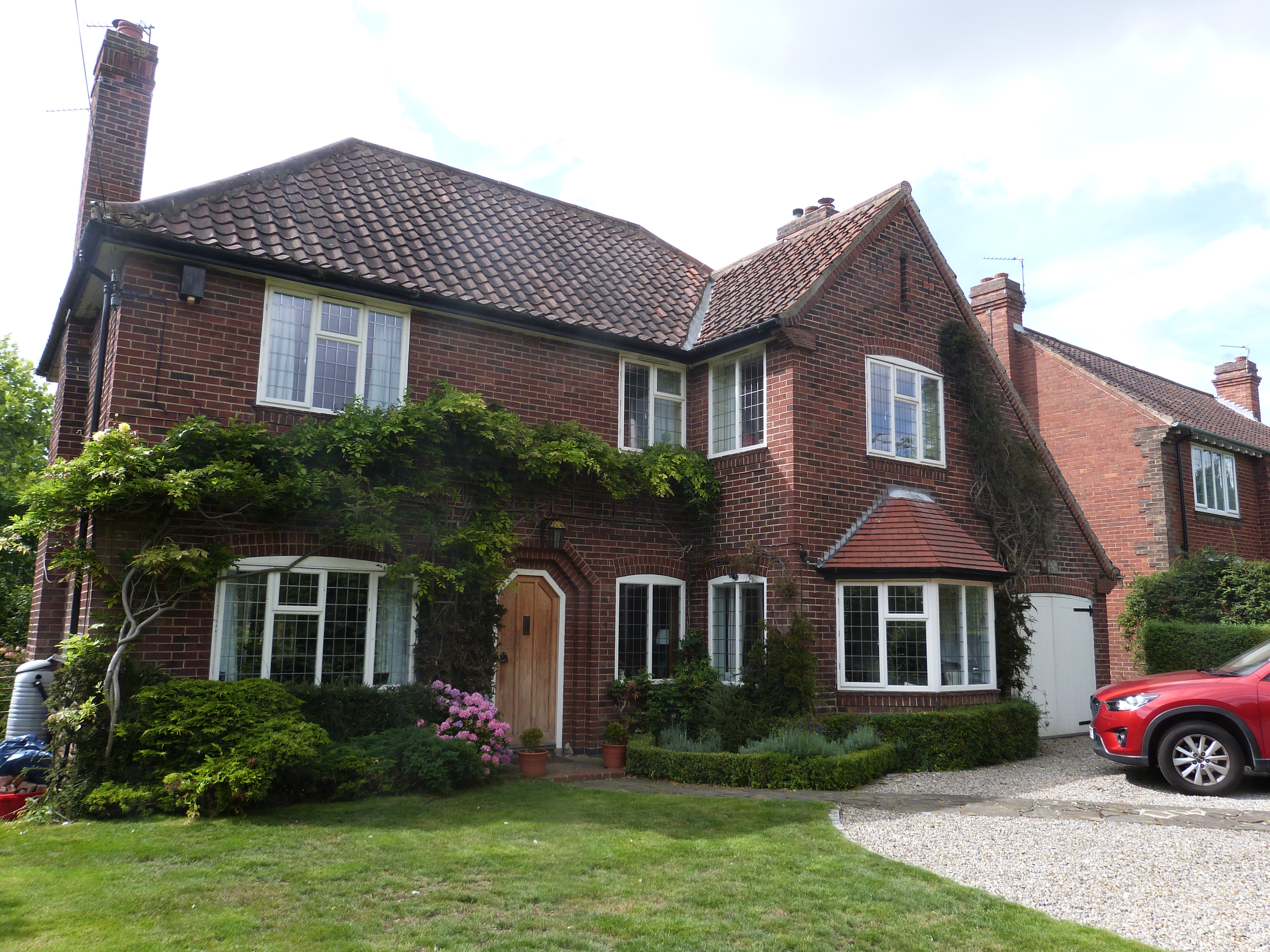
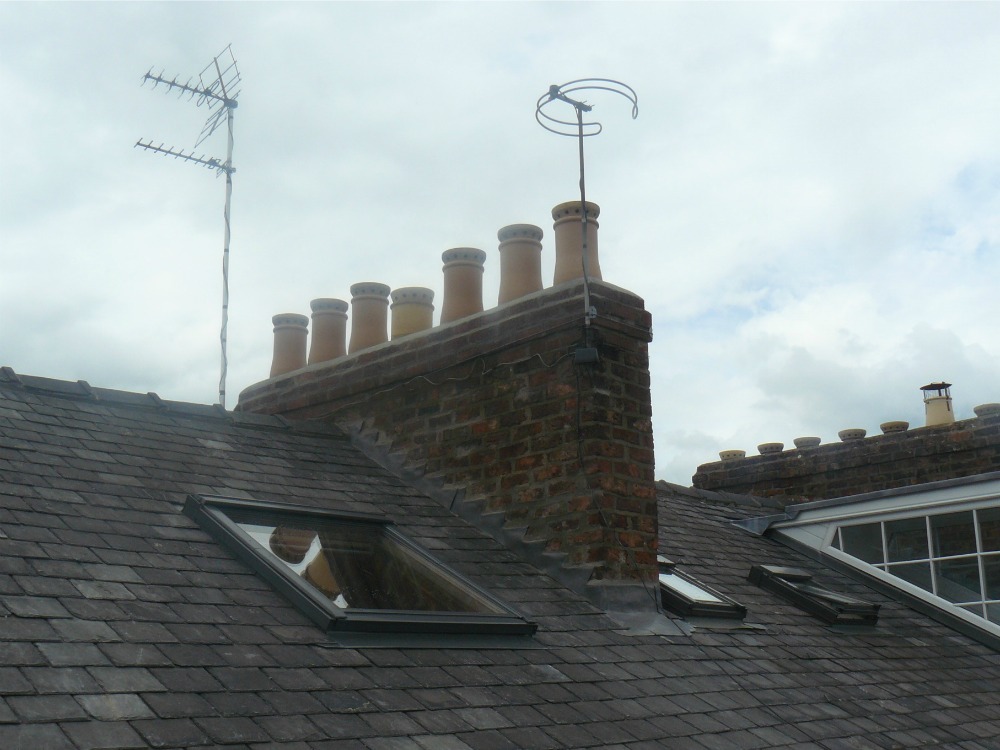
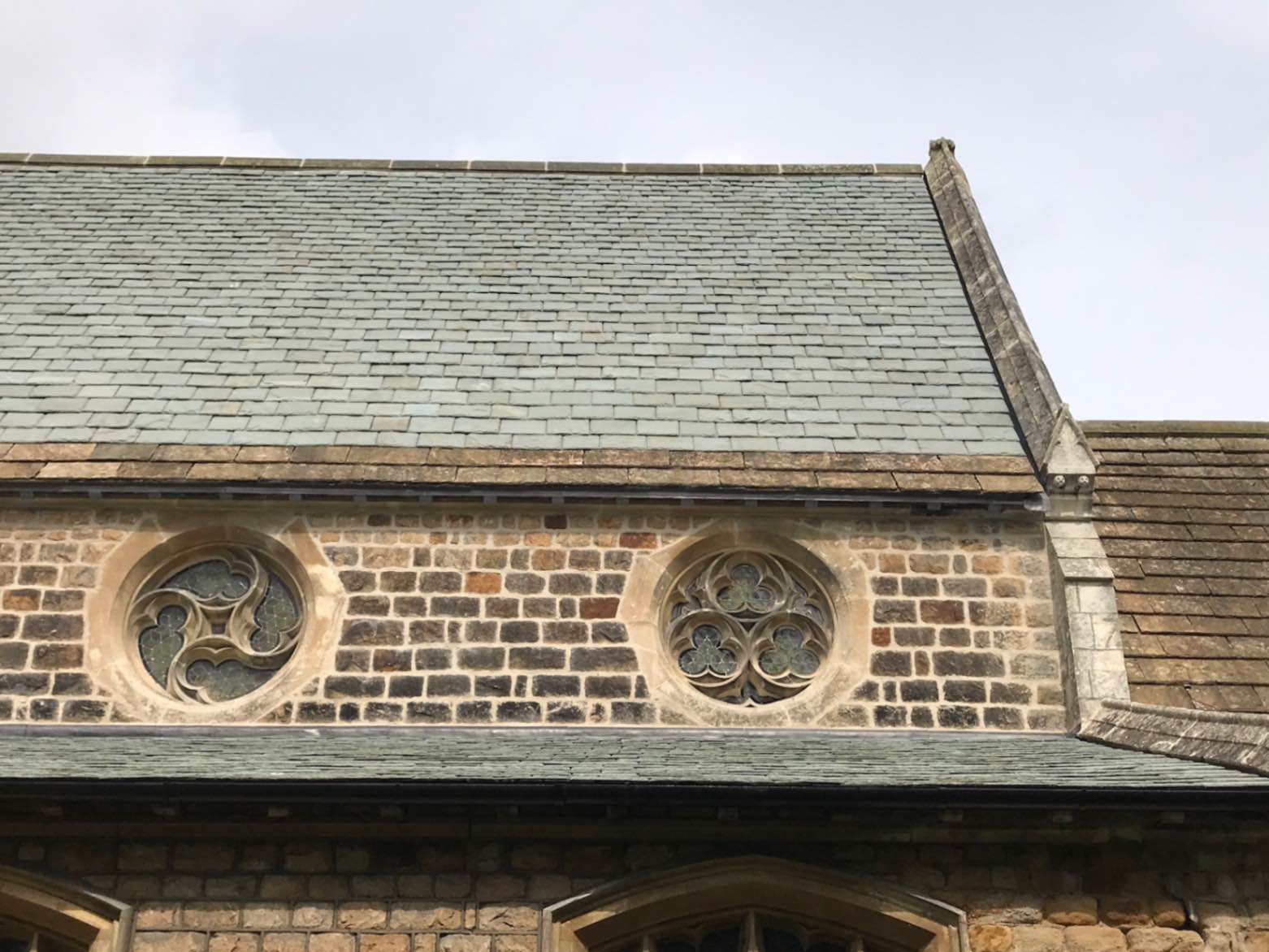
Ideal for this period farmhouse.

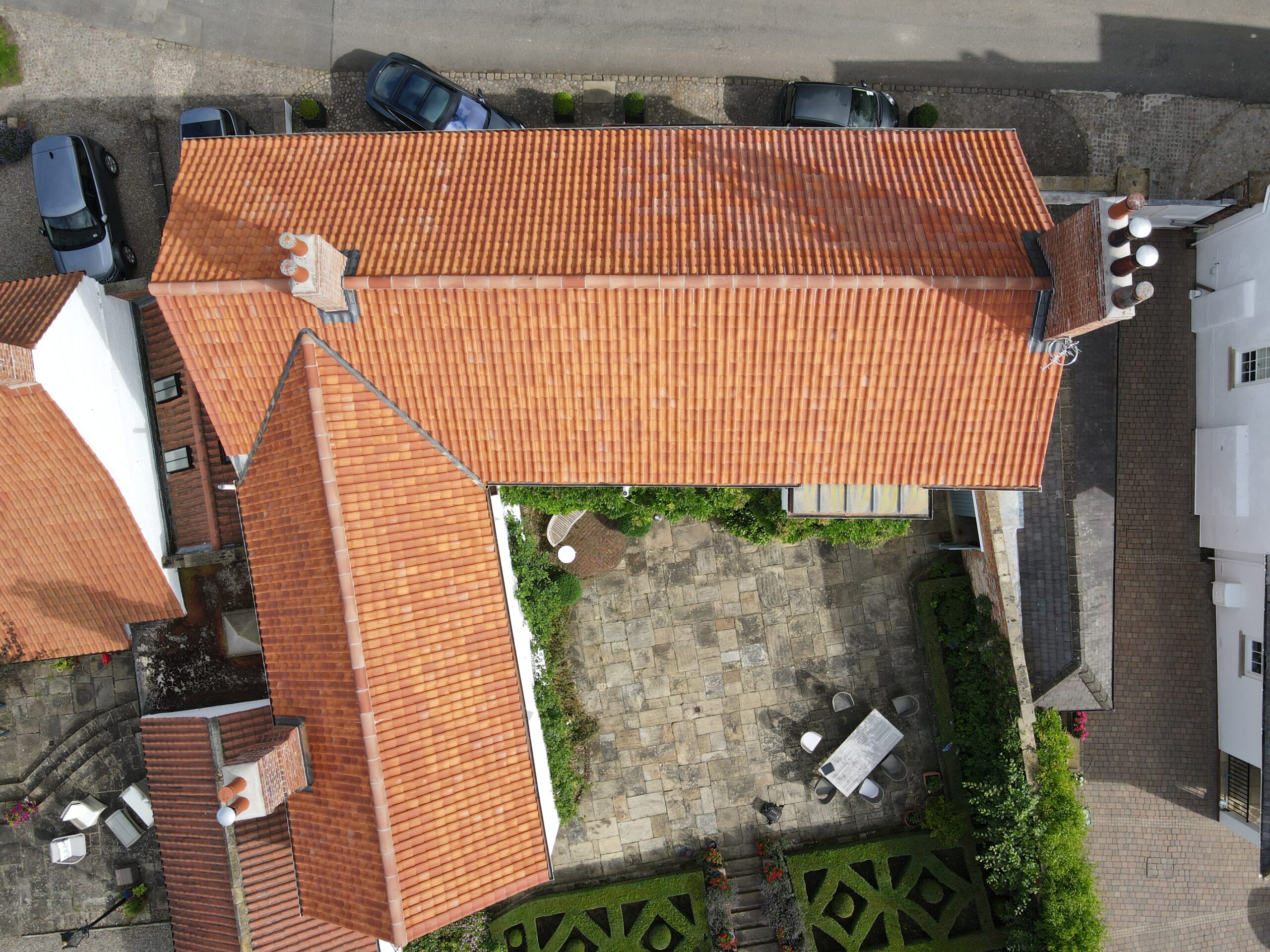
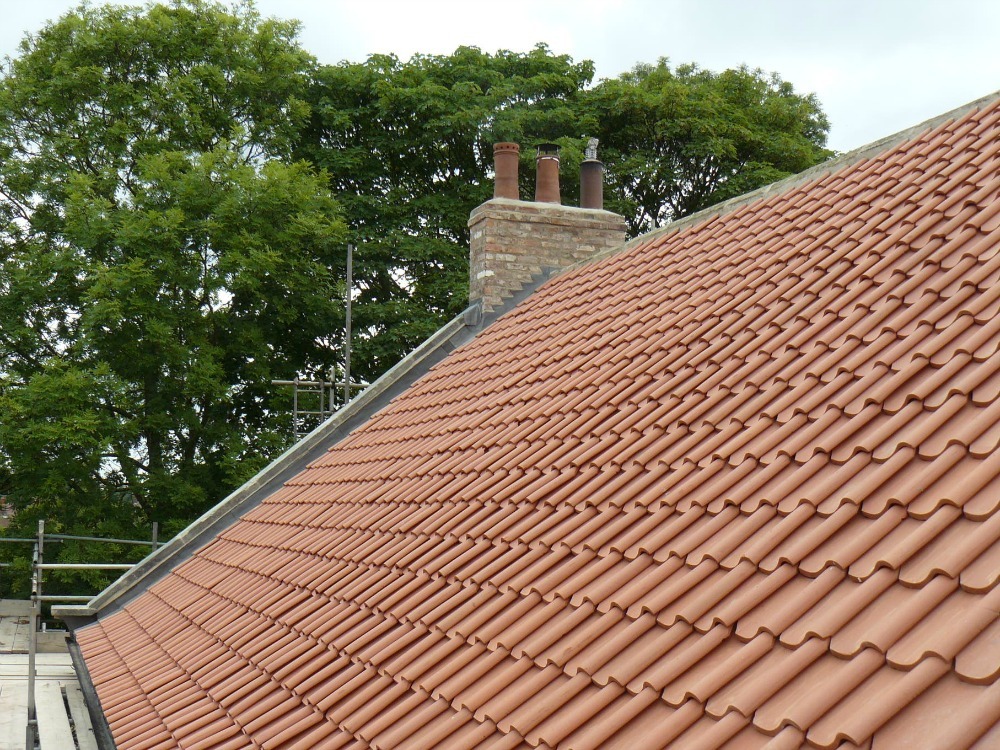
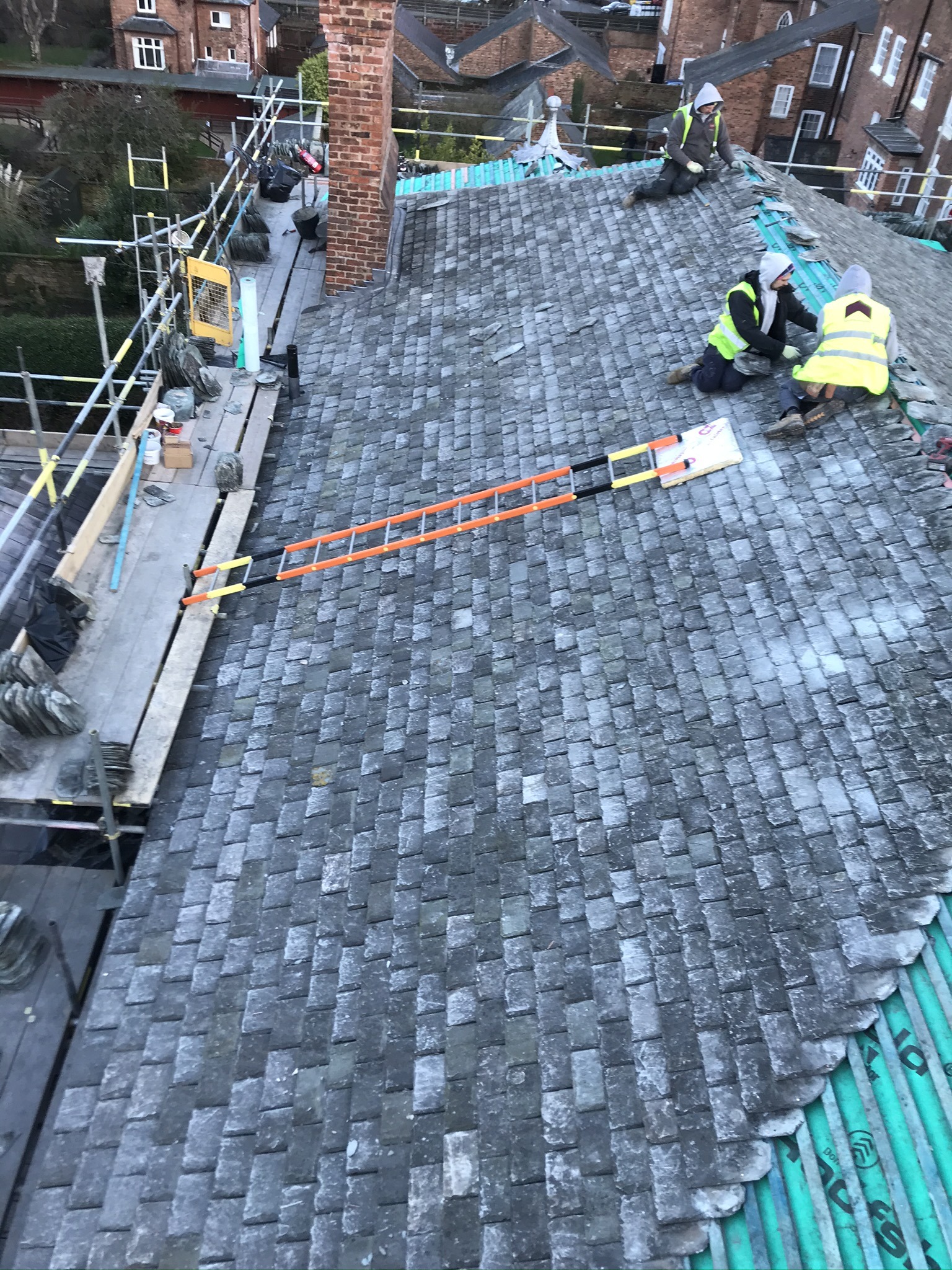
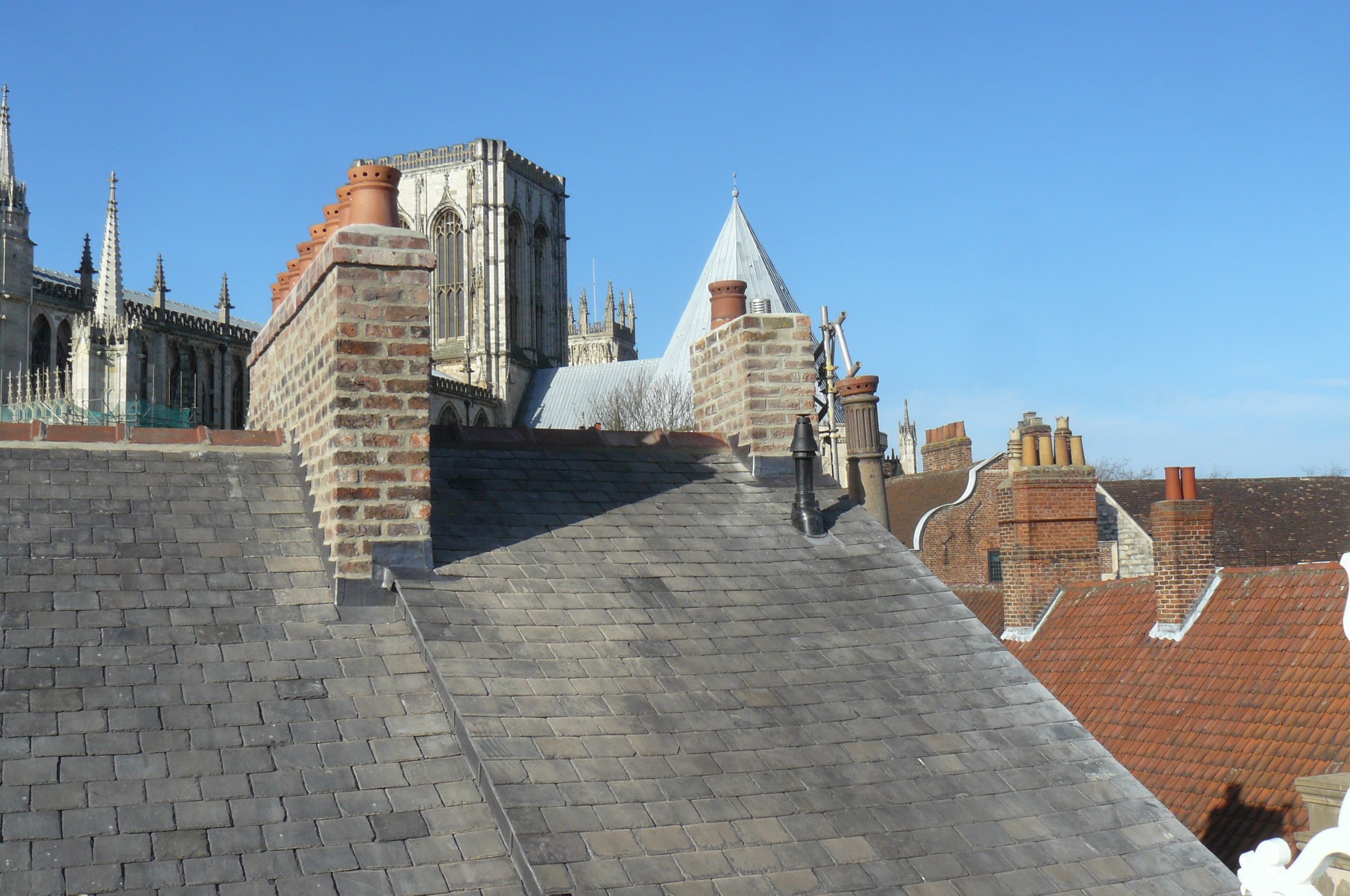
Traditional clay pantiles for period buildings.
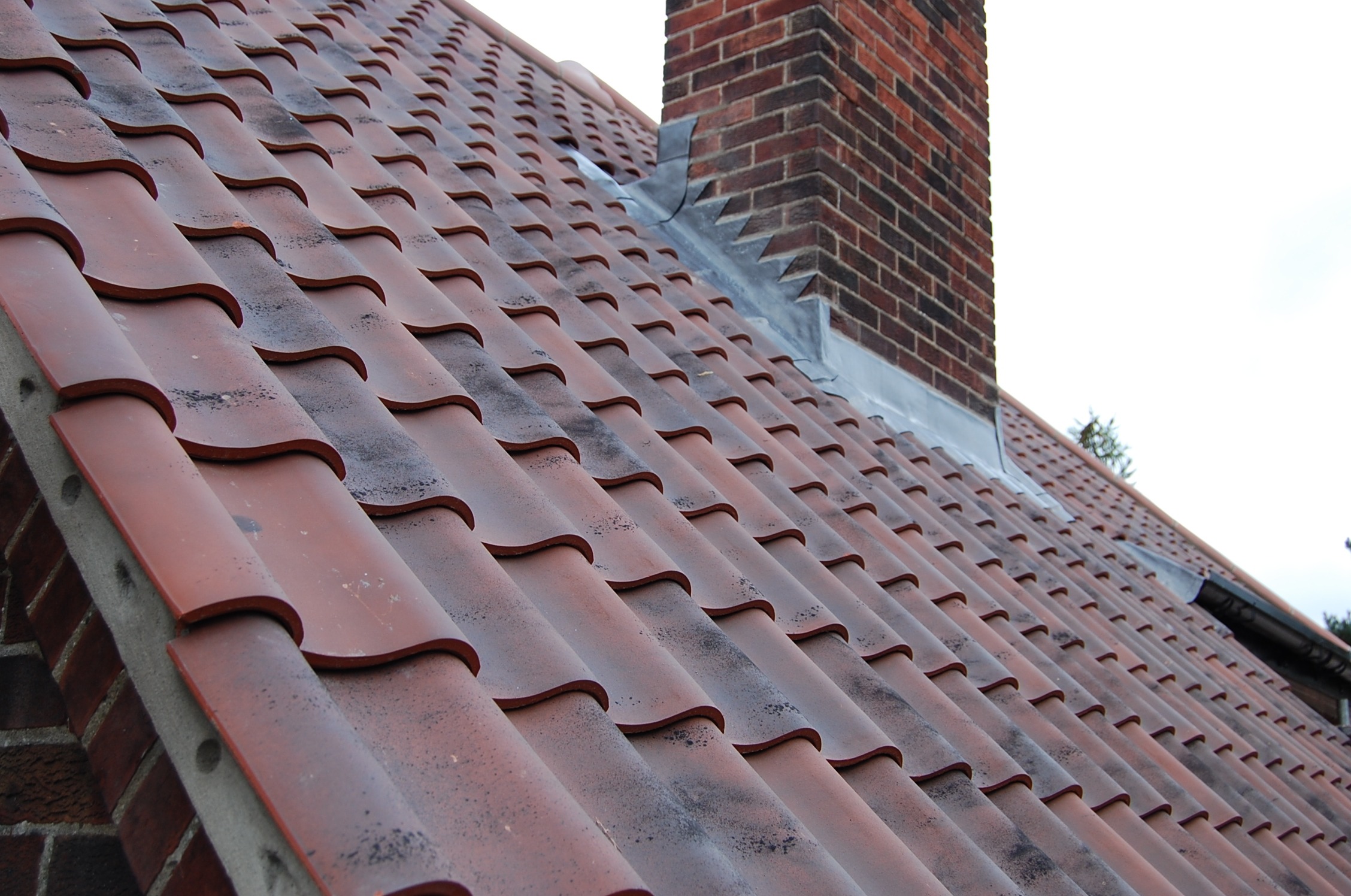
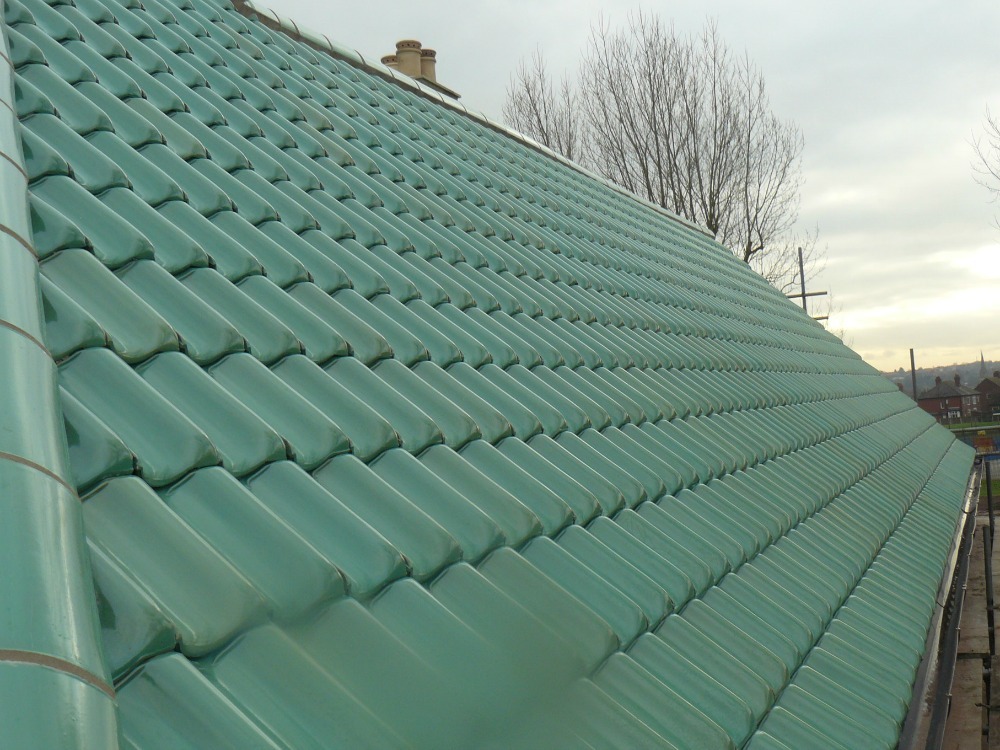
Traditional aesthetics, modern function.

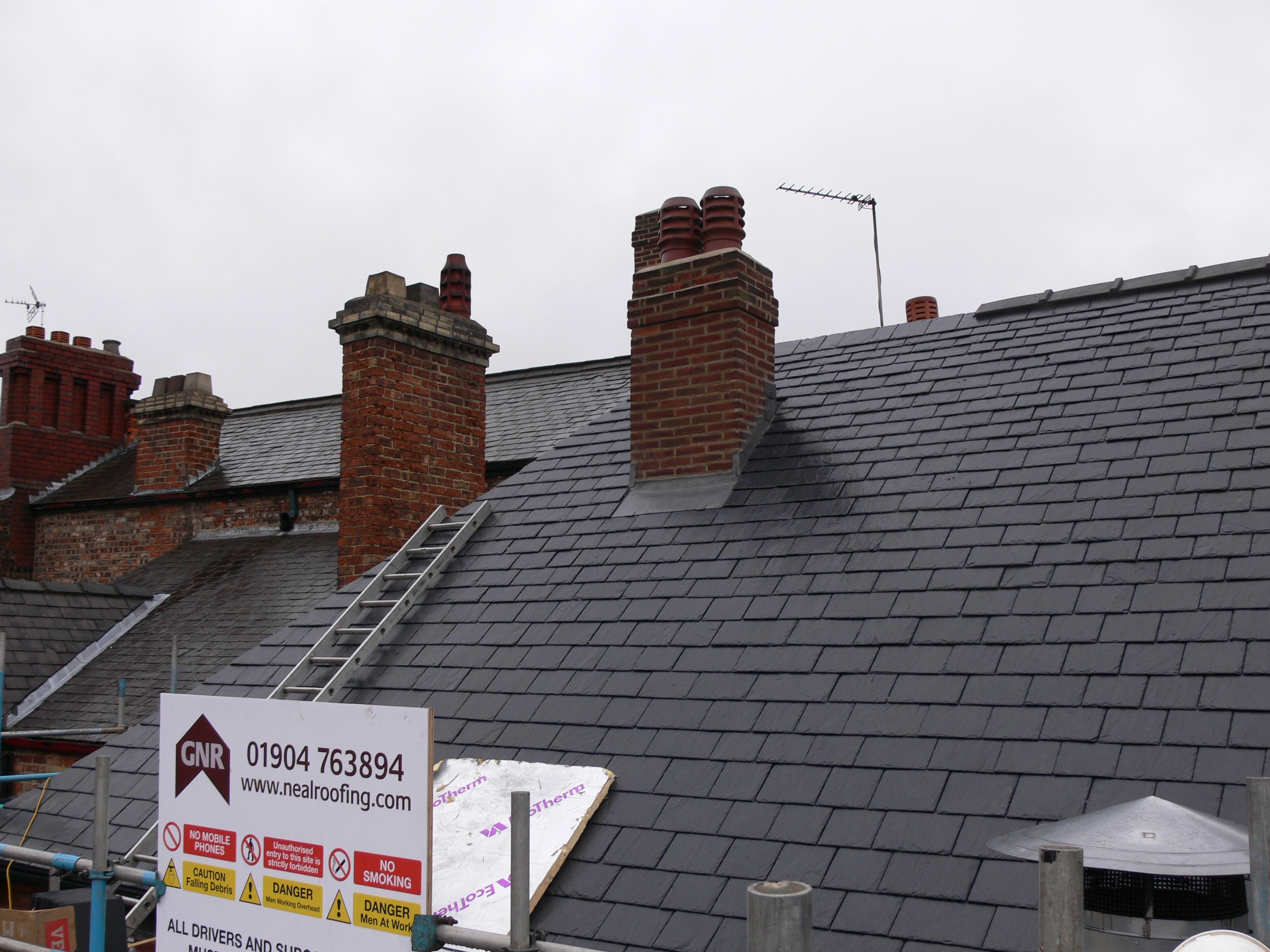
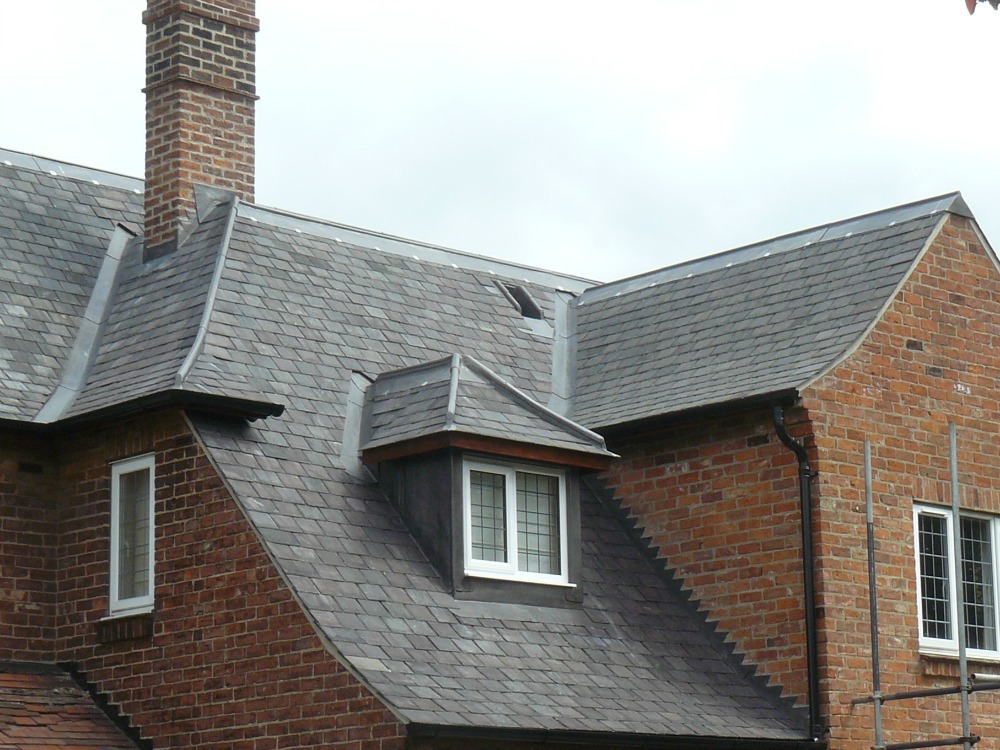
A larger format plain tile in a dark earth colour.
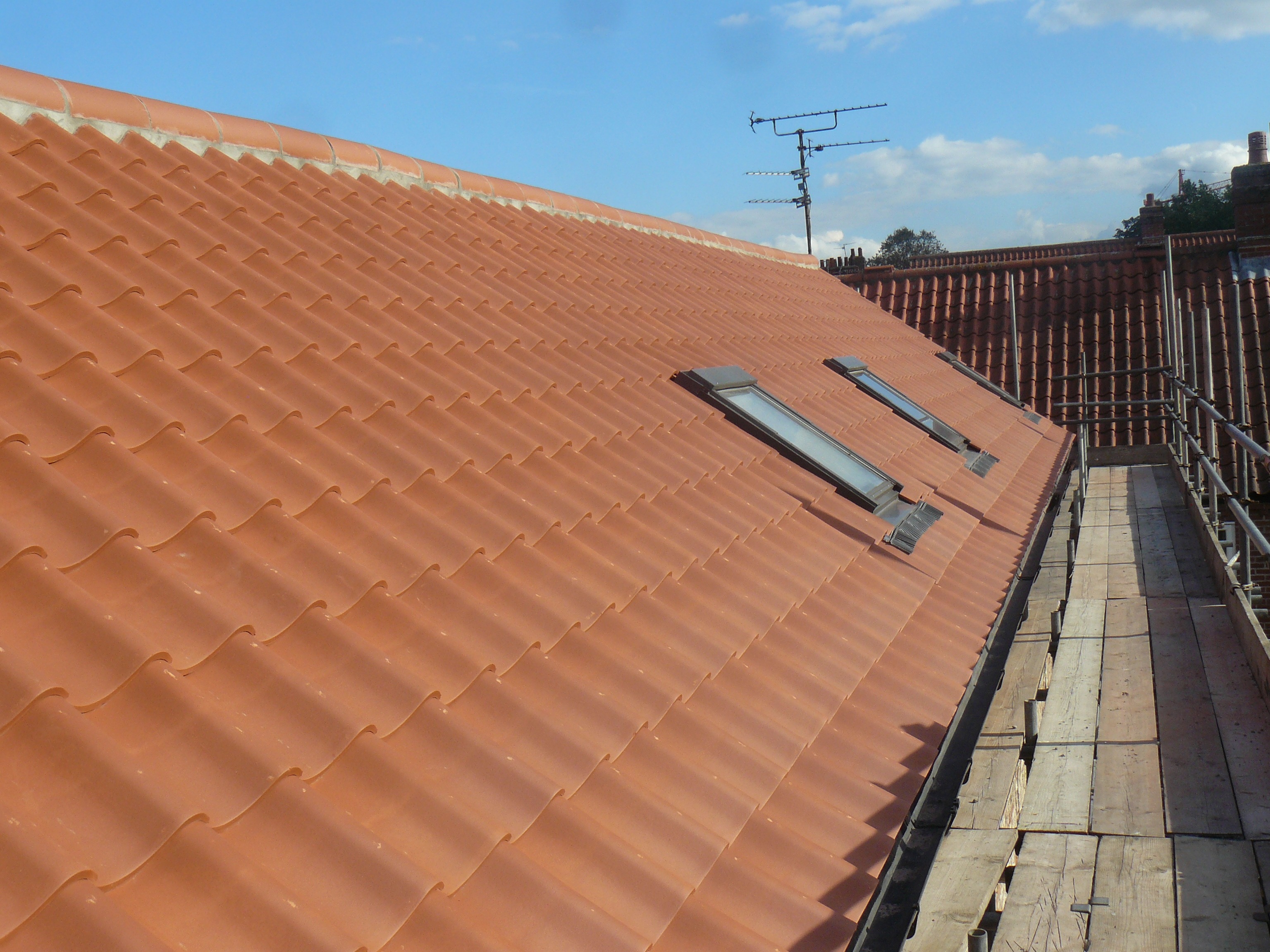
Traditional clay pantiles are single-lap roof tiles that overlap without interlocking. These tiles typically feature chamfered cuts at the top right and bottom left corners, corresponding to the headlap and sidelap, ensuring proper water runoff and secure installation.
Clay pantiles create a distinctive, time-honoured roofscape well-suited to a wide range of building styles. Regional variations in design and shape are common, reflecting local traditions and manufacturing practices.
At GNR, we have extensive experience in specifying and installing traditional clay pantiles. Whether for small-scale residential work or larger heritage projects, we can provide expert advice, detailed specifications, and competitive quotations for roof tiling.
Interlocking clay tiles are a modern evolution of the traditional lapped tile, designed for improved performance and aesthetics. Their integrated interlocks provide a more consistent finish and enhanced resistance to wind uplift, making them ideal for exposed locations.
Available in various formats from multiple manufacturers, interlocking clay tiles offer both practical and visual advantages. At GNR, we focus on a select group of products that we know and trust, ensuring the best results for our clients. Our preferred choices include:
These options offer a wide range of colours and finishes, making them suitable for most re-roofing applications where interlocking clay tiles are desired.
Clay plain tiles are small-format, flat roof tiles traditionally used across many property types in the UK. They offer a classic and versatile roofing solution, available in a wide range of colours and finishes from several manufacturers.
The key distinction in clay plain tiles lies in their manufacturing method:
Handmade plain tiles have a more textured, irregular appearance and are typically chosen for heritage or conservation projects.
Machine-made plain tiles provide a smoother, more uniform finish and are well-suited to modern or cost-sensitive builds.
At GNR, we frequently work with high-quality plain tiles from trusted suppliers such as William Blyth and Wienerberger, ensuring our clients receive both visual appeal and lasting durability.
Concrete interlocking tiles are a cost-effective, large-format roofing solution commonly used for modern replacements on semi-detached and similar properties. Designed to reduce both material and labour costs, these tiles offer excellent coverage efficiency.
To illustrate:
This translates to substantial savings on tiles, battens, fixings, and installation time.
However, these savings come with trade-offs. While concrete interlocking tiles offer good performance and a lifespan of approximately 50 years, they generally lack the character and longevity of traditional clay tiles, which can last up to 80 years.
If budget is a key factor in your re-roofing project, concrete interlocking tiles provide a practical and cost-efficient alternative.
Here are some questions that we are often asked about roof tiling and different types of roof tiles.
The main types of roof tiles include:
Each type varies in appearance, performance, and suitability for different building styles and budgets.
The purpose of roof tiles is to:
| Pricing Factor | Estimate |
|---|---|
| Cheapest per tile | ~£0.59–£0.80 |
| Interlocking tiles | ~£1.40–£1.90 |
| Cost per m² (materials) | £10–£30 |
| Cost per m² (all-in) | £40–£60 |
Bottom line:
Concrete roof tiles are very cost-effective. Basic plain tiles start under £1 each, while interlocking variants generally range from £1.40 to £1.90. When factoring in labour and accessories, expect about £40–£60/m² fully fitted. Concrete tiles offer a solid balance between price and performance—just ensure your roof structure can support their weight.
Yes, roof tiles can be painted, but there are important factors to consider:
Painting roof tiles is not a substitute for maintenance or re-roofing when needed. Done properly, though, it can improve looks and performance. Always consult a roofing professional before proceeding—especially on older or clay roofs.
Arguably, painting roof tiles is a waste of money, and only offers a short terms solution, don’t be sucked in by sales tactics that suggest that painting tiles will offer anything more that an aesthetic benefit for the short term.
| Tile Type | Tiles/unit | Material cost/m² | Fitted cost/m² (incl. labour) |
|---|---|---|---|
| Concrete plain/interlocking | £0.66–£1.75 each | £7–£24/m² | £40–£60/m² |
| Clay plain/interlocking | £0.60–£2.00 each | £35–£100/m² | £50–£100/m² |
| Premium/handmade clay | Up to ~£2 each | £100/m²+ | £80–£120/m² or more |
The best roof tiles depend on your project goals, such as budget, appearance, lifespan, and building type. Here’s a breakdown to help you decide:
Interlocking Clay Tiles
Concrete Interlocking Tiles
Handmade Clay Plain Tiles
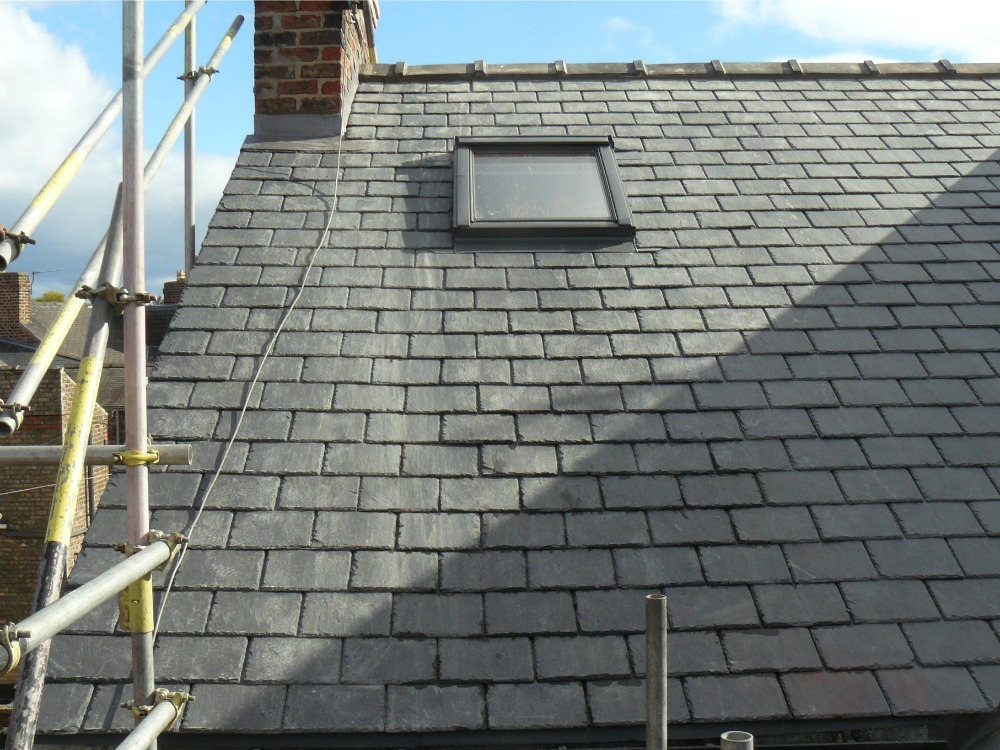
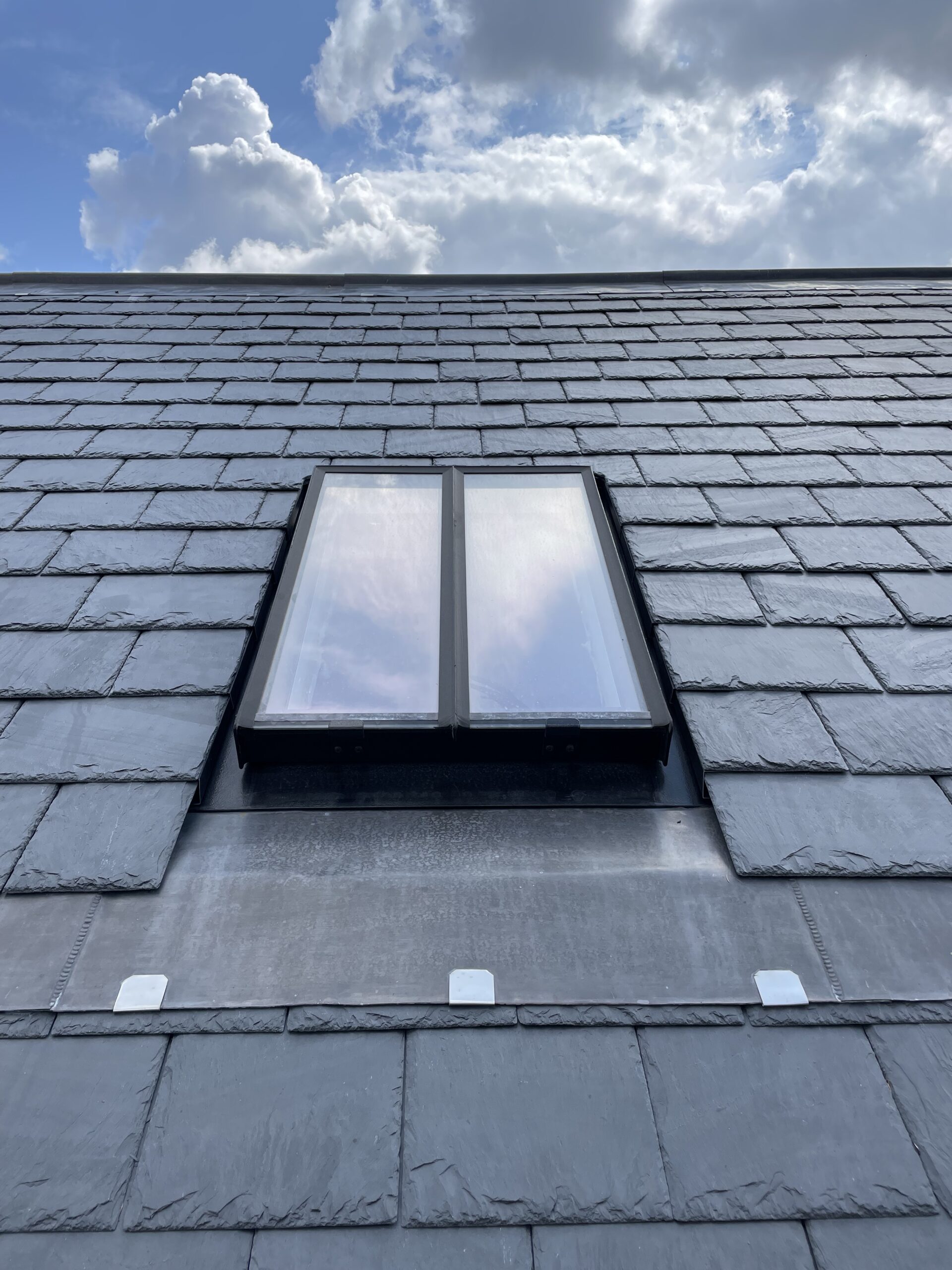
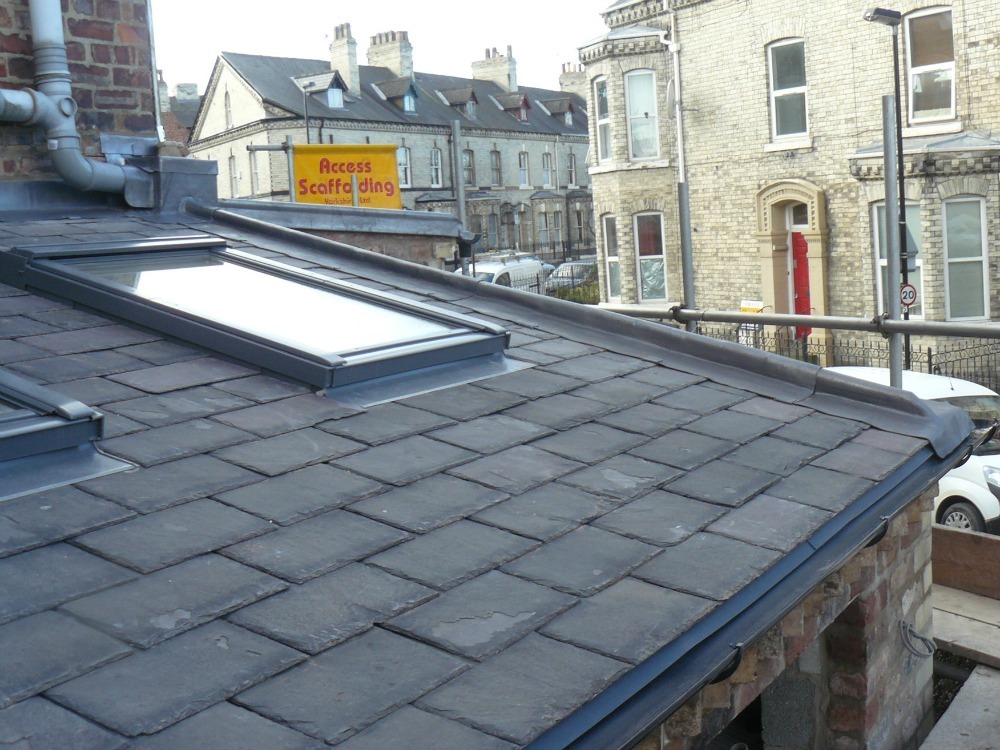
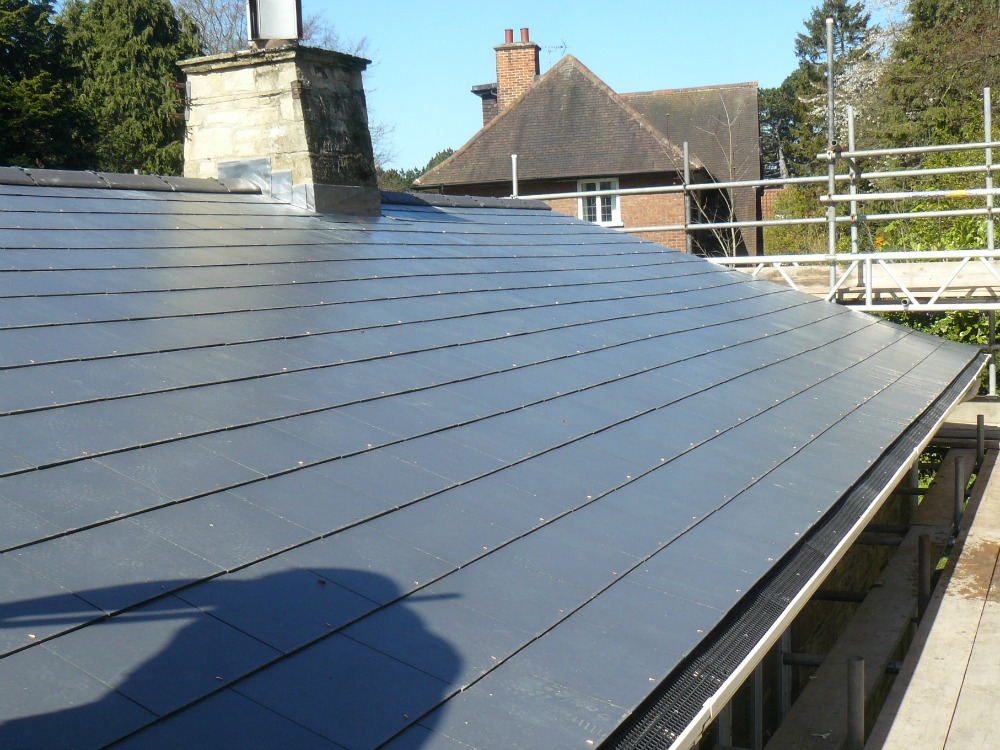
Slate or Dark Clay/Concrete Tiles
| Priority | Best Tile Type |
|---|---|
| Longevity & quality | Handmade Clay Plain or Slate |
| Affordability | Concrete Interlocking |
| Speed of installation | Interlocking Clay or Concrete |
| Traditional aesthetics | Clay Pantile or Handmade Plain |
| Modern appearance | Flat Concrete or Slate Tiles |
Each project is priced in context:
You must also factor in:
At GNR, when presenting costs for roof tiling, we will itemise each element and present it to you in a clear digital quotation format.
Tesla’s Solar Roof tiles (Tesla-branded photovoltaic roof tiles) are not yet available in the UK. While UK customers can pre-order them via Tesla’s UK website (often requiring a deposit of around £800), Tesla has not announced a launch or delivery date for UK installations
Although Elon Musk hinted back in 2017–2018 that they might arrive the following year, the rollout has experienced multiple delays, and no updated timeline has been confirmed .
Most roof tiles are not designed to take your full weight and can easily crack or break if stepped on incorrectly. However, with proper care and technique, professionals can walk on tiled roofs when necessary.
May offer slightly better load distribution, but still not meant for foot traffic.
At GNR, we understand the growing importance of renewable energy and future-proofing your home. That’s why we offer seamless integration of solar photovoltaic (PV) technology into our roof tiling projects.
We recommend the Marley SolarTile® system — a sleek, in-roof solar panel that installs directly alongside roof tiles without the need for bulky mounting systems. This system is fully compatible with both new roofs and re-roofing projects.
Tile Reduction: Because solar tiles replace sections of roof covering, they reduce the number of roof tiles required, which can lower both material and labour costs.
Lightweight Design: The system is lighter than traditional tiles plus mounted panels, helping reduce structural load on the roof.
Integrated Aesthetics: Flush-fit appearance provides a clean, low-profile look compared to surface-mounted panels.
Versatile Connectivity: Marley SolarTile® can be connected to:
Battery storage (e.g. Tesla Powerwall or equivalent)
The national grid for feed-in tariffs or export
Hot water systems via solar diverters (to preheat domestic water)
GNR Roofing Services
At GNR, we offer expert guidance, supply, and installation for all major roof tile types—from traditional clay pantiles to modern interlocking and cost-effective concrete options.
Whether you’re restoring a heritage property or planning a full roof replacement, our team ensures quality, durability, and a finish that complements your home. Get in touch for tailored advice, samples, or a detailed quotation for your project.
Get in touch