Protect and Prolong the Life of Your Roof with Expert Pointing
At GNR Roofing Services, we carry out professional roof pointing—a critical maintenance task that strengthens and seals the ridge tiles or secures the verges on a roof area. Whether you’re noticing cracked mortar, loose tiles, or water ingress, our team is here to restore your roof’s integrity with precision and care.
Roof pointing can effect repair, but the overriding aim of current British Standards is to eradicate, where possible, the use of mortar on roof areas.
This page details common roof pointing areas, and offers insight into alternatives.
Client Page
Roof pointing is commonly used at the following roof interfaces as a form of detailing or finishing:
Roof pointing mortars need to be weather-resistant, flexible, and durable. The mix you choose can affect how long your pointing lasts and how well it performs under heat, rain, and wind stress.
Cement mortars are the most widely used for modern roof pointing. They’re strong, quick to set, and ideal for ridge capping on tiled roofs.
Standard Mix (General Use):
Features:
Flexible Cement Mortar (Recommended):
Tip: Use pre-mixed flexible pointing compounds for improved crack resistance—especially in climates with temperature swings.
Used more often on older or heritage buildings, lime mortar allows the roof to “breathe” and move without cracking. It’s softer and more flexible than cement mortar.
Traditional Lime Mortar Mix:
Cement-Lime Hybrid Mix (Stronger):
Features:
Tip: Cover fresh roof pointing with wet hessian to slow drying times to prevent cracking and failure.
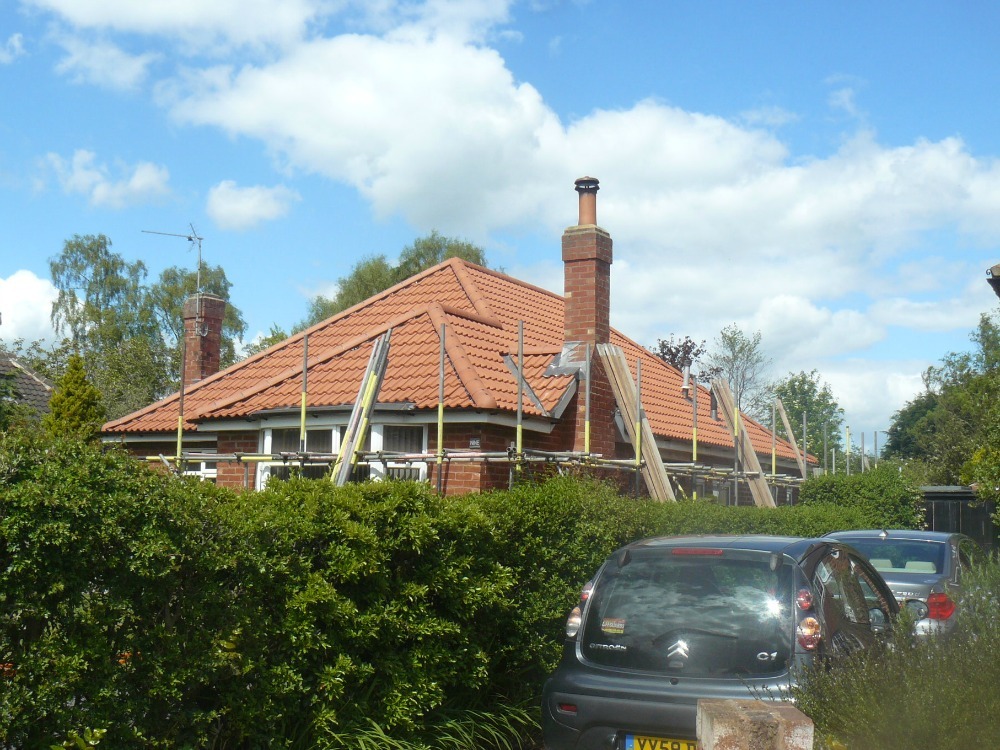
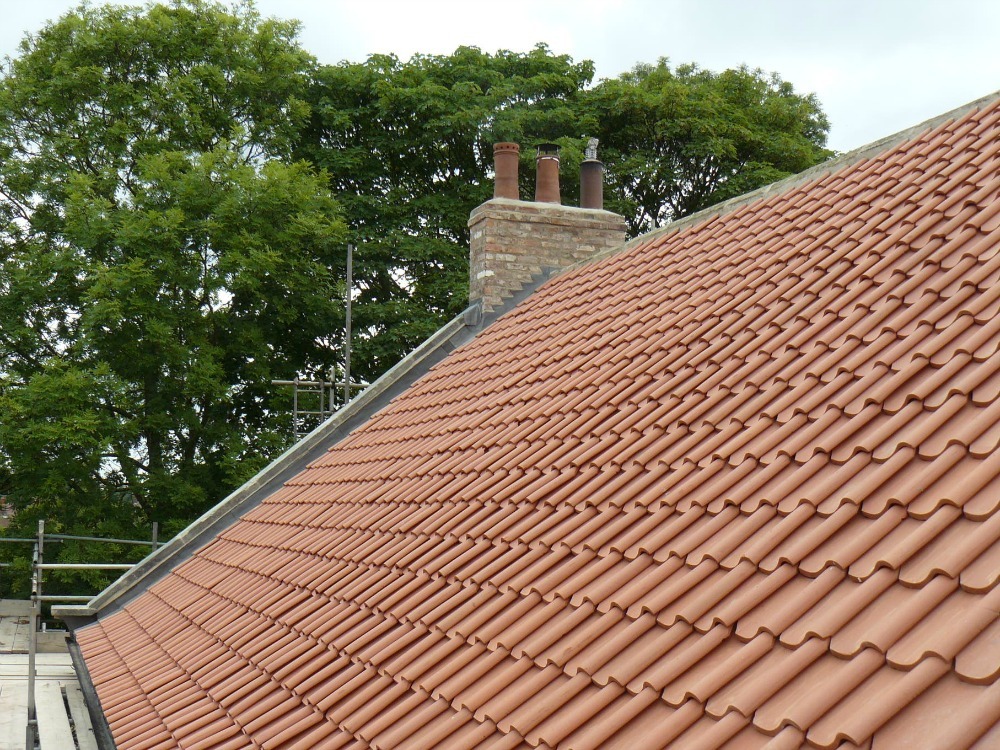
In this instance, we have used roof pointing to ridge tiles as the example,. However, the same would apply to all interfaces where roof pointing methods are used.
This involves removing old or damaged pointing and applying fresh mortar over the existing bedding.
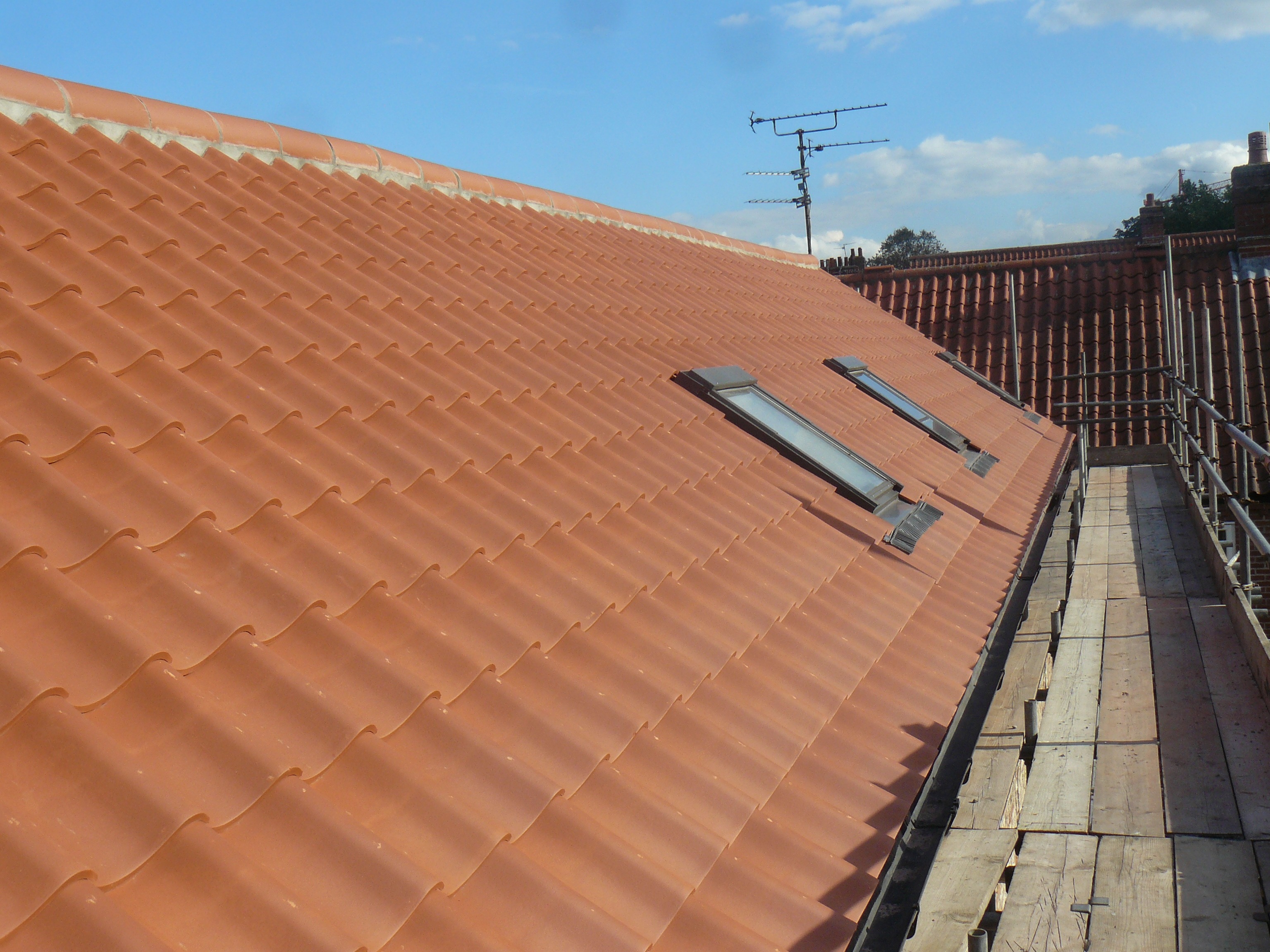
Get in touchThis process involves removing the ridge tiles, scraping away all old mortar, laying fresh bedding mortar, and then repointing.
| Roof Condition | Recommended Action |
|---|---|
| Minor cracks in pointing, firm bedding | Repointing only |
| Loose ridge tiles, crumbling mortar | Full rebedding and repointing |
| Heritage roof with soft bedding | Lime rebedding and flexible repointing |
| Previous pointing failing prematurely | Check bedding—rebed if necessary |

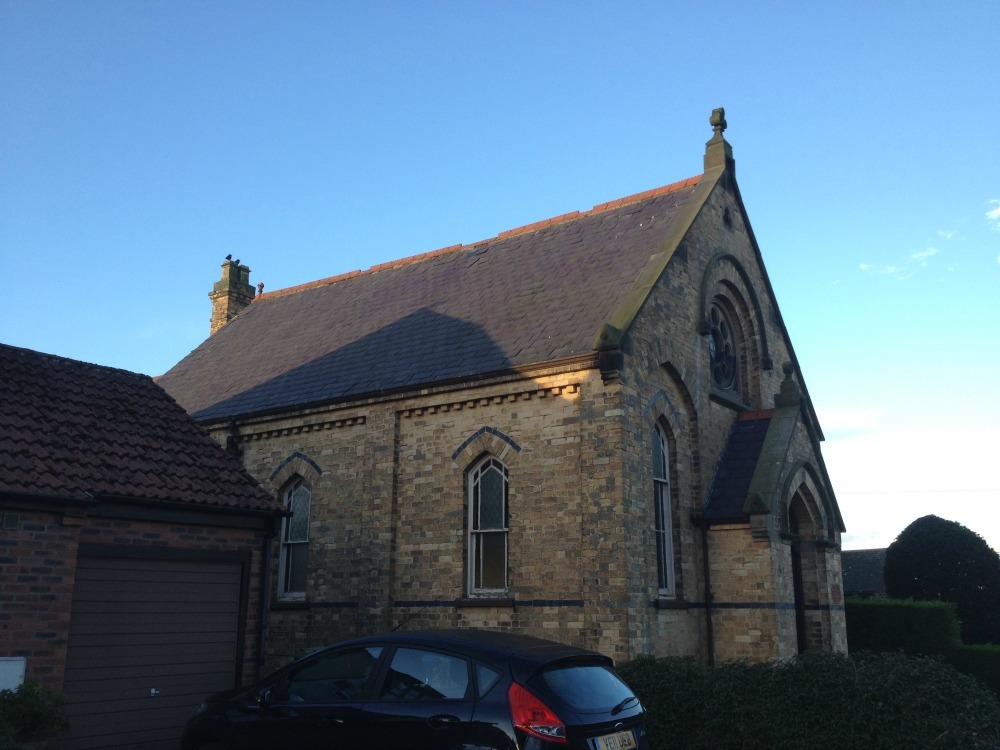
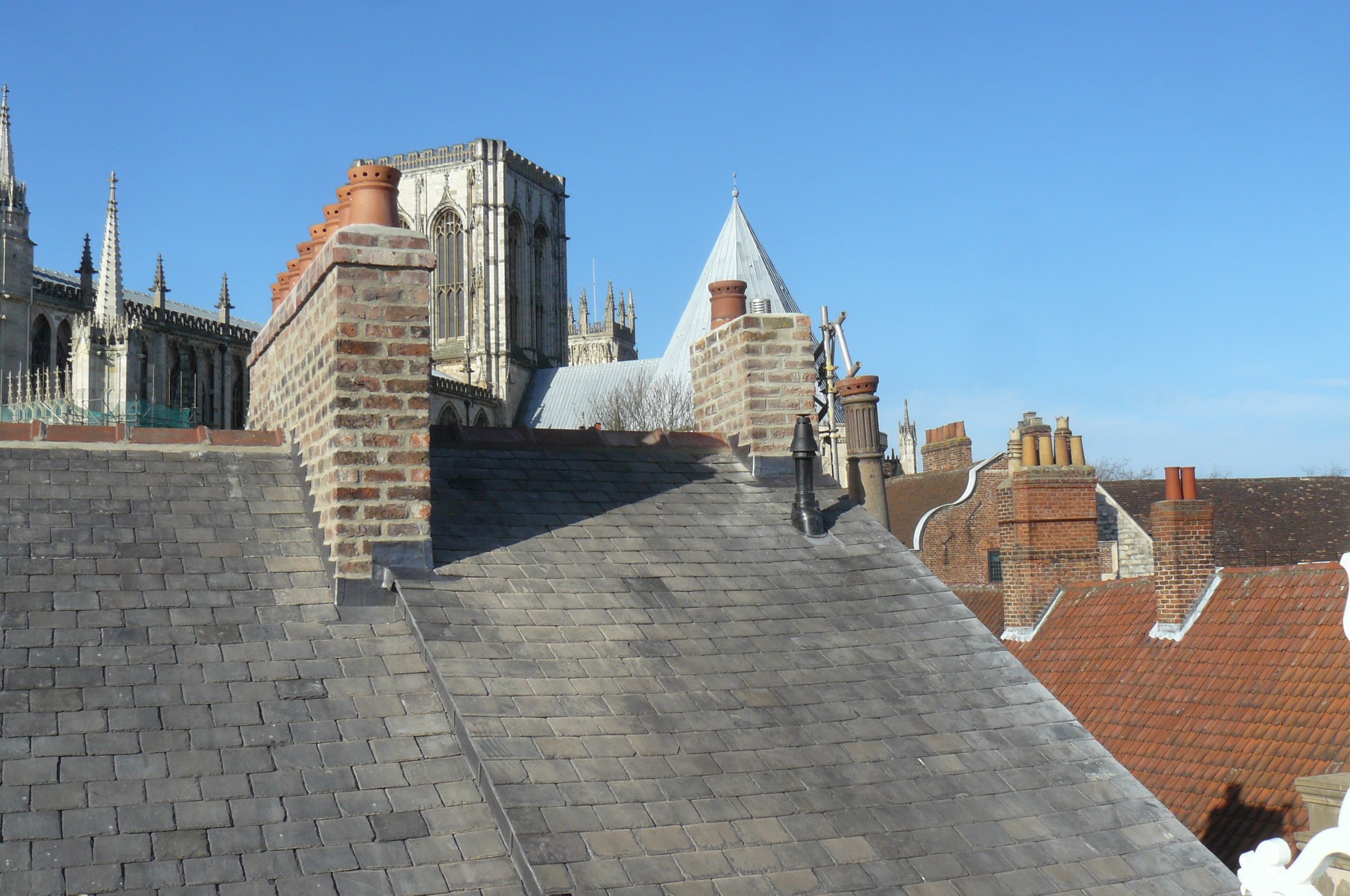
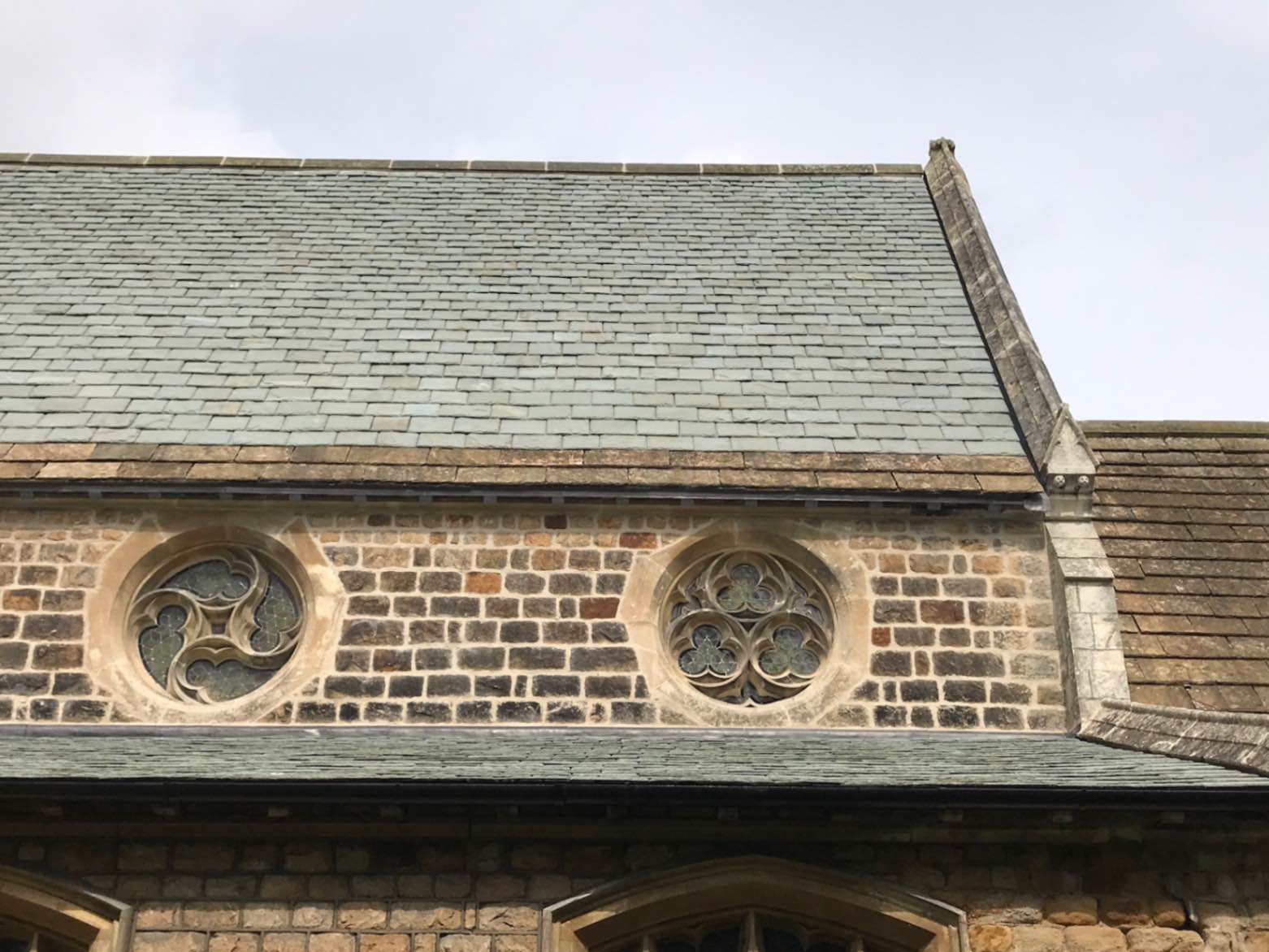
Verge repair in cement mortar.
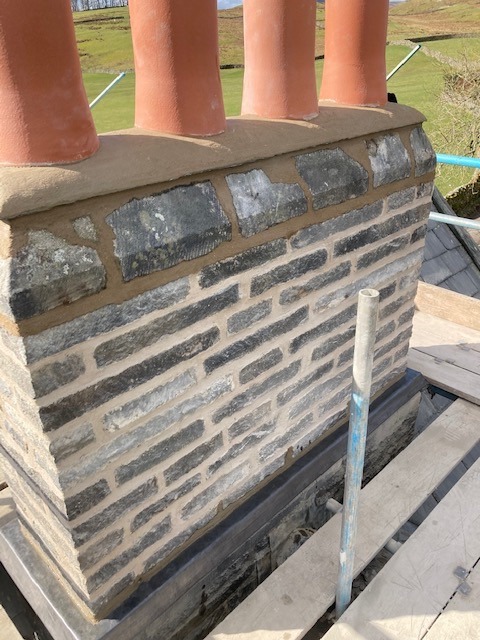
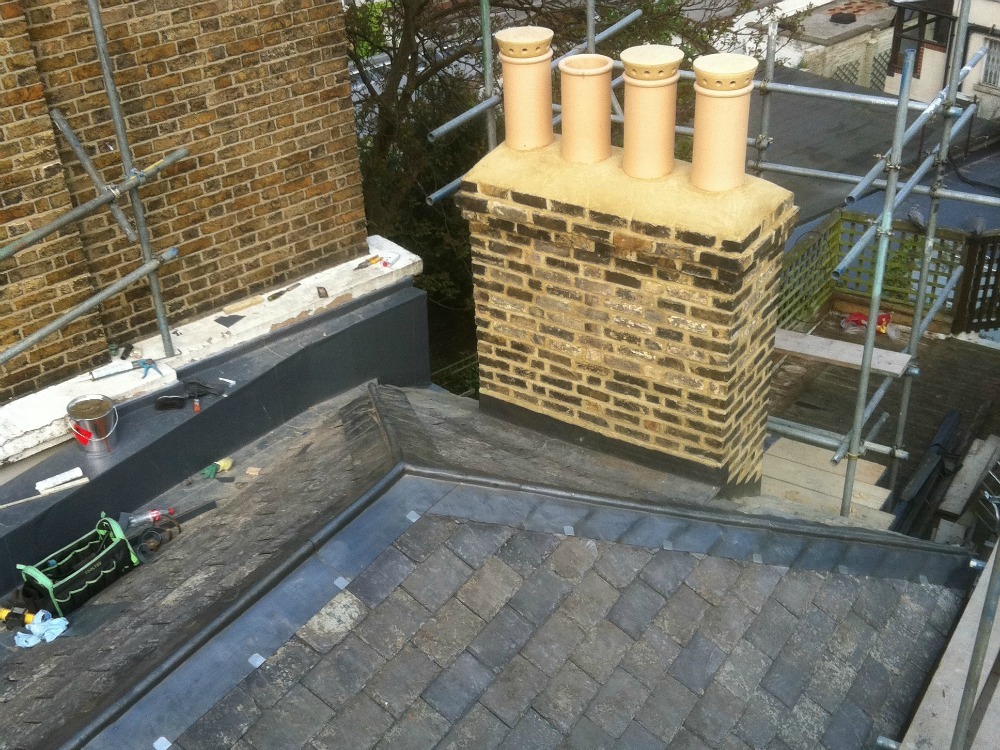
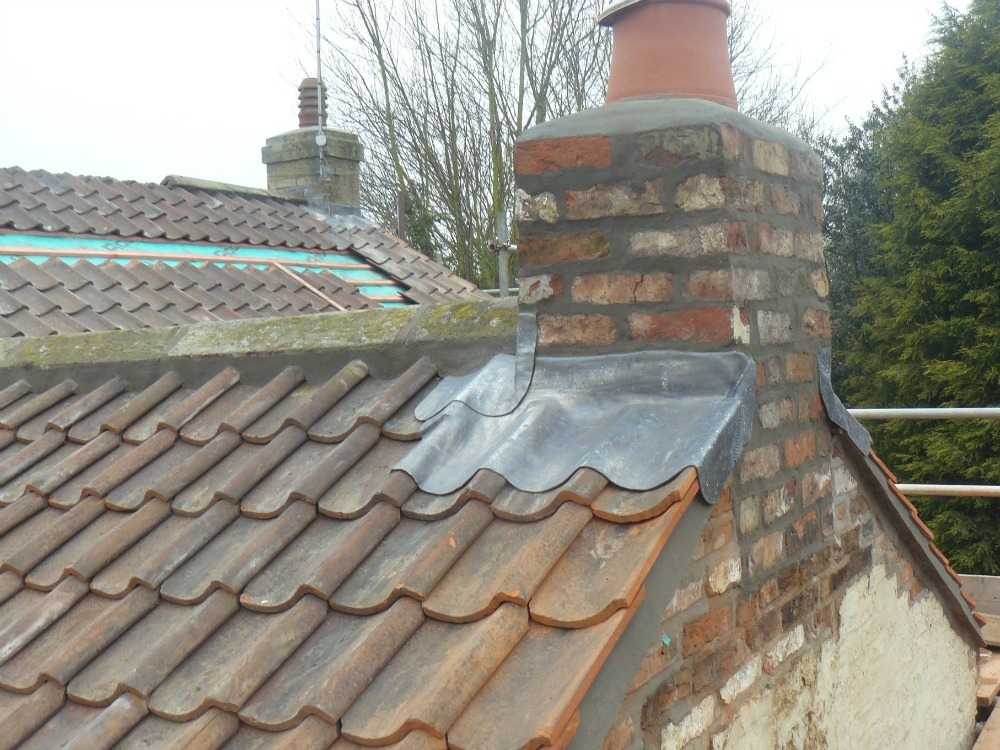
Lime mortar chimney pointing repairs.
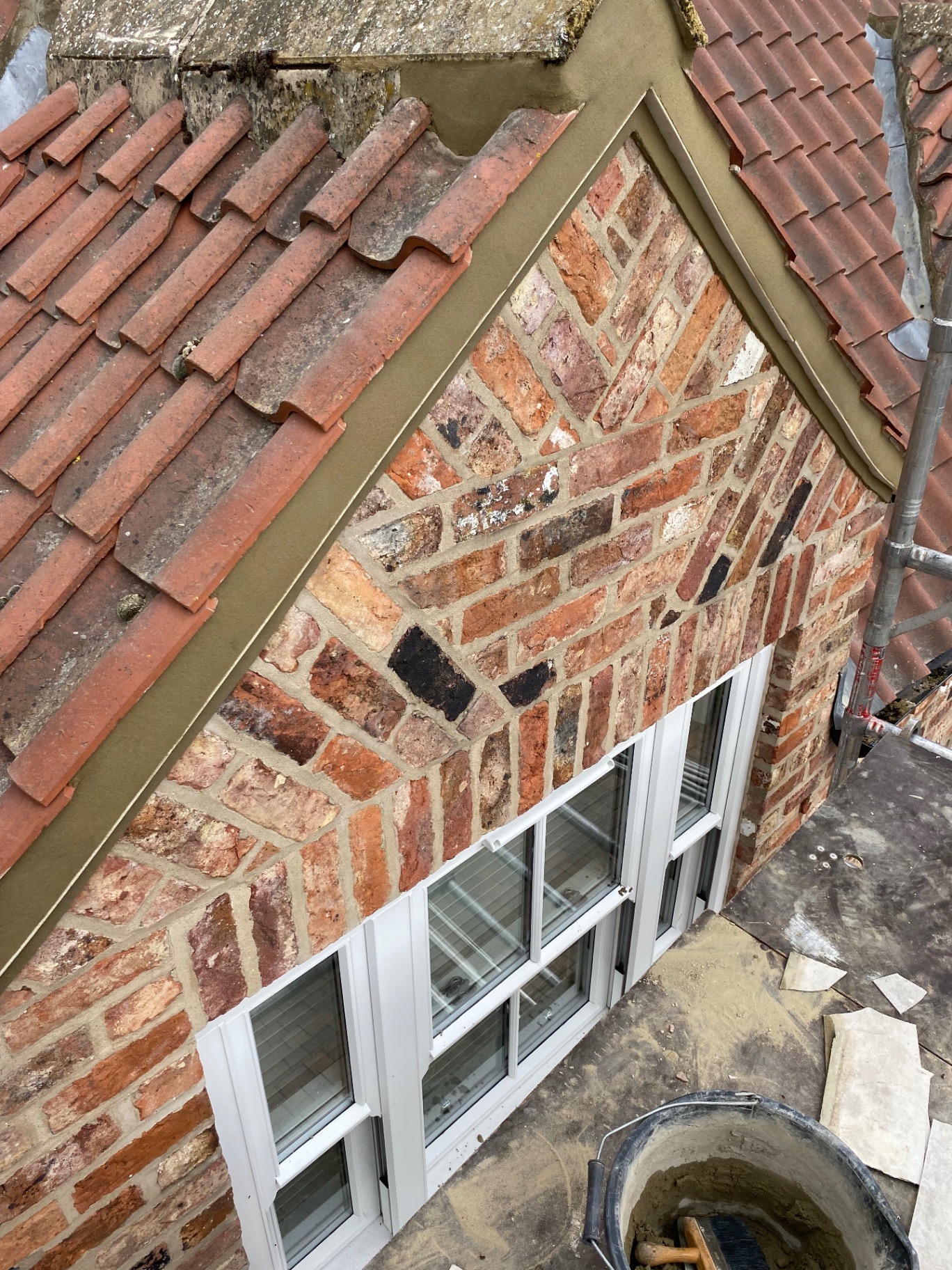
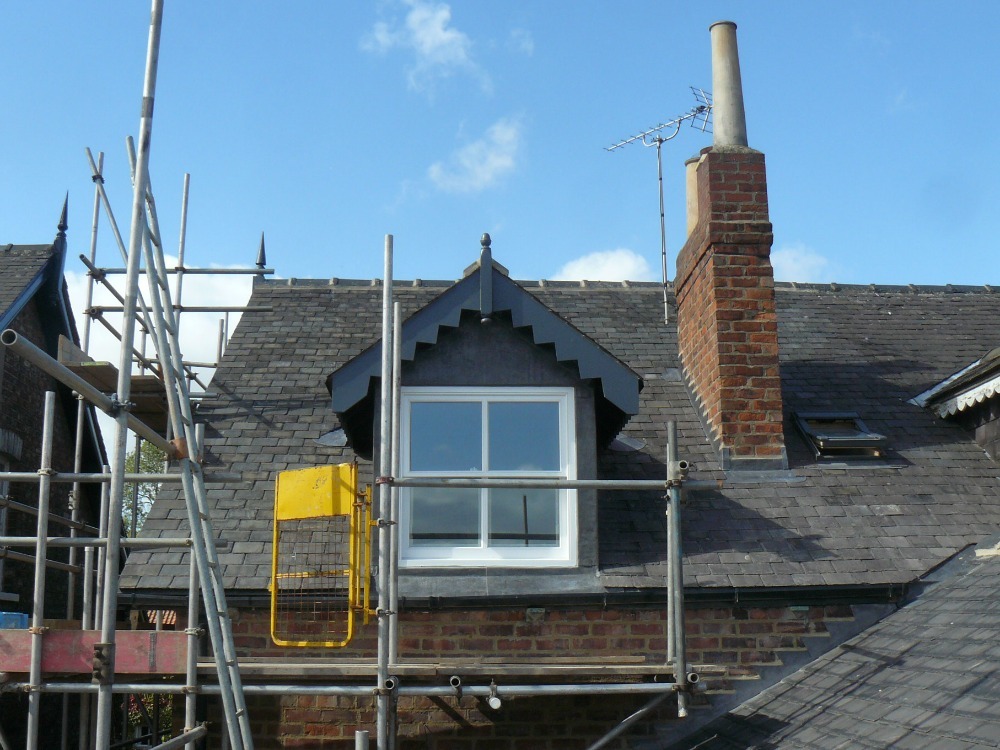
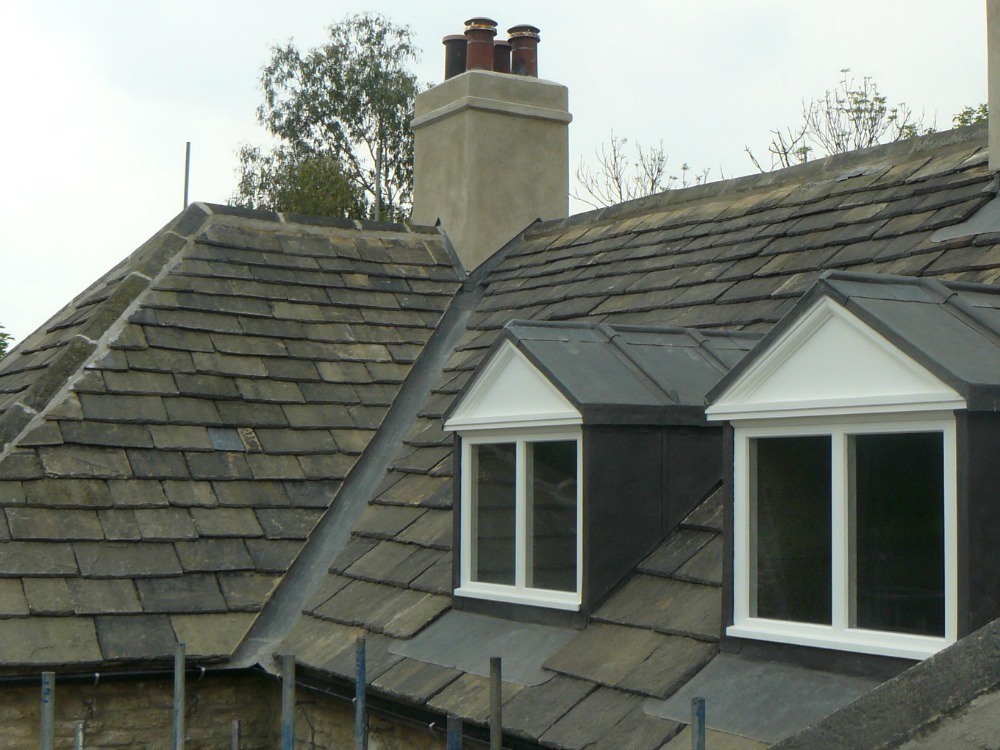
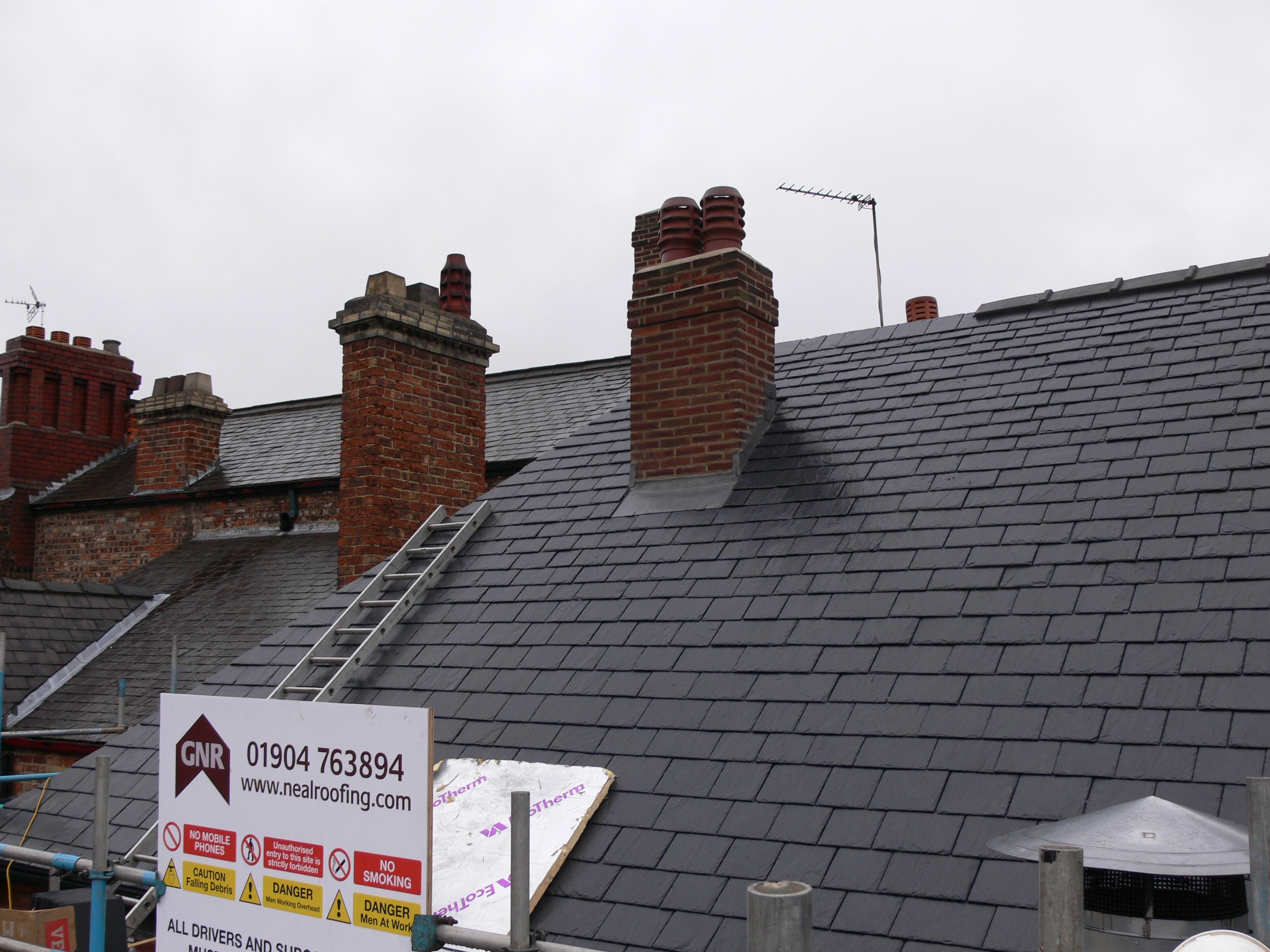
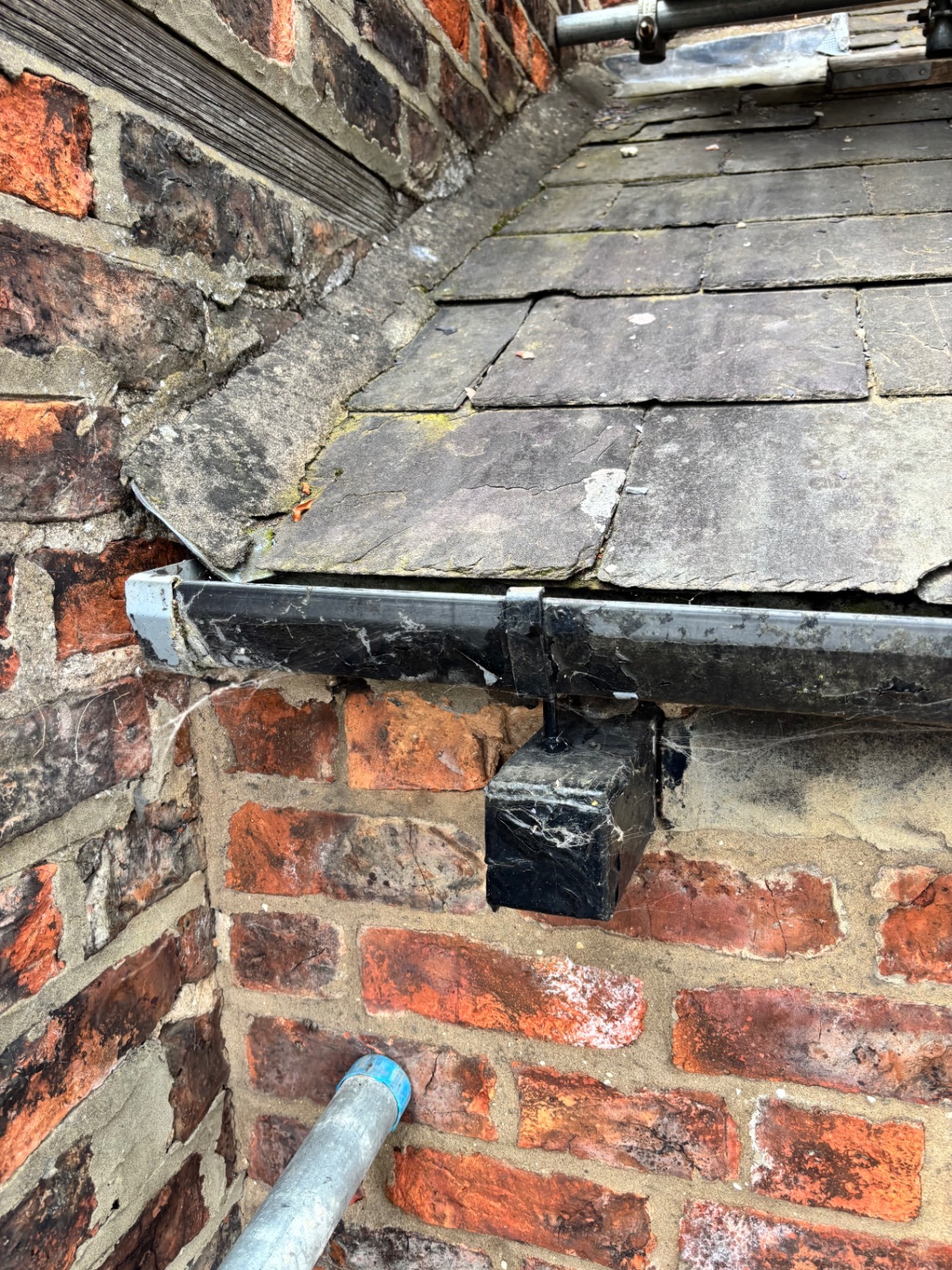
Making good pre existing details.
The NFRC, the UK’s leading roofing trade association, provides clear guidance through technical bulletins (e.g., Technical Bulletin 33):
Mechanical Fixing: Mortar alone is not considered a secure method of fixing ridge or hip tiles. Tiles should also be mechanically fixed in accordance with BS 5534 (Code of Practice for Slating and Tiling).
Bedding and Pointing:
Mortar Mixes:
The NHBC provides warranty-backed building standards and their stance aligns with best practices for structural durability and compliance.
Mechanical Fixing Required: All ridge and hip tiles must be mechanically fixed in addition to mortar bedding (since 2015, following changes to BS 5534).
Mortar Bedding:
Use of Flexible Mortars:
When replacing a roof covering, compliance is crucial, and products that meet current guidelines and standards must be considered where appropriate and practical.
Description:
Dry ridge systems mechanically fix ridge tiles to the roof structure without using mortar. Components include ridge unions, clamps, brackets, and ventilated ridge rolls.
Benefits:
Limitations:
Description:
Dry verge systems provide mechanical, mortar-free protection to the edges of gable-end roof tiles. They clip or screw into place and seal the edge of the roof.
Benefits:
Limitations:
Description:
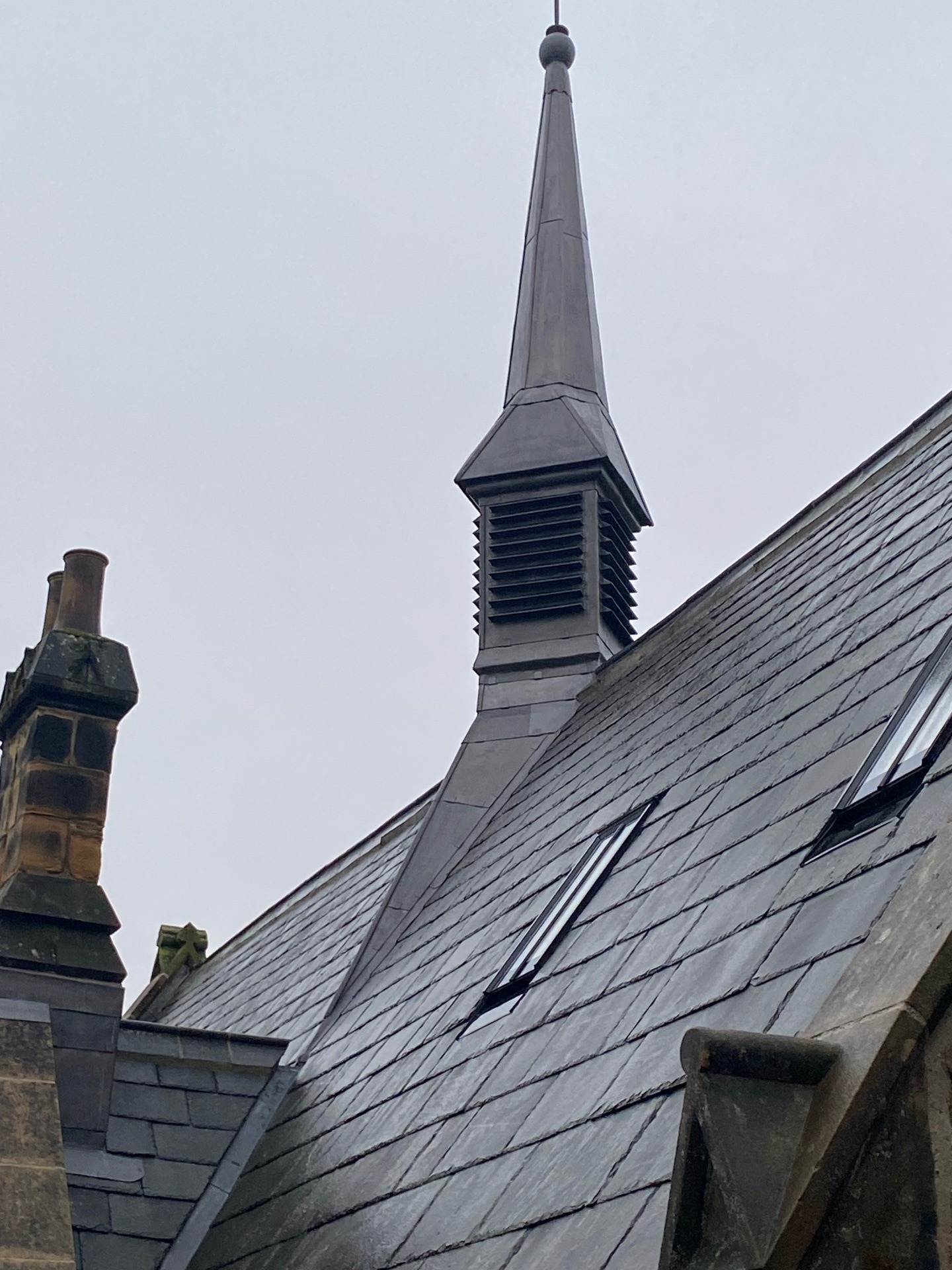
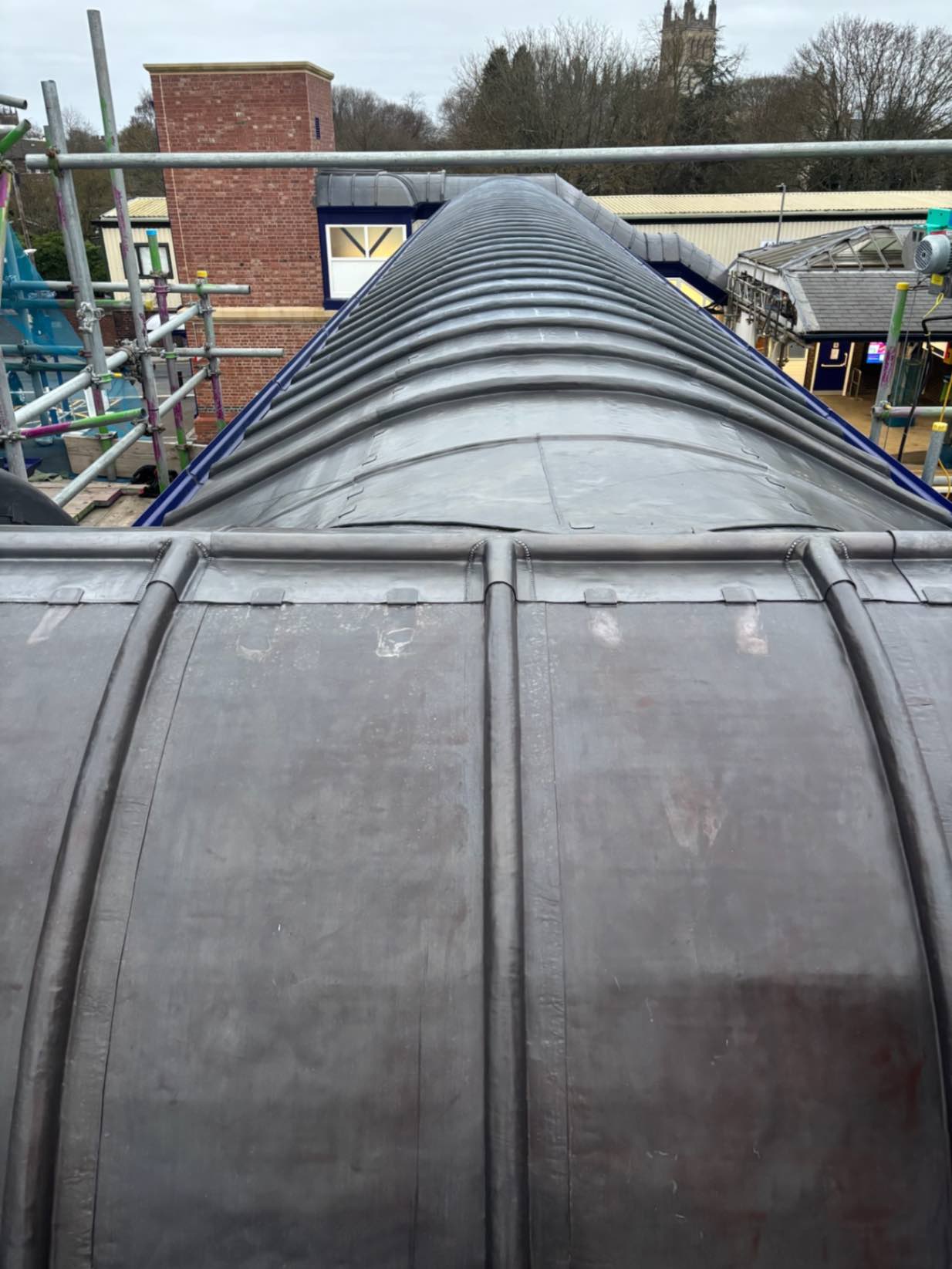
Lead roll hip or ridge coverings involve forming lead sheets over timber core rolls, mechanically fixed, and often used on heritage or premium builds.
BS 6915 is the Code of Practice for Design and Installation of Fully Supported Lead Sheet Roofing and Cladding.
Benefits:
Limitations:
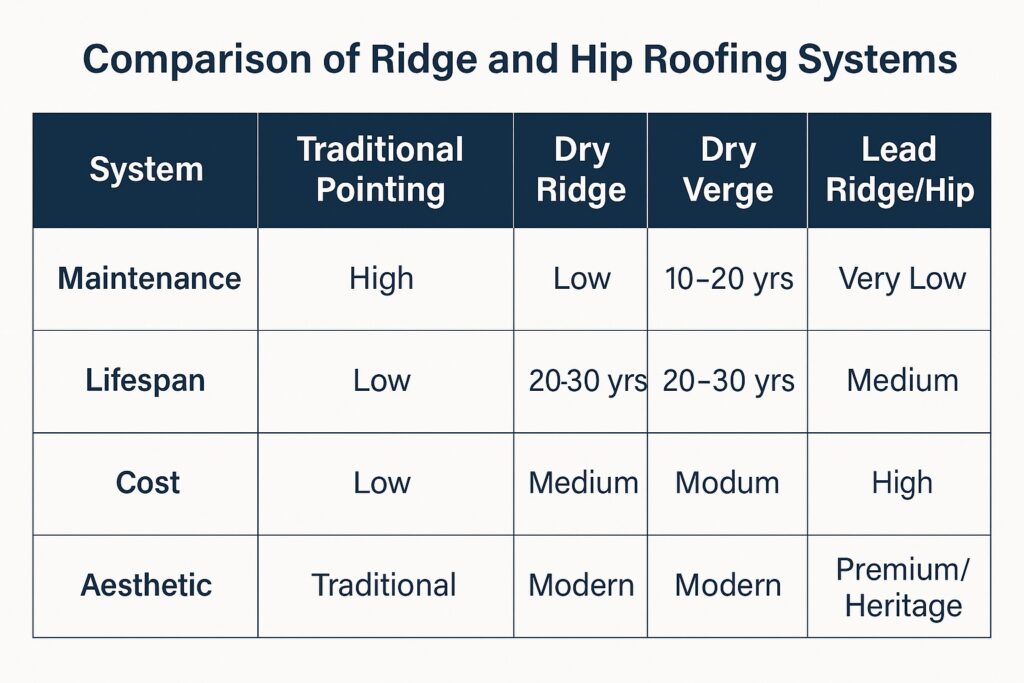
The following comparison chart is a useful reference point when considering roof pointing applications. Detailing standards, longevity, cost and maintenance frequency.
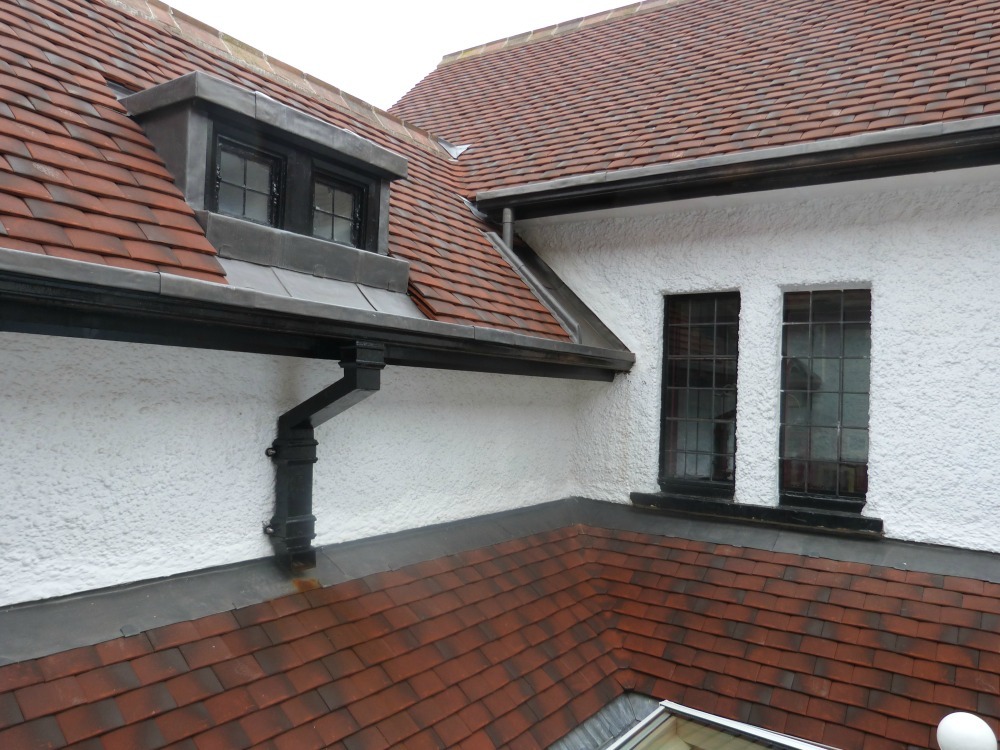
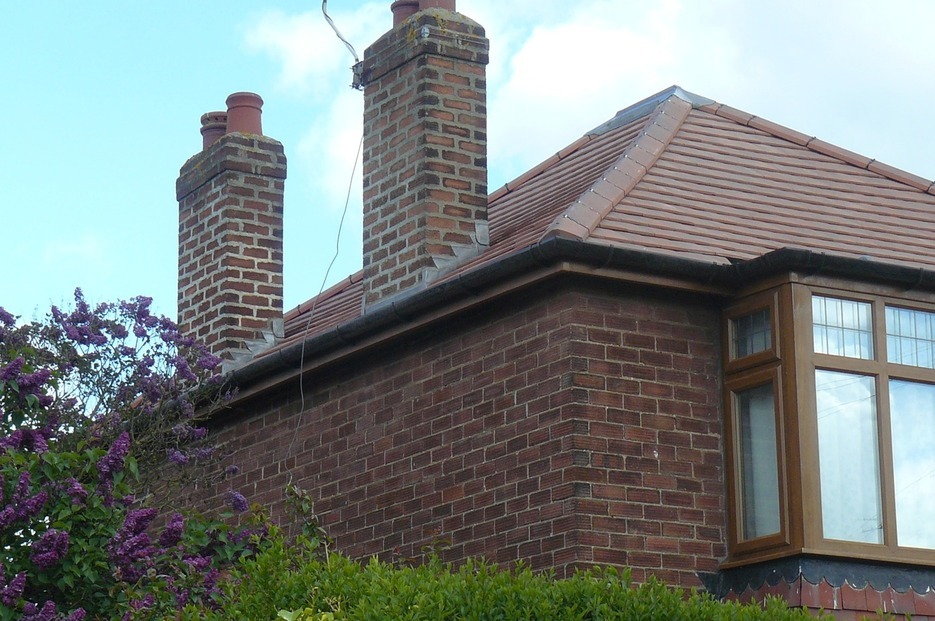
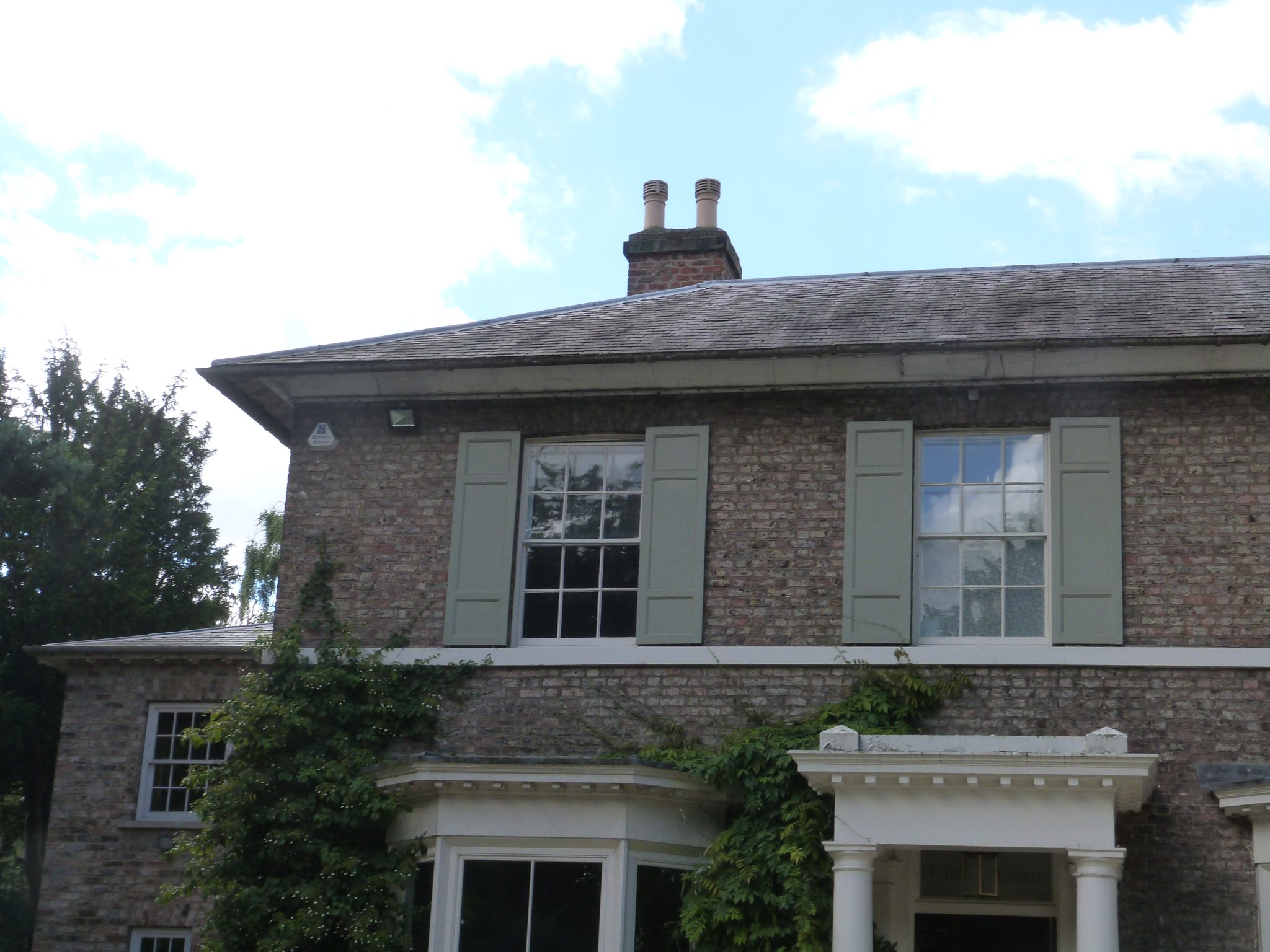
Pointing may be used in other areas on a roof. Examples include chimney stacks, flashing interfaces, and coping stones.
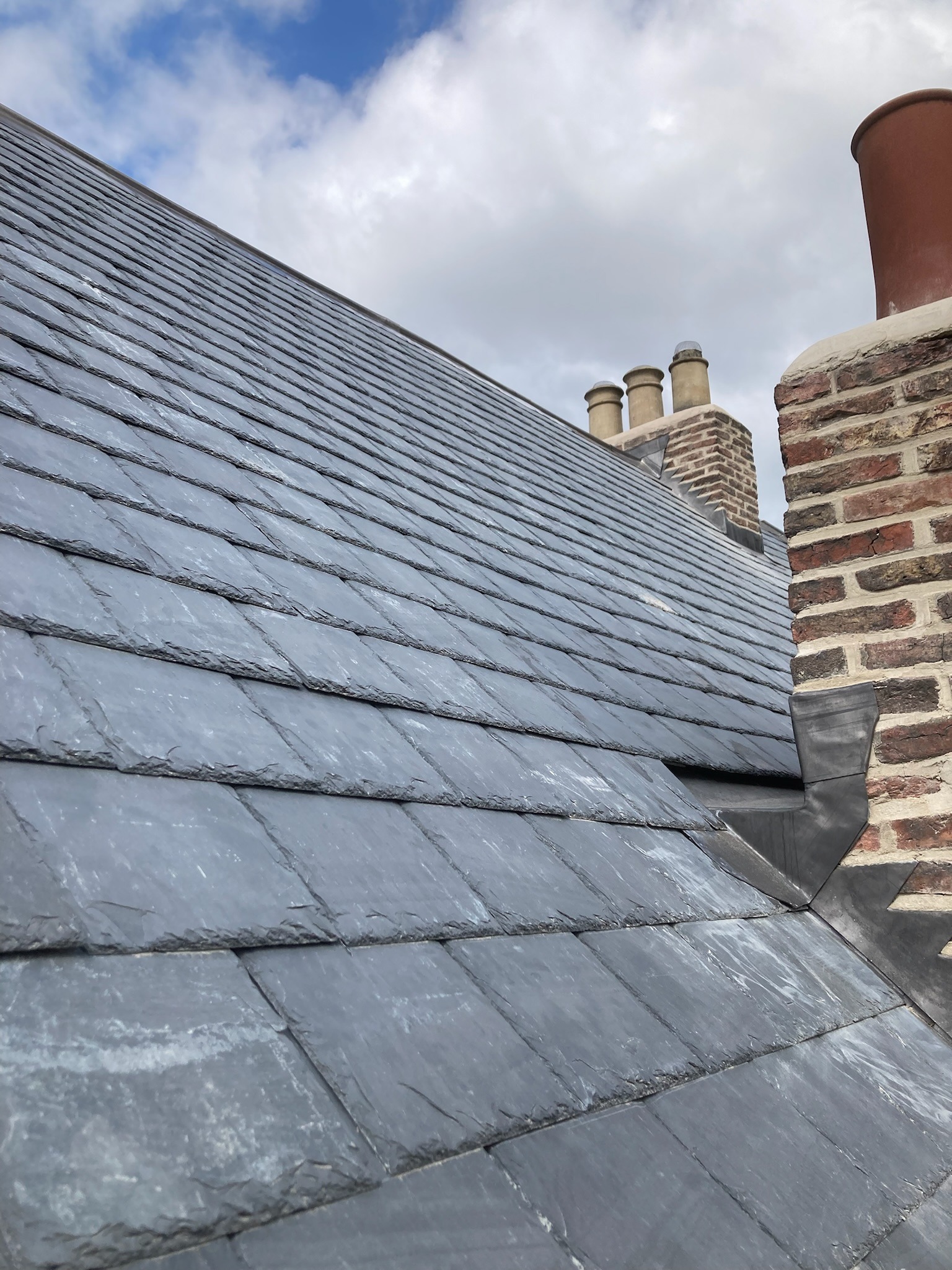
Generally, lead flashings, wedges into masonry chases, should be sealed with a flexible joint adhesive to prevent cracking of the mortar mix as the lead expands and contracts.
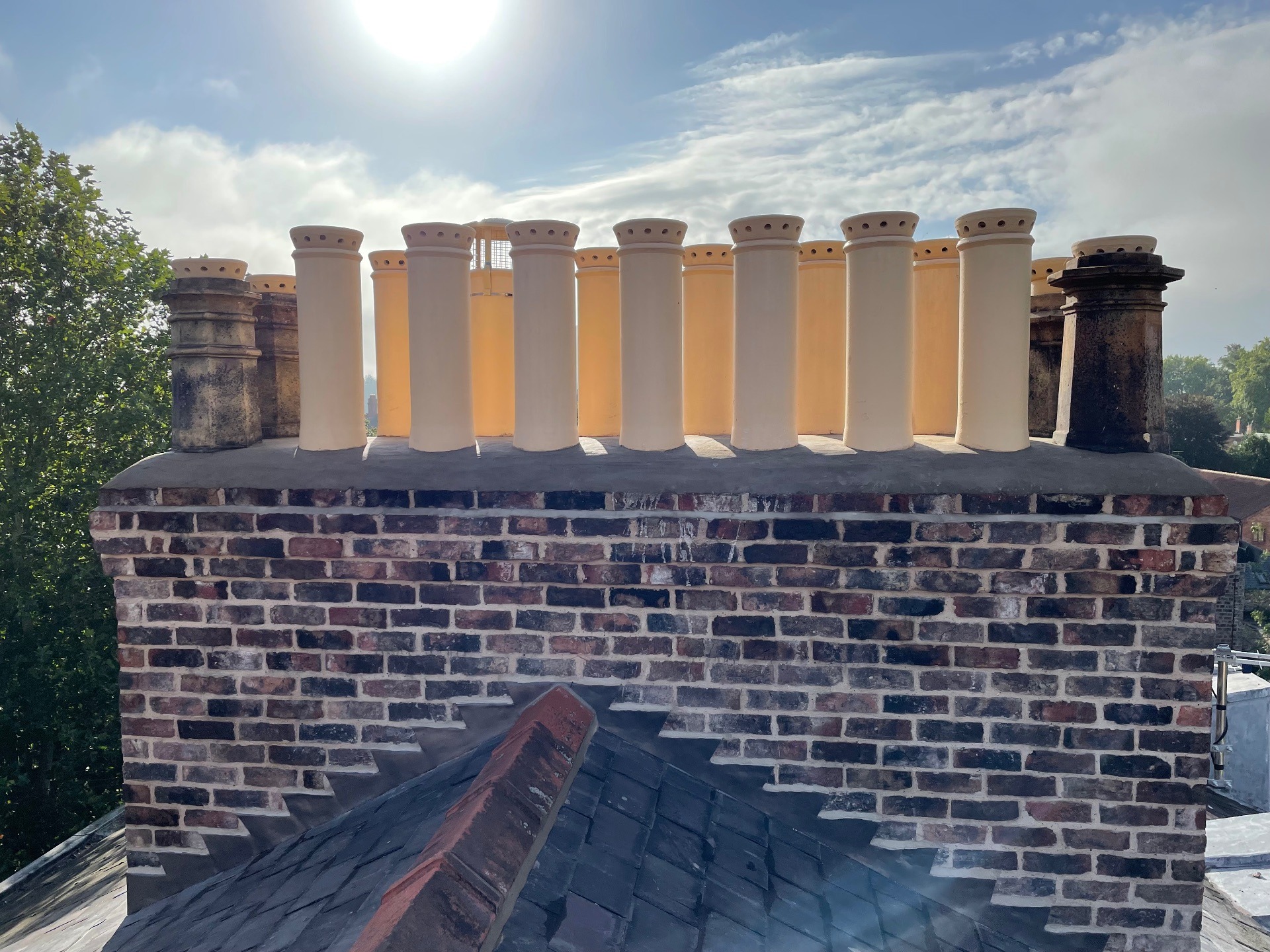
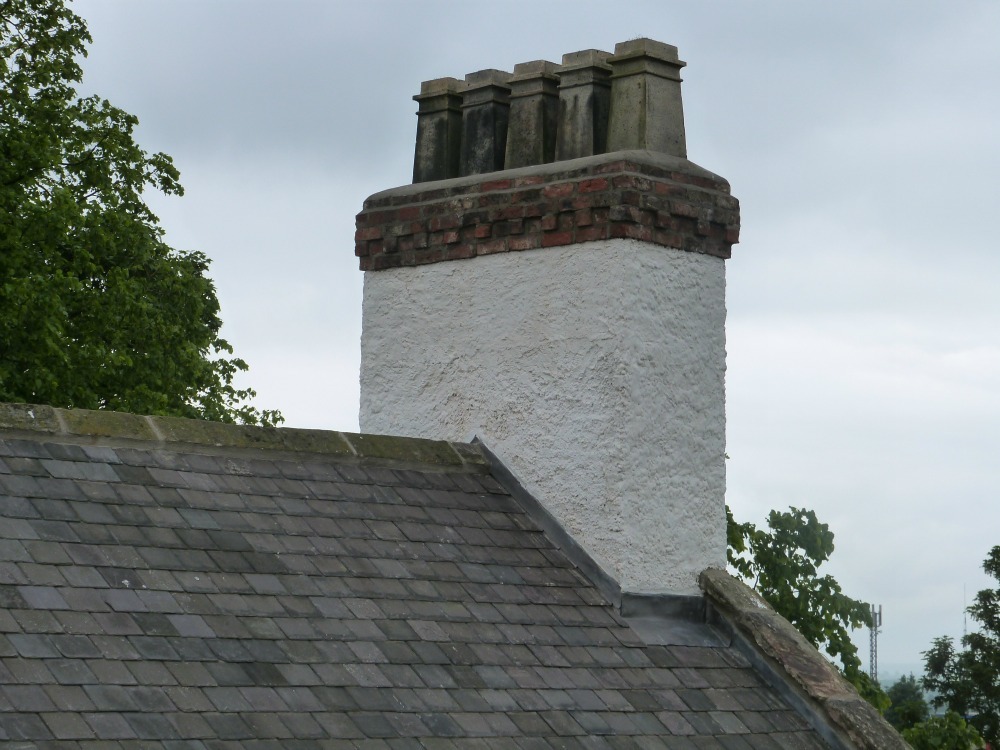
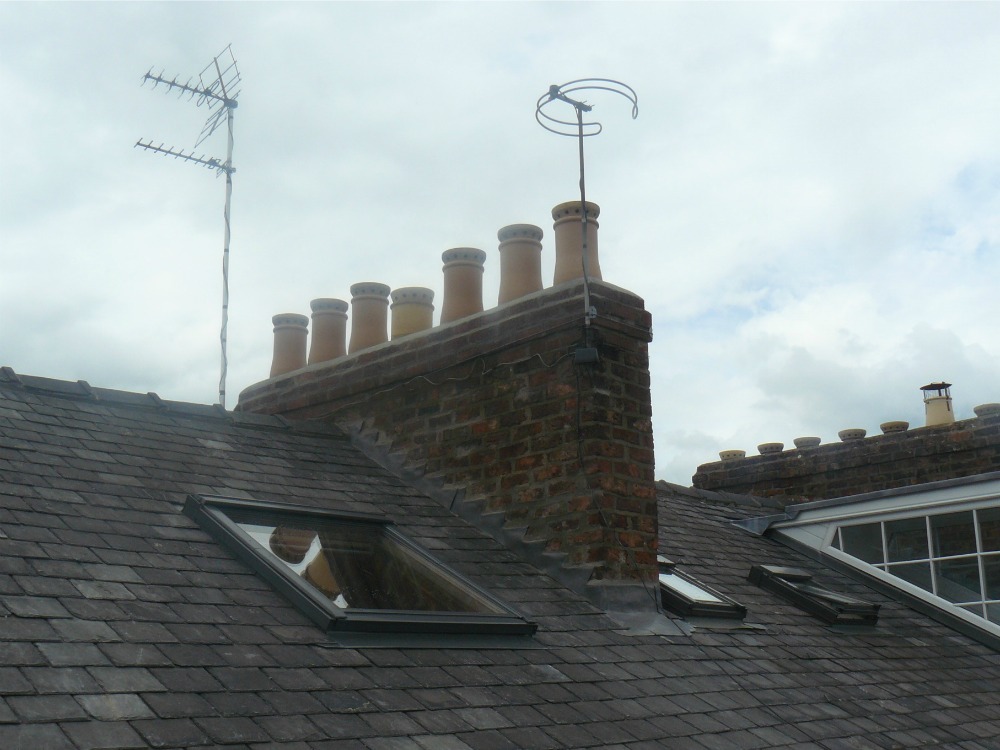
Chimney stacks should be pointed in lime mortar for the brick or stone joints, and flaunchings can be done using cement and grit sand for added strength and durability.
Coping stones are usually bedded in cement mortar for strength and joints can be pointed using mastic sealants. However, copings in some instances may benefit from being capped in lead or even zinc to prevent water penetration.
All of these services, and sound impartial advice, is available from GNR.
Get In touchGNR Roofing Services
Whether you’re maintaining a newer roof or restoring an older one, quality roof pointing is essential for long-term protection, stability, and curb appeal. At GNR Roofing Services, we combine expert workmanship with trusted materials to deliver pointing solutions that last.
If your ridge tiles show signs of cracking, movement, or weather wear, don’t wait for leaks or costly damage to set in. Our team offers honest assessments, competitive quotes, and repairs done right the first time.
Get in touch