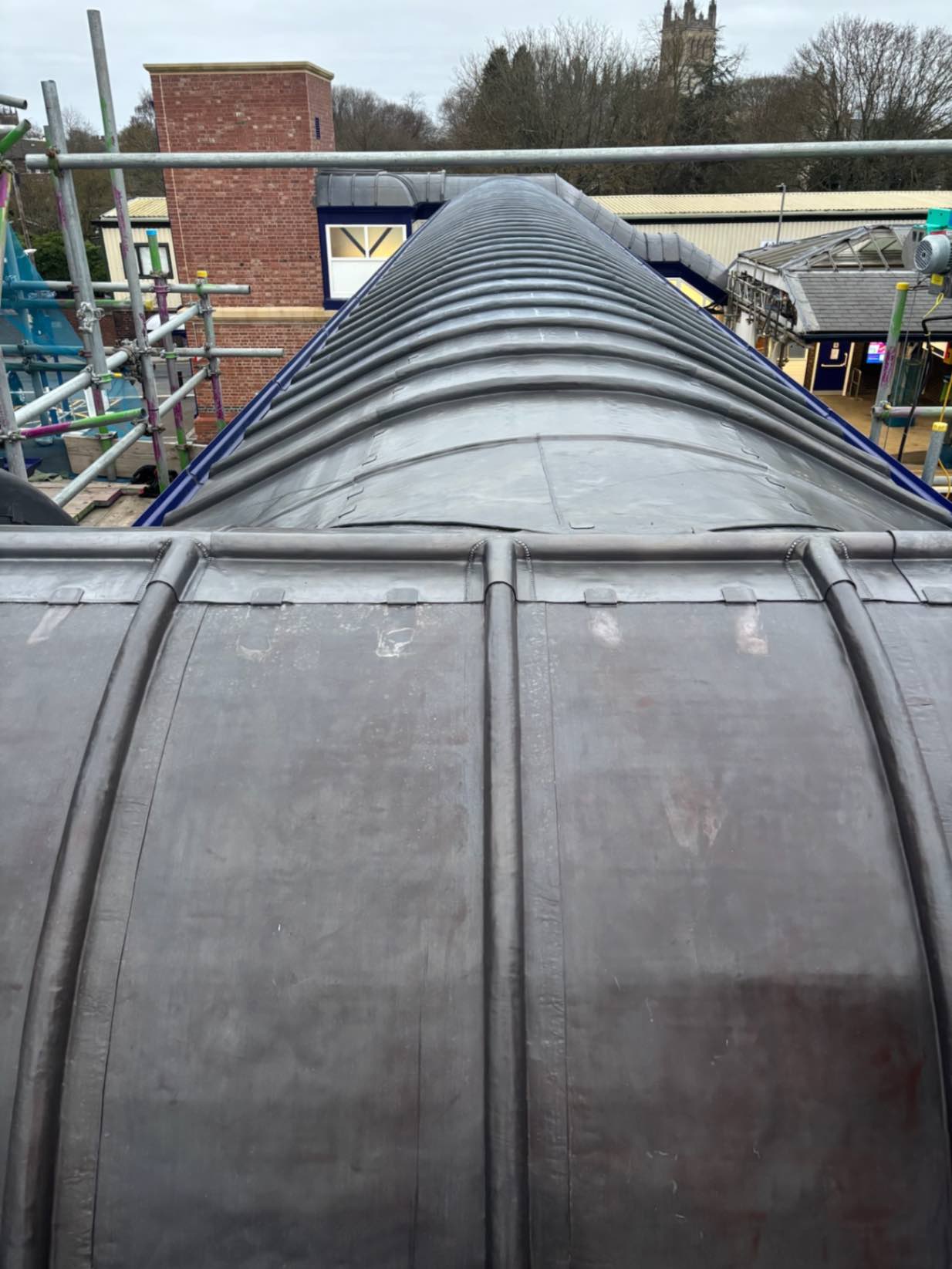
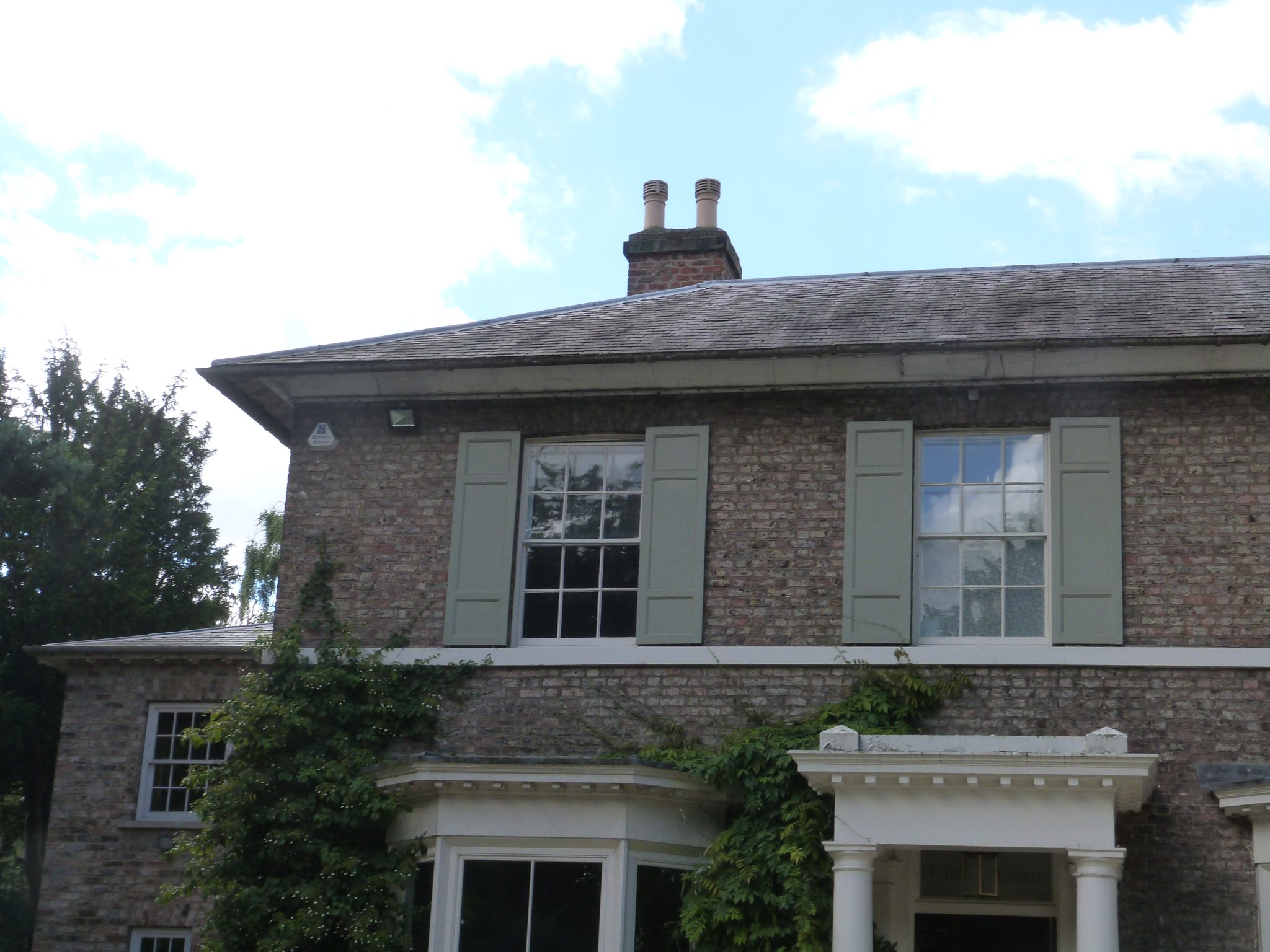
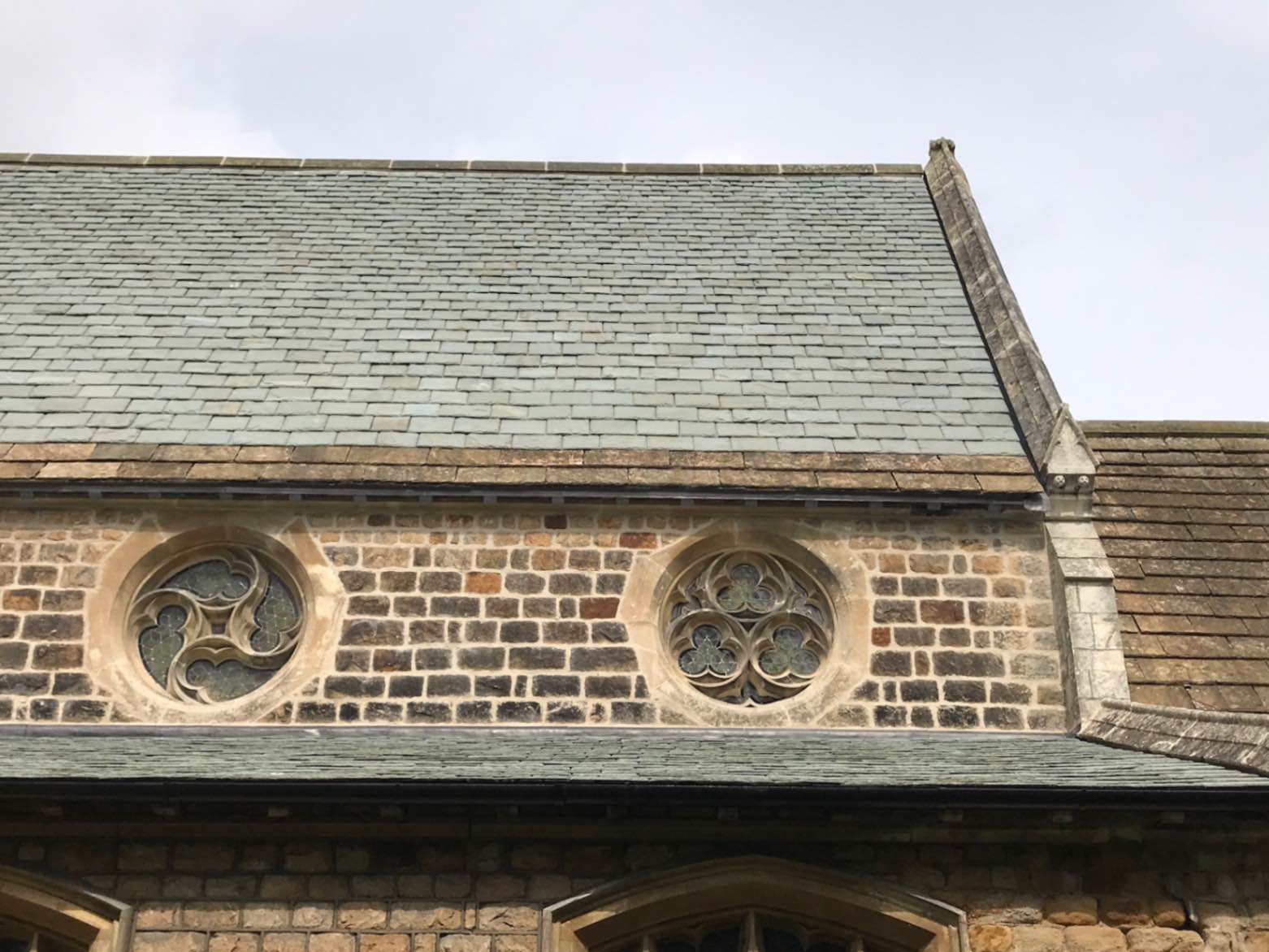
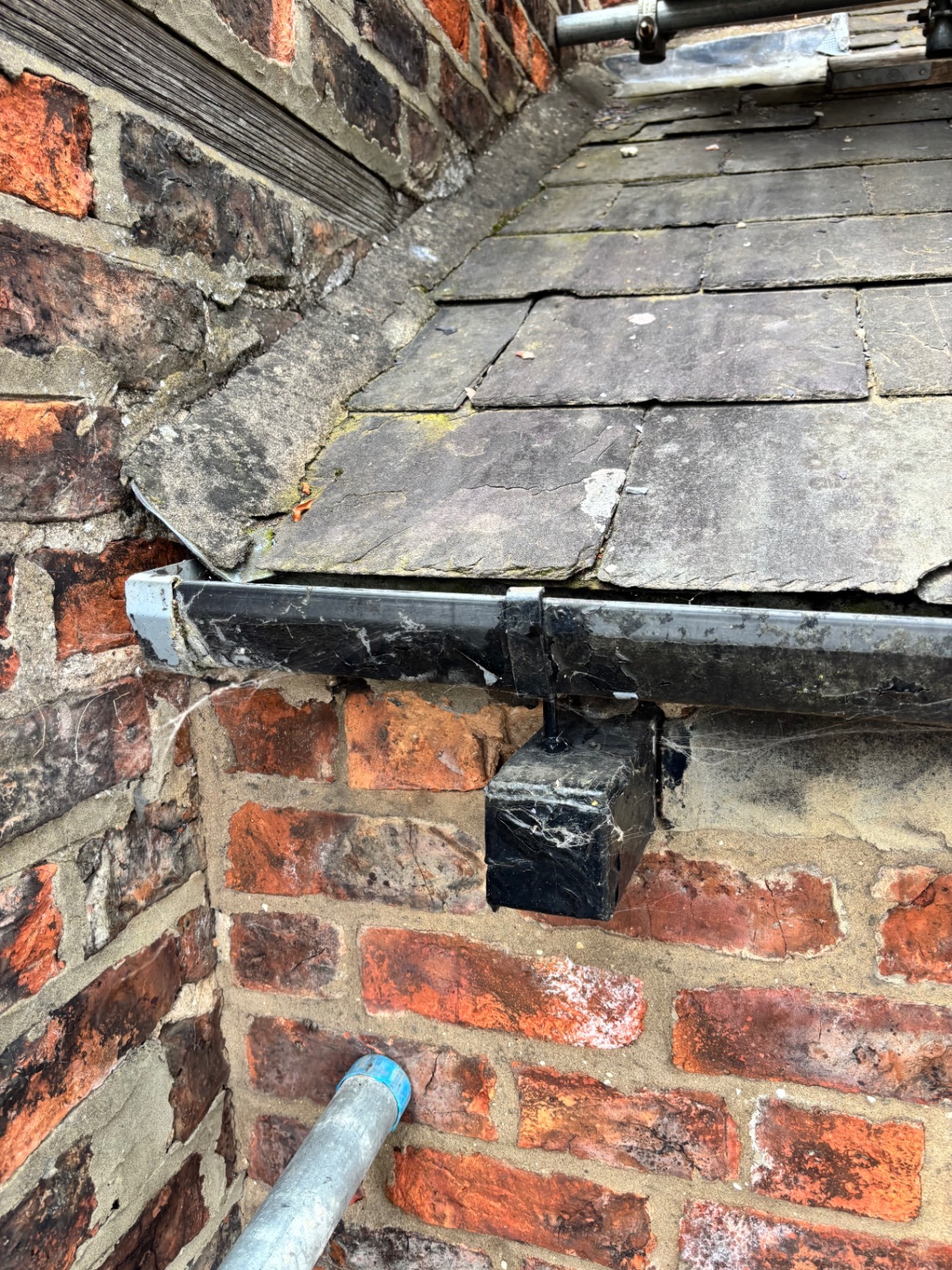
Reclaimed roofing materials are a valuable resource in both heritage restoration and sustainable construction, offering authentic character and environmental benefits. They are often essential for listed buildings or projects in conservation areas, where maintaining historical accuracy is crucial.
While reclaimed tiles and slates provide a unique, weathered aesthetic, they require careful sourcing and inspection to ensure quality and compatibility. Due to rising demand and limited supply, the cost of reclaimed materials is often comparable to or higher than new products, making it important to balance authenticity with practical considerations like longevity, availability, and budget. In many cases, a thoughtful blend of reclaimed and new materials is used to achieve both visual integrity and structural performance.
Client Page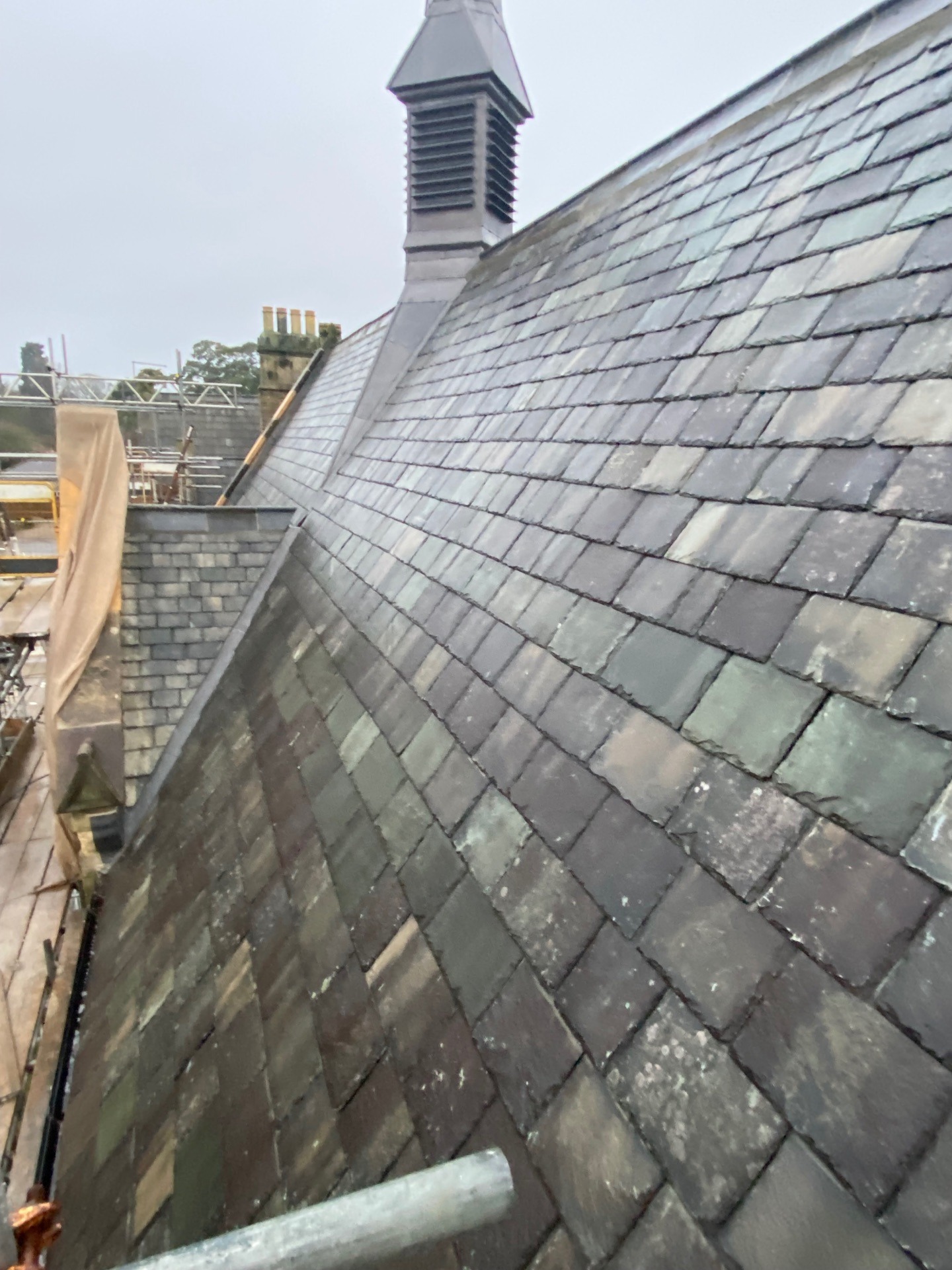
1. Commitment to Heritage and Restoration Projects
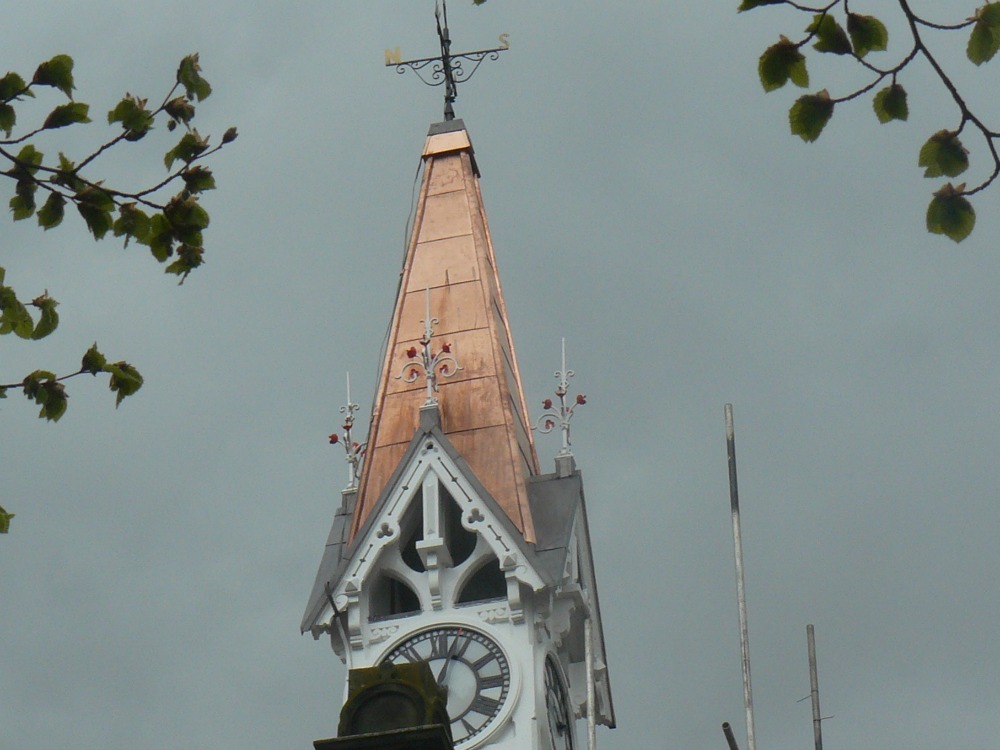
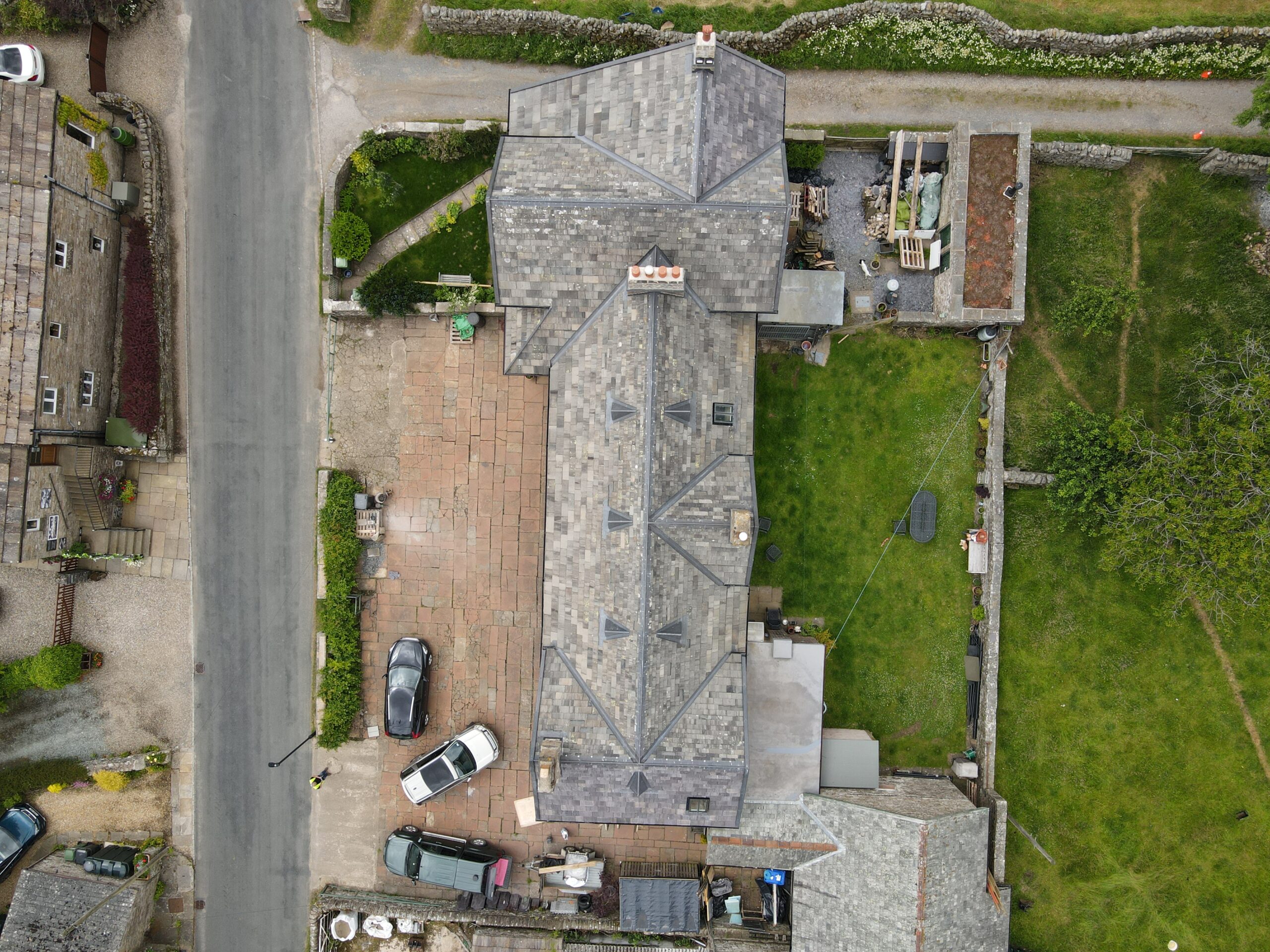
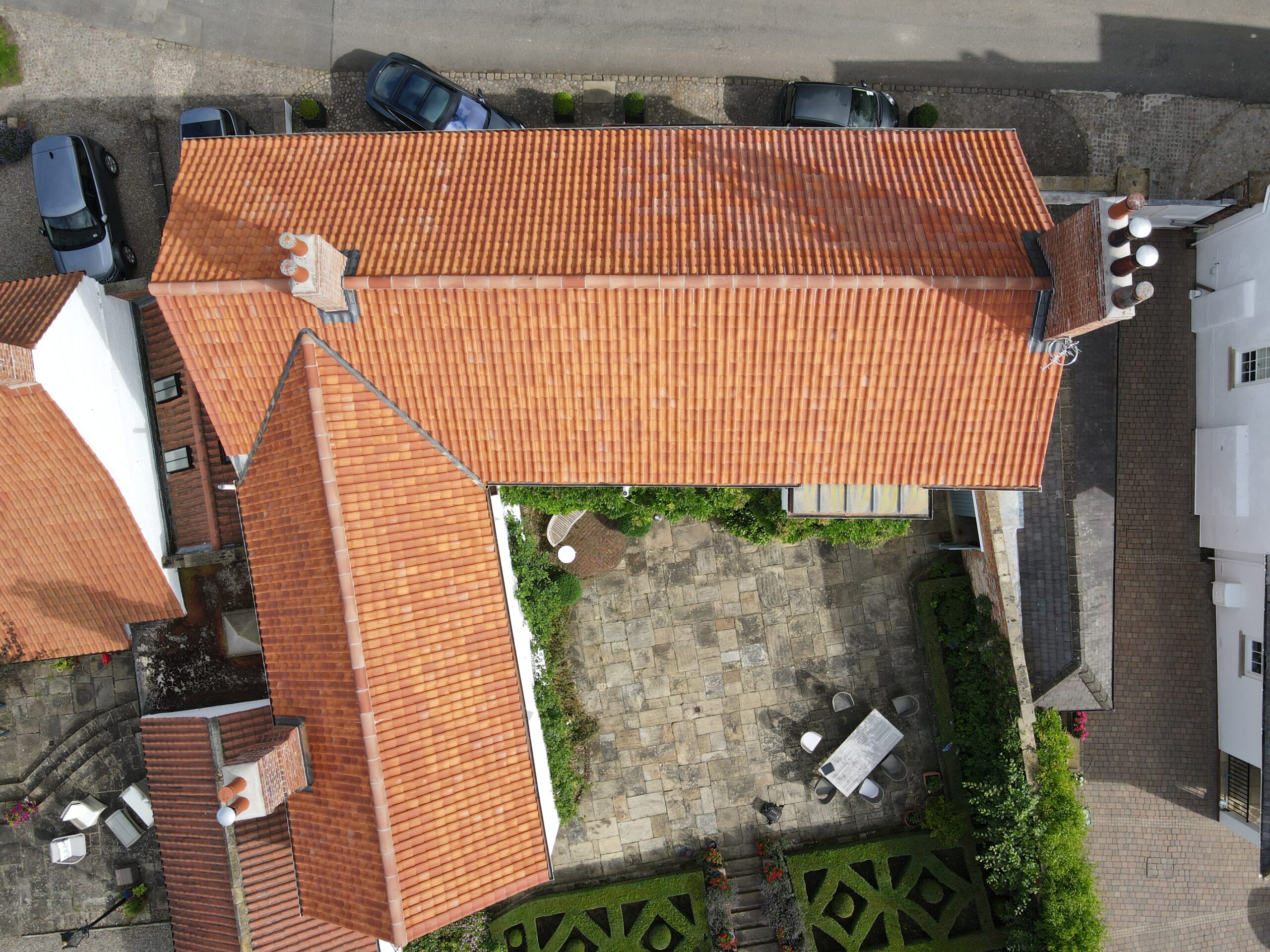
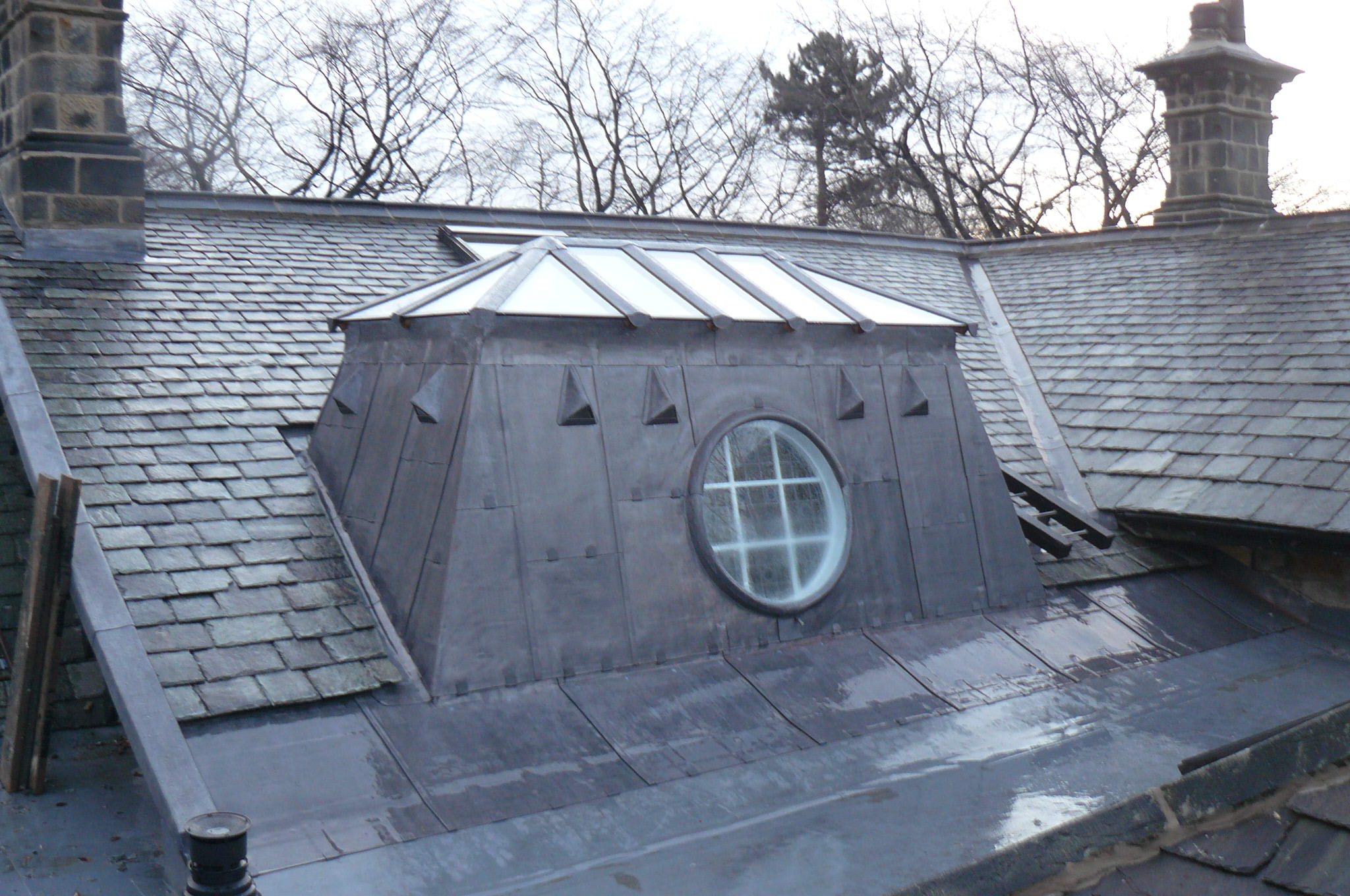
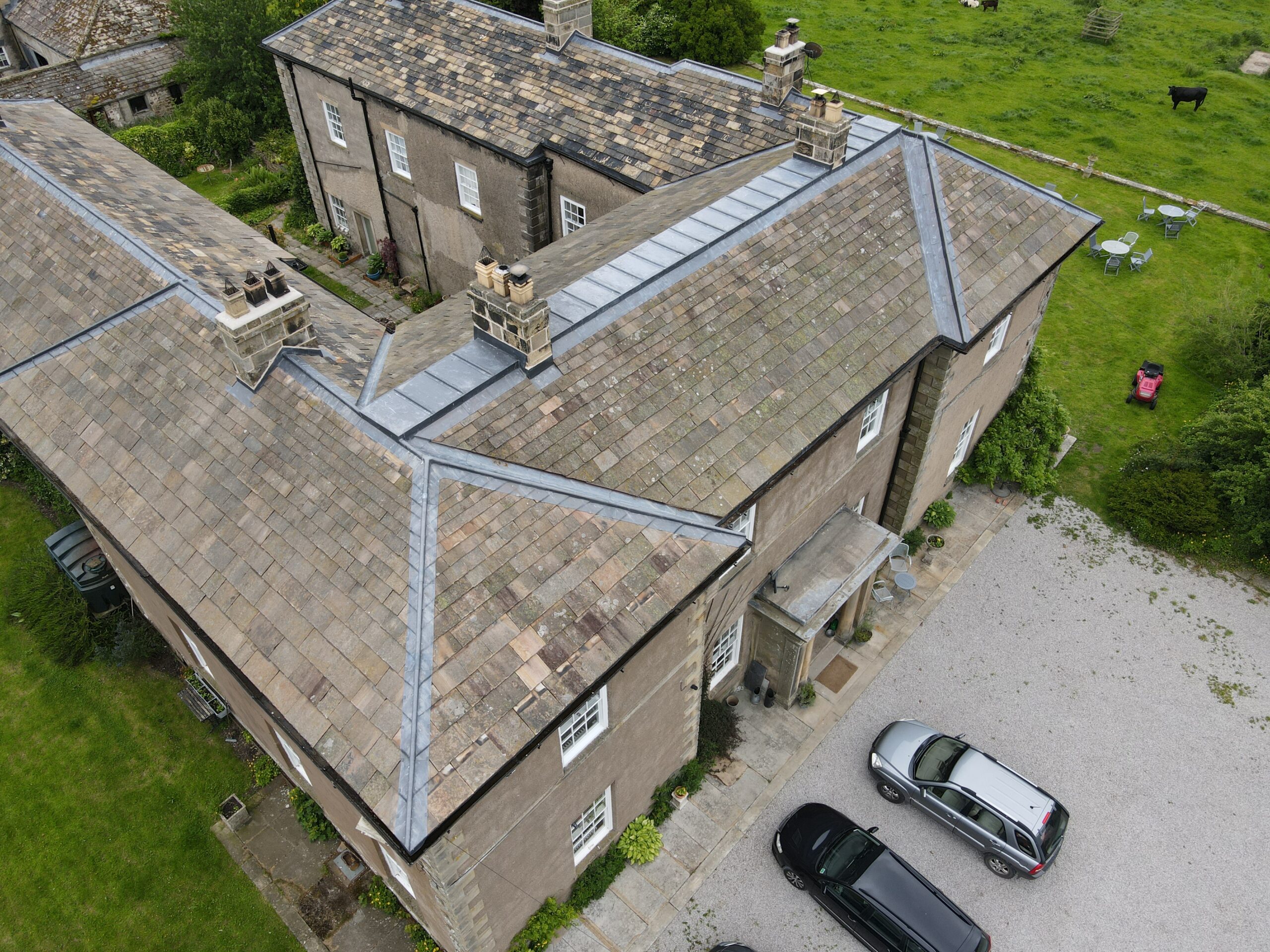
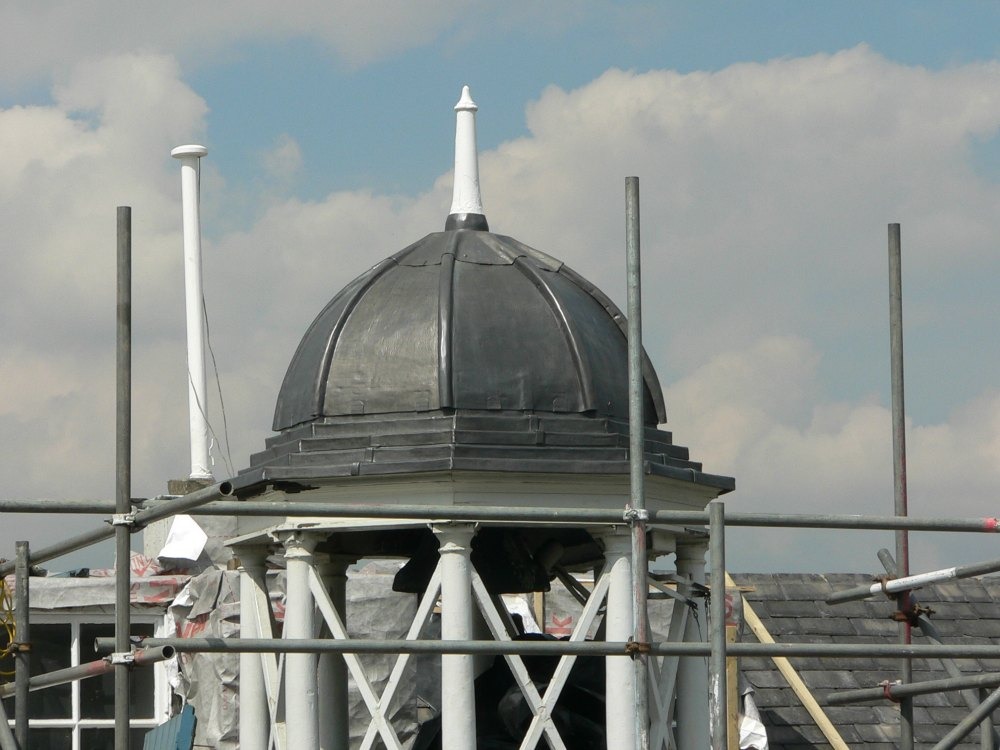
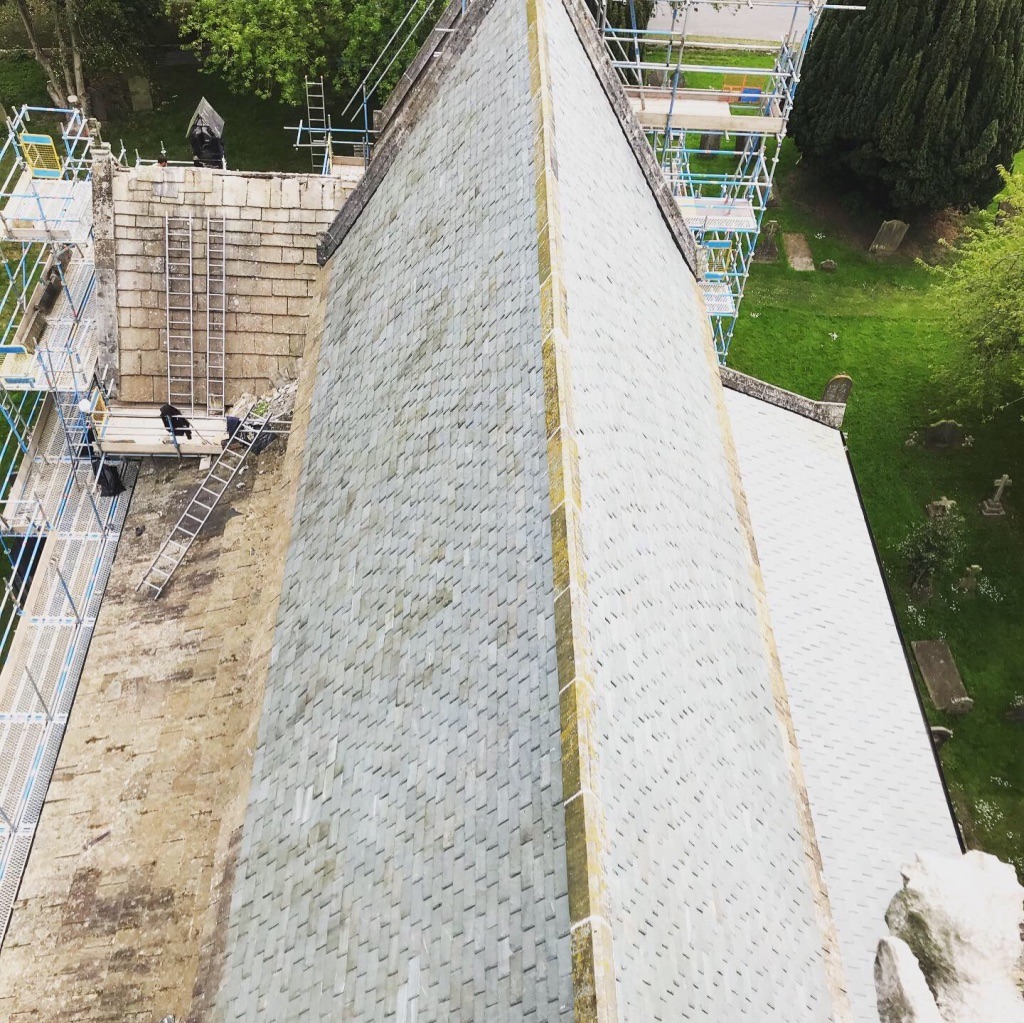
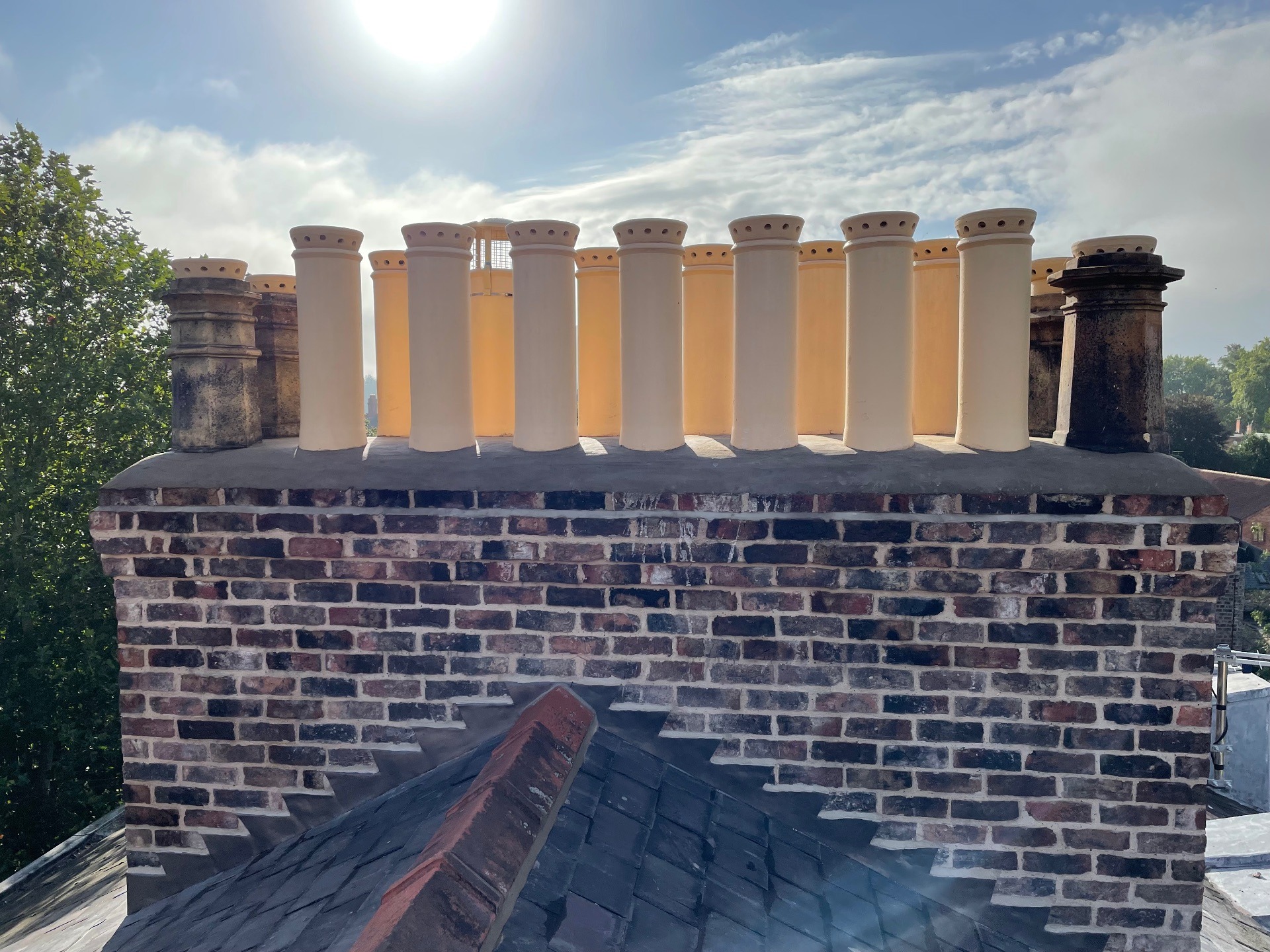
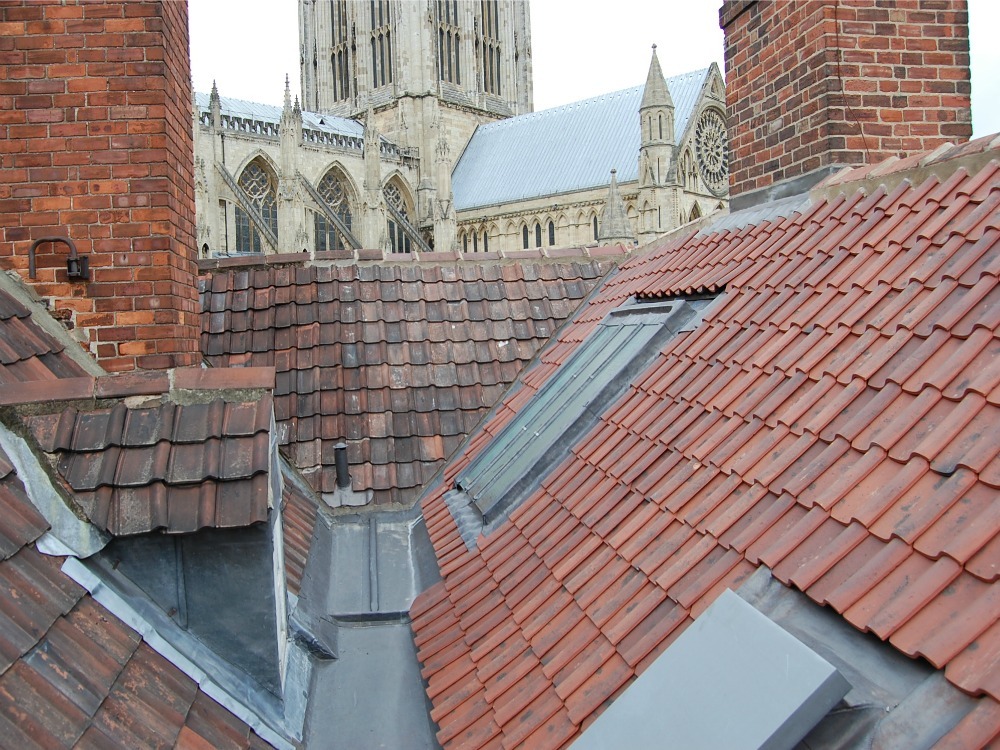
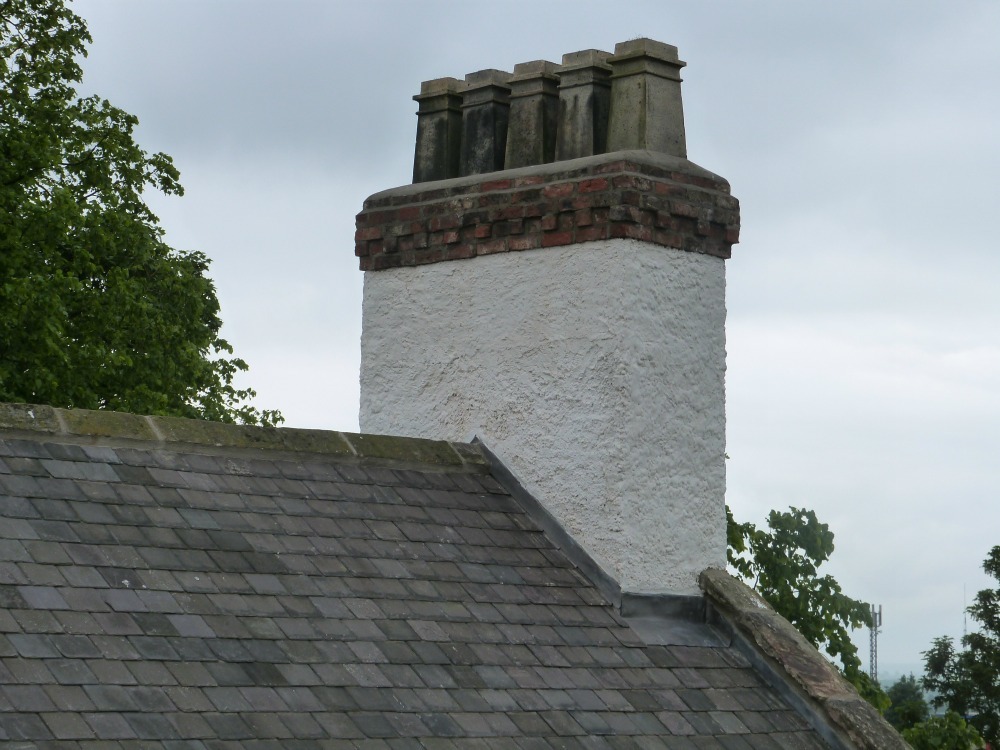
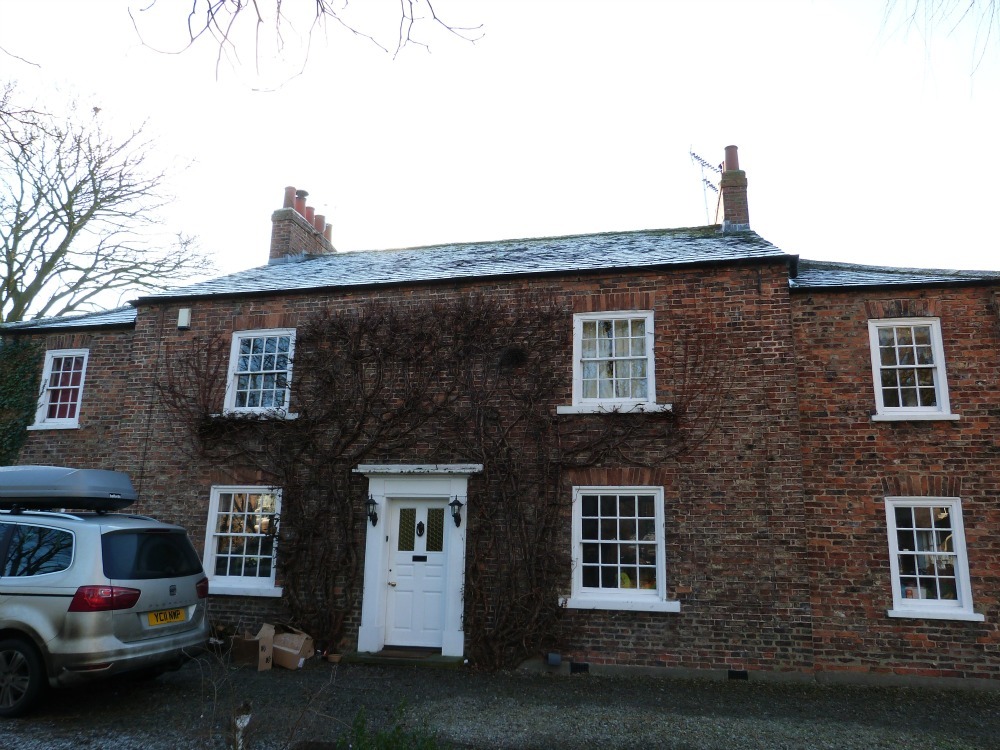
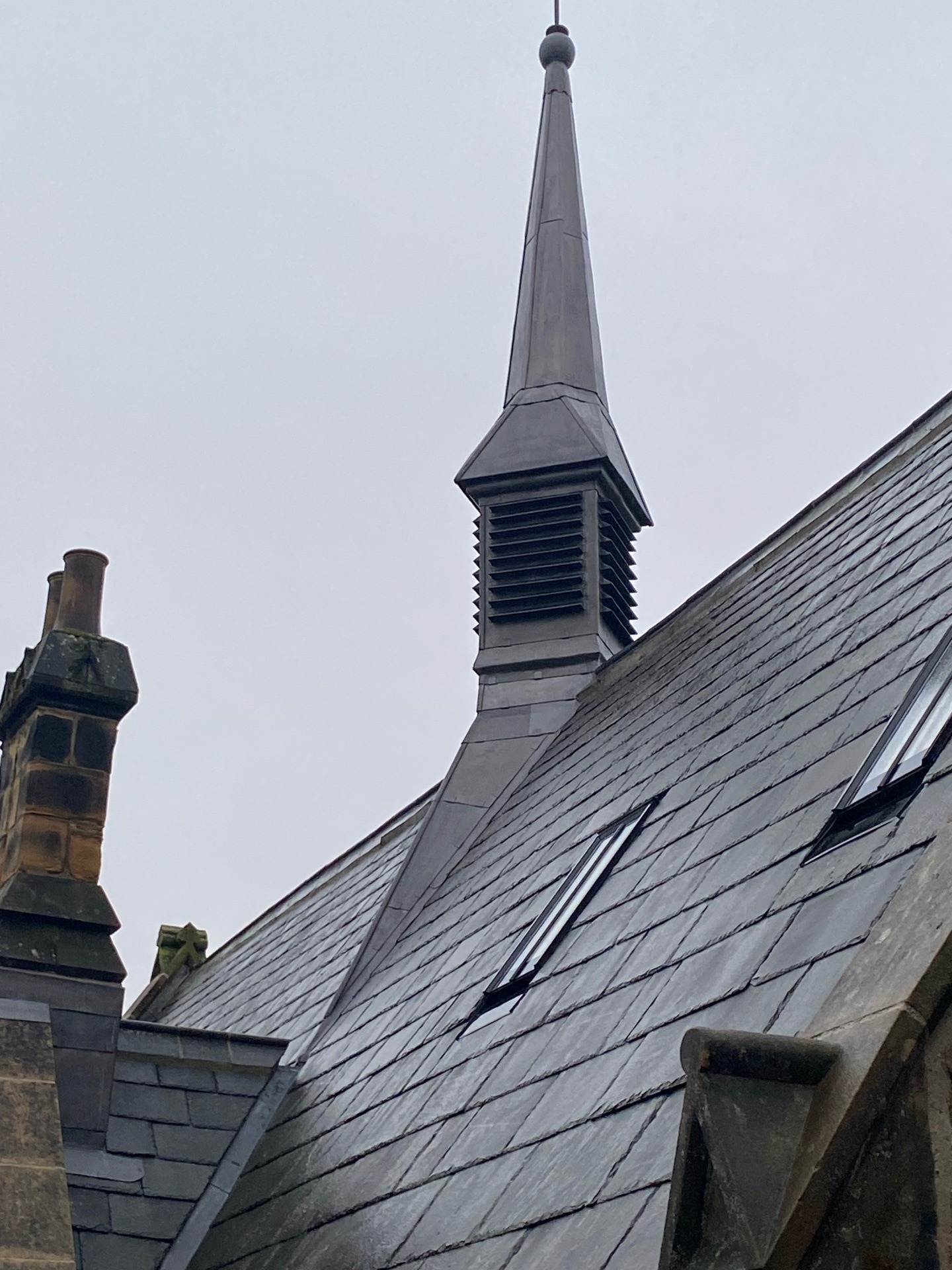
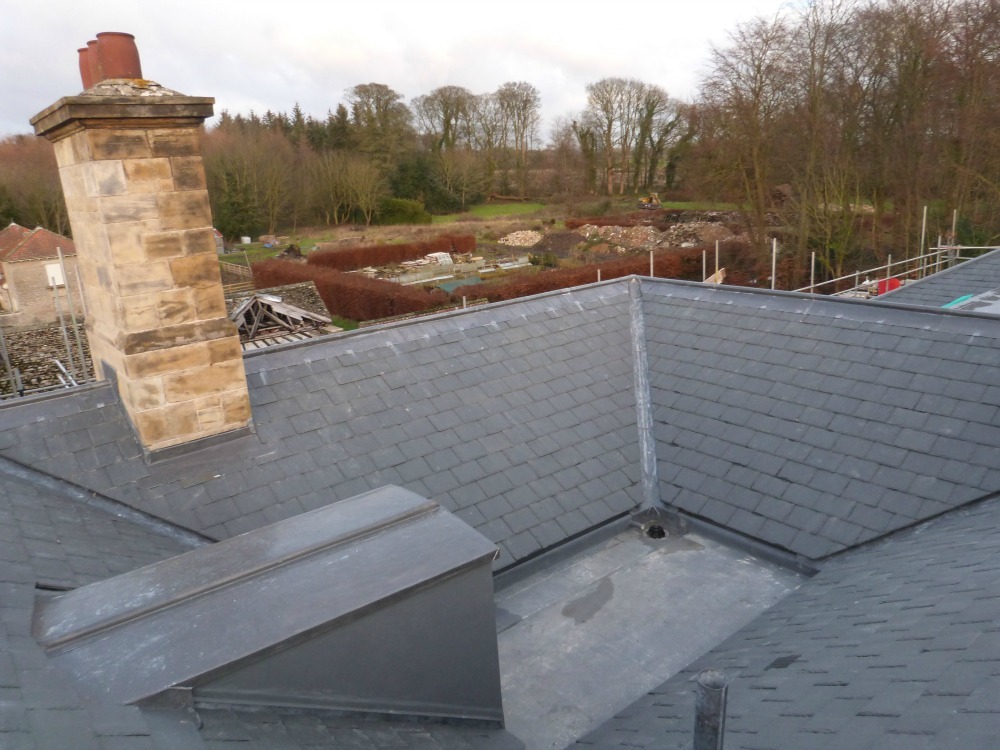
GNR Roofing Services specialises in the careful repair and restoration of heritage buildings, where authenticity and character preservation are critical. To achieve this, the company frequently incorporates reclaimed roofing materialssuch as slates, clay tiles, ridge tiles, and stone flags to match the original structure as closely as possible.
2. Importance of Careful Sourcing and Procurement
Using reclaimed materials requires expert sourcing and meticulous procurement. Each item must meet specific quality standards to ensure both the structural integrity and the visual consistency of the project. GNR Roofing partners with reputable suppliers to source materials that:
3. Balancing Reclaimed and New Materials
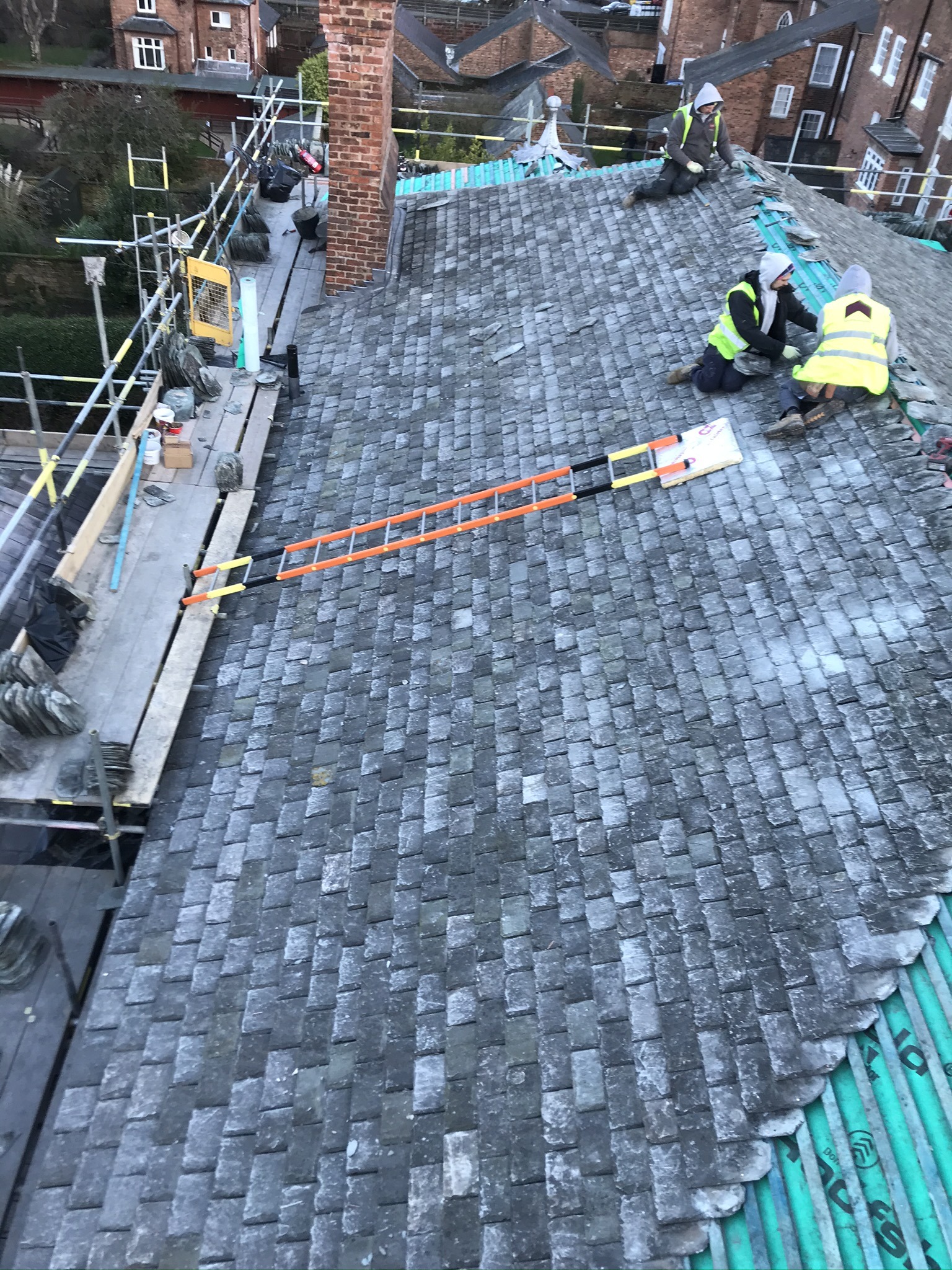
In many restoration cases, the availability of matching reclaimed materials can be limited. GNR Roofing Services addresses this by blending reclaimed and new materials carefully:
1. Industry Leader in the UK
The Reclaimed Company® is the number one supplier of second-hand roofing materials in the UK, offering an extensive inventory that includes:
2. Nationwide Service and Delivery
They provide a comprehensive service that includes:
3. Commitment to Quality and Sustainability
The Reclaimed Company® is dedicated to:
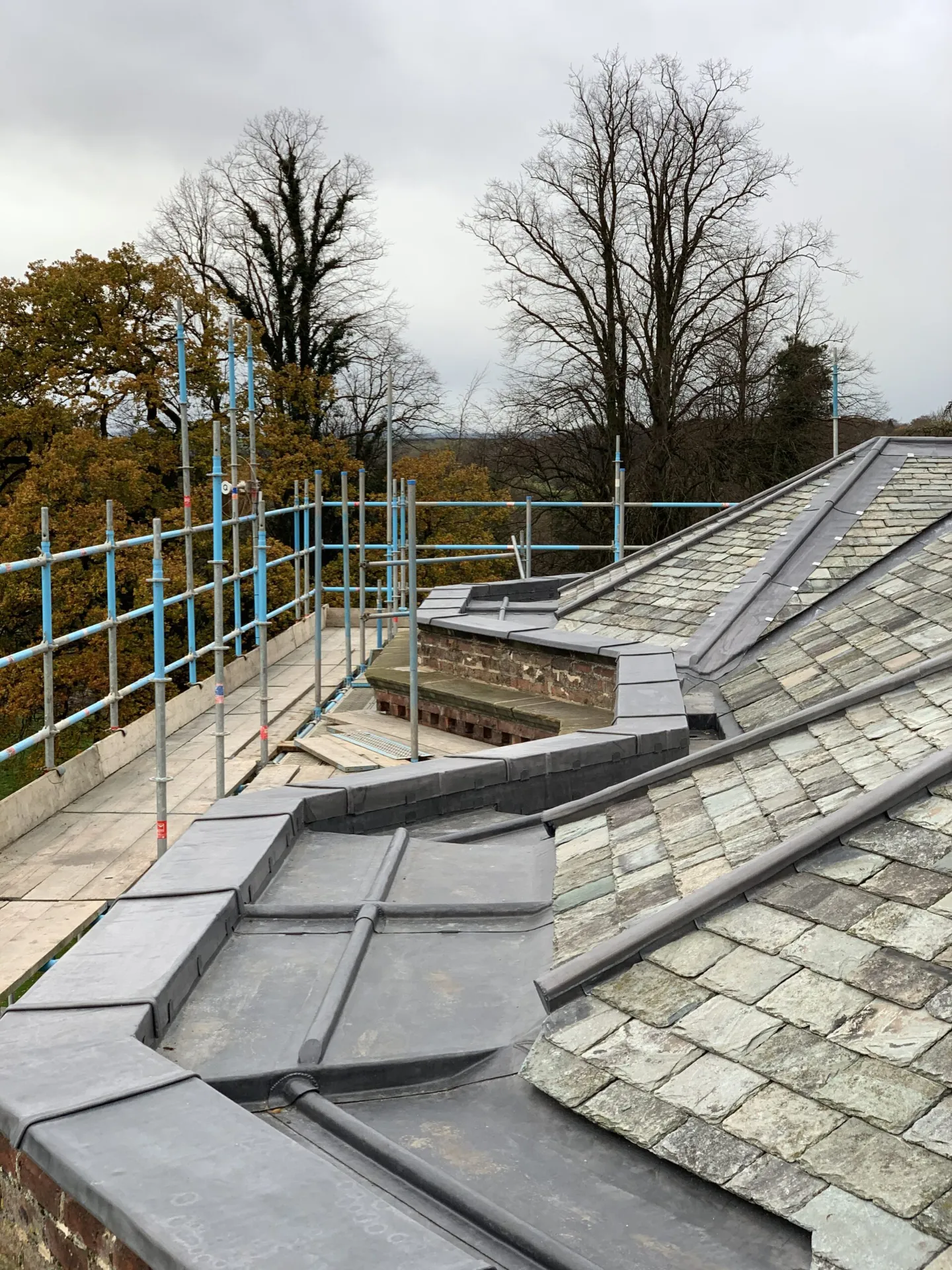
Sustainable, salvaged, second hand.
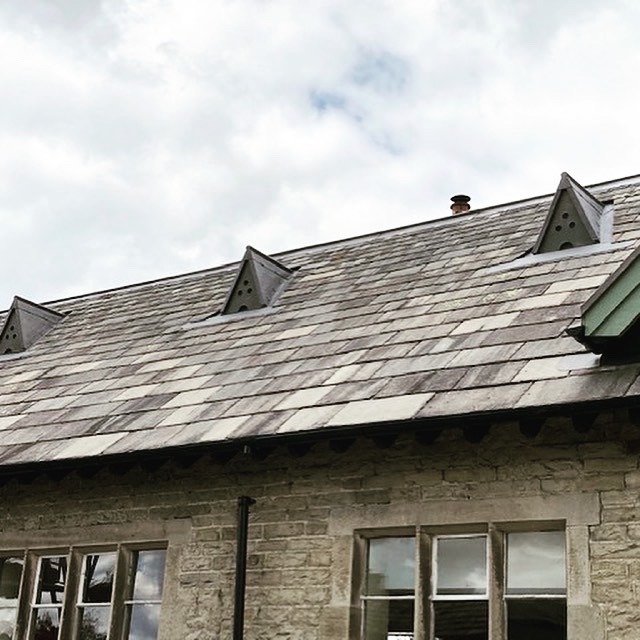
Slates, tiles, ridge and more.

Welsh roof slates, and reclaimed bricks.
Pros:
Authenticity for Restoration: Reclaimed materials are often essential for listed buildings or conservation areas, helping meet planning requirements and preserving historical integrity.
Unique Aesthetic: Weathered finishes and patinas cannot be easily replicated with new materials, offering a distinct and natural aged look.
Sustainability: Using reclaimed materials supports eco-conscious construction, reduces landfill waste, and aligns with growing sustainability standards in the industry.
Cons:
Sourcing Challenges: Finding enough matching tiles or slates of consistent size and condition can be time-consuming and logistically complex.
Variable Quality: Not all reclaimed materials are structurally sound; contractors must inspect and test thoroughlybefore installation.
Installation Complexity: Older materials can be more fragile, potentially slowing down the roofing process and increasing labour costs.
Pros:
Aesthetic Value: For heritage homes or character properties, reclaimed materials elevate the visual authenticityand may even increase property value.
Environmental Appeal: Eco-conscious clients appreciate the low-carbon footprint and resource conservation of reusing materials.
In Some Cases, Cost-Effective: If materials are sourced locally or already on-site, using reclaimed items can reduce material costs.
Cons:
Rising Costs: The price of reclaimed materials is increasing, driven by high demand and limited supply. In many cases, they now cost the same—or more—than new alternatives.
Limited Availability: Clients may need to compromise on timelines or material preferences depending on market availability.
Longevity Trade-offs: While some reclaimed items are very durable, others may have reduced lifespan, requiring a trade-off between character and longevity.
In sensitive restoration projects, reclaimed materials are often non-negotiable due to planning and visual requirements. However, both contractors and clients should consider:
A blended approach, using reclaimed in visible areas and new materials in less noticeable zones
Long-term value vs. upfront cost, especially when reclaimed items no longer offer a significant cost advantage
The total lifecycle of the roof, including ongoing maintenance
This balanced view helps ensure that the finished project meets both heritage standards and modern performance expectations.
| Category | Reclaimed Materials | New Materials |
|---|---|---|
| Material Cost | Typically comparable to or higher than new materials | Generally consistent and predictable pricing |
| Availability | Limited stock; availability varies by type and region | Readily available in a wide range of styles and formats |
| Aesthetic/Visual Appeal | Superior for heritage and traditional projects; aged patina | Clean, uniform appearance; may lack historical character |
| Installation Complexity | More complex; requires careful handling and sorting | Easier and faster to install due to uniformity |
| Labour Cost Impact | Often higher due to extra prep time and fragility | Lower; efficient installation process |
| Suitability for Heritage Use | Often required to meet conservation and planning regulations | Usually unsuitable for listed or period properties |
| Durability / Lifespan | Variable; dependent on original wear and current condition | Consistent lifespan backed by manufacturer warranties |
| Environmental Impact | Low impact; promotes reuse and waste reduction | Higher impact; involves new production and raw materials |
| Overall Value Consideration | Best for character and authenticity; rising in cost | Strong for longevity, performance, and ease of use |
At GNR, we strive to do our bit for the environment, and have partnered with The Reclaimed Company ® Marketplace where we advertise for sale a range of reclaimed roofing and building materials that are surplus to our requirements. The platform gives business like us, a medium to generate revenue and list for sale, reusable items from our daily work, and mitigate the need to send them to landfill.
The benefits of this action are clear and we actively encourage all contractors to join the movement pioneered by The Reclaimed Company ® and reduce the impact of our, and the wider construction industry.
Source Reclaimed Roofing materialsSustainable sourcing of reclaimed roofing materials involves carefully recovering tiles, slates, and fittings from demolished or renovated buildings, followed by thorough inspection, cleaning, and grading to ensure structural integrity and suitability for reuse.
This process reduces waste, preserves valuable resources, and supports circular construction practices. Responsible suppliers prioritize traceability, material quality, and compatibility with heritage requirements, ensuring that reclaimed products meet both environmental and performance standards.
Get in touch