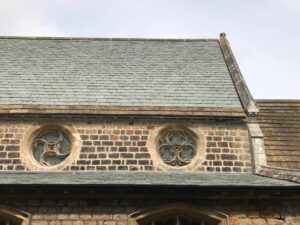
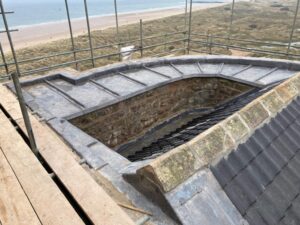
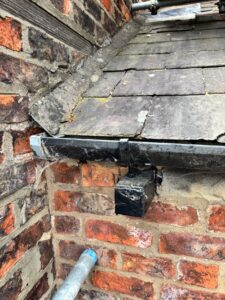
Zinc as a roofing material has become a popular choice in recent years owing to its contemporary aesthetics, ability to perform at a low pitch, outstanding durability, and endless opportunities to provide customised details.
At GNR, we strive to offer the very finest zinc roof coverings, not to be the largest zinc roofing contractor.
We operate a small team of highly skilled zinc roof specialist who can curate details to exacting standards across a range of sectors.

Installing zinc roof coverings is a specialist undertaking which requires considerable expertise, skill, experience and care. Further, fitting a zinc roof also requires specialist equipment comprising, but not limited to:
De-coiler, Tray forming machine, Bending machine, Soldering equipment and solder sticks, a range of specialist hand tools and equipment.
Book a site survey Upload drawings
The versatility of zinc as a material allows for the creation of vertical cladding details.

Panels can be installed to form a weatherproof covering to any facade.
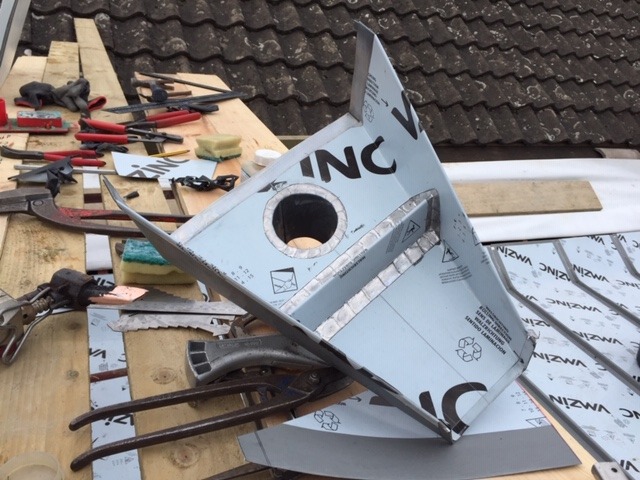
Custom detailing is often used to form outlet and interface details in zinc.

In roof solar PV systems can be integrated into a zinc roof covering with careful consideration and detailing.
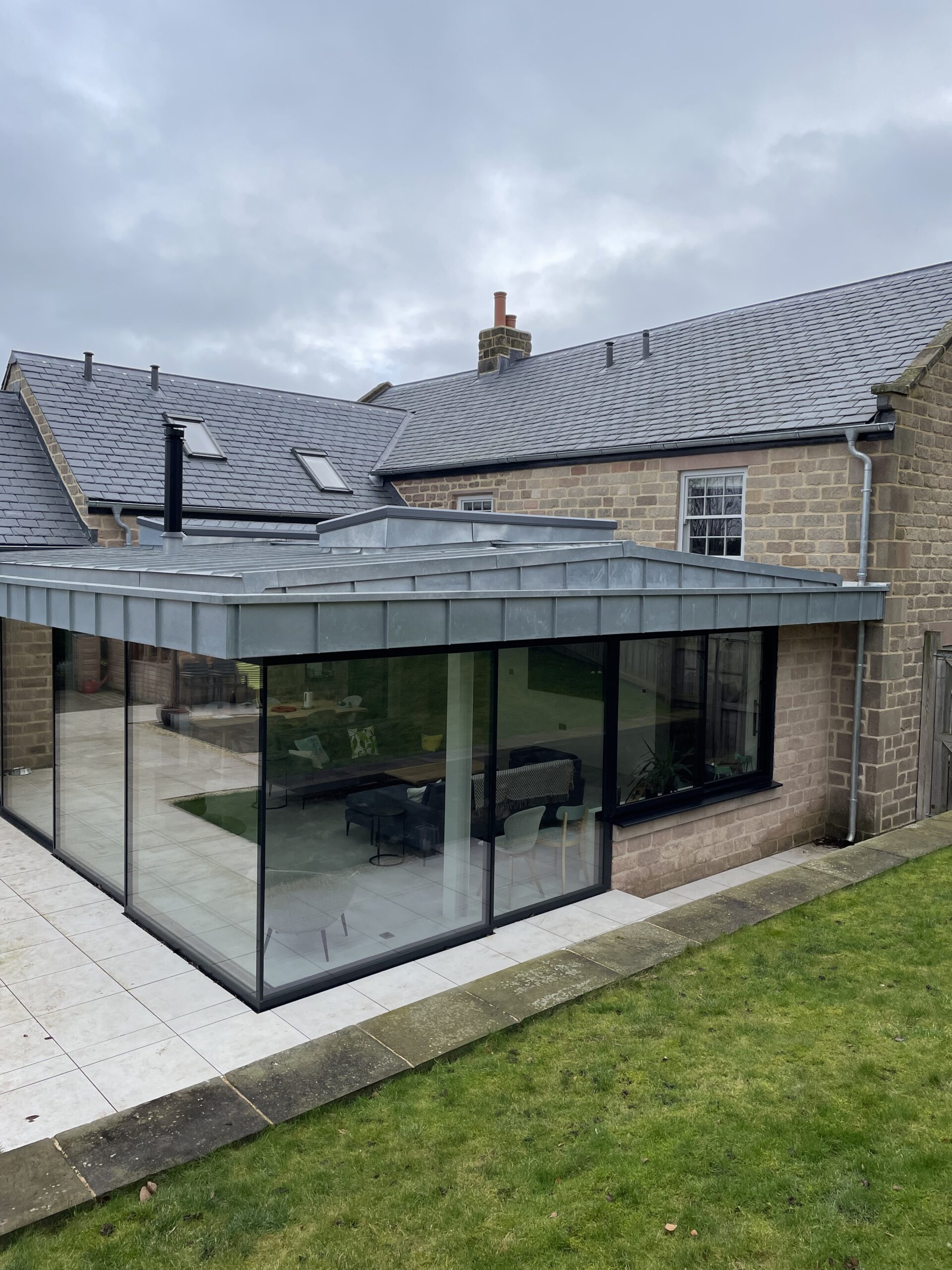
Zinc roof coverings can be installed to most roof areas. However, it is important to consider the feasibility in relation to the context of your project and whether zinc is the most appropriate material for the roof area.
Substrate design is critical. Premature Zinc failures can occur owing to an inappropriate build up beneath the metal covering. Formation of a substrate should be carefully considered and devised before the roof is installed.
A clearly defined specification and costs need to be presented in advance of any project being undertaken to ensure sufficient resource is allocated for the execution of a zinc roof. Accounting for all elements of work is crucial.
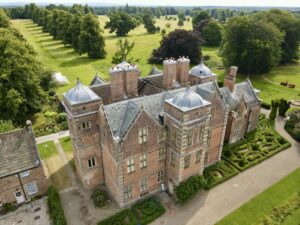
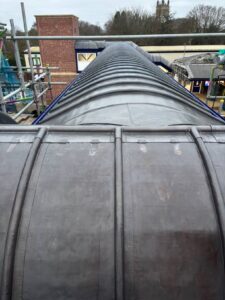
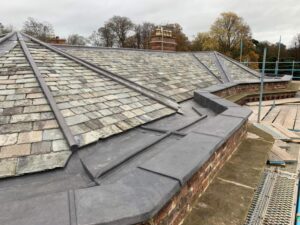
All of the work featured on this page is our own, we are proud of our craft and are pleased to showcase our work in zinc of all colours.

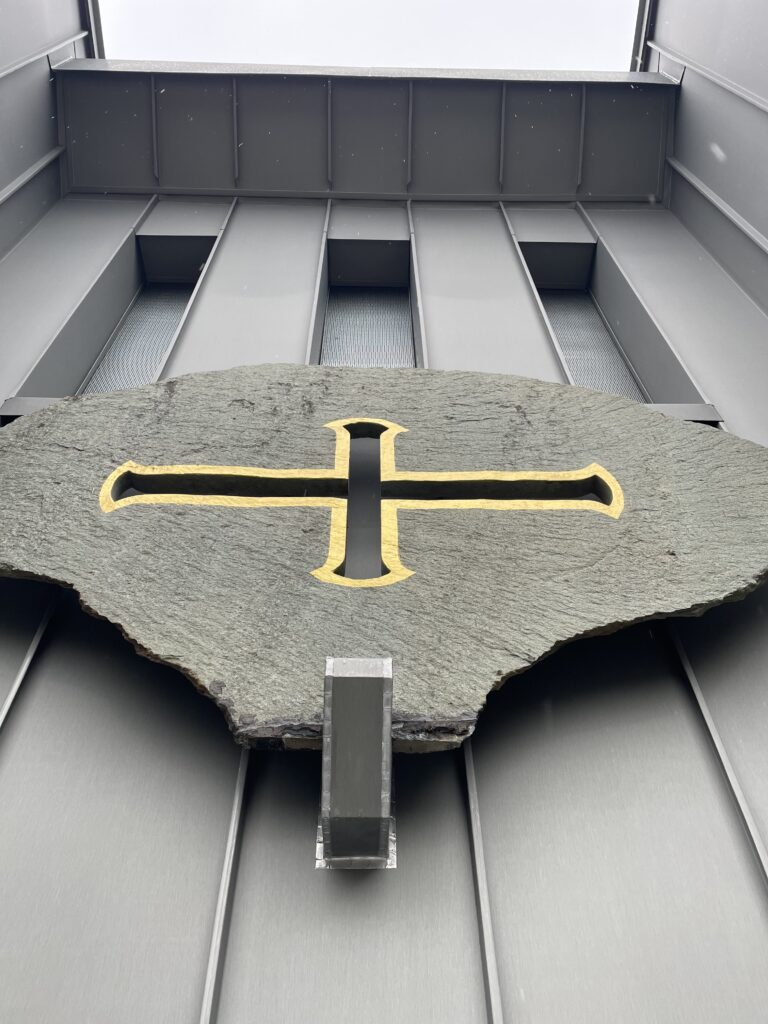


Zinc can be provided in a range of surface finishes. Natural zinc differs from colours zinc and making the right choice based upon your aesthetic requirements is an important part of any zinc roofing project.

For larger orders of zinc, please e mail us with your requirements and we will revert with a price within 7 working days.
Contact for a zinc priceThere are several types of zinc roofing systems, each designed to cater to different architectural needs and aesthetic preferences:
Standing Seam Zinc Roofing: This method is one of the most common in the UK, featuring long, narrow panels joined by raised seams. It’s ideal for steeply pitched roofs and curved designs.
Flat Lock and Shingle Zinc Roofing: Flat panels are interlocked, providing a clean, smooth appearance. This system is suitable for facades as well as roofs with lower slopes.
Zinc Shingles: Pre-formed zinc shingles offer a more traditional, tile-like appearance, often used in both residential and historical restoration projects.
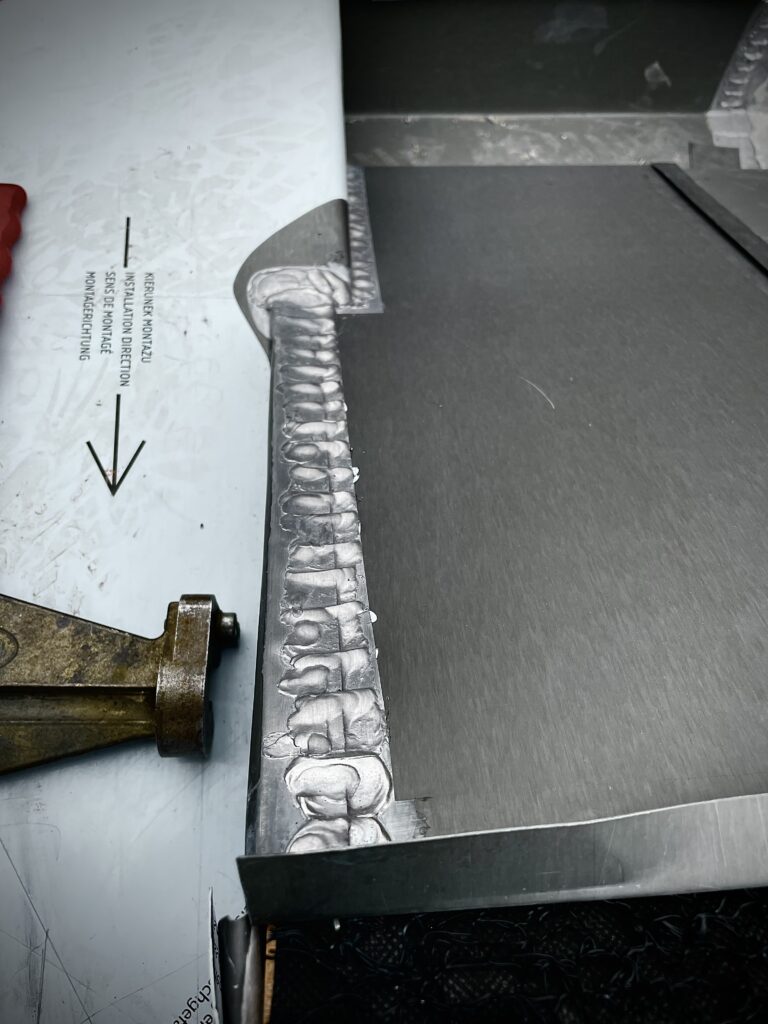
Detailing in Zinc: A range of details can be formed using zinc, form outlet, spitters and interfaces. Zinc can be cut, bent and soldered to provide a solution for intricate areas that require a bespoke interface.
Rainwater goods: Zinc guttering and fall pipes are available in complimentary or contrasting colours. Zinc rainwater goods offer an aesthetically pleasing and durable solution to traditional guttering and fall pipe arrays.
read more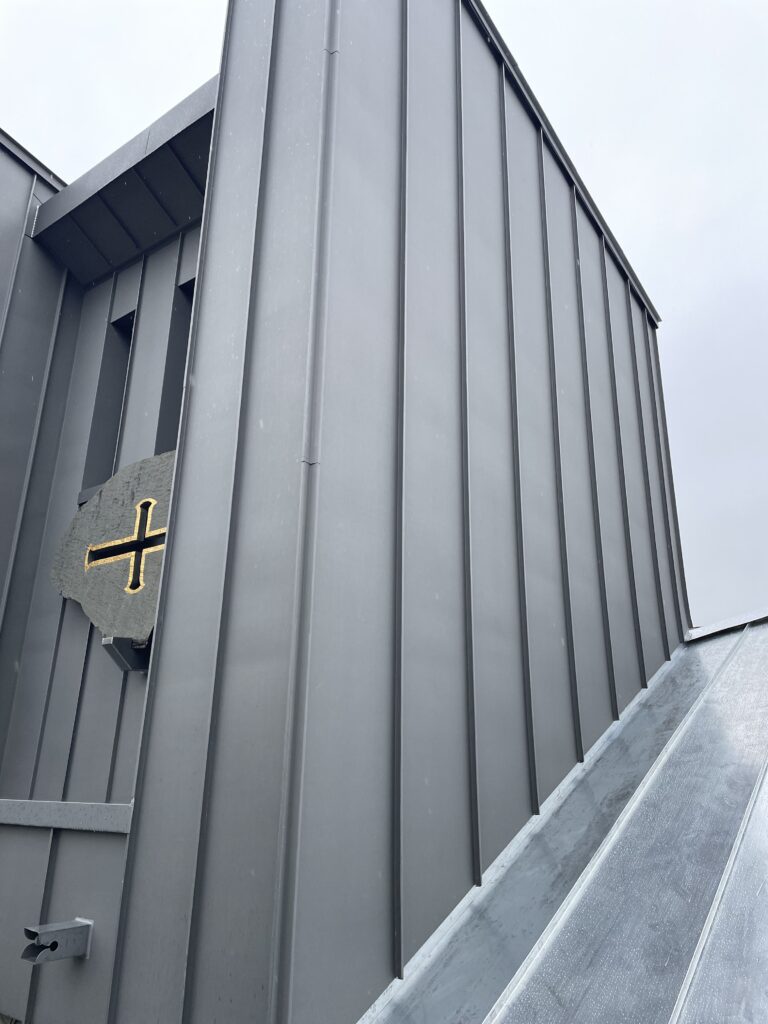

Substrate plays a critical role in the successful installation and performance of zinc roofing. Depending on the project, you can opt for either a warm roof (insulated) or vented roof (cold) system. Here’s a breakdown of both:
In a warm roof system, the insulation is placed directly beneath the zinc panels, creating a continuous layer of insulation that protects the building from heat loss.
Advantages:
Considerations:
In a vented (cold) roof system, there is an air gap between the insulation and the zinc panels, allowing for airflow that prevents condensation.
Advantages:
Considerations:
In the UK, the installation of metal roofing systems, including zinc, must adhere to specific guidelines to ensure safety, durability, and performance. These guidelines are outlined in several British Standards (BS):
Critically, there is no specific standard that relates to only zinc as a metal, but the following standards should be referenced along with the UK Guide to Good Practice pubi=lished by The F.T.M.R.C.

The costs associated with zinc roofing depend on a range of factors. At GNR, we provide project costs in context. Zinc roof sheets and zinc roof details, and the requirements to form very speficic substrates, can make zinc roofing expensive versus other materials. However, based upon the longevity of the material, when correctly installed, zinc as a roofing material will provide excellent value over the medium to longer term.
Importantly, the more details are involved in a given project, the more expensive that project will become. When considering the cost of zinc roofing, you will need to factor in the cost of the raw material, a contingent for waste, the machinery required to form the material, and a range of extremely specialist plant and equipment for on or off site manufacture of panels and details.
Critically, htere is no one price suits all aproach to zinc rooofing applications, and each project must be understood and costed in context.