


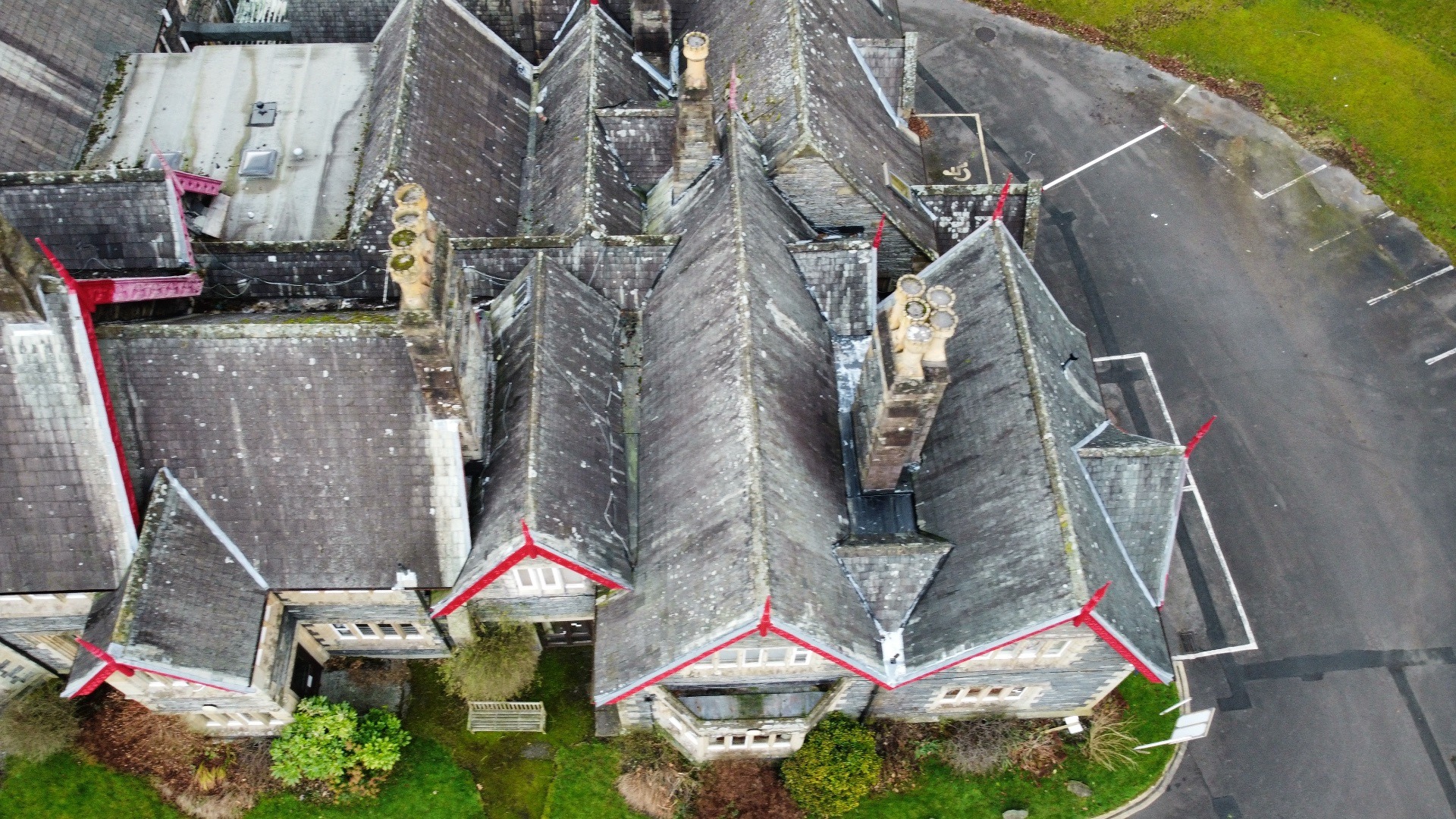
Listed Building Roof Surveys in Yorkshire: Scope, Costs & Compliance
A professional listed building roof survey helps owners, estates, churches and property managers understand defects, historic materials, compliance risks and realistic repair priorities before work begins.
Listed building roof surveys
A professional listed building roof survey helps owners, estates, churches and property managers understand defects, historic materials, compliance risks and realistic repair priorities before work begins.
This guide explains how Neal Roofing’s skilled heritage teams inspect historic roofs, record limitations, identify previous inappropriate repairs, assess retained and reclaimed materials, and present clear options for repair, phased renewal or complete re-roofing.
Listed building consent, planning permission and conservation requirements depend on the proposed work and the building’s significance. Review our Roofing Regulations & Standards guide and seek project-specific advice before altering roof form, coverings, structure or historic details.
What our heritage roof survey includes
Initial briefing
on history, listing status, prior works and client objectives.
Access strategy
safe access, drone where appropriate, and selective close inspection.
High-resolution photography
of slopes, ridges, hips, valleys, chimneys and rainwater goods.
Material assessment
slate/tile type, salvage potential, nail/screw fixings, underlay condition.
Leadwork review (BS6915)
codes, lengths, laps, fixings, clips, patination staining & fatigue clues.
Timber & structure
rafter line, spread, decay, insect attack, wall plate condition, ties/straps.
Moisture & ventilation risks (BS5250)
eaves/soffit path, ridge venting, cold/warm roof issues.
Fixings & underlay (BS5534)
wind uplift, headlap, batten size/grade, dry vs. wet systems.
Prioritised defect list
with risk ratings and implications for fabric/interiors.
Budget cost ranges
for repair, part-renewal, or full reroof (with programme assumptions).
Compliance commentary
referencing current standards.
Typical deliverables you receive
PDF report
PDF report with annotated photos and clear defect schedule.
Options appraisal
Options appraisal (repair vs. replace vs. staged phases).
Budget costs
Budget costs and allowances (incl. temporary roof where needed).
Programme
Outline programme and site logistics (scaffolds, access, protection).
Material strategy
Material strategy: new vs. reclaimed, and sourcing plan.
Consent, compliance and conservation significance
A roof repair can affect more than weather resistance. Changes to coverings, pitch, structure, rooflights, dormers, chimneys, leadwork or visible detailing may affect a listed building’s special interest.
Confirm the listing and constraints
Check the listing entry, conservation-area status, previous approvals and any conditions attached to the property.
Understand significance
Identify which roof forms, materials, details and historic repairs contribute to the building’s character before proposing change.
Define the intervention
Separate maintenance, localised repair, selective renewal and alteration so the appropriate consent route can be considered.
Record the method
Provide photographs, material choices, access strategy, temporary protection and repair sequencing for review where required.
For independent conservation guidance, see Historic England’s advice on older roofs. This does not replace advice from the relevant local planning authority or conservation professional.
Choosing the right materials (new & reclaimed)
Material choice should be based on surviving evidence, condition, compatibility, regional character and consent requirements. Neal Roofing can assess natural slate, Yorkshire stone slate, clay tiles, timber, underlays and traditional leadwork, then recommend retention, selective reuse, compatible new material or reclaimed stock. Explore our roofing materials guide. Reclaimed tiles, slates and architectural materials can be sourced through The Reclaimed Company, while specialist leadwork can be supported by The Lead Lads.
Leadwork that lasts (BS6915 essentials)
Many historic roof leaks start at abutments and chimneys. Our surveys check lead codes and bay lengths, laps, welts, fixings and clip spacing, plus how water is managed at steps, saddles and sumps. If we recommend renewal, we’ll align the detail with BS6915 and good-practice guidance, and—in collaboration with The Lead Lads—set out a robust, long-life specification.
Condensation & ventilation risks (BS5250)
Unintended condensation can rot timbers and reduce slate/tile longevity. We review ventilation paths, air-permeable vs vapour control layers, ridge/eaves provision and insulation interfaces. Findings are reported against BS5250 with practical, minimally invasive upgrade options.
Fixings, battens & underlays (BS5534)
We assess batten size/grade, fixings schedules, headlaps and wind-uplift exposure in line with BS5534. This protects both historic fabric and warranties, and is particularly important where modern dry-fix interfaces must sit sensitively within a heritage context.
Illustrative budget ranges
Historic-roof costs vary significantly. The figures below are broad planning allowances only and must not be treated as a quotation. Access, scaffold design, temporary protection, consent, material availability, roof complexity and concealed defects can materially change the final cost.
How we present the findings
Defects list
Defects list ranked by urgency and impact.
Photo appendix
Photo appendix with arrows/callouts to make decisions easy.
Compliance map
Compliance map cross-referencing standards.
Material schedule
Material schedule (new vs reclaimed, lead codes, slate types).
Programme sketch
Programme sketch showing sequencing and weather-risk control.
When to involve an RICS surveyor
A contractor-led roof condition report is useful for defects, access planning, repair options and budget development. Where a lender, insurer, legal dispute or formal independent opinion requires a chartered surveyor, we can coordinate with Strut Building Surveyors for separate professional support.
Book a Listed Building Roof Survey in Yorkshire
Get a clear, condition-led inspection from skilled roofers experienced in historic materials, conservation-sensitive repairs, leadwork and complex building envelopes.
FAQ: Listed building roof surveys
What is included in a listed building roof survey?
A suitable survey can cover roof coverings, leadwork, junctions, rainwater goods, accessible structure, visible moisture, ventilation, previous repairs, material compatibility, access limitations and prioritised repair options.
Do I need listed building consent to repair a roof?
Routine maintenance may not always require consent, but work that alters the building’s character, roof form, covering type, structure or important historic details may do. Confirm the position with the relevant local authority or conservation adviser before work starts.
Can a listed building roof be completely replaced?
Complete replacement may be possible where condition and evidence justify it, but retention and repair of serviceable historic fabric should be considered first. The proposed materials, detailing and method may require consent.
Can reclaimed slates and tiles be reused?
Yes, where they remain sound and suitable for refixing. Reuse decisions should consider nail holes, delamination, thickness, size, weathering, coverage, matching and the demands of the new fixing specification.
Can insulation be added to a historic roof?
Often yes, but the design must account for moisture movement, ventilation, existing construction and heritage significance. A standard modern roof build-up should not be assumed suitable for every historic property.
How often should a heritage roof be inspected?
Owners should carry out regular visual checks and inspect after severe weather. Professional inspection is advisable where there are slipped coverings, staining, overflowing gutters, failed leadwork, visible movement or repeated patch repairs.
Do you use drones on all heritage surveys?
No—drones are helpful for initial scoping, but we combine them with safe physical inspection where required to check details like fixings, laps and timber condition.
Can you work to match existing materials?
Yes. We specify new or reclaimed to match, and can source reclaimed stock via The Reclaimed Company Shop or post wants on The Reclaimed Company.
Will the report help with listed building consent?
The report can provide useful photographs, defect information, material notes and repair recommendations, but it does not guarantee consent. A conservation officer, architect or heritage professional may require additional drawings, significance assessment or method information.