GNR Roofing Services
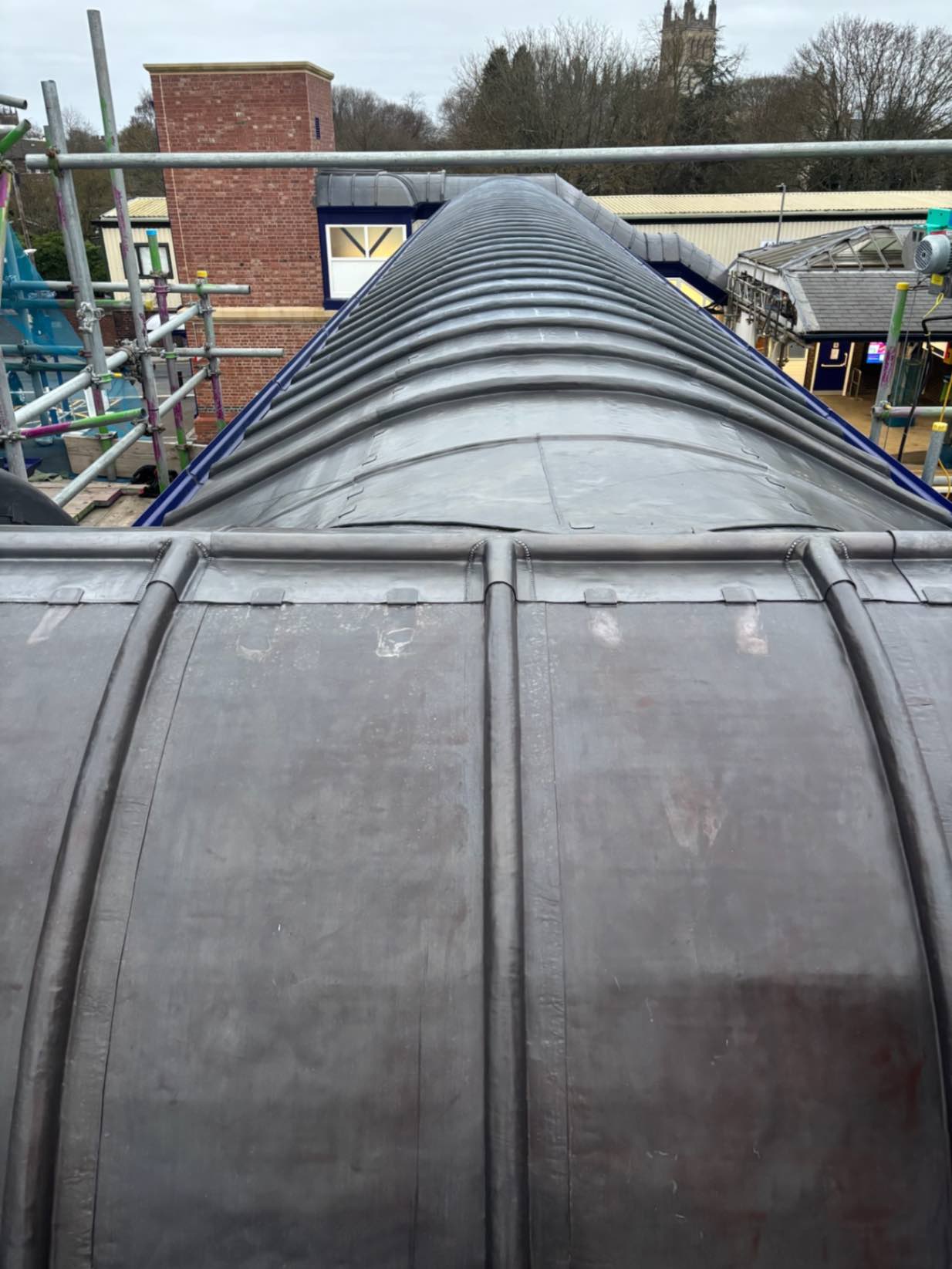
In contrast to leadwork or lead roofing, which is an artform in itself, hard metal roofing is the applicaiton of materials such as zinc, copper, stainless steel.
Such materials are delivered on a coil and need to be formed using purpose made machines to create trays.
Thereafter, other components for detailing and intersects are created using a bending machine.
Solder may be used to form joints and integrate necessary expansion where mechanical joints with height differentiations cannot reasonably be formed.
Client Page
Hard metal roofing refers to roofing systems constructed using robust, non-ferrous sheet metals such as zinc, copper, stainless steel, and aluminium. These materials are favoured for their exceptional durability, low maintenance, long lifespan, and aesthetic versatility. Hard metal roofs are typically installed using traditional standing seam, batten roll, or flat lock panel techniques, which allow for high-performance weathertight systems with a contemporary or heritage appearance.
The primary materials used in hard metal roofing include:
Each of these materials must conform to relevant product and installation standards to ensure safety and performance:
Installation should follow guidelines issued by the relevant manufacturers, and adhere to standards such as:
Further, the manufacturers of materials such as VM Zinc may also impose standard details and installation methods which form part of their product guarantee. If these details are not strictly adhered to, the product warranty may become null and void, which can become expensive should a claim arise as a result of premature failure or water ingress.
If you are looking for a fully warrantied roofing system, then it is prudent to consider engaging with both contractor and manufacturer to ensure that the product and installation are appropriate for the warranty to be upheld.
The substrate beneath a hard metal roof is critical to its performance, stability, and appearance. Two primary substrate build-ups are:
In a warm roof, the insulation layer is placed above the roof deck, ensuring the entire structure remains within the heated envelope. A typical warm roof assembly for hard metal roofing includes:
This build-up reduces the risk of condensation and is energy-efficient.
In a cold roof, the insulation is located between or below the rafters, and the ventilation occurs above the insulation and below the metal roofing:
Cold roofs require careful ventilation detailing to avoid condensation.
Installing hard metal roofing is a specialist trade. It involves:
Improper installation can lead to failure through water ingress, oil canning, or premature corrosion.

Zinc can be used vertically and at low pitches.
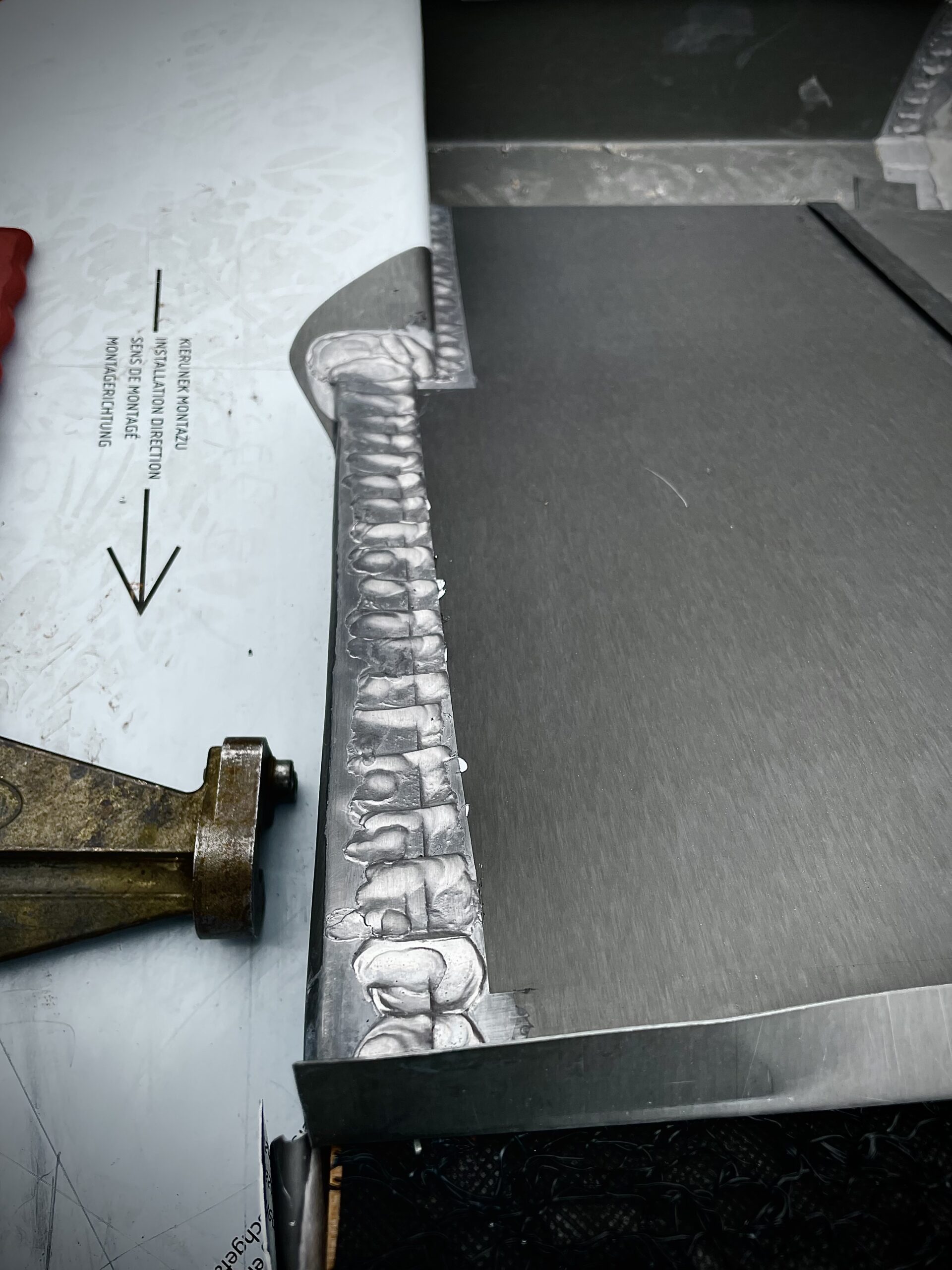
Fundamental to the process when forming details.

Zinc is available in a range of colours.
Hard metal roofing systems—whether constructed from zinc, copper, or stainless steel—are renowned for their longevity, aesthetic quality, and resilience. However, when failures do occur, they are rarely due to the material itself. Instead, the root cause is overwhelmingly linked to poor installation practices, with the most significant contributor being the incorrect formation or specification of the substrate. Understanding these failure mechanisms is essential for ensuring a long-lasting, high-performance roof system.
While the metals themselves are inherently durable, the detailing and installation process is highly specialised. Failures often arise due to:
Despite these risks, the most critical and frequently overlooked aspect is the formation of the substrate beneath the metal.
Hard metal sheets are highly conductive and responsive to temperature variations. When installed over inadequately designed or constructed substrates, the risk of interstitial condensation becomes significant. This occurs when warm, moist air from the interior or cavity migrates through the roof build-up and condenses on the underside of the colder metal surface. Over time, this trapped moisture can lead to:
Common substrate-related failures include:
Ultimately, the substrate serves as the foundation of the entire roof system, and any compromise here undermines the performance of even the highest quality metal materials.
Each of the primary hard metals—zinc, copper, and stainless steel—has unique characteristics, but all are sensitive to moisture trapped beneath the surface:
Thus, the success of a metal roof system is as dependent on the correct formation of the substrate as it is on the metal selection or seam detailing.
Due to the complex interplay between thermal performance, vapour control, ventilation, and mechanical fixing requirements, hard metal roofing should only be undertaken by experienced and technically proficient contractors. Poor workmanship and design assumptions lead to problems that may not be evident until several years post-completion—by which time repair costs are significant.
This is why GNR Roofing Services represent the ideal contractor for hard metal roofing projects. They offer:
By engaging a specialist like GNR Roofing Services from the outset, clients can safeguard against premature failure, avoid costly remedial works, and ensure that the hard metal roof performs as intended—both functionally and aesthetically—for decades to come.
Zinc Roofing, Learn moreGNR Roofing Services
Hard metal roofing delivers unmatched longevity, architectural appeal, and environmental performance.
Whether using zinc, copper, or stainless steel, these materials demand precision detailing and experienced installation to realise their full benefits.
Aluminium remains a viable alternative but is constrained by its jointing limitations. For high-performance, low-maintenance roofing with aesthetic and functional integrity, traditionally solderable metals remain the gold standard.
Get in touch