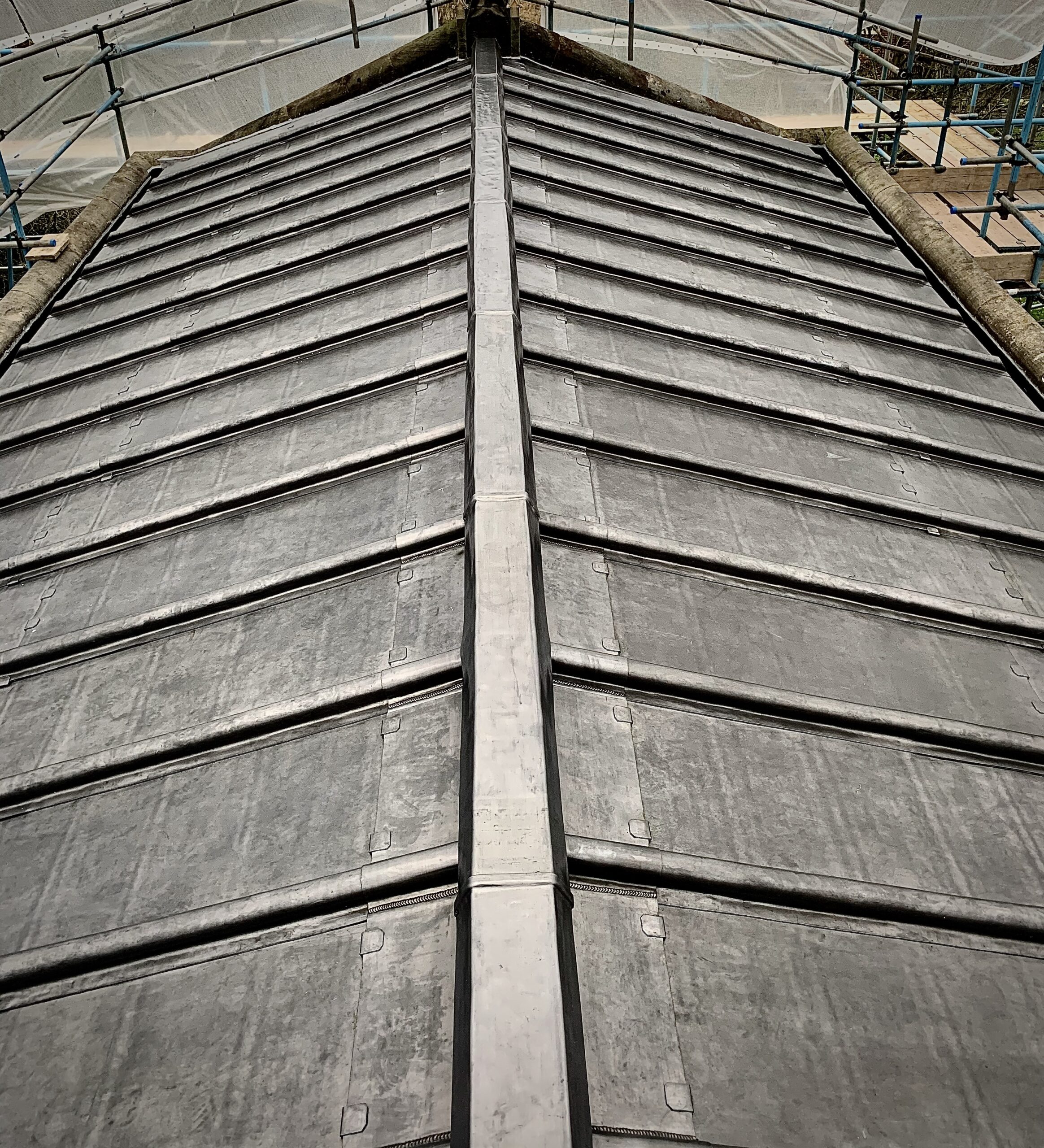
Specialist lead roofing, lead flashings, valleys, gutters and heritage leadwork installed to recognised industry guidance.
GNR Roofing provides lead roofing and specialist leadwork services across Yorkshire for domestic, heritage, ecclesiastical and high specification projects.
Leadwork should be designed and installed by a competent specialist. Poorly formed lead details can fail early through thermal movement, incorrect bay sizing, poor substrate formation, inadequate ventilation or unsuitable fixings.
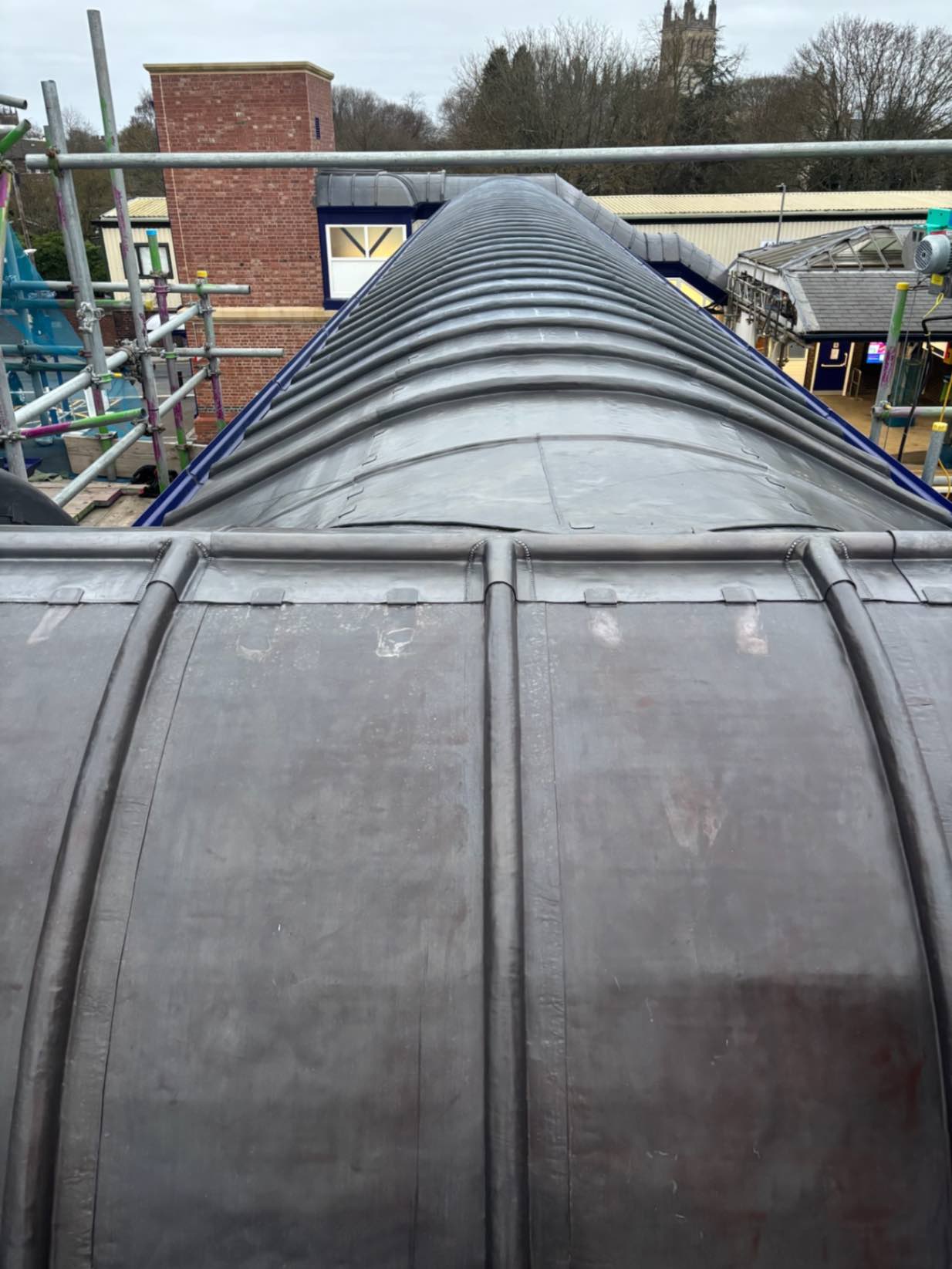
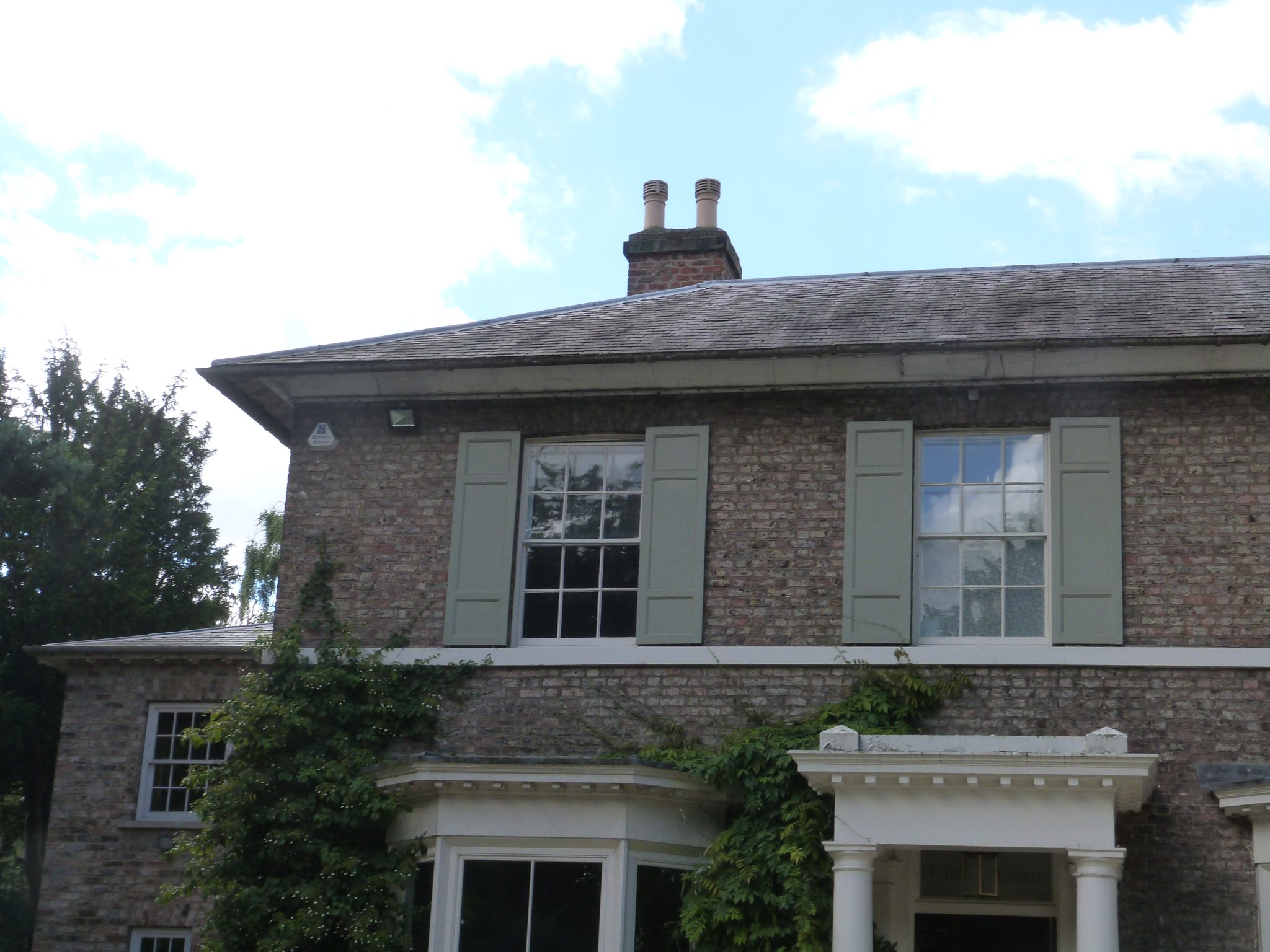
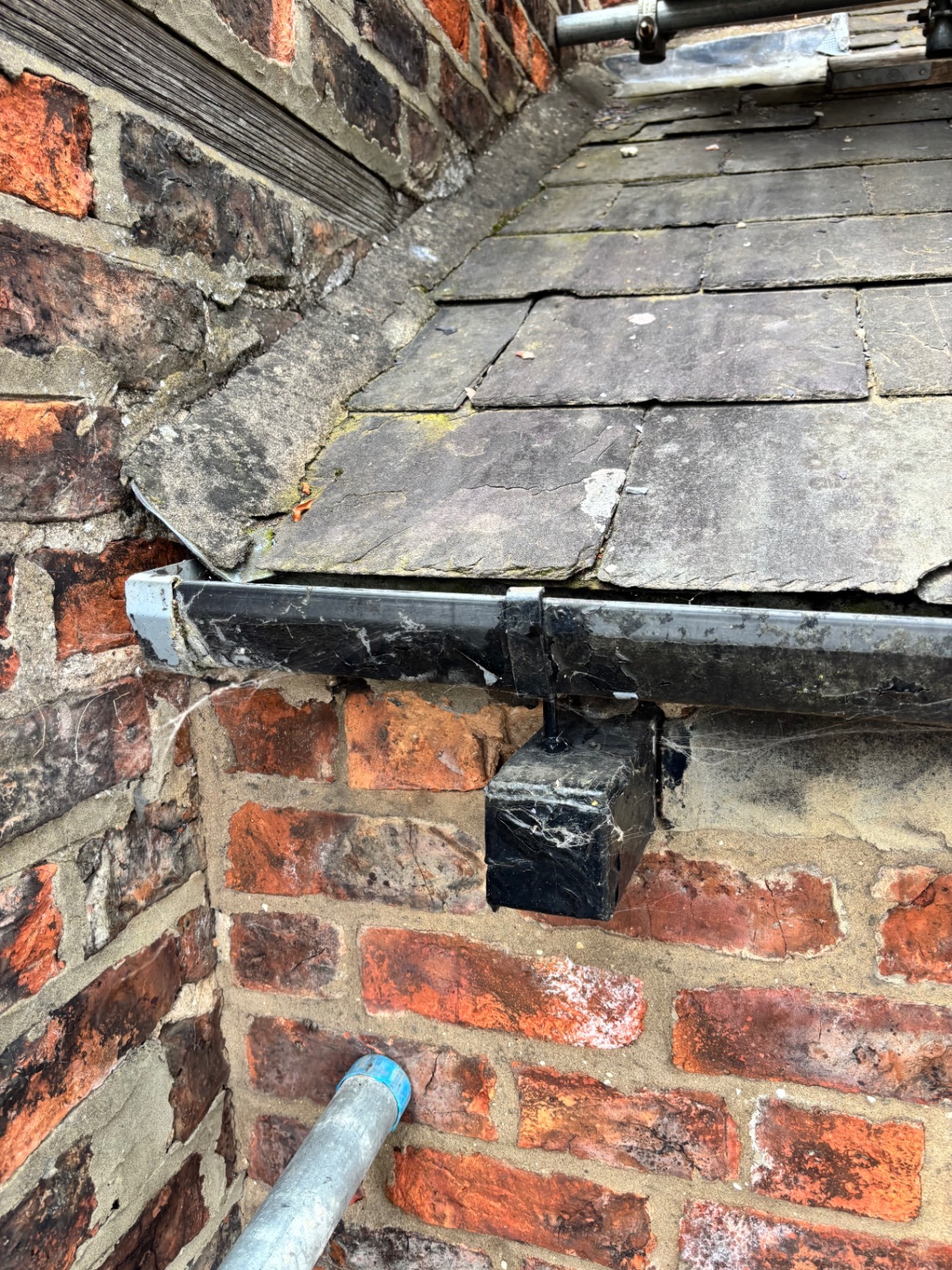
Our leadwork services include lead roofs, bay roofs, dormers, valleys, gutters, flashings, chimney details, abutments and bespoke weathering details.
We work with rolled lead sheet and install leadwork with reference to relevant industry guidance, including BS 6915 and recognised LSTA guidance.
Book a Leadwork Survey Client Information
Rolled lead sheet is one of the most durable and versatile roofing materials available when it is specified and installed correctly. It is commonly used for roofs, gutters, valleys, flashings, dormers, bay windows, chimney details and weatherings.
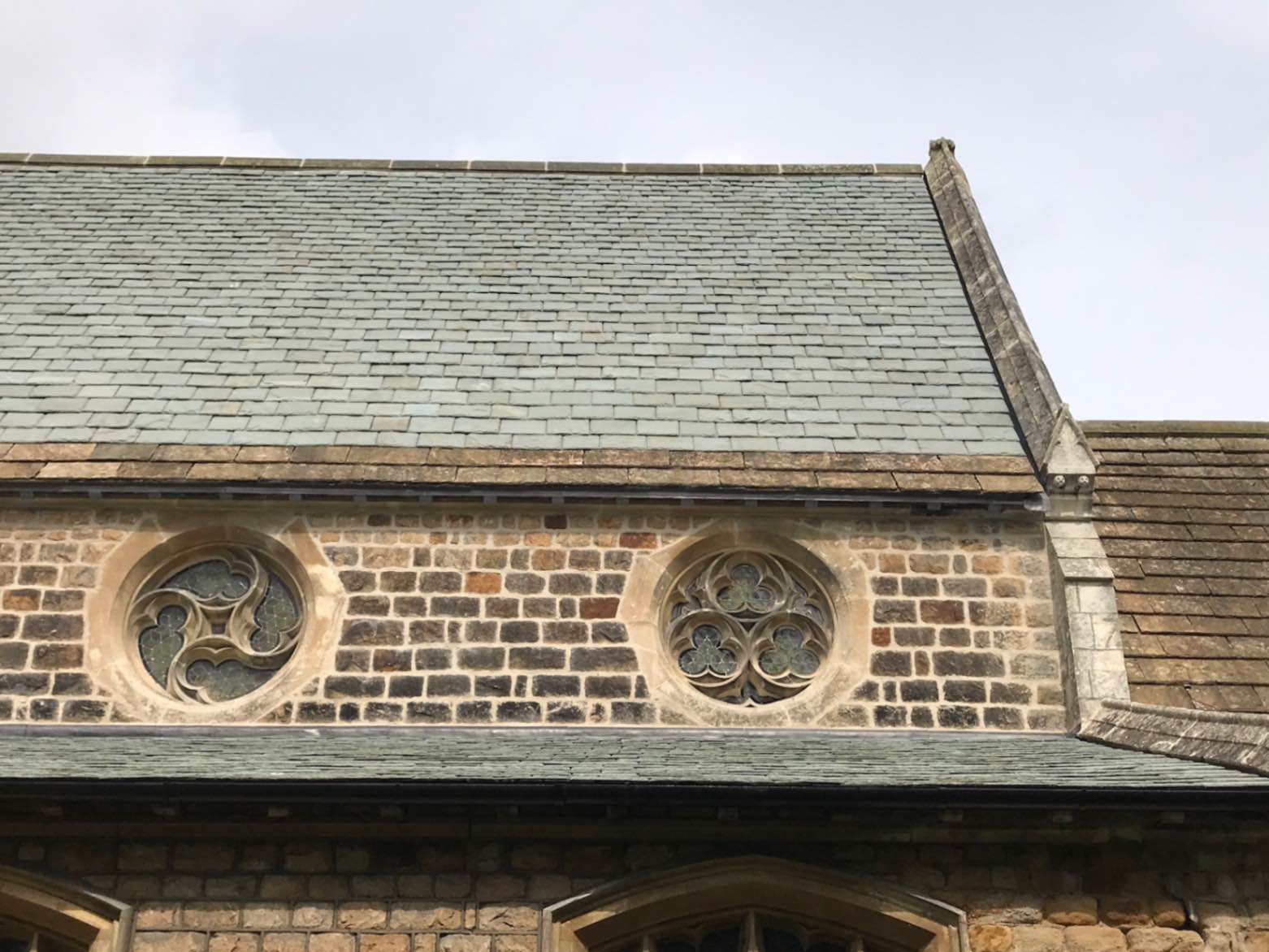
Lead is particularly valuable on heritage and traditional buildings because it can be formed to complex shapes, dressed around details and integrated with slate, tile, stone, masonry and timber substrates.
Rolled lead sheet used for building purposes should comply with BS EN 12588, which sets out requirements for lead sheet thickness, weight, tolerances and material quality.
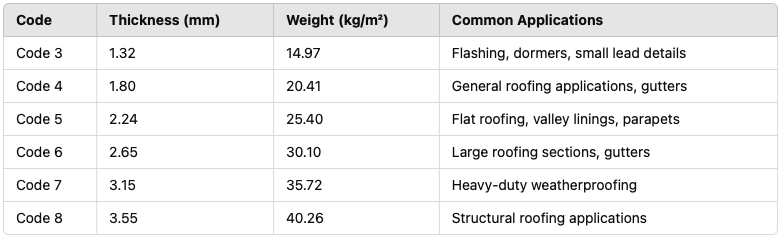
Lead sheet is supplied in different codes, with each code relating to thickness and weight. The correct code depends on the application, bay size, exposure, fixing method and movement allowance.
Using the wrong code of lead, or installing lead in bays that are too large, can reduce service life and cause premature splitting or distortion.
Leadwork is not simply a matter of dressing sheet material into place. Correct design, substrate preparation and detailing are essential to long-term performance.
Book a Leadwork Survey Buy Rolled Lead Sheet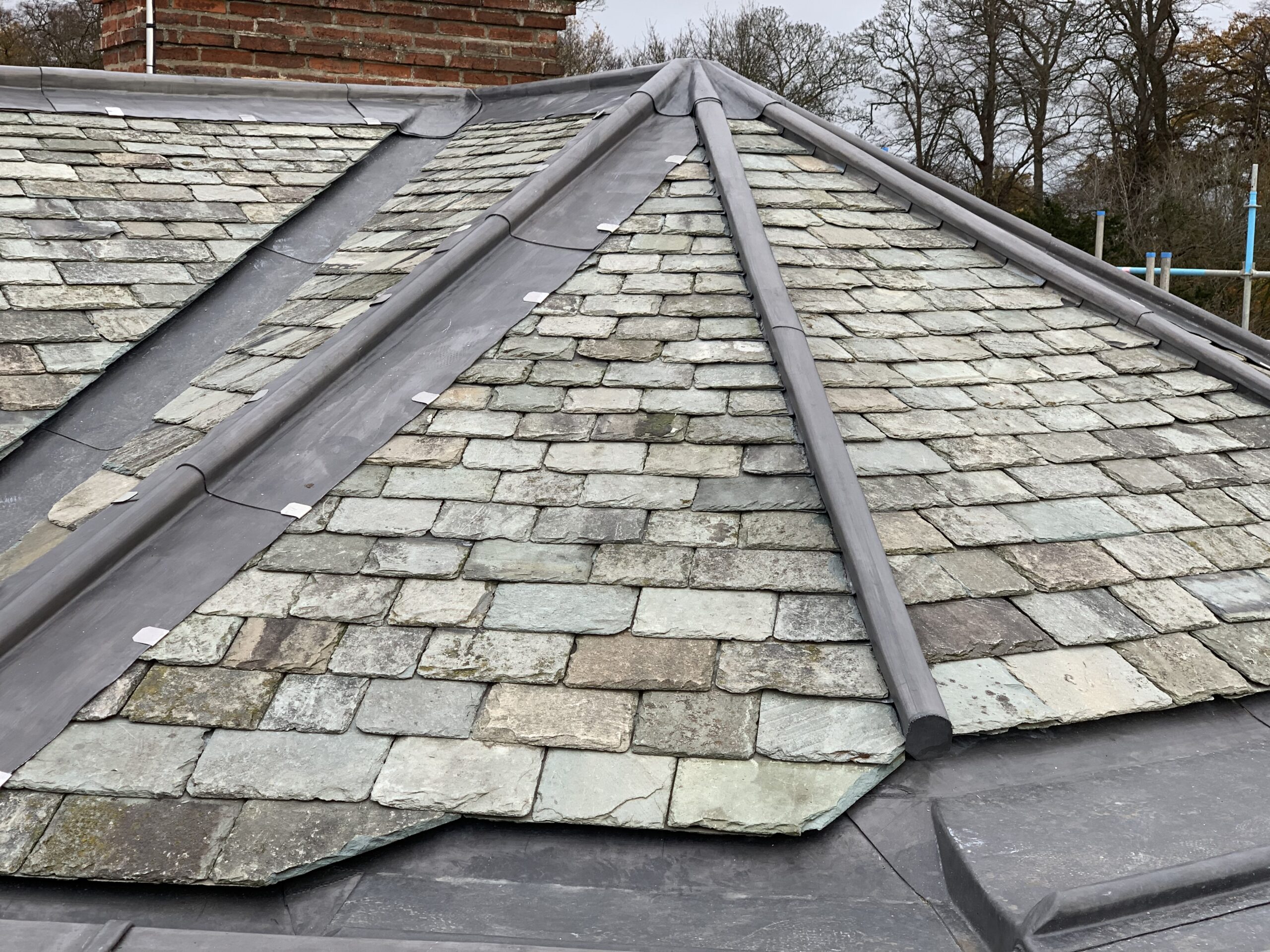
Leadwork installed with proper design, substrate preparation and detailing.
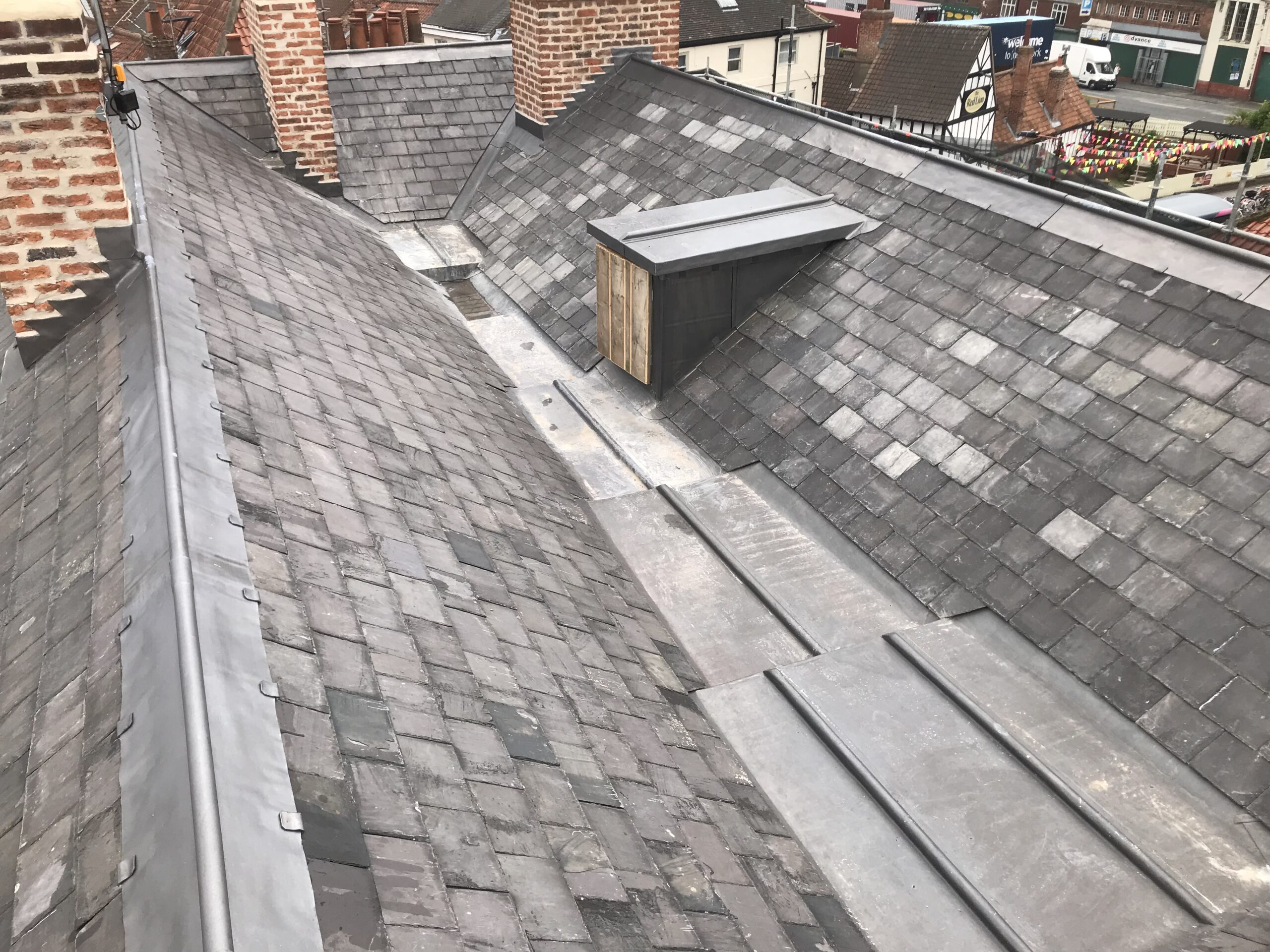
Roofs, flashings, gutters, valleys, dormers, chimneys and bay windows.

Work carried out with reference to BS 6915 and recognised LSTA guidance.
Lead is a traditional material, but successful installation requires specialist knowledge. The material moves significantly through thermal expansion and contraction, so details must be designed to accommodate movement.
At GNR Roofing, leadwork is treated as a core discipline. We undertake lead roofing and lead detailing across residential, heritage, ecclesiastical and high specification roofing projects.
Typical leadwork services include:
Within our wider group we also operate The Lead Lads, a specialist leadwork brand focused on rolled lead sheet installation and associated lead products.
Between GNR Roofing and The Lead Lads, we are well placed to provide lead roofing solutions across Yorkshire and selected wider locations.
Visit The Lead Lads Book a Leadwork SurveyLead roofing must be designed and installed correctly if it is to perform for the long term.
Correct lead code selection, bay sizing, substrate formation, ventilation, fixing and detailing are all critical to the durability, function and appearance of lead installations.
If you require lead roofing, flashings, gutters, valleys or specialist leadwork, please book a survey so we can assess the property and prepare a suitable specification.
Book a Leadwork Survey Leadwork Services