Welsh slates
GNR Roofing Services

Welsh Slates

Welsh slates and lead, installed correctly, are the ultimate roofing materials.

Site inspection
GNR Roofing Services

Wels Slate Roofing 

Welsh slates prevail as one of the the finest rofing materials. If you are looking at creating a roof covering that  will not only withstand tthe changing climate, but last a lifetime, then Welsh slate is the obvious choice.

However, the material chosen is only as effective as the way in which it is installed. The installation of a Welsh slate roof is a craft, and the interfaces that form part of any roof such as leadwork and detailing around penetrations is critical to the success of your roof covering.

At GNR, we provide high quaklity roofing solutions using Welsh slates, and this page is dedicated to providing informaiotn on what we use to create visually stunning and highly functional roof coverings.

Critically, a roof shold be installed in accordance with BS5534:2014+A2:2018 and leadwork, which is an important part of any roofing project, carried out in accordance with BS6915:2001+A1:2014

Discuss your Welsh slate project

An overview of Welsh Slates

Welsh slate is a premium natural roofing material renowned for its durability, aesthetic appeal, and long history of use. It originates primarily from quarries in North Wales, such as those in Penrhyn, Ffestiniog, and Cwt-y-Bugail, which have been producing slate for centuries. Here’s an overview of Welsh slate:

Key Characteristics

  1. Durability: Welsh slate is one of the most durable roofing materials, with a lifespan often exceeding 100 years. It is highly resistant to weathering, making it suitable for harsh climates.
  2. Appearance: The slate has a distinctive, elegant appearance, often characterized by a dark blue-grey or heather purple tone. Its fine grain and consistent texture contribute to its aesthetic value.
  3. Natural Material: As a natural stone, Welsh slate is environmentally friendly and sustainable, with a low carbon footprint compared to manufactured roofing materials.
  4. Waterproof: Slate is naturally impermeable to water, making it an excellent choice for roofing.
  5. Fire Resistance: It is non-combustible, providing added safety in fire-prone areas.

Applications

  • Roofing: Widely used on residential, commercial, and historic buildings, including prestigious landmarks.
  • Cladding: Used as a natural cladding material for modern architectural designs.
  • Landscaping: Smaller slate pieces are often used in gardens for pathways, mulch, or decorative features.
  • Heritage Restorations: Ideal for conservation projects due to its authenticity and traditional aesthetic.

Historical Significance

Welsh slate has been used since Roman times and became a dominant material during the Industrial Revolution. The slate industry played a pivotal role in the economy and culture of North Wales, leading to the designation of the Slate Landscape of Northwest Wales as a UNESCO World Heritage Site in 2021.

Benefits

  • Low Maintenance: Requires minimal upkeep due to its resistance to algae, moss, and weathering.
  • Eco-Friendly: Recyclable and long-lasting, reducing the need for frequent replacements.
  • Prestige: Its use is often associated with high-quality construction and luxury homes.

Drawbacks

  • Cost: Welsh slate is one of the more expensive roofing materials due to its quality and limited supply.
  • Weight: Slate roofs require strong structural support due to the material’s weight.

Welsh slate remains a sought-after choice for its timeless beauty, resilience, and cultural heritage, making it a premium option for roofing and other architectural uses.

Welsh slates in context

The videos below offer an insight into the use of Welsh slates in practice, they provide an overview of the way in which our teams of specialist roofers work with this material and integrate key details using a range of traditional and unique roofing details.

Crucially, when undertaking any re roofing project, it is prudent to consider the following key elements:

  • Insulation: Improvements to thermal efficiency, you are leaglly obliged to improve this when replacing 50% or more of your roof area in accordance with part L of Building Regulations.
  • Guttering and fall pipes: Rainwater managment, if undertaking a re roof of your property, the opportunity arises to change the rainwater goods, guttering, fall pipes and perhaps drainage. At GNR, we recognise the changing nature of our climate and advise clients to install larger profile gutter systems to meet the demads of heavier and more persistent rainfall.
  • Leadwork, a crucial part of any roofing project, flashings, back gutters, aprons and interface details should be carefully considered and a specialist leadwork professional used to execute this element of the work.
  • Chimney stacks, any roof penetration can be problematic, and chimney stacks are no exception. Masonry chimneys should be repaired, and if possible have a lead tray installed above the line of the flashing to mitigate penetrating damp from causing ingress in the future. You should consider chimney pots, cowls and terminals, and flaunchings carefully and align them with the use of the stack. Wood or solid fuel appliances should be inspected and comissioned by a HETAS registered company. Further, waterproofing agents such as Belzona 5122 should be considered to help mitigate penetrating damp where the installation of a lead tray is not practical.

Welsh slate roofing, a brief guide

Fitting Welsh slates in accordance with BS 5534:2014+A2:2018, the British Standard for slating and tiling for pitched roofs and vertical cladding, ensures the roof meets stringent performance and durability requirements. This standard addresses wind resistance, durability, weather tightness, and best practices for installation.

Key Steps for Fitting Welsh Slates

1. Material Selection

  • Quality of Slate: Use slates that comply with BS EN 12326-1, ensuring they meet standards for water absorption, strength, and durability.
  • Sorting: Select slates of uniform thickness, particularly important for Welsh slates as they are hand-split and may have slight variations.

2. Roof Design Considerations

  • Pitch: Ensure the roof pitch is appropriate for Welsh slates. Typically, a minimum pitch of 20-25° is required, depending on slate size, overlap (headlap), and site exposure.
  • Ventilation: BS 5534 requires adequate ventilation to prevent condensation buildup beneath the slates.
  • Load Support: Ensure the roof structure can support the weight of the slates and other loads like snow and wind.

3. Underlay Installation

  • Install a breathable or non-breathable underlay to provide secondary weatherproofing.
  • Secure underlay according to wind uplift requirements, ensuring overlaps align with BS 5534 guidelines.

4. Battening

  • Batten Size: Use timber battens graded to BS 5534 standards. Minimum sizes typically range from 25x50mm, depending on rafter spacing and roof load.
  • Fixing: Secure battens to rafters with nails or screws. Batten spacing should match the slate gauge, determined by slate length and required headlap.

5. Fixing Slates

  • Headlap: Ensure the correct overlap between rows of slates to prevent water ingress. The recommended headlap depends on roof pitch and site exposure, typically between 75mm and 100mm.
  • Fixings: Use non-corroding nails (stainless steel, copper, or aluminum alloy) to secure slates. Typically, two nails are used per slate.
  • Holing: Pre-drill slates if not factory-holed, ensuring holes are at the correct distance from the slate edge and aligned for neat laying.
  • Hook Fixing (Optional): In some cases, hooks can be used instead of nails, particularly for very low-pitch applications.

6. Cutting and Detailing

  • Use appropriate tools to cut slates cleanly for hips, valleys, and verges.
  • Ensure proper detailing at abutments, ridges, and eaves to maintain weather tightness.

7. Mortar and Dry Fix Systems

  • Dry Fix: Where possible, use dry fix systems for ridges, hips, and verges, ensuring compliance with BS 5534 requirements for durability and wind resistance.
  • Mortar: If using mortar, incorporate mechanical fixings for added security.

8. Wind Uplift and Fixing Strength

  • Ensure all slates are fixed to resist wind uplift forces as calculated based on roof pitch, exposure, and height. Additional fixings or adhesive may be required in high-wind zones.

9. Inspection and Quality Assurance

  • Inspect the roof during and after installation to ensure compliance with BS 5534.
  • Address any cracked or improperly fixed slates immediately.

Benefits of Compliance

  • Enhanced Durability: Protects against weather and environmental factors.
  • Improved Safety: Reduces risks associated with wind uplift and structural failure.
  • Regulatory Approval: Ensures the installation meets building regulations and insurance requirements.

Additional Notes

  • BS 5534 includes guidance on integrating modern systems like photovoltaic panels or enhanced thermal performance with slate roofs.
  • Installers should have appropriate training and experience to work with natural slates, especially for heritage or conservation projects.

By adhering to BS 5534:2014+A2:2018, the installation of Welsh slates ensures a robust, long-lasting, and aesthetically pleasing roof that meets contemporary performance standards.

Book a Site Inspection
mission and values

Welsh Slates

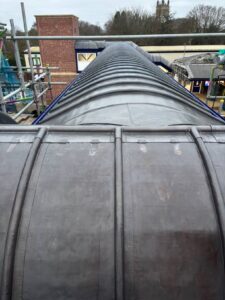
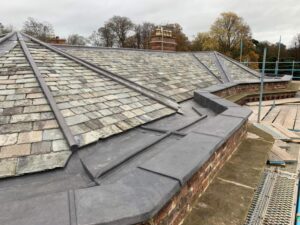
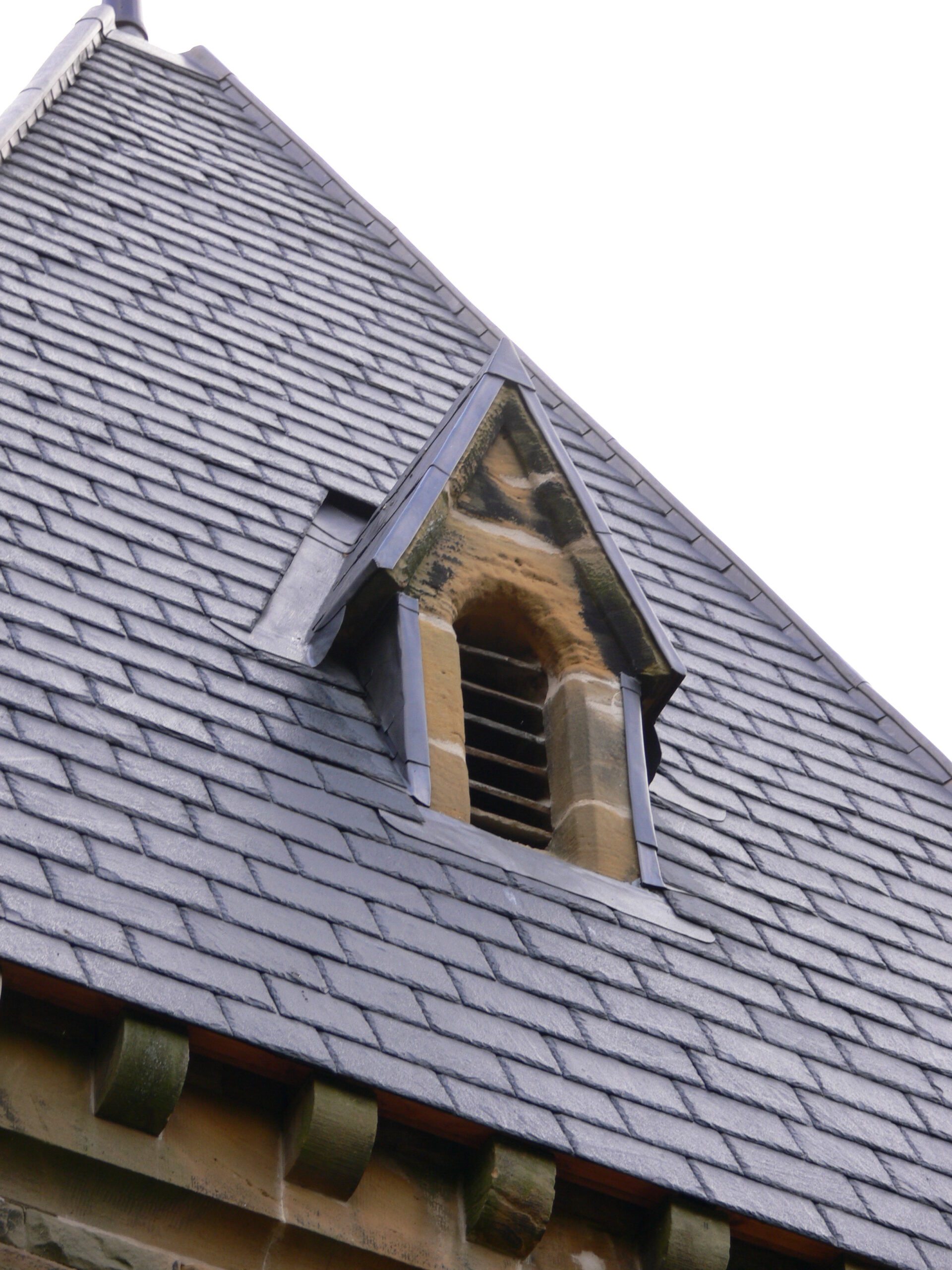
Lead hip and ridge details offer a dry fixed, robust, and compliant solution when interfacing a Welsh slate roof.

roofers North Yorkshire

Uniformity

Welsh slates provide a uniform roof covering, providing consistent colour and texture.
roofers york

Versitility

Welsh roof slates can be used on pitches from 25° and on vertical faces.

Welsh slates | The Quarries

Cwt-y-Bugail

The Cwt-y-Bugail Slate Quarry is one of the prominent producers of high-quality Welsh slate, located in the heart of Snowdonia, North Wales. Renowned for its heritage, craftsmanship, and superior slate products, the quarry plays a vital role in the Welsh slate industry, celebrated for producing some of the finest natural roofing materials.

Penrhyn

The Penrhyn Slate Quarry, located near Bethesda in North Wales, is one of the largest and most historically significant slate quarries in the world. Operating since the 18th century, it played a pivotal role in establishing Wales as a global leader in the slate industry. Known for its heather blue slates, Penrhyn produces some of the finest roofing materials, celebrated for their durability, impermeability, and striking appearance. The quarry is part of the UNESCO-designated Slate Landscape of Northwest Wales, highlighting its cultural and industrial heritage. Today, Penrhyn slate remains a premium choice for both modern architecture and heritage restorations, reflecting a legacy of craftsmanship and quality.

Ffestiniog 

The Ffestiniog Slate Quarry, situated near Blaenau Ffestiniog in North Wales, has a storied history as a key player in the region’s slate industry, known for producing high-quality, dark blue-grey slate. After being closed for several years due to economic challenges, the quarry recently reopened, marking a revival of both local industry and heritage. This reopening reflects renewed demand for Welsh slate, celebrated for its durability, sustainability, and aesthetic appeal, and highlights efforts to preserve the rich cultural and industrial legacy of the Slate Landscape of Northwest Wales, a UNESCO World Heritage Site.

Reclaimed Welsh Slates 

It is possible to consider the re use of Welsh slates, but caution is advised.

However, it is important to recognise that the use of reclaimed slates, as with any second hand material, carries a degree of risk.

You will need to carefully consider the quality of the slate, and understand that the lifespan of the material, and subsequently the installation, will be reduced.

Further, the availability of second hand Welsh slates has diminished in recent years, with stocks now at an all time low.

Sourcing sufficient quantities, of adequate quality, to undertake a re roofing project is becoming increasingly difficult.

At GNR, we advise clinets to carefully consider the use of new versus salvaged Weslh slates, and clearly outline the cost benefits of choosing new.

Moreover, a re-roofing project is seldom cheap, but the most important part is that it provides value for the long term.

Furthermore, a new Welsh slate roof, fitted in accordance with current British Standards, will last in excess of a century. Contrastingly, where salvaged slates are used, the lifespan will be halved.

However, in some cases, the use of second hand slates, should sufficient supply be obtainable, may offer a significant level of value should the cost of new Weslh slates simply be too restrictive.

The video to the left shows a project using carefully selected and sourced reclaimed slates, in this instance, Westmorland Slates.

Shop Reclaimed Slates
GNR Roofing Services

Sourcing Welsh Slates 

At GNR, we have spent over 40 years in the roofing industry, and have formed close relationships with some of the UK’s best suppliers of Welsh Slates. 

If you are looking to source Welsh roofing slates for your project, then please feel free to get in touch. We can provide costs, lead times, and advise you on the best slates for your project.

Further, delivery of your Welsh slates can be arranged in a timely fashion based upon your project needs.

Additionally, we can also provide costs for turnkey roofing solutions using al types of Welsh slates. Further, GNR are willing to operate nationally based upon the nature of a given project. Our teams of roof slaters are specialists in the field, and our leadwork department is one of the best in the UK. If you are looking for high quaklity roofing services, then please contact us using the button below.

Get in touch
Our group

Geoff Neal (Roofing) Limited, Sutton Road, Wigginton, York, YO32 2RB
North Yorkshire, United Kingdom

admin@nealroofing.com

All rights reserved