


Seasonal Roof Maintenance Checklist for UK Homes
Prepare your roof for rain, frost, wind and cold weather by checking slates, tiles, chimneys, gutters, flat roofs, drainage, insulation and ventilation.
Why Autumn Is the Best Time to Prepare
Falling leaves, heavier rainfall, frost and high winds can turn small roofing defects into disruptive winter leaks.
An autumn inspection gives time to clear drainage, replace cracked slates or tiles, check chimney weatherings and investigate signs of condensation before conditions become more severe.
Most homeowner checks should be completed safely from ground level or from inside the loft. Do not walk on the roof or use ladders unless you are trained, equipped and the access is appropriate.
Use binoculars, photographs or a professional roof inspection for high-level areas. Never climb onto a wet, frosted, fragile or steep roof.
Check Slates, Tiles, Ridges and Roof Edges
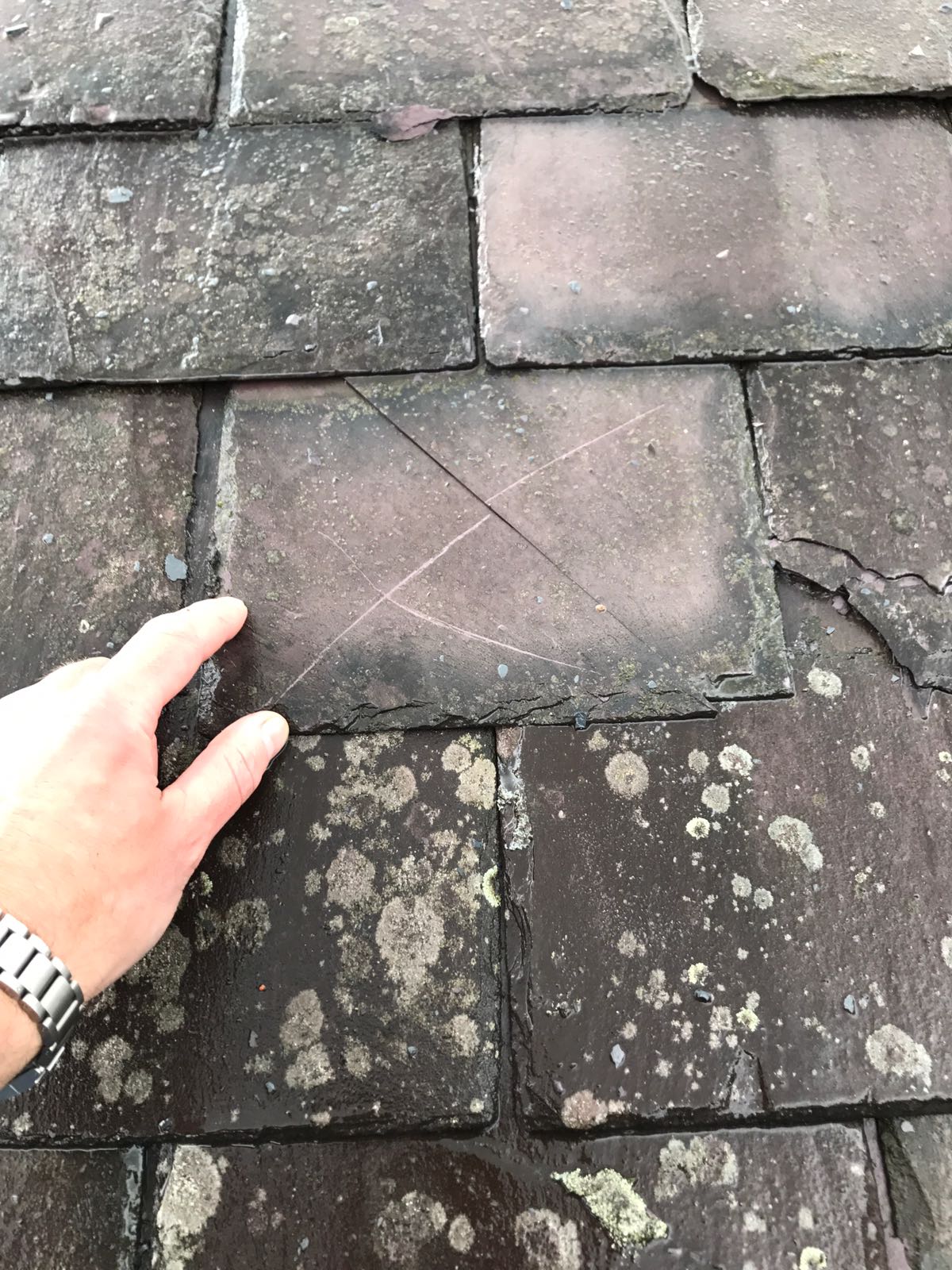
Cracked Slates or Tiles
Look for visible fractures, missing corners and coverings that have slipped out of line.
Missing Coverings
Open gaps can expose underlay and battens to wind-driven rain.
Loose Ridges and Hips
Check for movement, broken mortar or displaced dry-fix components.
Verges and Eaves
Inspect roof edges for loose mortar, damaged undercloak, failed fascias or nesting activity.
Moss Build-Up
Heavy moss can hold moisture and obstruct drainage; removal should not damage the covering.
Internal Daylight
From the loft, look for unexpected daylight, staining or damp around the corresponding area.
Inspect the Most Exposed Roof Junctions
Pointing
Weathered or missing mortar can allow water into the stack and adjacent roof fabric.
Flaunching
Cracked mortar around chimney pots can loosen pots and admit water.
Pots and Cowls
Check for leaning, cracking, missing cowls and signs of instability.
Lead Flashings
Look for lifting, splits, open joints or lead that has pulled away from masonry.
Back Gutters
Debris behind chimneys can slow drainage and create hidden standing water.
Internal Staining
Check loft timbers and ceilings around the chimney for damp, salts or staining.
Clear Gutters, Valleys, Hoppers and Downpipes
- Remove leaves, moss and debris from gutters before prolonged rainfall.
- Check that outlets and downpipes discharge freely without backing up.
- Inspect gutter joints, brackets and stop ends for movement or leaks.
- Clear roof valleys without damaging lead, slate, tile or membrane surfaces.
- Look for water marks on walls beneath gutters and hoppers.
- Confirm that downpipes remain connected to suitable drainage.
- Check gullies and ground-level drainage so water can leave the building.
A safe ground-level observation during rain can reveal overflow, leaking joints or downpipes that remain dry because they are blocked upstream.
Check Ponding, Upstands, Fixings and Corrosion
Ponding Water
Persistent standing water can indicate blocked outlets, poor falls or movement within the deck.
Upstands and Edges
Inspect wall junctions, rooflight kerbs, drips and edge trims for open seams or splits.
Penetrations
Check pipes, vents and plant supports where waterproofing is interrupted.
Loose Fixings
Sheet-roof screws and washers can loosen or deteriorate under weather and thermal movement.
Corrosion
Look for rust, flaking coatings and dissimilar-metal reactions on sheet roofs and flashings.
Rooflights
Check seals, fixings, laps and surrounding drainage without walking on fragile panels.
Check Heat Loss Without Creating Condensation
Coverage
Check that loft insulation is reasonably even and not missing between or across joists.
Compression
Avoid compressing insulation beneath stored items because this reduces performance.
Eaves Ventilation
Do not block ventilation openings when insulation is added near the roof edge.
Condensation
Look for droplets, mould, staining or damp on underlay and roof timbers.
Water Tanks and Pipes
Check insulation and frost protection around tanks and pipework where applicable.
Professional Advice
Seek advice before adding insulation where damp, condensation or an unusual roof build-up already exists.
Insulation and ventilation must work together. Blocking eaves ventilation can increase condensation risk even where more insulation has been installed.
Complete a Safe Post-Storm Check
- Look for fallen slates, tiles, ridge pieces or chimney debris at ground level.
- Check loft spaces after heavy rain for new staining or active drips.
- Inspect gutters and downpipes for damage or displacement.
- Photograph visible damage before temporary or permanent repairs.
- Keep people away from areas beneath loose masonry or roof coverings.
- Contact the insurer promptly where sudden storm damage may be covered.
- Use temporary weather protection only where it can be installed safely.
A Simple Four-Season Roofing Schedule
Review Winter Damage
Check coverings, chimneys and drainage after frost, wind and prolonged rain.
Plan Larger Repairs
Inspect flat roofs, trim overhanging branches and arrange work before autumn demand.
Clear Drainage
Remove leaves, check slates and tiles, and prepare the roof for winter.
Monitor Safely
Complete ground-level and loft checks after severe storms or heavy rainfall.
Keep dated photographs, survey reports and repair invoices. A simple record helps track recurring defects and supports future maintenance or insurance discussions.
Plan Repairs and Maintenance
Seasonal Roof Maintenance FAQs
How often should a roof be inspected?
Inspection frequency depends on age, exposure and condition. An annual review, seasonal drainage checks and a check after significant storms are sensible for many properties.
What roof maintenance should be done before winter?
Check slates and tiles, chimneys, flashings, gutters, valleys, flat-roof outlets, loft damp and insulation without blocking ventilation.
Can cracked slates cause a leak?
Yes. Cracks and missing sections can expose the roof build-up to wind-driven rain and may worsen through frost or movement.
Should moss be removed from a roof?
Heavy moss can obstruct drainage and hold moisture, but removal should be completed without breaking coverings or using methods unsuitable for the roof material.
How do I know if a chimney needs repair?
Warning signs include loose pointing, cracked flaunching, leaning pots, split flashings, staining and fallen masonry fragments.
Why do gutters overflow in autumn?
Leaves, moss and debris can block gutters, hoppers, valleys and downpipes, causing water to back up or discharge over the edge.
Does loft insulation cause condensation?
Insulation itself is beneficial, but condensation risk can increase where ventilation is blocked, moisture enters the loft or the roof build-up is unsuitable.
What should I check after a storm?
Look for fallen coverings or debris, new loft staining, displaced gutters, chimney damage and visible gaps from a safe ground-level position.
Can I inspect my own roof?
You can complete safe ground-level and loft checks, but high-level access, fragile roofs and technical diagnosis should be left to competent professionals.
Does Neal Roofing provide maintenance inspections?
Neal Roofing can inspect roof coverings, chimneys, leadwork, flat roofs, gutters and other visible elements, then advise on repair and maintenance priorities.
Arrange a Roof Inspection Before Winter
Neal Roofing can inspect roof coverings, chimneys, leadwork, flat roofs, gutters, drainage and visible loft concerns before preparing a written quotation.