


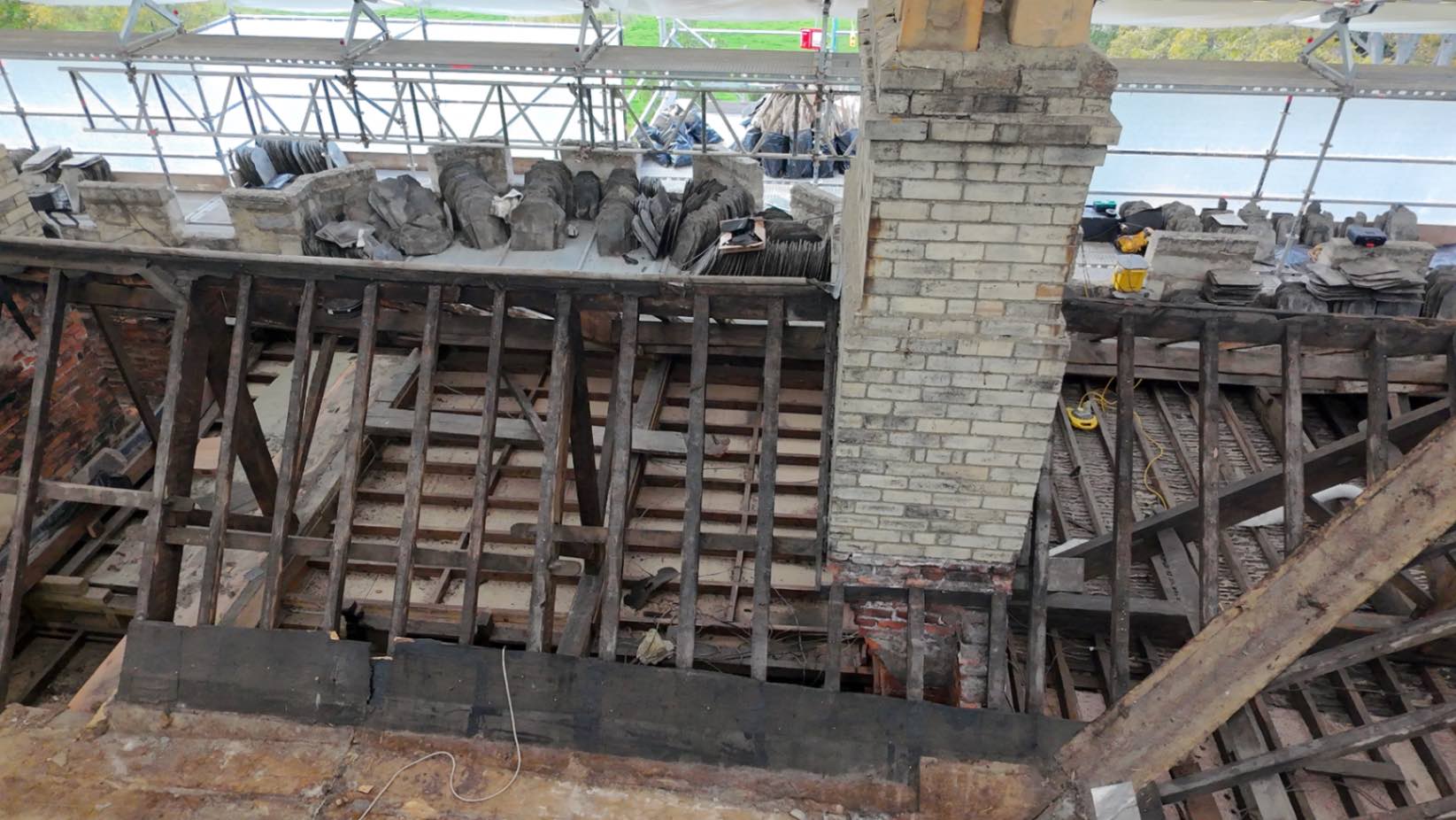
Plain-English guidance on the external fire classification of roofs and roof coverings—what the classifications mean, how roof systems are tested, and why the complete roof build-up matters.
BS EN 13501-5:2016 is the European and British Standard used to classify the external fire performance of roofs and roof coverings. In simple terms, it sets out how roofing systems are classified using test evidence showing how they respond to burning brands, wind and, in some tests, radiant heat.
The classification applies to the complete tested roof system, including the roof covering, substrate or deck, insulation, vapour-control layers, joints, fixings and roof pitch.
Note: This page is an educational summary for clients. We are not reproducing the standard. Product selection and fire classification should be checked against the relevant classification report, manufacturer information and Building Regulations requirements.
View all standards
Use the buttons below to skip to the part that matters to you.
Who it applies to Key ideas (plain English) External fire classifications The four test methods B ROOF explained Complete roof build-up Pitch, decks & substrates Refurbishment & changes Client checklist FAQs Book an inspectionWhat it’s not: BS EN 13501-5 is not the general reaction-to-fire classification used for all construction products. It specifically concerns how roofs and roof coverings perform when exposed to an external fire source.
The fire performance of a roof cannot normally be judged from the outer covering alone. BS EN 13501-5’s core message is:
If you remember one thing: a fire classification should not be transferred to a different roof build-up unless the classification report confirms that the change is covered.

BS EN 13501-5 uses classifications such as BROOF, CROOF, DROOF, EROOF and FROOF, followed by a test-method suffix.
The suffix—such as (t1), (t2), (t3) or (t4)—identifies the test scenario used. There is no simple direct hierarchy between results obtained using different test methods.
Client takeaway: BROOF(t4) and BROOF(t1) are not interchangeable descriptions. The suffix forms part of the classification.
The classifications are based on four external fire test methods described in CEN/TS 1187.
The tests consider factors including external and internal fire spread, damaged length, fire penetration, burning droplets, debris and the development of openings through the roof.
Client takeaway: the selected classification must be supported by the corresponding test method. Passing one test does not automatically provide a classification under the others.
BROOF is generally the highest external fire-performance classification within each of the four test routes, but the criteria vary according to the suffix.
Client takeaway: always check the complete classification, including the test suffix, rather than relying on the word “fire-rated”.
Roof covering = the exposed weathering layer
Substrate or deck = the supporting base
Insulation and vapour layers = concealed parts affecting fire behaviour
Classification report = evidence defining where the result applies
BS EN 13501-5 classifies the tested roof arrangement, not merely the product name printed on the outer covering.
The external fire performance of a roof depends upon more than the visible weatherproof layer.
Joints within the weathering layer, insulation or other roof components can also affect the fire performance and may need to be represented in the test specimens.
Client takeaway: substituting insulation, membranes, adhesives or decks can invalidate the classification unless the change falls within the stated field of application.
A classification report should state the construction arrangements for which the test result remains valid.
Client takeaway: a product certificate should be checked against the actual roof pitch and build-up proposed for the project.
Fire classifications can be affected when an existing or specified roof build-up is altered.
Client takeaway: where a roof is refurbished, the fire classification of the completed build-up should be checked—not merely the classification of the new top layer.
Roof survey servicesIt identifies a roof system achieving the BROOF classification under Test 4, which uses burning brands, wind and supplementary radiant heat in a two-stage test. The classification applies only within the stated field of application.
No. A1 and A2 classifications generally relate to reaction to fire under BS EN 13501-1. BROOF relates specifically to the external fire performance of a complete roof or roof-covering system.
Yes. A product may have different classifications depending on the test method, deck, insulation, fixing method and roof pitch. The relevant classification report should be checked for the exact proposed arrangement.
No. It addresses external fire exposure to the roof. Other fire-safety matters, including internal fire spread, compartmentation, structural fire resistance and means of escape, are covered by different requirements and standards.
Roof coverings and supporting layers checked against the required external fire classification.

Membranes, insulation, vapour layers and decks selected as a tested roof system.
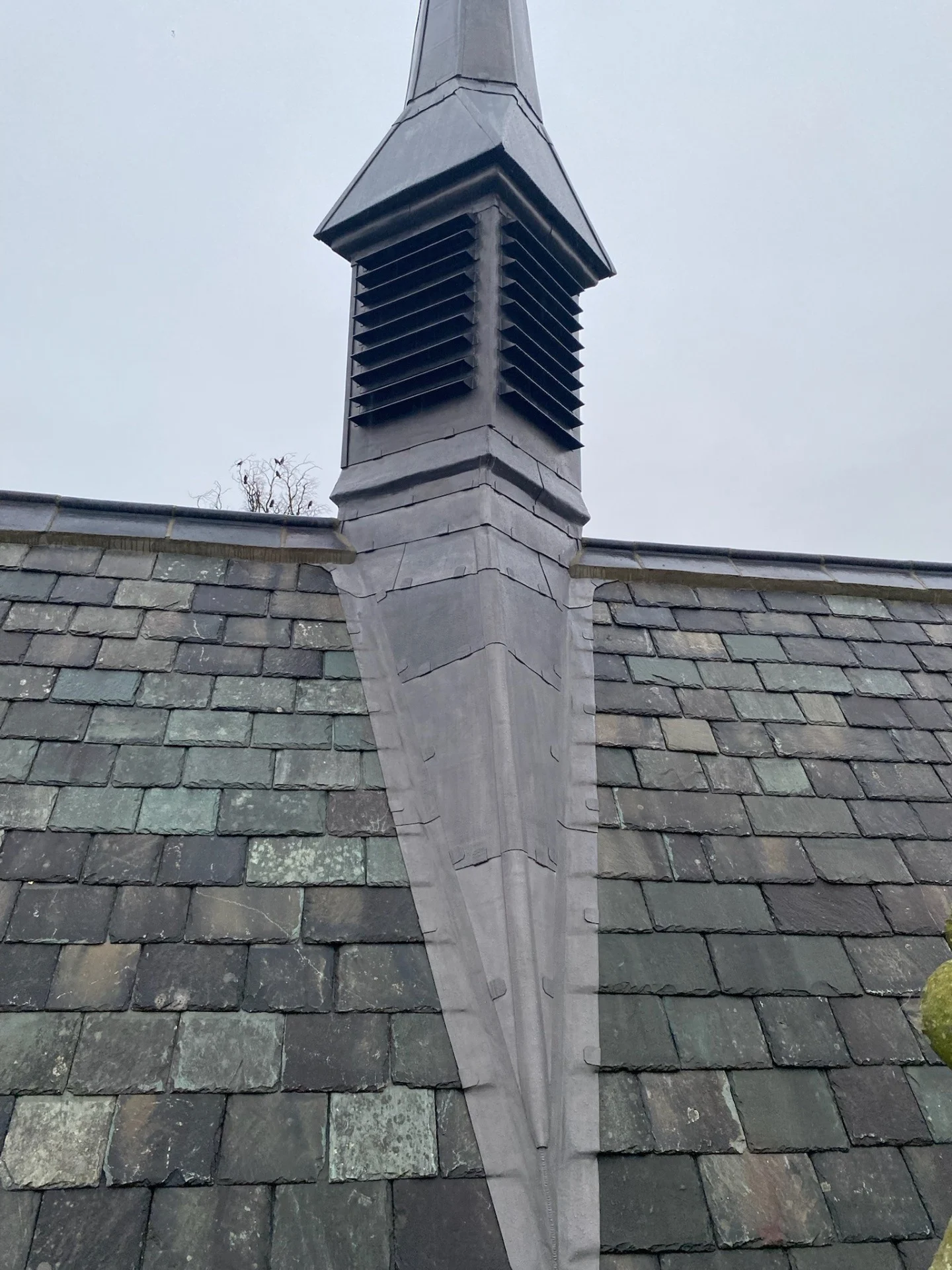
Reviewing roof build-ups, product evidence and external fire-classification requirements.

